Αρχειοθήκη ιστολογίου

Παρασκευή 18 Ιανουαρίου 2019

Associations Between Maternity Care Practices and 2-Month Breastfeeding Duration Vary by Race, Ethnicity, and Acculturation

Abstract

Objectives This study examines the associations between specific maternity care practices and breastfeeding duration for Spanish-speaking Hispanic, English-speaking Hispanic, non-Hispanic Native American, and non-Hispanic White women. Methods We analyzed data from the 2012–2014 New Mexico Pregnancy Risk Assessment Monitoring System. We used survey language as a proxy measure of acculturation and categorized women as Spanish-speaking Hispanic, English-speaking Hispanic, non-Hispanic Native American, and non-Hispanic White. We conducted bivariate analyses to compare rates of breastfeeding at 2 months and experiences of maternity care practices and logistic regression analysis to estimate the effects of these practices on breastfeeding duration for each group. Results Hispanic women were less likely than non-Hispanic women to breastfeed for at least 2 months (67.9% vs. 76.6%; p = 0.000); however, this varied significantly by acculturation level: 78.1% of Spanish-speaking Hispanic women compared to 66.1% of English-speaking Hispanic women breastfed for at least 2 months (p = 0.000). The effects of specific maternity care practices on duration varied across groups. Among non-Hispanic White, Native American, and English-speaking Hispanic women, breastfeeding while at the hospital had the strongest effect (AOR 2.09, 95% CI 1.67–2.61; AOR 2.71, 95% CI 2.08–3.52; and AOR 1.99, 95% CI 1.76–2.25, respectively). Among Spanish-speaking Hispanic women, being encouraged to breastfeed on demand had the strongest effect (AOR 5.179, 95% CI 3.86–6.94). Conclusions for Practice The effects of maternity care practices on breastfeeding duration vary by race, ethnicity, and acculturation level. Health care systems must acknowledge the diversity of their patient populations when seeking to develop and implement breastfeeding-friendly practices.


from A via a.sfakia on Inoreader http://bit.ly/2SZRZLS

Dynamics of blood brain barrier permeability and tissue microstructure following controlled cortical impact injury in rat: A dynamic contrast-enhanced magnetic resonance imaging and diffusion kurtosis imaging study

Publication date: Available online 17 January 2019

Source: Magnetic Resonance Imaging

Author(s): Mengmeng Yu, Mingliang Wang, Dianxu Yang, Xiaoer Wei, Wenbin Li

Abstract
Objective

The blood-brain barrier (BBB) and cerebral tissue microstructure can be impaired following traumatic brain injury (TBI). However, the spatiotemporal changes of BBB leakage and tissue microstructure are not completely understood. In this study, we evaluated the spatiotemporal changes of BBB leakage and tissue microstructure using dynamic contrast-enhanced magnetic resonance imaging (DCE-MRI) and diffusion kurtosis imaging (DKI) in controlled cortical impact (CCI) rats.

Materials and methods

The DCE-MRI parameters volume transfer coefficient (Ktrans) and DKI parameters were longitudinally measured in bilateral cortex, hippocampus, thalamus and corpus callosum (CC) at baseline (D0), acute stage (D1, D3), and subacute stage (D7, D14 and D28) post-injury. Immunohistochemistry analysis was performed at D28 after MRI scanning. Repeated-measures ANOVA was used to assess the temporal changes of MRI parameters.

Results

Ktrans abnormality was only localized to ipsilateral perilesional cortex with a significant temporal change (F = 144.2, p < 0.0001). Compared to baseline, increased mean kurtosis (MK) was observed in ipsilateral regions of cortex and hippocampus and CC for all the time points (p < 0.05 for all). Increased MK was also observed in ipsilateral thalamus (p = 0.005) at subacute stage but not at acute stage while no change was observed with MD and FA (p > 0.05 for both). In ipsilateral cortex, the overall Ktrans value of D0, D1, D3, D7, D14, and D28 post-injury were significantly correlated with MK value (r = 0.84, p < 0.0001). The CCI group showed higher staining of glial fibrillary acidic protein (GFAP) and ionized calcium binding adaptor molecule 1 (Iba-1) and lower staining of neuron-specific nuclear protein (NeuN) and myelin basic protein (MBP) in ipsilateral regions of cortex, hippocampus, thalamus and CC (p < 0.05 for all) as compared to control group. There were no significant differences in the contralateral regions by immunohistochemistry.

Conclusion

The BBB disruption reflected by Ktrans correlated well with MK value in ipsilateral cortex. In addition, MK could detect the delayed microstructural changes in thalamus. DCE-MRI and DKI could be used to assess the BBB breakdown and cerebral microstructural changes of TBI.


from A via a.sfakia on Inoreader http://bit.ly/2AQnaSW

3,4,5-Tricaffeoylquinic acid induces adult neurogenesis and improves deficit of learning and memory in aging model senescence-accelerated prone 8 mice.

3,4,5-Tricaffeoylquinic acid induces adult neurogenesis and improves deficit of learning and memory in aging model senescence-accelerated prone 8 mice.

Aging (Albany NY). 2019 Jan 17;:

Authors: Sasaki K, Davies J, Doldán NG, Arao S, Ferdousi F, Szele FG, Isoda H

Abstract
Caffeoylquinic acid (CQA) is a natural polyphenol with evidence of antioxidant and neuroprotective effects and prevention of deficits in spatial learning and memory. We studied the cognitive-enhancing effect of 3,4,5-tricaffeoylquinic acid (TCQA) and explored its cellular and molecular mechanism in the senescence-accelerated mouse prone 8 (SAMP8) model of aging and Alzheimer's disease as well as in human neural stem cells (hNSCs). Mice were fed with 5 mg/kg of TCQA for 30 days and were tested in the Morris water maze (MWM). Brain tissues were collected for immunohistochemical detection of bromodeoxyuridine (BrdU) to detect activated stem cells and newborn neurons. TCQA-treated SAMP8 exhibited significantly improved cognitive performance in MWM compared to water-treated SAMP8. TCQA-treated SAMP8 mice also had significantly higher numbers of BrdU+/glial fibrillary acidic protein (GFAP+) and BrdU+/Neuronal nuclei (NeuN+) cells in the dentate gyrus (DG) neurogenic niche compared with untreated SAMP8. In hNSCs, TCQA induced cell cycle arrest at G0/G1, actin cytoskeleton organization, chromatin remodeling, neuronal differentiation, and bone morphogenetic protein signaling. The neurogenesis promoting effect of TCQA in the DG of SAMP8 mice might explain the cognition-enhancing influence of TCQA observed in our study, and our hNSCs in aggregate suggest a therapeutic potential for TCQA in aging-associated diseases.

PMID: 30654329 [PubMed - as supplied by publisher]


from A via a.sfakia on Inoreader http://bit.ly/2RSxljy

Synthesis, anticancer activity and mechanism of iron chelator derived from 2,6-diacetylpyridine bis(acylhydrazones).

Synthesis, anticancer activity and mechanism of iron chelator derived from 2,6-diacetylpyridine bis(acylhydrazones).

J Inorg Biochem. 2019 Jan 10;193:1-8

Authors: Yao Q, Qi J, Zheng Y, Qian K, Wei L, Maimaitiyiming M, Cheng Z, Wang Y

Abstract
We synthesized five iron chelator derived from 2,6-diacetylpyridine bis(acylhydrazones) and proved their iron complexes structure by X-ray single crystal diffraction. These ligands have a significant anticancer proliferative activity and low cytotoxicity against normal cells. The Fe(III) complexes show reduced cytotoxic activity compared to the metal-free ligands. Anticancer mechanism studies indicate that ligands with a potential anticancer proliferation activity by inhibiting the activity of ribonucleotide reductase. Ligand rather than iron complexes regulate the expression of cell cycle associated proteins and inhibit cell cycle arrest in S phase. Apoptosis mechanism results showed that both ligand and iron complexes did not significantly promote apoptosis.

PMID: 30654208 [PubMed - as supplied by publisher]


from A via a.sfakia on Inoreader http://bit.ly/2HkSBu5

The effect of sodium butyrate and cisplatin on expression of EMT markers.

The effect of sodium butyrate and cisplatin on expression of EMT markers.

PLoS One. 2019;14(1):e0210889

Authors: Mrkvicova A, Chmelarova M, Peterova E, Havelek R, Baranova I, Kazimirova P, Rudolf E, Rezacova M

Abstract
Histone modifications play a key role in the epigenetic regulation of gene transcription in cancer cells. Histone acetylations are regulated by two classes of enzymes, histone acetyltransferases (HATs) and histone deacetylases (HDACs). HDACs are increased in ovarian carcinomas and they are involved in carcinogenesis and resistance to chemotherapeutic agents. In our study we investigated anticancer effect of HDAC inhibitor sodium butyrate (NaBu) on cisplatin-sensitive and cisplatin-resistant ovarian cell lines A2780 and A2780cis. A2780 and A2780cis were treated with NaBu alone or in combination with cisplatin (CP). NaBu inhibited the growth of both cell lines and enhanced cytotoxic effect of CP. Exposure to NaBu for 24 h induced cell cycle arrest. The expressions of EMT-related genes and proteins were further investigated by qPCR and western blot analysis. Loss of E-cadherin has been shown to be crucial in ovarian cancer development. We found that NaBu dramatically induce expression of E-cadherin gene (CDH1) and protein levels in A2780 and A2780cis. We investigated correlation between transcription and methylation of CDH1gene. Methylation level analysis in 32 CpG sites in CDH1 gene (promoter/exon1 regions) was performed using bisulfite NGS (Next Generation Sequencing). We found that cisplatin-resistant cell line A2780cis cells differ from their cisplatin-sensitive counterparts in the CDH1 methylation. Methylation in A2780cis cells is elevated compared to A2780. However, NaBu-induced expression of CDH1 was not accompanied by CDH1 demethylation. NaBu treatment induced changes in expression of EMT-related genes and proteins. Interestingly E-cadherin zinc finger transcriptional repressor SNAIL1 was upregulated in both cell lines. Mesenchymal marker vimentin was downregulated. Matrix metalloproteases (MMPs) are necessary for pericellular proteolysis and facilitate migration and invasion of tumour cells. NaBu induced mRNA expression of MMPs, mild changes in activities of gelatinases MMP2 and MMP9 were detected. Our data demonstrate that NaBu sensitizes cisplatin-resistant ovarian cancer cells, re-established E-cadherin expression, but it was not able to reverse the EMT phenotype completely.

PMID: 30653577 [PubMed - in process]


from A via a.sfakia on Inoreader http://bit.ly/2RVfOan

CRIF1-CDK2 Interface Inhibitors: An Unprecedented Strategy for Modulation of Cell Radiosensitivity.

CRIF1-CDK2 Interface Inhibitors: An Unprecedented Strategy for Modulation of Cell Radiosensitivity.

J Am Chem Soc. 2019 Jan 17;:

Authors: Ran Q, Xiang Y, Stephen P, Wu C, Li T, Lin SX, Li Z

Abstract
Cyclin-dependent kinases (CDKs) are historic therapeutic targets implicated in tumorigenic events due to their critical involvement in the cell cycle phase. However, selectivity has proven to be a bottleneck, causing repeated failures. Previously, we reported CR6-interacting factor 1 (CRIF1), acting as a cell cycle negative regulator through interaction with CDK2. In the current report, we identified the CRIF1-CDK2 interaction interface by in silico studies and shortlisted interface inhibitors through virtual screening on CRIF1 using 40 678 drug-like compounds. These compounds were tested by cell proliferation assay, and four of these molecules were found to selectively inhibit the proliferation of osteosarcoma (OS) cell lines, but do not affect normal bone mesenchymal stem cells (BMSC). A binding study reveals significant affinities of the inhibitors on CRIF1. More importantly, treatment of the OS cells with a combination of ionizing radiation (IR) and the best-performing inhibitors remarkably increased IR inhibition potential from 19.9% to 59.6%. This occurred by selectively promoting G2/M arrest and apoptosis related to CDK2 overactivation in OS cells but not in BMSC and was supported by significant CDK2 phosphorylation modifications. Knocking down of CRIF1 by siRNA treatment showed similar effects to the interface inhibitors. Together we substantiate the identification of novel lead molecules, which may provide a new treatment to overcome selectivity issues and enhance the radiosensitivity of tumor cells, opening a conceptually novel strategy of CDK-targeting for different cancer types.

PMID: 30653304 [PubMed - as supplied by publisher]


from A via a.sfakia on Inoreader http://bit.ly/2HjH6mI

Cruciferous Vegetables as Antioxidative, Chemopreventive and Antineoplasic Functional Foods: Preclinical and Clinical evidences of Sulforaphane Against Prostate Cancers.

Cruciferous Vegetables as Antioxidative, Chemopreventive and Antineoplasic Functional Foods: Preclinical and Clinical evidences of Sulforaphane Against Prostate Cancers.

Curr Pharm Des. 2019 Jan 16;:

Authors: Pinheiro Ferreira PM, Rosal Lopes LA, de Alencar Carnib LP, de Lima Sousa PV, Nolasco Lugo LM, Fonseca Nunes NM, Nascimento Silva JD, Silva Araújo LD, Gonçalves Frota KM

Abstract
BACKGROUND: Sulforaphane (SF, 1-isothiocyanato-4-(methyl-sulfinyl)-butane) is found in broccoli, cabbage and cauliflower.
METHODS: we performed a critical review about the antioxidative, chemopreventive and antitumor effects of SF from cruciferous vegetables against prostate cancers and molecular pathways by which it works. For a complete and reliable review, primary and secondary resources were used, including original and review articles, books and government documents published until March 2018. Articles in duplicity and disconnected are not considered for review. SF is derived from glucoraphanin (4-methyl-sulfinyl-butyl-glucosinate), being one of the most commonly found isothiocyanates in vegetables from Brassica spp., especially in broccoli samples. In vitro studies indicate that SF induces apoptosis in a dependent or non-dependent way of androgens by transcription of tumor suppressor genes, oxidation response and higher expression of phase II enzymes in prostate cancer cells. Sulforaphane also decreases transcription of the nuclear factor kB and antiapoptotic proteins, expression of cyclin D2 and survivin and DNA synthesis, increases Nrf2 gene activity, interferes with genome compacting by inhibition of histone deacetylases, disrupts Hsp90 complexes, and it causes cell cycle arrest, mitosis interrupting, activating of caspases and mitochondria depolarization.
CONCLUSION: SF and cruciferous vegetables plays antioxidative and chemopreventive role, delay or blockade in vivo carcinogenesis, cause biochemical and epigenetic changes, prevent, delay, or reverse preneoplastic or advanced prostate lesions, and it frequently activate tumor cell death by intrinsic ways of apoptosis. These outcomes encourage the consumption of Brassica specimens, which could be easily achieved by the incorporation of food and vegetables rich in cruciferous isothiocyanates in the dietary.

PMID: 30652644 [PubMed - as supplied by publisher]


from A via a.sfakia on Inoreader http://bit.ly/2RVg0q7

Effects of propofol on human cholangiocarcinoma and the associated mechanisms.

Related Articles

Effects of propofol on human cholangiocarcinoma and the associated mechanisms.

Exp Ther Med. 2019 Jan;17(1):472-478

Authors: Zhang Z, Zang M, Wang S, Wang C

Abstract
Cholangiocarcinoma (CCA) is the most common type of biliary duct malignancy. Propofol is a fast-acting intravenous anesthetic, which also exerts an anti-cancer effect. The aim of the current study was to explore the effects of propofol on human CCA and the associated mechanisms in vitro. The results indicated that as concentration (0, 1, 5 and 10 µg/ml) of propofol and treatment time (24, 48 and 72 h) increased, the cell inhibition rate of human CCA QBC939 cells increased. Furthermore, treatment with various concentrations of propofol for 48 h resulted in a decrease in migration and invasion capacity in QBC939 cells. Propofol also induced the apoptosis of QBC939 cells and cell cycle arrest in G1 phase. Propofol treatment increased the expression level of Bax and decreased that of Bcl-2. In addition, the effects of propofol on gene expression were evaluated, including Wnt3α, β-catenin, Snail1 and c-myc in the Wnt/β-catenin signaling pathway. It was identified that as the concentration of propofol increased, the expression of these genes decreased. In conclusion, the current results indicate that propofol is a promising therapeutic agent for the treatment of CCA.

PMID: 30651824 [PubMed]


from A via a.sfakia on Inoreader http://bit.ly/2HhXrs7

Growth suppression by dual BRAF(V600E) and NRAS(Q61) oncogene expression is mediated by SPRY4 in melanoma.

Related Articles

Growth suppression by dual BRAF(V600E) and NRAS(Q61) oncogene expression is mediated by SPRY4 in melanoma.

Oncogene. 2019 Jan 16;:

Authors: Kumar R, Njauw CN, Reddy BY, Ji Z, Rajadurai A, Klebanov N, Tsao H

Abstract
The underlying forces that shape mutational patterns within any type of cancer have been poorly characterized. One of the best preserved exclusionary relationships is that between BRAF(V600E) and NRAS(Q61) in melanomas. To explore possible mechanisms which could explain this phenomenon, we overexpressed NRAS(Q61) in a set of BRAF(V600E) melanoma lines and vice versa. Controlled expression of a second activating oncogene led to growth arrest ("synthetic suppression") in a subset of cells, which was accompanied by cell cycle arrest and senescence in several melanoma cell lines along with apoptosis. Through differential gene expression analysis, we identified SPRY4 as the potential mediator of this synthetic response to dual oncogene suppression. Ectopic introduction of SPRY4 recapitulated the growth arrest phenotype of dual BRAF(V600E)/NRAS(Q61) expression while SPRY4 depletion led to a partial rescue from oncogenic antagonism. This study thus defined SPRY4 as a potential mediator of synthetic suppression, which is likely to contribute to the observed exclusivity between BRAF(V600E) and NRAS(Q61R) mutations in melanoma. Further leverage of the SPRY4 pathway may also hold therapeutic promise for NRAS(Q61) melanomas.

PMID: 30651601 [PubMed - as supplied by publisher]


from A via a.sfakia on Inoreader http://bit.ly/2RVfVCP

The non-structural NS1 protein of influenza viruses modulates TP53 splicing through the host factor CPSF4.

Related Articles

The non-structural NS1 protein of influenza viruses modulates TP53 splicing through the host factor CPSF4.

J Virol. 2019 Jan 16;:

Authors: Dubois J, Traversier A, Julien T, Padey B, Lina B, Bourdon JC, Marcel V, Boivin G, Rosa-Calatrava M, Terrier O

Abstract
Influenza A viruses (IAV) are known to modulate and "hijack" several cellular host mechanisms, including gene splicing and RNA maturation machineries. These modulations alter host cellular responses and enable an optimal expression of viral products throughout infection. The interplay between the host protein p53 and IAV, in particular through the viral nonstructural protein NS1, has been shown to be supportive for IAV replication. However, it remains unknown whether alternatively spliced isoforms of p53, known to modulate p53 transcriptional activity, are affected by IAV infection and contribute in IAV replication. Using a TP53 minigene, which mimics intron 9 alternative splicing, we have shown here that the NS1 protein of IAV changes the expression pattern of p53 isoforms. Our results demonstrated that CPSF4 (cellular protein cleavage and polyadenylation specificity factor 4) independently and the interaction between NS1 and CPSF4 modulate the alternative splicing of TP53 transcripts which may result in the differential activation of p53 responsive genes. Finally, we reported that CPSF4 and most likely beta and gamma spliced p53 isoforms affect both viral replication and IAV-associated type I interferon secretion. Altogether, our data showed that cellular p53 and CPSF4 factors, both interacting with viral NS1, have a crucial role during IAV replication that allows IAV to interact and alter the expression of alternatively spliced p53 isoforms in order to regulate the cellular innate response, especially via type I interferon secretion, and perform efficient viral replication.ImportanceInfluenza A viruses (IAV) constitute a major public health issue, causing illness and death in high-risk populations during seasonal epidemics or pandemics. IAV are known to modulate cellular pathways to promote their replication and avoid immune restriction via the targeting of several cellular proteins. One of these proteins, p53, is a master regulator involved in a large panel of biological processes, including cell cycle arrest, apoptosis or senescence. This "cellular gatekeeper" is also involved in the control of viral infections, and viruses have developed a wide diversity of mechanisms to modulate/hijack p53 functions to achieve an optimal replication in their hosts. Our group and others have previously shown that p53 activity was finely modulated by different multi-level mechanisms during IAV infection. Here, we characterized IAV non-structural protein NS1 and the cellular factor CPSF4 as major partners involved in the IAV-induced modulation of the TP53 alternative splicing that was associated with a strong modulation of p53 activity and notably the p53-mediated antiviral response.

PMID: 30651364 [PubMed - as supplied by publisher]


from A via a.sfakia on Inoreader http://bit.ly/2HhXtjJ

Roles of Telomere Biology in Cell Senescence, Replicative and Chronological Ageing.

Related Articles

Roles of Telomere Biology in Cell Senescence, Replicative and Chronological Ageing.

Cells. 2019 Jan 15;8(1):

Authors: Liu J, Wang L, Wang Z, Liu JP

Abstract
Telomeres with G-rich repetitive DNA and particular proteins as special heterochromatin structures at the termini of eukaryotic chromosomes are tightly maintained to safeguard genetic integrity and functionality. Telomerase as a specialized reverse transcriptase uses its intrinsic RNA template to lengthen telomeric G-rich strand in yeast and human cells. Cells sense telomere length shortening and respond with cell cycle arrest at a certain size of telomeres referring to the "Hayflick limit." In addition to regulating the cell replicative senescence, telomere biology plays a fundamental role in regulating the chronological post-mitotic cell ageing. In this review, we summarize the current understandings of telomere regulation of cell replicative and chronological ageing in the pioneer model system Saccharomyces cerevisiae and provide an overview on telomere regulation of animal lifespans. We focus on the mechanisms of survivals by telomere elongation, DNA damage response and environmental factors in the absence of telomerase maintenance of telomeres in the yeast and mammals.

PMID: 30650660 [PubMed]


from A via a.sfakia on Inoreader http://bit.ly/2SYfd4U

Structure-Based Discovery of a Selective KDM5A Inhibitor that Exhibits Anti-Cancer Activity via Inducing Cell Cycle Arrest and Senescence in Breast Cancer Cell Lines.

Related Articles

Structure-Based Discovery of a Selective KDM5A Inhibitor that Exhibits Anti-Cancer Activity via Inducing Cell Cycle Arrest and Senescence in Breast Cancer Cell Lines.

Cancers (Basel). 2019 Jan 15;11(1):

Authors: Yang GJ, Ko CN, Zhong HJ, Leung CH, Ma DL

Abstract
Breast cancer is the one of the most frequent causes of female cancer mortality. KDM5A, a histone demethylase, can increase the proliferation, metastasis, and drug resistance of cancers, including breast cancer, and is thus an important therapeutic target. In the present work, we performed hierarchical virtual screening towards the KDM5A catalytic pocket from a chemical library containing 90,000 compounds. Using multiple biochemical methods, the cyclopenta[c]chromen derivative 1 was identified as the top candidate for KDM5A demethylase inhibitory activity. Compared with the well-known KDM5 inhibitor CPI-455 (18), 1 exhibited higher potency against KDM5A and much higher selectivity for KDM5A over both KDM4A and other KDM5 family members (KDM5B and KDM5C). Additionally, compound 1 repressed the proliferation of various KDM5A-overexpressing breast cancer cell lines. Mechanistically, 1 promoted accumulation of p16 and p27 by blocking KDM5A-mediated H3K4me3 demethylation, leading to cell cycle arrest and senescence. To date, compound 1 is the first cyclopenta[c]chromen-based KDM5A inhibitor reported, and may serve as a novel motif for developing more selective and efficacious pharmacological molecules targeting KDM5A. In addition, our research provides a possible anti-cancer mechanism of KDM5A inhibitors and highlights the feasibility and significance of KDM5A as a therapeutic target for KDM5A-overexpressing breast cancer.

PMID: 30650517 [PubMed]


from A via a.sfakia on Inoreader http://bit.ly/2RPTpeF

A turning point in the fight against ovarian cancer?

Icon for Elsevier Science Related Articles

A turning point in the fight against ovarian cancer?

Lancet Oncol. 2018 02;19(2):154-156

Authors: Scambia G, Ferrandina G

PMID: 29361471 [PubMed - indexed for MEDLINE]


from A via a.sfakia on Inoreader http://bit.ly/2HkwXGt

Cell-Cycle-Specific Function of p53 in Fanconi Anemia Hematopoietic Stem and Progenitor Cell Proliferation.

Icon for Elsevier Science Icon for PubMed Central Related Articles

Cell-Cycle-Specific Function of p53 in Fanconi Anemia Hematopoietic Stem and Progenitor Cell Proliferation.

Stem Cell Reports. 2018 02 13;10(2):339-346

Authors: Li X, Wilson AF, Du W, Pang Q

Abstract
Overactive p53 has been proposed as an important pathophysiological factor for bone marrow failure syndromes, including Fanconi anemia (FA). Here, we report a p53-dependent effect on hematopoietic stem and progenitor cell (HSPC) proliferation in mice deficient for the FA gene Fanca. Deletion of p53 in Fanca-/- mice leads to replicative exhaustion of the hematopoietic stem cell (HSC) in transplant recipients. Using Fanca-/- HSCs expressing the separation-of-function mutant p53515C transgene, which selectively impairs the p53 function in apoptosis but keeps its cell-cycle checkpoint activities intact, we show that the p53 cell-cycle function is specifically required for the regulation of Fanca-/- HSC proliferation. Our results demonstrate that p53 plays a compensatory role in preventing FA HSCs from replicative exhaustion and suggest a cautious approach to manipulating p53 signaling as a therapeutic utility in FA.

PMID: 29307578 [PubMed - indexed for MEDLINE]


from A via a.sfakia on Inoreader http://bit.ly/2RT6d3T

Marginal Discrepancies of Monolithic Zirconia Crowns: The Influence of Preparation Designs and Sintering Techniques

Abstract

Purpose

The marginal fit is an essential component for the clinical success of prosthodontic restorations. The aim of this study was to investigate the influence of different abutment finish line widths and crown thicknesses on the marginal fit of zirconia crowns fabricated using either standard or fast sintering protocols.

Materials and Methods

Six titanium abutments were fabricated for receiving zirconia molar crowns. Crowns were designed virtually and milled from partially sintered zirconia blanks and divided into 12 groups (n = 10/group). Crowns in groups 1 to 6 were sintered by standard sintering, while those in groups 7 to 12 were sintered by fast sintering. Groups were further categorized according to abutment finish line and crown thickness: G1/G7 (0.5 mm chamfer, 0.8 mm thick); G2/G8 (0.5 mm chamfer, 1.5 mm thick); G3/G9 (1.0 mm chamfer, 0.8 mm thick); G4/10 (1.0 mm chamfer, 1.5 mm thick); G5/G11 (1.2 mm chamfer, 0.8 mm thick); G6/G12 (1.2 mm chamfer, 1.5 mm thick). The marginal gaps were assessed at 8 locations using digital microscopy. The linear mixed effect model analysis was performed at a significance level of 0.05.

Results

All vertical marginal gaps were within the clinically acceptable range (∼11‐52 μm). G8 (FS, 0.5 mm chamfer, 1.5 mm thick) demonstrated the largest gaps (47.95 μm, 95% CI: 44.57‐51.23), whereas the G3 (SS, 1.0 mm chamfer, 0.8 thick) had the smallest marginal gap (14.43 μm, 95% CI: 11.15‐17.71). A linear mixed effect models showed significant differences for the interaction between finish line × crown thickness × sintering (F = 18.96, (p < 0.001). The lingual surfaces showed the largest gaps in both sintering protocols, while the mesial and mesiobuccal surfaces demonstrated the smallest gaps.

Conclusions

There was a significant interaction between finish line widths, crown thickness, and sintering protocol on the marginal gaps in both sintering protocols; 1.0 mm finish line preparations with either 0.8 mm or 1.5 mm occlusal reduction had better marginal fit in both sintering protocols compared to 0.5 mm or 1.2 mm finish lines. Smaller marginal discrepancies were observed for standard sintering crowns with a 0.5 mm finish line and 1.5 mm occlusal reduction. Conservative occlusal reduction should be accompanied with a 1.2 mm finish line to obtain better marginal fit for full‐contoured zirconia crowns.

This article is protected by copyright. All rights reserved


from A via a.sfakia on Inoreader http://bit.ly/2FFE9ui

Working Scientist podcast: Grant application essentials


from A via a.sfakia on Inoreader https://go.nature.com/2FzYpyg

Author Correction: Landscape of somatic mutations in 560 breast cancer whole-genome sequences


from A via a.sfakia on Inoreader https://go.nature.com/2FK2j74

EXCLUSIVE: Tiny animal carcasses found in buried Antarctic lake


from A via a.sfakia on Inoreader https://go.nature.com/2ARnO2d

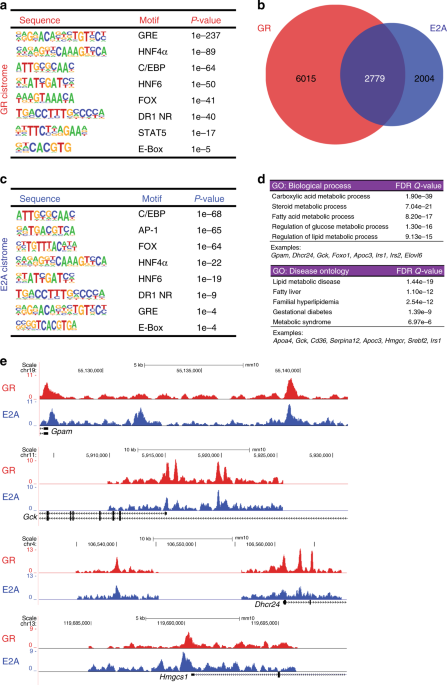
E47 modulates hepatic glucocorticoid action

41467_2018_8196_Fig1_HTML.png

E47 modulates hepatic glucocorticoid action

E47 modulates hepatic glucocorticoid action, Published online: 18 January 2019; doi:10.1038/s41467-018-08196-5

Glucocorticoids (GCs) are widely used anti-inflammatory drugs; however, long-term treatment causes metabolic side effects. Here, the authors show that E47 is a modulator of glucocorticoid receptor activity for a subset of target genes in mouse liver, and that loss of E47 protects mice from hyperglycemia and hepatic steatosis in response to GCs.

from A via a.sfakia on Inoreader https://go.nature.com/2TZyp2b

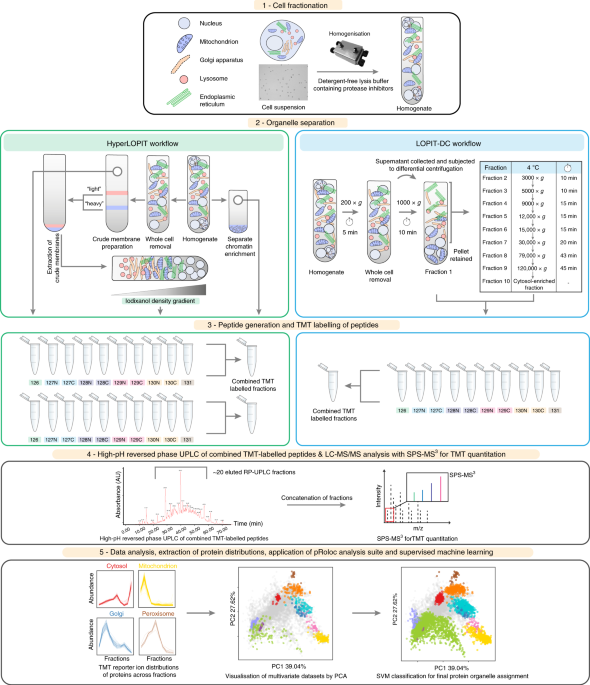
Combining LOPIT with differential ultracentrifugation for high-resolution spatial proteomics

41467_2018_8191_Fig1_HTML.png

Combining LOPIT with differential ultracentrifugation for high-resolution spatial proteomics

Combining LOPIT with differential ultracentrifugation for high-resolution spatial proteomics, Published online: 18 January 2019; doi:10.1038/s41467-018-08191-w

Spatial proteomics allows studying cellular protein localisations at system-wide scale. Here, the authors show that combining the previously developed hyperLOPIT method with differential centrifugation yields protein localisation maps at suborganellar resolution while reducing analysis time and input material.

from A via a.sfakia on Inoreader https://go.nature.com/2U01oTU

Cross-lineage protection by human antibodies binding the influenza B hemagglutinin

Cross-lineage protection by human antibodies binding the influenza B hemagglutinin

Cross-lineage protection by human antibodies binding the influenza B hemagglutinin, Published online: 18 January 2019; doi:10.1038/s41467-018-08165-y

Immune recognition of Influenza B virus (IBV) is poorly understood. Here, Liu et al. use flow cytometry to characterize IBV-specific memory B cell responses following seasonal vaccination and show that elicited cross-reactive antibodies can protect against infection, providing a platform for vaccine design.

from A via a.sfakia on Inoreader https://go.nature.com/2DizexG

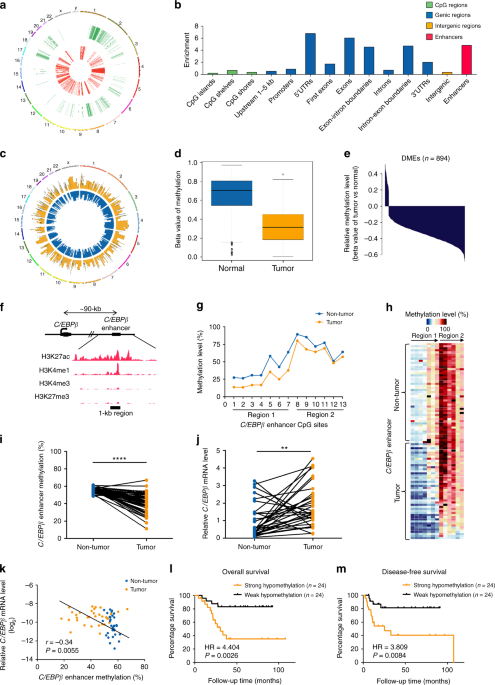
Aberrant enhancer hypomethylation contributes to hepatic carcinogenesis through global transcriptional reprogramming

41467_2018_8245_Fig1_HTML.png

Aberrant enhancer hypomethylation contributes to hepatic carcinogenesis through global transcriptional reprogramming

Aberrant enhancer hypomethylation contributes to hepatic carcinogenesis through global transcriptional reprogramming, Published online: 18 January 2019; doi:10.1038/s41467-018-08245-z

There are distinct hypermethylation patterns in gene promoters in hepatocellular carcinomas (HCCs). Here, the authors show that the enhancer of C/EBPβ is recurrently hypomethylated in human HCCs, recapitulating this in a transgenic murine model and linking aberrant enhancer hypomethylation to hepatocarcinogenesis.

from A via a.sfakia on Inoreader https://go.nature.com/2TVEyN1

Lsd1 as a therapeutic target in Gfi1-activated medulloblastoma

Lsd1 as a therapeutic target in Gfi1-activated medulloblastoma

Lsd1 as a therapeutic target in Gfi1-activated medulloblastoma, Published online: 18 January 2019; doi:10.1038/s41467-018-08269-5

Medulloblastoma is one of the most prevalent malignant brain tumors in children and has very poor prognosis. In this study, the authors show, using a mouse model of medulloblastoma, that Gfi1 promotes tumor growth by recruiting Lsd1, that this interaction inhibits genes involved in neuronal differentiation, and that Lsd1 may be a therapeutic target in Gfi1-activated tumors.

from A via a.sfakia on Inoreader https://go.nature.com/2TS9gGK

Dual-barcoded shotgun expression library sequencing for high-throughput characterization of functional traits in bacteria

Dual-barcoded shotgun expression library sequencing for high-throughput characterization of functional traits in bacteria

Dual-barcoded shotgun expression library sequencing for high-throughput characterization of functional traits in bacteria, Published online: 18 January 2019; doi:10.1038/s41467-018-08177-8

Gain of function methods based on gene overexpression are not easily applied to high-throughput screening across different experimental conditions. Here, the authors present Dub-seq, which separates overexpression library characterization from functional screening and uses random DNA barcodes to increase the experimental throughput.

from A via a.sfakia on Inoreader https://go.nature.com/2DhQcfz

A selective inhibitor of mitofusin 1-βIIPKC association improves heart failure outcome in rats

A selective inhibitor of mitofusin 1-βIIPKC association improves heart failure outcome in rats

A selective inhibitor of mitofusin 1-βIIPKC association improves heart failure outcome in rats, Published online: 18 January 2019; doi:10.1038/s41467-018-08276-6

Beta II protein kinase C (βIIPKC) activation contributes to heart failure. Here the authors show, in a rat model of myocardial infarction, that heart failure outcome can be improved by selectively inhibiting the interaction between βIIPKC and its downstream mitochondrial target Mitofusin-1, and that this strategy is superior to global βIIPKC inhibition.

from A via a.sfakia on Inoreader https://go.nature.com/2DiF6Y0

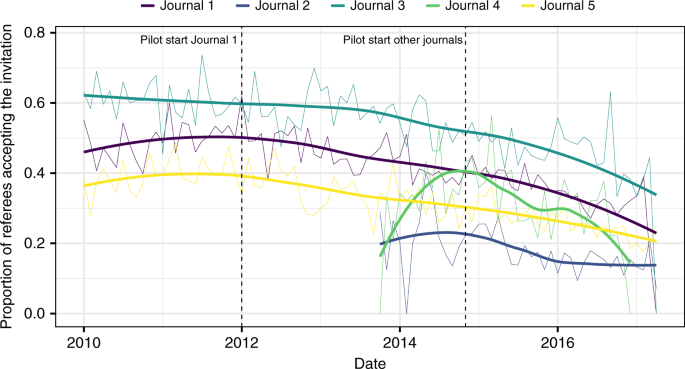
The effect of publishing peer review reports on referee behavior in five scholarly journals

41467_2018_8250_Fig2_HTML.png

The effect of publishing peer review reports on referee behavior in five scholarly journals

The effect of publishing peer review reports on referee behavior in five scholarly journals, Published online: 18 January 2019; doi:10.1038/s41467-018-08250-2

To increase transparency in science, some scholarly journals have begun publishing peer review reports. Here, the authors show how this policy shift affects reviewer behavior by analyzing data from five journals piloting open peer review.

from A via a.sfakia on Inoreader https://go.nature.com/2DiKXwj

Incidence and prevalence of vitreomacular traction with and without macular hole in Germany

88x31.png


from A via a.sfakia on Inoreader http://bit.ly/2DjLiyZ

Dermatomyositis associated with omalizumab therapy for severe asthma: a case report

Omalizumab is a humanized monoclonal antibody widely used for treatment of persistent allergic asthma and antihistamine-refractory chronic urticaria. Immediate adverse events to omalizumab are well characteriz...

from A via a.sfakia on Inoreader http://bit.ly/2W45ig3

A retrospective study of clinical features of cough variant asthma in Chinese adults

Clinical features of cough variant asthma (CVA) in Chinese adults are largely uncertain.

from A via a.sfakia on Inoreader http://bit.ly/2QX6TQZ

Positive end-expiratory pressure titration with electrical impedance tomography and pressure–volume curve in severe acute respiratory distress syndrome

The study objective was to compare titration of positive end-expiratory pressure (PEEP) with electrical impedance tomography (EIT) and with ventilator-embedded pressure–volume loop in severe acute respiratory ...

from A via a.sfakia on Inoreader http://bit.ly/2AToJ2c

Di (2-ethylhexyl) phthalate induces cardiac disorders in BALB/c mice

Abstract

Because of the extensive use of phthalates for domestic, medical, and industrial applications, the evaluation of their toxic effects is of major concern to public health. The aim of the present study was to assess the propensity of di (2-ethylhexyl) phthalate (DEHP), one of the most used phthalates, to cause oxidative cardiac damage in mice. DEHP was administered intraperitoneally at doses of 5, 50, and 200 mg/kg body weight for 30 consecutive days in BALB/c mice. We assessed the effect of DEHP on cardiac injury using biochemical profile (such as aspartate aminotransferase (AST), alanine aminotransferase (ALT), lactate dehydrogenase (LDH), creatinine phosphokinase (CPK), total cholesterol (T-CHOL), triglyceride (TG), high-density lipoprotein cholesterol (HDL-C), and low-density lipoprotein cholesterol (LDL-C)), parameters related to myocardiac oxidative stress, such as malondialdehyde (MDA) level, protein carbonyl (PC) concentration, and DNA fragmentation. In addition, we evaluated antioxidant status; enzymatic (catalase (CAT) and superoxide dismutase (SOD) activities) and non-enzymatic (protein-bound sulfhydryl concentration (PSH)) antioxidants. Acetylcholinesterase (AChE) activity and histopathological changes were also assessed in heart mice treated with DEHP. Our results showed that DEHP induced an elevation of serum marker enzymes and perturbated the lipid profile. In addition, this phthalate increased lipid peroxidation, protein carbonyl levels, and DNA fragmentation in the heart in a dose-dependent manner. Antioxidant status was also perturbated by the increase of the CAT and SOD activities and the decrease of the protein-bound sulfhydryl concentration. AChE activity was also inhibited in the heart following the treatment with DEHP. These biochemical alterations were also confirmed by histopathological changes. Increased free radical production at various doses of DEHP would result in impairment of the redox status leading to an enhanced dose-dependent cardiotoxicity.


from Energy Ecology Environment Ambio via Terpsi Hori on Inoreader http://bit.ly/2FHpZIY

Anthropogenic impacts in the Changbai Mountain region of NE China over the last 150 years: geochemical records of peat and altitude effects

Abstract

Geochemical records from peatlands are important tools for the interpretation of environmental signals preserved in the peat and the understanding anthropogenic impacts on remote mountain regions. In this paper, six 210Pb-dated peat cores located at 500–1900 m above sea level (asl) in the Changbai Mountains were used to reconstruct the pollution history over the past 150 years in northeastern (NE) China. The cores physicochemical parameters and 10 key chemical elements were analyzed by inductively coupled plasma atomic emission spectroscopy (ICP-AES). Results from loss on ignition (LOI), total organic carbon (TOC), and lithogenic element (Ti, Fe, and Mn) analysis show that the peatlands (Ch, Yc1 and Jb) over 900 m asl are ombrotrophic and the lower altitude peatlands (Dng, Jc, and Ha) are minerotrophic. There is a decreasing trend of trace element distribution with the altitude, mainly due to the local source input. The content of the magnetic particles and trace elements (Cu, Ni, Pb and Zn) as well as their accumulation rates document 150 years of pollution history in the Changbai Mountain region. There is a significant elevated pattern of the geochemical records after the New China, which might mark the start date of Anthropocene since the 1950s in this region. The peatlands at the lower altitude (i.e., Dng and Ha) record the earliest fingerprints of metal contamination due to the starting period of massive reclaiming and immigrating in the Changbai Mountain region. The major increase of trace elements since the 1980s probably suggests a significant deterioration of the local environment due to the fast industrial and urbanization development after the Reform and Opening up in China.


from Energy Ecology Environment Ambio via Terpsi Hori on Inoreader http://bit.ly/2FzK8kT

Characteristics and source apportionment of PM 2.5 in Jiaxing, China

Abstract

Herein we investigated the morphology, chemical characteristics, and source apportionment of fine particulate matter (PM2.5) samples collected from five sites in Jiaxing. Scanning electron microscopy (SEM) and transmission electron microscopy (TEM) showed that soot aggregates and coal-fired fly ash were generally the most abundant components in the samples. All the samples were analyzed gravimetrically for mass concentrations and their various compositions were determined. Our results revealed that the PM2.5 concentrations in the samples were in the following order: winter > spring > autumn > summer. The PM2.5 concentrations in winter and spring were higher than those in autumn and summer, except for inorganic elements. Carbonaceous species and water-soluble inorganic ions were the most abundant components in the samples, accounting for 26.17–50.44% and 34.27–49.6%, respectively. The high secondary organic carbon/organic carbon ratio indicated that secondary organic pollution in Jiaxing was severe. The average ratios of NO3/SO42−, ranging from 1.01 to 1.25 at the five sites, indicated that mobile pollution sources contributed more to the formation of PM2.5 than stationary sources. The BeP/(BeP + BaP) ratio (0.52–0.71) in samples reflected the influence of transportation from outside of Jiaxing. The positive matrix factorization (PMF) model identified eight main pollution sources: secondary nitrates (26.95%), secondary sulfates (15.49%), secondary organic aerosol (SOA) (19.64%), vehicle exhaust (15.67%), coal combustion (8.6%), fugitive dust (7.7%), ships and heavy oil (5.23%), biomass burning, and other sources (0.91%). Therefore, PM2.5 pollution in Jiaxing during the winter and spring seasons was more severe than that in the summer and autumn. Secondary aerosols were the most important source of PM2.5 pollution; therefore, focus should be placed on controlling gaseous precursors.


from Energy Ecology Environment Ambio via Terpsi Hori on Inoreader http://bit.ly/2FHpU88

Unprecedented high percentage of food waste powder filler in poly lactic acid green composites: synthesis, characterization, and volatile profile

Abstract

The attractive qualities of plastics lead us, around the world, to an enormous need for plastic goods, which results in their unsustainable overconsumption. Bio-based products are the core concept of circular economy, yet this sector suffers from the high cost of their production. In practice, biopolymers, such as polylactic acid (PLA), are still limitedly used, due to their expensiveness and not outstanding technological properties. A circular and sustainable solution would be to use waste from the food industry as filler that contributes to reduce the cost of PLA-based materials, thereby encouraging their widespread use. At the same time, this would be a circular approach to wisely upgrade food waste and prevent pollution. Ceramic food waste powder fillers from egg shells and from mussel shells were compounded with PLA at 180 °C to obtain composites, which contain an unprecedented high amount of filler, equal to 140 over 100 parts of PLA. We analyzed volatile organic compounds emitted from PLA and, for the very first time, from its composites via headspace-solid phase microextraction-gas chromatography-mass spectrometry (HS-SPME-GC-MS). The molecular fingerprint of the volatiles comprises only three aldehydes, a ketone, and two lactides. Volatiles typical of fossil plastics, that are causative factors of hormone disruption or reproductive dysfunction, are effectively missing. Scanning electron microscopy, used to examine the structure of the composite, indicates that both the egg shells and the mussel shells are suitable fillers, in that they form a sufficiently strong interface with the polymer.


from Energy Ecology Environment Ambio via Terpsi Hori on Inoreader http://bit.ly/2FASTvg

Modification of the existing maximum residue levels for spirotetramat in various crops

Abstract

In accordance with Article 6 of Regulation (EC) No 396/2005, the competent national authority in Belgium prepared a request to modify the existing maximum residue levels (MRLs) for the active substance spirotetramat in Florence fennels and rhubarbs. Furthermore, in accordance with Article 6 of Regulation (EC) No 396/2005, the applicant Bayer SAS submitted a request to the competent national authority in Austria to modify the existing MRLs for spirotetramat in the group of other small fruits and berries, kiwi fruits and garlic. The data submitted in support to both requests were found to be sufficient to derive MRL proposals for all the crops under consideration. Adequate analytical methods are available to enforce the proposed MRLs. Based on the risk assessment results, EFSA concluded that the short‐term and long‐term intake of residues resulting from the use of spirotetramat according to the intended agricultural practices is unlikely to present a risk to consumer health.


from A via a.sfakia on Inoreader http://bit.ly/2FFyp3I

E47 modulates hepatic glucocorticoid action

41467_2018_8196_Fig1_HTML.png


from A via a.sfakia on Inoreader https://go.nature.com/2FICnbW

Combining LOPIT with differential ultracentrifugation for high-resolution spatial proteomics

41467_2018_8191_Fig1_HTML.png


from A via a.sfakia on Inoreader https://go.nature.com/2FAA8YT

Cross-lineage protection by human antibodies binding the influenza B hemagglutinin


from A via a.sfakia on Inoreader https://go.nature.com/2FGmrqs

Aberrant enhancer hypomethylation contributes to hepatic carcinogenesis through global transcriptional reprogramming

41467_2018_8245_Fig1_HTML.png


from A via a.sfakia on Inoreader https://go.nature.com/2FAA63d

Lsd1 as a therapeutic target in Gfi1-activated medulloblastoma


from A via a.sfakia on Inoreader https://go.nature.com/2FFyAfo

Dual-barcoded shotgun expression library sequencing for high-throughput characterization of functional traits in bacteria


from A via a.sfakia on Inoreader https://go.nature.com/2FzyDdm

A selective inhibitor of mitofusin 1-βIIPKC association improves heart failure outcome in rats


from A via a.sfakia on Inoreader https://go.nature.com/2FIhiOx

Safety for the environment of vitamin D3 for salmonids

Abstract

The Panel on Additives and Products or Substances used in Animal Feed (FEEDAP Panel) of EFSA assessed the safety for the target species and the consumer of the use of a maximum total level of 1.5 mg vitamin D3/kg feed in fish nutrition (2017). The assessment was based on data that had been provided by the Norwegian Food Safety Authority (NFSA). Since the data set provided by the NFSA did not include any new information concerning the safety for the user and the environment, the 2017 opinion did not address the potential effects of the proposed increase in the maximum authorised levels of vitamin D3 on the safety for the user and the environment. The NFSA has submitted additional data and the European Commission has requested EFSA to deliver a new opinion on the safety for the environment of vitamin D3 as a nutritional additive for salmonids. Planktonic microalgae, inhabiting the sea, are a large group of photosynthetic organisms that contain both vitamin D3 and provitamin D3. Marine phytoplankton is distributed throughout the sea serving as the basis for all marine food webs. Therefore, since it is produced by phytoplankton, vitamin D3 may also be considered as being ubiquitous in the aquatic environment. Considering the different sources of vitamin D3 already present in the marine environment, the FEEDAP Panel considers that an increase in concentration of vitamin D3 when used as a feed additive in compound feed for salmonids up to a maximum of 1.5 mg/kg is not expected to pose a risk for the environment.


from A via a.sfakia on Inoreader http://bit.ly/2FzTHR6

Safety of cassia gum as a feed additive for cats and dogs based on a dossier submitted by Glycomer GmbH

Abstract

The additive cassia gum consists mainly of high‐molecular weight polysaccharides composed primarily of a linear chain of 1,4‐β‐d‐mannopyranose units with 1,6‐linked α‐d‐galactopyranose units. In 2014, the Panel on Additives and Products or Substances used in Animal Feed (FEEDAP) delivered an opinion on the safety and efficacy of cassia gum in cats and dogs. The Panel concluded, based on positive findings observed in a bacterial reverse mutation test with a semi‐refined cassia gum (about 70 mg anthraquinones/kg) but not with purified semi‐refined cassia gum that meets the specification as a food additive (< 0.5 mg anthraquinones/kg), that only purified semi‐refined cassia gum that meets the specifications of cassia gum as a food additive can be considered safe for cats and dogs, at a maximum content of 1.5% cassia gum (15,000 mg/kg feed) in dry matter, corresponding to 1.32% (13,200 mg/kg feed) in a standardised complete feed with 12% water content. The conclusion was confirmed in an opinion delivered by the Panel in 2017. Following this opinion, the European Commission gave the possibility to the applicant to submit complementary information on the safety for cats and dogs. The semi‐refined cassia gum under application was mutagenic in a bacterial reverse mutation test in Salmonella Typhimurium strain TA100. Positive results were also observed after heat sterilisation of the test item. Isopropanol purified semi‐refined cassia gum did not show mutagenic effect. Examination of various other cassia gum extracts did not identify any source of mutagenicity. The mutagenicity of the semi‐refined cassia gum under application cannot be excluded. Therefore, the FEEDAP Panel cannot establish the safety of semi‐refined cassia gum for cats and dogs.


from A via a.sfakia on Inoreader http://bit.ly/2FFxxMt

Editorial: The future of data in EFSA


from A via a.sfakia on Inoreader http://bit.ly/2Fzabsu

Rapid Progression of Low-Grade Cervical Dysplasia into Invasive Cancer during Natalizumab Treatment for Relapsing Remitting Multiple Sclerosis

A 25-year-old patient treated for relapsing remitting multiple sclerosis (RRMS) with natalizumab had a rapid progression of a low grade squamous intraepithelial lesion to a FIGO stage 1B1 squamous cell carcinoma of the uterine cervix within 2 years. She was treated with radical hysterectomy and pelvic lymphadenectomy and subsequently developed a vault recurrence within 2 years. The recurrence was treated with definitive synchronous chemo-radiotherapy and she has been disease free for 7 years. This case and existing evidence on increased risk of developing cervical dysplasia under natalizumab show that MS patients under immunosuppressive therapy require close annual cervical screening with immediate investigation of abnormal test results.
Case Rep Oncol 2019;12:59–62

from A via a.sfakia on Inoreader http://bit.ly/2RXeeVm

Microbial production of butyl butyrate, a flavor and fragrance compound

Abstract

Butyl butyrate (BB) has been widely used as a flavor and fragrance compound in the beverage, food, perfume, and cosmetic industries. Currently, BB is produced through two-step processes; butanol and butyrate are first produced and are used as precursors for the esterification reactions to yield BB in the next step. Recently, an alternative process to the current process has been developed by using microorganisms for the one-pot BB production. In the one-pot BB process, alcohol acyl transferases (AATs) and lipases play roles in the esterification of butanol together with their co-substrates butyryl-CoA and butyrate, respectively. In this paper, we review the characteristics of two enzymes including AAT and lipase in the esterification reaction. Also, we review the one-pot processes for BB production by employing the wild-type and engineered Clostridium species and the engineered Escherichia coli strains, with the combination of AATs and lipases.


from A via a.sfakia on Inoreader http://bit.ly/2FANcgS

Enhanced lake-eutrophication model combined with a fish sub-model using a microcosm experiment

Abstract

Eutrophication models are effective tools for assessing aquatic environments. The lake ecosystem consists of at least three trophic levels: phytoplankton, zooplankton, and fish. However, only a few studies have included fish sub-models in existing eutrophication models. In addition, no specific value or range is available for certain parameters of the fish sub-model. In the present study, a lake microcosm experimental system was established to determine the range of fish sub-model parameters. A three-trophic-level eutrophication model was established by combining the fish sub-model and eutrophication model. The Bayesian Markov Chain Monte Carlo and genetic algorithm method was used to calibrate the parameters of the eutrophication model. The results show that the maximum relative errors were due to phosphate (5.31%), the minimum relative error was due to nitrate (1.94%), and the relative error of dissolved oxygen, ammonia N, zooplankton, and chlorophyll ranged from 3 to 4%. Compared with the two-trophic-level eutrophication model, the relative errors of ammonia nitrogen (4.17%), phosphate (− 5.31%), and nitrate (1.94%) in the three-trophic-level eutrophication model were lower than those in the two-trophic-level eutrophication model, indicating that the three-trophic-level eutrophication model can obtain highly accurate simulation results and provide a better understanding of eutrophication models for future use.


from Energy Ecology Environment Ambio via Terpsi Hori on Inoreader http://bit.ly/2Hkl1EF

In situ resuspension rate monitoring method in the littoral zone with multi-ecotypes of a shallow wind-disturbed lake

Abstract

Sediment resuspension has been recognized as a crucial internal process in aquatic ecosystems. However, there is still a lack of reliable measuring methods due to the complex hydrodynamic conditions in large shallow eutrophic lakes. In this study, sequential sediment traps (SST) and instantaneous multiple point (IMP) methods were compared at 6 sites located in the littoral zone of Zhushan Bay in Lake Taihu. Results show that the average resuspension rates (RRs) estimated using the IMP method at sites 1 to 6 were 266.39, 272.79, 235.17, 254.95, 392.25, and 483.85 g·m−2d−1, respectively. While the RRs estimated using the SST method were 195.16, 236.99, 116.76, 156.23, 389.53, and 509.85 g·m−2d−1, respectively. In wind-disturbed areas, both methods were suitable for RR analysis in large and shallow eutrophic lakes and SST provides high-resolution temporal RR estimations. However, in the areas with cyanobacterial blooms and vegetation cover, the IMP method overestimated the RR. Therefore, SST was more suitable across different conditions in large and shallow eutrophic lakes, providing a simple, accurate, and high-resolution temporal estimation of RR, while furthering our understanding of lake evolution processes.


from Energy Ecology Environment Ambio via Terpsi Hori on Inoreader http://bit.ly/2RRj9Y6

External Reversal of Chirality Transfer in Photoswitches

Angewandte Chemie International Edition External Reversal of Chirality Transfer in Photoswitches

Which way to go? The monoterpene l‐menthone was incorporated into the backbone of a photochromic diarylethene. Chirality transfer upon photocyclization leads to preferred formation of one major stereoisomer. Complete reversal of the diastereomeric outcome was achieved by altering either the chemical environment or the irradiation wavelength, resulting in selective formation of the minor isomer.


Abstract

The transfer of stereoinformation is at the heart of asymmetric reactions. By incorporating the natural monoterpene l‐menthone into the backbone of a diarylethene, we achieved efficient chirality transfer upon photocyclization, resulting in the preferred formation of one major closed isomer in a diastereomeric ratio (d.r.) of 85:15. More significantly, we were able to completely reverse the diastereomeric outcome of the ring closure simply by altering the chemical environment or the irradiation conditions. As a result, we could selectively accumulate the less favored minor closed isomer, with remarkable d.r. values of >99:1 and 74:26, respectively. Computations revealed that a stability inversion after photocyclization is the basis for the observed unprecedented control over diastereoselectivity.


from A via a.sfakia on Inoreader http://bit.ly/2HvUnJ9

Photooxidase‐Mimicking Nanovesicles with Superior Photocatalytic Activity and Stability Based on Amphiphilic Amino Acid and Phthalocyanine Co‐Assembly

Angewandte Chemie International Edition Photooxidase‐Mimicking Nanovesicles with Superior Photocatalytic Activity and Stability Based on Amphiphilic Amino Acid and Phthalocyanine Co‐Assembly

Multiple weak synergetic interactions enable the generation of photooxidase‐mimicking nanovesicles that contain an amphiphilic amino acid as a simplified protein host and phthalocyanine as a chlorophyll active site model. These vesicles catalyze the oxidation of dopamine into leucodopaminechrome under aerobic conditions.


Abstract

Enzyme mimics have broad applications in catalysis and can assist elucidation of the catalytic mechanism of natural enzymes. However, challenges arise from the design of catalytic sites, the selection of host molecules, and their integration into active three‐dimensional structures. Herein, we describe the development of a photooxidase mimic by synergetic molecular self‐assembly. 9‐Fluorenylmethyloxycarbonyl‐l‐histidine undergoes efficient co‐assembly with phthalocyanine into nanovesicles with tunable particle size and membrane thickness. The obtained nanovesicles can be used as catalysts for reactive‐oxygen‐mediated photosensitive oxidation with improved efficiency and stability. This work highlights the co‐assembly of simple building blocks into a supramolecular photocatalyst, which might give insight into possible evolutionary paths of photocatalytic membrane systems, and might allow facile transfer into photosensitive nanoreactors or artificial organelles.


from A via a.sfakia on Inoreader http://bit.ly/2HrJGY2

Intrinsic Correlation between Electronic Structure and Degradation: From Few‐Layer to Bulk Black Phosphorus

Angewandte Chemie International Edition Intrinsic Correlation between Electronic Structure and Degradation: From Few‐Layer to Bulk Black Phosphorus

Black phosphorus (BP) undergoes fast, layer‐dependent degradation in the dark. This process was analyzed by scanning Kelvin probe microscopy and interpreted by considering the Marcus–Gerischer theory (MGT). In the dark, the number of layers, which results in different carrier concentrations, strongly influences the electron transfer rate from BP to oxygen molecules.


Abstract

Black phosphorus (BP) has received much attention owing to its fascinating properties, such as a high carrier mobility and tunable band gap. However, these advantages have been overshadowed by the fast degradation of BP under ambient conditions. To overcome this obstacle, the exact degradation mechanisms need to be unveiled. Herein, we analyzed two sequential degradation processes and the layer‐dependent degradation rates of BP in the dark by scanning Kelvin probe microscopy (SKPM) measurements and theoretical modeling. The layer‐dependent degradation was successfully interpreted by considering the oxidation model based on the Marcus–Gerischer theory (MGT). In the dark, the electron transfer rate from BP to oxygen molecules depends on the number of layers as these systems have different carrier concentrations. This work not only provides a deeper understanding of the degradation mechanism itself but also suggest new strategies for the design of stable BP‐based electronics.


from A via a.sfakia on Inoreader http://bit.ly/2RSn6f6

Potential‐Induced Fine‐tuning of the Enantioaffinity of Chiral Metal Phases

Angewandte Chemie International Edition Potential‐Induced Fine‐tuning of the Enantioaffinity of Chiral Metal Phases

In for a shock: The electric potential of a mesoporous chiral platinum phase can be tuned to allow quantitative separation of the enantiomers in a tryptophan racemate. An applied potential influences the electrostatic interactions, and thereby the enantioaffinity, between the chiral metal and the target enantiomer.


Abstract

Concepts leading to single enantiomers of chiral molecules are of crucial importance for many applications, including pharmacology and biotechnology. Recently, mesoporous metal phases encoded with chiral information have been developed. Fine‐tuning of the enantioaffinity of such structures by imposing an electric potential is proposed, which can influence the electrostatic interactions between the chiral metal and the target enantiomer. This allows the binding affinity between the chiral metal and the target enantiomer to be increased, and thus, the discrimination between two enantiomers to be improved. The concept is illustrated by generating chiral encoded metals in a microfluidic channel by reduction of a platinum salt in the presence of a liquid crystal and l‐tryptophan as a chiral model template. After removal of the template molecules, the modified microchannel retains a pronounced chiral character. The chiral recognition efficiency of the microchannel can be fine‐tuned by applying a suitable potential to the metal phase. This enables the separation of both components of a racemate flowing through the channel. The approach constitutes a promising and complementary strategy in the frame of chiral discrimination technologies.


from A via a.sfakia on Inoreader http://bit.ly/2Hjw156

A Three‐Membered Cyclic Phosphasilene

Angewandte Chemie International Edition A Three‐Membered Cyclic Phosphasilene

The smallest cyclic Si=P species: A phosphorus(I) cation was used as a precursor for the synthesis of the first three‐membered cyclic phosphasilene. The highly strained ring compound can be coordinated to a transition metal through the ylidic phosphorus center or "clicked" with itself to give two cluster‐like Si4P2 isomers.


Abstract

Small unsaturated phosphacycles are versatile reagents owing to their strain and the added functionality of the double bond and the phosphorus lone pair. Herein we report the synthesis and isolation of the smallest possible cyclic phosphasilene as a stable adduct with an N‐heterocyclic carbene (NHC). First reactivity studies show a) that the PSi2 ring is a competent ligand to the Fe(CO)4 fragment via the phosphorus lone pair and b) that the abstraction of the NHC by BPh3 results in the rapid head‐to‐head or head‐to‐tail dimerization of the PSi2 unit. The relatively facile NHC cleavage indicates that the P=Si double bond is available for further manipulation.


from A via a.sfakia on Inoreader http://bit.ly/2RZLCeo

Broadband Cr3+, Sn4+‐Doped Oxide Nanophosphors for Infrared Mini Light‐Emitting Diodes

Angewandte Chemie International Edition Broadband Cr3+, Sn4+‐Doped Oxide Nanophosphors for Infrared Mini Light‐Emitting Diodes

Nanophosphors on display: Mesoporous silica nanoparticles were used as nanocarriers to form the nanophosphor ZnGa2O4:Cr3+,Sn4+ (ZGOCS) in the mesoporous structure after sintering. Good dispersity and morphology can be observed. Good packing density and light conversion efficiency were achieved for a mini‐light emitting diode.


Abstract

Light‐emitting diodes break barriers of size and performance for displays. With devices becoming smaller, the materials also need to get smaller. Chromium(III)‐doped oxide phosphors, which emit near‐infrared (NIR) light, have recently been used in small electronic devices. In this work, mesoporous silica nanoparticles were used as nanocarriers. The nanophosphor ZnGa2O4:Cr3+,Sn4+ formed in the mesopore after sintering. Good dispersity and morphology were performed with average diameters of 71±7 nm. It emitted light at 600–850 nm; the intensity was optimized by tuning the doping ratio of Cr3+ and Sn4+. Meanwhile, the light conversion efficiency increased from 7.8 % to 37 % and the molar concentration increased from 0.125 m to 0.5 m. The higher radiant flux of 3.3 mW was obtained by operating an input current of 45 mA. However, the NIR nanophosphor showed good performance on mini light‐emitting diode chips.


from A via a.sfakia on Inoreader http://bit.ly/2HsVM2K

High iso Aldehyde Selectivity in the Hydroformylation of Short‐Chain Alkenes

Angewandte Chemie International Edition High iso Aldehyde Selectivity in the Hydroformylation of Short‐Chain Alkenes

The hydroformylation of propene to give predominantly iso‐butanal has been achieved; class‐leading selectivity is possible even at higher temperatures that deliver fast conversion. Racemic rhodium complexes of bidentate phospholane phosphites derived from tropos‐biphenols and unusual solvent systems are the key to the selectivity observed.


Abstract

The hydroformylation of propene to give predominantly iso‐butanal has been achieved; class‐leading selectivity is possible even at higher temperatures that deliver fast conversion. Racemic rhodium complexes of bidentate phospholane phosphites derived from tropos‐biphenols and unusual solvent systems are the key to the selectivity observed.


from A via a.sfakia on Inoreader http://bit.ly/2RZLziI

Katrina (Kate) Jolliffe

Angewandte Chemie International Edition Katrina (Kate) Jolliffe

"When I was eighteen I wanted to be a chef. My favorite musicians are Nick Cave and PJ Harvey …" Find out more about Katrina A. Jolliffe in her Author Profile.


from A via a.sfakia on Inoreader http://bit.ly/2HhfsXi

Stereospecific Synthesis of α‐Hydroxy‐Cyclopropylboronates from Allylic Epoxides

Angewandte Chemie International Edition Stereospecific Synthesis of α‐Hydroxy‐Cyclopropylboronates from Allylic Epoxides

Rigid sp3 scaffolds: A catalytic and stereospecific method for the preparation of enantioenriched α‐hydroxy cyclopropylboronates with control in four contiguous stereocenters is described. The reaction involves the borylation of readily available allylic epoxides using an inexpensive CuI salt and a commercially available phosphine ligand. High diastereocontrol is achieved and different diastereomers can be selectively prepared.


Abstract

Herein, we report a catalytic and stereospecific method for the preparation of enantioenriched α‐hydroxy cyclopropylboronates with control in four contiguous stereocenters. The reaction involves the borylation of readily available allylic epoxides using an inexpensive Cu(I) salt and a commercially available phosphine ligand. High diastereocontrol is achieved and different diastereomers can be selectively prepared. Functionalization of the carbon–boron bond provides access to different enantiomerically enriched trisubstituted cyclopropanes from a common intermediate.


from A via a.sfakia on Inoreader http://bit.ly/2LM7RyO

Z‐Scheme 2D/2D Heterojunction of Black Phosphorus/Monolayer Bi2WO6 Nanosheets with Enhanced Photocatalytic Activities

Angewandte Chemie International Edition Z‐Scheme 2D/2D Heterojunction of Black Phosphorus/Monolayer Bi2WO6 Nanosheets with Enhanced Photocatalytic Activities

A Z‐scheme heterojunction of 2D/2D black phosphorus/monolayer Bi2WO6 was fabricated with enhanced photocatalytic performance under visible light irradiation. The highest NO removal ratio was up to 67 % and the H2 evolution ratio 21 042 μmol g−1. The black phosphorus nanosheets can be used for photocatalytic degradation of exhaust gases in air.


Abstract

Black phosphorus (BP), a star‐shaped two‐dimensional material, has attracted considerable attention owing to its unique chemical and physical properties. BP shows great potential in photocatalysis area because of its excellent optical properties; however, its applications in this field have been limited to date. Now, a Z‐scheme heterojunction of 2D/2D BP/monolayer Bi2WO6 (MBWO) is fabricated by a simple and effective method. The BP/MBWO heterojunction exhibits enhanced photocatalytic performance in photocatalytic water splitting to produce H2 and NO removal to purify air; the highest H2 evolution rate of BP/MBWO is 21042 μmol g−1, is 9.15 times that of pristine MBWO and the NO removal ratio was as high as 67 %. A Z‐scheme photocatalytic mechanism is proposed based on monitoring of .O2, .OH, NO2, and NO3 species in the reaction. This work broadens applications of BP and highlights its promise in the treatment of environmental pollution and renewable energy issues.


from A via a.sfakia on Inoreader http://bit.ly/2LN5FHc

Aliphatic Radical Relay Heck Reaction at Unactivated C(sp3)−H Sites of Alcohols

Angewandte Chemie International Edition Aliphatic Radical Relay Heck Reaction at Unactivated C(sp3)−H Sites of Alcohols

A selective Heck reaction at β‐, γ‐, and δ‐C(sp3)−H sites of aliphatic alcohols has been developed. The radical hydrogen‐atom transfer/I‐atom translocation process, combined with the palladium‐catalyzed Heck reaction, allows selective remote alkenylation at unactivated C(sp3)−H sites under mild visible‐light‐induced conditions at room temperature. Neither exogenous oxidants nor photosensitizers are necessary.


Abstract

The Mizoroki–Heck reaction is one of the most efficient methods for alkenylation of aryl, vinyl, and alkyl halides. Given its innate nature, this protocol requires the employment of compounds possessing a halogen atom at the site of functionalization. However, the accessibility of organic molecules possessing a halogen atom at a particular site in aliphatic systems is extremely limited. Thus, a protocol that allows a Heck reaction to occur at a specific nonfunctionalized C(sp3)−H site is desirable. Reported here is a radical relay Heck reaction which allows selective remote alkenylation of aliphatic alcohols at unactivated β‐, γ‐, and δ‐C(sp3)−H sites. The use of an easily installed/removed Si‐based auxiliary enables selective I‐atom/radical translocation events at remote C−H sites followed by the Heck reaction. Notably, the reaction proceeds smoothly under mild visible‐light‐mediated conditions at room temperature, producing highly modifiable and valuable alkenol products from readily available alcohols feedstocks.


from A via a.sfakia on Inoreader http://bit.ly/2Hm3Sua

Chiral DMAP‐N‐oxides as Acyl Transfer Catalysts: Design, Synthesis, and Application in Asymmetric Steglich Rearrangement

A DMAP‐N‐oxide, featuring an α‐amino acid as the chiral source, was developed, synthesized and applied in asymmetric Steglich rearrangement. A series of O‐acylated azlactones afforded C‐acylated azlactones possessing a quaternary stereocenter in high yields (88‐97% yields) and excellent enantioselectivities (90‐97% ee). Compared to the widespread use of pyridine nitrogen, which serves as the nucleophilic site in the asymmetric acyl transfer reaction, we discovered that chiral DMAP‐N‐oxides, in which the oxygen now acts as the nucleophilic site, are efficient acyl transfer catalysts. Our finding might open a new door for the development of chiral DMAP‐N‐oxides for asymmetric acyl transfer reactions.


from A via a.sfakia on Inoreader http://bit.ly/2RWos8C

Rivalry Under Pressure – The Coexistence of Ambient‐pressure Motifs and Close‐packing in Silicon Phosphorus Nitride Imide SiP2N4NH

Non‐metal nitrides such as BN, Si3N4 and P3N5 meet numerous demands on high‐performance materials and their high‐pressure polymorphs exhibit outstanding mechanical properties. Herein, we present the silicon phosphorus nitride imide SiP2N4NH featuring six‐fold coordinated Si. Using the multianvil technique, SiP2N4NH was obtained from high‐pressure high‐temperature synthesis at 8 GPa and 1100 °C with in situ formed HCl acting as a mineralizer. Its structure was elucidated by combination of single‐crystal X‐ray diffraction and solid‐state NMR measurements. Moreover, SiP2N4NH was characterized by energy‐dispersive X‐ray spectroscopy and (temperature‐dependent) powder X‐ray diffraction. The highly condensed Si/P/N framework features PN4 tetrahedra as well as the rare motif of SiN6 octahedra and is discussed in the context of ambient‐pressure motifs competing with close‐packing of nitride anions, representing a missing link in high‐pressure chemistry of non‐metal nitrides.


from A via a.sfakia on Inoreader http://bit.ly/2Hjkq6b

Viewpoint Antibacterial Activity of Polymers – Discussions on the Nature of Amphiphilic Balance

We discuss the structure and activity of antibacterial peptides and polymers in the context of "amphiphilic balance" and how these concepts may be applied to some of the new and unusual structures that have been recently published. We find that the central concept of amphiphilic balance ‐ appropriately adjusting the cationic and hydrophobic nature of the polymer chains ‐ can be achieved in myriad ways. Whereas the conventional approaches typically involved pendant linear alkyl groups in the polymer side chains, some recent examples have shown that hydrophobic polymer backbones also play an important role in dictating the amphiphilic properties of the polymer chains. We believe these additional concepts expand the cannon of amphiphilic balance as a design paradigm in the field of antibacterial polymers that mimic the activity of host defense peptides.


from A via a.sfakia on Inoreader http://bit.ly/2RWorBA

Water and Sodium Chloride: Essential Ingredients for Robust and Fast Pd‐Catalysed Cross‐Coupling Reactions between Organolithium Reagents and (Hetero)aryl Halides

Angewandte Chemie International Edition Water and Sodium Chloride: Essential Ingredients for Robust and Fast Pd‐Catalysed Cross‐Coupling Reactions between Organolithium Reagents and (Hetero)aryl Halides

Just add salt! Water with added NaCl was a very effective reaction medium for performing direct and fast (within 20 s) Pd‐catalysed cross‐coupling reactions between organolithiums and a variety of (hetero)aryl halides at room temperature and under air. Catalyst and water recyclability and reusability were added advantages of the proposed protocol.


Abstract

Direct palladium‐catalysed cross‐couplings between organolithium reagents and (hetero)aryl halides (Br, Cl) proceed fast, cleanly and selectively at room temperature in air, with water as the only reaction medium and in the presence of NaCl as a cheap additive. Under optimised reaction conditions, a water‐accelerated catalysis is responsible for furnishing C(sp3)–C(sp2), C(sp2)–C(sp2), and C(sp)–C(sp2) cross‐coupled products, in competition with protonolysis, within a reaction time of 20 s, in yields of up to 99 %, and in the absence of undesired dehalogenated/homocoupling side products even when challenging secondary organolithiums serve as the starting material. It is worth noting that the proposed protocol is scalable and the catalyst and water can easily and successfully be recycled up to 10 times, with an E‐factor as low as 7.35.


from A via a.sfakia on Inoreader http://bit.ly/2Hlpd6U

A Metastable Crystalline Phase in Two‐Dimensional Metallic Oxide Nanoplates

Angewandte Chemie International Edition A Metastable Crystalline Phase in Two‐Dimensional Metallic Oxide Nanoplates

The metastable bct phase was only observed in ultrathin cerium oxide nanoplates. Thermodynamic energy analysis confirmed that the surface energy of the ultrathin nanoplates is the cause of the remarkable stabilization of the metastable bct phase. The mechanism of surface energy regulation can be expanded to other metallic oxides, thus providing a means for manipulating and stabilizing such materials under ambient conditions.


Abstract

A simple method was adopted in which ultrathin cerium oxide nanoplates (<1.4 nm) were synthesized to increase the surface atomic content, allowing transformation from a face‐centered cubic (fcc) phase to a body‐centered tetragonal (bct) phase. Three types of cerium oxide nanoparticles of different thicknesses (1.2 nm ultrathin nanoplates, 2.2 nm nanoplates, and 5.4 nm nanocubes) were examined using transmission electron microscopy and X‐ray diffraction. The metastable bct phase was observed only in ultrathin nanoplates. Thermodynamic energy analysis confirmed that the surface energy of the ultrathin nanoplates is the cause of the remarkable stabilization of the metastable bct phase. The mechanism of surface energy regulation can be expanded to other metallic oxides, thus providing a new means for manipulating and stabilizing novel materials under ambient conditions that otherwise would not be recovered.


from A via a.sfakia on Inoreader http://bit.ly/2RZLefW

Enantioselective Aluminum‐Free Alkene Hydroarylations through C−H Activation by a Chiral Nickel/JoSPOphos Manifold

Angewandte Chemie International Edition Enantioselective Aluminum‐Free Alkene Hydroarylations through C−H Activation by a Chiral Nickel/JoSPOphos Manifold

SPO rules: A chiral Ni/SPO regime enabled outstanding levels of enantio‐control in asymmetric C−H alkylations with unactivated alkenes.


Abstract

Highly enantioselective nickel‐catalyzed alkene endo‐hydroarylations were accomplished with full selectivity by organometallic C−H activation. The asymmetric assembly of chiral six‐membered scaffolds proved viable in the absence of pyrophoric organoaluminum reagents within an unprecedented nickel/JoSPOphos manifold.


from A via a.sfakia on Inoreader http://bit.ly/2HgJv1h

Base‐Mediated Defluorosilylation of C(sp2)−F and C(sp3)−F Bonds

Angewandte Chemie International Edition Base‐Mediated Defluorosilylation of C(sp2)−F and C(sp3)−F Bonds

Base motive: A base‐promoted defluorosilylation of unactivated C(sp2)−F and C(sp3)−F bonds, obviating the need for transition‐metal catalysis, specialized ligands, or harsh reaction conditions, has been developed. The salient features of this method are the mild reaction conditions, ease of execution, and wide substrate scope, even within the context of late‐stage functionalization of advanced fluorinated building blocks, thus offering a complementary reactivity mode to existing silylation technologies.


Abstract

The ability to selectively forge C–heteroatom bonds by C−F scission is typically accomplished by metal catalysts, specialized ligands and/or harsh reaction conditions. Described herein is a base‐mediated defluorosilylation of unactivated C(sp2)−F and C(sp3)−F bonds that obviates the need for metal catalysts. This protocol is characterized by its simplicity, mild reaction conditions, and wide scope, even within the context of late‐stage functionalization, constituting a complementary approach to existing C−Si bond‐forming protocols.


from A via a.sfakia on Inoreader http://bit.ly/2BBnzrJ

Chiral Lithium Amido Aryl Zincates: Simple and Efficient Chemo‐ and Enantio‐Selective Aryl Transfer Reagents

Angewandte Chemie International Edition Chiral Lithium Amido Aryl Zincates: Simple and Efficient Chemo‐ and Enantio‐Selective Aryl Transfer Reagents

Chemo‐ and enantio‐selective nucleophilic aryl transfer: The key reactant is a chiral tricoordinated lithium amido aryl zincate of which the chiral appendage is simply recovered and reused. The arylation leaves intact sensitive functions such as esters, nitriles, ketones or enolisable sites, while running with aldehyde groups in good yields and high ee values, this whatever the ortho, meta, or para substituent borne by the substrate if aromatic.


Abstract

An enantioselective aryl transfer is promoted using chiral tricoordinated lithium amido aryl zincates that are easily accessible reagents and whose chiral appendage is simply recovered for reuse. The arylation reaction is run in good yields (60 % average on twenty substrates) and high enantiomeric excesses (95 % ee average). This occurs whatever the ortho, meta, or para substituent borne by the substrate and a complete chemoselectivity is observed with respect to the aldehyde function. Sensitive groups such as nitriles, esters, ketones, and enolisable substrates resist to the action of the ate reagent, warranting a large scope to this methodology.


from A via a.sfakia on Inoreader http://bit.ly/2Hjkraf

Digging into the Sequential Space of Thiolactone Precision Polymers: A Combinatorial Strategy to Identify Functional Domains

Angewandte Chemie International Edition Digging into the Sequential Space of Thiolactone Precision Polymers: A Combinatorial Strategy to Identify Functional Domains

Sequence coins function: Sequences that bind m‐THPC are selected from a library of thiolactone (Tla)/Michael oligomers by single‐bead readout with MALDI‐TOF MS/MS. The corresponding Tla/Michael‐PEG conjugates make m‐THPC available in solution and allow drug payload as well as drug release kinetics to be fine‐tuned by sequence variation in the precision segment.


Abstract

Functional sequences of precision polymers based on thiolactone/Michael chemistry are identified from a large one‐bead one‐compound library. Single‐bead readout by MALDI‐TOF MS/MS identifies sequences that host m‐THPC that is a second generation photo‐sensitizer drug. The corresponding Tla/Michael‐PEG conjugates make m‐THPC available in solution and drug payload as well as drug release kinetics can be fine‐tuned by the precision segment.


from A via a.sfakia on Inoreader http://bit.ly/2RShC3U

Πέμπτη 17 Ιανουαρίου 2019

Cobalt speciation and phytoavailability in fluvo-aquic soil under treatments of spent mushroom substrate from Pleurotus ostreatus

Abstract

Cobalt (Co) is a nutrient for soil microorganisms and crops, as well as a worldwide industrial pollutant. When the level of Co exceeds the acceptable limit, this heavy metal can lead to devastating consequences for soil environments. There is considerable attention and concern about elevated levels of Co contaminating soil and crops. Spent mushroom substrate (SMS) is a potential amendment for the adsorption of pollutants, which has potential for resolving Co-polluted soil that spans the world. To investigate the environmental behavior and risks associated with Co in fluvo-aquic soil under specific treatments of SMS from Pleurotus ostreatus, a lab-scale pot experiment was conducted. SMS and exogenous Co were added to soil, which was retained for approximately 30 days. Pakchois (Brassica chinensis L.) were planted in the treated soil for 28 days until harvest. The Co speciation in soil (modified BCR sequential extraction) and Co accumulation in pakchoi tissue were studied. When the SMS concentration was within a range of 0 to 9 g kg−1 (total amount = 0 to 2.7 g), Co in the acid-soluble fraction was transformed to the oxidizable fraction in soil, resulting from the mesh structure on the surface of SMS, as well as the amide and carboxyl in the SMS molecular structure. In this situation, the Co accumulation levels in the pakchois decreased significantly (P < 0.05), indicating the efficacy of SMS for reducing Co phytoavailability. However, when the SMS concentration reached 12 g kg−1, the phytoavailability increased again (P < 0.05). When the SMS concentration ranged from 8.86 to 9.51 g kg−1, the Co phytoavailability in soil reached a minimum, while the biomass of pakchoi reached a maximum. Conclusively, SMS from Pleurotus ostreatus are effective for reducing the Co phytoavailability, as well as for reducing the chance of Co transferring into a human's body through crops (i.e., food consumption). In order to achieve the optimum efficacy, the SMS concentration in soil should be maintained at a range of 8.86 to 9.51 g kg−1.


from Energy Ecology Environment Ambio via Terpsi Hori on Inoreader http://bit.ly/2DhDnlG

Experimental evolution: its principles and applications in developing stress-tolerant yeasts

Abstract

Stress tolerance and resistance in industrial yeast strains are important attributes for cost-effective bioprocessing. The source of stress-tolerant yeasts ranges from extremophilic environments to laboratory engineered strains. However, industrial stress-tolerant yeasts are very rare in nature as the natural environment forces them to evolve traits that optimize survival and reproduction and not the ability to withstand harsh habitat-irrelevant industrial conditions. Experimental evolution is a frequent method used to uncover the mechanisms of evolution and microbial adaption towards environmental stresses. It optimizes biological systems by means of adaptation to environmental stresses and thus has immense power of development of robust stress-tolerant yeasts. This mini-review briefly outlines the basics and implications of evolution experiments and their applications to industrial biotechnology. This work is meant to serve as an introduction to those new to the field of experimental evolution, and as a guide to biologists working in the field of yeast stress response. Future perspectives of experimental evolution for potential biotechnological applications have also been elucidated.


from A via a.sfakia on Inoreader http://bit.ly/2Mhwnbj

Gall bladder activity on technetium99m-ethylenedicysteine renogram masquerading as ectopic kidney

Sailaja Aka, J Sai Moulika, VS Krishna Mohan, R Ramya Priya, Ranadheer Manthri, TC Kalawat

Indian Journal of Nuclear Medicine 2019 34(1):57-59

99mTc-EC (Technetium-99m-ethylenedicysteine) is a renal tubular imaging agent introduced as an alternative to 99mTc-MAG3 (Technetium-99m-mercaptoacetyltriglycine) (1). This radiopharmaceutical can be easily labeled at room temperature and has high radiochemical purity and long stability for at least 8 h. Within 1 h 70% of 99mTc-EC is excreted in the urine (2). 99mTc-EC provides the same Scintigraphic information as 99mTc-MAG3. The Hepato biliary excretion of 99mTc-EC is very low and usually does not affect image interpretation on routine imaging, the possibility of visualization of the gall bladder should be kept in mind while reporting the 99mTc-EC renogram (1). We present a case of 99mTc-EC renogram, a suspected case of hypoplastic/ectopic right kidney, to look for ectopic kidney. In this case, there was unexpected visualization of gallbladder in delayed images. We herewith present this case, so that physician should be careful while reporting 99mTc-EC renogram, as there may be chances for gall bladder to be masquerading as Ectopic kidney.

from A via a.sfakia on Inoreader http://bit.ly/2ATPLqf

Thyroid plasmacytoma: A rare cause of hoarseness of voice

pae.gif

Kamal Kant Sahu, Priya Singh, Pankaj Malhotra, Radhika Srinivasan

Indian Journal of Nuclear Medicine 2019 34(1):78-80


from A via a.sfakia on Inoreader http://bit.ly/2T2NSOY

Correlation of maximum standardized uptake values in 18F-Fluorodeoxyglucose positron emission tomography-computed tomography scan with immunohistochemistry and other prognostic factors in breast cancer

pae.gif

Zakir Ali Abubakar, Naveen Kumar Reddy Akepati, Prathyusha Bikkina

Indian Journal of Nuclear Medicine 2019 34(1):10-13

Objectives: The objective of this study was to correlate maximum standardized uptake value (SUVmax) with different immunohistochemical subtypes of breast cancer and other prognostic factors in breast cancer. Subjects and Methods: This was a retrospective study including 219 consecutive patients undergoing whole-body fluorodeoxyglucose positron emission tomography/computed tomography scan for the staging of breast cancer. Out of 219 patients, two were male and 217 were female; age ranged from 26 to 85 years with mean age of 54 years. On histopathological examination (HPE), 197 patients were of invasive ductal carcinoma type and two of lobular type. Histopathological grades, immunohistochemistry (IHC) types, and ki-67 values were compared with SUVmax values. Results: The mean SUVmax of the population was 11.39 (±6.05). The mean SUVmax in different HPE grades was Grade 1 = 6.81 ± 5.6, Grade 2 = 11.4 ± 6.12, and Grade 3 = 13.14 ± 5. The mean SUVmax values in different IHC types were Luminal A = 7.75 ± 4.2, Luminal B = 10.01 ± 5.3, triple negative = 15.26 ± 5.6, and HER2 enriched = 11.27 ± 5.2. The mean SUVmax in high ki-67 patients was 11.97 ± 5.85 compared with 7.25 ± 3.43 patients with low ki-67. Univariate analysis showed significant difference in SUVmax in patients with different grades (P = 0.013), hormone receptor positivity (P ≤ 0.001), ki-67 (P < 0.001), and axillary lymph node positivity (P ≤ 0.001). In multivariate regression analysis, there was significantly higher SUVmax value in triple-negative patients after correcting for tumor size, ki-67 value, axillary lymph node status, and grade of tumor. Conclusion: High SUVmax values were noted in high-grade, high ki-67, triple-negative, and axillary lymph node positive tumors.

from A via a.sfakia on Inoreader http://bit.ly/2AQxvxS

Recurrent 99mTc sestamibi emboli in the lungs revealed on consecutive rest and stress single-photon emission computed tomography/computed tomography myocardial perfusion images

pae.gif

Salih Ozguven, Ceren Ozge Engur, Kevser Oksuzoglu, Tunc Ones, Tanju Yusuf Erdil

Indian Journal of Nuclear Medicine 2019 34(1):69-70

Many causes of incidental focal uptake on raw data images using myocardial perfusion imaging, including malignant diseases, metastatic processes, benign pathologies, and physiological conditions, have been reported in the literature. However, iatrogenic 99mTc sestamibi emboli have not yet been reported. Herein, we demonstrated iatrogenic 99mTc sestamibi embolization on consecutive rest and stressed myocardial perfusion images at different locations.

from A via a.sfakia on Inoreader http://bit.ly/2T6N4Jf

Molecular imaging to the surgeons rescue: Gallium-68 DOTA-exendin-4 positron emission tomography-computed tomography in pre-operative localization of insulinomas

pae.gif

UN Pallavi, Vindhya Malasani, Ishita Sen, Parul Thakral, Sugandha Dureja, Vineet Pant, Vinay Samuel Gaikwad, Arvind Sabharwal

Indian Journal of Nuclear Medicine 2019 34(1):14-18

Background: Insulinoma is an islet-cell neoplasm that secretes insulin. It is usually localized to the pancreas and is often the most common cause of endogenous hyperinsulinemic hypoglycaemia in non-diabetic adult patients. Surgical excision with a curative intent is the standard modality of treatment, and it requires precise localization of tumor tissue. Ga-68 DOTA-exendin-4 PET/CT scan is a clinically reasonable and sensitive scan for the identification of insulinoma. The aim of this prospective cohort study was to determine the overall accuracy of Ga-68 DOTA-exendin-4 PET/CT scan in the detection of insulinoma. Materials and Methods: Eight patients with fasting hyperinsulinemic hypoglycaemia with neuroglycopenic symptoms were enrolled in this study which was conducted during October 2016 to October 2017. Whole body PET/CT scan was performed on a Philips time of flight PET/CT scanner, 60 minutes after injection of Ga-68 DOTA-exendin-4 (and also Ga-68 DOTANOC). The imaging findings were compared to the histopathological diagnosis in six out of eight patients and to subsequent follow up in the remaining two patients who did not undergo surgery. Results: The sensitivity of Ga-68 DOTA-Exendin-4 PET/CT scan in insulinoma detection was found to be 75%. Conclusion: Ga-68 DOTA-Exendin-4 PET/CT scan is highly sensitive for identification and exact localization of insulinoma which can guide better surgical exploration. However, randomised controlled trials are needed to assess the accuracy of Ga-68 DOTA-Exendin PET/CT scan in localization of insulinoma.

from A via a.sfakia on Inoreader http://bit.ly/2ARZRbf

F-18 fluorodeoxyglucose positron emission tomography/computed tomography in the evaluation of intradiploic epidermoid cyst

pae.gif

Suma Tammineni Medara, Ranadheer G Manthri, Krishna Mohan VS, Mehabunnisa Shaik, Tek Chand Kalawat

Indian Journal of Nuclear Medicine 2019 34(1):51-53

Epidermoid cysts are benign rare congenital cysts which typically present between 3rd and 5th decade of life. They mostly arise from cerebellopontine angle or parasellar region, but sporadic cases arise from cranial dipole. Here, we present a case of 42-year-old female with painful soft swelling in the left frontal region, which on F-18 fluorodeoxyglucose (FDG) positron emission tomography–computed tomography is well-circumscribed non-FDG avid lesion. The patient underwent total resection of the cyst, and the defect produced by space-occupying lesion was repaired by cranioplasty.

from A via a.sfakia on Inoreader http://bit.ly/2T1wavc

Impact of body mass index on gates method of glomerular filtration rate estimation: A comparative study with single plasma sample method

pae.gif

Amit Nautiyal, Anirban Mukherjee, Deepanjan Mitra, Piyali Chatterjee, Anindya Roy

Indian Journal of Nuclear Medicine 2019 34(1):19-23

Purpose of the Study: This study aims to compare glomerular filtration rate (GFR) estimated by Gates method using gamma camera (GC) with single plasma sample method (SPSM) in people with normal and abnormal body mass index (BMI) using SPSM as gold standard. Materials and Methods: It was single-center prospective study including 60 voluntary kidney donors. Technetium-99m labeled Diethylene Triamine Pentaacetic Acid (99mTc-DTPA) was administered intravenous under GC. GFR was calculated using Gates Method. After the scan, the subjects were called again after 180 min of injection of 99m Tc-DTPA. Then, a 3 ml venous blood sample was obtained from the contralateral arm. Russell's formula was used to determine the GFR by SPSM. Results: Mean GFR calculated by SPSM and Gates' method, was 94.0 ± 15.2 ml/min/1.73 m2 and 87.3 ± 16 ml/min/1.73 m2 respectively. Moderate correlation noted between two methods (r = 0.71, P < 0.0001). Significant correlation noted between GFR calculated by SPSM and Gates method in people with normal BMI (r = 0.92) with no significant statistical difference (P = 0.8). However, only moderate correlation noted between GFR calculated by SPSM and Gates method in people with BMI outside normal range (r = 0.71) with a significant statistical difference (P = 0.0002). Conclusion: Gates method of GFR estimation using GC shows significant correlation with plasma sample technique in people with normal BMI. In people with BMI outside normal range, it significantly underestimates GFR.

from A via a.sfakia on Inoreader http://bit.ly/2ASl9Wl

Cherubism: A rare fibro-osseous disorder characterized and diagnosed by one stop imaging with Technetium-99m methylene diphosphonate bone scintigraphy integrated with single-photon emission computed tomography-computed tomography

pae.gif

Jaykanth Amalachandran, Thangalakshmi Sivathapandi, Shelley Simon, Indirani Elangoven, Patel Asra, Nikita S Rao, Meetashree Nayak

Indian Journal of Nuclear Medicine 2019 34(1):62-65

Cherubism, a rare hereditary fibro-osseous lesion characterized by painless expansion of jaws, starts early in life manifesting itself fully in the second decade of life and is almost regressed in the third decade. Here, we report a sporadic case of Cherubism with clinico-radiological and scintigraphic presentation of its classical features for its disease rarity and single-photon emission computed tomography/computed tomography findings with review the literature.

from A via a.sfakia on Inoreader http://bit.ly/2SXTAle

Αναζήτηση αυτού του ιστολογίου

! # Ola via Alexandros G.Sfakianakis on Inoreader