
Journal of the American Chemical Society
DOI: 10.1021/jacs.8b12212


from A via a.sfakia on Inoreader http://bit.ly/2SC7e0r


Although not the primary focus of the exams, cardiovascular structures are included to some extent on all abdominal or whole-body cross-sectional studies. Cardiovascular findings often present incidentally and may range from chronic to acute and emergent pathologies. Among the most common cardiovascular findings are the presence of cardiac calcifications, most commonly coronary, which correlate with the presence of coronary artery and valvular disease. Signs of myocardial ischemia, both acute and chronic, and its complications may also be visualized. Cardiac filling defects most commonly represent thrombus and are associated with systemic arterial embolic complications. Pericardial findings often manifest as effusion or thickening, which may lead to hemodynamic consequences visible at imaging. Incidental pulmonary emboli and systemic venous thrombi may be incidentally detected, particularly in hospitalized and oncologic patients, and warrant immediate attention. This review will highlight the appearance of common and important incidental cardiovascular findings and related pitfalls and discuss reporting and follow-up recommendations relevant to the abdominal radiologist.
To investigate the effect of reader experience and zonal location on the occurrence of false positives (FPs) in PIRADS (V2) 3, 4, and 5 lesions on multiparametric (MP)-MRI of the prostate.
This retrospective study included 139 patients who had consecutively undergone an MP-MRI of the prostate in combination with a transrectal ultrasound MRI fusion-guided biopsy between 2014 and 2017. MRI exams were prospectively read by a group of inexperienced radiologists (cohort 1; 54 patients) and an experienced radiologist (cohort 2; 85 patients). Multivariable logistic regression analysis was performed to determine the association of experience of the radiologist and zonal location with a FP reading. FP rates were compared between readings by inexperienced and experienced radiologists according to zonal location, using Chi-square (χ2) tests.
A total of 168 lesions in 139 patients were detected. Median patient age was 68 years (Interquartile range (IQR) 62.5–73), and median PSA was 10.9 ng/mL (IQR 7.6–15.9) for the entire patient cohort. According to multivariable logistic regression, inexperience of the radiologist was significantly (P = 0.044, odds ratio 1.927, 95% confidence interval [CI] 1.017–3.651) and independently associated with a FP reading, while zonal location was not (P = 0.202, odds ratio 1.444, 95% CI 0.820–2.539). In the transition zone (TZ), the FP rate of the inexperienced radiologists 59% (17/29) was significantly higher (χ2P = 0.033) than that of the experienced radiologist 33% (13/40).
Inexperience of the radiologist is significantly and independently associated with a FP reading, while zonal location is not. Inexperienced radiologists have a significantly higher FP rate in the TZ.
Submerged rice cultivation is characterized by redox fluctuations and results in the formation of paddy soils, often accompanied by soil organic carbon (SOC) accumulation. The impact of redox fluctuations and the underlying soil type on the fate of organic carbon (OC) in paddy soils are unknown. Hence, we mimicked paddy soil development in the laboratory by exposing two soil types with contrasting mineral assemblages (Alisol and Andosol) to eight anoxic–oxic cycles over 1 year. Soils regularly received 13C-labeled rice straw. As control we used a second set of samples without straw addition as well as samples under static oxic conditions with and without straw. Headspaces were analyzed for carbon dioxide and methane as well as their δ13C signatures, whereas soil solutions were analyzed for redox potential, pH, dissolved iron, and dissolved organic carbon (DOC and DO13C). At the end of the experiment, when eight redox cycles were completed, mineral-associated organic matter (MOM) was isolated by density fractionation and characterized for δ13C, non-cellulosic carbohydrates, and lignin-derived phenols. Moreover, changes in the soil's microbial community structure were measured. For both soil types, headspace data confirmed less respiration in straw-amended soils with redox fluctuation than in those under static oxic conditions. The δ13C data revealed that, irrespective of soil type, straw carbon allocation into MOM was larger in soils with redox fluctuation than in those with static oxic conditions. A net increase in MOM after the one-year incubation, however, was only observed in the respective Andosol, probably due to abundant reactive minerals capable of OC uptake. In the Alisol, straw OC most likely exchanged initial MOM. A potential for lignin accumulation in the MOM of soils incubated with straw and redox fluctuation was observed for both soil types. Lignin and carbohydrates suggest a plant origin of MOM formed under redox fluctuation. The initially similar bacterial community composition of the Alisol and Andosol changed differently under redox fluctuation. The stronger change in the Alisol indicates less protective microbial habitats. In summary, the overall turnover of straw OC in soils under redox fluctuation seems to be independent of soil type, while net accumulation of SOC as well as the evolution of the bacterial community structure may in part depend on soil type, suggesting an impact of the soil's mineral composition.
Publication date: Available online 8 February 2019
Source: Cortex
Author(s): James Danckert, Marco Tamietto, Yves Rossetti
Publication date: Available online 8 February 2019
Source: Clinics in Plastic Surgery
Author(s): Sun T. Hsieh, Albert S. Woo
Aberrant right subclavian artery is the most common aortic arch anomaly that frequently occurs in coexistence with other congenital cardiovascular anomalies. A 32-year-old male patient was hospitalized with ventricular septal defect, chronic heart failure NYHA class III, pulmonary arterial hypertension. Contrast-enhanced multislice computed tomography revealed membranous ventricular septal defect, persistent left superior vena cava, bicuspid aortic valve and aberrant right subclavian artery. Aberrant right subclavian artery was clinically silent and discovered accidentally. The patient underwent heart–lung transplantation due to pronounced, irreversible pulmonary hypertension. This article reports a rare coexistence of aberrant right subclavian artery with other congenital anomalies of the heart and great vessels in living men.
Working Scientist podcast: The grant funding lottery and how to fix it
Working Scientist podcast: The grant funding lottery and how to fix it, Published online: 08 February 2019; doi:10.1038/d41586-019-00525-y
Many grant funding decisions are random, with luck playing a large part. How can the system be improved, particularly when funds are tight? 
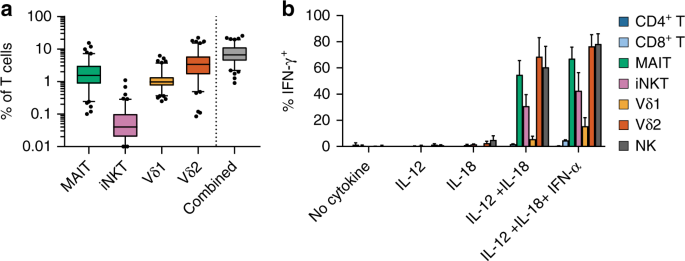
Lymphocyte innateness defined by transcriptional states reflects a balance between proliferation and effector functions
Lymphocyte innateness defined by transcriptional states reflects a balance between proliferation and effector functions, Published online: 08 February 2019; doi:10.1038/s41467-019-08604-4
Innate T cells (ITC) contain many subsets and are poised to promptly respond to antigens and pathogens, but how this poised state is maintained is still unclear. Here the authors perform single-cell RNA-seq to align the various ITC subsets along an 'innateness gradient' that is associated with changes in proliferation and effector functions.
The binding of Borealin to microtubules underlies a tension independent kinetochore-microtubule error correction pathway
The binding of Borealin to microtubules underlies a tension independent kinetochore-microtubule error correction pathway, Published online: 08 February 2019; doi:10.1038/s41467-019-08418-4
How the chromosome passenger complex (CPC) phosphorylates the kinetochores that can be a micron away to control mitotic events is unknown. Here the authors find that the CPC directly binds microtubules near inner centromeres, which controls its ability to phosphorylate kinetochores independently of tension generated by kinetochore microtubule attachments.
Selective electroreduction of carbon dioxide to methanol on copper selenide nanocatalysts
Selective electroreduction of carbon dioxide to methanol on copper selenide nanocatalysts, Published online: 08 February 2019; doi:10.1038/s41467-019-08653-9
While the conversion of CO2 to valuable, storable chemicals is attractive, there are few inexpensive and abundant catalysts that are also active and selective for liquid fuels. Here, the authors study copper selenide as a high-performing and efficient electrocatalyst for CO2 conversion to methanol.
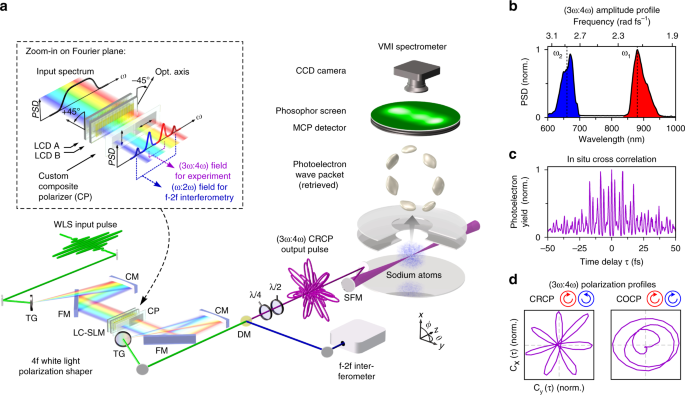
Odd electron wave packets from cycloidal ultrashort laser fields
Odd electron wave packets from cycloidal ultrashort laser fields, Published online: 08 February 2019; doi:10.1038/s41467-019-08601-7
Laser fields can be tuned to probe electronic motion in atoms and molecules. Here the authors ionize Na atoms using bichromatic pulses to generate electron wave packets of crescent-shaped and 7-fold rotational symmetry which do not follow the field symmetry but are determined by multiphoton interference.
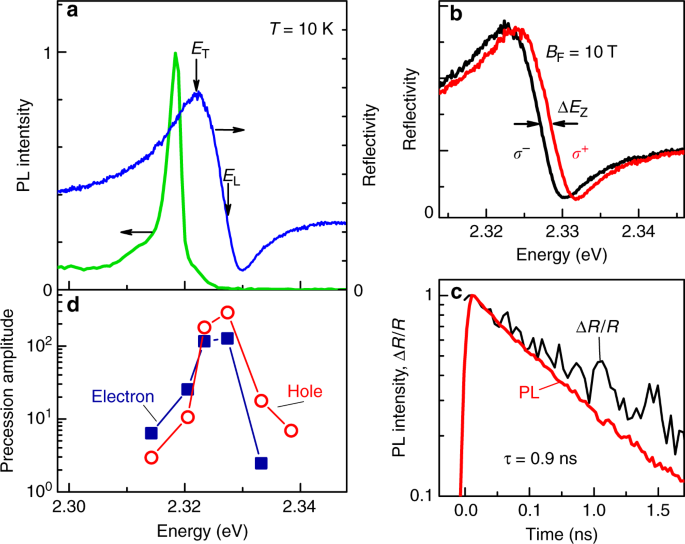
Coherent spin dynamics of electrons and holes in CsPbBr3 perovskite crystals
Coherent spin dynamics of electrons and holes in CsPbBr<sub>3</sub> perovskite crystals, Published online: 08 February 2019; doi:10.1038/s41467-019-08625-z
Despite remarkable optical properties in lead halide perovskites, spin control in these materials is largely unexplored. Herein Belykh et al. study the coherent spin dynamics of electrons and holes in cesium lead bromide perovskites, and evidence interaction of electron and lattice nuclear spins.
Fire-derived organic matter retains ammonia through covalent bond formation
Fire-derived organic matter retains ammonia through covalent bond formation, Published online: 08 February 2019; doi:10.1038/s41467-019-08401-z
Fire-derived organic matter (OM) is present throughout the environment, and its impact on nutrient cycling remains poorly understood. Here, the authors show that this pyrogenic OM can retain large quantities of ammonia through covalent bond formation, thereby exerting an important control on nitrogen cycling.
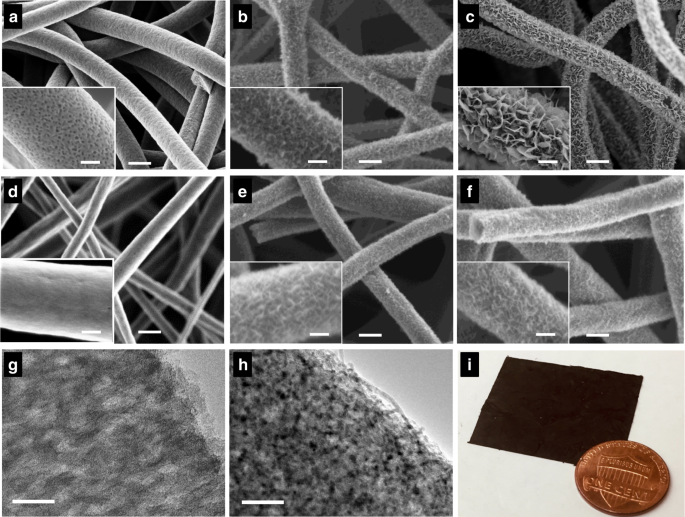
Block copolymer derived uniform mesopores enable ultrafast electron and ion transport at high mass loadings
Block copolymer derived uniform mesopores enable ultrafast electron and ion transport at high mass loadings, Published online: 08 February 2019; doi:10.1038/s41467-019-08644-w
High mass loading and fast charge transport are two crucial but often mutually exclusive characteristics of pseudocapacitors. Here, the authors address this challenge by making use of block copolymer phase separation in the synthesis of porous carbon fibres as carbon supports for pseudocapacitors.
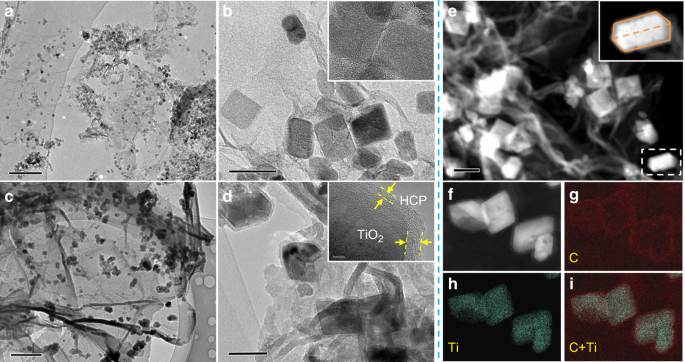
Porous hypercrosslinked polymer-TiO2-graphene composite photocatalysts for visible-light-driven CO2 conversion
Porous hypercrosslinked polymer-TiO<sub>2</sub>-graphene composite photocatalysts for visible-light-driven CO<sub>2</sub> conversion, Published online: 08 February 2019; doi:10.1038/s41467-019-08651-x
Renewable CO2 conversion to useful products presents a sustainable, carbon-neutral method to limit climate change, yet few materials can perform this complex chemistry. Here, authors prepare a polymer-TiO2-graphene composite that can take up CO2 and convert it to CH4 using light and water.
Maximin 3 is a 27-residue-long cationic antimicrobial peptide found in the skin secretion and brain of the Chinese red-belly toad Bombina maxima. The peptide is of biological interest as it possesses anti-HIV activity, not found in the other maximin peptides, in addition to antimicrobial, antitumor and spermicidal activities. The three-dimensional structure of maximin 3 was obtained in a 50/50% water/2,2,2-trifluoroethanol-d3 mixture using two-dimensional NMR spectroscopy. Maximin 3 was found to adopt an α-helical structure from residue G1 to A22, and a coil structure with a helical propensity in the C-terminal tail. The peptide is amphipathic, showing a clear separation between polar and hydrophobic residues. Interactions with sodium dodecyl sulfate micelles, a widely used bacterial membrane-mimicking environment, were modeled using molecular dynamics simulations. The peptide maintained an α-helical conformation, occasionally displaying a flexibility around residues G9 and G16, which is likely responsible for the peptide's low haemolytic activity. It is found to preferentially adopt a position parallel to the micellar surface, establishing a number of hydrophobic and electrostatic interactions with it.
The intersecting challenges of urbanization, growing inequality, climate and environmental risk and economic sustainability require new modes of urban governance. Although the urban poor are increasingly recognized as needing to be part of climate adaptation planning and implementation, many governance arrangements fail to explicitly include them. In order to make climate governance more inclusive, transformative capacity is needed. Drawing on two case studies from different urban contexts in South Africa, this paper explores the nature of inclusive governance between local government and the urban poor and the extent to which this has contributed to transformative development trajectories. The findings suggest that inclusive governance will be strengthened when local government (1) recognizes the everyday reality of the urban poor and works with them to identify priorities for transformative change, (2) supports sustained intermediaries who are urban poor themselves and (3) draws on diverse modes of governance to find new ways to engage diverse actors and experiment with inclusive adaptation planning and practice. These practices will help to build transformative capacity that can envisage and enable new ways of governing urban risk and implementing adaptation that puts the poor, frequently most impacted by climate and disaster risk, at the centre.
Pembrolizumab is a programmed death receptor-1 (PD-1) inhibitor that has been approved for treatment of a wide variety of malignancies. Immune-mediated colitis is a known but uncommon adverse effect of pembrolizumab. Symptoms of immune-mediated colitis can be similar to those of many other gastrointestinal illnesses, including Clostridium difficile infection (CDI). If not recognized and treated in a timely fashion, immune-mediated colitis can lead to significant morbidity in cancer patients. We report the case of a 56-year-old woman on pembrolizumab for metastatic non-small cell lung cancer (NSCLC) who presented with severe colitis symptoms and initially tested positive for CDI. Her colitis symptoms worsened despite appropriate treatment for CDI but later improved rapidly after systemic corticosteroid was started for suspected immune-mediated colitis. To our knowledge, this is the first reported case of concurrent pembrolizumab-induced colitis and CDI. Immune-mediated colitis should be considered in the differential diagnoses in patients on pembrolizumab or other immune checkpoint inhibitors who present with colitis symptoms, even when a concurrent infectious etiology is suspected.
Case Rep Oncol 2019;12:164–170
from A via a.sfakia on Inoreader http://bit.ly/2MXncwN
An 80-year old female presented with a well-defined tumor of the anterior middle neck, and a diagnosis of thyroglossal duct cyst was made. When the tumor size increased, malignancy was suspected. Ultrasonography revealed a smooth, heterogeneously hypoechoic area at her anterior neck. Contrast-enhanced computed tomography showed a well-defined contrast-enhanced tumor inferior to the hyoid bone. Fluorine-18 fluorodeoxyglucose positron emission tomography/computed tomography (18F-FDG PET/CT) showed a fluorine-18 fluorodeoxyglucose-avid tumor with a maximum standardized uptake value of 12.8. Surgical tumor resection was performed, and the histopathological finding was ectopic papillary carcinoma lacking thyroglossal duct remnants, which is very rare. To our knowledge, few cases of ectopic thyroid carcinoma with 18F-FDG PET/CT findings have been reported. Ectopic thyroid carcinoma lacking thyroglossal duct remnants should be considered a differential diagnosis in cases of 18F-FDG uptake in an anterior middle neck tumor.
Case Rep Oncol 2019;12:157–163
from A via a.sfakia on Inoreader http://bit.ly/2SEquuj
Doxycycline inhibits pre-rRNA processing and mature rRNA formation in E. coli
Doxycycline inhibits pre-rRNA processing and mature rRNA formation in <i>E. coli</i>, Published online: 08 February 2019; doi:10.1038/s41429-019-0149-0
Doxycycline inhibits pre-rRNA processing and mature rRNA formation in E. coli
GKK1032C, a new alkaloid compound from the endophytic fungus Penicillium sp. CPCC 400817 with activity against methicillin-resistant S. aureus
GKK1032C, a new alkaloid compound from the endophytic fungus <i>Penicillium</i> sp. CPCC 400817 with activity against methicillin-resistant <i>S. aureus</i>, Published online: 08 February 2019; doi:10.1038/s41429-019-0144-5
GKK1032C, a new alkaloid compound from the endophytic fungus Penicillium sp. CPCC 400817 with activity against methicillin-resistant S. aureus
Publication date: March 2019
Source: Neoplasia, Volume 21, Issue 3
Author(s): Robert C. Fisher, Kishan Bellamkonda, L. Alex Molina, Shao Xiang, David Liska, Samaneh K. Sarvestani, Susmita Chakrabarti, Annamarie Berg, Marda L. Jorgensen, Denise Hatala, Sugong Chen, Alexandra Aiello, Henry D. Appelman, Edward W. Scott, Emina H. Huang
Dysfunctional inflammatory pathways are associated with an increased risk of cancer, including colorectal cancer. We have previously identified and enriched for a self-renewing, colon cancer stem cell (CCSC) subpopulation in primary sporadic colorectal cancers (CRC) and a related subpopulation in ulcerative colitis (UC) patients defined by the stem cell marker, aldehyde dehydrogenase (ALDH). Subsequent work demonstrated that CCSC-initiated tumors are dependent on the inflammatory chemokine, CXCL8, a known inducer of tumor proliferation, angiogenesis and invasion. Here, we use RNA interference to target CXCL8 and its receptor, CXCR1, to establish the existence of a functional signaling pathway promoting tumor growth initiated by sporadic and colitis CCSCs. Knocking down either CXCL8 or CXCR1 had a dramatic effect on inhibiting both in vitro proliferation and angiogenesis. Likewise, tumorigenicity was significantly inhibited due to reduced levels of proliferation and angiogenesis. Decreased expression of cycle cell regulators cyclins D1 and B1 along with increased p21 levels suggested that the reduction in tumor growth is due to dysregulation of cell cycle progression. Therapeutically targeting the CXCL8-CXCR1 signaling pathway has the potential to block sustained tumorigenesis by inhibiting both CCSC- and pCCSC-induced proliferation and angiogenesis.
Laryngectomised patients are at inherent risk of inhalation of foreign bodies, which can be an emergency airway situation.
A retrofitted flexible nasendoscope can be a safe, effective and a more familiar instrument for otolaryngologists, especially when the procedure needs to be undertaken out of hours.
Conducting the procedure with nebulised local anaesthetic and sedation is favourable in patients with high burden of comorbid disease and makes the procedure well tolerated.
This article is protected by copyright. All rights reserved.
Battery foreign bodies in the external auditory canal or nasal cavity are an ENT emergency, and require immediate removal.
The purposely‐designed fine magnet probe as described in this paper, allows safe and prompt removal of a ferrous foreign body from the ear canal with minimal trauma.
Widespread use of a fine magnet probe is proposed in ENT clinics and in the acute situation, for removal of ferrous foreign bodies. This method is quick, safe, well tolerated and cost efficient.
This article is protected by copyright. All rights reserved.
The aim of this study was to investigate the clinical significance of 4‐hour delayed‐enhanced 3.0 Tesla (3T) 3D‐fluid attenuated inversion recovery (FLAIR) MR imaging in sudden sensorineural hearing loss (SSNHL).
Case series with comparisons.
Tertiary referral centre.
Eighty‐seven idiopathic SSNHL patients were enrolled between January 2015 and December 2016 and received high dose steroid therapy and intratympanic steroid injections as salvage treatment.
Pre‐contrast, 10‐minute and 4‐hour delayed‐enhanced 3D‐FLAIR MR images were obtained using double‐dose IV gadolinium.
The results of treatment were evaluated according to Siegel's criteria 3 months after the start of treatment. Where possible lesion‐side laterality of the inner ear was identified based on the MR images, the associations between MR findings and other clinical parameters were analyzed, and the relationships between hearing recovery and MR image findings were assessed.
Lesion‐side laterality was identified on MRI in 52 (59.7%), 18 (20.1%) and 8(9.2%) patients, based on 4‐hour delayed, 10‐minute delayed, and pre‐contrast images, respectively. The hearing recovery rate was significantly lower in the patients with lesion‐side laterality on 4‐hour delayed images (p < .001). In a multivariate analysis, lesion‐side laterality on 4‐hour delayed images was associated with poor prognosis (OR=5.6) after adjusting other prognostic factors including initial hearing level, lesion‐side laterality on 10‐min delayed images and presence of vertigo. In addition, as the extent of enhancement in the inner ear increased the probability of hearing recover decreased (p=.001).
Contrast enhancement of inner ear structures can be seen on 4‐hour delayed‐enhanced 3T 3D‐FLAIR MR images in idiopathic sudden sensorineural hearing loss. Asymmetric lesion‐side enhancement of the inner ear may be associated with a poor prognosis.
This article is protected by copyright. All rights reserved.
The number of CI users has grown rapidly, resulting in an increased workload for CI centres and a need for new and innovative ways to provide healthcare to users of a CI.
A telehealth application was developed with a functionality to self‐administer speech recognition tests at home, which was evaluated in 10 newly‐implanted patients.
Speech recognition in quiet and in noise improved steadily during the first few weeks of rehabilitation, after which it stabilized.
The home tests provided a good alternative to testing in the clinic for newly‐implanted patients who were able and willing to perform part of their CI care from home, and felt confident in using the technology required.
Frequently administered speech recognition self‐tests provide fine‐grained progress details which enable clinicians to monitor their CI user's speech recognition ability over time without the need for users of a CI to visit the clinic.
This article is protected by copyright. All rights reserved.
Palatal fistula and velopharyngeal insufficiency are the commonest complications of cleft palate surgery.
For patients with cleft soft palate, beside hard palate VY push back flaps, two soft palate bi‐pedicle flaps were made on each sides of the posterior palate to dissect and push soft palate back and medial closing the VP valve.
In operated 26 children, sutures were tensionless and palatal integrity could be achieved in all patients without reported postoperative bleeding, fistula, infection, suture release, or granulation.
Postoperative nasoendoscopy registered grade 4 VP closure in all with restoration of normal speech (0 grade of nasality) at 6 months postoperatively.
The newly designed bi‐pedicle soft palate flaps with the VY repair of the cleft palate helps to avoid palatal fistula, elongate the soft palate and achieve proper VP closure.
This article is protected by copyright. All rights reserved.
To compare the apparent diffusion coefficient (ADC) value of conventional diffusion-weighted imaging (cDWI) to simultaneous multislice-accelerated DWI (sDWI) and to evaluate the possibility of ADC normalization using the spleen as a reference organ.
We retrospectively evaluated 92 patients (68 men, 24 women; mean age 60.0 years) who underwent liver magnetic resonance imaging (MRI) including both cDWI and sDWI. sDWI was obtained with an acceleration factor of 2. ADC values were measured from the right liver lobe, left liver lobe, spleen, pancreas, right kidney, and left kidney. ADC values of the spleen were used for normalization. Paired sample t test, Pearson's correlation coefficient, and Bland–Altman method were used for statistical analysis.
ADC values of cDWI were significantly lower than sDWI in all six anatomic regions (p < 0.001). The mean difference in ADC value between cDWI and sDWI ranged from 0.048 to 0.125 × 10⁻³ mm2/s. ADC values from cDWI and sDWI showed a moderate to very high positive correlation (p < 0.001). After ADC normalization using the spleen as a reference organ, there was no significant difference between normalized ADC of cDWI and sDWI in all 5 anatomic regions (p = 0.11 − 0.74).
Normalization of ADC using the spleen could be useful for comparing upper abdominal organs acquired with either cDWI or sDWI in longitudinal and follow-up studies.
A technique is presented where a custom milled impression coping is used to replicate the clinically established anterior incisal guidance to the definitive prosthesis when multiple implants are restored in the esthetic zone. A conventional impression is initially made, then the stone cast is scanned, and a digitally designed custom screw‐retained, implant‐supported interim prosthesis is milled from a polymethylmethacrylate (PMMA) billet. This is aimed to digitally design the pontic areas, contour the gingival soft tissue, and establish an anterior incisal guidance. A custom milled impression coping (CMIC) is then fabricated. The CMIC has contours similar to the contours of the interim prosthesis and is fabricated from a PMMA billet. Titanium inserts are placed in the interim prosthesis and the CMIC. The CMIC is inserted intraorally and used for the final impression by using a custom tray and by following the open tray impression protocol. With the proposed technique, the exact contours of the digitally designed and clinically verified interim prosthesis are used to fabricate the definitive restoration.
This article is protected by copyright. All rights reserved
To compare surface properties of 2 brands of pre‐polymerized resin blocks for complete dentures (CAD/CAM PMMA) to conventional heat‐polymerized PMMA.
A total of 45 rectangular specimens (25 × 25 × 3 mm) were fabricated from 3 brands of PMMA (n = 15/group): AvaDent CAD/CAM PMMA, Tizian‐Shütz CAD/CAM PMMA, Meliodent conventional PMMA. Specimens were examined for wettability using the sessile drop method, surface roughness using a digital contact profilometer, and microhardness using Vickers hardness number. Statistical analysis was performed using one‐way ANOVA and Tukey pairwise multiple comparisons. P‐values of ≤ 0.05 were considered significant.
AvaDent specimens demonstrated the highest mean of contact angle (72.87 ± 48°) and the highest mean of Vickers hardness number (20.62 ± 0.33). The conventional heat‐polymerized specimens showed the highest mean of surface roughness (0.22 ± 0.071 μm). Tizian‐Schütz specimens showed the lowest mean of surface roughness (0.12 ± 0.02 μm).
As CAD/CAM PMMA groups exhibited significantly more favorable surface properties in comparison to the conventional heat‐polymerized groups, CAD/CAM dentures are expected to be more durable. Different brands of CAD/CAM PMMA may have inherent variations in surface properties.
This article is protected by copyright. All rights reserved
This study was conducted to investigate shifts in the bacterial community structure and soil enzyme activities during long-term reclamation of different land use types in a freshwater wetland.
Illumina 16S rRNA gene amplification and sequencing and soil extracellular enzymes were used to evaluate changes in bacterial community structure and potential function under four different land use types after 38 years of reclamation: abandoned wetland (AW), vegetable field (VF), pond sediment (PS), rice field (RF) and natural wetland (NW).
Although bacterial rRNA gene alpha diversity remained unchanged, the bacterial community composition changed significantly under different land uses according to hydrological conditions. Under drying-wetting cycle conditions, RF harbored a similar bacterial community composition as NW, with Acidobacteriales, Holophagae, Planctomycetes, and Spirochaetae being dominant in both. Additionally, AW and VF as upland soil had significantly higher abundance of Gemmatimonadates and Actinobacteria. The composition of permanently flooded soil (PS) had unique features and significantly enriched levels of Chlorobi. The shifts in bacterial community structure were mainly driven by soil moisture content, as well as total organic C and N. However, variations in potential enzyme activities were better explained by soil properties than microbial community composition, suggesting high plasticity of the resident microbial community to environmental conditions.
Rice field harbored a similar bacterial community structure as natural wetland, while the responses of enzyme activities for all land use types differed significantly. The distributions of bacterial community might be influenced by hydrology, while extracellular enzyme activities were closely related to soil properties. Our results suggest that the function of the active microbial community should also be considered in environmental risk models as indicators of ecosystem conversion caused by land use and anthropogenic activity.
Publication date: Available online 8 February 2019
Source: Behavioural Brain Research
Author(s): Yafei Kang, Kexin Huang, Yahui Lv, Wei Zhang, Suping Cai, Yubo Wang, Qiang Wang, Liyu Huang, Jijun Wang, Jie Tian
Catechol-O-methyltransferase (COMT) gene variants have been reported to be implicated in the pathogenesis of psychotic symptoms in schizophrenia, especially in negative symptoms. These symptoms including apathy, blunted affect, social withdrawal and motor retardation. Neuroimaging studies suggested that negative symptoms appear to be associated with impaired activities of the prefrontal cortex in particular the dorsolateral prefrontal cortex (DLPFC). Given that the COMT gene is highly expressed in the DLPFC, it is poorly understood whether the disease state and COMT val158met polymorphisms have main and interactive effect on the resting state functional connectivity (RSFC) of DLPFC-related pathways. To this end, fifty-five first episode schizophrenia (FES) and fifty-three healthy controls were genotyped using blood samples and underwent magnetic resonance imaging scanning. Seed-based voxel wise functional connectivity analysis was performed by placing bilateral pairs of seeds with DLPFC in area 46 defined by Brodmann's atlas. A two-ways ANCOVA model was performed with val158met genotypes and disease state as the between subjects factors. Significant disease × COMT interactive effect was found mainly in the left DLPFC with the left anterior cingulate cortex, right precuneus, right superior parietal gyrus, which were overlapped with disease main effect. And these RSFC had positive correlations with affective blunting scores in FES patients with val homozygotes, but not with met carriers. Our results showed that the disease and the genotypes in COMT gene have significant interactive effect on RSFC of DLPFC and provided evidence for a disease-dependent pattern of gene action.
Publication date: Available online 7 February 2019
Source: Behavioural Brain Research
Author(s): Sarah Golüke, Hans-Joachim Bischof, Jacob Engelmann, Barbara A. Caspers, Uwe Mayer
Experiments from our research group have demonstrated that the olfactory sense of birds, which has been considered as unimportant for a long time, plays a prominent role as communication channel in social behaviour. Odour cues are used e.g. by zebra finch chicks to recognize the mother, by adult birds to distinguish their own eggs from others, or to recognize kin. While there is quite a lot of evidence for the importance of odour for social behaviour, it is not known as yet which brain areas may be involved in the processing of socially relevant odours. We therefore compared the brain activation pattern of zebra finch males exposed to their own offspring odour with that induced by a neutral odour stimulus. By measuring head saccade changes as behavioural reaction and using the expression of the immediate early gene product c-Fos as brain activity marker, we show here that the activation pattern, namely the activity difference between the left and the right hemisphere, of several hippocampal areas in zebra finch males is altered by the presentation of the odour of their own nestlings. In contrast, the nucleus taeniae of the amygdala (TnA) exhibits a tendency of a reduction of c-Fos activation in both hemispheres as a consequence of exposure to the nestling odour. We conclude that the hippocampus is involved in odour based processing of social information, while the role of TnA remains unclear.
Publication date: 1 June 2019
Source: Talanta, Volume 198
Author(s): Tereza Vaneckova, Lucie Vanickova, Michaela Tvrdonova, Adam Pomorski, Artur Krężel, Tomas Vaculovic, Viktor Kanicky, Marketa Vaculovicova, Vojtech Adam
We report a facile method for detection of metallothionein (MT), a promising clinically relevant biomarker, in spiked plasma samples. This method, for the first time, integrates molecularly imprinted polymers as purification/pretreatment step with matrix assisted laser desorption/ionization time-of-flight mass spectrometric detection and with laser ablation inductively coupled plasma mass spectrometry for analysis of MTs. The prepared MT-imprinted polydopamine layer showed high binding capacity and specific recognition properties toward the template. Optimal monomer (dopamine) concentration was found to be 16 mM of dopamine. This experimental setup allows to measure µM concentrations of MT that are present in blood as this can be used for clinical studies recognizing MT as marker of various diseases including tumour one. Presented approach not only provides fast sample throughput but also avoids the limitations of methods based on use of antibodies (e.g. high price, cross-reactivity, limited availability in some cases, etc.).

Publication date: 1 June 2019
Source: Talanta, Volume 198
Author(s): Ting Cao, Zhidong Teng, Deyan Gong, Jing Qian, Wei Liu, Kanwal Iqbal, Wenwu Qin, Huichen Guo
A ratiometric visualized fluorescent probe of H2S of intramolecular charge transfer (ICT) and excited intramolecular proton transfer (ESIPT) mechanisms due to solvation effects has been designed and synthesized. This chemosensor shows the distinct signal changes with dual-emission in blue and green fluorescence spectral channel (from 495 nm to 525 nm) upon the addition of H2S in a single wavelength excitation. This chemosensor exhibits the low detection limit (91 nM) and high sensitivity and selectivity. Based on this, this chemosensor was successfully used not only to monitor H2S exogenously but also used to detect and image the endogenously generated H2S in HeLa cells with excellent performance.

Publication date: 15 May 2019
Source: Talanta, Volume 197
Author(s): Kathrin Wuttig, Ashley T. Townsend, Pier van der Merwe, Melanie Gault-Ringold, Thomas Holmes, Christina Schallenberg, Pauline Latour, Manon Tonnard, Micha J.A. Rijkenberg, Delphine Lannuzel, Andrew R. Bowie
A seawater preconcentration system (seaFAST) with offline sector-field inductively coupled plasma mass spectrometry (SF-ICP-MS) detection was critically evaluated for ultra-low trace elemental analysis of Southern Ocean samples over a four-year period (2015–2018). The commercially available system employs two Nobias PA1 resin columns for buffer cleaning and sample preconcentration, allowing salt matrix removal with simultaneous extraction of a range of trace elements. With a primary focus on method simplicity and practicality, a range of experimental parameters relevant to oceanographic analysis were considered, including reduction of blank levels (over weeks and years), instrument conditioning, extraction efficiencies over different pH ranges (5.8–6.4), and preconcentration factors (~10–70 times). Conditions were optimised for the analysis of ten important trace elements (Cd, Co, Cu, Fe, Ga, Mn, Ni, Pb, Ti and Zn) in open ocean seawater samples, and included initial pre-cleaning and conditioning of the seaFAST unit for one week before each separate analytical sequence; a controlled narrow buffer pH of 6.20 ± 0.02 used for extraction; and a sample preconcentration factor of 10 for (relatively) concentrated rainwater or sea ice, 40 for typical seawater samples, and up to 67 times for seawater samples collected in the remote open ocean such as the Southern Ocean.
Method accuracy (both short – days to weeks - and long term – months to years) were evaluated through extensive analysis of a range of oceanographic standard reference samples including SAFe D1 (n = 20), D2 (n = 3), S (n = 15), GEOTRACES GD (n = 6), GSC (n = 42) and GSP (n = 42), as well as NASS-6 (n = 6). Measured values for oceanographic samples were found to agree with consensus values to within ± 6% for Cd, Cu, Fe, Ni, Pb and Zn. Offsets were noted for Co (labile fraction only; no UV oxidation), Mn (difference also noted in other recent studies) and Ti (limited reference values). No consensus values currently exist for Ga. Iron and Mn in Southern Ocean samples were also independently verified via flow injection analysis methods (R2 = 0.95, n = 244 (Fe) and 0.92, n = 85 (Mn), paired t-test, p ≪0.05). Precisions over four years were evaluated through analysis of community seawater samples as well as a range of bulk in-house seawaters (3 sources, each n~100) and acid blanks (n = 250), and were typically found to be within 5–8%, depending on analyte and concentration.
Values presented here represent one of the largest independent data sets for these reference samples, as well as the most documented comprehensive suite of GSP and GSC values currently available (consensus values have not yet been released). Samples covering a range of salinities (0–60) were investigated to demonstrate method versatility, with excellent recoveries noted using the seaFAST Nobias PA1 column (>98% for most elements, with 70–80% for Ga and Ti). By way of example, data is presented showing the application of the method to samples collected on the Kerguelen plateau in the Indian sector of the Southern Ocean (HEOBI voyage, January-February 2016) and in land-fast ice and brine collected near Davis station, Antarctica, in austral summer 2015 (with a salinity range from 0 to 73 g kg−1). Finally, a range of recommendations for successful implementation of a seaFAST system are provided, along with considerations for future investigation.

Compared to antibiotic parent molecule, human metabolites are generally more polar and sometimes not less toxic in wastewater. However, most researches focus on the fate of parent molecule. Therefore, behaviors of human metabolites are little known. Moreover, though much has been done on the fate of antibiotics during activated sludge process, there are still some limitations and gaps. In the present study, [Ring-14C] acetyl sulfamethoxazole (14C-Ac-SMX) was used to investigate the fate of human metabolite of SMX during activated sludge process at environmentally relevant concentration. At the end of 216 h, 3.1% of the spiked activity in the initial aqueous phase was mineralized, 50% was adsorbed onto the solid phase, and 36.5% still remained in the aqueous phase, indicating that adsorption, not biodegradation, was the main dissipation pathway. In the existence of microbial activities, accumulation into the solid phase was much higher, which was less bioavailable by chemical sequential extraction. The multimedia kinetic model simultaneously depicted the fate of Ac-SMX in the gas, aqueous, and solid phases, and demonstrated that microbially accelerated accumulation onto the solid phase was attributed to lower desorption rate from the solid phase to the aqueous phase, where adsorption rate was not the key factor. Therefore, Ac-SMX cannot be efficiently mineralized and remain in the aqueous or the solid phases. The accumulation in the solid phase is less bioavailable and is hard to be desorbed in the existence of microbial activities, and should not be easily degraded, and may lead to the development of antibiotic-resistant bacteria and genes after discharge into the environment.
In the planning and authorization process of industrial plants or agricultural buildings, it needs to be ensured that odor emissions do not annoy nearby residents in an unacceptable way. Previous studies have shown that odor-hour frequency is an important predictor for odor annoyance. However, odor-hour frequencies can be assessed for day and night separately. The present study relates complaint rates with different odor types and different metrics of frequency calculated via a dispersion model. Binary logistic regression analyses show that odor type and frequency of odor-hours are important predictors for complaints, while type of residential area does not increase the predictive value of the model. The combination of calculated frequency of day time odor-hours and type of odor explains complaint rates best. It is recommended to keep odor emissions as low as possible, especially for highly annoying odor types.
Metamolecules and crystals consisting of nanoscale building blocks offer rich models to study colloidal chemistry, materials science and soft matter. Here we demonstrate the self‐assembly of colloidal Ag nanoparticles into quasi‐one‐dimensional metamolecules with intriguing self‐healing ability in a linearly polarized optical field. By investigating the spatial stability of the metamolecules, we find that the origin of self‐healing is the inhomogeneous interparticle electrodynamic interactions enhanced by the formation of unusual nanoparticle dimers, which minimize the free energy of the whole structures. The equilibrium structures and self‐healing behaviors can be further tuned by modifying the electrical double layers surrounding the nanoparticles. Our results reveal a unique route to build self‐healing colloidal structures assembled from simple metal nanoparticles, which can potentially lead to reconfigurable plasmonic devices for photonic and sensing applications.
Halide perovskites show promising properties for applications to light emitting and photovoltaic devices. However, moisture‐ or oxidation‐ induced degradation is a major challenge in the advancement of perovskites‐based technology. The oxidation is caused by electron transfer from a photo‐excited perovskite nanocrystal to oxygen and the formation of superoxide that disintegrates the perovskite structure. In air, the emission intensity of a methylammonium lead iodide (MAPbI3) perovskite nanocrystal continuously decreases, whereas a nanocrystal in argon or a polymer shows exceptionally stable emission intensity. Surprisingly, in air, the emission intensity of a nanocrystal with long‐living OFF states completely recovers after the OFF state. The continuous decrease of emission intensity during the ON state, the recovery of emission intensity after the OFF state, and the rate of non‐radiative relaxation that exceeds the rate of electron transfer suggest that the perovskite nanocrystals produce and react with superoxide in the excited neutral state, but not in the ionized state. In other words, the ultrafast non‐radiative relaxation in the ionized state setbacks electron transfer to oxygen and prevents oxidation of perovskites.

Taking the stage: Phosphine‐directed ortho C−H borylation of arylphosphine derivatives was achieved using Ru catalysts. The reaction is applicable to various tertiary arylphosphine and arylphosphinite derivatives to give (o‐borylaryl)phosphorus compounds and enables easy access to functionalized phosphine ligands and ambiphilic phosphine boronate compounds, thus realizing a new late‐stage modification of phosphorus compounds.
Efficient, phosphine‐directed ortho C−H borylation of arylphosphine derivatives was achieved using Ru catalysts for the first time. The reaction is applicable to various tertiary arylphosphine and arylphosphinite derivatives to give (o‐borylaryl)phosphorus compounds in high yields. This reaction enables easy access to a variety of functionalized phosphine ligands and ambiphilic phosphine boronate compounds, thus realizing a new late‐stage modification of phosphorus compounds.
Water adsorption capacity is a key factor to influence photocatalytic H2 evolution activity for polymeric g‐C3N4. Herein we report the synthesis of 3D ordered close‐packed g‐C3N4 nanosphere arrays (CNAs) to significantly enhance its water adsorption capacity. Through precisely controlling the average stacking‐layer‐number (ASLN) of nanospheres in CNAs, we reveal an interesting stacking‐layer‐number dependence of water adsorption in the newly designed CNAs in accelerating H2 evolution reaction, which can be attributed to the differences in adsorption surface areas and adsorption sites endowed by the point defect cavities in samples CNAs.
Abstract: Electrocatalytic water splitting into H2 and O2 is a key technology for carbon‐neutral energy. Here, we report a modular materials design leading to noble metal‐free composite electrocatalysts, which combine high electrical conductivity, high OER and HER reactivity and high durability. The scalable bottom‐up fabrication allows the stable deposition of mixed metal oxide nanostructures with different functionalities on copper foam electrodes. The composite catalyst shows sustained OER and HER activity in 0.1 M aqueous KOH over prolonged periods (t > 10 h) at low overpotentials (OER: ~300 mV; HER: ~100 mV) and high faradaic efficiencies (OER: ~100 %, HER: ~98 %). The new synthetic approach could give access to a new class of multifunctional, mixed metal oxide composites for challenging energy conversion and storage reactions.
Incorporating atomically dispersed metal species into functionalized metal‐organic frameworks (MOFs) can integrate their respective merits to have important applications in catalysis. Here we report a cage‐controlled encapsulation and reduction strategy to fabricate single Ru atoms and triatomic Ru3 clusters anchored on ZIF‐8 (Ru1@ZIF‐8, Ru3@ZIF‐8). The highly efficient and selective catalysis for semi‐hydrogenation of alkyne is observed. The excellent activity derives from high atom‐efficiency of atomically dispersed Ru active sites and hydrogen enrichment by ZIF‐8 shell. Meanwhile, ZIF‐8 shell serves as a novel "molecular sieve" for olefins to achieve the absolute regioselectivity of catalyzing terminal alkynes but not internal alkynes. Moreover, the size‐dependent performance between Ru3@ZIF‐8 and Ru1@ZIF‐8 is detected in experiment and understood by quantum‐chemical calculations, demonstrating a new and promising approach to optimize catalysts by preciously controlling the number of atoms.
Design and synthesis of metal‐organic polyhedra (MOPs) with targeted geometries from predetermined secondary building units (SBUs) is a long‐standing challenge in chemistry and material science. The theoretical prediction shows that there are 6 possible polyhedra from (3,4)–c octahedron to (3,5)–c icosahedron with minimal transitivity (simplest possible). Except missing one polyhedron (mtr) due to the unfavorable angles, we report five MOPs based on these structures, including an octahedral (3,4)‐c VMOP‐21 (rdo), an icosahedral (3,5)‐c VMOP‐25 (trc), and three intermediate derived trinodal (3,4,5)–c VMOP‐22~24 (ghm, hmg, xum). Remarkably, all these MOPs obey the minimal transitivitity principle and are well consistent with geometrical predictions.
The increasing use of nanomaterials calls for the emergence of new technologies to identify and characterize nanosized objects, especially in aqueous solutions. While the development of optical imaging techniques has led to significant advancements in single‐nanoparticle tracking and analysis, these techniques are incapable of label‐free selective nanoparticle recognition. Here, we demonstrated a label‐free plasmonic imaging technology that is able to identify different kinds of nanoparticles in water. We precisely quantified the plasmonic interferometric scattering patterns of nanoparticles and established relationships among the refractive index, particle size and pattern both numerically and experimentally. Using this approach, we distinguished metallic and metallic oxide particles with different radii without any calibration. The ability to optically identify and size different kinds of nanoparticles can provide a promising platform for investigating nanoparticles in complex environments to facilitate nanoscience studies, such as single‐nanoparticle catalysis and nanoparticle‐based drug delivery.

Use the force: A combined rotational spectroscopic and quantum‐chemical study on diphenyl ether, dibenzofuran, and fluorene determined the influence of structural flexibility and the presence of heteroatoms on aromatic dimer formation. This furthers our understanding of the first steps of molecular aggregation in aromatic systems.
The aggregation of aromatic species is dictated by inter‐ and intramolecular forces. Not only is characterizing these forces in aromatic growth important for understanding grain formation in the interstellar medium, but it is also imperative to comprehend biological functions. We report a combined rotational spectroscopic and quantum‐chemical study on three homo‐dimers, comprising of diphenyl ether, dibenzofuran, and fluorene, to analyze the influence of structural flexibility and the presence of heteroatoms on dimer formation. The structural information obtained shows clear similarities between the dimers, despite their qualitatively different molecular interactions. All dimers are dominated by dispersion interactions, but the dibenzofuran dimer is also influenced by repulsion between the free electron pairs of the oxygen atoms and the π‐clouds. This study lays the groundwork for understanding the first steps of molecular aggregation in systems with aromatic residues.

Swimming against the tide: A new β‐diketiminate CuI catalyst system has been developed for C−H amidation with aroyl azides via copper nitrene intermediates. Owing to their steric bulk they target stronger, more accessible primary and secondary C−H bonds in the presence of weaker, hindered tertiary C−H bonds.
Undirected C(sp3)−H functionalization reactions often follow site‐selectivity patterns that mirror the corresponding C−H bond dissociation energies (BDEs). This often results in the functionalization of weaker tertiary C−H bonds in the presence of stronger secondary and primary bonds. An important, contemporary challenge is the development of catalyst systems capable of selectively functionalizing stronger primary and secondary C−H bonds over tertiary and benzylic C−H sites. Herein, we report a Cu catalyst that exhibits a high degree of primary and secondary over tertiary C−H bond selectivity in the amidation of linear and cyclic hydrocarbons with aroyl azides ArC(O)N3. Mechanistic and DFT studies indicate that C−H amidation involves H‐atom abstraction from R‐H substrates by nitrene intermediates [Cu](κ2‐N,O‐NC(O)Ar) to provide carbon‐based radicals R. and copper(II)amide intermediates [CuII]‐NHC(O)Ar that subsequently capture radicals R. to form products R‐NHC(O)Ar. These studies reveal important catalyst features required to achieve primary and secondary C−H amidation selectivity in the absence of directing groups.

Waste not, want not: Benzyl alcohols underwent C−C bond formation with alkynes under thermal conditions in the presence of a catalytic amount of KOtBu to provide α‐alkylated ketones with 100 % atom economy (see scheme). The reaction showed unusual regioselectivity to give products in which the C=O group was located on the side of the molecule derived from the alcohol.
We report a C−C bond‐forming reaction between benzyl alcohols and alkynes in the presence of a catalytic amount of KOtBu to form α‐alkylated ketones in which the C=O group is located on the side derived from the alcohol. The reaction proceeds under thermal conditions (125 °C) and produces no waste, making the reaction highly atom efficient, environmentally benign, and sustainable. Based on our mechanistic investigations, we propose that the reaction proceeds through radical pathways.

S marks the spot: A new class of activated vinylogous thioesters, called STEFs, were evaluated for use as biological electrophiles. These compounds, for example, enable cysteine‐directed lysine conjugations by consecutive addition–elimination reactions. STEFs, as electrophilic warheads, could find broad use in chemical biology.
Reported here is the synthesis of a class of semi‐oxamide vinylogous thioesters, designated STEFs, and the use of these agents as new electrophilic warheads. This work includes preparation of simple probes that contain this reactive motif as well as its installation on a more complex kinase inhibitor scaffold. A key aspect of STEFs is their reactivity towards both thiol and amine groups. Shown here is that amine conjugations in peptidic and proteinogenic samples can be facilitated by initial, fast conjugation to proximal thiol residues. Evidence that both the selectivity and the reactivity can be tuned by the structure of STEFs is provided, and given the unique ability of this functionality to conjugate by an addition‐elimination mechanism, STEFs are electrophilic warheads that could find broad use in chemical biology.

A tale of two catalysts: Two different borate catalysts for the epoxidation of aldehydes with diazoacetamides can be generated from boron and VANOL (3,3′‐diphenyl‐2,2′‐bi‐1‐naphthalol). That these catalysts are different is demonstrated by a nonlinear study on the relationship of the enantiopurity of the product epoxide versus that of VANOL. Despite their structural differences, both catalysts display a similar substrate scope profile with excellent asymmetric induction for various aldehydes.
A highly diastereo‐ and enantioselective method for the epoxidation of aldehydes with α‐diazoacetamides has been developed with two different borate ester catalysts of VANOL. Both catalytic systems are general for aromatic, aliphatic, and acetylenic aldehydes, giving high yields and inductions for nearly all cases. One borate ester catalyst has two molecules of VANOL and the other only one VANOL. Catalysts generated from BINOL and VAPOL are ineffective catalysts. An application is shown for access to the side‐chain of taxol.

A hybrid electrolyte consisting of AlCl3/MgCl2/Mg(TFSI)2 in THF was developed for rechargeable Mg batteries (TFSI=bis(trifluoromethanesulfonyl)imide, THF=tetrahydrofuran). It requires no conditioning, is water‐resistant, and shows excellent electrochemical performance in the reversible deposition and stripping of magnesium.
Rechargeable magnesium batteries are a promising alternative to Li‐based energy storage because of their abundant and inexpensive components. The high sensitivity and reactivity of the organic Mg2+ electrolyte makes their development challenging. Herein, we develop a new hybrid electrolyte, based on three simple inorganic salts of MgCl2, AlCl3, and Mg(TFSI)2. The electrolyte exhibits unprecedented electrochemical performance for reversible deposition and stripping of Mg, with Coulombic efficiency up to 97 %, overpotential down to 0.10 V, good stability especially for aluminum and stainless‐steel current collectors. It maintained its activity even after introducing 2000 ppm water and it could be prepared from impure chemicals. A full cell with the hybrid electrolyte and Mg foil as anode, Mo6S8 as cathode gave a specific capacity of 98 mAh g−1 and maintained 94 % capacity after 100 cycles at a rate of 0.20 C, indicating the good compatibility of the hybrid electrolyte.

Transmetalation, but not as you know it: A combination of kinetic studies, theoretical calculations, and microkinetic modeling showed that C6F5 (Pf)/C6Cl2F3 (Rf) exchange between [AuPf(AsPh3)] and trans‐[RhRf(CO)(AsPh3)2] does not occur by typical concerted Pf/Rf transmetalation via electron‐deficient double bridges. Instead, nucleophilic attack of RhI at the gold center triggers asymmetric oxidative insertion of Rh into the Au−aryl bond (see scheme).
By combining kinetic experiments, theoretical calculations, and microkinetic modeling, we show that Pf/Rf (C6F5/C6Cl2F3) exchange between [AuPf(AsPh3)] and trans‐[RhRf(CO)(AsPh3)2] does not occur by typical concerted Pf/Rf transmetalation via electron‐deficient double bridges. Instead, it involves asymmetric oxidative insertion of the RhI complex into the (Ph3As)Au−Pf bond to produce a [(Ph3As)Au−RhPfRf(CO)(AsPh3)2] intermediate, followed by isomerization and reductive elimination of [AuRf(AsPh3)]. Interesting differences were found between the LAu−Ar asymmetric oxidative insertion and the classical oxidative addition process of H2 to Vaska complexes.

Small but mighty: the atom efficient and easy to synthesize reagent N‐pyrrolyl alanine is shown to undergo fast and site‐selective Pictet–Spengler bioconjugation. This catalyst‐free conjugation strategy was successfully applied for the biocompatible, site‐specific, and stable labeling of aldehydes in peptides, antibodies and, nucleic acids.
We discovered N‐pyrrolyl alanine derivatives as efficient reagents for the fast and selective Pictet–Spengler reaction with aldehyde‐containing biomolecules. Other aldehyde‐labeling methods described so far have several drawbacks, like hydrolytic instability, slow reaction kinetics or not readily available labeling reagents. Pictet–Spengler cyclizations of pyrrolyl 2‐ethylamine substituted at the pyrrole nitrogen are significantly faster than with analogues substituted at the α‐ and β‐ position. Functionalized N‐pyrrolyl alanine derivatives can be synthesized in only 2–3 steps from commercially available materials. The small size of the reagent, the high reaction rate, and the easy synthesis make pyrrolyl alanine Pictet–Spengler (PAPS) an attractive choice for bioconjugation reactions. PAPS was shown as an efficient strategy for the site‐selective biotinylation of an antibody as well as for the condensation of nucleic‐acid derivatives, demonstrating the versatility of this reagent.

Eco‐friendly terms: Two biomimetic metal–organic frameworks (MOFs) were assembled with eco‐friendly components and used as photocatalysts for CO2‐to‐HCOOH conversion. One of the synthesized MOFs exhibited a very high HCOOH production rate of 443.2 μmol g−1 h−1 in pure aqueous solution.
Visible‐light driven photoconversion of CO2 into energy carriers is highly important to the natural carbon balance and sustainable development. Demonstrated here is the adenine‐dependent CO2 photoreduction performance in green biomimetic metal–organic frameworks. Photocatalytic results indicate that AD‐MOF‐2 exhibited a very high HCOOH production rate of 443.2 μmol g−1 h−1 in pure aqueous solution, and is more than two times higher than that of AD‐MOF‐1 (179.0 μmol g−1h−1) in acetonitrile solution. Significantly, experimental and theoretical evidence reveal that the CO2 photoreduction reaction mainly takes place at the aromatic nitrogen atom of adenine molecules through a unique o‐amino‐assisted activation rather than at the metal center. This work not only serves as an important case study for the development of green biomimetic photocatalysts used for artificial photosynthesis, but also proposes a new catalytic strategy for efficient CO2 photoconversion.

Visual chemical detection: A detection mechanism is reported based on dipole‐induced interfacial molecular reconfiguration at the dynamic gas/liquid interface using the liquid‐gating system. It opens the possibility of designing visible detection processes that require no input of electrical energy by utilizing the gating properties to probe the information of the analyte‐responsive dynamic interface.
Chemical detection has a wide range of applications. The detection of a certain substance is so vital that new detection mechanisms with features such as low‐cost, accessibility, and readily available visual markers are in demand. Herein, a liquid‐gating‐based chemical‐detection mechanism is reported, which has a dynamic gas/liquid interface due to dipole‐induced interfacial molecular reconfiguration. The mechanism exhibits a sensitive relationship between the dipole‐force‐induced rearrangement of interfacial molecules and transmembrane gating behavior. These features can be utilized to create visual markers for detection by converting the analyte‐mediated interfacial interaction to a pressure‐driven marker movement. This "green" detection mechanism requires no electrical energy input and has readily available markers for anyone to observe directly. This new mechanism opens a window for a more in‐depth exploration of combining liquid‐gating mechanisms with detection mechanisms.
Efforts to improve sludge resource utilization have become increasingly important. In this study, humic acid (HA) was extracted from sludge samples collected from a sewage treatment plant, and then used for the adsorption of heavy metals. We used two-dimensional correlation spectroscopy (2D-COS) integrated with Fourier-transform infrared spectroscopy (FTIR) to explore the adsorption between sludge HA (HA) and three metal ions (Cu, Ni, and Pb). The resulting adsorbing data conformed to the isotherm of Langmuir adsorption. The maximum capacity values (qm) were 5.34, 1.49, and 26.29.8 mg/g for Cu, Ni, and Pb, respectively. The data from 2D-FTIR-COS analysis showed that the susceptibility of the functional group followed the order 2300 → 1130 → 1330 → 1480 → 1580 cm−1 for Cu(II) and Ni(II), and 2300 → 1130 → 1330 → 1480 → 1200 → 1580 cm−1 for Pb(II). The sludge HA with Pb(II) showed more adsorption sites than sludge HA with Cu(II) and Ni(II), and these adsorption sites could preferentially bond with Pb(II) at × 1 compared with Cu(II) and Ni(II). Our findings indicate that 2D-FTIR-COS technology has great potential for application as a useful tool for understanding the adsorption mechanism between adsorbents with heavy metals.
Microbial enhanced oil recovery (MEOR) is a bio-based technology with economic and environmental benefits. The success of MEOR depends greatly on the types and characteristics of indigenous microbes. The aim of this study was to evaluate the feasibility of applying MEOR at Mae Soon Reservoir, an onshore oil reservoir experiencing a decline in its production rate. We investigated the capability of the reservoir's bacteria to produce biosurfactants, and evaluated the potentials of uncultured indigenous bacteria to support MEOR by means of prediction of MEOR-related functional genes, based on a set of metagenomic 16s rRNA gene data. The biosurfactant-producing bacteria isolated from the oil-bearing sandstones from the reservoir belonged to one species: Bacillus licheniformis, with one having the ability to decrease surface tension from 72 to 32 mN/m. Gene sequences responsible for biosurfactant (licA3), lipase (lipP1) and catechol 2,3-dioxygenase (C23O) were detected in these isolates. The latter two, and other genes encoding MEOR-related functional proteins such as enoyl-CoA hydratase and alkane 1-monooxygenase, were predicted in the bacterial communities residing the reservoir's sandstones. Exposure of these sandstones to nutrients, consisting of KNO3 and NaH2PO4, resulted in an increase in the proportions of some predicted functional genes. These results indicated the potentials of MEOR application at Mae Soon site. Using the approaches demonstrated in this study would also assist evaluation of the feasibility of applying MEOR in oil reservoirs, which may be enhanced by an appropriate nutrient treatment.
Journal of International Medical Research, Ahead of Print.
from A via a.sfakia on Inoreader http://bit.ly/2I0xMEv
Journal of International Medical Research, Ahead of Print.
from A via a.sfakia on Inoreader http://bit.ly/2GhgIbD
Journal of International Medical Research, Ahead of Print.
from A via a.sfakia on Inoreader http://bit.ly/2HYDl6p
Journal of International Medical Research, Ahead of Print.
from A via a.sfakia on Inoreader http://bit.ly/2GcYFDu


