Αρχειοθήκη ιστολογίου

Δευτέρα 21 Ιανουαρίου 2019

Anti-LRP5/6 VHHs promote differentiation of Wnt-hypersensitive intestinal stem cells

Anti-LRP5/6 VHHs promote differentiation of Wnt-hypersensitive intestinal stem cells

Anti-LRP5/6 VHHs promote differentiation of Wnt-hypersensitive intestinal stem cells, Published online: 21 January 2019; doi:10.1038/s41467-018-08172-z

Enhanced Wnt receptor activity is a major cause of cancer development. Here the authors identify camelid single-domain antibody fragments (VHHs) that bind to the Wnt receptor LRP5/6 ectodomain, determine the crystal structures and show that these VHHs selectively inhibit Wnt3- mediated cellular responses and block the growth of mutant Wnt-hypersensitive intestinal tumor organoids.

from A via a.sfakia on Inoreader https://go.nature.com/2RFXItL

Author Correction: Genome-wide association study identifies susceptibility loci for B-cell childhood acute lymphoblastic leukemia

Author Correction: Genome-wide association study identifies susceptibility loci for B-cell childhood acute lymphoblastic leukemia

Author Correction: Genome-wide association study identifies susceptibility loci for B-cell childhood acute lymphoblastic leukemia, Published online: 21 January 2019; doi:10.1038/s41467-018-08106-9

Author Correction: Genome-wide association study identifies susceptibility loci for B-cell childhood acute lymphoblastic leukemia

from A via a.sfakia on Inoreader https://go.nature.com/2CylJbC

Over 56.55% Faradaic efficiency of ambient ammonia synthesis enabled by positively shifting the reaction potential

Over 56.55% Faradaic efficiency of ambient ammonia synthesis enabled by positively shifting the reaction potential

Over 56.55% Faradaic efficiency of ambient ammonia synthesis enabled by positively shifting the reaction potential, Published online: 21 January 2019; doi:10.1038/s41467-018-08120-x

While direct N2 reduction using electrochemistry offers an appealing method to obtain usable nitrogen, materials typically show poor activities and efficiencies. Here, authors demonstrate a single-atom catalyst, iron on N-doped carbon, to have dramatically enhanced N2 reduction efficiencies.

from A via a.sfakia on Inoreader https://go.nature.com/2RGJDvO

Mineralocorticoid receptor antagonism limits experimental choroidal neovascularization and structural changes associated with neovascular age-related macular degeneration

Mineralocorticoid receptor antagonism limits experimental choroidal neovascularization and structural changes associated with neovascular age-related macular degeneration

Mineralocorticoid receptor antagonism limits experimental choroidal neovascularization and structural changes associated with neovascular age-related macular degeneration, Published online: 21 January 2019; doi:10.1038/s41467-018-08125-6

Current treatments for age-related neovascular macular degeneration (nAMD) suffer from limited efficacy. Here, Zhao et al. show that pharmacological inhibition or genetic deletion of the mineralocorticoid receptor (MR) limits choroidal neovascularisation in rodents, and show in a pilot clinical study that targeting the MR pathway may provide clinical benefits in nAMD patiens.

from A via a.sfakia on Inoreader https://go.nature.com/2RCZuvw

Genome-wide association study of body fat distribution identifies adiposity loci and sex-specific genetic effects

Genome-wide association study of body fat distribution identifies adiposity loci and sex-specific genetic effects

Genome-wide association study of body fat distribution identifies adiposity loci and sex-specific genetic effects, Published online: 21 January 2019; doi:10.1038/s41467-018-08000-4

Obesity and the distribution of fat within the body are risk factors for cardiometabolic diseases. Here, Rask-Andersen et al. perform GWAS for bio-electrical impedance measurements in UK Biobank participants and identify 29 novel independent loci for fat distribution and a high degree of sex-heterogeneity.

from A via a.sfakia on Inoreader https://go.nature.com/2CJDiFZ

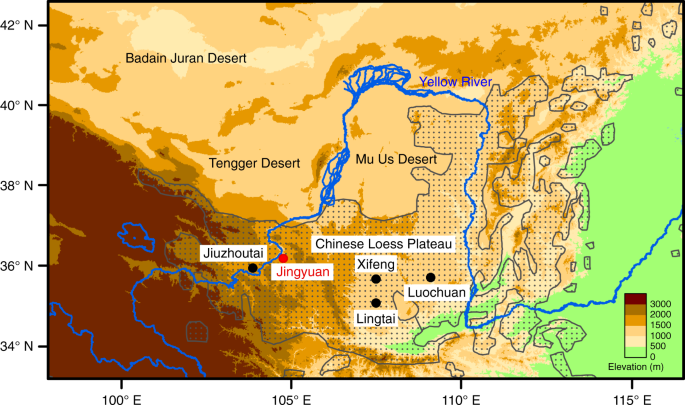
Diverse manifestations of the mid-Pleistocene climate transition

41467_2018_8257_Fig1_HTML.png

Diverse manifestations of the mid-Pleistocene climate transition

Diverse manifestations of the mid-Pleistocene climate transition, Published online: 21 January 2019; doi:10.1038/s41467-018-08257-9

The mid-Pleistocene transition is recognized as a shift in paleoclimatic periodicity from 41- to 100-kyr cycles. Here the authors present a unique mid-Pleistocene transition of coupled monsoon-vegetation changes from 23- to 100-kyr cycles, which indicates varied sensitivity of past climate to astronomical and ice/CO2 forcing.

from A via a.sfakia on Inoreader https://go.nature.com/2CBFYoX

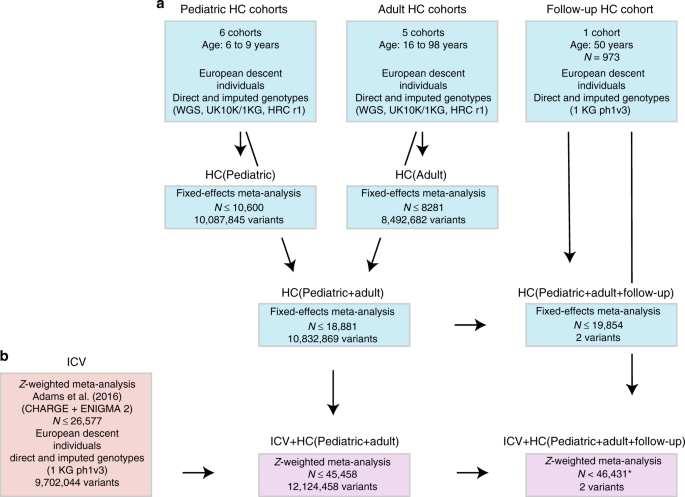
Low-frequency variation in TP53 has large effects on head circumference and intracranial volume

41467_2018_7863_Fig1_HTML.png

Low-frequency variation in TP53 has large effects on head circumference and intracranial volume

Low-frequency variation in <i>TP53</i> has large effects on head circumference and intracranial volume, Published online: 21 January 2019; doi:10.1038/s41467-018-07863-x

Size and shape of the brain are, among others, influenced by the dimensions of the skull. Here, the authors report genome-wide association studies for head circumference and intracranial volume in children and adults and the identification of nine common or low-frequency variants associated with these traits.

from A via a.sfakia on Inoreader https://go.nature.com/2Cx2I9y

Host protein mimics viral protein to hinder infection by Ebola virus


from A via a.sfakia on Inoreader https://go.nature.com/2MngdNJ

Novel strains of Bacteroides fragilis and Bacteroides ovatus alleviate the LPS-induced inflammation in mice

Abstract

Lipopolysaccharide (LPS) can promote the expression of pro-inflammatory cytokines, damage the tight junction of epithelial walls, and thereby lead to chronic low-grade intestinal inflammatory disorders. Evidences of many beneficial functions from Bacteroides strains suggest their intervention capabilities in LPS-induced inflammation. In the present study, both healthy and LPS-treated mice were consistently treated with Bacteroides strains for 5 days. The intestinal microbiota alteration, epithelial permeability, cytokine expression, and autoimmune and innate immune responses were analyzed. B. fragilis HCK-B3 and B. ovatus ELH-B2 from our laboratory collection were demonstrated to assist intestinal equilibrium by maintaining the diversity of gut microbiota and relieve LPS-induced inflammation by either modulating cytokine production or restoring the Treg/Th-17 balance. Our research indicated that the Bacteroides strains with capabilities of alleviating inflammation have the potential as therapeutics to prevent intestinal inflammatory disorders and provided scientific supports for discovering next-generation probiotics.


from A via a.sfakia on Inoreader http://bit.ly/2R0rIep

Perspectives for the biotechnological production of biofuels from CO 2 and H 2 using Ralstonia eutropha and other ‘Knallgas’ bacteria

Abstract

With global CO2 emissions at their highest in several years, mitigation and possibly reduction of greenhouse gas buildup and concomitant production of renewable fuel molecules for growing transportation fuel needs are urgent challenges for renewable energy scientists and engineers. Knallgas bacteria provide a biocatalyst platform for utilization of CO2 and production of diverse and some high-energy density biofuel molecules, requisite for drop-in transportation fuels. The most well-studied Knallgas bacterium, Ralstonia eutropha, has been engineered to produce n-butanol, isobutanol, and terpene molecules under chemolithoautotrophic conditions. There are other representatives of this group of bacteria that potentially have the capabilities for CO2-based fuel molecule synthesis. In principle, fermentative production of biofuel from CO2 could rival the "power-to-gas" (non-biological production of fuels using CO2 and H2) production methods. However, challenges remain for both methods in order to compete with currently priced petroleum-based fuels. With continued streamlining of processes and attention to Industrial Ecology principles, biofuel synthesis by Knallgas bacteria could represent a viable part of a nation's energy portfolio.


from A via a.sfakia on Inoreader http://bit.ly/2W98wyR

Expression and purification of an ArsM-elastin-like polypeptide fusion and its enzymatic properties

Abstract

Enzymes could act as a useful tool for environmental bioremediation. Arsenic (As) biomethylation, which can convert highly toxic arsenite [As(III)] into low-toxic volatile trimethylarsine, is considered to be an effective strategy for As removal from contaminated environments. As(III) S-adenosylmethyltransferase (ArsM) is a key enzyme for As methylation; its properties and preparation are crucial for its wide application. Currently, ArsM is usually purified as a His-tag fusion protein restricting widespread use due to high costs. In this study, to greatly reduce the cost and simplify the ArsM preparation process, an Elastin-like polypeptide (ELP) tag was introduced to construct an engineered Escherichia coli (ArsM-ELP). Consequently, a cost-effective and simple non-chromatographic purification approach could be used for ArsM purification. The enzymatic properties of ArsM-ELP were systematically investigated. The results showed that the As methylation rate of purified ArsM-ELP (> 35.49%) was higher than that of E. coli (ArsM-ELP) (> 10.39%) when exposed to 25 μmol/L and 100 μmol/L As(III), respectively. The purified ArsM-ELP was obtained after three round inverse transition cycling treatment in 2.0 mol/L NaCl at 32 °C for 10 min with the yield reaching more than 9.6% of the total protein. The optimal reaction temperature, pH, and time of ArsM-ELP were 30 °C, 7.5 and 30 min, respectively. The enzyme activity was maintained at over 50% at 45 °C for 12 h. The enzyme specific activity was 438.8 ± 2.1 U/μmol. ArsM-ELP had high selectivity for As(III). 2-Mercaptoethanol could promote enzyme activity, whereas SDS, EDTA, Fe2+, and Cu2+ inhibited enzyme activity, and Mg2+, Zn2+, Ca2+, and K+ had no significant effects on it.


from A via a.sfakia on Inoreader http://bit.ly/2R3nuCV

Le juge, le médecin et le détenu. Regard critique sur la suspension de peine pour raison médicale

Publication date: Available online 20 January 2019

Source: Médecine & Droit

Author(s): Aline Chassagne, Aurélie Godard-Marceau

Résumé

L'article a pour objectif de porter un regard critique sur la suspension de peine médicale souvent considérée comme une loi « humaniste ». À partir d'une recherche menée sur l'expérience des personnes détenues en fin de vie, il ressort que de nombreux critères plus ou moins objectifs, interviennent dans la prise de décision de la sortie de prison. Dans ce cadre, les médecins et les magistrats tentent d'articuler leurs actions en s'appuyant sur un travail d'évaluation et d'expertise. L'octroi ou le refus d'une suspension de peine médicale dépend également de la perception de la personnalité du détenu par les différents acteurs. L'application du droit reflète ainsi les tensions et les alliances entre la médecine et la justice dans le traitement d'une population vulnérable et déviante.

Abstract

The purpose of the article is to give a critical view of the "suspension médicale" (a kind of compassionate release), which is often considered as a "humanist" law. Based on a research conducted on the experience of prisoners at the end of their lives, it appeared that many more or less objective criteria are involved in the decision-making process. In this context, physicians and magistrates try to articulate their actions according to expertise. The decision of granting or refusal also depends on the perception of the prisoner's personality. The application of the law thus reflects the tensions and alliances between medicine and justice in the treatment of a deviant and vulnerable population.


from A via a.sfakia on Inoreader http://bit.ly/2HpbvjC

Raman spectroscopy applications in rheumatology

Abstract

Raman spectroscopy is a type of vibrational spectroscopy based on the inelastic scattering of photons, which has attracted much attention due to its potential clinical application in rheumatology. In this review, we discuss the typical spectral features of cartilage, bone, synovial fluid, and pathologic crystal deposits, as well as methods of amplifying the Raman signal of biofluids such as drop-coating deposition Raman spectroscopy. Further, applications of Raman and drop-coating deposition Raman spectroscopy in osteoarthritis are described, highlighting the clinical potential of these methods. We also discuss the role of Raman and related techniques in analyzing pathologic crystals such as monosodium urate, calcium pyrophosphate dihydrate, and hydroxyapatite. The results presented in this review demonstrate that Raman spectroscopy has grown past the stage of proof-of-concept, especially in the case of pathologies involving crystal depositions such as gout and calcium pyrophosphate deposition disease , for which the method has been validated on large number of samples. As the medical community becomes more and more aware of Raman spectroscopy, it is envisioned that it will become a standard technique in the near future.


from A via a.sfakia on Inoreader http://bit.ly/2HnNqtj

Factors predicting cessation of status epilepticus in clinical practice - data from a prospective observational registry (SENSE).

Related Articles

Factors predicting cessation of status epilepticus in clinical practice - data from a prospective observational registry (SENSE).

Ann Neurol. 2019 Jan 20;:

Authors: Kellinghaus C, Rossetti AO, Trinka E, Lang N, May TW, Unterberger I, Rüegg S, Sutter R, Strzelczyk A, Tilz C, Uzelac Z, Rosenow F

Abstract
OBJECTIVE: To investigate the initial termination rate of status epilepticus (SE) in a large observational study, and to explore associated variables.
METHODS: Data of adults treated for SE were collected prospectively in centers in Germany, Austria, and Switzerland, during 4.5 years. Incident episodes of 1,049 patients were analyzed using uni- and multivariate statistics to determine factors predicting cessation of SE within 1 hour (for generalized convulsive SE, GCSE) and 12 hours (for non-GCSE) of initiating treatment.
RESULTS: Median age at SE onset was 70 years; most frequent etiologies were remote (32%) and acute (31%). GCSE was documented in 43%. Median latency between SE onset and first treatment was 30 minutes in GCSE and 150 minutes in non-GCSE. The first intravenous compound was a benzodiazepine in 86% in GCSE, and 73% in non-GCSE. Bolus doses of the first treatment step were lower than recommended by current guidelines in 76% of the GCSE patients and 78% of the non-GCSE patients. In 319 GCSE patients (70%), SE was ongoing 1 hour after initiating treatment, and in 342 non-GCSE patients (58%) 12 hours after initiating treatment. Multivariate Cox regression demonstrated that the use of benzodiazepines as first treatment step, and a higher cumulative dose of anticonvulsants within the first period of treatment were associated with shorter time to cessation of SE for both groups.
INTERPRETATION: In clinical practice, treatment guidelines were not followed in a substantial proportion of patients. This under-dosing correlated with lack of cessation of SE. Our data suggest that sufficiently dosed benzodiazepines should be used as first treatment step. This article is protected by copyright. All rights reserved.

PMID: 30661257 [PubMed - as supplied by publisher]


from A via a.sfakia on Inoreader http://bit.ly/2CCcSpi

Behavioral problems of preschool children with new-onset epilepsy and one-year follow-up - A prospective study.

Related Articles

Behavioral problems of preschool children with new-onset epilepsy and one-year follow-up - A prospective study.

Epilepsy Behav. 2019 Jan 17;92:171-175

Authors: Çelen Yoldaş T, Günbey C, Değerliyurt A, Erol N, Özmert E, Yalnızoğlu D

Abstract
OBJECTIVES: Childhood emotional/behavioral problems in children with epilepsy have been reported to be higher compared with those with typical development or with other nonneurologic health conditions. Increasing interest towards understanding these behavioral comorbidities is reflected in literature. However, longitudinal investigations regarding the course of behavioral problems in children with newly diagnosed epilepsy and normal development are rare, and majority of them involve school-aged children. We aimed to study the behavioral comorbidities of preschool children with newly diagnosed epilepsy and to explore the changes of behavioral problems after one year from the diagnosis in comparison with the healthy group and subsequently, to elucidate the potential developmental, neurologic, and social risk factors associated with these difficulties.
METHODS: Participants were 83 patients, aged between 18 and 59 months, 43 of them were children with new-onset epilepsy, and 40 of them were healthy children as the comparison group. The Child Behavior Check List-1 1/2-5 (CBCL) was used to evaluate emotional/behavioral problems of the children. Maternal anxiety was analyzed by The State-Trait Anxiety Inventory (STAI). The general development of children was evaluated by the Denver-II-Developmental Screening Test (D-II-DST). Sociodemographic characteristics were also collected for all participants. Each evaluation was repeated after one year from the diagnosis.
RESULTS: Internalizing, externalizing, and total problem scores were higher in children with epilepsy than the control group at baseline, and despite some reduction in several scales, the differences continued across groups after one year. The analysis for the course revealed that behavior problem scores reduced in children with new-onset epilepsy over a year, but it did not change in healthy children. Among the possible factors related to behavior problem scores, in correlation analysis, the duration of screen viewing, socioeconomic status, and maternal education were associated with behavior problem scores. There was no significant association between epilepsy-related variables and the behavior problem scores and the course. Among all possible risk factors in the regression analyses, maternal trait anxiety level was found to be significantly related to the total problems, internalizing, and externalizing scores in the group with epilepsy.
CONCLUSION: Behavioral comorbidities of epilepsy are present very early and can be seen at the time of the diagnosis, however, they do not worsen over time in preschool children. Maternal anxiety should be considered as a risk factor for behavioral problems in preschool children with epilepsy. Assisting children and parents and ensuring necessary guidance and support should be a crucial part of epilepsy treatment initiated as soon as the time of diagnosis.

PMID: 30660968 [PubMed - as supplied by publisher]


from A via a.sfakia on Inoreader http://bit.ly/2RBPpyS

Knowledge, attitudes, and practices of health sciences students regarding epilepsy at the end of their curriculum in Benin.

Related Articles

Knowledge, attitudes, and practices of health sciences students regarding epilepsy at the end of their curriculum in Benin.

Epilepsy Behav. 2019 Jan 17;92:165-170

Authors: Vodougnon C, Gérard D, Bruand PE, Auditeau E, Boumediene F, Zohoun IY, Gnonlonfoun D, Houinato D, Preux PM

Abstract
OBJECTIVE: The main objective of this study was to evaluate the knowledge, attitudes, and practices (KAP) of health sciences students regarding epilepsy at the end of their curriculum in Benin.
METHODS: We conducted a cross-sectional survey among medical, pharmacy, nursing, and midwife students in their last year of health sciences training in the University of Abomey-Calavi in Benin. Students completed a self-administered questionnaire, containing items addressing demographics, epilepsy treatment, diagnosis, clinical practice, and social tolerance regarding a person with epilepsy (PWE).
RESULTS: The response rate to our survey was 87.7% (n = 164). The sample consisted of 64 medical students, 22 pharmacy students, 43 nursing students, and 35 midwife students. They were divided into 95 female subjects and 69 males; sex ratio was 0.7. The mean age of participants was 23.6 ± 1.8 years. The mean scores for epilepsy knowledge, practices, and attitudes were respectively 7.6 ± 1.7 out of a maximum score of 11, 3.9 ± 1.8 out of 8, and 9.6 ± 0.8 out of 10. The KAP overall score was 21.1 ± 3.4 out of a maximum score of 29.0. The variables associated with the overall KAP score were training school, gender, having heard about epilepsy before health sciences studies (p = 0.017), and having a relative with epilepsy (p = 0.001). Male students and medical school students had significantly better overall KAP score than female students or the other training schools respectively (p < 0.001).
SIGNIFICANCE: These findings support the need to improve the health sciences students' knowledge of epilepsy, in particular, during their training.

PMID: 30660967 [PubMed - as supplied by publisher]


from A via a.sfakia on Inoreader http://bit.ly/2CEnuE6

UHPLC-MS/MS method for simultaneous determination of carbamazepine and its seven major metabolites in serum of epileptic patients.

Related Articles

UHPLC-MS/MS method for simultaneous determination of carbamazepine and its seven major metabolites in serum of epileptic patients.

J Chromatogr B Analyt Technol Biomed Life Sci. 2018 Dec 14;1108:17-24

Authors: Jiang W, Xia T, Yun Y, Li M, Zhang F, Gao S, Chen W

Abstract
Carbamazepine (CBZ) was considered as the drug of choice in the treatment for various forms of epilepsy, yet the non-negligible adverse effects of CBZ suspend as the major concern for rational and efficient clinical medication. This study developed a method for the simultaneous determination of CBZ and its seven metabolites acridine (AI), iminostilbene (IM), acridone (AO), carbamazepine‑10,11‑epoxide (CBZ‑EP), 10,11‑dihydro‑10,11‑trans‑dihy‑droxy‑carbamazepine (CBZ‑DiOH), 2‑hydroxycarbamazepine (2‑OH‑CBZ) and 3‑hydroxycarbamazepine (3‑OH‑CBZ) with phenacetin as the internal standard (IS) using ultra-high-performance liquid chromatography-tandem mass spectrometry (UHPLC-MS/MS). Plasma samples were purified with the one-step 96-well protein precipitation plate. Chromatographic separation was achieved on an Agilent Eclipse XDB-C18 (1.8 μm, 2.1 mm × 50 mm) chromatography column carrying the mobile phrase of acetonitrile and 0.1% formic acid in a gradient elution at a flow rate 0.3 mL/min. Agilent G6460 MS/MS in the positive MRM mode using electrospray ionization (ESI) was applied for quantification of target compounds. CBZ and its seven metabolites showed good linear correlation coefficient (r > 0.990). Intra-day and inter-day precision (CV) were no >15%. This method was successfully accomplished within 5 min which was especially applicable for therapeutic drug monitoring (TDM) of CBZ and its metabolites in epileptic patients, and it provided insights for toxicological studies to achieve a rational and effective individualized administration in clinical practice.

PMID: 30660838 [PubMed - as supplied by publisher]


from A via a.sfakia on Inoreader http://bit.ly/2RFSE8r

Status epilepticus induced by treatment with dopamine agonist therapy for giant prolactinoma: a case report.

Related Articles

Status epilepticus induced by treatment with dopamine agonist therapy for giant prolactinoma: a case report.

J Med Case Rep. 2019 Jan 20;13(1):18

Authors: Koguchi M, Nakahara Y, Ebashi R, Ogata A, Shimokawa S, Masuoka J, Abe T

Abstract
BACKGROUND: Dopamine agonists are the standard first-line medical therapy for prolactinoma. We report a rare case of giant prolactinoma with a first epileptic seizure due to rapid reduction of the tumor as a complication of dopamine agonist therapy.
CASE PRESENTATION: A 27-year-old Japanese man presented to our institution with a history of visual disturbance for 1 year and general fatigue for 3 months. Magnetic resonance imaging showed a tumor that arose from the pituitary and extended to the bilateral anterior skull base, the clivus, and the cavernous sinus, with compression of the optic chiasm and the bilateral frontal and temporal lobes. On the basis of the patient's serum concentration of prolactin, we diagnosed a prolactinoma and started dopamine agonist therapy with cabergoline. The patient had a general seizure immediately after starting dopamine agonist therapy and required general anesthetic treatment following the rapid reduction of the tumor. We speculated that the rapid reduction of the tumor resulted in the retraction of the surrounding brain structure, and the epileptic seizure was then induced by dopamine agonist therapy.
CONCLUSIONS: We report a rare case of giant prolactinoma with a first epileptic seizure immediately after the initiation of dopamine agonist therapy. Clinicians need to be aware that the rapid reduction of a giant prolactinoma by dopamine agonist therapy may cause an epileptic seizure.

PMID: 30660191 [PubMed - in process]


from A via a.sfakia on Inoreader http://bit.ly/2W4xpMe

Protecting monarch butterflies' winter home could mean moving hundreds of trees


from A via a.sfakia on Inoreader https://go.nature.com/2sBZ2il

Droplet digital PCR revealed high concordance between primary tumors and lymph node metastases in multiplex screening of KRAS mutations in colorectal cancer.

Related Articles

Droplet digital PCR revealed high concordance between primary tumors and lymph node metastases in multiplex screening of KRAS mutations in colorectal cancer.

Clin Exp Med. 2019 Jan 19;:

Authors: Vanova B, Kalman M, Jasek K, Kasubova I, Burjanivova T, Farkasova A, Kruzliak P, Busselberg D, Plank L, Lasabova Z

Abstract
The proto-oncogene KRAS belongs among the most frequently mutated genes in all types of cancer and is also very important oncogene related to colorectal tumors. The detection of mutations in this gene in primary tumor is a predictive biomarker for the anti-EGFR therapy in metastatic CRC (mCRC); however, the patients with wild-type KRAS can also show resistance to the personalized medicine. The droplet-based digital PCR technology has improved the analytical sensitivity of the mutations detection, which led us to the idea about the optimization of this approach for KRAS testing. In this study, we report the application of ddPCR technology in order to analyze the presence of KRAS mutations in primary tumor and matched metastasis in lymph nodes (LNs) from patients with mCRC and address the question, whether the improvement in the detection method can lower the discrepancies of KRAS mutations detection between the primary tumor and regional LNs. Genomic DNA with wtKRAS and commercial DNA with mtKRAS (G12D) were used to set up the ddPCR reaction. Formalin-fixed paraffin-embedded tissues from primary tumor and positive lymph node from 31 patients with mCRC were analyzed using ddPCR and Sanger sequencing. KRAS status of primary tumors was known; however, the mutation status of lymph nodes was not detected previously. From 31 samples of primary tumors, our results corresponded to results from IVD kit in 30 cases. For one patient, ddPCR detected KRAS mutation in comparison with negative result of the IVD kit. In the samples of metastatic infiltrated LNs, ddPCR detected 16 samples as a WT KRAS and 15 lymph nodes showed positivity for KRAS mutation, whereby Sanger sequencing found KRAS mutations in 8 cases only. We also found two cases where genetic conditions of KRAS gene differed between primary tumor and infiltrated lymph node, both "low-grade" adenocarcinoma. Our study approved that ddPCR method is adequate technique with high sensitivity and in the future may be used as a diagnostic tool for evaluation of KRAS mutations, especially in infiltrated LNs of patients with mCRC.

PMID: 30661213 [PubMed - as supplied by publisher]


from A via a.sfakia on Inoreader http://bit.ly/2MkdhBc

Should Overall Survival Remain an Endpoint for Multiple Myeloma Trials?

Related Articles

Should Overall Survival Remain an Endpoint for Multiple Myeloma Trials?

Curr Hematol Malig Rep. 2019 Jan 19;:

Authors: Holstein SA, Suman VJ, McCarthy PL

Abstract
PURPOSE OF REVIEW: While the traditional gold standard for demonstrating clinical benefit of a therapy has been to show prolongation of overall survival (OS), there are multiple factors which can hinder the use of OS as a primary endpoint in randomized clinical trials (RCTs). Here, we analyze recent myeloma RCTs and evaluate the issues relevant to current and future myeloma RCT design.
RECENT FINDINGS: A review of recent phase III RCTs that led to approval of new agents/combinations reveals that none were designed with OS as the primary endpoint, but instead utilized time to progression (TTP) or progression-free survival (PFS). These studies illuminate the inherent difficulties of designing trials with the primary endpoint of OS/PFS in a disease characterized by increasingly prolonged survival times, availability of effective salvage therapies, and competing events such as co-morbid conditions. Alternative primary endpoints other than OS or PFS need to be developed for future myeloma RCTs. Validated surrogate endpoints with novel clinical trial designs will help improve the feasibility of conducting comparative clinical trials in a timely manner.

PMID: 30661162 [PubMed - as supplied by publisher]


from A via a.sfakia on Inoreader http://bit.ly/2sDoi7V

Association of chemotherapy and radiotherapy sequence with overall survival in locoregionally advanced endometrial cancer.

Related Articles

Association of chemotherapy and radiotherapy sequence with overall survival in locoregionally advanced endometrial cancer.

Gynecol Oncol. 2019 Jan 16;:

Authors: Goodman CR, Hatoum S, Seagle BL, Donnelly ED, Barber EL, Shahabi S, Matei DE, Strauss JB

Abstract
OBJECTIVE: The optimal adjuvant management of women with FIGO Stage III-IVA endometrial cancer (EC) is unclear. While recent prospective data suggest that treatment with pelvic radiotherapy (RT) prior to chemotherapy (CT) is not associated with a survival benefit compared to CT alone, no prospective randomized trial has included a treatment arm in which CT is given before RT.
METHODS: An observational cohort study was performed on women with FIGO Stage III-IVA Type 1 (grade 1-2, endometrioid) EC who underwent hysterectomy and received multi-agent CT and/or RT from 2004 to 2014 at Commission on Cancer-accredited hospitals. Multivariable parametric accelerated failure time models were performed to estimate the association of sequence of adjuvant CT and RT with overall survival (OS) using propensity score-adjusted matched cohorts.
RESULTS: Of 5795 women identified, 1260 (21.7%) received RT only, 2465 (42.5%) received CT only, 593 (9.7%) received RT before CT, and 1506 (26.0%) received RT after CT. Women who received RT after CT experienced significantly longer 5-year OS than women who received RT before CT (5-year OS: 80.1% vs 73.3%; time-ratio (TR) = 1.37, 95% CI = 1.18-1.58, P < 0.001), CT only (68.9%; TR = 1.33, 95% CI = 1.19-1.48, P < 0.001), or RT only (64.5%, TR = 1.50, 95% CI = 1.32-1.70, P < 0.001).
CONCLUSIONS: For women with advanced EC, treatment with multi-agent CT followed by RT is associated with longer OS compared with treatment with RT followed by CT or either treatment alone. These hypothesis-generating data support inclusion in future prospective trials of regimens in which multi-agent CT starts prior to RT.

PMID: 30660345 [PubMed - as supplied by publisher]


from A via a.sfakia on Inoreader http://bit.ly/2Ml9hAA

GLRX inhibition enhances the effects of geftinib in EGFR-TKI-resistant NSCLC cells through FoxM1 signaling pathway.

Related Articles

GLRX inhibition enhances the effects of geftinib in EGFR-TKI-resistant NSCLC cells through FoxM1 signaling pathway.

J Cancer Res Clin Oncol. 2019 Jan 19;:

Authors: Wang L, Liu J, Liu J, Chen X, Chang M, Li J, Song Y, Bai C, Zhou J

Abstract
PURPOSE: Non-small-cell lung cancer (NSCLC) is the most common form of lung cancer. Gefitinib is one of the most accepted therapies against NSCLC in those carrying EGFR mutations, but it is only effective in approximately 20% of patients with NSCLC. Thus, alternative therapeutic interventions are urgently needed to overcome gefitinib resistance. Glutaredoxin (GLRX) plays a key role in oxidative stress. However, whether GLRX inhibition could enhance gefitinib efficacy in the gefitinib-resistant NSCLC cells is unknown. In this study, we aimed to determine whether combined inhibition of GLRX could enhance growth-inhibitory effects of gefitinib in gefitinib-resistant NSCLC cells.
METHODS: Real-time PCR and western blotting were used to examine the mRNA and protein levels of GLRX in gefitinib-sensitive PC9 and HCC827 and -resistant human lung adenocarcinoma PC9R, HCC827R, and H1975 cells. Cell Counting Kit-8, flow cytometry, JC-1 staining, and reactive oxygen species (ROS) assays were used to evaluate cell proliferation, cell cycle progression, mitochondrial membrane potential, and ROS generation, respectively. Mouse tumor xenografts were used to assess the effect of GLRX in vivo.
RESULTS: We found that GLRX was upregulated in gefitinib-resistant PC9R, HCC827R, and H1975 cells. GLRX inhibition enhanced the effects of geftinib in gefitinib-resistant cell proliferation in vitro and in vivo and promoted apoptosis and cell cycle arrest via the EGFR/Forkhead Box M1 (FoxM1) signaling pathway, indicating that combined inhibition of GLRX could enhance growth-inhibitory effects of gefitinib in gefitinib-resistant NSCLC cells.
CONCLUSIONS: Our results suggest that GLRX inhibition enhances the effects of geftinib in EGFR-TKI-resistant NSCLC cells. Thus, GLRX may represent a therapeutic target for increasing the efficiency of gefitinib treatment.

PMID: 30661098 [PubMed - as supplied by publisher]


from A via a.sfakia on Inoreader http://bit.ly/2DpQUYu

Traditional Chinese medicine Ze-Qi-Tang formula inhibit growth of non-small-cell lung cancer cells through the p53 pathway.

Related Articles

Traditional Chinese medicine Ze-Qi-Tang formula inhibit growth of non-small-cell lung cancer cells through the p53 pathway.

J Ethnopharmacol. 2019 Jan 17;:

Authors: Xu Z, Zhang F, Zhu Y, Liu F, Chen X, Wei L, Zhang N, Zhou Q, Zhong H, Yao C, Zhu X, Gong C, Zhu S, Zou C

Abstract
ETHNOPHARMACOLOGICAL RELEVANCE: Ze-Qi-Tang (ZQT), a classic Chinese herbal formula, has been for over thousand years used for the treatment of several respiratory ailments like cough, asthma, hydrothorax and lung cancer.
AIM OF STUDY: Cumulative literature on ZQT herbal formula reveals that its several constituent components are potent inducer of apoptosis in different cancer cells. However, the activity of ZQT against non-small-cell-lung cancer (NSCLC) has not been previously examined.The aim of the study is to investigate the molecular mechanism of ZQT on NSCLC cells.
MATERIALS AND METHODS: Cell growth were determined by CCK-8 and colony formation assay. Induction of cellular apoptosis or arrest of cell cycle were determined by flow cytometric analysis using annexin V/ propidium iodide, Hoechst 33342 or TUNEL staining method. In some assay p53 activity of NSCLC ( A549 and H460) cells were blocked with pifithrin-a, prior to treatment with ZQT. The level of expression of cell cycle and apoptosis related marker proteins were estimated by western blot. The anticancer activity of ZQT in vivo were monitored in nude mice that were induced with tumor by subcutaneous inoculation of A549 cells and then treated by ZQT(100mg/kg,200mg/kg,400mg/kg) gavaging for 30 days. Mice' body weight and tumor volume were measured weekly. The survival carve was recorded. Apoptosis from mice' tissue was observed by TUNEL assay. Pathological histology of liver, kidney and heart were detected by H&E staining, and its functions were tested by ELISA.
RESULTS: Dose- and time-dependent inhibition of proliferation of NSCLC ( A549 and H460) cells by ZQT therapy along with induction of cell cycle arrest at G0⁄G1 phase were observed. The arrest of cell cycle arrest and inhibition of cellular proliferation were associated with up regulation of p53 along with down regulation of Cyclin B1 and Cdk2 indicating a mitochondrial related induction of apoptosis with ZQT. A reversal of ZQT-induced apoptosis and G0⁄G1 arrest was observed with pifithrin-a pretreatment. ZQT was also found to suppress the progression of tumor growth in mouse xenograft models and prolong survival. In addition, no hepato- or nephro- or cardio-toxicity with ZQT treatment were detected in mice.
CONCLUSION: These findings suggest that the ZQT formula inhibits the growth of NSCLC cells and is a potential agent of complementary and alternative treatment for lung cancer.

PMID: 30660711 [PubMed - as supplied by publisher]


from A via a.sfakia on Inoreader http://bit.ly/2U9sSGJ

The anti-malarial drug artesunate causes cell cycle arrest and apoptosis of triple-negative MDA-MB-468 and HER2-enriched SK-BR-3 breast cancer cells.

Related Articles

The anti-malarial drug artesunate causes cell cycle arrest and apoptosis of triple-negative MDA-MB-468 and HER2-enriched SK-BR-3 breast cancer cells.

Exp Mol Pathol. 2019 Jan 17;:

Authors: Greenshields AL, Fernando W, Hoskin DW

Abstract
Breast cancer is the most prevalent cancer diagnosis in women, with triple-negative and human epidermal growth factor 2 (HER2)-enriched advanced breast cancers having the poorest prognoses. The morbidity and mortality associated with advanced disease, as well as the emergence of multi-drug resistant variants, highlights the urgency to develop novel therapeutic agents. Artesunate (ART) is a semi-synthetic derivative of artemisinin from the Chinese herb sweet wormwood. ART is widely used in the treatment of malaria and is well tolerated by patients. Importantly, ART also has anti-cancer activities and may therefore represent a less toxic alternative to conventional chemotherapy. In this study, we demonstrate a dose- and time-dependent inhibitory effect of ART on the growth of triple-negative MDA-MB-468 and HER2-enriched SK-BR-3 breast cancer cells, which was the result of both anti-proliferative and cytotoxic activities. ART inhibited breast cancer cell proliferation via a reactive oxygen species (ROS)-dependent G2/M arrest and ROS-independent G1 arrest. ART-treated MDA-MB-468 and SK-BR-3 cells also experienced apoptotic cell death, which was both ROS- and iron-dependent. ART-induced oxidative stress caused the loss of mitochondrial outer membrane integrity and damage to the cellular DNA of MDA-MB-468 and SK-BR-3 cells. In addition, exposure to low-dose ART sensitized MDA-MB-468 and SK-BR-3 cells to chemotherapeutic drugs. On the basis of our findings, we suggest that ART may have clinical utility in the treatment of triple-negative and HER2-enriched breast cancers.

PMID: 30660598 [PubMed - as supplied by publisher]


from A via a.sfakia on Inoreader http://bit.ly/2REejOl

The anticancer properties and mechanism of action of tablysin-15, the RGD-containing disintegrin, in breast cancer cells.

Related Articles

The anticancer properties and mechanism of action of tablysin-15, the RGD-containing disintegrin, in breast cancer cells.

Int J Biol Macromol. 2019 Jan 17;:

Authors: Deng Z, Chai J, Zeng Q, Zhang B, Ye T, Chen X, Xu X

Abstract
αvβ3 integrin expressed on cancer cell surfaces is associated with important cancer hallmarks including survival and metastasis and is thus a potential anticancer drug target. Tablysin-15 contains the RGD motif and is a high-affinity αvβ3 integrin antagonist. The aim of this study was to investigate the antitumor effect and mechanism of action of tablysin-15 against αvβ3 integrin high-expressing breast cancer cell lines in vitro and in vivo. Tablysin-15 dose-dependently inhibited the proliferation, migration, and invasion of two breast cancer cell lines via the αvβ3 integrin in vitro. Proliferation inhibition was attributable to G0/G1 phase cell cycle arrest rather than apoptosis or necrosis. Furthermore, tablysin-15 downregulated the activity and mRNA expression of MMP-2/-9, VEGF, and COX-2 but upregulated TIMP-1/-2 mRNA in both cell lines. Further, tablysin-15 suppressed the expression of CDK2, CDK6, cyclin D1, and cyclin E, the phosphorylation of FAK, Akt, GSK-3β, and ERK, and the nuclear translocation of NF-κB while increasing the expression of the CDK inhibitor p21waf1/C1. Lastly, tablysin-15 provided effective antitumor protection in vivo. Thus, tablysin-15 inhibits the metastasis and proliferation of breast cancer cells through binding αvβ3 integrin and blocking FAK-associated signaling pathways as well as nuclear translocation of NF-κB.

PMID: 30660566 [PubMed - as supplied by publisher]


from A via a.sfakia on Inoreader http://bit.ly/2U8CpOd

Homogeneous spinal-shortening axial decompression as a revision surgery after untethering surgery in child patients with tethered cord syndrome.

Related Articles

Homogeneous spinal-shortening axial decompression as a revision surgery after untethering surgery in child patients with tethered cord syndrome.

World Neurosurg. 2019 Jan 17;:

Authors: Wang H, Xu T, Wang Y, Sun K, Xu X, Zhang B, Guo Y, Sun J, Shi J

Abstract
OBJECTIVE: The aim of this study was to evaluate the surgical outcomes of homogeneous spinal-shortening axial decompression (HSAD) for the reoperation in child patients with tethered cord syndrome.
METHODS: Between June 2012 and May 2015, A total of consecutive 20 child patients (≤18-year-age,7 males, 13 females) who underwent HSAD after untethering surgery were included. The Japanese Orthopaedic Association (JOA)score and Visual analogue scale (VAS) were used to evaluate pre- and post-operative neurological function and pain. The short form of International Consultation on Incontinence questionnaire ( ICI-Q-SF) and urodynamics were used to evaluate the urinary function. The Rintala score was used to evaluate the stool function.
RESULTS: The mean age of the patients was 13.4±3.6 years (range 7-18 years). The mean duration of follow-up was 31.2±12.7 months (range 12-48 months). The JOA score was increased from preoperative 13.31±4.03 to 19.15±4.17 at final follow-up(p<0.01). The VAS score was decreased from preoperative 5.25±1.78 to 2.21±1.63 at final follow-up(p<0.01).The ICI-Q-SF scores was decreased from preoperative 14.94±4.15 to 7.63±4.40 at final follow-up(p<0.01). All the urodynamic parameters improved compared with those before operation; The Rintala scores was improved from preoperative 5.26±3.45 to 12.32±3.43 at final follow-up(p<0.01).
CONCLUSION: The outcomes of HSAD for the reoperation of TCS is satisfactory. HSAD could improve the patients' neurological function significantly, and it could become an alternative surgical treatment of the reoperation for TCS.

PMID: 30660897 [PubMed - as supplied by publisher]


from A via a.sfakia on Inoreader http://bit.ly/2FDaq61

The Current State of Neurosurgery in Haiti.

Related Articles

The Current State of Neurosurgery in Haiti.

World Neurosurg. 2019 Jan 17;:

Authors: Barthélemy EJ, Gabriel PJ, Lafortune Y, Clervius H, Pyda J, Park KB

Abstract
Even though surgical conditions account for as much as 32% of the global burden of disease, five billion people worldwide do not have access to timely, affordable surgical and anesthetic care. Access to surgical care is separated along socioeconomic divides and these disparities are most pronounced in low-and middle-income countries (LMICs) such as the Caribbean nation of Haiti, where the availability of specialty surgical services like neurosurgery are scant, or completely absent. This article provides a narrative account of current neurosurgery-related activity in Haiti, a nation whose social, political and economic context is unique in the Americas. Following some background information and a bibliometric analysis of recent research efforts, we provide brief biographical sketches of Haiti's local neurosurgical leaders, and an overview of recent initiatives in Haitian neurosurgical capacity-building. The article concludes with recommendations to guide the international neurosurgery community in future contributions.

PMID: 30660896 [PubMed - as supplied by publisher]


from A via a.sfakia on Inoreader http://bit.ly/2FLR1z8

Paediatric Meningiomas In South Western Nigeria: A Single Institutional Experience.

Related Articles

Paediatric Meningiomas In South Western Nigeria: A Single Institutional Experience.

World Neurosurg. 2019 Jan 17;:

Authors: Ayodeji SA, Abiodun OI, Mustapha AA, Adekanmbi AA, James BA

Abstract
BACKGROUND: Meningiomas are the second commonest intracranial tumours in many places worldwide. It is however rare in the paediatric age group and most studies have been able to document only a few patients. Meningiomas in paediatric patients have also being shown to behave differently to those in the adult population. This study was done to examine histological types of meningiomas seen in paediatric patients from a predominantly African population using the 2016 WHO grading system for intracranial tumours.
METHODS: Data from the operating logs of patients and histology reports of the samples sent to the Pathology department during the study period were extracted. The data obtained include the age, sex, location of the intracranial tumour, histologic diagnosis, WHO grade and tumour recurrence.
RESULT: A total of 9 paediatric age patients were found among the 166 surgically excised meningiomas received at the department of Pathology in our institution over a nineteen-year period. The age range was from eight months to seventeen years. There was a male to female ratio of 1:2 with a female predominance. Six of the tumours were basally located. All the tumours were WHO grade I with transitional meningiomas being the commonest followed by meningothelial. There was no history of recurrence in any of the tumours following complete surgical excisions.
CONCLUSION: Our study showed rarity of the meningiomas in the study population and there was a predominance of basally located tumours.

PMID: 30660895 [PubMed - as supplied by publisher]


from A via a.sfakia on Inoreader http://bit.ly/2FEcv1o

Long-term follow-up studies of Gamma Knife radiosurgery for postsurgical non-functioning pituitary adenomas.

Related Articles

Long-term follow-up studies of Gamma Knife radiosurgery for postsurgical non-functioning pituitary adenomas.

World Neurosurg. 2019 Jan 17;:

Authors: Sun S, Liu A, Zhang Y

PMID: 30660894 [PubMed - as supplied by publisher]


from A via a.sfakia on Inoreader http://bit.ly/2FLQVHM

Transvenous treatment of carotid aneurysms through transseptal access.

Related Articles

Transvenous treatment of carotid aneurysms through transseptal access.

World Neurosurg. 2019 Jan 17;:

Authors: Orlov K, Arat A, Osiev A, Berestov V, Aytemir K, Topcuoglu MA, Arsava EM

Abstract
Transseptal puncture has been widely used by cardiologists to reach the left side of the heart through a transvenous access. Rarely, it can also be used to pass into the supraaortic arteries from the venous side when conventional transarterial access pathways (transfemoral, transradial/brachial routes or direct carotid puncture) are likely to fail. We report two cases of transvenous femoral access followed by transseptal access to aorta to treat dissecting carotid artery aneurysms at the level of the skull base with flow diverters. In one case, multiple cervical arterial bypass operations and in the other, a rare anomaly of the aortic arch precluded endovascular treatment through conventional routes. Transvenous-transseptal access enabled treatment of both cases easily and without complications. On follow-up CT angiogram both flow diverters were patent, there were no residual aneurysms and no neurologic or cardiac adverse events in both patients.

PMID: 30660893 [PubMed - as supplied by publisher]


from A via a.sfakia on Inoreader http://bit.ly/2FEvKYY

Anterior Controllable Antedisplacement Fusion (ACAF) for Multilevel Cervical Spondylotic Myelopathy with Spinal Stenosis: Comparison with Anterior Cervical Corpectomy and Fusion (ACCF).

Related Articles

Anterior Controllable Antedisplacement Fusion (ACAF) for Multilevel Cervical Spondylotic Myelopathy with Spinal Stenosis: Comparison with Anterior Cervical Corpectomy and Fusion (ACCF).

World Neurosurg. 2019 Jan 17;:

Authors: Wang H, Sun K, Li X, Wang Y, Xu X, Zhang B, Guo Y, Sun J, Shi J

Abstract
OBJECTIVE: This study aimed to introduce anterior controllable antedisplacement fusion (ACAF), a new surgical technique, to treat multilevel cervical spondylotic myelopathy with spinal stenosis, compared with anterior cervical corpectomy and fusion (ACCF).
METHODS: From January 2016 to June 2017, patients with multilevel cervical spondylotic myelopathy with spinal stenosis (MCSMSS) who underwent ACAF (36 cases) and ACCF (45 cases) were enrolled in this study. Japanese Orthopedic Association (JOA) score was analyzed before the operation and at each time point during the follow-up after surgery to evaluate the neurologic function. Both clinical and radiologic outcomes, and perioperative complications were analyzed.
RESULTS: At the final follow-up, the mean JOA scores of the two groups were significantly improved compared with preoperative, respectively (P<0.01, P<0.01). However, the mean JOA scores between the two groups was not statistically significant (13.7±1.9 vs. 13.5±1.8; P=0.66). The operative duration was longer and the blood loss was higher in ACAF group than in ACCF group. The overall occurrence of complications in ACAF group was significantly lower than that in ACCF group (P<0.05).
CONCLUSIONS: ACAF has similar clinical and radiological outcomes and less complications compared with ACCF in the treatment of MCSMSS, and ACAF can be used as an alternative for cervical stenosis.

PMID: 30660892 [PubMed - as supplied by publisher]


from A via a.sfakia on Inoreader http://bit.ly/2FLQSvA

The exoscope in neurosurgery: an innovative "point of view". A systematic review of the technical, surgical and educational aspects.

Related Articles

The exoscope in neurosurgery: an innovative "point of view". A systematic review of the technical, surgical and educational aspects.

World Neurosurg. 2019 Jan 17;:

Authors: Ricciardi L, Chaichana KL, Cardia A, Stifano V, Rossini Z, Olivi A, Sturiale CL

PMID: 30660891 [PubMed - as supplied by publisher]


from A via a.sfakia on Inoreader http://bit.ly/2FFcKcS

Nerve-Sheath-Risen Neuroglial Cyst: A Case Report and Review of the Literature.

Related Articles

Nerve-Sheath-Risen Neuroglial Cyst: A Case Report and Review of the Literature.

World Neurosurg. 2019 Jan 17;:

Authors: Samadian M, Omidbeigi M, Bakhtevari MH, Asaadi S, Jafari A, Rezaei O

Abstract
BACKGROUND: Neuroglial cysts are rare intracranial lesions that are believed to originate from the sequestration of neural tube lining during embryogenesis. They can present anywhere within the neuraxis; however, their most common location is the frontal lobe. Cerebellopontine angle (CPA) neuroglial cysts are extremely rare and to the best of authors' knowledge, there are no previous reports of a neuroglial cyst arising from cranial nerves.
CASE DESCRIPTION: The current study presented a male adolescent with the reoccurrence of an intracranial cyst with symptoms of diplopia and facial numbness primarily treated as CPA arachnoid cyst with fenestration of the cyst 12 months prior to admission to our center. Different magnetic resonance imaging (MRI) sequences showed a thin-walled extra-axial cyst at the right CPA without gadolinium (Gd)-enhancement. Direct visualization of the lesion revealed a cyst arising from the 5th cranial nerve sheath compressing the surrounding structures. The cyst was fenestrated and a biopsy was taken from the cyst wall. The pathological analysis along with specified histological markers indicated the neuroglial nature of the cyst.
CONCLUSION: The rising of a neuroglial cyst from the nerve sheath is a finding that brings other possible origins of neuroglial cysts into consideration.

PMID: 30660890 [PubMed - as supplied by publisher]


from A via a.sfakia on Inoreader http://bit.ly/2FNC6nU

Gerber's Ligament - A Forgotten Structure of the Craniocervical Junction.

Related Articles

Gerber's Ligament - A Forgotten Structure of the Craniocervical Junction.

World Neurosurg. 2019 Jan 17;:

Authors: Ishak B, Gnanadev R, Dupont G, Kikuta S, Altafulla J, Iwanaga J, Tubbs RS

PMID: 30660889 [PubMed - as supplied by publisher]


from A via a.sfakia on Inoreader http://bit.ly/2FHpSOu

Successful Surgical Therapy of Gross Thoracolumbar Kyphosis in a Boy With Achondroplasia.

Related Articles

Successful Surgical Therapy of Gross Thoracolumbar Kyphosis in a Boy With Achondroplasia.

World Neurosurg. 2019 Jan 17;:

Authors: Yilar S, Sakci Z, Gedikli Y, Ogul H

PMID: 30660888 [PubMed - as supplied by publisher]


from A via a.sfakia on Inoreader http://bit.ly/2FLQLAa

Predictors for the Development of Symptomatic Myelopathy in Patients with Radiculopathy Caused by Cervical Ossification of the Posterior Longitudinal Ligament.

Related Articles

Predictors for the Development of Symptomatic Myelopathy in Patients with Radiculopathy Caused by Cervical Ossification of the Posterior Longitudinal Ligament.

World Neurosurg. 2019 Jan 17;:

Authors: Du YQ, Duan WR, Chen Z, Wu H, Jian FZ

Abstract
OBJECTIVE: To identify clinical factors predicting the development of myelopathy in cervical ossification of the posterior longitudinal ligament (OPLL) patients with radiculopathy.
METHODS: We retrospectively reviewed 83 cervical OPLL patients who presented with radiculopathy. Based on the symptoms and physical findings, we divided patients into 2 groups: myelopathy group and non-myelopathy group. Demographic, clinical, and radiologic characteristics were reviewed and analyzed among the 2 groups. Predictors for the development of myelopathy were assessed via univariate and multivariate analysis.
RESULTS: Univariate analysis demonstrated that high occupying ratio and presence of intramedullary high signal were risk factors of the development of myelopathy from radiculopathy in OPLL patients. Multivariate analysis further identified that high occupying ratio was the only independent predictor (OR 1.05, 95%CI 1.003-1.091, P=0.035). The cervical range of motion and minor trauma were not related to the development of myelopathy in our study.
CONCLUSIONS: Non-myelopathic OPLL patients with radiculopathy and high occupying ratio were at higher risk of developing myelopathy, and surgical intervention should be recommended in these cases. However, for elderly patients with significant comorbid conditions, the risk as well as the benefits of surgery should be carefully considered.

PMID: 30660887 [PubMed - as supplied by publisher]


from A via a.sfakia on Inoreader http://bit.ly/2FD9rCQ

A novel radiological assessment of screw loosening focusing on spatial position change of screws using an iterative closest point algorithm with stereolithography data: technical note.

Related Articles

A novel radiological assessment of screw loosening focusing on spatial position change of screws using an iterative closest point algorithm with stereolithography data: technical note.

World Neurosurg. 2019 Jan 17;:

Authors: Tanioka S, Ishida F, Kuraishi K, Tanaka K, Shimosaka S, Suzuki H, Mizuno M

Abstract
OBJECTIVE: In thoracolumbar spinal instrumentation surgery, pedicle screw fixation is widely used, while screw loosening occurs only occasionally over time. It is common to evaluate screw loosening by the radiographical lucent zone around screws, which can neither evaluate loosening quantitatively nor detect slight screw loosening. In the present technical note, we describe a novel assessment technique of screw loosening by generating 3-dimensional screw images from computed tomography (CT) data and superposing them in time series.
METHODS: CT data was exported in digital imaging and communications in medicine dataset and imported to the 3-dimensional computer aided designing software, by which screws and rods were segmented and outputted in stereolithography (STL) format. The STL files were imported to the software, and registration based on iterative closest point algorithm was performed to assess screw position changes.
RESULTS: Positional changes on STL in time series were classified into 3 types: 1) no position changes existed in the entire system of screws and rods; 2) position changes existed in the entire system of screws and rods, but no position changes were shown when the left-sided and right-sided screws and rod were separately evaluated; and 3) position changes existed in the left and/or right-sided screws and rods even when evaluated separately.
CONCLUSIONS: This technique enables the quantitative evaluation of screw loosening and loosening between screws and rods. In conjunction with conventional methods of assessing radiographical lucent zone, we are able to obtain more accurate information regarding screw loosening after spinal instrumentation surgery.

PMID: 30660886 [PubMed - as supplied by publisher]


from A via a.sfakia on Inoreader http://bit.ly/2FLQHjU

Comparing Microvascular Decompression with Gamma Knife Radiosurgery for Trigeminal Neuralgia A Cost-effectiveness Analysis.

Related Articles

Comparing Microvascular Decompression with Gamma Knife Radiosurgery for Trigeminal Neuralgia A Cost-effectiveness Analysis.

World Neurosurg. 2019 Jan 17;:

Authors: Gandhoke GS, Smith KJ, Niranjan A, Sekula RF, Lunsford LD

Abstract
BACKGROUND AND OBJECTIVE: Both Microvascular decompression (MVD) and Gamma knife radiosurgery (GKRS) are time tested treatment modalities for Trigeminal Neuralgia. There is little evidence in the literature studying these modalities head to head in a cost-effectiveness comparison.
OBJECTIVE: To evaluate the cost-effectiveness of MVD compared with GKRS for treating patients with Trigeminal Neuralgia.
METHODS: We developed a Markov cost-effectiveness model for the US health care system to account for all costs related to MVD and GKRS as treatment modalities for Trigeminal Neuralgia, from the health care system perspective, over a patient lifetime horizon. A base case was estimated using data from prior publications, from our own GKRS experience, and from a current data analysis of patients undergoing MVD. We derived model inputs, including health care costs, survival, and utility estimates, from literature. We utilized age-, sex- and race-specific mortality rates from national registries. Costs studied included those for MVD, for GKRS, for treating complications from either procedure, and for medications throughout patient lifetimes. We performed multiple one-way, 2-way and probabilistic sensitivity analyses to confirm the robustness of model assumptions and results. The incremental cost-effectiveness ratio (ICER), with a threshold of $50,000 per quality-adjusted life-year (QALY) gained, defined cost-effectiveness.
RESULTS: The base case had an ICER of $12,154 per quality-adjusted life-year for MVD compared to GKRS. Probabilistic sensitivity (Monte Carlo) analysis demonstrated that MVD was cost-effective in 70% of model iterations. GKRS was favored when the willingness to pay threshold was less than $12,000 per QALY gained.
CONCLUSIONS: In patients medically eligible for either procedure, we found MVD to be the most cost-effective modality to treat Trigeminal Neuralgia, primarily because of its reported greater durability. MVD remained the most cost-effective strategy across a broad range of model input values in sensitivity analyses.

PMID: 30660885 [PubMed - as supplied by publisher]


from A via a.sfakia on Inoreader http://bit.ly/2FEvIQQ

Sodium- Fluorescein Guided Surgery in Peripheral Nerve Sheath Tumors (PNST): First Experience in 10 Cases of Schwannoma.

Related Articles

Sodium- Fluorescein Guided Surgery in Peripheral Nerve Sheath Tumors (PNST): First Experience in 10 Cases of Schwannoma.

World Neurosurg. 2019 Jan 17;:

Authors: Pedro MT, Eissler A, Schmidberger J, Kratzer W, Wirtz CR, Antoniadis G, Koenig RW

Abstract
OBJECTIVE: The intravenous application of sodium fluorescein (SF) for brain tumor surgery goes back to the late 1940´s. The development of specific fluorophore filters significantly reduced the required dosage of SF and therefore diminished possible side effects. The present study investigates the application of SF in benign PNST, concentrating on its feasibility during microsurgical removal.
METHODS: The single center study includes 10 consecutive schwannoma cases operated on between 09/2016 and 03/2017. Inclusion criteria were defined as age ≥ 18 years, preoperative MRI with suspicion of schwannoma and final histopathological confirmation of schwannoma. Exclusion criteria were a history of intolerance to SF and renal insufficiency. The microsurgical part of each surgery was video recorded and the collected material retrospectively analyzed. RGB (red, green, blue) values of various regions of interest (ROI) set on tumor and normal nerve of each patient were evaluated using ImageJ, an open platform for scientific image analysis.
RESULTS: Digital video analysis confirmed the intraoperative impression of increased fluorescence of the tumor in contrast to normal nerve tissue. As the color yellow is predominantly a mixture of red and green, values of these colors were significantly increased in schwannomas compared to normal nerve tissue (p= 0.0003, p= 0.0023).
CONCLUSIONS: SF reveals increased fluorescence in schwannomas compared to normal nerve tissue. Intraoperative differentiation of tumor and normal nerve tissue becomes possible using low dose of SF (0.5 - 1 mg/kg). No side effects occurred. Secure microsurgical preparation is feasible during application of the Yellow 560 nm filter.

PMID: 30660884 [PubMed - as supplied by publisher]


from A via a.sfakia on Inoreader http://bit.ly/2FLQCwC

Takotsubo cardiomyopathy and neurogenic pulmonary edema after carotid endarterectomy.

Related Articles

Takotsubo cardiomyopathy and neurogenic pulmonary edema after carotid endarterectomy.

World Neurosurg. 2019 Jan 17;:

Authors: Kitagawa T, Ishikawa H, Yamamoto J, Ota S

Abstract
BACKGROUND: Takotsubo cardiomyopathy (TCM) and neurogenic pulmonary edema (NPE) are rare complications of an acute ischemic stroke. In particular, TCM and NPE, following carotid endarterectomy (CEA) are extremely rare. In general, TCM- and NPE-associated ischemic strokes are caused by excess catecholamine release after sympathetic nervous stimulation following stroke onset, but the mechanism triggering this stimulation is still unknown.
CASE DESCRIPTION: An 88-year-old man underwent left carotid endarterectomy (CEA) for symptomatic carotid artery stenosis (NASCET, 65%). After the surgery, his respiratory condition rapidly worsened, and chest radiography revealed an infiltrative shadow on both lung fields. Transthoracic echocardiography revealed left ventricular dysfunction, suggesting TCM. Postoperative magnetic resonance imaging (MRI) revealed a small infarction in the left anterior insular cortex. Eventually, his respiratory and cardiac functions gradually improved. He was finally discharged on his own from the hospital on postoperative Day 9.
CONCLUSIONS: We described a very rare case of TCM and NPE following CEA. The mechanisms of TCM and NPE involve excess catecholamine release after sympathetic nervous stimulation. Our findings suggest that surgery-associated transient ischemia and reperfusion injury to the left insular cortex stimulate sympathetic nerves.

PMID: 30660883 [PubMed - as supplied by publisher]


from A via a.sfakia on Inoreader http://bit.ly/2CBG8g9

A case of posterior reversible encephalopathy syndrome after surgical clipping of unruptured cerebral aneurysm.

Related Articles

A case of posterior reversible encephalopathy syndrome after surgical clipping of unruptured cerebral aneurysm.

World Neurosurg. 2019 Jan 17;:

Authors: Chihara H, Hatano T, Ando M, Takita W, Tokunaga K, Hashikawa T, Funakoshi Y, Kamata T, Higashi E, Nagata I

PMID: 30660882 [PubMed - as supplied by publisher]


from A via a.sfakia on Inoreader http://bit.ly/2FDE1fx

Brucella Shunt Infection as a Rare Presentation of Neurobrucellosis

Brucellosis, as a systemic infection with potential to involving virtually all organ systems, is an endemic zoonosis in Iran. This is the history of a 17-year-old boy with a ventriculoperitoneal (VP) shunt who presented with prolonged fever, constipation, and abdominal pain. Laboratory studies, including cerebrospinal fluid (CSF) and blood tests, revealed a VP shunt infection with Brucella spp. We treated the patient with rifampicin, trimethoprim-sulfamethoxazole (cotrimoxazole), and ceftriaxone. Also, the shunt was temporarily replaced with an extraventricular drain until the CSF culture was sterile and a new permanent VP shunt could be inserted. We report this case to underline the diagnostic possibility of brucellosis in every case of protracted fever of unknown origin (FUO), irrespective of accompanying signs and symptoms.

from A via a.sfakia on Inoreader http://bit.ly/2AVd2YK

Pylephlebitis: A Case of Inferior Mesenteric Vein Thrombophlebitis in a Patient with Acute Sigmoid Diverticulitis—A Case Report and Clinical Management Review

Pylephlebitis is a rare complication of intra-abdominal infections and describes thrombosis and infection as two different pathophysiological phenomena in the cause of this disease. The nonspecific presentation of disease makes its diagnosis difficult and thus leads to high mortality. The treatment comprises antibiotics and also includes controversial use of anticoagulation in these patients. Here, we present a patient with past medical history of human immunodeficiency virus and past diverticulitis who presented with fever, chills, diarrhea, neck pain, and photophobia. He was diagnosed with acute sigmoid diverticulitis with associated inferior mesenteric vein thrombophlebitis. He improved after intravenous antibiotics and anticoagulation and was discharged. He underwent sigmoid colectomy 3 months after his initial presentation and was advised to take anticoagulation for a total of 6 months.

from A via a.sfakia on Inoreader http://bit.ly/2T6thcC

Severe emm89 Group A Streptococcal Disease Characterized by Toxic Shock and Endocarditis

Invasive group A Streptococcus infections are associated with diverse presentations. We report a severe, rare case of GAS infection with dissemination including endocarditis and STSS. While whole genome sequencing of blood and pharyngeal isolates did not reveal any unique features attributable to the severe presentation, our approach serves as a template for investigation of severe manifestations of common infections.

from A via a.sfakia on Inoreader http://bit.ly/2AUjxLJ

Control of Non-migrating Bar Morphodynamics on Survival of Populus nigra Seedlings during Floods

Abstract

Populus nigra seedling survival to flood stresses during their first stage of development was analyzed in the Loire River, France. We related bar dynamics (assessed from bathymetrical, topographical, flow velocity, scour chains, and sediment grain size surveys) to seedling survival. The study highlights (i) the influence of flood succession and flood stages on seedling survival after establishment, (ii) the spatial distribution of fluvial processes at the bar scale and their relative contribution to seedling mortality, (iii) threshold values for each process. At the bar scale, 28% of mortality is explained by uprooting associated with erosion of sediments. To a lesser extent, uprooting by drag force applied on the stems and burying by sediments also contribute to seedling mortality. The majority of seedling mortality is ultimately due to a combination of erosion and burial (50.6%) during flood events. The relative contribution of each process depends on the combination and phasing of erosion and deposition processes, sediment supply (quantity and grain size), and flow velocity governed by hydrological variations. Based on the results of this study we hypothesize that the survival of seedlings during floods may be a function of local processes involved in bar dynamics.


from Energy Ecology Environment Ambio via Terpsi Hori on Inoreader http://bit.ly/2R2LVQX

Make robot motions natural


from A via a.sfakia on Inoreader https://go.nature.com/2RBPRxb

A Full‐Digital Technique to Mount a Maxillary Arch Scan on a Virtual Articulator

Abstract

Mounting casts accurately on an articulator is a prerequisite for the treatment planning/execution of complex dental cases that require occlusal rehabilitation. A full digital approach to transfer the position of maxillary dentition to a virtual articulator, by using intraoral scans and cone beam computed tomography (CBCT) files is presented. This technique offers reduced chairside time and the flexibility of choosing the orientation plane. It can be used in orthognathic surgeries, complex interdisciplinary treatments requiring a CBCT scan with a large field of view, or treatment that already have the head CT or CBCT scans from previous diagnosis/treatment.

This article is protected by copyright. All rights reserved


from A via a.sfakia on Inoreader http://bit.ly/2W7HAj9

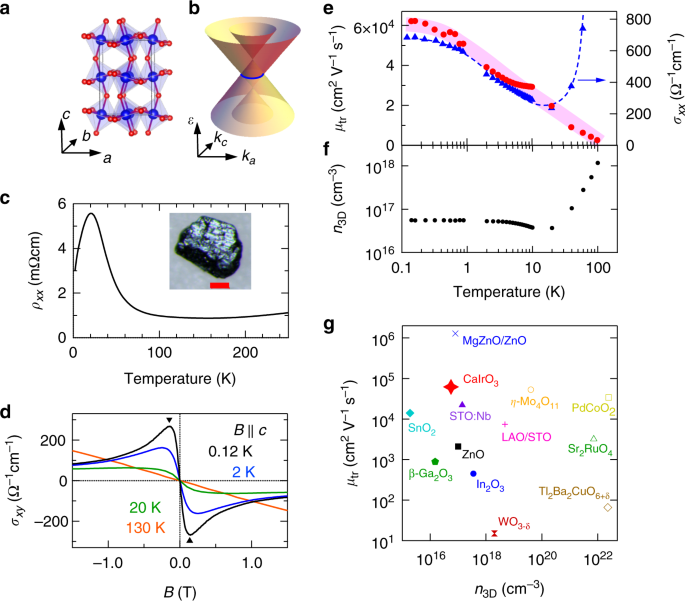
Strong-correlation induced high-mobility electrons in Dirac semimetal of perovskite oxide

41467_2018_8149_Fig1_HTML.png


from A via a.sfakia on Inoreader https://go.nature.com/2QZDwOh

Anti-LRP5/6 VHHs promote differentiation of Wnt-hypersensitive intestinal stem cells


from A via a.sfakia on Inoreader https://go.nature.com/2W4s7QQ

Author Correction: Genome-wide association study identifies susceptibility loci for B-cell childhood acute lymphoblastic leukemia


from A via a.sfakia on Inoreader https://go.nature.com/2R5FJI5

Over 56.55% Faradaic efficiency of ambient ammonia synthesis enabled by positively shifting the reaction potential


from A via a.sfakia on Inoreader https://go.nature.com/2W4TCcZ

Mineralocorticoid receptor antagonism limits experimental choroidal neovascularization and structural changes associated with neovascular age-related macular degeneration


from A via a.sfakia on Inoreader https://go.nature.com/2R03cdr

Genome-wide association study of body fat distribution identifies adiposity loci and sex-specific genetic effects


from A via a.sfakia on Inoreader https://go.nature.com/2W4TqKN

Diverse manifestations of the mid-Pleistocene climate transition

41467_2018_8257_Fig1_HTML.png


from A via a.sfakia on Inoreader https://go.nature.com/2R0P4Re

Low-frequency variation in TP53 has large effects on head circumference and intracranial volume

41467_2018_7863_Fig1_HTML.png


from A via a.sfakia on Inoreader https://go.nature.com/2W3ILjL

Peer review of the pesticide risk assessment of the active substance fenamiphos

Abstract

The conclusions of EFSA following the peer review of the initial risk assessments carried out by the competent authorities of the rapporteur Member State Greece and co‐rapporteur Member State Cyprus for the pesticide active substance fenamiphos are reported. The context of the peer review was that required by Commission Implementing Regulation (EU) No 844/2012. The conclusions were reached on the basis of the evaluation of the representative uses of fenamiphos as a nematicide in fruiting vegetables (i.e. tomato, aubergine, cucumber, pepper and courgette), herbaceous ornamentals and in nursery stock (both perennial and herbaceous species). The reliable end points, appropriate for use in regulatory risk assessment are presented. Missing information identified as being required by the regulatory framework is listed. Concerns are identified.


from A via a.sfakia on Inoreader http://bit.ly/2R3KyRQ

SIGMA Animal Disease Data Model

Abstract

The European Commission is routinely asking EFSA for scientific and technical support in the epidemiological analysis of animal disease outbreaks (i.e. African swine fever, lumpy skin disease and avian influenza) and to report or assess surveillance data (i.e. Echinococcus multilocularis and avian influenza). For this purpose, EFSA has over the last years carried out several data collections and gathered specific information on outbreaks, surveillance activities and concerned animal populations (i.e. poultry, domestic pigs, cattle and wildlife such as wild boar). EFSA aims to work together closely with Member States in order to (i) reduce the Member States' manual input of the data to be submitted to EFSA; (ii) avoid double reporting to EFSA; (iii) provide the Member States with tools to produce automatically their own draft national reports on animal health and surveillance in a protected environment to ensure data protection; (iv) increase the quality of the data received from the Member States; and (v) shorten the time to retrieve up‐to‐date data, relevant for risk assessment purposes. With this purpose, EFSA launched a project called SIGMA. It is important to highlight that the SIGMA – Animal Disease Data Model (σ‐ADM) focuses on data which are known to be already collected by several Member States under different legal frameworks and for different purposes. The version presented in this report, will be subject to modifications and updates derived from the feedback during the implementation phase.


from A via a.sfakia on Inoreader http://bit.ly/2W7vIOc

Modification of the existing maximum residue levels for aclonifen in celeriacs and certain fresh herbs

Abstract

In accordance with Article 6 of Regulation (EC) No 396/2005, the applicants Landesanstalt für Landwirtschaft und Gartenbau Sachsen‐Anhalt (LSA) and Dienstleistungszentrum Ländlicher Raum Rheinpfalz (DLR), respectively, submitted a request to the competent national authority in Germany to modify the existing maximum residue levels (MRL) for the active substance aclonifen in chives, parsley, celery leaves/dill leaves, thyme/savoury and in celeriacs/turnip‐rooted celery. The data submitted in support of the request were found to be sufficient to derive MRL proposals for all crops under consideration. Adequate analytical methods for enforcement are available to control the residues of aclonifen in high water commodities under consideration at the validated limit of quantification (LOQ) of 0.01 mg/kg. Based on the risk assessment results, EFSA concluded that the exposure to residues resulting from the use of aclonifen according to the reported agricultural practices is unlikely to present a risk to consumer health.


from A via a.sfakia on Inoreader http://bit.ly/2R2ULOr

Modification of the existing maximum residue level for trifloxystrobin in broccoli

Abstract

In accordance with Article 6 of Regulation (EC) No 396/2005, the applicant Bayer Hellas AG submitted a request to the competent national authority in Greece to modify the existing maximum residue level (MRL) for the active substance trifloxystrobin in broccoli. The data submitted in support of the request were found to be sufficient to derive an MRL proposal for broccoli. Adequate analytical methods for enforcement are available to control the residues of trifloxystrobin on the commodity under consideration at the validated limit of quantification (LOQ) of 0.01 mg/kg. EFSA performed a tentative risk assessment in which the calculated exposure to residues of trifloxystrobin and one of its metabolites CGA 321113 did not exceed the toxicological reference values derived for trifloxystrobin. The risk assessment is tentative since the toxicological properties of certain metabolites identified in some metabolism studies are not fully elucidated and data on the occurrence of metabolites CGA 357262, CGA 357261, CGA 331409 in crops for which MRLs were established in the past are not available.


from A via a.sfakia on Inoreader http://bit.ly/2W8W0iP

Modification of the existing maximum residue levels for tetraconazole in kaki/Japanese persimmon, linseeds and poppy seeds

Abstract

In accordance with Article 6 of Regulation (EC) No 396/2005, the applicant Isagro S.p.A submitted a request to the competent national authority in Italy to modify the existing maximum residue levels (MRLs) for the active substance tetraconazole in various crops and animal commodities. The data submitted in support of the request were found to be sufficient to derive MRL proposals for tetraconazole in kaki/Japanese persimmon, linseeds and poppy seeds. Adequate analytical methods for enforcement are available to control MRL compliance for parent compound tetraconazole on the commodities under consideration and in animal products. The proposed use of tetraconazole on crops under assessment will not result in a dietary exposure to residues of parent tetraconazole exceeding the toxicological reference values for tetraconazole. For triazole derivative metabolites (TDMs), only an indicative exposure assessment was performed considering only the crops under assessment; the results showed that the expected exposure to TDMs in the three assessed commodities is well below the toxicological reference values derived for the TDMs. The proposed use of tetraconazole on crops under assessment is therefore unlikely to pose a risk to consumers' health. TDMs may be generated by several pesticides belonging to the group of triazole fungicides, a comprehensive risk assessment has thus to be performed that covers all existing EU uses and import tolerances for all pesticides belonging to the class of triazole fungicides. EFSA recommended to elaborate together with risk managers a strategy to ensure that the required data are made available to finalise the overall risk assessment for triazole fungicides.


from A via a.sfakia on Inoreader http://bit.ly/2R5ugbk

Modification of the existing maximum residue levels for aminopyralid in certain cereals

Abstract

In accordance with Article 6 of Regulation (EC) No 396/2005, the applicant Dow AgroSciences Denmark submitted a request to the competent national authority in the United Kingdom to modify the existing maximum residue levels (MRLs) for the active substance aminopyralid in cereals. The data submitted in support of the request were found to be sufficient to derive MRL proposals for barley, rye, sorghum, millet and oats. A modification of the existing MRL of aminopyralid in wheat has been considered unnecessary. Adequate analytical methods for enforcement are available to control the residues of aminopyralid and its conjugates in plant matrices and on the commodities under assessment at the validated limit of quantification (LOQ) of 0.01 mg/kg. Based on the risk assessment results, EFSA concluded that the short‐term and long‐term intake of residues resulting from the use of aminopyralid according to the intended agricultural practices is unlikely to present a risk to consumer health.


from A via a.sfakia on Inoreader http://bit.ly/2Wa2LkP

Low dose Isotretinoin as an adjuvant therapy for treatment of different clinical variants of warts: a case series

Abstract

Warts constitute the most frequently observed dermatological manifestations of human papillomavirus (HPV). Although an extensive range of treatments exists for local warts, there is no specific therapy based on high‐quality evidence of notable treatment success or high cure rate, or minimal adverse effects. Recalcitrant warts are, therefore, a common therapeutic problem. This case series refer to 14 immunocompetent patients with recalcitrant warts, who experienced full resolution of their warty lesions when treated with addition of low dose isotretinoin, in a dose of 0.1‐0.2 mg/kg/day, for a 3‐month course, with no significant adverse effects. Long‐term remission was noted for up to 3 years with no signs of active lesions. Low dose isotretinoin should be in the priority of the treatment options of recalcitrant warts, alone or in‐combination.

This article is protected by copyright. All rights reserved.


from A via a.sfakia on Inoreader http://bit.ly/2sAxmKH

The Liverpool Peritonsillar abscess Score (LPS): Development of a predictive score through a prospective multi‐centre observational study

Abstract

Objectives

While uncommon in the population at large, peritonsillar abscess (PTA) is a common subject of ENT referrals. Missed or uncertain diagnosis is a source of concern for non‐specialist referrers. In line with the NHS England Second Sepsis Action Plan, we aimed to develop a predictive score for the presence of PTA. This would help to improve non‐specialist colleagues' diagnostic certainty as well as to support ENT surgeons' triage of these referrals.

Design

Prospective, multi‐centre observational study.

Setting

Primary and secondary care.

Participants

Patients >16 years with symptoms of sore throat.

Data

We prospectively collected comprehensive data on patient demographics, symptoms and clinical status. We documented whether the patient had aspiration‐proven PTA or not. We performed binary logistic regression analysis, iterative development of a predictive score which we validated internally.

Results

100 patients were included (46 PTA and 54 tonsillitis). Five variables added significantly to the logistic regression model: unilateral sore throat; trismus; male gender; pharyngeal voice change; uvular deviation. Using the odds ratio outputs, we developed the Liverpool Peritonsillar abscess Score (LPS) iteratively.

We validated the latest (third) iteration of the LPS internally (ie on the same sample), yielding sensitivity 96%; specificity 85%; positive predictive value 85% and negative predictive value 96%. Area under the receiver operating characteristics (AUROC) curve was 0.970.

Conclusions

We have developed the first predictive score for PTA based on symptoms and signs that do not require the user to have specialist experience. Its high negative predictive value may be particularly helpful to non‐specialist colleagues.

This article is protected by copyright. All rights reserved.


from A via a.sfakia on Inoreader http://bit.ly/2FNMbBe

Ruthenium‐Catalyzed ortho C–H Borylation of Arylphosphines

Efficient, phosphine‐directed ortho C–H borylation of arylphosphine derivatives was achieved using Ru catalysts for the first time. The reaction is applicable to various tertiary arylphosphine and arylphosphinite derivatives to give (o‐borylaryl)phosphorus compounds in high yield. This reaction enables easy access to a variety of functionalized phosphine ligands and ambiphilic phosphine‐boronate compounds, realizing new late‐stage modification of phosphorus compounds.


from A via a.sfakia on Inoreader http://bit.ly/2CwfF3n

Intracellular localization of an osmocenyl‐tamoxifen derivative in breast cancer cells revealed by synchrotron radiation X‐ray fluorescence nanoimaging

We have recently developed a series of tamoxifen‐like metallocifens of the group‐8 metals (Fe, Ru and Os) with strong antiproliferative activity on the triple negative breast cancer cells (MDA‐MB‐231). This property, not observed for the organic analog 4‐hydroxytamoxifen, has been associated with the unique redox behavior of metallocenic moieties, readily affording reactive quinone methides in cancer cells. To shed light on the mechanism of action of these molecules, synchrotron radiation X‐ray fluorescence (SR‐XRF) nanoimaging studies were performed on cells exposed to osmocenyl‐tamoxifen (Oc‐OH‐Tam) to disclose its intracellular distribution using osmium as an intrinsic reporter. High resolution mapping of the lipophilic Oc‐OH‐Tam in cells, revealed its preferential accumulation in the endomembrane system encompassing endoplasmic reticulum, nuclear envelope and vesicular structures. This is consistent with the ability of the amino nitrogen chain of the compounds to be protonated at physiological pH and responsible for electrostatic interactions between Oc‐OH‐Tam and membranes. We propose a comprehensive scenario that provides new insight into the cellular behavior and activation of Oc‐OH‐Tam and advances the understanding of its mechanism of action.


from A via a.sfakia on Inoreader http://bit.ly/2RFRiuF

Enhancement of photodynamic cancer therapy by physical and chemical factors

The viable use of photodynamic therapy (PDT) in cancer therapy has never been fully realized due to its undesirable effects on healthy tissues. Here we summarize some physicochemical factors that can make PDT a more viable and effective option in order to provide future oncological patients with better‐quality treatment options. These physicochemical factors include light sources, photosensitizer (PS) carriers, microwave, electric fields, magnetic fields, and ultrasound. This review is meant to provide current information pertaining to PDT use, including a discussion of in vitro and in vivo studies. Emphasis is placed on the physicochemical factors and their potential benefits in overcoming the difficulty in transitioning PDT into the medical field. Multiple advanced techniques, such as employing X‐rays as a light source, using nanoparticle‐loaded stem cells and bacteriophage bionanowires as a PS carrier, as well as integration with immunotherapy, are among the future directions.


from A via a.sfakia on Inoreader http://bit.ly/2CzqkKC

Air‐Stable, Lead‐Free Zero‐Dimensional Mixed Bismuth‐Antimony Perovskite Single Crystals with Ultrabroad Band Emission

Lead‐free zero‐dimensional (0D) organic‐inorganic metal halide perovskites have recently attracted increasing attention for its excellent photoluminescence properties and chemical stability. Here, we report the synthesis and characterization of an air‐stable 0D mixed metal halide perovskite (C8NH12)4Bi0.57Sb0.43Br7.H2O, in which individual [BiBr6]3‐ and [SbBr6]3‐octahedral units are completely isolated and surrounded by the large organic cation C8H12N+. Upon photoexcitation, the bulk crystals exhibit ultrabroad band emission ranging from 400 to 850 nm, which originates from both free excitons and self‐trapped excitons. This is the first example of 0D perovskites with broadband emission spanning the entire visible spectrum. In addition, (C8NH12)4Bi0.57Sb0.43Br7.H2O exhibits excellent humidity and light stability. These findings present a new direction towards the design of environmentally‐friendly, high‐performance 0D perovskite light emitters.


from A via a.sfakia on Inoreader http://bit.ly/2CxZN0s

Promising Combination Therapy with Bevacizumab and Erlotinib in an EGFR-Mutated NSCLC Patient with MET Amplification Who Showed Intrinsic Resistance to Initial EGFR-TKI Therapy

In lung cancer, several potential mechanisms of intrinsic and acquired resistance to epidermal growth factor receptor (EGFR) tyrosine kinase inhibitors (TKIs) have been explored, including mesenchymal-epithelial transition factor (MET) signaling pathway activation. On the other hand, vascular endothelial growth factor (VEGF) production of EGFR-mutated lung cancer cells is stimulated by predominantly activated MET signaling pathway. Therefore, the inhibition of VEGF axis as the downstream target of MET signaling pathway seems promising. Here, for the first time, we report the potential efficacy of combination therapy with bevacizumab and erlotinib in an EGFR-mutated NSCLC patient with MET amplification who showed intrinsic resistance to initial EGFR-TKI therapy. The patient was a 60-year-old male smoker, showing performance status (PS) 2, who presented with stage IV lung adenocarcinoma (cT4N2M1a) harboring the EGFR exon 19 deletion mutation. He was started on gefitinib at 250 mg/day. However, by 28 days, his symptoms further deteriorated along with the increased tumor size, resulting in PS 3. Then, repeat biopsy was performed, showing the positive MET amplification and the preserved EGFR exon 19 deletion mutation. Therefore, on the basis of the potential efficacy for activated MET signaling pathway as well as the confirmed safety by the known phase II trial for EGFR-mutated patients, the patient was started on combination therapy with bevacizumab at 15 mg/kg every 3 weeks plus erlotinib at 150 mg/day. By 21 days, his symptoms gradually improved along with the decreased tumor size, resulting in better PS with no severe toxicities.
Case Rep Oncol 2019;12:91–97

from A via a.sfakia on Inoreader http://bit.ly/2MmUzJb

Expanding the Indication for Novel Theranostic 177Lu-Dotatate Peptide Receptor Radionuclide Therapy: Proof-of-Concept of PRRT in Merkel Cell Cancer

The field of theranostics is a new nuclear medicine tool being utilized in the treatment of different types of cancers. It couples receptor-specific based imaging predicting and guiding response to receptor-specific based radionuclide therapies. For example, somatostatin-receptor based imaging (Gallium; 68Ga-dotatate scan) is now predicting and guiding the use of treatment with the somatostatin-receptor radiolabeled somatostatin analog (peptide receptor radionuclide therapy PRRT – Lutetium; 177Lu-Dotatate) for neuroendocrine tumors that express the somatostatin receptors. The United States Food and Drug Administration approved the use of 177Lu-Dotatate PRRT for somatostatin-receptor-positive gastroenteropancreatic neuroendocrine tumors only. Here we show proof of concept and results of an outstanding response to this novel therapy in conjunction with immunotherapy in a refractory cancer type where it has not been approved (Merkel Cell Cancer). Our results and data provide proof of principle for considering the use of this novel therapy in a tumor-agnostic approach; similar to approval of immunotherapy for mismatch repair deficient tumors. The response demonstrated has also been unprecedented, likely secondary to use of PRRT with immunotherapy. These observations have profound and broad implications on how to move this novel field of theranostics forward for treatment of many cancer-types.
Case Rep Oncol 2019;12:98–103

from A via a.sfakia on Inoreader http://bit.ly/2sE9Dt0

Need for Flexible Adjustment of the Treatment Schedule for Aprepitant Administration against Erlotinib-Induced Refractory Pruritus and Skin Rush

Common dermatological side-effects associated with erlotinib, epidermal growth factor receptor (EGFR) tyrosine kinase inhibitor (TKI), include pruritus and skin rash, which are mediated by substance P, leading to the occasional discontinuation of cancer treatment. Aprepitant is an antagonist of neurokinin-1 receptor, through which substance P activates the pruritogens. Thus, aprepitant is expected to offer a promising option for the treatment of erlotinib-induced pruritus. However, the appropriate treatment schedule for aprepitant administration is under consideration. Here, we discuss the need for flexible adjustment of the treatment schedule for aprepitant administration against erlotinib-induced refractory pruritus and skin rush. A 71-year-old female smoker presented with stage IV EGFR-mutated lung adenocarcinoma. She was started on erlotinib at 150 mg/day. However, by 28 days, severe pruritus and acneiform skin rush resistant to standard therapies occurred, resulting in the interruption of erlotinib therapy. After recovery, she was restarted on erlotinib at 100 mg/day. However, severe pruritus and skin rush developed again within 2 weeks. Then, we started the first 3-day dose of aprepitant (125 mg on day 1, 80 mg on day 3, and 80 mg on day 5) based on the results of the previous prospective study, which showed the success rate of 100% with at least the second dose of aprepitant. However, the pruritus and skin rush exacerbated again within 4 weeks. Therefore, we started the second 3-day dose of aprepitant, but in vain. At this point, as the patient-centered medicine, bi-weekly schedule of the 3-day dose of aprepitant was considered and, then, adopted. As the results, the pruritus and skin rush remained well-controlled throughout the subsequent treatment with erlotinib.
Case Rep Oncol 2019;12:84–90

from A via a.sfakia on Inoreader http://bit.ly/2sGftdb

Long-Term Follow-Up after Surgical Management for Atypical Endometriosis: A Series of Nine Cases

Background and Objective: Atypical endometriosis is reported to possess a precancerous potential attributed to premalignant changes characterized by cytological atypia and architecture proliferation. Although the coexistence of atypical endometriosis and neoplasms has been reported, cases of atypical endometriosis transformation to carcinoma are rarely reported. The purpose of this case series was to evaluate the prognosis of atypical endometriosis. Subjects and Methods: Data from nine women who underwent surgical treatment including cystectomy and salpingo-oophorectomy with or without hysterectomy and diagnosed with atypical endometriosis was analyzed. Between January 2006 and January 2018, the clinical characteristics and prognosis of atypical endometriosis were evaluated. Results: During the follow-up period, eight of nine patients with atypical endometriosis did not develop malignant epithelial tumors, although one patient developed endometrioid carcinoma, grade 1, 48 months after her right laparoscopic cystectomy. The median overall survival period for all patients was 68 (range 13–131) months. Conclusion: When we encounter the cases of atypical endometriosis, it is necessary to consider the possibility of ovarian cancer and carefully follow those cases for long periods.
Case Rep Oncol 2019;12:76–83

from A via a.sfakia on Inoreader http://bit.ly/2MkFmZb

Severe Hemorrhagic Cystitis Caused by Cyclophosphamide and Capecitabine Therapy in Breast Cancer Patients: Two Case Reports and Literature Review

Combined oral cyclophosphamide and capecitabine (XC) chemotherapy is used for metastatic breast cancer (MBC) patients. We report herein two MBC patients who developed severe hemorrhagic cystitis after XC therapy. Case 1: A 67-year-old woman with MBC had received XC therapy for 2.5 years. After a sudden onset of lower abdominal pain and gross hematuria, cystoscopy revealed a urinary bladder mucosa showing diffuse dilation of the capillaries and a large blood clot. A total dose of 60.8 g cyclophosphamide had been given and the XC regimen was discontinued immediately. The patient experienced frequent episodes of bladder tamponade over 18 months and underwent continuous bladder irrigation and cystoscopic fulguration. Hyperbaric oxygen therapy (HBOT) provided only temporary relief and the patient subsequently developed hemorrhagic shock. A bilateral ureterostomy was eventually performed. Case 2: A 65-year-old woman with MBC was given XC for 3 years, but this was discontinued after she developed new lung lesions. The patient was given a total dose of 78.4 g of cyclophosphamide. A month later, the patient complained of intermittent gross hematuria, which progressed to persistent macroscopic hematuria for 1 week. She underwent continuous bladder irrigation with saline, without an improvement in her bladder tamponade. Subsequently, the bleeding ceased completely after HBOT. Some MBC cases can be controlled for a long time with XC therapy. For those cases, we need to realize that severe hemorrhagic cystitis may occur. Even at a low dose, requires testing periodically for occult blood in the urine to detect the early stages of cystitis.
Case Rep Oncol 2019;12:69–75

from A via a.sfakia on Inoreader http://bit.ly/2sEu4pQ

Macrodystrophia Lipomatosa of the Finger: A Case Report

Introduction: Macrodystrophia lipomatosa is a rare benign condition characterized by a progressive persistent proliferation of the mesenchymal components and elements, with a disproportionate increase in fibro-adipose tissue. It causes a debilitating functional and psychological effect on the patient and his family. Case presentation: A 25-years-old male patient presented complaining of left middle finger swelling which was painless and progressive in size with no restriction of range of motion. Plain X-ray films of the left hand showed a heterogeneous lobulated soft tissue mass on the volar aspect of the middle finger which was confirmed by MRI scan. Surgery was performed by doing a left middle finger soft tissue excision and diagnosis of Macrodystrophia lipomatosa was confirmed by the histopathology report. Patient was on regular follow up in the clinic with no tumour recurrence and an excellent cosmetic as well as functional result with full finger joints range of motion. Conclusion: Macrodystrophia lipomatosa should be suspected with this kind of presentations. Combination of the clinical history and examination with the aid of radiological assays aided in the diagnosis of this extremely rare case and led to the appropriate management by excising this mass and restoring the normal function of the patient's hand.
Case Rep Oncol 2019;12:63–68

from A via a.sfakia on Inoreader http://bit.ly/2Mo9Klk

Αναζήτηση αυτού του ιστολογίου

! # Ola via Alexandros G.Sfakianakis on Inoreader