Αρχειοθήκη ιστολογίου

Παρασκευή 21 Δεκεμβρίου 2018

Aceruloplasminemia: Waiting for an Efficient Therapy.

Related Articles

Aceruloplasminemia: Waiting for an Efficient Therapy.

Front Neurosci. 2018;12:903

Authors: Piperno A, Alessio M

Abstract
Aceruloplasminemia is an ultra-rare hereditary disorder caused by defective production of ceruloplasmin. Its phenotype is characterized by iron-restricted erythropoiesis and tissue iron overload, diabetes, and progressive retinal and neurological degeneration. Ceruloplasmin is a ferroxidase that plays a critical role in iron homeostasis through the oxidation and mobilization of iron from stores and subsequent incorporation of ferric iron into transferrin (Tf), which becomes available for cellular uptake via the Tf receptor. In addition, ceruloplasmin has antioxidant properties preventing the production of deleterious reactive oxygen species via the Fenton reaction. Some recent findings suggest that aceruloplasminemia phenotypes can be more heterogeneous than previously believed, varying within a wide range. Within this large heterogeneity, microcytosis with or without anemia, low serum iron and high serum ferritin, and diabetes are the early hallmarks of the disease, while neurological manifestations appear 10-20 years later. The usual therapeutic approach is based on iron chelators that are efficacious in reducing systemic iron overload. However, they have demonstrated poor efficacy in counteracting the progression of neurologic manifestations, and also often aggravate anemia, thereby requiring drug discontinuation. Open questions remain regarding the mechanisms leading to neurological manifestation and development of diabetes, and iron chelation therapy (ICT) efficacy. Recent studies in animal models of aceruloplasminemia support the possibility of new therapeutic approaches by parenteral ceruloplasmin administration. In this review we describe the state of the art of aceruloplasminemia with particular attention on the pathogenic mechanisms of the disease and therapeutic approaches, both current and perspective.

PMID: 30568573 [PubMed]


from A via a.sfakia on Inoreader http://bit.ly/2Rgo7gq

Validating Psychometric Questionnaires Using Experience-Sampling Data: The Case of Nightmare Distress.

Related Articles

Validating Psychometric Questionnaires Using Experience-Sampling Data: The Case of Nightmare Distress.

Front Neurosci. 2018;12:901

Authors: Stieger S, Kuhlmann T

Abstract
Nightmares are a comparatively frequent phenomenon. They are often accompanied by emotional distress and gain clinical relevance when recurrent. To assess how much distress nightmares cause the individual, the Nightmare Distress Questionnaire (NDQ, Belicki, 1992) is probably the most often used measure. However, its validity is still disputed. To analyze the validity of the proposed three NDQ subscales in more detail, we conducted an experience sampling study, gathering data either in real-time or short retrospective timeframes over the course of 22 days twice per day (N = 92 participants). The measurements were implemented via a mobile app using participants' own smartphones. Besides the dream quality, we assessed concepts on a daily basis that past research found to be related to dreams. These included critical life events, alcohol consumption, eating behavior, and well-being. We found that only the subscales "general nightmare distress" and "impact on sleep" showed convergent as well as divergent validity. The validity of the subscale "impact on daily reality perception" is unclear. If at all, this subscale is rather indirectly associated with nightmare distress. Furthermore, all of the NDQ items did not differentiate between a bad dream and a nightmare, which suggests that the NDQ might rather be a measure of negative dreams in general and not nightmares in particular. Based on the present experience sampling design, we propose to advance the validation process by further possibilities, such as an item-level, person-level, and multi-level approach. This approach seems to be especially fruitful for concepts which are not very salient (e.g., laughter), can hardly be remembered retrospectively (e.g., dream content), or are potentially threatened by recall biases (e.g., alcohol consumption).

PMID: 30568572 [PubMed]


from A via a.sfakia on Inoreader http://bit.ly/2GB0R8Q

Ion Beam Assisted E-Beam Deposited TiN Microelectrodes-Applied to Neuronal Cell Culture Medium Evaluation.

Related Articles

Ion Beam Assisted E-Beam Deposited TiN Microelectrodes-Applied to Neuronal Cell Culture Medium Evaluation.

Front Neurosci. 2018;12:882

Authors: Ryynänen T, Toivanen M, Salminen T, Ylä-Outinen L, Narkilahti S, Lekkala J

Abstract
Microelectrode material and cell culture medium have significant roles in the signal-to-noise ratio and cell well-being in in vitro electrophysiological studies. Here, we report an ion beam assisted e-beam deposition (IBAD) based process as an alternative titanium nitride (TiN) deposition method for sputtering in the fabrication of state-of-the-art TiN microelectrode arrays (MEAs). The effects of evaporation and nitrogen flow rates were evaluated while developing the IBAD TiN deposition process. Moreover, the produced IBAD TiN microelectrodes were characterized by impedance, charge transfer capacity (CTC) and noise measurements for electrical properties, AFM and SEM for topological imaging, and EDS for material composition. The impedance (at 1 kHz) of brand new 30 μm IBAD TiN microelectrodes was found to be double but still below 100 kΩ compared with commercial reference MEAs with sputtered TiN microelectrodes of the same size. On the contrary, the noise level of IBAD TiN MEAs was lower compared with that of commercial sputtered TiN MEAs in equal conditions. In CTC IBAD TiN electrodes (3.3 mC/cm2) also outperformed the sputtered counterparts (2.0 mC/cm2). To verify the suitability of IBAD TiN microelectrodes for cell measurements, human pluripotent stem cell (hPSC)-derived neuronal networks were cultured on IBAD TiN MEAs and commercial sputtered TiN MEAs in two different media: neural differentiation medium (NDM) and BrainPhys (BPH). The effect of cell culture media to hPSC derived neuronal networks was evaluated to gain more stable and more active networks. Higher spontaneous activity levels were measured from the neuronal networks cultured in BPH compared with those in NDM in both MEA types. However, BPH caused more problems in cell survival in long-term cultures by inducing neuronal network retraction and clump formation after 1-2 weeks. In addition, BPH was found to corrode the Si3N4 insulator layer more than NDM medium. The developed IBAD TiN process gives MEA manufacturers more choices to choose which method to use to deposit TiN electrodes and the medium evaluation results remind that not only electrode material but also insulator layer and cell culturing medium have crucial role in successful long term MEA measurements.

PMID: 30568570 [PubMed]


from A via a.sfakia on Inoreader http://bit.ly/2GB0Lhu

In vitro effects of benzalkonium chloride and prostaglandins on human meibomian gland epithelial cells

Publication date: Available online 21 December 2018

Source: Annals of Anatomy - Anatomischer Anzeiger

Author(s): Anca Rath, Michael Eichhorn, Katharina Träger, Friedrich Paulsen, Ulrike Hampel

Abstract
Purpose

Benzalkonium chloride is the most widely used preservative in ophthalmic topical solutions. The aim of this study was to investigate the influence of BAC as a single substance or as a component of several commercially available ophthalmic solutions on meibomian gland epithelial cells in vitro.

Materials and methods

An immortalized human meibomian gland epithelial cell line (HMGEC) was used and cells were cultured in the absence or presence of fetal bovine serum to assess cell morphology, cell proliferation, cell viability (MTS assay) and impedance sensing (ECIS) after stimulation with BAC. Further, the viability of HMGECs stimulated with BAC-containing and BAC-free bimatoprost, travoprost and latanoprost was evaluated using the MTS assay. Real-time PCR analysis for hyperkeratinization associated genes (cornulin, involucrin) was performed.

Results

In the absence of serum, the proliferation rate of HMGECs decreased starting with 0.1 μg/ml BAC. At concentrations of 50 μg/ml BAC and higher, cell viability was reduced after 10 min exposure with a corresponding change in cell morphology. Toxicity of BAC-containing ophthalmic solutions was greater than that of BAC alone, whereas BAC-free alternative products did not significantly influence cell viability. Confluence, cell-cell contacts and serum-containing medium appeared to facilitate HMGECs survival. Expression rate of involucrin and cornulin declined after exposure to preserved bimatoprost and BAC.

Conclusions

BAC showed cytotoxic effects on HMGECs starting with a concentration of 0.1 μg/ml. The combination of BAC and prostaglandin-analogs might have a synergistic effect which results in higher toxicity than BAC alone. Unpreserved eye drops and eye drops preserved with Polyquaternium-1 are less damaging to HMGECs.


from A via a.sfakia on Inoreader http://bit.ly/2SbUHxi

The effect of consecutive pregnancies on the ovine pelvic soft tissues: link between biomechanical and histological components

Publication date: Available online 21 December 2018

Source: Annals of Anatomy - Anatomischer Anzeiger

Author(s): Rita Rynkevic, Pedro Martins, Marco Parente, Teresa Mascarenhas, Henrique Almeida, Antonio A. Fernandes

Abstract
Background

Pelvic organ prolapse, various types of incontinence (urinary incontinence, defecatory dysfunction), chronic cystourethritis, and sexual dysfunctions remain the most common disorders in urogynecology. Currently, it is believed that the nature and number of births plays a major role in their development. Moreover, after these events, pelvic floor tissues may not recover to their original statuses. The close anatomical relationship among the vaginal wall, bladder and rectum often contribute to the emergence of anatomical-functional failure of adjacent organs and systems.

Basic procedures

The aim of this study was to investigate the effect of consecutive pregnancies on pelvic floor soft tissues, conducting biomechanical and histological analysis. Fifteen Swifter ewes: virgins, parous and pregnant were used. Samples, for uniaxial tension tests and histological analysis, were cut out from fresh tissue. A description of the mechanical properties of native tissue was obtained from the stress-strain curve. Histological samples were stained with Miller's Elastica staining and analyzed using ImageJ software. Collagen, elastin, and smooth muscle contents (%) were analyzed along the full wall thickness of the selected organs. The links between mechanical properties of the soft tissues and histological parameters were analyzed.

Main Findings

Mechanically, vaginal wall tissue and cervix of pregnant sheep were more compliant. In contrast, bladder and rectum became stiffer and had the highest total collagen content. Parous sheep rectum and bladder were stiffer, compared to virgin sheep.

Principal Conclusions

Tensile strength appears to be linked to total collagen content. Elastin and smooth muscle show a direct influence on tissue compliance.


from A via a.sfakia on Inoreader http://bit.ly/2AbUEdS

Critical evaluation of linear regression models for cell-subtype specific methylation signal from mixed blood cell DNA.

Critical evaluation of linear regression models for cell-subtype specific methylation signal from mixed blood cell DNA.

PLoS One. 2018;13(12):e0208915

Authors: Kennedy DW, White NM, Benton MC, Fox A, Scott RJ, Griffiths LR, Mengersen K, Lea RA

Abstract
Epigenome-wide association studies seek to identify DNA methylation sites associated with clinical outcomes. Difference in observed methylation between specific cell-subtypes is often of interest; however, available samples often comprise a mixture of cells. To date, cell-subtype estimates have been obtained from mixed-cell DNA data using linear regression models, but the accuracy of such estimates has not been critically assessed. We evaluated linear regression performance for cell-subtype specific methylation estimation using a 450K methylation array dataset of both mixed-cell and cell-subtype sorted samples from six healthy males. CpGs associated with each cell-subtype were first identified using t-tests between groups of cell-subtype sorted samples. Subsequent reduced panels of reliably accurate CpGs were identified from mixed-cell samples using an accuracy heuristic (D). Performance was assessed by comparing cell-subtype specific estimates from mixed-cells with corresponding cell-sorted mean using the mean absolute error (MAE) and the Coefficient of Determination (R2). At the cell-subtype level, methylation levels at 3272 CpGs could be estimated to within a MAE of 5% of the expected value. The cell-subtypes with the highest accuracy were CD56+ NK (R2 = 0.56) and CD8+T (R2 = 0.48), where 23% of sites were accurately estimated. Hierarchical clustering and pathways enrichment analysis confirmed the biological relevance of the panels. Our results suggest that linear regression for cell-subtype specific methylation estimation is accurate only for some cell-subtypes at a small fraction of cell-associated sites but may be applicable to EWASs of disease traits with a blood-based pathology. Although sample size was a limitation in this study, we suggest that alternative statistical methods will provide the greatest performance improvements.

PMID: 30571772 [PubMed - in process]


from A via a.sfakia on Inoreader http://bit.ly/2EAvTew

Kidney transplantation from a living donor to a mentally disabled recipient with bilateral angiomyolipomas-A case report.

Related Articles

Kidney transplantation from a living donor to a mentally disabled recipient with bilateral angiomyolipomas-A case report.

Int J Surg Case Rep. 2018;53:444-447

Authors: Vidas Ž, Jurenec F, Lovrić E, Samardžija M

Abstract
INTRODUCTION: Many centers do not perform transplantation in mentally disabled people. Our patient with progressive psychomotor developmental delay had bilateral angiomyolipomas.
PRESENTATION OF THE CASE: Three years ago she underwent a right nephrectomy for massive spontaneous hemorrhage. The left kidney had a large, well-vascularized angiomyolipoma ready at any moment to bleed spontaneously was functioning normally. Two renal transplantation centers in Croatia refused to transplant from the patient's donor mother. The transplantation team had concerns whether to transplant a kidney to a person unable to care for herself, about who would take complete care of the patient, including regular immunosuppressive therapy, and whether it was ethically justified to explant a functioning kidney, although affected by angiomyolipomas, from a patient who required no renal replacement therapy at the time.
CONCLUSION: We presented a successful kidney transplant in a mentally disabled person, clinical and ethical justifications for such a procedure, and a four-year post-transplant evaluation. Furthermore, in our opinion, renal transplantation in the mentally challenged needs to be referred to in literature exclusively as a relative contraindication instead of an absolute one, as has been practiced to date. This would facilitate transplantation teams deciding on kidney transplantation in mentally incapacitated individuals.

PMID: 30567065 [PubMed]


from A via a.sfakia on Inoreader http://bit.ly/2RcRJLN

A one-sheath inverse method in vascular access intervention therapy for hemodialysis patients.

A one-sheath inverse method in vascular access intervention therapy for hemodialysis patients.

Int J Surg Case Rep. 2018 Dec 12;54:95-98

Authors: Takashima T, Nonaka Y, Nakashima Y, Nonaka E, Ikeda Y, Fukuda M, Jinnouchi H, Rikitake S, Miyazono M, Ikeda Y

Abstract
INTRODUCTION: Vascular access intervention therapy (VAIVT) is an essential interventional therapy in the field of hemodialysis therapy that allows for the long-term vascular access functionality to be maintained. The venous approach is often performed in VAIVT for arteriovenous fistula. When lesions are present on the upstream and downstream sides from the approach site, it is likely that two sheaths will be inserted from two facing punctures. However, we have adopted a one-sheath inverse method using a guidewire in such cases.
CASE PRESENTATION: We herein describe the steps of the technique that we have performed and report the successful treatment of a 77-year-old woman who developed arteriovenous fistula failure.
DISCUSSION: To the best of our knowledge, the concrete and detailed technique has not been reported in the English literature to date. The merit of the technique is that it allows VAIVT to be performed using one sheath with one approach site in cases in which lesions are present on the upstream and downstream sides from the approach site. The other benefits include pain reduction, a shortened operation time, and reduced costs. Because vascular access location is usually superficial, the technique can be utilized with relative ease.
CONCLUSION: A one-sheath inverse method is useful. We hope that the technique will be more widely recognized, allowing the technique to be applied to more cases.

PMID: 30572245 [PubMed - as supplied by publisher]


from A via a.sfakia on Inoreader http://bit.ly/2R8npSG

Gastric schwannoma: report of two cases and review of the literature.

Related Articles

Gastric schwannoma: report of two cases and review of the literature.

Int J Surg Case Rep. 2018;53:495-499

Authors: Paramythiotis D, Karakatsanis A, Pagkou D, Bangeas P, Mantha N, Lypiridou S, Michalopoulos A

Abstract
INTRODUCTION: Gastrointestinal schwannomas are benign, slow-growing and usually asymptomatic tumors. In some cases bleeding, epigastric pain and palpable mass may be occurring. Preoperative diagnosis is challenging due to the difficulty of differentiation from other submucosal tumors. Diagnosis is most often provided through the histology report.
CASE PRESENTATION: In this study we report two cases of gastric tumors with the suspicion of a GIST preoperatively but histologically confirmed to be gastric schwannomas. Two patients of our study gave to us their written consent for publication. Research work has been reported with the PROCESS criteria.
DISCUSSION: Surgical resection should be considered the mainstay of treatment in patients with gastric schwannomas. Possible complications such as bleeding or pyloric stenosis can be presented. The size and location of the tumor, as well as its relation to the surrounding organs, are essential factors in determining the type of resection.
CONCLUSION: Gastric schwannomas are usually presented us submucosal mass. Preoperative diagnosis is challenging due to the difficulty of differentiation from other submucosal tumors. Endoscopic Esophagogastroduodenoscopy with biopsy and endoscopic ultrasound is essential to determine the nature of these lesions. Resection of the lesion in healthy borders is the treatment of choice. Patho-logical examination usually revealed positive S-100 protein and negative CD34, CD117, Actin and desmin strains.

PMID: 30567078 [PubMed]


from A via a.sfakia on Inoreader http://bit.ly/2GyY4x9

Case Report: presentation of pleomorphic liposarcoma arising in a borderline phyllodes tumor.

Related Articles

Case Report: presentation of pleomorphic liposarcoma arising in a borderline phyllodes tumor.

Int J Surg Case Rep. 2018;53:490-494

Authors: Polat Y, Arslan G, Kebudi A, Apa DD

Abstract
INTRODUCTION: The stromal component of Phyllodes tumors represents the neoplastic portion of the lesion. A variety of associated malignancies can arise from PTs, with its dual population of cells.
PRESENTATION OF CASE: We share a very rare case of "borderline"breast phillodes tumour with a 75% liposarcoma component. A 48-year-old woman presented at the surgical clinic with a mass in the left breast. On mammograms, the lesion was dense with radiolucent areas inside which were thought to be compatible with fat. The mass was assumed to be breast imaging-reporting and data system (BIRADS) 3 on sonography as it was well contoured. The needle biopsy was reported to be consistent with a fibroadenomatous lesion. The lesion was completely excised. On microscopic examination, the lesion has benign mammary duct epithelium lining the slit-like spaces. The stroma composed of fibrous and adipous tissue. The fibrous part was cellular, and several cells appeared bizarre. Adipous tissue replaced most of the stroma and was diagnosed as pleomorphic liposarcoma.
DISCUSSION: According to the 3 tiered grading criteria of PTs, our case normally suits in borderline category, without liposarcoma component. Heterologous sarcomatous elements usually accompany high grade PTs. Rare cases of benign and borderline PTs with sarcoma component have been reported.
CONCLUSION: The presence of a malignant heterologous component places the tumour into the malignant category regardless of other histological features.

PMID: 30567077 [PubMed]


from A via a.sfakia on Inoreader http://bit.ly/2RenILq

Rapidly progressive hip disease-A rare entity in Korean population.

Related Articles

Rapidly progressive hip disease-A rare entity in Korean population.

Int J Surg Case Rep. 2018;53:486-489

Authors: Bhimani R, Singh P, Bhimani F

Abstract
INTRODUCTION: The pathophysiology of rapidly progressive hip disease is still unclear. It is a rare subset of osteoarthritis that mainly affects elderly women and presents with new- onset severe hip pain and dysfunction. It is assumed to be triggered by extremely rapid osteoarthritic changes resulting in impaction of the femoral head into the acetabulum, with successive osteonecrosis and insufficiency of the femoral head.
PRESENTATION OF THE CASE: A 62- year-old woman reported of right hip pain which succeeded an acetabular fracture for which open reduction and fixation was done. Initial radiographs, post fixation, showed no obvious abnormality. After 2 months of conservative therapy for her right hip pain, radiographs showed joint space reduction and subchondral bone loss. T1 MRI images revealed marrow oedema pattern and depression of the articular surface of the femoral head.
DISCUSSION: Differential diagnosis includes conditions which potentially lead to rapid hip destruction, such as metabolic bone diseases, autoimmune inflammatory arthritis and classical osteonecrosis. In patients with rapid worsening of hip symptoms successive X-rays and a high degree of clinical suspicion towards RPHD is essential to avoid extensive joint destruction and to facilitate better arthroplasty outcomes.
CONCLUSION: The authors propose that this case represent an uncommon subset of osteoarthritis. Regular review, both clinically and radiologically, is required to assess speed of progression and to prevent rapid loss of bone stock without the surgeon being aware.

PMID: 30567076 [PubMed]


from A via a.sfakia on Inoreader http://bit.ly/2Gy9wZN

Elective surgery treatment in patient living in rural area with history of recurrent primary spontaneous pneumothorax: A procedure to avoid in absence of pneumothorax. A case report.

Related Articles

Elective surgery treatment in patient living in rural area with history of recurrent primary spontaneous pneumothorax: A procedure to avoid in absence of pneumothorax. A case report.

Int J Surg Case Rep. 2018;53:483-485

Authors: Caterino U, Di Natale D, Amore D, Scaramuzzi R, Cicalese M, Imitazione P, Palma A, Curcio C

Abstract
INTRODUCTION: Pneumothorax is defined as accumulation of air in the pleural space with secondary lung collapse resulting in dyspnea or chest pain. Currently the optimal management of spontaneous pneumothorax has been standardized, but the question of elective surgery treatment remains unresolved in patients living in rural area with history of recurrent Primary spontaneous pneumothorax [PSP].
PRESENTATION OF CASE: A 41 years-old white man living in rural area, with a history of recurrent right spontaneous pneumothorax (three subsequent episodes) treated by positioning of chest tube, was admitted to our unit. No respiratory symptoms and normal physical exam were observed on admission although anxiety states was noted. Chest CT scan showed small apical bullae in the right upper lobe without cystic change in the pulmonary parenchyma.
DISCUSSION: Recurrence of primary spontaneous pneumothorax represents a complication most frequently occurring within the first year. Among the treatment options, surgical management is needed in 25-50% of all patients suffering from PSP, due to persistent air leak or recurrence. We report the operative complications after elective surgery in a white man living in rural area with a history of recurrent right primary spontaneous pneumothorax.
CONCLUSION: This case report highlights that elective surgery in patients living in rural area with history of recurrence PSP can lead to post-operative complications as bleeding or prolonged air leaks following the lysis of multiple pleural adhesions.

PMID: 30567075 [PubMed]


from A via a.sfakia on Inoreader http://bit.ly/2R8G7tf

Bladder cavernous hemangioma after pelvic radiotherapy in a female patient: A case report and literature review.

Related Articles

Bladder cavernous hemangioma after pelvic radiotherapy in a female patient: A case report and literature review.

Int J Surg Case Rep. 2018;53:479-482

Authors: Hu X, Deng K

Abstract
INTRODUCTION: Hemangiomas are benign tumor formations of capillaries and blood vessels which are commonly found in various organs. However they are extremely rare in urinary bladder accounting for only 0.6% of all urinary bladder tumors. The differentiating of these benign tumors from malignant neoplasms are important since they have extremely different prognostic features as well as therapeutic strategies. Here we reported a female patient diagnosed with bladder cavernous hemangioma (BCH) after recent pelvic radiotherapy for the cervical cancer and reviewed relevant literatures.
CASE PRESENTATION: We reported a case of 49 years old female patient with persistent painless hematuria for 12 days. Computed tomography revealed a small lesion on the superior wall of the urinary bladder with acute clot retention. Cystoscopy confirmed a solid papillary pedunculated mass with a measuring of 1.0 × 0.5 cm located on the superior posterior wall and surrounded by distended vessels. Transurethral resection of the mass was then performed and the pathological report indicated a cavernous hemangioma of the urinary bladder. In a one and half year follow-up, no tumor recurrence or bleeding was found.
CONCLUSIONS: The cavernous hemangioma in urinary bladder is rare and cystoscopic is a gold standard for diagnosis. Treatment options are vary for individuals and pathologic findings are vital for differentiating it from malignant potential tumors. A history of cancer related radiation therapy seems to be a risk factor for BCH.

PMID: 30567074 [PubMed]


from A via a.sfakia on Inoreader http://bit.ly/2Gy9scv

Strangulated sliding spigelian hernia: A case report.

Related Articles

Strangulated sliding spigelian hernia: A case report.

Int J Surg Case Rep. 2018;53:475-478

Authors: Igwe PO, Ibrahim NA

Abstract
INTRODUCTION: Spigelian hernia is uncommon and frequently presents with features of intestinal obstruction. Clinical diagnosis is difficult in patients without obvious abdominal mass and a computed tomography scan is very helpful in making diagnosis. We report a patient who presented with a strangulated sliding left sided spigelian hernia who was pre-operatively diagnosed and successfully managed surgically.
PRESENTATION OF CASE: A 56-year-old woman was to referred to the surgical emergency unit of our institution with abdominal swelling and pain of three days. There was no abdominal distension or fever and had no history of recurrent abdominal pains, abdominal swelling or surgery. Examination revealed a middle aged woman with a tender mass measuring about 10 cm by 8 cm in the left iliac fossa region of the abdomen. Bowel sounds were hyperactive and digital rectal examination revealed an empty rectum consistent with the diagnosis of acute intestinal obstructions. Investigations done by the patient at the referring hospital included a computed tomography (CT) scan which was suggestive of an obstructed Spigelian hernia with the sac containing a small bowel loop and mesentery. She had emergency herniorrhaphy and findings were herniation through a facial defect of about 5 cm by 4 cm along the lateral border of the rectus sheath with the hernia sac containing sero-sanguineous peritoneal fluid, gangrenous ileal segment and part of herniated urinary bladder forming the lower wall of the sac. Resection of gangrenous bowel with an end to end anastomosis was carried out, viable contents of the sac were reduced and defect repaired with interrupted non absorbable sutures to approximate the internal oblique and transversus abdominis to rectus sheath. In addition, nylon darning from inguinal ligament to the rectus sheath was also done. Her post-operative recovery was satisfactory and she remained well six months after surgery.
CONCLUSION: Pre-operative diagnosis of strangulated Spigelian hernia is difficult but can be aided by a CT. The use of nylon darning to re-inforce the repair can be rewarding where mesh cannot be used or unavailable.

PMID: 30567073 [PubMed]


from A via a.sfakia on Inoreader http://bit.ly/2ReYixi

Lower lip squamous cell carcinoma: A Vietnamese case report of surgical treatment with reconstruction by local flap.

Related Articles

Lower lip squamous cell carcinoma: A Vietnamese case report of surgical treatment with reconstruction by local flap.

Int J Surg Case Rep. 2018;53:471-474

Authors: Nguyen HX, Nguyen HV, Nguyen HX, Le QV

Abstract
INTRODUCTION: Squamous cell carcinoma (SCC) of lower lip comprises over 25% of oral cancer. Surgical treatment plan for SCC patients includes tumor excision, lymph node dissection and reconstruction.
CASE PRESENTATION: A 68-year-old patient was admitted with 1-year history of tumor in his lower lip. Examination revealed a large lower lip tumor with expansion to the upper lip and a 2 cm submental lymph node. Biopsy result of the tumor was SCC and fine needle aspiration result of the lymph node was metastasis SCC. He underwent a complete removal of the lower lip and 1/3 external of the upper lip plus dissection of bilateral cervical lymph node plus reconstruction with local flap. After a 4-hour operation and 14-day hospitalization, patient recovered with flap in excellent condition and without any complications.
CONCLUSION: Treatment with tumor excision, lymph node dissection and reconstruction by local flap is primary treatment for patients with lower lip cancer. Choice of reconstruction method depends on various factors, whereas V-Y advancement flap presents dominant advantage in lower lip cancer treatment.

PMID: 30567072 [PubMed]


from A via a.sfakia on Inoreader http://bit.ly/2Gy9oJN

Malignant transformation of a non-healing traumatic wound on the lower extremity: A case report.

Related Articles

Malignant transformation of a non-healing traumatic wound on the lower extremity: A case report.

Int J Surg Case Rep. 2018;53:468-470

Authors: Day DL, Chakari W, Matzen SH

Abstract
OBJECTIVE: Malignant transformation of chronic non-healing wounds is often overlooked. If a chronic wound fails to heal, or if there are changes in the characteristics of a wound, a biopsy should be performed.
METHODS: This case is presented in line with SCARE guidelines.
PRESENTATION OF CASE: We present a case of a man with a non-healing traumatic wound over two years in which a basal cell carcinoma was diagnosed by biopsy. The basal cell carcinoma was radically excised and the defect was closed using a split thickness skin transplant.
DISCUSSION: The term Marjolin's ulcer, pathophysiology and recommended treatment.
CONCLUSION: Delayed diagnosis of malignancy in chronic wounds can lead to a worsened prognosis and therefore it is important to exclude a malignant aetiology. Malignant transformation of chronic wounds is not common but Marjolin's ulcer should be considered.

PMID: 30567071 [PubMed]


from A via a.sfakia on Inoreader http://bit.ly/2ReYbSo

A case of mammary-type myofibroblastoma of the inguinal region.

Related Articles

A case of mammary-type myofibroblastoma of the inguinal region.

Int J Surg Case Rep. 2018;53:464-467

Authors: Ishihara A, Yasuda T, Sakae Y, Sakae M, Hamada T, Tsukazaki H, Tsukazaki T, Furumoto M

Abstract
INTRODUCTION: Myofibroblastoma is usually occurred in the breast and extra-mammary disease is rare.
PRESENTATION OF CASE: A 38-year-old man was admitted to our hospital for further examination of the left inguinal tumour, present and enlarging for 16 months. The tumor was 50 mm in diameter, well-circumscribed, firm, and painless. Ultrasonogaphy, computed tomography(CT) and magnetic resonance imaging (MRI) could not provide the definitive diagnosis. Surgical exploration confirmed a 50 mm tumour with a clear surface with a thin capsule. Complete excision was achieved. Histopathology confirmed the tumor had oval and spindle shaped fibroblastic cells with rich collagen deposition. It stained positive for ER, CD34, desmin and CD10 but negative for -smooth muscle actin and S-100. A mammary-type myofibroblastoma was diagnosed based on these results.
DISCUSSION: An extra-mammary myofibroblastoma is very rare and first reported in 2001. Since then, over 160 cases have been reported. On immunohistochemistry, these lesions are characteristically positive for CD34 and desmin, with variable staining for α-smooth muscle actin. Once the diagnosis is made, regardless of size or location, this tumour behaves in a benign fashion after surgical excision reported so far.
CONCLUSION: This case is rare, but the correct diagnosis and treatment is important for good prognosis.

PMID: 30567070 [PubMed]


from A via a.sfakia on Inoreader http://bit.ly/2Gy8ZqL

Cecal volvulus following mini gastric bypass: A case report and review of literature.

Related Articles

Cecal volvulus following mini gastric bypass: A case report and review of literature.

Int J Surg Case Rep. 2018;53:461-463

Authors: Alghamdi HM, AlShammary S, Lardhi H, AlDhafeeri W, AlLababidi N

Abstract
INTRODUCTION: With the rising worldwide obesity epidemic, bariatric surgeries are gaining popularity as the most effective modality for achieving long term results in weight loss and reducing its metabolic sequels.
CASE PRESENTATION: A 36-year-old female presented with a sudden onset of severe abdominal pain for 6 h. The patient underwent Mini gastric bypass (MGB) 2 years prior to presentation. Computed tomography (CT) scan revealed a 14-cm dilatation of the cecum occupying the left upper quadrant of the abdomen with the swirling appearance of the mesentery. These findings were confirmed through emergency exploratory laparotomy to be cecal volvulus. a right hemicolectomy and conversion of MGB to a conventional Roux-en-Y gastric bypass.
DISCUSSION: a modification of the classical gastric bypass surgery the MGB considered by its advocates to be a safer, simpler, and more effective option. However, serious complications can take place especially in the early learning curve of the procedure.
CONCLUSIONS: We present a unexpected acute in top of chronic cecal volvulus in patient two years post MGB. The uncommon serious complication should be considered one of the differential diagnosis of acute surgical abdomen in those patients.

PMID: 30567069 [PubMed]


from A via a.sfakia on Inoreader http://bit.ly/2Rdb1ki

Best management modality of trichobezoar: A case report.

Related Articles

Best management modality of trichobezoar: A case report.

Int J Surg Case Rep. 2018;53:458-460

Authors: Al-Osail EM, Zakary NY, Abdelhadi Y

Abstract
INTRODUCTION: Trichobezoar is a rare condition, usually diagnosed in children and young female especially with psychiatric illness. Diagnosis of trichbezoar is usually dependent on the disease history, examination, diagnostic modality including CT scan. Generally this condition can be treated by endoscopy, laparoscopy or laparotomy. Here, we have presented a rare case of trichobezoar which has failed to be treated endoscopically but was eventually treated successfully by laparotomy.
CASE REPORT: A 17 years old girl was presented with the initial complaint of epigastric pain for about 9 months duration with symptoms including vomiting and weight loss. Clinical examination showed tenderness and hard mass over epigastric area and it was extending towards the right hypochondrial area. CT scan results also showed that the stomach was filled with large intra-luminal abnormal mass like contents with mottled air pattern extended to fill the pylorus and first part of the duodenum. These findings were the proofs for possible trichobezoar. Endoscopic surgery failed significantly and hence laparotomy was performed, as a result, trichbezoar was removed successfully.
DISCUSSION: Trichobezoar can be treated by using endoscopy for removal of hair, laparoscopy or Laparotomy. Laparotomy had 100% successful rate while 5% for endoscopy and 75% for laparoscopy.
CONCLUSION: Laparotomy is the best treatment method for trichobezoare. Psychiatric management should be done for any patient with trichotillomania to avoid trichobezoar.

PMID: 30567068 [PubMed]


from A via a.sfakia on Inoreader http://bit.ly/2Gy9hOn

Sensory disturbance along the inferior alveolar nerve as a first clinical sign of multiple florid cemento-osseous dysplasia of the mandible-A case report.

Related Articles

Sensory disturbance along the inferior alveolar nerve as a first clinical sign of multiple florid cemento-osseous dysplasia of the mandible-A case report.

Int J Surg Case Rep. 2018;53:452-457

Authors: Grün P, Bandura P, Grün A, Sutter W, Meller O, Turhani D

Abstract
INTRODUCTION: Florid cemento-osseous dysplasia (FCOD) is a rare, benign, slow growing, multifocal fibro-osseous tumour originating from the periodontal ligament. The lesion is characterised by regular bone-structure replacement with fibrous tissue and dysplastic bone. The initial characteristics of FCOD, depending on localisation, resemble those of periapical lesions of inflammatory origin, potentially leading to misdiagnosis. In the absence of infection signs, the treatment of choice is conservative therapy with antibiotics and regular follow-up examinations.
PRESENTATION OF CASE: We report the case of a 39-year-old Caucasian woman with sensory disturbance along the inferior alveolar nerve for >2 weeks. The involved teeth were vital and the digital orthopantomogram indicated multiple bilateral periapical brightening. Biopsy was indicated to exclude malignancy and to confirm the FCOD diagnosis with predominantly reactive calcification and cell-rich connective-tissue reaction. The sensory disturbances disappeared after the biopsy. Further conservative therapy included regular radiological examinations every 2 years to prevent surgical intervention due to infection risk.
DISCUSSION: Sensory disturbances around the nervus alveolaris inferior are well-known complications of dental and maxillofacial operations and of malignant tumours. Sensitivity disorder as a first symptom of fibro-osseous dysplasia has not been previously described. Although uncommon in its clinical behaviour, FCOD was finally diagnosed after thorough clinical, radiological, and histological examinations.
CONCLUSION: Paraesthesia combined with FCOD has not been previously described. Correct diagnosis is essential for proper treatment and to avoid further complications even when the clinical symptoms appear unrelated.

PMID: 30567067 [PubMed]


from A via a.sfakia on Inoreader http://bit.ly/2RgnnIa

A rare case of for synchronous advanced cancer of ascending colon and urinary bladder with simultaneous laparoscopic resection: A case report.

Related Articles

A rare case of for synchronous advanced cancer of ascending colon and urinary bladder with simultaneous laparoscopic resection: A case report.

Int J Surg Case Rep. 2018;53:448-451

Authors: Imagami T, Takayama S, Kurokawa S, Hattori T, Matsui R, Sakamoto M, Kani H, Fujiwara T

Abstract
INTRODUCTION: Advances in diagnostic techniques have resulted in an increase in the diagnosis of numerous patients with multiple primary cancers. However, the diagnosis of synchronous primary colorectal cancer and bladder cancer remains rare.
PRESENTATION OF CASE: A 69-year-old man diagnosed with synchronous advanced cancer of the ascending colon and urinary bladder underwent simultaneous laparoscopic resection. His postoperative course was similar to that of routine colorectal cancer. The patient refused adjuvant therapy. The patient was diagnosed as having recurrence of bladder cancer 3 months after surgery; he died 9 months after surgery.
DISCUSSION: For multiple primary malignant tumors, simultaneous tumor resection is preferred. Simultaneous laparoscopic resection may be proposed for postoperative multidisciplinary treatment. If an established regimen is determined in the future, neoadjuvant chemotherapy may be an option for the treatment of synchronous advanced cancer.
CONCLUSION: Simultaneous laparoscopic surgery is a greatly beneficial approach for synchronous cancer requiring multidisciplinary treatment. Additionally, an appropriate support system for patients is indispensable for completing multidisciplinary treatment.

PMID: 30567066 [PubMed]


from A via a.sfakia on Inoreader http://bit.ly/2Gy8T2n

Colorenal fistula after renal tumour cryotherapy.

Related Articles

Colorenal fistula after renal tumour cryotherapy.

Int J Surg Case Rep. 2018;53:441-443

Authors: Mozo M, Gonzálo R, Gutiérrez JM, Gutiérrez LE, Cotruta L, Roca A, García R

Abstract
INTRODUCTION: Computed tomography (CT)-guided percutaneous cryoablation is increasingly utilized for renal cell carcinoma. Bowel injury is a known complication but is extremely rare. We herein present the case of a 58-year-old man diagnosed with a colorenal fistula after cryoablation of a left renal tumour.
PRESENTATION OF CASE: A left renal tumour was incidentally found on abdominal CT examination performed for a slight increase in transaminases. Abdominal ultrasonography revealed a 31 × 32-mm solid, well-defined, cortical tumour at the lower pole of his left kidney. The patient was asymptomatic and had no distant metastasis. The decision was made to treat the tumour with percutaneous cryoablation, with good response to the technique. Two months later, the patient had recurrent urinary tract infections and pneumaturia. In the absence of improvement with antibiotic treatment, CT was performed and revealed a fistula connecting the descending colon and renal parenchyma. The decision was made to perform surgery to repair the defect caused by percutaneous cryotherapy.
DISCUSSION: To reduce adverse effects of the procedure and preserve renal function, percutaneous ablation techniques have been developed. Internal injury is a known complication and it is particularly common in cases of renal tumours located in the upper and anterior kidney. The diagnosis is based on symptoms and imaging. Most colorenal fistulas have been treated conservatively with good results.
CONCLUSION: The patient recovered from surgery and was discharged with no complications.

PMID: 30567064 [PubMed]


from A via a.sfakia on Inoreader http://bit.ly/2Gy99hR

Solitary pulmonary metastasis from a gingival cancer of 36 years ago: A case report.

Related Articles

Solitary pulmonary metastasis from a gingival cancer of 36 years ago: A case report.

Int J Surg Case Rep. 2018;53:436-440

Authors: Kamigaichi A, Shimizu K, Miki Y, Hakamada K, Otsuki Y, Nakamura T

Abstract
INTRODUCTION: Unlike a squamous cell carcinoma (SqCC), an adenoid cystic carcinoma (ACC) is an uncommon histology of all head and neck cancers. The clinical significance of a pulmonary metastasectomy differs greatly between these two types of cancers. A solitary pulmonary nodule in a patient with a history of both these different malignancies is a diagnostic and therapeutic challenge.
PRESENTATION OF CASE: An 81-year-old woman presented with a right lung nodule detected by chest computed tomography (CT) one year after a tongue SqCC surgery. She had a remote history of gingival cancer 36 years prior, which was not assessed in detail during the initial work up. We suspected that the nodule was a primary lung cancer and she underwent a right basal segmentectomy. Histology revealed an ACC, which was proven to be a metastasis from the gingival cancer.
DISCUSSION: An ACC is an uncommon type of cancer arises mainly in the salivary glands. It is characterized by a long-term behavior and the histology of ACC is a favorable prognostic factor. With its favorable histology and disease free interval of over 30 years, a better outcome would be expected than that of a primary lung tumor or a metastasis from the tongue SqCC. Furthermore, we could have made a differential diagnosis of a metastatic ACC before the surgery with more careful research for a previous history of a gingival cancer.
CONCLUSION: Our case emphasized that a precise history taking of any malignancy, even if that of more than 30 years prior, is crucial.

PMID: 30567063 [PubMed]


from A via a.sfakia on Inoreader http://bit.ly/2R8G80h

Incidental giant obstructed pedunculated gastric lipoma during gastrostomy: A case report.

Related Articles

Incidental giant obstructed pedunculated gastric lipoma during gastrostomy: A case report.

Int J Surg Case Rep. 2018;53:433-435

Authors: Abdulrahman ME, Aji A, Alsabek MB

Abstract
BACKGROUND: Most gastric lipomas are small, asymptomatic, and detected as incidental findings on radiologic evaluation or endoscopic examination of the upper gastrointestinal tract. We report a large lipoma which was noticed by its mass effect during a percutaneous endoscopic gastrostomy; the full evaluation prevented an unexplained failed procedure.
PRESENTATION: A 65 year old man with a cerebrovascular accident (CVA) suffered from resistant vomiting and severe dysphagia. An endoscopic gastrostomy was indicated, but an incidental pedunculated submucosal mass in antrum terminated the procedure for further investigations, it was highly expected to cause an intermittent gastric outlet obstruction shortly after the procedure. The radiological evaluation found an 8 × 5 cm2 lipoma. A resectional surgery was performed and combined with an open gastrostomy tube placement.
DISCUSSION: Gastric lipoma is a very rare condition and mostly small and asymptomatic. Symptomatic ones could manifest by bleeding or obstruction. In our case, the obstruction was discovered incidentally by endoscopy. Computed tomography (CT) scan is an excellent diagnostic tool that confirmed the diagnosis. The treatment options range from open surgery to laparoscopic or endoscopic intervention.
CONCLUSION: A full endoscopic evaluation for the upper gastrointestinal tract is recommended before gastrostomy. Our reported case gives an advantage of the percutaneous endoscopic gastrostomy procedure over the open gastrostomy tube placement to rule out a large asymptomatic gastric lipoma.

PMID: 30567062 [PubMed]


from A via a.sfakia on Inoreader http://bit.ly/2Gy8Nrx

High altitude area - A risk factor for gastric perforation? : A case series.

Related Articles

High altitude area - A risk factor for gastric perforation? : A case series.

Int J Surg Case Rep. 2018;53:429-432

Authors: Pawar A, Sinha V, Sharma P, Sinha DK

Abstract
INTRODUCTION: This is an original case series on soldiers evacuated from HAA(High Altitude Area) over last one year(Sept 2017-Aug 2018), of which 100% cases were found to have gastric antrum perforation. This is a deviation from the usual trend that is being noted in Indian subcontinent where duodenal perforations are commonest.
DISCUSSION: High altitude associated dyspepsia is a common phenomenon and some studies done in high altitude population have recorded high incidence of antral gastritis and mucosal atrophy on histo-pathological evaluation. This is also supported by high incidence of H. pylori infection. The presence of atrophic gastric mucosa associated with antral gastritis, when exposed to hypobaric hypoxemic conditions faced by soldiers posted to heights above 15,000 ft, may leads to increased intra-luminal pressure and ischemia which probably predisposes individuals for gastric antrum perforations.
CONCLUSION: This is a relatively untouched topic as we have not found studies onhigh altitude related gastric perforations and probably this is the first case series of its kind. The acknowledgement of this phenomenon may pave way for further studies for defining the role of high altitude in gastric perforations.

PMID: 30567061 [PubMed]


from A via a.sfakia on Inoreader http://bit.ly/2A9B6Hh

Idiopathic aggressive myositis ossificans of the hand infiltrating the flexor sheath/checkrein ligament, obliterating the common digital artery, and attenuating the digital nerve: A case report.

Related Articles

Idiopathic aggressive myositis ossificans of the hand infiltrating the flexor sheath/checkrein ligament, obliterating the common digital artery, and attenuating the digital nerve: A case report.

Int J Surg Case Rep. 2018;53:424-428

Authors: Arafah M, Al-Qattan MM

Abstract
INTRODUCTION: Myositis ossificans of the hand is extremely rare and tumors do not usually infiltrate adjacent structures. We present a very unusual case with a tumor infiltrating adjacent structures.
REPORT OF A CASE: A 30-year-old female presented with a 5-week history of a painful rapidly-growing mass over the proximal phalanx of the right ring finger. The mass infiltrated the entire flexor sheath over the proximal phalanx as well as the checkrein ligament of the proximal interphalangeal joint. The common digital artery of the 3rd web space was obliterated by the tumor. The radial digital nerve of the ring finger was stretched and attenuated. Total excision was done and histology confirmed the diagnosis of myositis ossificans. No recurrence was seen at the one-year follow-up.
DISCUSSION: Myositis ossificans of the hand is extremely rare. We report our case to document the unique feature of tumor infiltration of adjacent structures. We also document that excision is curative despite the infiltrative nature of the tumor.
CONCLUSION: Our case is unique because of the infiltrative nature of tumor. There is no indication for amputation even for infiltrative tumors. We demonstrate that complete excision is curative with good regain of function even in infiltrative lesions.

PMID: 30567060 [PubMed]


from A via a.sfakia on Inoreader http://bit.ly/2R8nnKy

Diagnostic efficacy of MRI for pre-operative assessment of ovarian malignancy in endometrial carcinoma: A decision tree analysis

Publication date: Available online 21 December 2018

Source: Magnetic Resonance Imaging

Author(s): Xiaojuan Xu, Nan Li, Yan Chen, Han Ouyang, Xinming Zhao, Jing Zhou

Abstract
Aim

Accurate preoperative assessment of ovarian malignancy in endometrial carcinoma helps in determining the decision to preserve the ovaries in individualized treatment. This study adopted decision tree method to evaluate the diagnostic efficiency of pelvic MRI and clinical data of patients for preoperative identification of endometrial carcinoma-combined ovarian malignancy (EC-OM).

Material and methods

This retrospective study included a total of 801 patients, and postoperative pathological examinations identified 58 EC-OM group and 743 endometrial carcinoma cases without ovarian malignancy (EC group). Diagnostic efficiency of pelvic MRI in EC-OM was calculated by comparing the clinical data and imaging features of patients in the two groups. Decision tree analysis was performed to screen out associative indexes and establish a diagnostic model for EC-OM.

Results

Pelvic MRI showed that, EC-OM group showed deeper invasion into the myometrium, and higher percentages of patients with cervical or cornual involvement, or metastasis of lymph nodes or peritoneum than EC group (P = 0.00). Preoperative pelvic MRI showed a sensitivity of 51.72% and a specificity of 99.87% when detecting ovarian malignancy in endometrial carcinoma. Decision tree model obtained a sensitivity of 89.66%, with an AUC (area under ROC curve) of 0.949 (95% CI 0.906, 0.993, P < 0.001).

Conclusion

Decision tree analysis based on pelvic MRI and clinical data of patients showed that the detection rate of ovarian malignancy could be increased for patients with endometrial carcinoma.


from A via a.sfakia on Inoreader http://bit.ly/2PU98UL

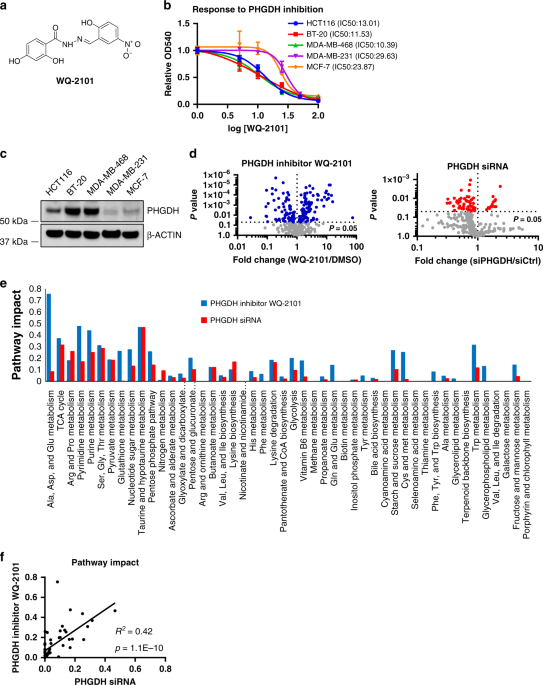
Serine synthesis through PHGDH coordinates nucleotide levels by maintaining central carbon metabolism

41467_2018_7868_Fig1_HTML.png


from A via a.sfakia on Inoreader https://go.nature.com/2BBXDvZ

Genomic analysis identifies frequent deletions of Dystrophin in olfactory neuroblastoma


from A via a.sfakia on Inoreader https://go.nature.com/2QHjAEu

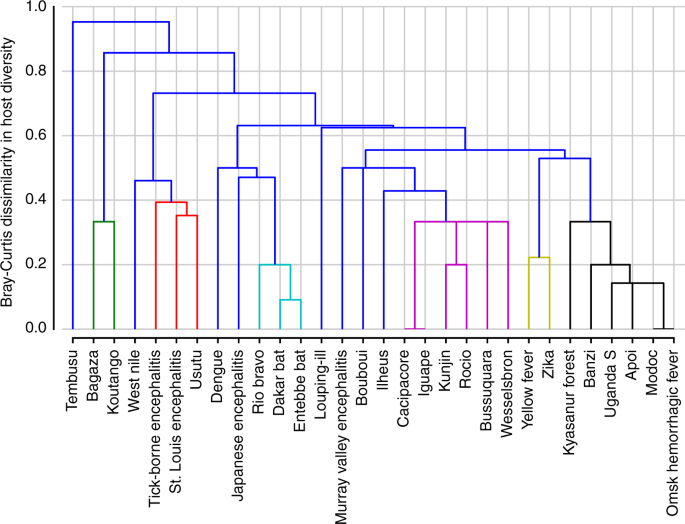
Predicting wildlife reservoirs and global vulnerability to zoonotic Flaviviruses

41467_2018_7896_Fig1_HTML.png


from A via a.sfakia on Inoreader https://go.nature.com/2Bxtiid

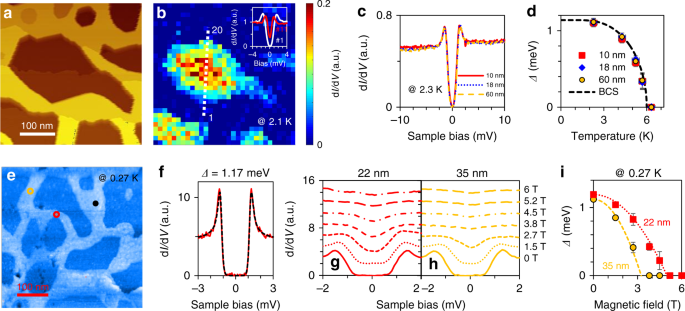
Geometric quenching of orbital pair breaking in a single crystalline superconducting nanomesh network

41467_2018_7778_Fig2_HTML.png


from A via a.sfakia on Inoreader https://go.nature.com/2QJ20Qr

Pressure-driven phase transitions and reduction of dimensionality in 2D silicon nanosheets


from A via a.sfakia on Inoreader https://go.nature.com/2BBXB7l

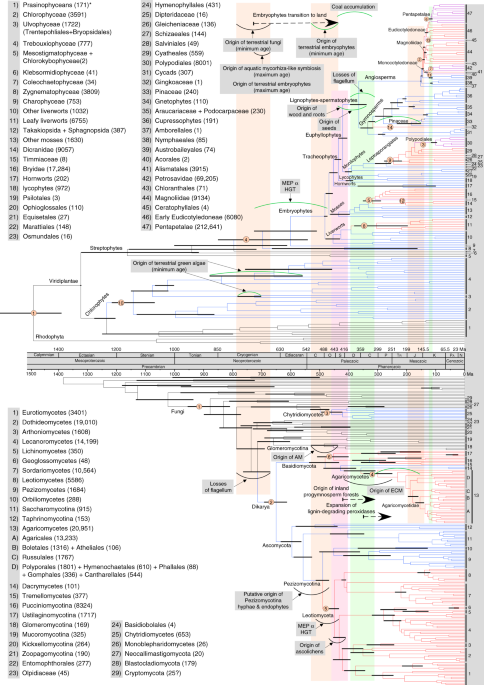
Contemporaneous radiations of fungi and plants linked to symbiosis

41467_2018_7849_Fig1_HTML.png


from A via a.sfakia on Inoreader https://go.nature.com/2QKi70b

Revealing internal flow behaviour in arc welding and additive manufacturing of metals


from A via a.sfakia on Inoreader https://go.nature.com/2BxtfTz

Structure of transcribing RNA polymerase II-nucleosome complex


from A via a.sfakia on Inoreader https://go.nature.com/2QGciAK

Carbon‐Supported Divacancy‐Anchored Platinum Single‐Atom Electrocatalysts with Superhigh Pt Utilization for the Oxygen Reduction Reaction

Angewandte Chemie International Edition Carbon‐Supported Divacancy‐Anchored Platinum Single‐Atom Electrocatalysts with Superhigh Pt Utilization for the Oxygen Reduction Reaction

Pt single atoms anchored by four carbon atoms neighboring carbon divacancies (Pt‐C4 sites) show high ORR performance. An acidic H2/O2 single cell with Pt/C as the cathode delivers a maximum power density of 520 mW cm−2 at 80 °C, corresponding to a superhigh platinum utilization of 0.09 gPt kW−1.


Abstract

Maximizing the platinum utilization in electrocatalysts toward oxygen reduction reaction (ORR) is very desirable for large‐scale sustainable application of Pt in energy systems. A cost‐effective carbon‐supported carbon‐defect‐anchored platinum single‐atom electrocatalysts (Pt1/C) with remarkable ORR performance is reported. An acidic H2/O2 single cell with Pt1/C as cathode delivers a maximum power density of 520 mW cm−2 at 80 °C, corresponding to a superhigh platinum utilization of 0.09 gPt kW−1. Further physical characterization and density functional theory computations reveal that single Pt atoms anchored stably by four carbon atoms in carbon divacancies (Pt‐C4) are the main active centers for the observed high ORR performance.


from A via a.sfakia on Inoreader http://bit.ly/2R9kR6z

Versatile Halide Ester Enabling Li Anode Stability and High Rate Capability of Lithium‐Oxygen Batteries

Li‐O2 batteries are the ultimate candidates for next‐generation high‐energy‐density battery systems. However, the main bottleneck problems of Li‐O2 batteries include the poor rate capability of cathode in practical application and the instability of Li anode. Herein, an ester‐based liquid additive, namely, 2,2,2‐trichloroethyl chloroformate, was introduced into the conventional electrolyte of Li‐O2 battery. The versatile effects of this organic molecular on oxygen cathode and Li metal anode were realized. The Li‐O2 battery showed an outstanding rate capability of 2005 mAh g−1with a remarkable reduced charge potential at a large current density of 1000 mA g−1. The positive effect of the halide ester on rate capacity are associated with the improved solubility of Li2O2 in the electrolyte and the increased diffusion rate of O2. Meanwhile, this organic molecular also promote the formation of solid electrolyte interphase layer on the surface of Li metal, which restrain the loss and volume change of Li electrode during its stripping/plating, thereby achieving a stable cycle for 900 h with a Li capacity utilization of up to 10 mAh cm−2.


from A via a.sfakia on Inoreader http://bit.ly/2S8D7dA

The color of the elements: A combined experimental and theoretical electron density study of ScB2C2

The chemical or physical control parameters for the onset of superconductivity in MB2C2 hetero‐graphene materials are unclear. This is mainly due to the almost ubiquitous positional B/C disorder, rendering the description of real structures of borocarbides into one of the most challenging problems in materials science. We will show that high‐resolution X‐ray diffraction data provides all the essential information to decode even complex coloring problems due to B/C disorder. Electron density studies and subsequent analyses of the fine structure of the Laplacian of the electron density resolves the local electronic structure of ScB2C2 at sub‐atomic resolution and allows for an unequivocal identification of all atoms involved in the coloring scenario. This information could finally be used to identify the electron deficient character of the B/C layers in ScB2C2 and to synthesize the first bimetallic hetero‐metallocene with lithium and scandium atoms embedded in the pentagonal and heptagonal voids, respectively.


from A via a.sfakia on Inoreader http://bit.ly/2Aaikzr

Tryptamine synthesis by iron‐porphyrin catalyzed C—H functionalization of indole with diazoacetonitrile

The functionalization of C—H bonds with non‐precious metal catalysts is an important research area for the development of efficient and sustainable processes. Herein, we describe the development of iron‐porphyrin catalyzed reactions of diazoacetonitrile with N‐heterocycles yielding important precursors of tryptamines including experimental mechanistic studies and proof‐of‐concept studies of an enzymatic protocol with YfeX enzyme. Using readily available FeTPPCl we achieved a highly efficient C—H functionalization of indole and indazole heterocycles. This transformation features mild reaction conditions, excellent yields with broad functional group tolerance, including gram‐scale applications giving a unique streamlined access to tryptamines.


from A via a.sfakia on Inoreader http://bit.ly/2SfEoQ0

Ion mobility mass spectrometry measures the conformational landscape of p27 and its domains and how this is modulated upon interaction with Cdk2/cyclin A

Intrinsically disordered proteins have been reported to undergo 'disorder to order' transitions upon binding to their partners in the cell. The extent of the ordering on binding and the lack of order prior to binding is difficult to visualize with classical structure determination methods. Binding of p27 to the Cdk2/cyclin A complex is accompanied by partial folding of p27 in the KID domain, with the retention of dynamic behaviour for function, particularly in the C‐terminal half of the protein, positioning it as an exemplary system to probe conformational diversity. Here we employ native ion mobility with mass spectrometry (IM‐MS) to measure the intrinsic dynamic properties of p27, both in isolation and within the trimeric complex with Cdk2/cyclin A. This stepwise approach reveals the conformational distributions of the constituent proteins and how they are restructured on complex formation; the trimeric Cdk2/cyclin A/p27‐KID complex possesses significant structural heterogeneity cf. Cdk2/cyclin A. These findings support the formation of a fuzzy complex in which both the N and C termini of p27 interact with Cdk2/cyclin A in multiple closely associated states.


from A via a.sfakia on Inoreader http://bit.ly/2A7oikA

Kinetic Resolution of Tertiary Propargylic Alcohols by Enantioselective Cu‐H‐Catalyzed Si‐O‐Coupling

A broad range of tertiary propargylic alcohols is kinetically resolved by catalyst‐controlled enantioselective silylation. This non‐enzymatic kinetic resolution is catalyzed by Cu‐H and makes use of the commercially available precatalyst MesCu/(R,R)‐Ph‐BPE and a simple hydrosilane as the resolving reagent. Both aryl,alkyl‐ as well as dialkyl‐substituted propargylic alcohols participate, and especially high selectivtiy factors are achieved when the alkyne terminus carries a TIPS group which also enables facile post‐functionalization in this position (s up to 207).


from A via a.sfakia on Inoreader http://bit.ly/2ScDWSB

Selective functionalization of graphene at defect activated sites by arylazocarboxylic tert‐butylesters

The development of versatile functionalization concepts for graphene are currently in the focus of research. With oxo‐functionalization of graphite the full surface of graphene becomes accessible for C‐C bond formation to introduce out‐of‐plane functionality. Here, we present the arylation of graphene by arylazocarboxylic tert‐butylesters, which generates aryl radicals after activation by acids. Surprisingly, the degree of functionalization is related to the concentration of lattice vacancy defects of graphene. Consequently, graphene, which is free from lattice defects is not reactive. The reaction can be applied to graphene dispersed in solvents and leads to bitopic functionalization, as well as monotopic functionalization if graphene is deposited on surfaces. Since the arylazocarboxylic tert‐butylester moiety can be attached to various molecules, the presented method paves the way to functional graphene derivatives with the density of defects determining the degree of functionalization.


from A via a.sfakia on Inoreader http://bit.ly/2A7ofoU

Enantioselective C(sp3)–H Amidation of Thioamides Catalyzed by a CobaltIII/Chiral Carboxylic Acid Hybrid System

Angewandte Chemie International Edition Enantioselective C(sp3)–H Amidation of Thioamides Catalyzed by a CobaltIII/Chiral Carboxylic Acid Hybrid System

We go together: Thioamide‐directed C(sp3)−H amidation using dioxazolones was achieved with good enantioselectivity through the hybridization of a readily available cobalt catalyst and a chiral amino acid derivative. This method provides a straightforward route to chiral β‐amino carbonyl building blocks. Irreversible and enantioselective cleavage of the C(sp3)−H bond was achieved through chiral‐carboxylate‐assisted concerted metalation–deprotonation.


Abstract

Recent advances in CpxMIII catalysis (M=Co, Rh, Ir) have enabled a variety of enantioselective C(sp2)−H functionalization reactions, but enantioselective C(sp3)−H functionalization is still largely unexplored. We describe an asymmetric C(sp3)−H amidation of thioamides using an achiral CoIII/chiral carboxylic acid hybrid catalytic system, which provides easy and straightforward access to chiral β‐amino thiocarbonyl and β‐amino carbonyl building blocks with a quaternary carbon stereocenter.


from A via a.sfakia on Inoreader http://bit.ly/2Re1M3a

Catalytic Enantioselective Intramolecular C(sp3)−H Amination of 2‐Azidoacetamides

Angewandte Chemie International Edition Catalytic Enantioselective Intramolecular C(sp3)−H Amination of 2‐Azidoacetamides

Achiral ligands, chiral catalyst: By utilizing a newly prepared chiral‐at‐metal ruthenium catalyst for chelate activation of 2‐azidoacetamides, the challenging catalytic enantioselective ring‐closing C(sp3)−H amination of these substrates was achieved in high yields and enantioselectivities.


Abstract

An enantioselective ring‐closing C(sp3)−H amination of 2‐azidoacetamides is catalyzed by a chiral‐at‐metal ruthenium complex and provides chiral imidazolidin‐4‐ones in 31–95 % yield, with enantioselectivities of up to 95 % ee, and at catalyst loadings down to 0.1 mol % (turnover number (TON)=740). To our knowledge, this is the first example of a highly enantioselective C(sp3)−H amination with aliphatic azides. Mechanistic experiments reveal the importance of the amide group, which presumably enables initial bidentate coordination of the 2‐azidoacetamides to the catalyst. DFT calculations show that the transition state leading to the major enantiomer features a better steric fit and favorable π–π stacking between the substrate and the catalyst framework.


from A via a.sfakia on Inoreader http://bit.ly/2GwvrAB

Guiding Uniform Li Plating/Stripping through Lithium–Aluminum Alloying Medium for Long‐Life Li Metal Batteries

Angewandte Chemie International Edition Guiding Uniform Li Plating/Stripping through Lithium–Aluminum Alloying Medium for Long‐Life Li Metal Batteries

Dendrite‐free anodes: An efficient lithium–aluminum alloy medium with increased affinity for Li and generated through an in situ electrochemical process is engineered to guide uniform Li nucleation and suppress the growth of Li dendrites.


Abstract

The uncontrolled growth of Li dendrites upon cycling might result in low coulombic efficiency and severe safety hazards. Herein, a lithiophilic binary lithium–aluminum alloy layer, which was generated through an in situ electrochemical process, was utilized to guide the uniform metallic Li nucleation and growth, free from the formation of dendrites. Moreover, the formed LiAl alloy layer can function as a Li reservoir to compensate the irreversible Li loss, enabling long‐term stability. The protected Li electrode shows superior cycling over 1700 h in a Li|Li symmetric cell.


from A via a.sfakia on Inoreader http://bit.ly/2R4dA8j

Tuning Thiol‐Based Self‐Assembled Monolayer Chemistry on a Gold Surface towards the Synthesis of Biochemical Fuel

Angewandte Chemie International Edition Tuning Thiol‐Based Self‐Assembled Monolayer Chemistry on a Gold Surface towards the Synthesis of Biochemical Fuel

From thiol to fuel: Tunable thiol‐based self‐assembled monolayer chemistry on a naked gold surface was explored to generate biochemical fuel. This simple and efficient self‐assembly process leads to the production of protons, generating the proton gradient necessary to drive the synthesis of ATP by ATP synthase.


Abstract

A proton gradient across a lipid membrane is required for the production of biochemical fuel. Much effort has been devoted to reactions involving proton production in biomimetic assembled architectures under mild conditions. Herein, we explored thiol‐based self‐assembled monolayer chemistry on a naked gold surface for the production of biochemical fuel. Protons are generated when alkanethiols self‐assemble on a gold surface, and the proton yield can be tuned by the choice of thiol and by variation of the procedure used for the deposition of gold. Consequently, the proton gradient across a lipid membrane above the gold surface can be modulated to vary the production rate of biochemical fuel performed by lipid‐embedded motor proteins. Our work presents evidence that a simple and efficient abiotic chemical reaction in a well‐defined biohybrid system can convert unnatural chemicals, namely alkanethiols, into bioenergy molecules, a finding that has a great potential in biofuel‐driven catalysis and devices.


from A via a.sfakia on Inoreader http://bit.ly/2Gwvoop

Manipulation of Spiroindolenine Intermediates for Enantioselective Synthesis of 3‐(Indol‐3‐yl)‐Pyrrolidines

Angewandte Chemie International Edition Manipulation of Spiroindolenine Intermediates for Enantioselective Synthesis of 3‐(Indol‐3‐yl)‐Pyrrolidines

By manipulating the reactivity of spiroindolenine species, a sequential Michael/retro‐Mannich/Mannich reaction of ω‐indol‐3‐yl α,β‐unsaturated ketones was developed. In the presence of 10 mol % of chiral phosphoric acid as the catalyst, a series of 3‐(indol‐3‐yl)‐pyrrolidines were synthesized in high yields with excellent stereoselectivities. The products undergo diverse functional‐group transformations and the mechanistic proposal is supported by DFT calculations.


Abstract

By manipulating the reactivity of spiroindolenine species, a sequential Michael/retro‐Mannich/Mannich reaction of ω‐indol‐3‐yl α,β‐unsaturated ketones was developed. In the presence of 10 mol % of a chiral phosphoric acid as the catalyst, a series of 3‐(indol‐3‐yl)‐pyrrolidines were synthesized in high yields (up to 91 %) with excellent stereoselectivities (up to 92 % ee, >19:1 d.r.). The products obtained here undergo diverse functional‐group transformations. The mechanistic proposal of this reaction is supported by DFT calculations.


from A via a.sfakia on Inoreader http://bit.ly/2RcDLtg

Scalable Enantioselective Total Synthesis of (−)‐Goniomitine

Angewandte Chemie International Edition Scalable Enantioselective Total Synthesis of (−)‐Goniomitine

Going, going, goniomitine: A scalable enantioselective synthetic strategy featuring an iridium‐catalyzed asymmetric hydrogenation of an exocyclic enone ester for the total synthesis of (−)‐goniomitine and formal syntheses of (+)‐1,2‐dehydroaspidospermidine, (+)‐aspidospermidine, and (+)‐vincadifformine is reported.


Abstract

A scalable enantioselective total synthesis of (−)‐goniomitine has been developed by using an iridium‐catalyzed asymmetric hydrogenation of an exocyclic enone ester to control the configuration of the molecule. The synthesis begins from commercially available starting materials, and proceeds through an integrated asymmetric ketone hydrogenation, Johnson–Claisen rearrangement, and one‐pot oxidation/deprotection/cyclization process. With this highly efficient and scalable strategy, (−)‐goniomitine was synthesized in eleven steps with 27 % overall yield, and formal enantioselective syntheses of (+)‐1,2‐dehydroaspidospermidine, (+)‐aspidospermidine, and (+)‐vincadifformine were also achieved.


from A via a.sfakia on Inoreader http://bit.ly/2Gz1foy

Dynamic Nuclear Polarization of 13C Nuclei in the Liquid State over a 10 Tesla Field Range

Angewandte Chemie International Edition Dynamic Nuclear Polarization of 13C Nuclei in the Liquid State over a 10 Tesla Field Range

Background check: Dynamic nuclear polarization of 13C magnetic nuclei in the liquid state leads to NMR spectroscopy signal‐to‐noise enhancements of 101–103 over a 10 Tesla range. A field‐dependent investigation reveals different optimal conditions for an efficient mechanism. Sizable enhancements 13CH2 and 13CH3 groups in organic molecules open new perspectives for a broader application of this method.


Abstract

Nuclear magnetic resonance (NMR) techniques play an essential role in natural science and medicine. In spite of the tremendous utility associated with the small energies detected, the most severe limitation is the low signal‐to‐noise ratio. Dynamic nuclear polarization (DNP), a technique based on transfer of polarization from electron to nuclear spins, has emerged as a tool to enhance sensitivity of NMR. However, the approach in liquids still faces several challenges. Herein we report the observation of room‐temperature, liquid DNP 13C signal enhancements in organic small molecules as high as 600 at 9.4 Tesla and 800 at 1.2 Tesla. A mechanistic investigation of the 13C‐DNP field dependence shows that DNP efficiency is raised by proper choice of the polarizing agent (paramagnetic center) and by halogen atoms as mediators of scalar hyperfine interaction. Observation of sizable DNP of 13CH2 and 13CH3 groups in organic molecules at 9.4 T opens perspective for a broader application of this method.


from A via a.sfakia on Inoreader http://bit.ly/2GARYfz

A Dual‐Targeted Organic Photothermal Agent for Enhanced Photothermal Therapy

Angewandte Chemie International Edition A Dual‐Targeted Organic Photothermal Agent for Enhanced Photothermal Therapy

It takes two targets: A small‐molecule organic photothermal agent with two targeting ligands was designed to actively target tumor tissue and mitochondria and thus selectively kill cancer cells. The resulting antitumor agent (see structure) exhibited a high photothermal conversion efficiency of 37.8 %, low cytotoxicity, and good biocompatibility and showed excellent tumor inhibition in vivo.


Abstract

The development of highly effective anticancer drugs that cause minimal damage to the surrounding normal tissues is a challenging topic in cancer therapy. Herein, we demonstrate a dual‐targeted organic molecule that functions as a photothermal agent by actively targeting tumor tissue and mitochondria to selectively kill cancer cells. The synthesized photothermal agent exhibited high photothermal conversion efficiency, low cytotoxicity, and good biological compatibility. In vivo experiments showed an excellent tumor inhibitory effect of the dual‐targeted photothermal agent.


from A via a.sfakia on Inoreader http://bit.ly/2R6s9YU

(Dynamic) Kinetic Resolution of Enamines/Imines: Enantioselective N‐Heterocyclic Carbene Catalyzed [3+3] Annulation of Bromoenals and Enamines/Imines

Angewandte Chemie International Edition (Dynamic) Kinetic Resolution of Enamines/Imines: Enantioselective N‐Heterocyclic Carbene Catalyzed [3+3] Annulation of Bromoenals and Enamines/Imines

The S factor: The enantioselective N‐heterocyclic carbene (NHC) catalyzed [3+3] annulation of α‐bromoenals by dynamic kinetic resolution (DKR) of enamines, and normal resolution of α,α‐disubstituted imines were developed. The corresponding substituted dihydropyridones were isolated in good yields with excellent diastereo‐ and enantioselectivities, and a high selectivity factor was realized for the resolution of α,α‐disubstituted imines.


Abstract

The enantioselective N‐heterocyclic carbene catalyzed [3+3] annulation of α‐bromoenals by dynamic kinetic resolution (DKR) of enamines and normal resolution of α,α‐disubstituted imines were developed. The corresponding substituted dihydropyridones were isolated in good yields with excellent diastereo‐ and enantioselectivities, and a high selective factor (up to 83) was realized for the resolution of α,α‐disubstituted imines.


from A via a.sfakia on Inoreader http://bit.ly/2Gx85uH

Aerobic Toluene Oxidation Catalyzed by Subnano Metal Particles

Angewandte Chemie International Edition Aerobic Toluene Oxidation Catalyzed by Subnano Metal Particles

Sub‐nanoscale metal particles play critical roles in catalysis for aerobic toluene oxidation. In their Communication (DOI: 10.1002/anie.201809530), K. Yamamoto and co‐workers created multiple types of sub‐nanoscale catalytic particles composed of noble metals by using dendrimers, which are tree‐like spherical macromolecules that can be used as a template with finely tuned sizes. The Pt19 catalyst showed the superior performance, which is 1700 times greater than that obtained by commercial Pt/C catalyst for toluene oxidation.


from A via a.sfakia on Inoreader http://bit.ly/2Sd38IQ

Base‐Free Iron Catalyzed Transfer Hydrogenation of Esters Using EtOH as Hydrogen Source

Angewandte Chemie International Edition Base‐Free Iron Catalyzed Transfer Hydrogenation of Esters Using EtOH as Hydrogen Source

Even plastic can be reduced! Transfer hydrogenation of esters and lactones with EtOH can be effected using 5 mol % of Fe‐MACHO‐BH as catalyst. This catalyst does not need any base activation, thus resulting in very high selectivities.


Abstract

Herein, we report on the use of the iron pincer complex Iron‐MACHO‐BH, in the base‐free transfer hydrogenation of esters with EtOH as a hydrogen source. More than 20 substrates including aromatic and aliphatic esters and lactones were reduced affording the desired primary alcohols and diols with moderate to excellent isolated yields. It is also possible to reduce polyesters to the diols with this method, enabling a novel way of plastic recycling. Reduction of the renewable substrate methyl levulinate proceeds to form 1,4‐pentanediol directly. The yields are largely governed by the equilibrium between the alcohol and the ethyl ester.


from A via a.sfakia on Inoreader http://bit.ly/2R6Lidj

Conductance Photoswitching of Metal–Organic Frameworks with Embedded Spiropyran

Angewandte Chemie International Edition Conductance Photoswitching of Metal–Organic Frameworks with Embedded Spiropyran

Photoswitching: Metal–organic framework films were loaded with spiropyran, which photoisomerizes under UV light irradiation to the merocyanine form with a larger conjugated electron system. This isomerization results in a remote‐controlled reversible modification of the material conductance by one order of magnitude.


Abstract

Conductive metal–organic frameworks (MOFs) as well as smart, stimuli‐responsive MOF materials have attracted considerable attention with respect to advanced applications in energy harvesting and storage as well as in signal processing. Here, the conductance of MOF films of type UiO‐67 with embedded photoswitchable nitro‐substituted spiropyrans was investigated. Under UV irradiation, the spiropyran (SP) reversibly isomerizes to the open merocyanine (MC) form, a zwitterionic molecule with an extended conjugated π‐system. The light‐induced SP–MC isomerization allows for remote control over the conductance of the SP@UiO‐67 MOF film, and the conductance can be increased by one order of magnitude. This research has the potential to contribute to the development of a new generation of photoelectronic devices based on smart hybrid materials.


from A via a.sfakia on Inoreader http://bit.ly/2Gwvc8F

Furo[3,2‐b]pyridine: A Privileged Scaffold for Highly Selective Kinase Inhibitors and Effective Modulators of the Hedgehog Pathway

Angewandte Chemie International Edition Furo[3,2‐b]pyridine: A Privileged Scaffold for Highly Selective Kinase Inhibitors and Effective Modulators of the Hedgehog Pathway

Core competence: The furo[3,2‐b]pyridine core has been identified as a novel scaffold for potent and highly selective inhibitors. A diverse target compound set was prepared by synthetic sequences based on chemoselective metal‐mediated couplings. The 3,5‐disubstituted furo[3,2‐b]pyridine sub‐series afforded potent, cell‐active, and highly selective inhibitors of cdc‐like kinases (CLKs). And the kinase‐inactive subset of 3,5,7‐trisubstituted furo[3,2‐b]pyridines afforded sub‐micromolar modulators of the Hedgehog pathway.


Abstract

Reported is the identification of the furo[3,2‐b]pyridine core as a novel scaffold for potent and highly selective inhibitors of cdc‐like kinases (CLKs) and efficient modulators of the Hedgehog signaling pathway. Initially, a diverse target compound set was prepared by synthetic sequences based on chemoselective metal‐mediated couplings, including assembly of the furo[3,2‐b]pyridine scaffold by copper‐mediated oxidative cyclization. Optimization of the subseries containing 3,5‐disubstituted furo[3,2‐b]pyridines afforded potent, cell‐active, and highly selective inhibitors of CLKs. Profiling of the kinase‐inactive subset of 3,5,7‐trisubstituted furo[3,2‐b]pyridines revealed sub‐micromolar modulators of the Hedgehog pathway.


from A via a.sfakia on Inoreader http://bit.ly/2rO0rBP

Clinical Effectiveness of an At-Home Auditory Training Program: A Randomized Controlled Trial

Objectives: To investigate the effectiveness of an at-home frequent-word auditory training procedure for use with older adults with impaired hearing wearing their own hearing aids. Design: Prospective, double-blind placebo-controlled randomized trial with three parallel branches: an intervention group who received the at-home auditory training; an active control group who listened to audiobooks using a similar platform at home (placebo intervention); and a passive control group who wore hearing aids and returned for outcomes, but received no intervention. Outcome measures were obtained after a 5-week period. A mixed research design was used with a between-subjects factor of group and a repeated-measures factor of time (pre- and post-treatment) to evaluate the effects of the at-home auditory training program. The intervention was completed in participants' own homes. Baseline and outcomes measures were assessed at a university research laboratory. The participants were adults, aged 54 to 80 years, with the mild-to-moderate hearing loss. Of the 51 identified eligible participants, 45 enrolled as a volunteer sample and 43 of these completed the study. Frequent-word auditory training regimen completed intervention at home over a period of 5 weeks. The active control group listened to audiobooks (placebo intervention) and the passive control group completed no intervention. The primary outcome measure is a Connected Speech test benefit. The secondary outcome measure is a 66-item self-report profile of hearing aid performance. Results: Participants who received the at-home training intervention demonstrated significant improvements on aided recognition for trained materials, but no generalization of these benefits to nontrained materials was seen. This was despite reasonably good compliance with the at-home training regimen and careful verification of hearing aid function throughout the trial. Based on follow-up post-trial evaluation, the benefits observed for trained materials in the intervention group were sustained for a period of at least 8.5 months. No improvement was seen for supplemental outcome measures of hearing aid satisfaction, hearing handicap, or tolerance of background noise while listening to speech. Conclusions: The at-home auditory training procedure utilizing frequently occurring words was effective for the trained materials used in the procedure. No generalization was seen to nontrained materials or to perceived benefit from hearing aids. ACKNOWLEDGMENT: The authors thank Christine Herring for coordinating the clinical trial and Charles Brandt for assisting with the tablet-based software development and cloud-based data transfer. This work was funded in part by the National Institute on Deafness and Communication Disorders R01 DC010135 awarded to L.E.H. and all authors received salary support from the university resulting from this grant. Portions of this article were presented at the International Hearing Aid Research Conference on August 11, 2016, Tahoe City, CA. L.E.H. designed the clinical trial with input from D.L.K, S.E.R, T.M.Q., and A.K.M., D.L.K., and S.E.R. implemented the home visits and performed baseline assessment. A.K.M., T.M.Q., and K.G.S. performed outcomes measures assessment. K.G.S. analyzed data and wrote the first draft of the article. L.E.H., D.L.K., and S.E.R. provided critical revision. The authors have no conflicts of interest to disclose. Trial registration: ClinicalTrials.gov Identifier: NCT01950013. Address for correspondence: Larry E. Humes, Department of Speech and Hearing Sciences, Indiana University, Bloomington, IN 47405, USA. E-mail: humes@indiana.edu Received March 9, 2018; accepted October 30, 2018. Copyright © 2018 Wolters Kluwer Health, Inc. All rights reserved.

from A via a.sfakia on Inoreader http://bit.ly/2A9qhF9

Λαμπερά Χριστούγεννα κοντά σε αυτούς που αγαπάς,με υγεία και μια μεγάλη αγκαλιά για όλους !


Higher level of serum homocysteine could be used as a biomarker for Polycystic ovary syndrome (PCOS)

homocysteine in diagnosed cases of polycystic ovary syndrome p. 291
Rojeen Rasheed Suleiman, Dhia Mustafa Sulaiman
DOI:10.4103/MJBL.MJBL_94_18  
Background: Polycystic ovary syndrome (PCOS) is an endocrine disorder characterized by an ovulatory infertility, menstrual dysfunction, and hirsutism. The pathophysiology behind PCOS is complex. Comorbidities associated with PCOS are hypertension, diabetes, dyslipidemia, and cardiovascular events. Objective: The aim of this study was to estimate the level of homocysteine in women with PCOS. Materials and Methods: In the current case–control study, 50 female patients diagnosed with PCOS and 40 apparently healthy controls were recruited. The diagnosis of PCOS was established according to Rotterdam criteria. The serum homocysteine level was measured using Cobas 6000 and compared between two study groups. Results: Results found that high percentage of patients in the case group had abnormal level of homocysteine (74.0%) compared to control with normal level of homocysteine. Mean homocysteine level was significantly higher in patients with PCOS (17 μmol/L) compared to its level in control patients (9 μmol/L), P < 0.0001. Results also revealed that the mean levels of homocysteine between the body mass index categories and marital status showed no significant difference in cases and controls, P > 0.05. Conclusions: The present investigation suggests that higher level of serum homocysteine could be used as a biomarker for PCOS.
http://www.medjbabylon.org/currentissue.asp?sabs=y

Anti-müllerian hormone level in patients with polycystic ovary syndrome

Anti-müllerian hormone level in patients with polycystic ovary syndrome p. 295
Salar Mohammed Saadullah, Dhia Mustafa Sulaiman
DOI:10.4103/MJBL.MJBL_98_18  
Background: Polycystic ovary syndrome (PCOS) is one of the common causes of chronic anovulation and hyperandrogenism in women between the age of 13 and 45 years old. PCOS is characterized by an increased number of follicles at all growing stages particularly in the preantral and small antral follicles, those who primarily produce Anti-Müllerian hormone (AMH). Objective: The aim of the study is to measure the AMH levels in serum of the women with PCOS. Materials and Methods: The study included 90 women (50 cases with PCOS and 40 control cases healthy women). PCOS patients were diagnosed according to the Rotterdam definition; serum AMH was measured using the ultrasensitive AMH enzyme-linked immunosorbent assay. Results: Mean serum of AMH in PCOS patients was 11.52 ng/ml and for the control group was 3.36 ng/ml and was statistically significant with the P < 0.0001. Conclusions: AMH is elevated in PCOS patients, which can be used in the future as a marker for the diagnosis of PCOS.
http://www.medjbabylon.org/currentissue.asp?sabs=y

Sutureless focus harmonic thyroidectomy

Sutureless focus harmonic thyroidectomy versus conventional clamping and knot-tying technique p. 300
Ibrahim Falih Noori, Mansour Amin Mohammad
DOI:10.4103/MJBL.MJBL_45_18  
Background: Thyroidectomy is the most frequent procedure in endocrine surgery. Since thyroid is the highly vascular organ, therefore, prompt and meticulous hemostasis is extremely important. Although conventional thyroidectomy is used frequently with acceptable outcomes, it is time-consuming and resulted in significant intraoperative blood loss with possible risk of injury to parathyroid glands and laryngeal nerves. The advent of ultrasonically activated focus harmonic device in thyroid surgery was encouraging for improving safety, effectiveness, and reduction of operative time. Aim of this Study: The purpose of this study was to analyze the effectiveness and surgical outcomes of using ultrasonic harmonic scalpel for thyroid surgery compared to conventional techniques (clamping and suture ligation (knots tying) and electrocautery. Patients and Methods: This is a prospective, randomized study in which 64 patients with various types of goiters presented for thyroidectomy. The patients were divided into two comparable groups. Group A (32 patients) included patients who had focus harmonic thyroidectomy and Group B (32 patients) included patients who received conventional thyroidectomy. Results: Focus harmonic thyroidectomy showed significant reduction in operative time, intraoperative blood loss, volume of postoperative fluid drainage, and postoperative pain scores compared with conventional thyroidectomy. There were no significant differences in the incidence of postoperative hypocalcemia and laryngeal nerve injury between both the groups. The total cost of focus harmonic thyroidectomy and hospital stay were also less compared with conventional techniques. Conclusions: Focus harmonic thyroidectomy was a safe, effective, faster, and beneficial alternative to conventional technique since it reduces the time of surgery, blood loss, postoperative drainage, and pain with comparable postoperative complications.
http://www.medjbabylon.org/currentissue.asp?sabs=y

Orbital tumors

: A prospective study of 95 cases p. 334
Mohammed Jaber Al-Mamoori
DOI:10.4103/MJBL.MJBL_69_18  
Background: A wide variety of tumors and pseudotumors can involve the orbit. Although the incidence of orbital tumors is relatively low, the diagnosis and the treatment strategy for such tumors are of great concern to neurosurgeons and ophthalmologists. Objectives: The main aim of this study is to determine the distribution of patient age, sex, pathology, origin, and location of orbital tumors for optimum management because the delay in the diagnosis and treatment is the most preventable cause of morbidity and mortality. Materials and Methods: In this study, 95 cases of orbital tumors are studied prospectively during 10 years' period in the Hilla Teaching Hospital in Babylon-Iraq from 2008 to 2018. The parameters dealt with in this study included; the distribution of patient age and sex, clinical manifestations, investigations, pathology, origin of tumors and tumor location in the orbit, management, surgical procedures, and mortality in 95 patients (aged from 6 months to 75 years, the mean age is 29.8). Results: In this study, the highest age group incidence of orbital tumors is in the first decade of life which constitutes (24.2%), the second peak is in the fourth decade of life which constitutes (17.9%). 42 (44.2%) of the patients are males and 53 (55.8%) of the patients are females. Among the 95 cases, 76 (80%) are primary orbital tumors, 15 (15.8%) are secondary orbital tumors (tumors that originating from contiguous regions), and 4 (4.2%) are metastatic orbital tumors. Orbital tumors location; 83 (87.4%) are extraconal and 12 (12.6%) are intraconal. The two most common orbital tumors are dermoid cyst (27.4%) and pseudotumor (16.8%). Overall mortality is seven patients (7.4%). Conclusion: Orbital tumors are a relatively rare and challenging group of tumors. The age of onset, state of vision, tumor location in the orbit and other radiological findings provide the most important information for the diagnosis of orbital tumor prior biopsy or surgical resection and to make decision about other further treatment modality. For any patient complain from visual loss, proptosis, and impaired ocular motility, it is better to undergo magnetic resonance imaging and computed tomography-scan imaging to detect or exclude intraorbital or intracranial diseases.
http://www.medjbabylon.org/currentissue.asp?sabs=y

Role of hepcidin in hearing loss

 p. 376
Sami R Al-Katib, Yasir L Hasson, Rawaa H Shareef
DOI:10.4103/MJBL.MJBL_106_18  
Background: Hearing loss is considered as a public health problem that affects the population at all ages. Hepcidin is an important protein with a crucial role in the homeostasis and metabolism of iron. Objective: The objective of this study was to evaluate the association between hepcidin and hearing loss and to find out the mechanisms that lead to this association. Materials and Methods: A total of 300 persons included in this study, 150 as a patients' group who are suffering from hearing loss and attended Al-Sadder Teaching Hospital in Al-Najaf Al-Ashraf City, Iraq, while the other 150 participants who are selected randomly as controls' group and are free from hearing loss.  The ages of all participants ranged between 18 and 70 years, and controls were matched with patients by gender and age (within 5 years). Many parameters are measured such as hepcidin, C-reactive protein (CRP), interleukin-6 (IL-6), advanced glycation end products (AGEs), and glutathione peroxidase-3 (GPX-3). Results: The results of this study revealed that sensorineural hearing loss was the most common type followed by mixed one.  Furthermore, it was shown that hepcidin and CRP were significantly higher in patients compared with controls, while there were no significant differences between patients and controls in the levels of IL-6, AGEs, and GPX-3.  The correlation analyses showed a significant positive correlation between hepcidin and CRP and hepcidin and IL-6. Conclusion: Hepcidin and CRP have a negative impact on hearing, increase significantly with hearing loss, and have role in the development of hearing loss.
http://www.medjbabylon.org/currentissue.asp?sabs=y

Αναζήτηση αυτού του ιστολογίου

! # Ola via Alexandros G.Sfakianakis on Inoreader