This has seen a growing focus on patient comfort and the development of associated equipment and technology. Enhancing the patient experience has a number of benefits. Calmer patients tend to move less when being analyzed or treated, producing more favorable results, while less sedation may also be needed (this is especially true for children). Flexible, adaptable environments that suit the needs of individual patients can accelerate recovery times and thereby minimize hospital stays....
from A via a.sfakia on Inoreader http://bit.ly/2In28Bs
Δευτέρα 18 Φεβρουαρίου 2019
Advancing Technology Enhances Patient Comfort

Interview: “We and the whole of Cologne are looking forward to IDS”
The year 2017 was a record-breaker for Koelnmesse, with more than 43,000 exhibitors and over 2.1 million visitors hosted at the company's trade fairs worldwide. What role did IDS play in this success? Yes, that's right, regarding trade fairs, 2017 was a totally successful year, in which we not only reached our ambitious growth targets, but actually even surpassed them. In 2017, we ultimately recorded a turnover of €357.9 million, hosted 43,000 exhibiting companies from 119 countries, and rec...
from A via a.sfakia on Inoreader http://bit.ly/2GvCBnZ
Utilization of brewing and malting by-products as carrier and raw materials in l -(+)-lactic acid production and feed application
Abstract
Application of agro-industrial by-products for the production of lactic acid was studied in this paper. Brewer's spent grain (BSG), malt rootlets (MR), brewer's yeast (BY), and soy lecithin (SL) were used as raw materials in l-(+)-LA fermentation by free and immobilized Lactobacillus rhamnosus ATCC 7469. The BSG, solid remains after BSG and MR hydrolysis (BSGMRSR), and MR were evaluated as carriers for batch and repeated batch fermentations with immobilized cells. During batch fermentations with immobilized cells, high cell viability (10 to 11 log CFU/g) was achieved on all carriers. In batch fermentation with BSG as a carrier, the highest LA yield of 93.79% and volumetric productivity of 1.15 g/L/h were obtained. Furthermore, very high LA yield (95.46%), volumetric productivity (1.98 g/L/h) and L. rhamnosus viability (11.5 log CFU/g) were achieved in repeated batch fermentations with the cells immobilized on this carrier. The immobilized cells showed high survival rate (94–95%) during exposure to simulated gut condition. Based on the analysis of BSGMRSR, and BY solid remains, and on in vitro evaluation of the probiotic characteristics of immobilized cells, it was observed that they could satisfy the recommendations for high-quality feed preparation.
from A via a.sfakia on Inoreader http://bit.ly/2SGsnYl
[ASAP] Oligosaccharide Synthesis and Translational Innovation

Journal of the American Chemical Society
DOI: 10.1021/jacs.8b11005


from A via a.sfakia on Inoreader http://bit.ly/2ttXt6i
[ASAP] Caged Nitric Oxide–Thiyl Radical Pairs

Journal of the American Chemical Society
DOI: 10.1021/jacs.8b12746

from A via a.sfakia on Inoreader http://bit.ly/2V5OFiR
[ASAP] 13-Step Total Synthesis of Atropurpuran

Journal of the American Chemical Society
DOI: 10.1021/jacs.9b00391

from A via a.sfakia on Inoreader http://bit.ly/2tsyr7S
[ASAP] A Nonheme Thiolate-Ligated Cobalt Superoxo Complex: Synthesis and Spectroscopic Characterization, Computational Studies, and Hydrogen Atom Abstraction Reactivity

Journal of the American Chemical Society
DOI: 10.1021/jacs.8b13134

from A via a.sfakia on Inoreader http://bit.ly/2V5QLPM
[ASAP] Repurposing Nonheme Iron Hydroxylases To Enable Catalytic Nitrile Installation through an Azido Group Assistance

Journal of the American Chemical Society
DOI: 10.1021/jacs.8b13906

from A via a.sfakia on Inoreader http://bit.ly/2tqWEeq
[ASAP] Total Syntheses of Herqulines B and C

Journal of the American Chemical Society
DOI: 10.1021/jacs.8b13849

from A via a.sfakia on Inoreader http://bit.ly/2V6MbAD
[ASAP] Scalable Total Synthesis of (-)-Vinigrol

Journal of the American Chemical Society
DOI: 10.1021/jacs.9b00621

from A via a.sfakia on Inoreader http://bit.ly/2ttXd7k
Huge variations in US postdoc salaries point to undervalued workforce
Huge variations in US postdoc salaries point to undervalued workforce
Huge variations in US postdoc salaries point to undervalued workforce, Published online: 18 February 2019; doi:10.1038/d41586-019-00587-y
Rare effort to track wages reveals inconsistencies and a gender pay gap.
from A via a.sfakia on Inoreader https://go.nature.com/2BERf8a
Announcing the 2019 ScientistAtWork photo competition
Announcing the 2019 ScientistAtWork photo competition
Announcing the 2019 ScientistAtWork photo competition, Published online: 18 February 2019; doi:10.1038/d41586-019-00589-w
Send us your very best science photos, and you could win a cash prize plus a year's print and online subscription to Nature.
from A via a.sfakia on Inoreader https://go.nature.com/2tqdqKR
Daily Briefing: Both sides of the scalpel
Daily Briefing: Both sides of the scalpel
Daily Briefing: Both sides of the scalpel, Published online: 18 February 2019; doi:10.1038/d41586-019-00625-9
Stephen Fry and his surgeon recount their experiences of treating Fry's prostate cancer. Plus, allaying fears about open peer review, and exploring a hidden ocean in the Antarctic.
from A via a.sfakia on Inoreader https://go.nature.com/2V7ibot
Multiplex chromatin interactions with single-molecule precision
Multiplex chromatin interactions with single-molecule precision
Multiplex chromatin interactions with single-molecule precision, Published online: 18 February 2019; doi:10.1038/s41586-019-0949-1
A strategy using droplet-based and barcode-linked sequencing captures multiplex chromatin interactions at single-molecule precision, and here provides topological insight into chromatin structures and transcription in Drosophila.
from A via a.sfakia on Inoreader https://go.nature.com/2TUvus5
Genetic clues can be used to predict whether early-stage cancer will form an invasive tumour
Genetic clues can be used to predict whether early-stage cancer will form an invasive tumour
Genetic clues can be used to predict whether early-stage cancer will form an invasive tumour, Published online: 18 February 2019; doi:10.1038/d41586-019-00567-2
Early-stage cancerous growths can look similar under the microscope, and whether they will form an invasive tumour is hard to predict. Genomic profiles of these growths in the human lung now enable such a prediction to be made.
from A via a.sfakia on Inoreader https://go.nature.com/2SI9kwx
Photonic topological insulator in synthetic dimensions
Photonic topological insulator in synthetic dimensions
Photonic topological insulator in synthetic dimensions, Published online: 18 February 2019; doi:10.1038/s41586-019-0943-7
A spatially oscillating two-dimensional waveguide array is used to realize a photonic topological insulator in synthetic dimensions with modal-space edge states, unidirectionality and robust topological protection.
from A via a.sfakia on Inoreader https://go.nature.com/2BChYCb
Deep learning and radiomics: the utility of Google TensorFlow™ Inception in classifying clear cell renal cell carcinoma and oncocytoma on multiphasic CT
Abstract
Purpose
Currently, all solid enhancing renal masses without microscopic fat are considered malignant until proven otherwise and there is substantial overlap in the imaging findings of benign and malignant renal masses, particularly between clear cell RCC (ccRCC) and benign oncocytoma (ONC). Radiomics has attracted increased attention for its utility in pre-operative work-up on routine clinical images. Radiomics based approaches have converted medical images into mineable data and identified prognostic imaging signatures that machine learning algorithms can use to construct predictive models by learning the decision boundaries of the underlying data distribution. The TensorFlow™ framework from Google is a state-of-the-art open-source software library that can be used for training deep learning neural networks for performing machine learning tasks. The purpose of this study was to investigate the diagnostic value and feasibility of a deep learning-based renal lesion classifier using open-source Google TensorFlow™ Inception in differentiating ccRCC from ONC on routine four-phase MDCT in patients with pathologically confirmed renal masses.
Methods
With institutional review board approval for this 1996 Health Insurance Portability and Accountability Act compliant retrospective study and a waiver of informed consent, we queried our institution's pathology, clinical, and radiology databases for histologically proven cases of ccRCC and ONC obtained between January 2000 and January 2016 scanned with a an intravenous contrast-enhanced four-phase renal mass protocol (unenhanced (UN), corticomedullary (CM), nephrographic (NP), and excretory (EX) phases). To extract features to be used for the machine learning model, the entire renal mass was contoured in the axial plane in each of the four phases, resulting in a 3D volume of interest (VOI) representative of the entire renal mass. We investigated thirteen different approaches to convert the acquired VOI data into a set of images that adequately represented each tumor which was used to train the final layer of the neural network model. Training was performed over 4000 iterations. In each iteration, 90% of the data were designated as training data and the remaining 10% served as validation data and a leave-one-out cross-validation scheme was implemented. Accuracy, sensitivity, specificity, positive (PPV) and negative predictive (NPV) values, and CIs were calculated for the classification of the thirteen processing modes.
Results
We analyzed 179 consecutive patients with 179 lesions (128 ccRCC and 51 ONC). The ccRCC cohort had a mean size of 3.8 cm (range 0.8–14.6 cm) and the ONC cohort had a mean lesion size of 3.9 cm (range 1.0–13.1 cm). The highest specificity and PPV (52.9% and 80.3%, respectively) were achieved in the EX phase when we analyzed the single mid-slice of the tumor in the axial, coronal and sagittal plane, and when we increased the number of mid-slices of the tumor to three, with an accuracy of 75.4%, which also increased the sensitivity to 88.3% and the PPV to 79.6%. Using the entire tumor volume also showed that classification performance was best in the EX phase with an accuracy of 74.4%, a sensitivity of 85.8% and a PPV of 80.1%. When the entire tumor volume, plus mid-slices from all phases and all planes presented as tiled images, were submitted to the final layer of the neural network we achieved a PPV of 82.5%.
Conclusions
The best classification result was obtained in the EX phase among the thirteen classification methods tested. Our proof of concept study is the first step towards understanding the utility of machine learning in the differentiation of ccRCC from ONC on routine CT images. We hope this could lead to future investigation into the development of a multivariate machine learning model which may augment our ability to accurately predict renal lesion histology on imaging.
from A via a.sfakia on Inoreader http://bit.ly/2EhXZe8
Insights into the Bacterial Diversity of the Acidic Akhtala Mine Tailing in Armenia Using Molecular Approaches
Abstract
The impact of the heavy metal contamination and acidity on the bacterial community was studied in samples collected from the Akhtala copper mine tailing using molecular approaches. The bacterial community structure analysis by PCR-DGGE fingerprinting revealed an abundance of Firmicutes, Acidobacteria, and Proteobacteria in different layers of the Akhtala tailing. 454 pyrotag sequence analyses revealed that a significant part of the sequences originated from Proteobacteria (49%) and Bacteroidetes (43%). Bacterial taxa are distributed also in phyla Saccharibacteria (2%), Verrucomicrobia (1.5%), Gammatimonadetes (1%), and some minor additional bacterial groups. The main primary producers in the Akhtala tailing appear to be obligate autotrophic Thiobacillus and Sulfuritalea species. Representatives of Lutibacter and Lysobacter genera are the most abundant acid-tolerant heterotrophs in the studied tailing. The presence of a large number of yet-uncultivated species emphasizes the importance of the future exploration of the tailing as an important source of novel bacteria.
from A via a.sfakia on Inoreader http://bit.ly/2NddoPz
A Preliminary Study on Probiotic Characteristics of Sporosarcina spp. for Poultry Applications
Abstract
Probiotics are well known for their wide range of beneficial activities. However, recent use of probiotic Bifidobacterium, Enterococcus, and Lactobacillus spp. has been plagued by certain disadvantages such as complex growth requirements, high maintenance cost, susceptibility to the gastrointestinal environment, pathogenic gene transfer, non-standardized dosage, cell lysis at extreme acidic pH, widespread antibiotic resistance, and lower bacterial viability due to the lack of spore formation. Therefore, spore-forming bacteria belonging to Sporosarcina genus such as pasteurii, globispora, and psychrophila were assessed for probiotic characteristics such as biofilm formation, intestinal adhesion, acid and bile tolerance, antibiotic sensitivity, and anti-pathogenic activity. This ensures bacterial viability under gastrointestinal conditions and enabled the same to colonize effectively in the intestinal lumen (in vitro). The bacterial cell counts ranging from 6.59 to 6.91 log(CFU/mL) was observed for Sporosarcina spp. after 16 h. This indicated that there is no significant difference in the cell counts (P-value = 0.90). The cell counts of Sporosarcina spp. ranging from 5.57 to 5.93 log(CFU/mL) displayed strong acid tolerance at pH 2. They were also viable at higher bile (0.5%) concentration. Among the Sporosarcina spp., pasteurii showed better tolerance (6.90 log(CFU/mL)) even after 16 h. Among the selected bacteria, Sporosarcina psychrophila was more susceptible to teicoplanin and meropenem with an inhibition zone of 30 mm. Maximum antagonistic activity was observed against Serratia marcescens (with inhibition zone up to 15 mm). Our results suggest that bacteria belonging to Sporosarcina genus possess all the required characteristics to be used as potential poultry probiotics.
from A via a.sfakia on Inoreader http://bit.ly/2GxMjpT
Genetic clues can be used to predict whether early-stage cancer will form an invasive tumour
from A via a.sfakia on Inoreader https://go.nature.com/2GNmnFX
Changes of alveolar bone dehiscence and fenestration after augmented corticotomy-assisted orthodontic treatment: a CBCT evaluation
To evaluate the changes of alveolar dehiscence and fenestration after augmented corticotomy-assisted orthodontic treatment on cone-beam computed tomography (CBCT) compared with traditional pre-surgical orthodo...
from A via a.sfakia on Inoreader http://bit.ly/2V5y7Y6
Daily Briefing: Both sides of the scalpel
from A via a.sfakia on Inoreader https://go.nature.com/2Eh5cuH
Open conversion for laparoscopically difficult cholecystectomy is still a valid solution with unsolved aspects
The difficult laparoscopic cholecystectomy remains a surgical challenge for surgeons who must decide between laparoscopic continuation and open conversion. The balance between the lack of open surgery training...
from A via a.sfakia on Inoreader http://bit.ly/2DKYdZq
Photonic topological insulator in synthetic dimensions
from A via a.sfakia on Inoreader https://go.nature.com/2trk3MU
Multiplex chromatin interactions with single-molecule precision
from A via a.sfakia on Inoreader https://go.nature.com/2GO1Elw
Ridge-furrow with film mulching practice ameliorates soil microbial metabolic activity and carbon utilization in rhizosphere soil of rapeseed ( Brassica napus L.)
Abstract
Purpose
The farming practices of ridge-furrow with film mulching (RFFM) have been extensively reported as a valuable technique for improving crop productivity and enhancing water-use efficiency. However, research on the high-yield mechanism of RFFM measures under drought stress from the perspective of microbial diversity has been scared.
Materials and methods
Field experiments were conducted to analyze the effects of conventional flat planting (FP), no film mulching (NR), white polyethylene film mulching (WR), black polyethylene film mulching (BR), and biodegradable film mulching (BDR) with 40 and 80 cm furrow width levels on soil temperature, soil water storage (SWS), microbial carbon utilization, and yield of winter oilseed rape.
Results and discussion
The RFFM significantly increased the SWS as well as rapeseed yield and yield components. However, these treatments did not cause obvious differences in soil temperature. A relative high value of average color change rate (AWCD) was observed during the incubation time of 24–216 h, and it reached the peak value at 240 h. The AWCD in the furrow with 80 cm width was greater than that of 40 cm. The RFFM also could improve the utilization intensities of soil microorganism on the carbon sources of carbohydrates, amino acids, and miscellaneous in rapeseed rhizosphere. This result was consistent with that of the principal component analysis. The Shannon–Wiener diversity index, Simpson's diversity index, and Shannon–Wiener evenness in BDR40, BR40, and BR80 were significantly higher than other treatments, respectively. In addition, correlation analysis results suggested that the indicator of affecting the diversity of carbon source was mainly due to the water storage capacity.
Conclusions
The methods of film mulching have a remarkable effect on microbial diversity. The yield of BR and BDR were significantly higher than other treatments. Compared with FP, RFFM increased rapeseed yield by 9.61–86.10%. In the year of less rainfall, production has decreased in comparison with the first season, while BDR80 guarantees continuous high yield and substantially promoted carbon utilization and soil microbial diversity. Soil microbial diversity is positively correlated with soil water content, which is beneficial to increase production. Wider furrow (80 cm) is recommended a sustainable high-yield method due to convenient labor in the region in Southwest China.
from Energy Ecology Environment Ambio via Terpsi Hori on Inoreader http://bit.ly/2NgJ076
Unusual and multiple variations of head and neck veins: a case report
Abstract
We report an unusual and multiple variation involving the right head and neck veins which were found during routine dissection in a 50-year-old male cadaver, facial vein draining into both external and internal jugular veins, fenestration in external jugular vein transmitting the supraclavicular nerve trunk, the anterior division of the retromandibular vein draining into anterior jugular vein and the absence of the common facial vein. The knowledge about these variations is important during various surgical and diagnostic procedures involving head and neck region.
from A via a.sfakia on Inoreader http://bit.ly/2BCgBn1
MR findings of uterine PEComa in patients with tuberous sclerosis: report of two cases
Abstract
Tuberous sclerosis complex (TSC), a rare autosomal dominant neurocutaneous disorder, is characterized by the presence of benign congenital tumors in multiple organs. Neoplasms with perivascular epithelioid cell differentiation (PEComas), including angiomyolipoma (AML) and lymphangioleiomyomatosis (LAM), can occur in association with TSC. This report describes two cases of uterine PEComas presenting characteristic MR imaging features reflecting pathological findings. From MR images, both cases showed single or multiple large, irregularly shaped or lobulated hemorrhagic lesions within the myometrium. They differed from typical adenomyotic cysts in their large size and irregular margins. Histopathologic analysis revealed that the hemorrhage was caused by adenomyosis and tumor cells that proliferated in surrounding stroma of the hemorrhagic lesions, compatible with PEComas. Microscopic observation revealed an infiltrative growth pattern of PEComas, with small nodules formed. The tumor lesions, however, were difficult to detect on MR images. The myometrium showed normal appearance on both T1-weighted and T2-weighted images in both cases. We speculate that PEComas may infiltrate extensively into the myometrium even when the myometrium shows almost normal radiologic appearance.
from A via a.sfakia on Inoreader http://bit.ly/2EgjV9c
Occurrence, function, and biosynthesis of mycofactocin
Abstract
Mycofactocin is a member of the rapidly growing class of ribosomally synthesized and post-translationally modified peptide (RiPP) natural products. Although the mycofactocin biosynthetic pathway is widely distributed among Mycobacterial species, the structure, function, and biosynthesis of the pathway product remain unknown. This mini-review will discuss the current state of knowledge regarding the mycofactocin biosynthetic pathway. In particular, we focus on the architecture and distribution of the mycofactocin biosynthetic cluster, mftABCDEF, among the Actinobacteria phylum. We discuss the potential molecular and physiological role of mycofactocin. We review known biosynthetic steps involving MftA, MftB, MftC, and MftE and relate them to pyrroloquinoline quinone biosynthesis. Lastly, we propose the function of the remaining putative biosynthetic enzymes, MftD and MftF.
from A via a.sfakia on Inoreader http://bit.ly/2Ivomky
Biological synthesis of metallic nanoparticles (MNPs) by plants and microbes: their cellular uptake, biocompatibility, and biomedical applications
Abstract
Metallic nanoparticles (MNPs) with their diverse physical and chemical properties have been applied in various biomedical domains. The increasing demand for MNPs has attracted researchers to develop straightforward, inexpensive, simple, and eco-friendly processes for the enhanced production of MNPs. To discover new biomedical applications first requires knowledge of the interactions of MNPs with target cells. This review focuses on plant and microbial synthesis of biological MNPs, their cellular uptake, biocompatibility, any biological consequences such as cytotoxicity, and biomedical applications. We highlighted the involvement of biomolecules in capping and stabilization of MNPs and the effect of physicochemical parameters particularly the pH on the synthesis of MNPs. Recently achieved milestones to understand the role of synthetic biology (SynBiol) in the synthesis of tailored MNPs are also discussed.
from A via a.sfakia on Inoreader http://bit.ly/2EgTmAL
Methane oxidation kinetics in northern freshwater lakes
Abstract
Understanding the drivers of aerobic methane (CH4) oxidation (MOX) is paramount in assessing the current and potential future CH4 emissions from freshwater aquatic systems. Regulation of MOX kinetics is a complex function of CH4 and oxygen (O2) concentrations. While MOX activity is usually proportional to the concentration of CH4 itself, the effects of O2 have been more conflicting, with maximum MOX rates often restricted to low O2 concentrations. Despite the complexity involved, MOX kinetics are often modelled as monotonic positive functions of both CH4 and O2 concentrations. We conducted a series of incubation experiments using natural and unamended water samples obtained from multiple depths in northern temperate lakes that vary widely and independently in their CH4 and O2 concentrations. Our results showed the expected positive effect of CH4 concentration and temperature but also demonstrated the strong inhibitory effects of O2 at high concentration. We then developed a general model describing the kinetics of MOX, simultaneously integrating the effects of CH4 concentration, temperature as well as the non-linear effect O2 on MOX activity. The model revealed an overall temperature dependency (activation energy = 0.49 ± 0.06 eV) much lower than reported for methanogenesis and an optimal O2 level around 15 μmol O2 L−1 where maximum MOX activity occurs, regardless of CH4 concentration and temperature. We further show that ignoring the inhibitory effect of O2 can lead to significant bias in calculating the expected MOX rates in different portions of the water column.
from Energy Ecology Environment Ambio via Terpsi Hori on Inoreader http://bit.ly/2GVdWsr
Homogenization of dissolved organic matter within a river network occurs in the smallest headwaters
Abstract
Understanding the drivers of variability in the concentration and composition of dissolved organic matter (DOM) in running waters is a fundamental challenge for aquatic biogeochemistry. Although multiple conceptual frameworks have been proposed to quantify expected changes in DOM within a river network, few studies have collected data to document the variability of DOM within such a network. We examine spatial and temporal variability in the concentration, optical properties, and biodegradability of DOM within a river network in New Hampshire, U.S.A. We examined dissolved organic carbon (DOC) concentration and DOM optical properties across 21 locations within the Lamprey River network (548 km2) with weekly to monthly sampling for 4 years, and biodegradable DOC (BDOC) at 7 mainstem locations for 1 year. DOC concentration and DOM character were highly heterogeneous at the scale of the smallest streams, where variability in land cover and nutrient concentrations were also greatest. At the landscape scale, DOC concentrations and DOM aromaticity increased with wetland cover and decreased with developed land cover and nitrate concentrations. Despite this heterogeneity across streams, we observed similar synchronous seasonal variation in DOC concentration and DOM character regardless of position within the river network, suggesting that broad environmental factors shape the sources and transport of DOM in river networks. In contrast, variation in BDOC over time or across sites was not strongly related to DOM quality or other predictors. Spatiotemporal patterns in DOM provide insight into the complex processes that influence terrestrial carbon export, in-stream processes, and DOM delivery to downstream ecosystems.
from Energy Ecology Environment Ambio via Terpsi Hori on Inoreader http://bit.ly/2ttk6I1
Assessment of neural networks and time series analysis to forecast airborne Parietaria pollen presence in the Atlantic coastal regions
Abstract
Pollen forecasting models are a useful tool with which to predict episodes of type I allergenic risk and other environmental or biological processes. Parietaria is a wind-pollinated perennial herb that is responsible for many cases of severe pollinosis due to its high pollen production, the long persistence of the pollen grains in the atmosphere and the abundant presence of allergens in their cytoplasm and walls. The aim of this paper is to develop artificial neural networks (ANNs) to predict airborne Parietaria pollen concentrations in the northwestern part of Spain using a 19-year data set (1999–2017). The results show a significant increase in the length of time Parietaria pollen is in the air, as well as significant increases in the annual Parietaria pollen integral and mean daily maximum pollen value in the year. The Neural models show the ability to forecast airborne Parietaria pollen concentrations 1, 2, and 3 days ahead. A developed model with five input variables used to predict concentrations of airborne Parietaria pollen 1 day ahead shows determination coefficients between 0.618 and 0.652.
from Energy Ecology Environment Ambio via Terpsi Hori on Inoreader http://bit.ly/2GN9ewB
Oxygen transfer improvement in MBBR process
Abstract
In the last years, the upgrading of wastewater treatment plants (WWTPs) could be required in order to comply with the more stringent regulation requirements. Nevertheless, the main issue is related to the surface availability. A proper solution could be represented by the attached biomass processes, in particular the moving bed biofilm reactors (MBBR), that have a significant footprint reduction with respect to conventional activated sludge (CAS). However, MBBR showed an important disadvantage: the poor aeration energy efficiency due to the use of coarse bubble diffusers, which guarantee high reliability and low maintenance costs with respect to fine bubble ones. Moreover, the presence of carriers inside the reactor emphasizes this aspect. The aim of this work is to verify the benefits achievable by installing a fine bubble aeration system inside a MBBR system. The comparison, in terms of oxygen transfer efficiency, between a medium bubble aeration system and a fine ceramic bubble diffuser was studied and the effect of biofilm growth on oxygen transfer was assessed. Several tests were carried out in order to test the operation of a coarse and a fine bubble side aeration at different air flow rates, both in clean water conditions, in order to evaluate the influence of carriers (Chip M type) on the aeration efficiency, both in wastewater conditions with the aim to assess the effect of bacteria growth on the carriers. The main results are the following: (i) the fine bubble system placed off-center ensured good mixing even without using the mixer; (ii) the fine bubble side aeration system compared to the coarse ones did not show significant advantages in terms of oxygen transfer efficiency; (iii) the increase in specific air flow rate negatively influenced the aeration efficiency; (iv) the presence of biomass had a positive effect on the oxygen transfer yield.
from Energy Ecology Environment Ambio via Terpsi Hori on Inoreader http://bit.ly/2TUv1Gt
Effects of typical modified passivators on speciation of heavy metals in protein extracted from sewage sludge
Abstract
The sewage sludge contains abundant organic substances as well as a complex variety of inorganic substances (such as heavy metals). The extraction of protein from sludge is a new treatment approach to promote the utilization of sludge as a resource. However, heavy metals in sludge are extracted together with organic matter during the extraction process. In this study, the amounts of protein and heavy metal in the supernatant extracted from sewage sludge were investigated, and the effects of different passivator (modified fly ash and modified sepiolite) on the speciation of different heavy metals in the sludge were examined. Both materials reduced the contents of protein and heavy metal in the supernatant. When the dosage of sepiolite was 0.10 g/g total suspended solids of sludge, the content of heavy metals was the lowest and the protein content had little change. It can be deduced by analysis of specific area that sepiolite can complex with heavy metal ions and the fly ash adsorb the metals by physical adsorption. The modified sepiolite can be seen as an ideal passivator due to higher protein content and less heavy metals in the supernatant, as well as more stable heavy metals in the sediments.
from Energy Ecology Environment Ambio via Terpsi Hori on Inoreader http://bit.ly/2BEUrAG
Exposure to polycyclic aromatic hydrocarbons and risk of disability among an elderly population
Abstract
Polycyclic aromatic hydrocarbons (PAHs) are environmental pollutants. Exposure to PAHs is associated with several adverse health outcomes. However, no previous study has examined the relationship between PAH exposure and functional dependence in an elderly population. Our aim was to examine whether PAH exposure was associated with functional dependence including total disability, activities of daily living (ADL), instrumental activities of daily living (IADL), leisure and social activities (LSA), lower extremity mobility (LEM), and general physical activities (GPA) in an elderly population. A total of 5816 elderly adults from the National Health and Nutrition Examination Survey (NHANES) from 2001 to 2006 were examined. PAH exposure was measured by urinary biomarkers. Functional dependence was assessed by 19 structured questions. The association between PAH exposures with functional dependence was performed by using a multivariable linear regression model. After adjusting for pertinent variables, positive associations were observed between the total number of disabilities and 2-naphthalene and 1-pyrene quartiles (all Ptrend < 0.05). There was a dose-dependent relationship between 1-pyrene quartiles and all functional dependence domains, and the higher quartile of 1-pyrene was more closely associated with functional impairment (all Ptrend < 0.05). PAH exposure is associated with functional dependence in American elderly adults. Future research is needed to bring to light the pathophysiological underlying mechanisms related to these findings.
from Energy Ecology Environment Ambio via Terpsi Hori on Inoreader http://bit.ly/2TVW43Z
A comprehensive study on emission and performance characteristics of a diesel engine fueled with nanoparticle-blended biodiesel
Abstract
The present work is aimed to analyze the performance and emission characteristics of mahua biodiesel-fueled diesel engine with copper oxide nanoparticle at various particle sizes (10 and 20 nm) and the results compared with conventional diesel fuel (BD). Experiments were conducted in a four-stroke, single-cylinder, constant speed, and naturally aspirated research diesel engine with an eddy current dynamometer. Conventional transesterification process is carried out to convert the raw mahua oil into mahua oil biodiesel (BD100). Copper oxide (CuO) was chosen as a nanoparticle; the mass fraction of 100 ppm and the particle sizes of 10 and 20 nm were blended with mahua oil methyl ester using an ultrasonicator, and the physicochemical properties were measured. The physicochemical properties of BD100 and nanoparticle-included BD100 are at par with EN14214 limits. Brake-specific fuel consumption (BSFC) of BD100 is higher than that of diesel, and brake thermal efficiency (BTE) is lower than that of diesel (D100). The inclusion of 10-nm particle size of CuO nanoparticle in BD100 improves the BSFC and BTE by 1.3 and 0.7%, respectively, when compared with BD100. The CuO nanoparticle inclusion at 20-nm nanoparticle in biodiesel further improves the performance parameters than those at 10-nm nanoparticle. Further, the BD100 promotes a lower level of smoke emissions, carbon monoxide (CO), and hydrocarbon (HC) and with a prominent increase in oxides of nitrogen (NOx) emissions. The inclusion of 10-nm particle size of CuO nanoparticle in BD100 reduces the NOx, HC, CO, and smoke emission by 3.9, 5.6, 4.9, and 2.8%, respectively, at peak load condition when compared with BD100. The addition of CuO nanoparticle at 20-nm nanoparticle in biodiesel further reduces the NOx, HC, CO, and smoke emissions.
from Energy Ecology Environment Ambio via Terpsi Hori on Inoreader http://bit.ly/2BEVX60
Organ-specific responses to total ammonia nitrogen stress on juvenile grass carp ( Ctenopharyngodon idellus )
Abstract
Fish are important in constructed wetland (CW) ecosystem. An 80-day experiment was conducted by exposing juvenile grass carp (Ctenopharyngodon idellus) to 0, 0.5, 2.0, 4.5, 9.0, and 18.0 mg L−1 total ammonia nitrogen (TAN) stress to determine the severity of physiological changes in fish organs (liver, gills, and muscle) in CW. Specific growth rate results indicated that low TAN (≤ 2.0 mg L−1) help maintain or enhance grass carp growth. Fish physiological indexes did not significantly change during exposure, except for the gill's reactive oxygen species (ROS) level that is susceptible to TAN exposure. Under high TAN (≥ 4.5 mg L−1), physiological changes and organ-specific responses were revealed. The ROS and malondialdehyde levels were higher in the gills than in the liver. At 9.0 mg L−1 TAN, the muscle cells manifested toxicity. The antioxidant system of different organs responded differently because the gills were more susceptible to low TAN than other organs. After TAN removal from the low TAN system, the antioxidative enzymes and antioxidants were increased to scavenge extra ROS and reverted to the normal level. However, grass carp cannot recover from the oxidative damage at ≥ 9.0 mg L−1 external TAN, resulting in organ dysfunction and failed ROS scavenging. This study provides information in maintaining CW sustainability.
from Energy Ecology Environment Ambio via Terpsi Hori on Inoreader http://bit.ly/2U0Woih
Preparation and study of a new type of Fe–C microelectrolysis filler in oil-bearing ballast water treatment
Abstract
In the transportation of petroleum, large amount of oil polluted water will be produced, and the oil polluted water pumping into ocean will destroy ocean environment. To address oil-bearing ballast water, we fabricated a novel type of Fe–C microelectrolysis filler by using magnet powder, coconut shell biochar powder, bentonite, ammonium oxalate, and nickel powder. The COD and oil content removal efficiencies of 100 g/L oily wastewater were approximately 79.82% and 91.68%, respectively, after 100 min treatment at the following conditions: Fe–C mass ratio, 5:1; bentonite content, 20%; calcination temperature, 900 °C; calcination time, 2 h; ammonium oxalate content, 1.5%; and amount of nickel addition, 6.78%. The characteristics of the Fe–C microelectrolysis filler were analyzed. The surface structure of the filler was loose and porous, and its pores were developed. The Brunauer–Emmett–Teller (BET) surface area reached 49.4667 m2 g−1. A microelectrolysis filler is mainly mesoporous and contains large pores. Its average pore size is 2.6942 nm. Meanwhile, the results of our XRD analysis showed that some fillers were metal oxides, and most of them were simple metal substances.
from Energy Ecology Environment Ambio via Terpsi Hori on Inoreader http://bit.ly/2BIx3SO
Comparison of drought indices in the analysis of spatial and temporal changes of climatic drought events in a basin
Abstract
The standardized precipitation index (SPI) and the standardized precipitation evapotranspiration index (SPEI) based on two different methods were calculated using monthly meteorological data from the Yangtze River Basin. According to the completeness and length of dataset, the monthly data of 35 meteorological stations from 1959 to 2017 were applied in this study. The results revealed that the SPEI calculated by the Penman-Monteith (PM) method performed better than the SPI and the SPEI based on the Thornthwaite (TH) method. Since SPEI_PM considered more meteorological factors and detailed physical processes, it obtained the most reasonable and accurate results of drought trends. Using the variations of SPEI_PM to analyze the decadal changes of drought characteristics in the basin, it could be found that 1980–1989 and 1990–1999 were the most humid periods in the basin, while the drought events became more frequent and severe in the recent decade. The spatial distributions of drought trend, duration and frequency indicated that the stations located in the midstream of the river were most prone to drought events, followed by the upper reaches. Our results provided more information for the regions where severe droughts occurred frequently and last longer, and more attention should be paid to these regions in future catchment management.
from Energy Ecology Environment Ambio via Terpsi Hori on Inoreader http://bit.ly/2TWqgMq
Managing the vine mealybug, Planococcus ficus , through pheromone-mediated mating disruption
Abstract
The vine mealybug (VMB), Planococcus ficus (Hemiptera: Pseudococcidae), is a key insect pest of vineyards. While pheromone-based mating disruption (MD) has been successfully tested against a wide range of insect pests, knowledge about its efficacy against key mealybug species, such as P. ficus, is scarce. In this study, a novel MD product, Isonet® PF, was evaluated by testing 300, 400, and 500 dispensers/ha at four study sites located in Northern (Veneto) and Southern (Sicily) Italy. Experiments were carried out over 2 years by monitoring the mealybug populations in wine grape and table grape vineyards managed with and without the application of MD. Pheromone dispensers were periodically collected during the grapevine-growing season, extracted, and analyzed by GC-MS, to determine their pheromone content and the release in mg/ha/day. The results showed that use of the MD dispenser Isonet® PF reduced the percentage of VMB-infested bunches and the number of VMB specimens per bunch compared with the untreated controls. This was recorded over 2 years at all experimental sites. Differences in the incidence of infested bunches among the three tested rates of Isonet® PF were not detected. Overall, the results presented here contribute to optimizing the sex pheromone dosage used in MD control programs against VMB allowing a reduction of broad-spectrum insecticides currently employed to manage this important pest.
from Energy Ecology Environment Ambio via Terpsi Hori on Inoreader http://bit.ly/2BAZq5x
Volatility of the alternative energy input prices and spillover effects: a VAR [MA]-MGARCH in BEKK approach for the Turkish economy
Abstract
The interaction among the energy unit prices, which are considered as the most effective factor on the realization of economic growth, and the distribution of this interaction throughout the manufacturing process have become popular subjects in research recently. Especially, the scarcity of energy resources and the problems encountered in their supply make it necessary to utilize alternative energy resources. Thus, the realization of production using different energy inputs simultaneously results in an interaction between the factors and the spillover effect. Thus, in the study, alternative vector autoregressive M-GARCH (VAR [-MA] -MGARH) models would be predicted based on the spillover effect between the conditional variance and alternative energy input prices.
from Energy Ecology Environment Ambio via Terpsi Hori on Inoreader http://bit.ly/2TVmbIu
Testing the EKC hypothesis for ten US states: an application of heterogeneous panel estimation method
Abstract
This study aims to test the EKC (Environmental Kuznets Curve) hypothesis for the ten states, having the highest levels of carbon dioxide emissions in the USA, through the independent variables of real GDP, population, and renewable energy and fossil energy consumptions. To this aim, the panel estimation method with cross-sectional dependence is applied to data from 1980 to 2015. The empirical findings of the study indicate that the EKC (inverted U-shaped) hypothesis is valid only for Florida, Illinois, Michigan, New York, and Ohio. Interestingly, the negative impacts of fossil energy consumption on CO2 emission levels in Texas are not detected statistically although this state is the leading oil-producing state. Furthermore, the positive impacts of renewable energy consumption in Florida, officially known as "Sunshine State", are considerably low when compared with the other states.
from Energy Ecology Environment Ambio via Terpsi Hori on Inoreader http://bit.ly/2BFS4xv
Effects of rainfall intensities on sediment loss and phosphorus enrichment ratio from typical land use type in Taihu Basin, China
Abstract
Soil erosion induced by rainfall has become one of the major environmental disasters. It can lead to degradation of land productivity and water pollution, which limit human survival and development. Therefore, understanding the effects of rainfall intensities on soil nutrient and sediment transportation from farmland via surface runoff is important. This study simulated three types of rainfall intensities (low intensity 0.83 mm min−1; medium intensity 1.17 mm min−1 and 1.67 mm min−1; and high intensity 2.50 mm min−1). Field plots were established to evaluate the effects of rainfall intensities on sediment yield and phosphorus enrichment ratio (ERP) in runoff sediment. Each plot was 2 m long and 1 m wide. The rainfall lasted for 30 min after effective runoff generation. Runoff and sediment, as well as the phosphorus (P) concentration of sediment, were measured. Results showed that the low rainfall intensity had a longer time to begin runoff than high rainfall intensity. The runoff volume increased with the rainfall intensity; however, no obvious differences were observed in the runoff rate under three rainfall intensities, except for 2.50 mm min−1. The curve value of sediment concentration increased after 5–10 min of effective runoff decreased slightly, and then relatively became stable after 20 min of effective runoff. Although no obvious differences were observed in the dynamic changes of sediment concentration and rainfall intensity, a power function existed between rainfall intensity and sediment loss. The similar curves of ERP value showed that it was higher in the initial stage, decreased gradually, and reached a stable level after 25 min of effective runoff, which varied around 1. During the rainfall–runoff event, no significant correlation was noted between ERP and sediment yield. Whether any relationship existed between them needs to be further studied by setting up different field plots under large-scale conditions. The findings of this study provide valuable aid to farmers on how to manage farmland effectively to prevent soil nutrient loss and reduce water eutrophication.
from Energy Ecology Environment Ambio via Terpsi Hori on Inoreader http://bit.ly/2TUw5tY
The impact of nanoparticles zero-valent iron (nZVI) and rhizosphere microorganisms on the phytoremediation ability of white willow and its response
Abstract
Soil contaminated with heavy metals (HMs) is a serious problem throughout the world that threatens all living organisms in the soil. Therefore, large-scale remediation is necessary. This study investigated a new combination of remediation techniques on heavy metal contaminated soil, phytoremediation, and soil amendment with nano-sized zero-valent iron (nZVI) and rhizosphere microorganisms. White willow (Salix alba L.) was grown for 160 days in pots containing Pb, Cu, and Cd and amended with 0, 150, and 300 (mg kg−1) of nZVI and rhizosphere microorganisms, including the arbuscular mycorrhizal fungus (AMF), Rhizophagus irregularis, and the plant growth promoting rhizobacteria (PGPR), Pseudomonas fluorescens. The results showed that inoculation with PGPR and AMF, particularly dual inoculation, improved plant growth as well as the physiological and biochemical parameters of white willow, and increased the bioconcentration factor (BCF) of Pb, Cu, and Cd. The low dose of nZVI significantly increased the root length and the leaf area of the seedlings and increased the BCF of Cd. In contrast, the high dose of nZVI had negative effects on the seedlings growth and the BCF of Pb and Cu, about − 32% and − 63%, respectively. Our results demonstrate that nZVI at low doses can improve plant performance in a phytoremediation context and that the use of beneficial rhizosphere microorganisms can minimize nZVI stress in plants and make them less susceptible to stress even under high dose conditions.
from Energy Ecology Environment Ambio via Terpsi Hori on Inoreader http://bit.ly/2BGALwa
Release characteristics of nitrogen and phosphorus from sediments formed under different supplemental water sources in Xi’an moat, China
Abstract
The endogenous release of nutrients from sediments contributes to the eutrophication of landscape water to a certain degree, which depends on the characteristics of sediments. The study explored the characteristics of nitrogen (N) and phosphorus (P) released from two different sediments, which were deposited from reclaimed water (SRW) or surface water (SSW) respectively in Xi'an moat. This paper aimed to compare the effects of nutrient release from SRW and SSW on the water quality. Results showed that the maximum increase rates reached 1.21 mg TN/(L·day) and 0.11 mg TP/(L·day), respectively, in the overlying water of SRW, which were 1.6 and 2.8 times those of SSW. The released amounts of SRW were 0.192 mg TN/g and 0.038 mg TP/g, which were 4.1 and 12.7 times those of SSW. Meanwhile, the densities of benthic algae in SRW and SSW were 5.605 × 10⁹ and 2.846 × 10⁸ cells/L, respectively. Moreover, the species number and individual sizes of benthic algae in SRW were also larger than those in SSW, which played an important role in the nitrogen circulation. Unexpectedly, oxidation reduction potential (ORP) level of SRW was lower than that of SSW, although SRW has a higher dissolved oxygen level. Therefore, the N and P concentrations in the overlying water of SRW were considerably higher than those of SSW, which was mainly attributed to the higher nutrient contents and lower ORP in SRW.
from Energy Ecology Environment Ambio via Terpsi Hori on Inoreader http://bit.ly/2TWl8rU
Sorption of copper and norfloxacin onto humic acid: effects of pH, ionic strength, and foreign ions
Abstract
Copper (Cu) and norfloxacin (Nor) are frequently used as feed additives for animal growth promotion, which results in a great probability of Cu2+ and Nor coexisting in animal excretion and in soils. Sorption of Cu2+ and Nor on soil organic matter (SOM) can markedly affect their environmental fate. Thus, humic acid (HA), a major fraction of SOM, was chosen to investigate the cosorption behaviors of Cu2+ and Nor on HA under different solution chemistry conditions (pHs, ionic strengths, and foreign ions). The addition of Nor decreased the maximum adsorption capacity (Qm) of Cu2+ and an increasing effect was observed with increasing Nor concentration. Meanwhile, the addition of Cu2+ also markedly inhibited the sorption of Nor on HA. The Qm of Cu2+ increased with increasing pH from 3.0 to 5.0 whether Nor was present or not, but more addition of Nor led to less increment in Qm of Cu2+ at the same pH. The Qm of Nor was observed at pH 4.0 without Cu2+, but that was found at pH 5.0 and 3.0 with the addition of 20 and 100 mg L−1 Cu2+, respectively. The sorption of Cu2+ on HA decreased with increasing ionic strength and followed an order of NaH2PO4 > Na2SO4 ≈ NaNO3 at pH 5.0 whether Nor was present or not. Additionally, the higher valence cation had a stronger inhibition effect on Cu2+ sorption. The competition between Cu2+ and Nor for sorption on HA under the same conditions indicated that the coexistence of Cu2+ and Nor may enhance the feasibility of their mobility and environmental risk.
from Energy Ecology Environment Ambio via Terpsi Hori on Inoreader http://bit.ly/2BINuyK
2,4-Dichlorophenoxyacetic acid herbicide effects on zebrafish larvae: development, neurotransmission and behavior as sensitive endpoints
Abstract
Assessment of pesticides toxicity using zebrafish early life stages is relevant for aquatic systems safety. This study aimed to evaluate the short-term effects of 2,4-dichlorophenoxyacetic acid (2,4-D) on zebrafish (Danio rerio) embryos from 3 h post fertilization to 96 hpf. A set of 2,4-D concentrations ranging from 0.32 to 80 mg/L were tested and median lethal concentration (LC50) at 96-h was calculated as 2.86 mg/L. A sub-teratogenic concentrations range from 0.02 to 0.8 mg/L was then used to assess effects at ontogenic, biochemical, and behavioral levels. The main developmental defects were tail deformities and pericardial edema at concentrations equal or above 0.32 mg/L. Cholinesterase activity (at 96 hpf) and larvae swimming behavior (at 120 hpf) were affected even at the lowest tested dose (0.02 mg/L). The behavior analysis was a sensitive endpoint, with a decrease in the swimming distance of exposed larvae during light period. The effect of 2,4-D in ChE was translated by an inhibition of the enzyme activity in all treated groups. These findings demonstrate that 2,4-D can alter the cholinergic system by affecting ChE activity which may be involved in the locomotion reduction of exposed larvae and emphasize the potential of neurotransmission and behavioral endpoints as early warning signs of herbicides contamination in aquatic ecosystems.
from Energy Ecology Environment Ambio via Terpsi Hori on Inoreader http://bit.ly/2TUOnvb
Threats of organophosphate esters (OPEs) in surface water to ecological system in Haihe River of China based on species sensitivity distribution model and assessment factor model
Abstract
Organophosphate esters (OPEs) are a kind of emerging contaminants, but the information about their pollution profile and ecological risk are still scarce in China. In this study, 31 surface water samples of Haihe River (China) were collected in November 2017, and 11 OPEs were measured, and the ecological risk of OPEs was assessed by means of species sensitivity distribution (SSD) method and assessment factor method. Additionally, Pearson correlation analysis and an international comparison with other rivers in the world were conducted. The results showed that total OPEs ranged from 23.98 to 824.72 ng L−1, and the mean value was 228.70 ng L−1. The concentration of OPEs decreased as follows: Tri(2-chloroisopropyl) phosphate (TCPP) > Tri(2-chloroethyl) phosphate (TCEP) > Triethyl phosphate (TEP) > Tributoxyethyl phosphate (TBEP) > Triphenyl phosphate (TPhP) > Tripropyl phosphate (TPrP) > Tri(2-ethylhexyl) phosphate (TEHP) > 2-ethylhexyl diphenyl phosphate (EHDPP) > Tri(1,3-dichloro-2-propyl)phosphate (TDCPP) > Tri-n-butyl phosphate (TnBP) > Tri-m-cresyl phosphate (TMPP). TCPP (19.54–160.82 ng L−1) and TCEP (N.D.-151.99 ng L−1) with the mean value of 76.67 and 53.13 ng L−1 respectively were identified as the richest OPEs in Haihe River. The concentration of OPEs slowly increased in the upper reaches of Haihe River, and it tended to be stable in the middle reaches of Haihe River and decreased rapidly from the downstream to the outer sea. Significantly positive correlations occurred among three chlorinated alkyl OPEs (TCEP, TCPP, and TDCPP), suggesting that they might come from the same source. Based on the comparison, the pollution condition of OPEs in Haihe River was low, and TCEP was found to be the most abundant OPEs in China but it was not that in Europe. The ecological risk assessment on the basis of assessment factor method suggested that the risk of OPEs in Haihe River for algae, crustacean, and fish was limited. In addition, the results of SSD method suggested that the combined ecological risk of four OPEs in Haihe River was also low. This study provides information about the pollution status of OPEs in the surface water of China to some extents and a project for the risk estimation based on SSD for prior and emerging flame retardants.
from Energy Ecology Environment Ambio via Terpsi Hori on Inoreader http://bit.ly/2BEDHd2
Preparation of hypercrosslinked amine modification resin and its adsorption properties for nitroaromatics
Abstract
A nitrosation-reduction method had been applied for the modification of DCE-4 h. It was a kind of non-polar hypercrosslinked resin and synthesized by our group. The functional resin, NR-07, exhibited good adsorption performance for NACs (Nitroaromatics). The adsorption capacity of NR-07 for p-nitrobenzoic acid was almost 1.3 times as much as that of H-103 in 24 h. The adsorption rate of NR-07 calculated by the kinetic function was 1.6 times as much as that of DCE-4h. According to the EA analysis and IR spectrum, the amine and carbonyl group were introduced onto the polymer chains of NR-07. These hydrophilic chemical groups of NR-07 contributed to a higher liquid-film diffusion rate than that of DCE-4h. Besides, the pore volume within 0.46~4.3 nm increased after the modification process, which had a positive effect on the intra-particle diffusion process.
from Energy Ecology Environment Ambio via Terpsi Hori on Inoreader http://bit.ly/2TS8KsI
Bacterial indicator reduction in dairy manure using hybrid zero-valent iron (h-ZVI) system
Abstract
Novel and efficient animal wastewater treatment technologies of bacteria reduction are needed for preventing disease outbreak in animal herds and safeguarding environmental health. Zero-valent iron (ZVI) has been used to treat bacteria contaminated water for the past decades, but its passivation issue has been a major challenge. In this study, batch tests were performed to evaluate the effect of a hybrid zero-valent iron (h-ZVI) or a mixed ZVI/Fe3O4 media system on reduction of Escherichia coli (E. coli) levels. The h-ZVI media was created through a wet chemical process that uses nitrate to oxidize ZVI in the presence of externally added Fe2+ (aq.). Transforming ZVI into a h-ZVI system could overcome the passivation of ZVI and increase the reactivity of the media. The results demonstrated that E. coli cells in the bulk phase were removed rapidly by h-ZVI media. Majority of E. coli was attached (or adsorbed) to the surface of h-ZVI media within a few minutes, which suggested that adsorption was the dominant mechanism for bacterial removal in the initial phase. This adsorption was confirmed by fluorescence microscopy with CTC-DAPI double staining and transmission electron microscopy (TEM). Increasing contact time steadily inactivated E. coli; all cells were inactivated after 120 min of contact. The TEM results indicated that h-ZVI inactivated E. coli by causing direct damage on bacterial cell membrane. The results of this study strongly suggest that h-ZVI treatment can be used in water treatment industry where bacterial contamination is concerned.
from Energy Ecology Environment Ambio via Terpsi Hori on Inoreader http://bit.ly/2BINheW
Announcing the 2019 ScientistAtWork photo competition
from A via a.sfakia on Inoreader https://go.nature.com/2DTkkgF
Assessing image artifacts from radiotherapy electromagnetic transponders with metal-artifact reduction imaging
Publication date: Available online 17 February 2019
Source: Magnetic Resonance Imaging
Author(s): Robert V. Bergen, Lawrence Ryner
Abstract
Image artifacts due to 14 gauge radiotherapy electromagnetic (EM) transponders were assessed on conventional spin echo images, and corrected using metal artifact reduction techniques: high bandwidth, view angle tilting (VAT), and slice encoding for metal artifact correction (SEMAC). Large areas of signal loss and/or pile-up were produced in an area extending up to 15.3 mm in radius for 14G transponders in standard imaging. Using high bandwidth imaging with VAT, in-plane artifact sizes were reduced by up to 35%. SEMAC did not significantly reduce in-plane or through plane artifact size for axially oriented images, but was effective in reducing through-plane artifacts for sagittal images. Using the experimental data, magnetic field maps were simulated so that the magnetic susceptibility of the transponder could be estimated and slice profiles could be visualized. Due to the large susceptibilities involved, current correction techniques are unable to fully correct artifacts due to EM transponders and significant areas of signal loss and distortion remain. Care should be taken when planning MRI following EM transponder implantation.
from A via a.sfakia on Inoreader http://bit.ly/2SI1G5n
Huge variations in US postdoc salaries point to undervalued workforce
from A via a.sfakia on Inoreader https://go.nature.com/2TUh3o3
[ASAP] Enantioselective Aza-Heck Cyclizations of -(Tosyloxy)carbamates: Synthesis of Pyrrolidines and Piperidines

Journal of the American Chemical Society
DOI: 10.1021/jacs.8b12689

from A via a.sfakia on Inoreader http://bit.ly/2Ne13ur
Risk factors of early childhood caries (ECC) among children in Beijing - a prospective cohort study
Abstract
Background
Early childhood caries (ECC) was a serious oral health concern with high prevalence and a low treatment rate in China, and few researches have focused on preschool children. This study aimed to explore the risk factors of ECC in Beijing, China.
Methods
Totle of 712 children (mean age: 46.37 ± 5.44 months) participated in this prospective cohort study. Questionnaires and the levels of mutans streptococci in dental plaques and non-stimulated saliva, assessed using Dentocult SM strips, were collected at baseline, respectively. Two calibrated examiners checked for dental caries according to the WHO 1997 criteria at baseline and 1-year follow-up. Negative binomial regression was used for multivariate analysis of factors related to caries development.
Results
For caries-free children at baseline, only plaque mutans streptococci (PMS) levels were associated with caries development (odds ratio [OR] = 1.68, 95% confidence interval [CI]: 1.08–2.61, P = 0.02). Children with high PMS levels (scored 2 and 3) had higher caries incidence (46.2% vs. 33.8%) and more caries increment (1.87 ± 3.17 vs. 0.90 ± 1.89) than those with low levels (scored 0 and 1). Among all participants, PMS (OR = 1.69, 95% CI: 1.32–2.23, P < 0.001) and previous caries experience (OR = 2.80, 95% CI: 2.20–3.56, P < 0.001) were related to caries increment.
Conclusions
For caries-free children, the only significant risk factor for ECC was high PMS levels. For all participants, besides high PMS levels, previous caries experience was another significant risk factor for caries development.
Trial registration
The study design, protocol, and informed consent forms were undertaken with the understanding of Declaration of Helsinki and were approved by the Human Research Ethics Committee of the School of Stomatology, Peking University, China (PKUSSIRB-2012042).
from A via a.sfakia on Inoreader http://bit.ly/2DTa1sI
Emotional stimuli candidates for behavioural intervention in the prevention of early childhood caries: a pilot study
Abstract
Background
Oral diseases, such as early childhood caries (ECC), have a complex etiology with common, behaviour-related risk factors. Appropriately targeted behavioural intervention using effective tools can help to eliminate risk behaviour leading to ECC. The aim of this study was to ascertain which visual stimuli with a supporting text evoke the strongest emotional response in infants' mothers and, therefore, are suitable candidates for inclusion in behavioural interventions within the prevention of ECC.
Methods
Thirty-nine mothers of one-year-old children who filled out an originally designed electronic questionnaire, containing 20 visual stimuli with accompanying texts related to dental caries (10/10 with positive/negative intended emotional response), were included in this cross-sectional study. The emotional impact of each stimulus in the mothers was evaluated using the Self-Assessment Manikin (SAM) technique, which represents three emotional dimensions: valence, arousal, and dominance.
Results
Each of the stimuli was assessed by the mothers of infants based on its emotional impact. The real emotional response (evaluated according to the median of valence) was in line with the primarily intended response in 90% of cases (p < 0.05). The text with a warning evoked a greater emotional response (evaluated according to the median of arousal) in mothers than only the informative instruction (p < 0.05). The relationship between arousal and valence (r = − 0.99; p < 0.05) indicates that the more aversive stimuli raise higher arousal. The significant correlation between valence and dominance shows that the more positive the stimuli, the higher feeling of control over the evoked emotion the mothers have (r = 0.83; p < 0.05), and, on the contrary, the lowest control over emotion is correlated with higher arousal (r = − 0.85; p < 0.05). Generally, mothers rated themselves as in high control of their emotions over the individual stimuli.
Conclusions
This pilot study proved that negative pictorial and text warnings about the risks of developing caries had the potential to evoke strong emotional responses in the mothers of infants. We identified three visual stimuli that could be included in future extensive motivation material in an attempt to affect the preventive behaviour of mothers, and thus the oral health of their infants.
from A via a.sfakia on Inoreader http://bit.ly/2SHwB1N
Sphingolipid-dependent Dscam sorting regulates axon segregation
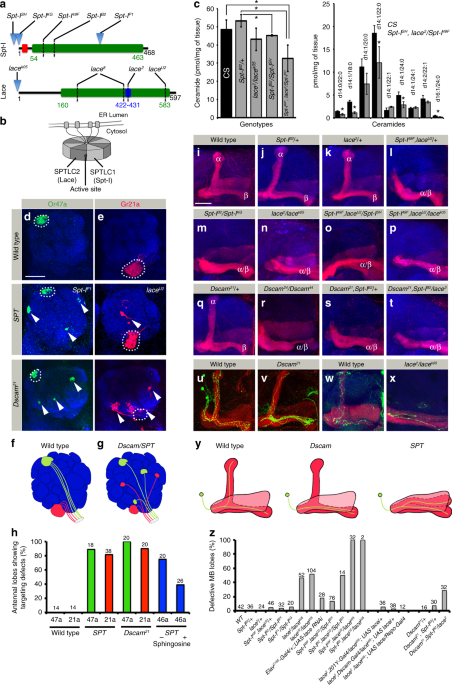
Sphingolipid-dependent Dscam sorting regulates axon segregation
Sphingolipid-dependent Dscam sorting regulates axon segregation, Published online: 18 February 2019; doi:10.1038/s41467-019-08765-2
Little is known about the initial segregation of axonal and dendritic proteins during the differentiation of newly generated neurons. Here authors use a forward genetic screen to identify the role of sphingolipids in regulating the sub-cellular distribution of Dscam for neuronal patterning in Drosophila Mushroom Bodies
from A via a.sfakia on Inoreader https://go.nature.com/2TU75TB
Siderophore-inspired chelator hijacks uranium from aqueous medium

Siderophore-inspired chelator hijacks uranium from aqueous medium
Siderophore-inspired chelator hijacks uranium from aqueous medium, Published online: 18 February 2019; doi:10.1038/s41467-019-08758-1
Development of simple uranyl recognition motifs possessing siderophore-like binding strength and selectivity presents a challenge. Here the authors show a comprehensive theoretical and experimental study on uranyl binding with a polymeric adsorbent material decorated with a non-toxic siderophore inspired small molecule chelator.
from A via a.sfakia on Inoreader https://go.nature.com/2DSDHGF
Flagellar cAMP signaling controls trypanosome progression through host tissues
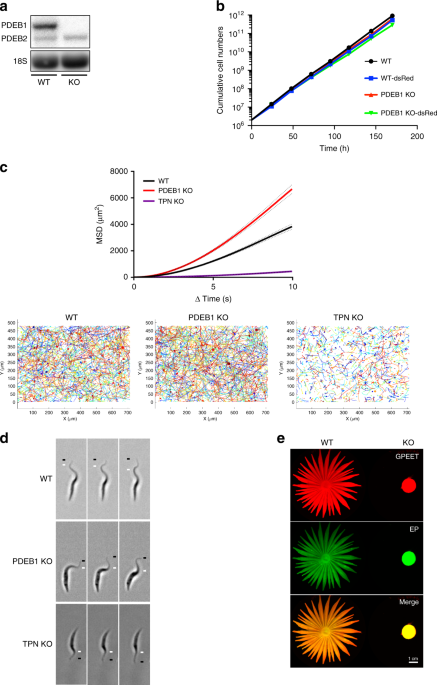
Flagellar cAMP signaling controls trypanosome progression through host tissues
Flagellar cAMP signaling controls trypanosome progression through host tissues, Published online: 18 February 2019; doi:10.1038/s41467-019-08696-y
Trypanosoma brucei probably relies on chemotactic signals for movement through tsetse fly tissues, but the molecular basis is unknown. Here, the authors show that flagellar cAMP signaling is required for traversal of the peritrophic matrix and that, without it, parasites are trapped in the midgut lumen.
from A via a.sfakia on Inoreader https://go.nature.com/2TUgn1P
Towards a data-integrated cell
Towards a data-integrated cell
Towards a data-integrated cell, Published online: 18 February 2019; doi:10.1038/s41467-019-08797-8
Integration of omics data remains a challenge. Here, the authors introduce iCell, a framework to integrate tissue-specific protein–protein interaction, co-expression and genetic interaction data, enabling identification of the most rewired genes in cancer, unidentifiable in individual data layers.
from A via a.sfakia on Inoreader https://go.nature.com/2GuoC1J
HIV-1 vaccination by needle-free oral injection induces strong mucosal immunity and protects against SHIV challenge
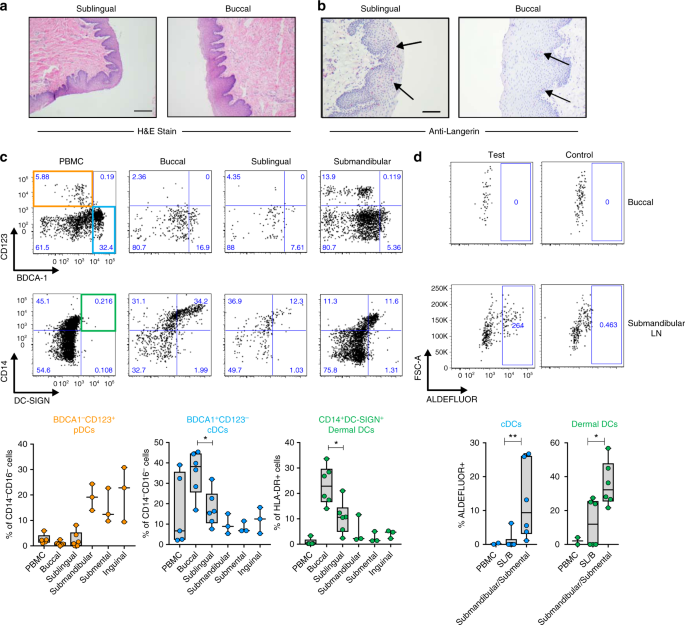
HIV-1 vaccination by needle-free oral injection induces strong mucosal immunity and protects against SHIV challenge
HIV-1 vaccination by needle-free oral injection induces strong mucosal immunity and protects against SHIV challenge, Published online: 18 February 2019; doi:10.1038/s41467-019-08739-4
Oral vaccination is a potential option to elicit systemic and mucosal immunity against HIV. Here, Jones et al. show that oral vaccination with a modified needle-free injector induces protective immunity against SHIV in non-human primates and is superior to topical application of vaccines to oral tissues.
from A via a.sfakia on Inoreader https://go.nature.com/2BF7GBB
Carbonate formation in salt dome cap rocks by microbial anaerobic oxidation of methane
Carbonate formation in salt dome cap rocks by microbial anaerobic oxidation of methane
Carbonate formation in salt dome cap rocks by microbial anaerobic oxidation of methane, Published online: 18 February 2019; doi:10.1038/s41467-019-08687-z
The nature of the microbial reactions occurring during cap rock formation is poorly understood. Here the authors find that sulfur and carbon isotope signatures indicate sulfate-dependent anaerobic oxidation of methane (AOM) as a primary driver of cap rock carbonate formation.
from A via a.sfakia on Inoreader https://go.nature.com/2SGTK4C
Engineered transfer RNAs for suppression of premature termination codons
Engineered transfer RNAs for suppression of premature termination codons
Engineered transfer RNAs for suppression of premature termination codons, Published online: 18 February 2019; doi:10.1038/s41467-019-08329-4
Premature termination codon suppression therapy could be used to treat a range of genetic disorders. Here the authors present a high-throughput cell-based assay to identify anticodon engineered tRNAs with high suppression activity.
from A via a.sfakia on Inoreader https://go.nature.com/2SF5413
PD-1 blockade potentiates HIV latency reversal ex vivo in CD4+ T cells from ART-suppressed individuals
PD-1 blockade potentiates HIV latency reversal ex vivo in CD4+ T cells from ART-suppressed individuals
PD-1 blockade potentiates HIV latency reversal ex vivo in CD4<sup>+</sup> T cells from ART-suppressed individuals, Published online: 18 February 2019; doi:10.1038/s41467-019-08798-7
The immune checkpoint molecule PD-1 is expressed on a fraction of CD4+ T cells latently infected with HIV, but whether PD-1 plays a functional role in reservoir persistence remains unknown. Here, Fromentin et al. show that PD-1 blockade potentiates latency reversal ex vivo in CD4+ T cells from ART suppressed individuals.
from A via a.sfakia on Inoreader https://go.nature.com/2U0Jb9b
Effect of intravitreal aflibercept on corneal endothelial cells: a 6-month follow-up study

from A via a.sfakia on Inoreader http://bit.ly/2TRWwjM
Selective delipidation of Mycobacterium bovis BCG enables direct pulmonary vaccination and enhances protection against Mycobacterium tuberculosis
from A via a.sfakia on Inoreader https://go.nature.com/2V21bzP
Effective preoperative abdominal incision planning on a patient with a history of repeated abdominal operations using a three-dimensional reconstruction technique: a case report
Journal of International Medical Research, Ahead of Print.
from A via a.sfakia on Inoreader http://bit.ly/2NaHgfm
Effective preoperative abdominal incision planning on a patient with a history of repeated abdominal operations using a three-dimensional reconstruction technique: a case report
Journal of International Medical Research, Ahead of Print.
from A via a.sfakia on Inoreader http://bit.ly/2NaHgfm
Baby’s mouth might hold sway over breast-milk microbiome
Baby's mouth might hold sway over breast-milk microbiome
Baby's mouth might hold sway over breast-milk microbiome, Published online: 18 February 2019; doi:10.1038/d41586-019-00568-1
The bacterial content of breast milk differs between mothers who pump and those who nurse.
from A via a.sfakia on Inoreader https://go.nature.com/2BHplID
Genotypic difference in the plasticity of root system architecture of field-grown maize in response to plant density
Abstract
Aims
To investigate genotypic differences in the plasticity of root system architecture in response to increasing planting density and understand how this plastic response affects grain yield.
Methods
A two-year field study was conducted with eight maize hybrids and three planting densities (60,000, 75,000, and 90,000 plants per ha). High-throughput imaging system and an automatic analysis method with Root Estimator for Shovelomics Traits (REST) software were adopted to study root architecture. The coefficient of variation (CV) was determined to reflect the plastic response of the root traits at different planting densities.
Results
Root size and root architecture varied with increasing plant density and among the genotypes. With increasing planting density, root biomass and root length per plant decreased. The average root opening angle in inter-row and intra-row directions (RA), average root maximal width in inter-row direction and intra-row directions (RMW), ratio of root opening angle between intra-row and inter-row directions (RatioRA), and ratio of root maximal width between intra-row and inter-row directions (RatioRMW) were also reduced. These results suggest that plants growing under high planting density have narrower root extension width, steeper root angle, and greater root distribution in inter-row direction. The CV of all the root traits between the neighboring plants increased with increasing plant density. Although significant genotype × planting density interactions occurred with most of the root traits, there was a quadratic correlation between grain yield and most of the root traits, especially at high planting density (R2 = 0.17 ~ 0.48). There was a negative linear relationship between grain yield and the CV of root biomass, root length, RA, RMW, RatioRA, and RatioRMW (R2 = 0.21 ~ 0.37). Among the eight hybrids, JQ202 had medium root size, more inter-row root distribution, and the smallest CV in root traits across three planting densities, and the highest grain yield. LY99, SR999 and DY39 had largest CV for root traits and the smallest grain yield.
Conclusions
Genotypes with less variation in root size, medium root size, medium broad root system and more inter-row root distribution help to reduce root-to-root competition and tend to have higher yield at high planting density.
from Energy Ecology Environment Ambio via Terpsi Hori on Inoreader http://bit.ly/2GBdPTx
Aluminum-accumulating Vochysiaceae species growing on a calcareous soil in Brazil
Abstract
Aims
Cerrado woody species are divided into a small group of aluminum (Al)-accumulating species and the rest of the woody species. Both groups grow well on acidic and Al-rich soils. We found a Cerrado remnant growing on a calcareous soil with high calcium (Ca) and low Al saturations (m%). We checked whether Al deposition differs between leaf veins and leaf blade, and predicted that plants grown on the acidic soil store more Al than those grown on the calcareous soil.
Methods
Adult plants of Qualea grandiflora and Q. parviflora, two Al-accumulators, were found in this area, and we compared leaf Ca and Al concentrations with those of the same species growing on a dystrophic Cerrado soil.
Results
Leaf Ca concentration reflected differences between the soil types, and Ca was more accumulated in leaf veins. However, Al accumulation was independent of m%, and it was more deposited in the leaf blade of both species, which was confirmed by hystochemical reactions and X-ray spectra in SEM analysis (EDS).
Conclusions
The leaf tissue to which Al is preferentially allocated in the leaf blade could not be distinguished. Granules in epidermal cells exhibiting high Al EDS peaks suggest an important allocation for this metal.
from Energy Ecology Environment Ambio via Terpsi Hori on Inoreader http://bit.ly/2IjejPO
Sustainability labelling as a tool for reporting the sustainable development impacts of climate actions relevant to Article 6 of the Paris Agreement
Abstract
The architecture of global carbon markets has changed significantly since the Paris Agreement and the 2030 Agenda for Sustainable Development Goals were both agreed in 2015. Voluntary, international cooperative approaches established in Article 6 of the Paris Agreement allow Parties to work together to achieve the targets set out in their respective Nationally Determined Contributions to limit global warming to an increase below 1.5–2 °C. In Article 6.4, a sustainable mitigation mechanism is established for which rules, modalities and procedures will be developed internationally considering the experience and lessons learned from existing mechanisms, such as the Clean Development Mechanism (CDM) and its Sustainable Development (SD) Tool. Historically the issue of making integrated assessments of sustainable development and mitigation actions has been politically and methodologically controversial for many reasons: developing countries fear that an international definition of SD will interfere with their sovereignty and therefore their ability to define their own development pathways; players in the carbon market fear that markets can only handle one objective, namely mitigation outcomes; and sustainable development is regarded as too complex and costly to be measured and quantified. In an effort to address these concerns, the article proposes a new methodology for the sustainability labelling of climate mitigation actions relevant to Article 6 approaches. The article draws on an application of the CDM SD tool to analyse 2098 Component Programme Activities that had entered the CDM Pipeline by January 2017. The article demonstrates that assessment of the sustainable development benefits of climate actions can be graded and labelled based on the analysis of qualitative data, which is less costly than applying a quantitative approach.
from Energy Ecology Environment Ambio via Terpsi Hori on Inoreader http://bit.ly/2TVgHxe
The effects of energy on investment, human health, environment and economic growth: empirical evidence from China
Abstract
The role of energy cannot be passed over in the process of economic growth and development in any economy. China consumes colossal quantity of energy; thus, the central objectives of this study is to empirically evaluate the linkages among energy use, environment by CO2 emissions, human health by health expenditures, Foreign Direct Investment (FDI) inflows, and real GDP per capita used for economic growth over the period of 1995–2016 for China. The nature of the data directed to employ the Canonical cointegrating regression (CCR) method for unknown parameter estimation. Four equations have estimated namely for FDI, health, environment, and economic growth. The result for China during the period under the study reveals that energy consumption has significant positive impact on FDI, health, environment, and economic growth. The study results suggest that policy makers need to chalk out effective policy for effective utilization of energy so as to encourage permissible economic growth and development in China.
from Energy Ecology Environment Ambio via Terpsi Hori on Inoreader http://bit.ly/2GusWOv
Activities of daily living decline is a predictor of lowered coughing ability and correlates with rehabilitative effect of tongue cleaning on coughing ability
Abstract
Basic activities of daily living (ADL) is a critical indicator of independency in older adults. The purpose of this study is to evaluate impact of ADL decline on coughing ability, as determined by peak expiratory flow rate (PEFR), and to evaluate impact of ADL decline on the ability of tongue cleaning intervention to improve PEFR. Methods: Participants comprised 95 residents of 11 group homes and nursing homes in Kumamoto, Japan. Participants were randomly assigned to cohorts with or without tongue cleaning intervention. Coughing ability was evaluated by measuring PEFR before and after 2 weeks, 4 weeks, and 3 months of intervention. Basic ADL was assessed by Barthel index (BI). Mean BI score among the participants was 59.3 ± 24.2. PEFR in a cohort with ≤ 60 BI score (LB) (1.2, 0.2–4.7 L s−1) was significantly lower than that in a cohort with ≥ 61 BI score (HB) (1.8, 0.5–6.5 L s− 1; p < 0.001). Multiple regression analysis revealed that BI score significantly correlated with PEFR after adjustment for various confounders (p < 0.004). Although tongue cleaning intervention increased PEFR in both cohorts, BI score only correlated with the amount of change of PEFR in the intervention group (p = 0.048). Basic ADL decline closely correlated with lowered coughing ability, as assessed by PEFR. Additionally, the rehabilitative effect of tongue cleaning on coughing ability was affected by basic ADL in older adults.
from A via a.sfakia on Inoreader http://bit.ly/2SKuDxN
Baby’s mouth might hold sway over breast-milk microbiome
from A via a.sfakia on Inoreader https://go.nature.com/2ImHDop
Sphingolipid-dependent Dscam sorting regulates axon segregation
from A via a.sfakia on Inoreader http://feeds.nature.com/~r/ncomms/rss/current/~3/1XVW5q8UkYM/s41467-019-08765-2
Siderophore-inspired chelator hijacks uranium from aqueous medium
from A via a.sfakia on Inoreader http://feeds.nature.com/~r/ncomms/rss/current/~3/kJcx_WZ_doo/s41467-019-08758-1
Flagellar cAMP signaling controls trypanosome progression through host tissues
from A via a.sfakia on Inoreader http://feeds.nature.com/~r/ncomms/rss/current/~3/2HGSS4MqcV8/s41467-019-08696-y
Towards a data-integrated cell
from A via a.sfakia on Inoreader http://feeds.nature.com/~r/ncomms/rss/current/~3/Ve8YY_r6GuE/s41467-019-08797-8
HIV-1 vaccination by needle-free oral injection induces strong mucosal immunity and protects against SHIV challenge
from A via a.sfakia on Inoreader http://feeds.nature.com/~r/ncomms/rss/current/~3/fNcjVTOFRLg/s41467-019-08739-4
Carbonate formation in salt dome cap rocks by microbial anaerobic oxidation of methane
from A via a.sfakia on Inoreader http://feeds.nature.com/~r/ncomms/rss/current/~3/5P0Wt9xjTEM/s41467-019-08687-z
Engineered transfer RNAs for suppression of premature termination codons
from A via a.sfakia on Inoreader http://feeds.nature.com/~r/ncomms/rss/current/~3/OLfvbAnu4SU/s41467-019-08329-4
PD-1 blockade potentiates HIV latency reversal ex vivo in CD4+ T cells from ART-suppressed individuals
from A via a.sfakia on Inoreader http://feeds.nature.com/~r/ncomms/rss/current/~3/0pGPldTxwL8/s41467-019-08798-7
Globally correlated conformational entropy underlies positive and negative cooperativity in a kinase’s enzymatic cycle
from A via a.sfakia on Inoreader http://feeds.nature.com/~r/ncomms/rss/current/~3/YVuu0RKVnvk/s41467-019-08655-7
Long non-coding RNAs discriminate the stages and gene regulatory states of human humoral immune response
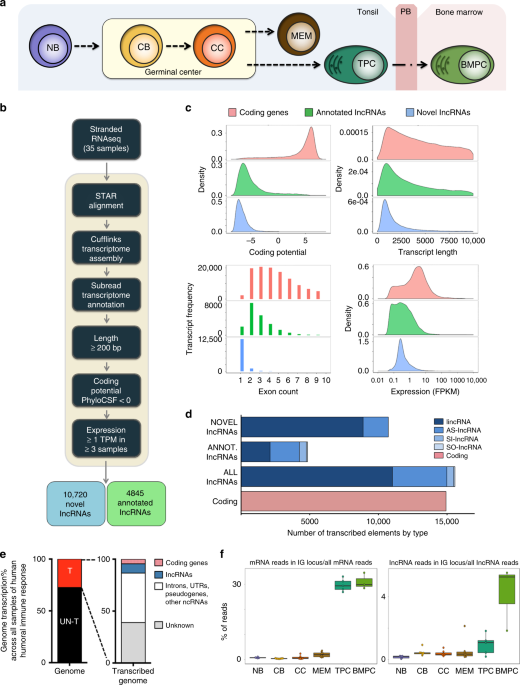
from A via a.sfakia on Inoreader http://feeds.nature.com/~r/ncomms/rss/current/~3/y0bos8w5YwI/s41467-019-08679-z
C. elegans collectively forms dynamical networks
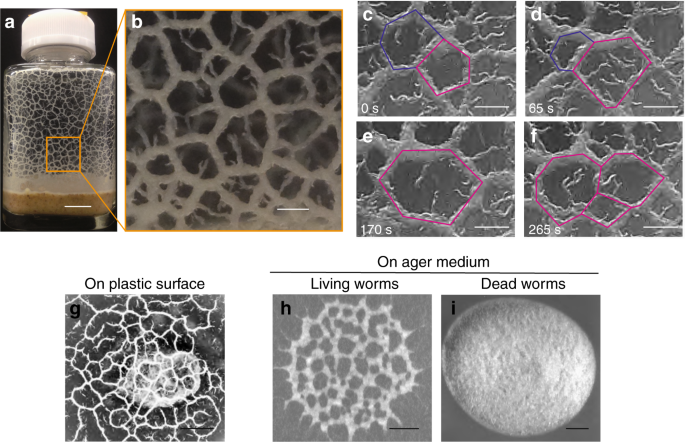
from A via a.sfakia on Inoreader http://feeds.nature.com/~r/ncomms/rss/current/~3/JrVZR92RoT8/s41467-019-08537-y
A young star is sprinkled with table salt
A young star is sprinkled with table salt
A young star is sprinkled with table salt, Published online: 18 February 2019; doi:10.1038/d41586-019-00569-0
Dust particles might have given rise to the cosmic grains of an everyday seasoning.
from A via a.sfakia on Inoreader https://go.nature.com/2Egbb33
Enhanced Circularly Polarized Luminescence from Reorganized Chiral Emitters on the Skeleton of Zeolitic Imidazolate Framework
Chiral zeolitic imidazolate framework (ZIF) showing circularly polarized luminescence (CPL) has been successfully achieved through a ligand‐exchange approach by blending a binapthyl‐derived chiral emitter with ZIF‐8 rhombododecahedron nanoparticles. This approach solves a major trade‐off in CPL‐active materials: large luminescence dissymmetry factor (glum) always suffer from supression of luminescence efficiency, due to the magnetic and electronic dipole transition nature. Compared with the optical properties of chiral emitter in dilute solution, the obtained chiral ZIF nanomaterials showed enhanced fluorescence efficiency (from 0.3 to 0.4) while the |glum| value also exhibited significant amplification by one‐order of magnitude. In addition, the enantioselective fluorescence sensing in response to α‐hydroxycarboxylic acids has also been enhanced in chiral ZIF than the individual chiral emitter. The fact that reorganization and conjucation of chiral emitters to the skeleton of ZIF nanopaticles can greatly improve both luminescence quantum yield and circularly polarization which would facilitate the design of more efficient chiroptical materials.
from A via a.sfakia on Inoreader http://bit.ly/2NctDfN
Nickel‐Catalyzed Carbofluoroalkylation of 1,3‐Enynes to Access Structurally Diverse Fluoroalkylated Allenes
A nickel‐catalyzed 1,4‐carbofluoroalkylation of 1,3‐enynes to access structurally diverse fluoroalkylated allenes has been established. This method has demonstrated high catalytic reactivity, mild conditions, broad substrates scope and excellent functional group tolerance. The key to success is the use of nickel catalyst to generate different kinds of fluoroalkyl radicals from readily available and structurally diverse fluoroalkyl halides to access 1,4‐difunctionalization of 1,3‐enynes via a radical relay. This strategy provides facile synthesis of structurally diverse multi‐substituted allenes, and offers a solution for batch production of various fluorinated bioactive molecules for drug discovery via further transformations.
from A via a.sfakia on Inoreader http://bit.ly/2T4r5WA
Opto‐epigenetic modulation of DNA methylation with a photo‐responsive small‐molecule approach
Controlling the functional dynamics of DNA within living cells is essential in biomedical research. Epigenetic modifications such as DNA methylation play a key role in this process. Controlled DNA methylation editing can be attained via genetic means. Yet there are few chemical tools available for the spatial and temporal modulation of this modification. Here we present a small‐molecule approach to modulate DNA methylation with light. The strategy uses a photo‐tuneable version of a clinically used drug (5‐aza‐2‐deoxycytidine) to alter the catalytic activity of DNA methyltransferases, the enzymes that methylate DNA. After uptake by cells, the photo‐regulated molecule can be light‐controlled to reduce genome‐wide DNA methylation levels in proliferating cells. The chemical tool complements genetic, biochemical and pharmacological approaches to study the role of DNA methylation in biology and medicine.
from A via a.sfakia on Inoreader http://bit.ly/2NctCIL
Κυριακή 17 Φεβρουαρίου 2019
A young star is sprinkled with table salt
from A via a.sfakia on Inoreader https://go.nature.com/2trQ47G
Classification of Thyroid Nodules in Ultrasound Images Using Direction-Independent Features Extracted by Two-Threshold Binary Decomposition
Technology in Cancer Research &Treatment, Volume 18, Issue , January 2019.
from A via a.sfakia on Inoreader http://bit.ly/2SX21jZ
Association between preferred chewing side and dynamic occlusal parameters
Journal of International Medical Research, Ahead of Print.
from A via a.sfakia on Inoreader http://bit.ly/2IqcVuO
Cemented versus uncemented femoral component total hip arthroplasty in elderly patients with primary osteoporosis: retrospective analysis with 5-year follow-up
Journal of International Medical Research, Ahead of Print.
from A via a.sfakia on Inoreader http://bit.ly/2SRvXy0
Idiopathic cervical spinal subdural haematoma: a case report and literature review
Journal of International Medical Research, Ahead of Print.
from A via a.sfakia on Inoreader http://bit.ly/2N6tBpG
Erratic movement disorders disclosing Graves’ disease and paralleling thyroid function but not autoantibody levels
Journal of International Medical Research, Ahead of Print.
from A via a.sfakia on Inoreader http://bit.ly/2SVhj8M
Bilateral cerebral infarction associated with severe arteriosclerosis in the A1 segment: a case report
Journal of International Medical Research, Ahead of Print.
from A via a.sfakia on Inoreader http://bit.ly/2N8JZGb
Superselective renal artery embolization for bleeding complications after percutaneous renal biopsy: a single-center experience
Journal of International Medical Research, Ahead of Print.
from A via a.sfakia on Inoreader http://bit.ly/2SICDyz
Εγγραφή σε:
Αναρτήσεις (Atom)

-
Summary Low-fidelity, simulation-based psychomotor skills training is a valuable first step in the educational approach to mastering com...
-
Abstract Purpose Clinicians must balance the risks from hypotension with the potential adverse effects of vasopressors. Experts have rec...
-
Does CBD Oil Lower Blood Pressure? This article was originally published at SundayScaries." Madeline Taylor POSTED ON January 13, 20...
