Αρχειοθήκη ιστολογίου

Δευτέρα 18 Φεβρουαρίου 2019

Sustainability labelling as a tool for reporting the sustainable development impacts of climate actions relevant to Article 6 of the Paris Agreement

Abstract

The architecture of global carbon markets has changed significantly since the Paris Agreement and the 2030 Agenda for Sustainable Development Goals were both agreed in 2015. Voluntary, international cooperative approaches established in Article 6 of the Paris Agreement allow Parties to work together to achieve the targets set out in their respective Nationally Determined Contributions to limit global warming to an increase below 1.5–2 °C. In Article 6.4, a sustainable mitigation mechanism is established for which rules, modalities and procedures will be developed internationally considering the experience and lessons learned from existing mechanisms, such as the Clean Development Mechanism (CDM) and its Sustainable Development (SD) Tool. Historically the issue of making integrated assessments of sustainable development and mitigation actions has been politically and methodologically controversial for many reasons: developing countries fear that an international definition of SD will interfere with their sovereignty and therefore their ability to define their own development pathways; players in the carbon market fear that markets can only handle one objective, namely mitigation outcomes; and sustainable development is regarded as too complex and costly to be measured and quantified. In an effort to address these concerns, the article proposes a new methodology for the sustainability labelling of climate mitigation actions relevant to Article 6 approaches. The article draws on an application of the CDM SD tool to analyse 2098 Component Programme Activities that had entered the CDM Pipeline by January 2017. The article demonstrates that assessment of the sustainable development benefits of climate actions can be graded and labelled based on the analysis of qualitative data, which is less costly than applying a quantitative approach.


from Energy Ecology Environment Ambio via Terpsi Hori on Inoreader http://bit.ly/2TVgHxe

The effects of energy on investment, human health, environment and economic growth: empirical evidence from China

Abstract

The role of energy cannot be passed over in the process of economic growth and development in any economy. China consumes colossal quantity of energy; thus, the central objectives of this study is to empirically evaluate the linkages among energy use, environment by CO2 emissions, human health by health expenditures, Foreign Direct Investment (FDI) inflows, and real GDP per capita used for economic growth over the period of 1995–2016 for China. The nature of the data directed to employ the Canonical cointegrating regression (CCR) method for unknown parameter estimation. Four equations have estimated namely for FDI, health, environment, and economic growth. The result for China during the period under the study reveals that energy consumption has significant positive impact on FDI, health, environment, and economic growth. The study results suggest that policy makers need to chalk out effective policy for effective utilization of energy so as to encourage permissible economic growth and development in China.


from Energy Ecology Environment Ambio via Terpsi Hori on Inoreader http://bit.ly/2GusWOv

Activities of daily living decline is a predictor of lowered coughing ability and correlates with rehabilitative effect of tongue cleaning on coughing ability

Abstract

Basic activities of daily living (ADL) is a critical indicator of independency in older adults. The purpose of this study is to evaluate impact of ADL decline on coughing ability, as determined by peak expiratory flow rate (PEFR), and to evaluate impact of ADL decline on the ability of tongue cleaning intervention to improve PEFR. Methods: Participants comprised 95 residents of 11 group homes and nursing homes in Kumamoto, Japan. Participants were randomly assigned to cohorts with or without tongue cleaning intervention. Coughing ability was evaluated by measuring PEFR before and after 2 weeks, 4 weeks, and 3 months of intervention. Basic ADL was assessed by Barthel index (BI). Mean BI score among the participants was 59.3 ± 24.2. PEFR in a cohort with ≤ 60 BI score (LB) (1.2, 0.2–4.7 L s−1) was significantly lower than that in a cohort with ≥ 61 BI score (HB) (1.8, 0.5–6.5 L s− 1; p < 0.001). Multiple regression analysis revealed that BI score significantly correlated with PEFR after adjustment for various confounders (p < 0.004). Although tongue cleaning intervention increased PEFR in both cohorts, BI score only correlated with the amount of change of PEFR in the intervention group (p = 0.048). Basic ADL decline closely correlated with lowered coughing ability, as assessed by PEFR. Additionally, the rehabilitative effect of tongue cleaning on coughing ability was affected by basic ADL in older adults.


from A via a.sfakia on Inoreader http://bit.ly/2SKuDxN

Baby’s mouth might hold sway over breast-milk microbiome


from A via a.sfakia on Inoreader https://go.nature.com/2ImHDop

Sphingolipid-dependent Dscam sorting regulates axon segregation


from A via a.sfakia on Inoreader http://feeds.nature.com/~r/ncomms/rss/current/~3/1XVW5q8UkYM/s41467-019-08765-2

Siderophore-inspired chelator hijacks uranium from aqueous medium


from A via a.sfakia on Inoreader http://feeds.nature.com/~r/ncomms/rss/current/~3/kJcx_WZ_doo/s41467-019-08758-1

Flagellar cAMP signaling controls trypanosome progression through host tissues


from A via a.sfakia on Inoreader http://feeds.nature.com/~r/ncomms/rss/current/~3/2HGSS4MqcV8/s41467-019-08696-y

Towards a data-integrated cell


from A via a.sfakia on Inoreader http://feeds.nature.com/~r/ncomms/rss/current/~3/Ve8YY_r6GuE/s41467-019-08797-8

HIV-1 vaccination by needle-free oral injection induces strong mucosal immunity and protects against SHIV challenge


from A via a.sfakia on Inoreader http://feeds.nature.com/~r/ncomms/rss/current/~3/fNcjVTOFRLg/s41467-019-08739-4

Carbonate formation in salt dome cap rocks by microbial anaerobic oxidation of methane


from A via a.sfakia on Inoreader http://feeds.nature.com/~r/ncomms/rss/current/~3/5P0Wt9xjTEM/s41467-019-08687-z

Engineered transfer RNAs for suppression of premature termination codons


from A via a.sfakia on Inoreader http://feeds.nature.com/~r/ncomms/rss/current/~3/OLfvbAnu4SU/s41467-019-08329-4

PD-1 blockade potentiates HIV latency reversal ex vivo in CD4+ T cells from ART-suppressed individuals


from A via a.sfakia on Inoreader http://feeds.nature.com/~r/ncomms/rss/current/~3/0pGPldTxwL8/s41467-019-08798-7

Globally correlated conformational entropy underlies positive and negative cooperativity in a kinase’s enzymatic cycle


from A via a.sfakia on Inoreader http://feeds.nature.com/~r/ncomms/rss/current/~3/YVuu0RKVnvk/s41467-019-08655-7

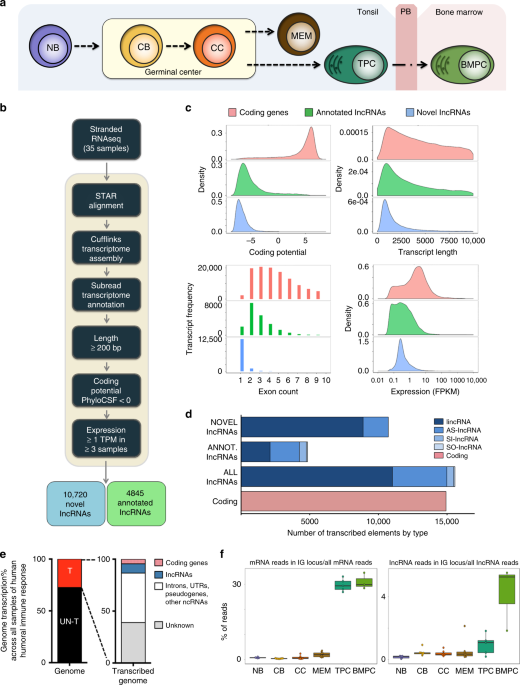
Long non-coding RNAs discriminate the stages and gene regulatory states of human humoral immune response

41467_2019_8679_Fig1_HTML.png


from A via a.sfakia on Inoreader http://feeds.nature.com/~r/ncomms/rss/current/~3/y0bos8w5YwI/s41467-019-08679-z

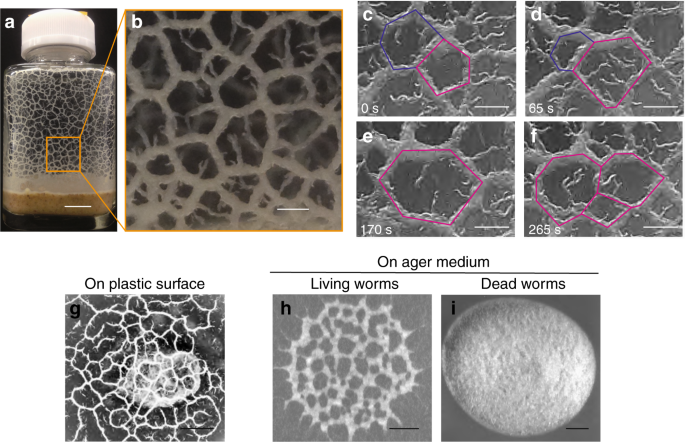
C. elegans collectively forms dynamical networks

41467_2019_8537_Fig1_HTML.png


from A via a.sfakia on Inoreader http://feeds.nature.com/~r/ncomms/rss/current/~3/JrVZR92RoT8/s41467-019-08537-y

A young star is sprinkled with table salt

A young star is sprinkled with table salt

A young star is sprinkled with table salt, Published online: 18 February 2019; doi:10.1038/d41586-019-00569-0

Dust particles might have given rise to the cosmic grains of an everyday seasoning.

from A via a.sfakia on Inoreader https://go.nature.com/2Egbb33

Enhanced Circularly Polarized Luminescence from Reorganized Chiral Emitters on the Skeleton of Zeolitic Imidazolate Framework

Chiral zeolitic imidazolate framework (ZIF) showing circularly polarized luminescence (CPL) has been successfully achieved through a ligand‐exchange approach by blending a binapthyl‐derived chiral emitter with ZIF‐8 rhombododecahedron nanoparticles. This approach solves a major trade‐off in CPL‐active materials: large luminescence dissymmetry factor (glum) always suffer from supression of luminescence efficiency, due to the magnetic and electronic dipole transition nature. Compared with the optical properties of chiral emitter in dilute solution, the obtained chiral ZIF nanomaterials showed enhanced fluorescence efficiency (from 0.3 to 0.4) while the |glum| value also exhibited significant amplification by one‐order of magnitude. In addition, the enantioselective fluorescence sensing in response to α‐hydroxycarboxylic acids has also been enhanced in chiral ZIF than the individual chiral emitter. The fact that reorganization and conjucation of chiral emitters to the skeleton of ZIF nanopaticles can greatly improve both luminescence quantum yield and circularly polarization which would facilitate the design of more efficient chiroptical materials.


from A via a.sfakia on Inoreader http://bit.ly/2NctDfN

Nickel‐Catalyzed Carbofluoroalkylation of 1,3‐Enynes to Access Structurally Diverse Fluoroalkylated Allenes

A nickel‐catalyzed 1,4‐carbofluoroalkylation of 1,3‐enynes to access structurally diverse fluoroalkylated allenes has been established. This method has demonstrated high catalytic reactivity, mild conditions, broad substrates scope and excellent functional group tolerance. The key to success is the use of nickel catalyst to generate different kinds of fluoroalkyl radicals from readily available and structurally diverse fluoroalkyl halides to access 1,4‐difunctionalization of 1,3‐enynes via a radical relay. This strategy provides facile synthesis of structurally diverse multi‐substituted allenes, and offers a solution for batch production of various fluorinated bioactive molecules for drug discovery via further transformations.


from A via a.sfakia on Inoreader http://bit.ly/2T4r5WA

Opto‐epigenetic modulation of DNA methylation with a photo‐responsive small‐molecule approach

Controlling the functional dynamics of DNA within living cells is essential in biomedical research. Epigenetic modifications such as DNA methylation play a key role in this process. Controlled DNA methylation editing can be attained via genetic means. Yet there are few chemical tools available for the spatial and temporal modulation of this modification. Here we present a small‐molecule approach to modulate DNA methylation with light. The strategy uses a photo‐tuneable version of a clinically used drug (5‐aza‐2‐deoxycytidine) to alter the catalytic activity of DNA methyltransferases, the enzymes that methylate DNA. After uptake by cells, the photo‐regulated molecule can be light‐controlled to reduce genome‐wide DNA methylation levels in proliferating cells. The chemical tool complements genetic, biochemical and pharmacological approaches to study the role of DNA methylation in biology and medicine.


from A via a.sfakia on Inoreader http://bit.ly/2NctCIL

Κυριακή 17 Φεβρουαρίου 2019

A young star is sprinkled with table salt


from A via a.sfakia on Inoreader https://go.nature.com/2trQ47G

Classification of Thyroid Nodules in Ultrasound Images Using Direction-Independent Features Extracted by Two-Threshold Binary Decomposition

Technology in Cancer Research &Treatment, Volume 18, Issue , January 2019.


from A via a.sfakia on Inoreader http://bit.ly/2SX21jZ

Association between preferred chewing side and dynamic occlusal parameters

Journal of International Medical Research, Ahead of Print.


from A via a.sfakia on Inoreader http://bit.ly/2IqcVuO

Cemented versus uncemented femoral component total hip arthroplasty in elderly patients with primary osteoporosis: retrospective analysis with 5-year follow-up

Journal of International Medical Research, Ahead of Print.


from A via a.sfakia on Inoreader http://bit.ly/2SRvXy0

Idiopathic cervical spinal subdural haematoma: a case report and literature review

Journal of International Medical Research, Ahead of Print.


from A via a.sfakia on Inoreader http://bit.ly/2N6tBpG

Erratic movement disorders disclosing Graves’ disease and paralleling thyroid function but not autoantibody levels

Journal of International Medical Research, Ahead of Print.


from A via a.sfakia on Inoreader http://bit.ly/2SVhj8M

Bilateral cerebral infarction associated with severe arteriosclerosis in the A1 segment: a case report

Journal of International Medical Research, Ahead of Print.


from A via a.sfakia on Inoreader http://bit.ly/2N8JZGb

Superselective renal artery embolization for bleeding complications after percutaneous renal biopsy: a single-center experience

Journal of International Medical Research, Ahead of Print.


from A via a.sfakia on Inoreader http://bit.ly/2SICDyz

The stromal cell-derived factor-1 α (SDF-1α)/cysteine-X-cysteine chemokine receptor 4 (CXCR4) axis: a possible prognostic indicator of acute ischemic stroke

Journal of International Medical Research, Ahead of Print.


from A via a.sfakia on Inoreader http://bit.ly/2N2OfqP

Novel method based on ion mobility spectrometry sum spectrum for the characterization of ignitable liquids in fire debris

Publication date: Available online 16 February 2019

Source: Talanta

Author(s): María José Aliaño-González, Marta Ferreiro-González, Gerardo F. Barbero, Miguel Palma

Abstract

The destructive nature of fire together with a variety of interfering products from pyrolysis or background compounds among others, still offer a challenge on the proper identification of ignitable liquid residues (ILRs) in fire investigations. Nowadays, analysts use chromatography-mass spectrometry to try and classify ignitable liquids (IL) into one of the classes in the American Standards Testing Material method (ASTM E1618). In this study, an alternative approach is proposed to such analysis of fire debris. The proposed method would be based on ion mobility spectrometry sum spectrum (IMSSS) from headspace analysis, in combination with pattern recognition tools (Linear Discriminant Analysis, LDA). Four different substrates (pinewood, cork, paper, and cotton sheet) were burnt with and without different ILs (gasoline, diesel, ethanol, and paraffin). According to LDA, 100% of fire debris samples were correctly classified for presence/absence and type of IL. A characteristic fingerprint for each ILR was created for quick discrimination. These results demonstrate the potential of using IMSSS for a fast, objective and easy interpretation of fire debris data. In addition, ion mobility spectrometry (IMS) presents some advantages over traditional techniques such as its real-time monitoring capability and its capacity to work at atmospheric pressure, which allow the development of portable devices that would perform the analysis at the fire scene.

Graphical abstract

Graphical abstract for this article


from A via a.sfakia on Inoreader http://bit.ly/2X31AUF

Cathodic stripping voltammetric determination of iodide using disposable sensors

Publication date: Available online 16 February 2019

Source: Talanta

Author(s): Hugo Cunha-Silva, M. Julia Arcos-Martinez

Abstract

The World Health Organization considers iodide deficiency diseases (IDD) to be a public health problem. The main indicator to access IDD is urinary iodide, since approximately 90% of the ingested iodide uses this clearance path, with urine being a preferable target for the analysis.

In this work, two screen-printed carbon electrode (SPCE) based sensors were developed to determine iodide by using only a single drop of sample. A first approach based on a SPCE proves to selectively determine iodide through the control of the cathodic stripping voltammetric (CSV) parameters. However, this strategy exhibits a gap in determining trace iodide concentrations, which is improved by modifying the working electrode surface with a chitosan coating. The performance of this new CS/SPCE-based sensor was compared with that of the previous SPCE-based sensor, showing improved iodide determination sensitivity. A limit of detection of 1.0 ×10⁻⁸ M and a linear analysis range of 0.15 to 500 µM were achieved with this sensor.

The application of both sensors to real-life samples found values close to those determined by the standard Sandell-Kolthoff spectrophotometric method, proving them to be powerful analytical tools for iodide determination in different kinds of samples, including biological matrices.

Graphical abstract

Graphical abstract for this article


from A via a.sfakia on Inoreader http://bit.ly/2S8RZYF

Editorial Board

Publication date: 2 May 2019

Source: Behavioural Brain Research, Volume 363

Author(s):


from A via a.sfakia on Inoreader http://bit.ly/2tthPwo

Pharmacological evidence for the relationship between the NMDA receptor and nitric oxide pathway and the antidepressant-like effects of glucagon-like peptide-2 in the mouse forced-swim test

Publication date: Available online 16 February 2019

Source: Behavioural Brain Research

Author(s): Sachie Sasaki-Hamada, Yuya Nakamura, Kenichi Koizumi, Rena Nabeta, Jun-Ichiro Oka

Abstract

We previously demonstrated that glucagon-like peptide-2 (GLP-2) exerted antidepressant-like effects in mice. The aim of the present study was to investigate the relationship between N-methyl-D-aspartate (NMDA) receptor-nitric oxide-cyclic guanosine monophosphate (NO-cGMP) pathway and the antidepressant-like effects of GLP-2 in the forced-swim test (FST) in mice. Intracerebroventricularly administered GLP-2 (3 μg/mouse) decreased the immobility time in the FST. The pretreatment of mice with L-arginine (750 mg/kg, i.p.), a substrate for nitric oxide synthase, sildenafil (5 mg/kg, i.p.), a phosphodiesterase 5 inhibitor, or D-serine (300 mg/kg, i.p.), a NMDA receptor co-agonist, inhibited the antidepressant-like effects of GLP-2 (3 μg/mouse) in the FST. Meanwhile, L-Nitroarginine methyl ester (10 mg/kg, i.p.), a non-specific nitric oxide synthase (NOS) inhibitor, 7-nitroindazole (30 mg/kg, i.p.), a neuronal NOS inhibitor, methylene blue (10 mg/kg, i.p.), an inhibitor of both NOS and soluble guanylate cyclase (sGC), ODQ (30 pmol/site, i.c.v.), a sGC inhibitor, or MK-801 (0.05 mg/kg, i.p.), an NMDA receptor antagonist, in combination with a sub-effective dose of GLP-2 (1.5 μg/mouse) also decreased the immobility time in the FST. The present study provided evidence for the synergistic antidepressant-like effects of GLP-2 and inhibition of the NMDA receptor-L-arginine-NO-cGMP pathway in the FST, thereby contributing to our understanding of the mechanisms underlying the antidepressant-like effects of GLP-2.


from A via a.sfakia on Inoreader http://bit.ly/2GO7Utx

Medial prefrontal cortex ERK and conditioning: Evidence for the association of increased medial prefrontal cortex ERK with the presence/absence of apomorphine conditioned behavior using a unique post-trial conditioning/extinction protocol

Publication date: Available online 16 February 2019

Source: Behavioural Brain Research

Author(s): Frederico Velasco Costa Sanguedo, Richard Ian Samuels, Robert J Carey, Marinete Pinheiro Carrera

Abstract

Increases in medial prefrontal cortex ERK have been linked to learning and memory processes. In the present study separate groups of rats initially underwent testing in an open-field paired with either 2.0 mg/kg apomorphine or vehicle injections. Subsequently, in a brief conditioning 5 min. test the paired apomorphine group manifested a conditioned hyperactivity response. The vehicle/apomorphine groups were then subdivided into two vehicle and two apomorphine subgroups matched for their activity scores in this conditioning test. Following another apomorphine/vehicle pairing in the test environment the groups received 3 additional 5 min. non-drug conditioning tests in which the groups received post-trial vehicle/apomorphine treatments. The vehicle groups received vehicle either immediately or 15 min. after the first two of the three conditioning tests and the apomorphine groups received 2.0 mg/kg either immediately or 15 min. after the first two of the three conditioning tests. In the first conditioning test both of the apomorphine groups exhibited equivalent conditioned responses. By the third test, the conditioned response of the immediate post-trial apomorphine group remained robust whereas conditioned response of the 15 min. apomorphine post-trial group was extinguished. Immediately following the third conditioning test, the animals were euthanized and ERK was measured in the medial prefrontal cortex and the nucleus accumbens. ERK was enhanced in both brain areas, selectively in the immediate apomorphine post-trial group. Increased ERK activity linked to the presence of the apomorphine conditioned response coupled with the absence of increased ERK activity following extinction of the apomorphine conditioned response suggests that ERK activity immediately following a conditioning test is an indicator of activity in brain systems with substantial dopaminergic input that are important in learning and memory. The facilitative effects of the immediate post-trial apomorphine treatment on the conditioned response are also consistent with the proposition that immediate post-trial dopaminergic drug treatments can modify the re-consolidation of conditioned behavior.


from A via a.sfakia on Inoreader http://bit.ly/2Xa1ZEW

REM sleep deprivation-induced circadian clock gene abnormalities participate in hippocampal-dependent memory impairment by enhancing inflammation in rats undergoing sevoflurane inhalation

Publication date: Available online 16 February 2019

Source: Behavioural Brain Research

Author(s): Jiabao Hou, Qianni Shen, Xing Wan, Bo Zhao, Yang Wu, Zhongyuan Xia

Abstract

Sleep disturbance can result in memory impairment, and both sleep and hippocampal memory formation are maintained by circadian clock genes. Although preoperative sleep deprivation is known to be an independent risk factor for postoperative cognitive dysfunction (POCD) after inhalation anesthesia, the circadian mechanisms involved are currently unclear. To examine this issue, we constructed models of rapid eye movement sleep deprivation (RSD) and POCD after sevoflurane inhalation, to evaluate the circadian mechanisms underlying preoperative sleep deprivation-induced POCD after sevoflurane inhalation. Morris water maze probe test performance revealed that RSD aggravated the hippocampal-dependent memory impairment induced by sevoflurane anesthesia, and the recovery period of memory impairment was prolonged for more than a week by sleep deprivation. Western blot analysis revealed that sleep deprivation inhibited hippocampal Bmal1 and Egr1 expression for more than 7 days after sevoflurane inhalation. Importantly, hippocampal Per2 expression levels were first decreased by sevoflurane inhalation then increased from the third day by sleep deprivation. Sleep deprivation enhanced the expression of hippocampal inflammatory factors IL-1β and IL-6 after sevoflurane inhalation. In addition, sevoflurane inhalation activated the plasma expression of S100β and IL-6, particularly after sleep deprivation. Sleep deprivation aggravated pathogenic impairment of pyramidal neurons and activated astrocytes in CA1 after sevoflurane inhalation. These results suggest that preoperative RSD aggravates hippocampal memory impairment by enhancing neuroinflammatory injuries after sevoflurane inhalation, which is related to hippocampal clock gene abnormalities.


from A via a.sfakia on Inoreader http://bit.ly/2S8RLRs

Acute Non-Traumatic Spontaneous Auricular Hematoma.

Related Articles

Acute Non-Traumatic Spontaneous Auricular Hematoma.

Am J Case Rep. 2019 Feb 16;20:204-206

Authors: Mohseni M, Szymanski T

Abstract
BACKGROUND Auricular hematomas are well-known among wrestlers and other contact sports participants, but spontaneous auricular hematomas are rare. The differential diagnosis for acute spontaneous auricular swelling is limited. In addition to infectious causes, antecedent trauma, and bleeding complications, angioedema should also be considered. Although rare, acute non-traumatic auricular hematomas need urgent surgical intervention if they are large. CASE REPORT A 37-year-old male presented to the Emergency Department (ED) with the complaint of acute pain and swelling to his left ear 30 minutes prior to arrival. He denied any recent or preceding trauma, insect bites, or allergies. He denied any anticoagulant use. Initial treatment was for possible allergic reaction, but an expanding hematoma was subsequently noted. This was incised and drained. CONCLUSIONS We report a rare case of spontaneous auricular hematoma. By highlighting the clinical features and treatments, the provider can be more alert to recognize and promptly treat this clinical entity.

PMID: 30770527 [PubMed - in process]


from A via a.sfakia on Inoreader http://bit.ly/2SFo5jH

Expression pattern of microRNAs related with response to trastuzumab in breast cancer.

Related Articles

Expression pattern of microRNAs related with response to trastuzumab in breast cancer.

J Cell Physiol. 2019 Feb 15;:

Authors: Yang F, Fu Z, Yang M, Sun C, Li Y, Chu J, Zhang Y, Li W, Huang X, Li J, Wu H, Ding X, Yin Y

Abstract
BACKGROUND: Although an immense effort has been made to develop a novel biomarker for response to trastuzumab, no reliable biomarkers are available to guide management, expect for HER2. The aim of this study was to examine the relationship between microRNA (miRNA) expression and resistance to trastuzumab.
METHODS: Differentially expressed miRNAs between trastuzumab-resistant and trastuzumab-sensitive cell lines were analyzed using microarrays. We performed Gene Ontology and Kyoto Encyclopedia of Genes and Genomes (KEGG) enrichment analyses to determine the functions of differentially expressed miRNA and their targeted genes. Furthermore, the protein-protein interactions (PPI) network was analyzed. Serum samples were collected from patients with HER2-positive breast cancer who were treated with trastuzumab. We validated the miRNAs expression levels by quantitative reverse-transcription polymerase chain reaction (qRT-PCR) in these serums. Receiver operating characteristic (ROC) curve analysis was performed to evaluate the predictive performance of the miRNA.
RESULTS: Using miRNA microarrays, 151 miRNAs that significant differentially expressed between the trastuzumab-resistant and sensitive cells were identified, including 46 upregulated and 105 downregulated miRNAs. Results of real-time PCR confirmed seven miRNAs in cell lines. PI3K-Akt signaling pathway was involved in regulating biological function according to KEGG analysis. Compared with the serums of trastuzumab-sensitive patients, three miRNAs, namely miR-200b, miR-135b, and miR-29a, were identified to be upregulated, and miR-224 was downregulated in the trastuzumab-resistant serums. ROC analysis showed that four miRNAs were correlated with trastuzumab resistance. Furthermore, three subnetwork modules of PPI network were obtained.
CONCLUSION: The results indicated that miRNAs were reliable predictive biomarkers for response to trastuzumab.

PMID: 30770556 [PubMed - as supplied by publisher]


from A via a.sfakia on Inoreader http://bit.ly/2S973Wa

A rare case of transient left ventricular apical ballooning syndrome following living donor liver transplantation: A case report and literature review.

A rare case of transient left ventricular apical ballooning syndrome following living donor liver transplantation: A case report and literature review.

Int J Surg Case Rep. 2019 Feb 10;55:218-222

Authors: Tanaka A, Onoe T, Ishiyama K, Ide K, Tashiro H, Ohdan H

Abstract
INTRODUCTION: Transient Left Ventricular Apical Balloon Syndrome (LV-ABS) is an unknown acute dysfunction of the left ventricle, which develops under emotional or physical stress events like the major surgical postoperative period.
PRESENTATION OF CASE: A 68-year-old woman diagnosed with hepatitis C cirrhosis was admitted for living donor liver transplantation (LDLT). No evidence for underlying cardiac or pulmonary disease was found. LDLT was performed, and her intra and post-operative course was uneventful. On post-operative day 4, dyspnea and tachycardia were observed. Echocardiography showed a severe wall motion abnormality with ballooning of the apex with normal basilar wall motion and a severely impaired left ventricular function with an ejection fraction (EF) of 40%. Blood tests showed greatly increased level of N-terminal pro-brain natriuretic peptide (NT- pro BNP). Evidence of significant ischemic heart disease was not obtained and a transient LV-ABS was diagnosed. Although she required intensive care, her cardiac function became normal by conservative treatment.
DISCUSSION: Transient LV-ABS has been reported to occur more frequently in post-menopausal women with reduced estrogens reported to protect myocardium from sympathetic stress after mental or physical stress events. It has been suggested that this disease arises from myocardial stunning with high levels of circulating catecholamines and stress related neuropeptides. However, even in a serious condition, cardiac function has recovered normally in all cases by appropriate care.
CONCLUSION: Transient LV-ABS is one cause of cardiac dysfunction after LDLT, and it is important to strictly manage cardiac function when diagnosed as transient LV-ABS.

PMID: 30771626 [PubMed - as supplied by publisher]


from A via a.sfakia on Inoreader http://bit.ly/2SGnFdb

Mediastinal, retroperitoneal, and subcutaneous emphysema due to sigmoid colon penetration: A case report and literature review.

Mediastinal, retroperitoneal, and subcutaneous emphysema due to sigmoid colon penetration: A case report and literature review.

Int J Surg Case Rep. 2019 Feb 10;55:213-217

Authors: Muronoi T, Kidani A, Hira E, Takeda K, Kuramoto S, Oka K, Shimojo Y, Watanabe H

Abstract
INTRODUCTION: Mediastinal and subcutaneous emphysema usually result from spontaneous rupture of the alveolar wall. We present an extremely rare case of massive mediastinal, retroperitoneal, and subcutaneous emphysema due to the penetration of the colon into the mesentery.
PRESENTATION OF CASE: A 57-year-old man presented to our institution with a history of chest pain. The patient's medical history included malignant rheumatoid arthritis during the use of steroids and an immunosuppressive agent. The patient had no signs of peritoneal irritation or abdominal pain. A chest radiography revealed subcutaneous emphysema of the neck, mediastinal emphysema, as well as subdiaphragmatic free air. Computed tomography showed extensive retroperitoneal, mediastinal, and mesenteric emphysema of the sigmoid colon without pneumothorax. Diagnostic laparoscopy was performed and revealed perforation into the sigmoid mesentery. Segmental resection of the sigmoid colon and end-colostomy were performed. The diverticulum was communicating with the outside of the mesentery via the mesentery. The mediastinal emphysema disappeared a few days after the surgery.
DISCUSSION: Colonic perforation generally results in free perforation. Colonic gas may spread via various anatomical pathways when perforation of the colon occurs in the retroperitoneum; thus, diverse atypical clinical symptoms may be present. Signs of peritoneal irritation can be hidden in cases of retroperitoneal colonic perforation. The atypical manifestation of a retroperitoneal colonic perforation can cause difficulties in making a diagnosis.
CONCLUSIONS: Massive mediastinal and retroperitoneum emphysema are rare signs of colonic perforation. Emergency laparotomy should be considered in colonic penetration of the diverticulitis where the emphysema expands to the mediastinum extensively.

PMID: 30771625 [PubMed - as supplied by publisher]


from A via a.sfakia on Inoreader http://bit.ly/2DOGT5P

Laparoscopic removal of gastric balloon after failure of endoscopic retrieval.

Laparoscopic removal of gastric balloon after failure of endoscopic retrieval.

Int J Surg Case Rep. 2019 Feb 10;55:210-212

Authors: Sharroufna M, Hassan A, Alabdrabalmeer M, Alshomimi S

Abstract
INTRODUCTION: Different therapeutic measures have been developed in the treatment of obesity. Gastric balloon is a minimally-invasive modality in obesity treatment, but it is not without a risk of complications.
PRESENTATION OF CASE: We present a 44-year-old morbidly obese lady who underwent gastric balloon insertion and refused to remove it at the recommended time. Unfortunately, after 18 months from insertion of the balloon, she was brought to the Emergency Department with symptoms of gastric outlet obstructions. Endoscopic retrieval of the balloon has failed. Hence, surgical intervention was planned and the balloon was successfully removed laparoscopically.
DISCUSSION: Gastric balloons are designed to remain in the stomach for 6 months. Delayed extraction of the balloon associated with increase in the rate of complications. In our case, it was difficult to retrieve the balloon endoscopically due to thickened balloon wall, which was then removed laparoscopically safely without any complications.
CONCLUSION: Laparoscopic extraction of the gastric balloon is a safe and feasible option in the management of difficult endoscopic retrieval.

PMID: 30771624 [PubMed - as supplied by publisher]


from A via a.sfakia on Inoreader http://bit.ly/2SDpVBQ

Intestinal intussusception related to colonic pedunculated lipoma: A case report and review of the literature.

Intestinal intussusception related to colonic pedunculated lipoma: A case report and review of the literature.

Int J Surg Case Rep. 2019 Feb 10;55:206-209

Authors: Cordeiro J, Cordeiro L, Pôssa P, Candido P, Oliveira A

Abstract
INTRODUCTION: Intestinal intussusception is a relatively common cause of bowel obstruction in children, however, it is a rare clinical entity in adults. When seen in adults, it is often caused by some underlying condition, usually of malignant origin. We present a case of intestinal intussusception caused by a benign and rare condition in the gastrointestinal tract.
CASE PRESENTATION: A 69-year-old male patient presented with diffuse abdominal pain for 2 months, which intensified in the last two days, associated with diarrhea, vomiting and weight loss, in addition to sporadic episodes of hematochezia. Colonoscopy revealed a vegetative-infiltrative lesion, occupying about 75% of the lumen of the colon, located in the hepatic angle, presumably neoplastic. A biopsy was performed, which revealed mild nonspecific chronic inflammation in activity, in fragments of colonic mucosa. CT scan demonstrated colo-colonic intussusception, associated to an oval formation presenting fat density, suggesting lipoma. The patient underwent laparotomy with intussusception reduction and right partial colectomy. The inspection of the specimen showed a yellowish, pedunculated lesion. Histopathology confirmed a 5.0 cm submucosal lipoma.
DISCUSSION: Intestinal intussusception is relatively frequent in children and is a rare clinical condition in adults at a ratio of 20:1.4. Sixty to sixty-five percent of the cases of intussusception in the large intestine have malignant etiology. Thus, lipoma as the main cause of colo-colonic intussusception in adults is an uncommon cause.
CONCLUSION: Although rare, colonic lipoma should be considered as a differential diagnosis among the causes of large intestinal intussusception in adults.

PMID: 30771623 [PubMed - as supplied by publisher]


from A via a.sfakia on Inoreader http://bit.ly/2DRMicG

Imprint of parity and age at first pregnancy on the genomic landscape of subsequent breast cancer.

Imprint of parity and age at first pregnancy on the genomic landscape of subsequent breast cancer.

Breast Cancer Res. 2019 Feb 15;21(1):25

Authors: Nguyen B, Venet D, Lambertini M, Desmedt C, Salgado R, Horlings HM, Rothé F, Sotiriou C

Abstract
BACKGROUND: Although parity and age at first pregnancy are among the most known extrinsic factors that modulate breast cancer risk, their impact on the biology of subsequent breast cancer has never been explored in depth. Recent data suggest that pregnancy-induced tumor protection is different according to breast cancer subtypes, with parity and young age at first pregnancy being associated with a marked reduction in the risk of developing luminal subtype but not triple negative breast cancer. In this study, we investigated the imprint of parity and age at first pregnancy on the pattern of somatic mutations, somatic copy number alterations, transcriptomic profiles, and tumor immune microenvironment by assessing tumor-infiltrating lymphocytes (TILs) levels of subsequent breast cancer.
METHODS: A total of 313 patients with primary breast cancer with available whole genome, RNA sequencing, and TILs data were included in this study. We used a multivariate analysis adjusted for age at diagnosis, pathological stage, molecular subtypes, and histological subtypes. We compared nulliparous vs. parous, late parous vs. early parous, and nulliparous vs. pregnancy-associated breast cancer (PABC) patients. Late and early parous patients were grouped by using the median age at first pregnancy. PABC was defined as patients diagnosed up to 10 years postpartum.
RESULTS: Genomic alterations of breast cancer were associated with age at first pregnancy but not with parity status alone. Independently of clinicopathological features, early parous patients developed tumors characterized by a higher number of Indels (Padj = 0.002), a lower frequency of CDH1 mutations (1.2% vs. 12.7%; Padj = 0.013), a higher frequency of TP53 mutations (50% vs. 22.5%; Padj = 0.010), and MYC amplification (28% vs. 7%; Padj = 0.008). PABC were associated with increased TILs infiltration (Padj = 0.0495).
CONCLUSIONS: These findings highlight an unprecedented link between reproductive history and the genomic landscape of subsequent breast cancer. We further hypothesize that TP53-mutant premalignant lesions could be less susceptible to the protective effect of an early parity, which might explain the difference of parity-induced protection according to breast cancer subtypes. This work also advocates that reproductive history should be routinely collected in future large-scale genomic studies addressing the biology of female cancers.

PMID: 30770770 [PubMed - in process]


from A via a.sfakia on Inoreader http://bit.ly/2Ijgoew

Goals-of-Care Conversations for Older Adults With Serious Illness in the Emergency Department: Challenges and Opportunities.

Related Articles

Goals-of-Care Conversations for Older Adults With Serious Illness in the Emergency Department: Challenges and Opportunities.

Ann Emerg Med. 2019 Feb 12;:

Authors: Ouchi K, George N, Schuur JD, Aaronson EL, Lindvall C, Bernstein E, Sudore RL, Schonberg MA, Block SD, Tulsky JA

Abstract
During the last 6 months of life, 75% of older adults with preexisting serious illness, such as advanced heart failure, lung disease, and cancer, visit the emergency department (ED). ED visits often mark an inflection point in these patients' illness trajectories, signaling a more rapid rate of decline. Although most patients are there seeking care for acute issues, many of them have priorities other than to simply live as long as possible; yet without discussion of preferences for treatment, they are at risk of receiving care not aligned with their goals. An ED visit may offer a unique "teachable moment" to empower patients to consider their ability to influence future medical care decisions. However, the constraints of the ED setting pose specific challenges, and little research exists to guide clinicians treating patients in this setting. We describe the current state of goals-of-care conversations in the ED, outline the challenges to conducting these conversations, and recommend a research agenda to better equip emergency physicians to guide shared decisionmaking for end-of-life care. Applying best practices for serious illness communication may help emergency physicians empower such patients to align their future medical care with their values and goals.

PMID: 30770207 [PubMed - as supplied by publisher]


from A via a.sfakia on Inoreader http://bit.ly/2SGxIPl

Risk factors and control of seizures in 778 Chinese patients undergoing initial resection of supratentorial meningiomas.

Risk factors and control of seizures in 778 Chinese patients undergoing initial resection of supratentorial meningiomas.

Neurosurg Rev. 2019 Feb 15;:

Authors: Li X, Wang C, Lin Z, Zhao M, Ren X, Zhang X, Jiang Z

Abstract
This retrospective study explored the risk factors for the occurrence of seizures in the pre- and postoperative period in patients undergoing supratentorial meningiomas surgery to investigate those who are likely to benefit from prophylactic antiepileptic drugs (AEDs). We reviewed the medical records of 778 supratentorial meningiomas patients who were operated at our institution between 2011 and 2012. A total of 100 (12.9%) patients experienced preoperative seizures; 41 patients (5.3%) experienced postoperative in-hospital seizures, and 91 (13.5%, n = 673) patients experienced postoperative seizures after discharge. Multivariate analysis revealed that motor cortex involvement (odds ratio [OR] 3.243, P < 0.001) and peritumoral edema ≥ 1 cm (OR 3.936, P < 0.001) were significant risk factors of preoperative seizures. Whereas presenting with headache (OR 0.259, P < 0.001) and age ≥ 55 years at surgery (OR 0.514, P = 0.009) showed decreased incidence of preoperative seizures. The involvement of motor cortex (OR 3.290, P = 0.003), postoperative Karnofsky Performance Scale (KPS) ≤ 70 (OR 5.389, P < 0.001), preoperative seizure (OR 4.003, P < 0.001), and occurrence of any medical/surgical complication (OR 3.925, P = 0.001) were significant risk factors for postoperative in-hospital seizures. Postoperative seizures after discharge were associated with tumor maximal diameter ≥ 3.5 cm (OR 1.903, P = 0.022), preoperative seizures (OR 4.350, P < 0.001), postoperative in-hospital seizures (OR 6.385, P < 0.001), and tumor recurrence/progression (OR 7.642, P < 0.001). The probability of seizure freedom in the 5-year follow-up was roughly 59% among patients with preoperative seizures, and 87% among patients without preoperative seizures. Cox regression analysis showed that tumor recurrence/progression (relative risk 2.987, 95% CI 1.517, 5.879, P = 0.002) was the only predictor of postoperative seizures in patients without a history of preoperative epilepsy. The use of postoperative prophylactic antiepileptic drug (AED) did not reduce the incidence of seizures in our analysis. Understanding the risk factors for seizures might help clinicians to predict their occurrence and develop effective anti-epileptic treatment strategies. Further prospective randomized controlled trials are needed to determine the risk factors for seizures and the efficacy of AED prophylaxis.

PMID: 30771118 [PubMed - as supplied by publisher]


from A via a.sfakia on Inoreader http://bit.ly/2T0oRqU

Cannabis for refractory epilepsy in children: A review focusing on CDKL5 Deficiency Disorder.

Cannabis for refractory epilepsy in children: A review focusing on CDKL5 Deficiency Disorder.

Epilepsy Res. 2019 Feb 05;151:31-39

Authors: Dale T, Downs J, Olson H, Bergin AM, Smith S, Leonard H

Abstract
Severe paediatric epilepsies such as CDKL5 Deficiency Disorder (CDD) are extremely debilitating, largely due to the early-onset and refractory nature of the seizures. Existing treatment options are often ineffective and associated with a host of adverse effects, causing those that are affected to seek alternative treatments. Cannabis based products have attracted significant attention over recent years, primarily driven by reports of miraculous cures and a renewed public preference for 'natural' therapies, thus placing intense pressure on health professionals and the government for regulatory change. This study provides a comprehensive overview of the potential role for cannabis in the treatment of CDD. Key areas discussed include the history, mechanism of action, efficacy and safety of cannabis based preparations as well as the burden related to CDD. The evidence supports the use of cannabinoids, especially cannabidiol, in similar forms of refractory epilepsy including Dravet and Lennox-Gastaut syndromes. Evidence for cannabinoids specifically in CDD is limited but growing, with multiple anecdotal reports and an open-label trial showing cannabidiol to be associated with a significant reduction in seizure activity. This review provides the first comprehensive overview of the potential role for cannabis based preparations in the treatment of CDD and provides justification for further clinical and observational research.

PMID: 30771550 [PubMed - as supplied by publisher]


from A via a.sfakia on Inoreader http://bit.ly/2V2E0Wk

Antiepileptic therapy approaches in KCNQ2 related epilepsy: A systematic review.

Antiepileptic therapy approaches in KCNQ2 related epilepsy: A systematic review.

Eur J Med Genet. 2019 Feb 13;:

Authors: Kuersten M, Tacke M, Gerstl L, Hoelz H, Stülpnagel CV, Borggraefe I

Abstract
BACKGROUND: KCNQ2 related disorders comprise both benign seizure disorders and early onset epileptic encephalopathies. Especially within the latter group, patients suffer from refractory seizures to standard antiepileptic drugs and developmental delay. Besides the hope of personalized medical approaches to treat the recently unraveled large amount of genetic channelopathies, there are sparse systematic data on treatment responses in KCNQ2 related epilepsy in larger cohorts.
METHODS: We searched PubMed using the free text term search 'KCNQ2 AND Epilepsy' and identified additional records using PubMed Medical Subject Headings (MeSH). Based on patients' clinical information about their therapy they were assigned to one of four groups: 'seizure freedom', 'responder', 'successful therapy', and 'unsuccessful therapy'.
RESULTS: Out of 52 studies, 217 subjects were eligible for further data analyses. 133 patients were classified as 'benign' seizure disorders whereas 84 patients were classified as 'Early Onset Epileptic Encephalopathy (EOEE)'. In the 'benign' group, 92.5% of patients became seizure free while 3.8% did not respond to treatment. In contrast 65.5% of patients in the 'EOEE' group were reported seizure free, while 14.3% showed no treatment success (p = 0.003). Spontaneous seizure remission (without medication) was 30.1% in the 'benign' group. Phenobarbital and sodium channel blockers most often lead to seizure freedom in patients with a 'benign' course. In patients with 'EOEE' seizure freedom was more likely achieved when receiving sodium channel blockers.
CONCLUSIONS: Seizures associated with mutations within the voltage gated potassium channel KCNQ2 are well controlled by medical treatment in patients with 'benign' courses and moderately well in patients with the 'EOEE' group. A significant number of patients in the 'benign' group may experience seizure freedom spontaneously. Phenobarbital might be considered in benign courses, while sodium channel blockers seem appropriate for both 'benign' and 'EOEE' patients.

PMID: 30771507 [PubMed - as supplied by publisher]


from A via a.sfakia on Inoreader http://bit.ly/2N991oy

Inhibitory effects of glucagon-like peptide-1 receptor on epilepsy.

Related Articles

Inhibitory effects of glucagon-like peptide-1 receptor on epilepsy.

Biochem Biophys Res Commun. 2019 Feb 12;:

Authors: Wen Y, Wu K, Xie Y, Dan W, Zhan Y, Shi Q

Abstract
Glucagon-like peptide-1 (GLP-1) and its receptor, GLP-1R, are valuable tools in the therapy of type 2 diabetes mellitus. Although GLP-1R stimulation is also potentially applicable to neurological disorders, few investigators have evaluated its beneficial effects in neurological disease models. Thus, we aimed to look into the antiepileptic effects of GLP-1R on epilepsy and its underlying mechanisms. The cerebral cortex of 22 patients with temporal lobe epilepsy (TLE) and 16 patients with trauma were collected to the epilepsy and control groups, respectively. Seizures were induced by pentylenetetrazole (PTZ) in rats. Liraglutide was used to up-regulate GLP-1R, and exendin fragment 9-39 (ex9-39) was used to down-regulate GLP-1R. The motor responses and scalp electroencephalograms of rats were recorded, and the interaction between GLP-1R and neuronal receptors (GABAARβ2/3, GluA1-4, GluNR1, GluN2A and GluN2B) was evaluated by coimmunoprecipitation. GLP-1R expression was investigated by immunohistochemistry and immunofluorescence staining, and the levels of GLP-1R and neuronal receptors were evaluated by western blotting. The results indicated that GLP-1R was decreased in patients with TLE and in PTZ-treated rats and the administration of liraglutide decreased seizure severity, which indicates that liraglutide exerts antiepileptic effects. Moreover, liraglutide significantly up-regulated GLP-1R and GABAARβ2/3 and down-regulated GluA1-4, GluNR1, GluN2A and GluN2B. In addition, ex9-39 exerted adverse effects and weakened the effects of liraglutide. Therefore, GLP-1R might suppress seizures by regulating the levels of neuronal receptors.

PMID: 30770099 [PubMed - as supplied by publisher]


from A via a.sfakia on Inoreader http://bit.ly/2NcgiUH

Music Therapy and Other Music-Based Interventions in Pediatric Health Care: An Overview.

Related Articles

Music Therapy and Other Music-Based Interventions in Pediatric Health Care: An Overview.

Medicines (Basel). 2019 Feb 14;6(1):

Authors: Stegemann T, Geretsegger M, Phan Quoc E, Riedl H, Smetana M

Abstract
Background: In pediatric health care, non-pharmacological interventions such as music therapy have promising potential to complement traditional medical treatment options in order to facilitate recovery and well-being. Music therapy and other music-based interventions are increasingly applied in the clinical treatment of children and adolescents in many countries world-wide. The purpose of this overview is to examine the evidence regarding the effectiveness of music therapy and other music-based interventions as applied in pediatric health care. Methods: Surveying recent literature and summarizing findings from systematic reviews, this overview covers selected fields of application in pediatric health care (autism spectrum disorder; disability; epilepsy; mental health; neonatal care; neurorehabilitation; pain, anxiety and stress in medical procedures; pediatric oncology and palliative care) and discusses the effectiveness of music interventions in these areas. Results: Findings show that there is a growing body of evidence regarding the beneficial effects of music therapy, music medicine, and other music-based interventions for children and adolescents, although more rigorous research is still needed. The highest quality of evidence for the positive effects of music therapy is available in the fields of autism spectrum disorder and neonatal care. Conclusions: Music therapy can be considered a safe and generally well-accepted intervention in pediatric health care to alleviate symptoms and improve quality of life. As an individualized intervention that is typically provided in a person-centered way, music therapy is usually easy to implement into clinical practices. However, it is important to note that to exploit the potential of music therapy in an optimal way, specialized academic and clinical training and careful selection of intervention techniques to fit the needs of the client are essential.

PMID: 30769834 [PubMed]


from A via a.sfakia on Inoreader http://bit.ly/2STwZtw

Dual Effect of Doxazosin: Anticancer Activity on SH-SY5Y Neuroblastoma Cells and Neuroprotection on an In Vitro Model of Alzheimer's Disease.

Dual Effect of Doxazosin: Anticancer Activity on SH-SY5Y Neuroblastoma Cells and Neuroprotection on an In Vitro Model of Alzheimer's Disease.

Neuroscience. 2019 Feb 13;:

Authors: Coelho BP, Gaelzer MM, Dos Santos Petry F, Hoppe JB, Trindade VMT, Salbego CG, Guma FTCR

Abstract
Several studies have demonstrated the antitumor effect of doxazosin, an α1-adrenergic blocker, against glioma and breast, bladder and prostate cancers. Doxazosin is also being evaluated as a treatment for posttraumatic stress disorder and alcoholism, and α1-adrenergic blockers have been linked to neuroprotection in neurodegenerative disorders, such as Alzheimer's Disease (AD). Cancer and AD have an inverse relationship in many aspects, with several factors that contribute to apoptosis inhibition and proliferation being increased in cancers but decreased in AD. Neuroblastoma (NB) is a pediatric tumor derived from embryonic neural-crest cells, with an overall cure rate of 40%, despite aggressive treatment. Thus, due to the need of new therapeutic strategies against NB and neurodegenerative disorders and the inverse relationship between these diseases, we investigated whether doxazosin may serve as an antitumor and neuroprotective agent. We analyzed the drug's effects on undifferentiated and retinoic acid-differentiated SH-SY5Y human NB cells and on an in vitro model of organotypic hippocampal cultures exposed to amyloid-β. Doxazosin showed antitumor effect on undifferentiated neuroblastoma cells by induction of apoptosis, necrosis, cell cycle arrest and decrease of p-EGFRTyr1048 levels. On differentiated cells, doxazosin was less cytotoxic and increased p-EGFRTyr1048, p-AktSer473 and p-GSK-3βSer9 levels. Moreover, the drug was able to protect hippocampal slices from amyloid-β toxicity through prevention of GSK-3β activation and of Tau hyperphosphorylation. Therefore, our results show that doxazosin has antitumor activity against undifferentiated neuroblastoma and is neuroprotective on an in vitro model of Alzheimer's Disease.

PMID: 30771511 [PubMed - as supplied by publisher]


from A via a.sfakia on Inoreader http://bit.ly/2SDFjxW

BCG-induced formation of neutrophil extracellular traps play an important role in bladder cancer treatment.

BCG-induced formation of neutrophil extracellular traps play an important role in bladder cancer treatment.

Clin Immunol. 2019 Feb 13;:

Authors: Liu K, Sun E, Lei M, Li L, Gao J, Nian X, Wang L

Abstract
Bacillus Calmette-Guerin (BCG) is one of the most effective treatments for bladder cancer. Little attention has been paid to the possible role of neutrophils in BCG immunotherapy. In this study, we examined neutrophil extracellular traps (NETs) formation induced by BCG stimulation, and found that BCG-induced NETs exerted cytotoxicity, induced apoptosis and cell-cycle arrest, and inhibited migration in bladder tumor cells. BCG-activated tumor cells but not non-activated ones elicited NETs formation, in which IL-8 and TNF-α from activated tumor cells both took effect. Moreover, NETs activated peripheral blood mononuclear cells (PBMCs) exhibited a higher expression of CD4 and Th1 cytokines. Additionally, the role of NETs in vivo contributed to the recruitment of T cells and monocytes-macrophages and tissue damage, thus preventing tumor growth. NETs proteins mainly caused these effects on tumor and cellular immunity. In conclusion, we demonstrated a novel immunoregulatory role for NETs in the early stages of BCG immunotherapy.

PMID: 30771501 [PubMed - as supplied by publisher]


from A via a.sfakia on Inoreader http://bit.ly/2DHB0r2

USP39 regulates DNA damage response and chemo-radiation resistance by deubiquitinating and stabilizing CHK2.

USP39 regulates DNA damage response and chemo-radiation resistance by deubiquitinating and stabilizing CHK2.

Cancer Lett. 2019 Feb 13;:

Authors: Wu J, Chen Y, Geng G, Li L, Yin P, Nowsheen S, Li Y, Wu C, Liu J, Zhao F, Kim W, Zhou Q, Huang J, Guo G, Zhang C, Tu X, Gao X, Lou Z, Luo K, Qiao H, Yuan J

Abstract
The serine/threonine kinase, CHK2 (checkpoint kinase 2), is a key mediator in DNA damage response and a tumor suppressor, which is implicated in promoting cell cycle arrest, apoptosis and DNA repair. Accumulating evidence suggests that these functions are primarily exerted through phosphorylation downstream factors such as p53 and BRCA1. Recent studies have shown that ubiquitination is an important mode of regulation of CHK2. However, it remains largely unclear whether deubiquitinases participate in regulation of CHK2. Here, we report that a deubiquitinase, USP39, is a new regulator of CHK2. Mechanistically, USP39 deubiquitinates and stabilizes CHK2, which in turn enhances CHK2 stability. Short hairpin RNA (shRNA) mediated knockdown of USP39 led to deregulate CHK2, which resulted in compromising the DNA damage-induced G2/M checkpoint, decreasing apoptosis, and conferring cancer cells resistance to chemotherapy drugs and radiation treatment. Collectively, we identify USP39 as a novel regulator of CHK2 in the DNA damage response.

PMID: 30771428 [PubMed - as supplied by publisher]


from A via a.sfakia on Inoreader http://bit.ly/2SD7IV3

Berberine as a potential autophagy modulator.

Related Articles

Berberine as a potential autophagy modulator.

J Cell Physiol. 2019 Feb 15;:

Authors: Mohammadinejad R, Ahmadi Z, Tavakol S, Ashrafizadeh M

Abstract
Today, pharmacognosy is considered a valuable science in the prevention and treatment of diseases. Among herbals, Berberine is an isoquinoline alkaloid found in the Berberis species. Surprisingly, it shows antimicrobial, antiviral, antidiarrheal, antipyretic, and anti-inflammatory potential. Furthermore, it diminishes drug resistance in cancer therapy and enhances tumor suppression in part through autophagy and cell cycle arrest mechanisms. In the present review, we discuss the effect of berberine on diverse cellular pathways and describe how berberine acts as an autophagy modulator to adjust physiologic and pathologic conditions and diminishes drug resistance in cancer therapy.

PMID: 30770555 [PubMed - as supplied by publisher]


from A via a.sfakia on Inoreader http://bit.ly/2X5kv0V

Mechanism of bioactive polysaccharide from Lachnum sp. acts synergistically with 5-fluorouracil against human hepatocellular carcinoma.

Related Articles

Mechanism of bioactive polysaccharide from Lachnum sp. acts synergistically with 5-fluorouracil against human hepatocellular carcinoma.

J Cell Physiol. 2019 Feb 15;:

Authors: Zong S, Li J, Yang L, Huang Q, Hou G, Ye Z, Ye M

Abstract
The antimetabolite 5-fluorouracil (5-FU) is a widely used antitumor agent, however the overall response rate to 5-FU as a single agent is usually limited. Herein, how Lachnum expolysaccharide (LEP-2a), a type of active polysaccharide isolated from Lachnum sp., acted synergistically with 5-FU on HepG2 cells was investigated. It was found that LEP-2a notably enhanced 5-FU sensitivity in HepG2 cells in a synergistic manner. After combination treatment of 5-FU and LEP-2a, Ras/Raf/MEK/ERK and PI3K/AKT/mTOR pathway were inactivated. In addition, combination treatment induced generation of reactive oxygen species, decreased the levels of intracellular antioxidant enzymes and triggered mitochondrial apoptosis pathway. Furthermore, 5-FU combined with LEP-2a also resulted in p53 activation and NF-κB inhibition, and cell cycle arrest in the S phase as well as cell metastasis stagnation. Interestingly, LEP-2a treatment also blocked the DNA damage repair procedure. These findings demonstrate that LEP-2a enhanced 5-FU sensitivity and combination of 5-FU and LEP-2a exerts synergistic antitumor efficiency through multiple approaches.

PMID: 30770552 [PubMed - as supplied by publisher]


from A via a.sfakia on Inoreader http://bit.ly/2XgWmVs

Cyclin B3 is required for metaphase to anaphase transition in oocyte meiosis I.

Related Articles

Cyclin B3 is required for metaphase to anaphase transition in oocyte meiosis I.

J Cell Biol. 2019 Feb 15;:

Authors: Li Y, Wang L, Zhang L, He Z, Feng G, Sun H, Wang J, Li Z, Liu C, Han J, Mao J, Li P, Yuan X, Jiang L, Zhang Y, Zhou Q, Li W

Abstract
Meiosis with a single round of DNA replication and two successive rounds of chromosome segregation requires specific cyclins associated with cyclin-dependent kinases (CDKs) to ensure its fidelity. But how cyclins control the distinctive meiosis is still largely unknown. In this study, we explored the role of cyclin B3 in female meiosis by generating Ccnb3 mutant mice via CRISPR/Cas9. Ccnb3 mutant oocytes characteristically arrested at metaphase I (MetI) with normal spindle assembly and lacked enough anaphase-promoting complex/cyclosome (APC/C) activity, which is spindle assembly checkpoint (SAC) independent, to initiate anaphase I (AnaI). Securin siRNA or CDK1 inhibitor supplements rescued the MetI arrest. Furthermore, CCNB3 directly interacts with CDK1 to exert kinase function. Besides, the MetI arrest oocytes had normal development after intracytoplasmic sperm injection (ICSI) or parthenogenetic activation (PA), along with releasing the sister chromatids, which implies that Ccnb3 exclusively functioned in meiosis I, rather than meiosis II. Our study sheds light on the specific cell cycle control of cyclins in meiosis.

PMID: 30770433 [PubMed - as supplied by publisher]


from A via a.sfakia on Inoreader http://bit.ly/2DQPPrl

Antrodia cinnamomea, a Treasured Medicinal Mushroom, Induces Growth Arrest in Breast Cancer Cells, T47D Cells: New Mechanisms Emerge.

Related Articles

Antrodia cinnamomea, a Treasured Medicinal Mushroom, Induces Growth Arrest in Breast Cancer Cells, T47D Cells: New Mechanisms Emerge.

Int J Mol Sci. 2019 Feb 15;20(4):

Authors: Chen YC, Liu YC, El-Shazly M, Wu TY, Chang JG, Wu YC

Abstract
Reported cases of breast cancer have skyrocketed in the last decades with recent advances in examination techniques. Brest cancer has become the second leading cause of mortality among women worldwide, urging the scientific community to develop or find new drugs from natural sources with potent activity and a reasonable safety profile to tackle this ailment. Antrodia cinnamomea (AC) is a treasured medicinal fungus which has attracted attention due to its potent hepatoprotective and cytotoxic activities. We evaluated the antiproliferative activity of the ethanol extract of artificially cultured AC (EEAC) on breast cancer cells (T47D cells) in vivo and in vitro. Ethanol extract of artificially cultured AC inhibited T47D cells' proliferation mediated by cell cycle arrest at G1 phase as well induced autophagy. Immunoblotting assay confirmed that EEAC not only decreased the expression of the cell-cycle-related proteins but also increased the expression of transcription factor FOXO1, autophagic marker LC3 II, and p62. Ethanol extract of artificially cultured AC mediated endoplasmic reticulum stress by promoting the expression of IRE1 (inositol-requiring enzyme 1α), GRP78/Bip (glucose regulating protein 78), and CHOP (C/EBP homologous protein). Apart from previous studies, HDACs (histone deacetylases) activity was inhibited as demonstrated by a cell-free system, immunoblotting, and immunofluorescence assays following EEAC treatment. The in vivo studies demonstrated that EEAC decreased tumor volume and inhibited tumor growth without any significant side effects. High performance liquid chromatography profile demonstrated similar triterpenoids compared to the profile of wild AC ethanol extract. The multiple targets of EEAC on breast cancer cells suggested that this extract may be developed as a potential dietary supplement targeting this debilitating disease.

PMID: 30769922 [PubMed - in process]


from A via a.sfakia on Inoreader http://bit.ly/2SF7XyP

Theaflavin-3,3'-Digallate Suppresses Human Ovarian Carcinoma OVCAR-3 Cells by Regulating the Checkpoint Kinase 2 and p27 kip1 Pathways.

Related Articles

Theaflavin-3,3'-Digallate Suppresses Human Ovarian Carcinoma OVCAR-3 Cells by Regulating the Checkpoint Kinase 2 and p27 kip1 Pathways.

Molecules. 2019 Feb 14;24(4):

Authors: Gao Y, Yin J, Tu Y, Chen YC

Abstract
Theaflavin-3,3'-digallate (TF3) is a unique polyphenol in black tea. Epidemiological studies have proved that black tea consumption decreases the incidence rate of ovarian cancer. Our former research demonstrated that TF3 inhibited human ovarian cancer cells. Nevertheless, the roles of checkpoint kinase 2 (Chk2) and p27 kip1 (p27) in TF3-mediated inhibition of human ovarian cancer cells have not yet been investigated. In the current study, TF3 enhanced the phosphorylation of Chk2 to modulate the ratio of pro/anti-apoptotic Bcl-2 family proteins to initiate intrinsic apoptosis in a p53-independent manner and increased the expression of death receptors to activate extrinsic apoptosis in OVCAR-3 human ovarian carcinoma cells. In addition, TF3 up-regulated the expression of p27 to induce G0/G1 cell cycle arrest in OVCAR-3 cells. Our study indicated that Chk2 and p27 were vital anticancer targets of TF3 and provided more evidence that TF3 might be a potent agent to be applied as adjuvant treatment for ovarian cancer.

PMID: 30769778 [PubMed - in process]


from A via a.sfakia on Inoreader http://bit.ly/2DO6MCS

Predictors of epilepsy presentation in unruptured brain arteriovenous malformations: a quantitative evaluation of location and radiomics features on T2 weighted imaging.

Predictors of epilepsy presentation in unruptured brain arteriovenous malformations: a quantitative evaluation of location and radiomics features on T2 weighted imaging.

World Neurosurg. 2019 Feb 13;:

Authors: Zhang Y, Yan P, Liang F, Ma C, Liang S, Jiang C

Abstract
OBJECTIVE: To explore predictors of epilepsy presentation in unruptured bAVMs with quantitative evaluation of location and radiomics features on T2 weighted imaging.
METHODS: This retrospective study identified 117 patients with unruptured bAVMs. Cases were randomly split into training (n=90) and test dataset (n=27). On the training dataset, we applied atlas-based analysis (ABA) to identify epilepsy-susceptible brain regions of bAVMs and then applied radiomics technique to explore shape, intensity and textural features that were correlated with epilepsy presentation. Informative radiomics predictors were selected by Least Absolute Shrinkage and Selection Operator (LASSO) with 3-fold cross-validation. A linear classification score was then constructed, and we tested if we can precisely identify epilepsy-susceptible bAVMs with the location and radiomics predictors.
RESULTS: 2 brain regions and 4 radiomics features were screened out as predictors for epilepsy. The percentage damage of right precentral gyrus (PrCG_R) and right superior longitudinal fasciculus (SLR_R) was associated with epilepsy presentation. The 4 radiomics features were Original_firstorder_Median, Wavelet-LHL_firstorder_InterquartileRange, Wavelet-HHL_firstorder_InterquartileRange and Wavelet-HHH_glrlm_RunVariance. Epileptogenic bAVMs had larger variance of run lengths, larger median value and interquartile range of voxel intensities. On the training dataset, these 6 predictors were able to classify epilepsy-susceptible bAVMs with accuracy at 0.822 and the area under the curve (AUC) was 0.866 (95% CI: 0.791-0.940). On the test dataset, sensitivity, specificity and accuracy of classification reached 0.786, 0.769 and 0.778.
CONCLUSIONS: Epilepsy-susceptible bAVMs had distinct locations and radiomics features on T2 weighted imaging.

PMID: 30771548 [PubMed - as supplied by publisher]


from A via a.sfakia on Inoreader http://bit.ly/2V2EqvS

Brain Abscess with Intracranial Bone Fragments Migration.

Brain Abscess with Intracranial Bone Fragments Migration.

World Neurosurg. 2019 Feb 13;:

Authors: Hu B, Mao X, Gao P, Wang J, Lv B, Tian X, Li P, Zhang X, Cheng H

PMID: 30771547 [PubMed - as supplied by publisher]


from A via a.sfakia on Inoreader http://bit.ly/2EeJHdS

Bilateral extradural PICA origins at the point at which the VA ascends between the transverse foramina of C-2 and C-1, simultaneously exist right double origin PICA: a rare case report and literature review.

Bilateral extradural PICA origins at the point at which the VA ascends between the transverse foramina of C-2 and C-1, simultaneously exist right double origin PICA: a rare case report and literature review.

World Neurosurg. 2019 Feb 13;:

Authors: Wang X, Tang G, Li M

Abstract
BACKGROUND: The location of the origin of the PICA is highly variable. An extracranial origin PICA from the vertebral artery(VA) is not rare. But, the PICA originated extradurally at the point at which the VA ascends between the transverse foramina of C-2 and C-1 is one very rare anatomic variant. Double origin PICA (DOPICA) is another one very rare anatomic variant observed in 1% to 4% of patients in which 2 PICA branches converge distally.
CASE DESCRIPTION: We present an rare cadaveric anatomy case which both the PICAs originated extradurally between the vertebrae C1 and C2, simultaneously exist right double origin PICA . For this case,the right PICA was a double-origin PICA, Including one extradural orgin which the VA ascends between the transverse foramina of C-2 and C-1,another one was intradural and Intracranial one.
CONCLUSIONS: To our knowledge, this is the first report of cadaveric anatomy case of bilateral PICA originated extradurally between the vertebrae C1 and C2,and simultaneously exist right double origin PICA (DOPICA).This kind of case is very rare,but the understanding of this anatomical variation is very important.To avoid complications during surgery at the craniovertebral junction, these potential variations should be correctly identified preoperatively.

PMID: 30771546 [PubMed - as supplied by publisher]


from A via a.sfakia on Inoreader http://bit.ly/2V3ACKG

Computational fluid dynamics analysis of a carotid-ophthalmic aneurysm with concomitant ophthalmic artery infundibulum in a patient-specific model.

Computational fluid dynamics analysis of a carotid-ophthalmic aneurysm with concomitant ophthalmic artery infundibulum in a patient-specific model.

World Neurosurg. 2019 Feb 13;:

Authors: Ba D, Zhu Z, Yue X, Xu P, Yan P, Xiao D

Abstract
BACKGROUND: Although previous studies have reported cases of coexistence of carotid-ophthalmic aneurysm (COA) and ophthalmic artery (OA) infundibulum, the hemodynamic characteristics of this complicated structure and its damaging effect on vision remain to be elucidated. The aim of this study was to analyze this specific artery structure using computational fluid dynamics (CFD) techniques.
METHODS: We presented a patient diagnosed with COA, who had been suffering from blurred vision. Transient analysis was performed to investigate blood flowing in the parent artery. Hemodynamic parameters such as streamline, wall shear stress, oscillatory shear index, and relative residence time were obtained.
RESULTS: When the inlet velocity of the parent artery was at the second peak, the flow rate and intensity of the vortex reached their maximum. In the aneurysm neck, a region of high TAWSS and a region of low TAWSS with high OSI coexisted; besides, a relaxation area was found. In the aneurysm dome, the minimum TAWSS was 2.5Pa, the maximum OSI was 0.48, and the two regions did not overlap. In the OA infundibulum, the maximum OSI and RRT were 0.47 and 39.2, respectively; the minimum TAWSS was 0.59Pa.
CONCLUSIONS: We detected aneurysm regions that were susceptible to further expansion and assessed the rupture risk of each region; the relaxation area could promote aneurysm progression. Besides, the location of the vortex shear force center varied with time. In addition, double vortex streamlines influenced blood supply through the OA, thus impairing vision; infundibulum may promote thrombus formation and hence retard OA blood flow.

PMID: 30771545 [PubMed - as supplied by publisher]


from A via a.sfakia on Inoreader http://bit.ly/2EelhRM

Evaluation of Radiological Features of the Posterior Communicating Artery and their Impact on Efficacy of Saccular Aneurysm Treatment with the Pipeline Embolization Device: A Case Series Study.

Evaluation of Radiological Features of the Posterior Communicating Artery and their Impact on Efficacy of Saccular Aneurysm Treatment with the Pipeline Embolization Device: A Case Series Study.

World Neurosurg. 2019 Feb 13;:

Authors: Enriquez-Marulanda A, Ravindran K, Salem MM, Ascanio LC, Kan P, Srinivasan VM, Griessenauer CJ, Schirmer CM, Jain A, Moore JM, Ogilvy CS, Thomas AJ, Alturki AY

Abstract
BACKGROUND AND PURPOSE: Posterior communicating artery segment aneurysms are one of the most frequent intracranial aneurysms. Currently, there is limited literature describing the use of the pipeline embolization device in these aneurysms.
MATERIAL AND METHODS: We conducted a multicenter retrospective review of 3 prospectively-collected databases of patients treated with pipeline between January 2013 and December 2017. The primary objective was to assess the efficacy and safety of the pipeline in the treatment of saccular posterior communicating artery aneurysms. We also assessed the impact of anatomical variations on angiographic and clinical outcomes, including the presence of fetal posterior communicating artery, the vessel origin relationship to the aneurysm, and patency following pipeline placement.
RESULTS: We identified 57 patients with 60 saccular aneurysms; Mean age was 60.5 years, and 49 (86.0%) patients were female. A total of 55 (91.7%) aneurysms were unruptured. Median imaging last follow-up was 8.5 months. Complete occlusion at last imaging follow-up was 84.0%. At last follow-up, 94.5% of patients had an mRS≤2. Presence of fetal posterior communicating artery, type of origin, and patency on follow-up were not found to have a significant impact on aneurysm occlusion (p=0.61, p=0.40, and p=0.14, respectively).
CONCLUSION: Pipeline treatment of posterior communicating artery aneurysms results in acceptable occlusion rates. This study did not find that the presence of fetal posterior communicating artery, its origin, and its patency on follow-up to have an impact on aneurysm occlusion.

PMID: 30771544 [PubMed - as supplied by publisher]


from A via a.sfakia on Inoreader http://bit.ly/2tqPRla

Validity and Reliability of the Arabic Patient Health Questionnaire-9 (PHQ-9) in Spinal Cord Injury Patients in Lebanon.

Validity and Reliability of the Arabic Patient Health Questionnaire-9 (PHQ-9) in Spinal Cord Injury Patients in Lebanon.

World Neurosurg. 2019 Feb 13;:

Authors: Summaka M, Zein H, Abbas LA, Elias C, Elias E, Fares Y, Naim I, Nasser Z

Abstract
BACKGROUND: Depression is a prevalent and disabling condition associated with spinal cord injury. Such associated negative factor warrants the use of valid and reliable psychological assessment tools among this group. One of the available assessment means is the Patient Health Questionnaire-9, a short screening measure which evaluates depression status.
OBJECTIVE: Our aim is to test the psychometric properties of the Arabic version of the Patient Health Questionnaire-9 including validity and reliability among Lebanese individuals with spinal cord injury.
METHODS: This is a cross-sectional study conducted between January and June 2018, including 51 spinal cord injury participants. A questionnaire and assessment measures were administered to the subjects. The internal consistency, test-retest reliability and the factor structure of the Patient Health Questionnaire-9 were evaluated in addition to the convergent validity that was established by comparing the scale's total score with the scores of the Hamilton Depression Rating Scale.
RESULTS: Exploratory factor analysis revealed three factors accounting for 66.2% of the total variance. The scale demonstrated good internal consistency (Cronbach's alpha = 0.71) and test-retest reliability (Intraclass correlation coefficient = 0.88). Significant correlation was found between the Patient Health Questionnaire-9 and the Hamilton Depression Rating Scale (r = 0.71) suggesting good convergent validity.
CONCLUSION: Our findings suggest that the Patient Health Questionnaire-9 has good psychometric properties and is a valid and reliable measure of depression among the Lebanese individuals with spinal cord injury.

PMID: 30771543 [PubMed - as supplied by publisher]


from A via a.sfakia on Inoreader http://bit.ly/2V5CtyO

Feasibility of Staged Bilateral Radiofrequency Vim Thalamotomy for Bilateral Essential Tremor.

Feasibility of Staged Bilateral Radiofrequency Vim Thalamotomy for Bilateral Essential Tremor.

World Neurosurg. 2019 Feb 13;:

Authors: Prajakta G, Horisawa S, Kawamata T, Taira T

PMID: 30771542 [PubMed - as supplied by publisher]


from A via a.sfakia on Inoreader http://bit.ly/2EhbP07

The Herpes simplex's reactivation after surgical treatment of Trigeminal Neuralgia. A retrospective cohort study.

The Herpes simplex's reactivation after surgical treatment of Trigeminal Neuralgia. A retrospective cohort study.

World Neurosurg. 2019 Feb 13;:

Authors: Berra LV, Armocida D, Pesce A, Di Rita A, Santoro A

Abstract
BACKGROUND: The Herpes Simplex Virus (HSV) reactivation after surgical procedure for trigeminal neuralgia (TN) has been known and recognized since a long time. To date, only few studies, focused on this complication and at present its real incidence remains unknown. The aim of the present paper is to investigate the real incidence of postoperative Herpes Labialis in a cohort of patients treated alternatively with PBC or MVD to outline potentially significant differences among different treatments.
METHODS: In the period between 2010 and 2017, 92 patients were operated on for TN with MVD (Group A) or PBC (Group B) and retrospectively evaluated for this study. The two subgroups of patients were compared according to history of previous Herpes Labialis, the incidence of postoperative Herpes Labialis.
RESULTS: The final cohorts consisted of respectively 56 males and 36 females. The average age was 58.50 years; 30 male patients belonged to Group A while the remaining to Group B. The incidence of episodes of Herpes Labialis during the life, prior to the operation was 18/58 patients in Group A (31.0%) and 12/34 in Group B (35.3%) with no statistically significant difference among subgroups, while postoperatively 1/56 experienced an Herpes Labialis condition for what the Group A (1.7%) is concerned versus 5/34 in regards to Group B (14.7%), with a strong stastically significant difference between the two subgroups.
CONCLUSIONS: In our clinical experience, HSV reactivation after surgery for TN is a not so rare and still not completely understood eventuality. The postoperative HSV reactivation could result as a consequence of a direct mechanical injury on Gasserian ganglion neurons, more common after PBC.

PMID: 30771541 [PubMed - as supplied by publisher]


from A via a.sfakia on Inoreader http://bit.ly/2V6OxzN

The first case report of bilateral spontaneous otogenic pneumocephalus.

The first case report of bilateral spontaneous otogenic pneumocephalus.

World Neurosurg. 2019 Feb 13;:

Authors: Voldřich R, Májovský M, Chovanec M, Netuka D

Abstract
BACKGROUND: Pneumocephalus is commonly associated with cranial trauma including surgical interventions. Spontaneous pneumocephalus on the other hand is a rare diagnosis. Reported cases were predominantly unilateral. We report unique case of a bilateral spontaneous pneumocephalus probably related to bilateral tegmen defect related to repeated Politzer maneuvers.
CASE DESCRIPTION: A 78-year-old man suffered from vertigo, tinnitus, instability and mild expressive aphasia. In the last 12 weeks before clinical deterioration he underwent series of Politzer maneuvers performed for repetitive inflammation of upper respiratory tract with otitis media. Brain computed tomography revealed a large bilateral collection of intracranial air with associated tegmen defects. Primarily, surgical revision of middle fossa and multilayer reconstruction of the dura and skull base defect on the left side was performed. After five days, the other side was reconstructed in similar way. Postoperative course was uneventful with brisk improvement of symptomatology. Both computed tomography scans undertaken after the first and second surgery showed satisfying regression of intracranial air.
CONCLUSION: Spontaneous pneumocephalus represents a very rare condition often associated with increased middle ear pressure that can be caused by autoinflation (e.g. Valsalva or Politzer maneuver), sneezing or coughing. Described case represents unique presentation of the bilateral spontaneous pneumocephalus associated with bilateral tegmen and dura mater defects managed surgically. Despite its rarity spontaneous pneumocephalus originating from the temporal bone should be considered as a possible diagnosis in patients with suggestive otologic presentation (e.g. tinnitus, instability, hearing loss) and associated non-specific neurological symptomatology.

PMID: 30771540 [PubMed - as supplied by publisher]


from A via a.sfakia on Inoreader http://bit.ly/2EhbNp1

Endoscopic transnasal cryo-assisted removal of orbital cavernous hemangiomas: case report and technical hints.

Endoscopic transnasal cryo-assisted removal of orbital cavernous hemangiomas: case report and technical hints.

World Neurosurg. 2019 Feb 13;:

Authors: Castelnuovo P, Arosio AD, Leone F, Ravasio A, Azzolini C, De Maria F, Pistochini A, Volpi L, Bignami M

Abstract
BACKGROUNDS: Cryoprobe devices are used by ophthalmic and orbital surgeons for the extraction of fluid-filled intraorbital lesions. No series described cryo-dissection via an exclusive transnasal approach. The authors describe two cases of purely endoscopic transnasal removal of intraconal orbital hemangiomas with the aid of a dedicated cryoprobe.
METHODS: All the transnasal endoscopic intraorbital procedures were collected and analyzed. The cases in which the intraorbital dissection was performed with the use of Optikon® Cryo-line probe were considered, analyzing clinical features, histology, size and location of the lesion, early and late complications, time of the surgical procedures and hospital stay. Patients were followed up with endoscopic endonasal evaluations performed at 2, 4 and 8 weeks after surgery and with ophthalmologic and orthoptic evaluations performed 2 days and 2 months after the surgery.
RESULTS: Two transnasal intraorbital endoscopic procedures with the aid of the dedicated cryo-line probe were collected. The lesions were located in the intraconal space, medial to the optic nerve. In both of the patients the histological evaluation was compatible with cavernous hemangioma and a complete resection was obtained. Mean hospital stay was 5.5 days. The two months post-operative ophthalmologic and orthoptic evaluations revealed complete resolution of the preoperative symptoms complained.
CONCLUSIONS: Cryoprobes represent an adjunctive tool in the orbital surgeons' armamentarium, useful in the extraction of fluid-filled intraorbital lesions. This preliminary experience suggests that their use can ease the removal of intraconal hemangiomas with exclusive transnasal approach. The analysis of further cases is necessary to confirm safety and efficacy.

PMID: 30771539 [PubMed - as supplied by publisher]


from A via a.sfakia on Inoreader http://bit.ly/2SLi5q0

Eosinophilic granuloma of the cervical spine in adults: A review.

Eosinophilic granuloma of the cervical spine in adults: A review.

World Neurosurg. 2019 Feb 13;:

Authors: Prasad GL, Divya S

Abstract
PURPOSE: Spinal eosinophilic granulomas(EGs) are uncommon tumors, constituting <1% of all bone tumors. They are mostly seen in the pediatric age group while adult onset is rare. Cervical spine is an infrequent location for involvement by EG. Available literature remains sparse regarding the clinical and management aspects of these lesions, especially in adults.
MATERIALS AND METHODS: Literature review was performed by searching online databases to analyze all the reported cases of adult onset cervical EG.
RESULTS: Sixty-two cases were identified and analysed. The male:female ratio was 3.1:1. The mean age at presentation was 32.8years(range18-71 years). Neck pain, limb weakness and restriction of movement were the most frequent symptoms. C2 vertebra was the most frequently involved. Vertebral body was involved in >80% cases and only two had vertebra plana morphology. The cervical lesions involved single vertebra in 42(82%) cases while 9(18%) cases had multiple vertebral involvement. Fifteen patients were managed conservatively, of whom seven failed requiring surgery later, 40 cases underwent definitive surgery and 17 received adjuvant treatment. Posterior-only surgeries were performed in 5, anterior-only in 20, and circumferential in 14 cases. The mean follow-up duration was 68 months (12-268months). Outcome was good to excellent in all, except one, irrespective of type of treatment received.
CONCLUSIONS: Cervical spine EG is rare in adults and usually presents as an osteolytic lesion involving the vertebral body and vertebra plana is very rare. Surgery is typically reserved for cases with severe neurological deficits and bony instability. Outcome appears good in majority of the cases.

PMID: 30771538 [PubMed - as supplied by publisher]


from A via a.sfakia on Inoreader http://bit.ly/2V3AAm2

Pulmonary Artery Sling Presenting as Pneumonia and Inhalation of a Foreign Body

Pulmonary artery sling is a rare cause of respiratory distress created by compression of the lower trachea and right mainstem bronchus due to an aberrant origin of the left pulmonary artery. The condition is frequently associated with recurrent respiratory infections and other congenital malformations including tracheal rings. We present the case of an infant presenting with pulmonary distress and a history of recurrent respiratory infection. The infant underwent surgery to remove a foreign object; however, the symptoms did not resolve. Bronchoscopy revealed bronchus stenosis, and subsequent echocardiogram and CT scans revealed the presence of a pulmonary artery sling. We prescribed infection prophylaxis with the immunomodulator OM-85 to mitigate the risk of further infections prior to surgery. PAS and bronchus stenosis were corrected successfully by surgical intervention leading to resolution of symptoms of respiratory distress and a reduction in the incidence of respiratory infection.

from A via a.sfakia on Inoreader http://bit.ly/2SZdG1N

A New Approach for the Diagnosis of Systemic and Oral Diseases Based on Salivary Biomolecules

Early diagnosis represents the target of contemporary medicine and has an important role in the prognosis and further treatment. Saliva is a biofluid that generated a high interest among researchers due to its multiple advantages over other body fluids. The multitude of components that can act as biomarkers influenced the existing technologies to develop protocols that could allow saliva to become the new noninvasive diagnostic method. Saliva as a diagnostic tool can bring substantial addition to the diagnostic armamentarium, providing important information about oral and general health. The diagnostic applications of saliva extended and had a rapid evolution due to the advancement in salivaomics. The present review summarizes the latest researches in saliva-related studies and explores the information and correlations that saliva can offer regarding the systemic and oral diseases, highlighting its great potential of diagnosis. It is expected that in the future specific guidelines and results regarding the salivary diagnostics are to be available, together with high-sensitivity and specificity tests for multiple systemic and oral diseases.

from A via a.sfakia on Inoreader http://bit.ly/2TUd5vx

Σάββατο 16 Φεβρουαρίου 2019

Salivary pH and flow rate in menopausal women

OBJECTIVE: This study aims at determining pH and Flow Rate (FR) of Unstimulated Whole Saliva (UWS) in a sample of 120 ♀ (60 menopausal women and 60 healthy fertile women with similar mean age); detecting the DMFT index (Decayed, Missing, Filled Teeth index) and evaluating any correlations between pH, FR, age and DMFT.


PATIENTS AND METHODS: Concerning the day before sample collection, patients were advised to keep a relaxed attitude and not to practice sports. They were also told to not eat or drink during the hour preceding sampling procedures. Saliva was collected via "spitting" method. Each sampling session started at 11:00 a.m., lasted for 5 minutes and used a pre-weighed, dry, deionized and sterile test tube. The procedure took place under controlled environmental temperature and humidity conditions (means 23.27°C; 60.08%). FR was evaluated via weighing technique and pH was measured with a portable pH-meter.

RESULTS: There was a minimal but significant pH difference (0.11; p<0.05) between menopausal women (6.75 ± 0.34) and fertile women (6.86 ± 0.24); and a FR difference (0.19; p<0.0001) between menopausal women (0.29 ± 0.17 mL/min) and fertile women (0.48 ± 0.19 mL/min). Correlation (R2) between pH and age was 0.0135 for fertile women and 0.0055 for menopausal women; while the correlation between FR and age was 0.0673 for fertile women and 0.139 for menopausal women. Mean DMFT was 11.93 ± 7.14 in menopausal women and 12.23 ± 6.37 in fertile women.

CONCLUSIONS: We observed a minimal decrease in pH and a decrease in FR in menopausal women. Further studies will be needed to investigate the possible role of other environmental and individual variables in the determination of such values.

L'articolo Salivary pH and flow rate in menopausal women sembra essere il primo su European Review.


from A via a.sfakia on Inoreader http://bit.ly/2SRM7HO

Microplate Design Enhances Fluorescence & Luminescence Measurement

Incorporating individual clear cups moulded into either a black or white polypropylene matrix using a patented `two-shot` manufacturing process totally eliminates the well-to-well optical crosstalk inherent with other clear-bottomed microplate designs. As a result - Krystal 2000 plates enable you to achieve unmatched luminescence and fluorescence assay readings in terms of accuracy, repeatability and sensitivity. Designed to the standard ANSI/SLAS format – each 96-well Krystal 2000 micropl...

from A via a.sfakia on Inoreader http://bit.ly/2BD5wlW

Cover Image

Journal of Oral Rehabilitation Cover Image

The cover image, by Min Yu and Xuemei Gao, is based on the Original Article Tongue pressure distribution of individual normal occlusions and exploration of related factors DOI: 10.1111/joor.12741.


from A via a.sfakia on Inoreader http://bit.ly/2IeNoUX

Issue Information


from A via a.sfakia on Inoreader http://bit.ly/2Ef0iyA

Trump science adviser calls for more collaboration between industry and government

Trump science adviser calls for more collaboration between industry and government

Trump science adviser calls for more collaboration between industry and government, Published online: 16 February 2019; doi:10.1038/d41586-019-00574-3

Meteorologist Kelvin Droegemeier emphasized the importance of private science funding in his first public speech since taking office.

from A via a.sfakia on Inoreader https://go.nature.com/2SWHJHt

Job-exposure matrix for historical exposures to rubber dust, rubber fumes and n-Nitrosamines in the British rubber industry

Objectives

To develop a quantitative historical job-exposure matrix (JEM) for rubber dust, rubber fumes and n-Nitrosamines in the British rubber industry for 1915–2002 to estimate lifetime cumulative exposure (LCE) for a cohort of workers with 49 years follow-up.

Methods

Data from the EU-EXASRUB database—rubber dust (n=4157), rubber fumes (n=3803) and n-Nitrosamines (n=10 115) collected between 1977 and 2002—were modelled using linear mixed-effects models. Sample year, stationary/personal measurement, industry sector and measurement source were included as fixed explanatory variables and factory as random intercept. Model estimates and extrapolations were used to construct a JEM covering all departments in both sectors of the rubber manufacturing industries for the years 1915–2002. JEM-estimates were linked to all cohort members to calculate LCE. Sensitivity analyses related to assumptions about extrapolation of time trends were also conducted.

Results

Changes in rubber dust exposures ranged from –6.3 %/year (crude materials/mixing) to –1.0 %/year (curing) and –6.5 %/year (crude materials/mixing) to +0.5 %/year (finishing, assembly and miscellaneous) for rubber fumes. Declines in n-Nitrosamines ranged from –17.9 %/year (curing) to –1.3 %/year (crude materials and mixing). Mean LCEs were 61 mg/m3-years (rubber dust), 15.6 mg/ m3-years (rubber fumes), 2483.2 µg/m3-years (n-Nitrosamines sum score), 18.6 µg/m3-years (N-nitrosodimethylamine) and 15.0 µg/m3-years (N-itrosomorpholine).

Conclusions

All exposures declined over time. Greatest declines in rubber dust and fumes were found in crude materials and mixing and for n-Nitrosamines in curing/vulcanising and preprocessing. This JEM and estimated LCEs will allow for evaluation of exposure-specific excess cancer risks in the British rubber industry.


from A via a.sfakia on Inoreader http://bit.ly/2tn4q9p

Lifetime exposure to rubber dusts, fumes and N-nitrosamines and cancer mortality in a cohort of British rubber workers with 49 years follow-up

Objectives

To quantitatively evaluate exposure-response associations between occupational exposures to rubber dust, fumes and N-nitrosamines and cancer mortality in the UK rubber industry.

Methods

Competing risk survival analyses were used to examine cancer mortality risk in a cohort of 36 441 males aged 35+ years employed in the British rubber industry in 1967, followed up to 2015 (94% mortality). Exposure measurements are based on a population-specific quantitative job-exposure matrix for rubber dust, rubber fumes and N-nitrosamines from the EU-EXASRUB project.

Results

Exposure (lifetime cumulative (LCE))-response associations were found for N-nitrosomorphiline and all cancers (subdistribution HR (SHR) 1.48, 95% CI 1.39 to 1.57) and cancers of the bladder, stomach, multiple myeloma, oesophagus, prostate and pancreas, as well as for N-nitrosodimethylamine and all cancers (SHR 2.08, 95% CI 1.96 to 2.21) and cancers of the bladder, stomach, leukaemia, multiple myeloma, prostate and liver. LCE to the N-nitrosamines sum were associated with increased risks from all cancers (SHR 1.89, 95% CI 1.78 to 2.01) and cancers of the lung, non-Hodgkin's lymphoma and brain. LCE to rubber dust and fumes are associated with increased mortality from all cancers (rubber dust SHR 1.67, 95% CI 1.58 to 1.78; rubber fumes SHR 1.91, 95% CI 1.80 to 2.03) and cancers of the bladder, lung, stomach, leukaemia, multiple myeloma, non-Hodgkin's lymphoma, oesophagus, prostate, pancreas and liver.

Conclusions

Consistent with previous studies, N-nitrosamines exposures are associated with mortality from cancers of the bladder, lung, stomach, leukaemia, multiple myeloma, oesophagus, prostate, pancreas and liver. The long follow-up with nearly complete mortality enabled estimations of lifetime cancer mortality risk from occupational exposures in the rubber industry.


from A via a.sfakia on Inoreader http://bit.ly/2GNfQeA

Trump science adviser calls for more collaboration between industry and government


from A via a.sfakia on Inoreader https://go.nature.com/2IjAsNG

Pre-hospital plasma in haemorrhagic shock management: current opinion and meta-analysis of randomized trials

Trauma-induced coagulopathy is one of the most difficult issues to manage in severely injured patients. The plasma efficacy in treating haemorrhagic-shocked patients is well known. The debated issue is the tim...

from A via a.sfakia on Inoreader http://bit.ly/2TNlgd0

The effect of prism adaptation on state estimates of eye position in the orbit

Publication date: Available online 16 February 2019

Source: Cortex

Author(s): T.M. Gilligan, F. Cristino, J.H. Bultitude, R.D. Rafal

Abstract

Prism adaptation (PA) after-effects are assessed using tests that measure changes in sensorimotor systems. After-effects on pointing without feedback to a visual target (open loop pointing – OLP) are traditionally described as being larger than those measured by straight ahead pointing (SAP) with eyes closed, and the difference between them is attributed to a shift in visual localisation. However, neither differences between OLP and SAP, nor shifts in perceptual judgement of visual straight ahead (VSA), are consistently reported. Moreover, since very few studies have directly recorded direction of gaze, an effect of PA on the state estimate of gaze direction has not been reliably documented. The current research aimed to isolate the effects of PA on state estimates of eye position. We measured sensorimotor after-effects through common (OLP, SAP, and VSA) measures, and also recorded eye position and additional after-effect measures to interrogate changes to the oculomotor system and how these might relate to other measures of sensorimotor change. To ascertain if PA's effects on estimates of eye position could be attributed to eye muscle potentiation, we compared the effects of PA to sustained gaze deviation without adaptation. PA induced no effect on visual straight-ahead and no change in direction of gaze, when measured while positioning a target, looking straight ahead in the dark, or looking toward the passively positioned and occluded unexposed hand. We also found that after-effects measured by SAP with the eyes open were larger than SAP with the eyes closed and equal to those observed with OLP. The findings challenge the concept that total adaptation after-effect is a direct sum of arm proprioceptive and visual after-effects as conventionally measured, and suggest that the oculomotor system is altered by prism adaptation only in interaction with an arm motor command when vision is available.


from A via a.sfakia on Inoreader http://bit.ly/2Ik4IrN

BDNF polymorphism in non-veridical decision making and differential effects of rTMS

Publication date: Available online 15 February 2019

Source: Behavioural Brain Research

Author(s): Jaan Tulviste, Elkhonon Goldberg, Kenneth Podell, Mariliis Vaht, Jaanus Harro, Talis Bachmann

Abstract

Making decisions when an objectively correct option is not obvious, involves different neurobiological mechanisms than "veridical" decision making. The dorsolateral prefrontal cortex (DLPFC) exhibits a distinct pattern of prefrontal activation in non-veridical cognition, but little is known about the role of underlying neurobiological endophenotypes. A functional polymorphism in the brain-derived neurotrophic factor (BDNF) gene, causing a valine (Val) to methionine (Met) amino acid substitution at codon 66, has been shown to be associated with structural and functional changes in DLPFC and affect veridical decision making.

We hypothesized that the BDNF genotype may be related to non-veridical cognition. We explored whether the BDNF Val66Met polymorphism affected preferences in a cognitive task devoid of intrinsically correct or false choice, using the Cognitive Bias Task (CBT). We also studied if manipulating the right DLPFC with rTMS stimulation changes non-veridical preferences. Sixteen healthy adults, including 9 Val/Val and 7 Val/Met subjects, participated in the study.

Participants with Val/Met genotype expressed a more context-independent, internally driven choice selection preference. Val/Val subjects' selection was more dependent on the context, driven by the properties of external stimuli. rTMS stimulation enhanced a preexisting bias in choice preferences. In Val/Val subjects, TMS stimulation shifted the non-veridical preference bias towards greater dependence on external context, while in Val/Met subjects the CBT score became more context-independent.

Our study showed that BDNF genotype is associated with a bias in non-veridical preferences and that Val/Val and Val/Met subjects respond differently to right DLPFC rTMS stimulation, further enhancing their preexisting selection biases.


from A via a.sfakia on Inoreader http://bit.ly/2SYKsQs

Αναζήτηση αυτού του ιστολογίου

! # Ola via Alexandros G.Sfakianakis on Inoreader