Αρχειοθήκη ιστολογίου

Πέμπτη 14 Φεβρουαρίου 2019

Nanoformulation of a Novel Pyrano[2,3-c] Pyrazole Heterocyclic Compound AMDPC Exhibits Anti-Cancer Activity via Blocking the Cell Cycle through a P53-Independent Pathway.

Related Articles

Nanoformulation of a Novel Pyrano[2,3-c] Pyrazole Heterocyclic Compound AMDPC Exhibits Anti-Cancer Activity via Blocking the Cell Cycle through a P53-Independent Pathway.

Molecules. 2019 Feb 11;24(3):

Authors: Sun X, Zhang L, Gao M, Que X, Zhou C, Zhu D, Cai Y

Abstract
Pyrano[2,3-c]pyrazole derivatives have been reported as exerting various biological activities. One compound with potential anti-tumor activity was screened out by MTT assay from series of dihydropyrazopyrazole derivatives we had synthesized before using a one-pot, four-component reaction, and was named as 6-amino-4-(2-hydroxyphenyl)-3-methyl-1,4-dihydropyrano[2,3-c]pyrazole-5-carbonitrile (hereinafter abbreviated as AMDPC). The IC50 of AMDPC against Bcap-37 breast cancer cells was 46.52 μg/mL. Then the hydrophobic AMDPC was encapsulated in PEG-PLGA block copolymers, and then self-assembled as polymeric micelle (mPEG-PLGA/AMDPC) to improve both physiochemical and release profiles. The effect of mPEG-PLGA/AMDPC on BCAP-37 cancer cells showed similar anti-tumor effects as AMDPC. Furthermore, the anti-tumor mechanism of mPEG-PLGA/AMDPC was investigated, which can probably be attributed to stimulating the expression of P21 gene and therefore protein production on BCAP-37 cells, and then blocked the cell cycle through the P53-independent pathway both in S phase and G2 phase. Thus, mPEG-PLGA/AMDPC is a promising therapeutic agent for cancer treatment, and further in vivo studies will be developed.

PMID: 30754632 [PubMed - in process]


from A via a.sfakia on Inoreader http://bit.ly/2E9zlvO

Differential expression of vitamin D associated genes in the aorta of coronary artery disease patients with and without rheumatoid arthritis.

Icon for Public Library of Science Icon for PubMed Central Related Articles

Differential expression of vitamin D associated genes in the aorta of coronary artery disease patients with and without rheumatoid arthritis.

PLoS One. 2018;13(8):e0202346

Authors: Oma I, Olstad OK, Andersen JK, Lyberg T, Molberg Ø, Fostad I, Wang Fagerland M, Almdahl SM, Rynning SE, Yndestad A, Aukrust P, Whist JE, Hollan I

Abstract
BACKGROUND: Vitamin D has an important role in the immune system, and has been linked to rheumatoid arthritis (RA) and coronary artery disease (CAD). The exact mechanisms by which vitamin D is involved in these processes are still unclear. Therefore, we wanted to search for differences in expression of genes involved in the vitamin D receptor (VDR) activation pathway and genes that are known to alter upon vitamin D stimulation, in the aortic adventitia of CAD patients with and without RA.
METHODS: Affymetrix microarray was used to determine gene expression profile in surgical specimens from the adventitia of the ascending aorta of CAD patients with RA (n = 8) and without RA (n = 8) from the Feiring Heart Biopsy Study.
RESULTS: We identified three vitamin D associated genes that were differentially expressed between RA and non-RA patients: Growth arrest and DNA-damage-inducible protein 45 alpha (GADD45A) (FC = 1.47; p = 0.006), Nuclear Receptor Co-repressor 1 (NCOR1) (FC = 1,21; p = 0.005) and paraoxonases 2 (PON2) (FC = -1.37; p = 0.01). High expression of GADD45A in RA tissues was confirmed by real-time qRT-PCR. GADD45A expression correlated with plasma levels of 1,25(OH)2D3 (rs = 0.69; p = 0.003).
CONCLUSIONS: Microarray analyses revealed higher expression of GADD45A and NCOR1; and lower expression of PON2 in the aortic adventitia of RA than non-RA patients. Further studies are needed to elucidate if and how GADD45A, NCOR1 and PON2 are involved in the development of accelerated atherosclerosis in RA. In theory, some of these factors might have proatherogenic effects whereas others might reflect an underlying vascular pathology promoting atherogenesis (such as vascular stress).

PMID: 30138371 [PubMed - indexed for MEDLINE]


from A via a.sfakia on Inoreader http://bit.ly/2X1fd6K

Temporal change of the accumulation of persistent organic pollutants (POPs) and polycyclic aromatic hydrocarbons (PAHs) in lichens in Switzerland between 1995 and 2014

Abstract

The aim of this study was to assess the temporal change of atmospheric deposition patterns of persistent organic pollutants (POPs) and polycyclic aromatic hydrocarbons (PAHs) in Switzerland between 1995 and 2014 by a passive biomonitoring with lichens. Lichen tissues sampled at 16 representative sites in the same season of 1995 and 2014 were analyzed for a total of 94 individual and 27 sum parameters of POPs and PAHs by means of gas chromatography-mass spectrometry (GC/MS). The comparative analyses showed a decrease of 40 to 80% (medians) for most of the POPs and PAHs concentration in lichens at all site categories. Reduction in tissue concentration of the polychlorinated dibenzo-p-dioxins/furans (PCDD/PCDFs), such as the highly toxic 2,3,7,8-TetraCDD and the TEQ according to WHO (2005) were 66% and 73%, respectively. For the dioxin- and non-dioxin-like PCBs, a decrease of 67% and 58% was found. The average decrease of 30 organochlorine pesticides and insecticides (OCPs) was 65%, with a 94% decrease for lindane. For the 27 PAHs and for benzo(a)pyrene, an average decrease of 58% and 59% was found. Polybrominated diphenyl ethers (PBDE) showed reduced concentrations in lichens at rural and agglomeration sites, but an increase of contamination was observed at industrial and road traffic sites. The direct comparison of changes of POPs and PAHs concentrations in lichens and of emissions between 1995 and 2014 revealed consistent results. The results of this study highlight for the first time in biota the positive effect of emission regulation of POPs in Switzerland.


from Energy Ecology Environment Ambio via Terpsi Hori on Inoreader http://bit.ly/2DFIR8u

Principal investigators are people, too

Principal investigators are people, too

Principal investigators are people, too, Published online: 14 February 2019; doi:10.1038/d41586-019-00413-5

Recognizing that fact could help researchers in their journey through their graduate studies, says one second-year PhD student.

from A via a.sfakia on Inoreader https://go.nature.com/2E9ed90

Evaluation of treatment patterns and survival among patients with diffuse large B-cell lymphoma in the USA.

Evaluation of treatment patterns and survival among patients with diffuse large B-cell lymphoma in the USA.

Future Oncol. 2019 Feb 13;:

Authors: Morrison VA, Shou Y, Bell JA, Hamilton L, Ogbonnaya A, Raju A, Hennenfent K, Eaddy M, Galaznik A

Abstract
AIM: To evaluate treatment patterns of diffuse large B-cell lymphoma (DLBCL).
PATIENTS & METHODS: First-line and relapsed/refractory treatment patterns and survival outcomes following first-line therapy in adult patients newly diagnosed with DLBCL were evaluated.
RESULTS: A total of 1436 DLBCL patients initiated treatment and mainly received a combination regimen versus monotherapy (92.1 vs 7.9%). Patients who received monotherapy were older with more comorbidities and had shorter progression-free survival than patients receiving combination therapy (median, 31.3 vs 55.8 months). In the second-line setting (n = 164), rituximab-based combination regimens were most common; 25% underwent stem cell transplantation, and were younger with fewer comorbidities.
CONCLUSION: These results illustrate the need for new treatment options for patients unable to tolerate initial combination therapy and transplant-ineligible patients who require salvage therapy.

PMID: 30757910 [PubMed - as supplied by publisher]


from A via a.sfakia on Inoreader http://bit.ly/2SxC4rV

Defining aggressive or early progressing nononcogene-addicted non-small-cell lung cancer: a separate disease entity?

Defining aggressive or early progressing nononcogene-addicted non-small-cell lung cancer: a separate disease entity?

Future Oncol. 2019 Feb 13;:

Authors: Reck M, Kerr KM, Grohé C, Manegold C, Pavlakis N, Paz-Ares L, Huber RM, Popat S, Thatcher N, Park K, Hilberg F, Barrueco J, Kaiser R

Abstract
A substantial proportion of patients with nononcogene-addicted non-small-cell lung cancer (NSCLC) has 'aggressive disease', as reflected in short time to progression or lack of disease control with initial platinum-based chemotherapy. Recently, clinical correlates of aggressive disease behavior during first-line therapy have been shown to predict greater benefit from addition of nintedanib to second-line docetaxel in adenocarcinoma NSCLC. Positive predictive effects of aggressive disease have since been reported with other anti-angiogenic agents (ramucirumab and bevacizumab), while such features may negatively impact on outcomes with nivolumab in nonsquamous NSCLC with low programmed death-ligand 1 expression. Based on a review of the clinical data, we recommend aggressive nonsquamous NSCLC should be defined by progression within <6-9 months of first-line treatment initiation.

PMID: 30758227 [PubMed - as supplied by publisher]


from A via a.sfakia on Inoreader http://bit.ly/2GpHTRU

Schooling in Survivorship: Understanding Caregiver Challenges when Survivors Return to School.

Schooling in Survivorship: Understanding Caregiver Challenges when Survivors Return to School.

Psychooncology. 2019 Feb 13;:

Authors: Paré-Blagoev EJ, Ruble K, Bryant C, Jacobson L

Abstract
OBJECTIVE: Schooling after treatment can hold challenges for survivors of childhood cancer and caregivers who may need to act as advocates on their behalf. This study seeks to understand caregiver experiences of survivor's school-related challenges. This understudied area is critical given the 85% survivor rate for those diagnosed with childhood cancer and the disproportionate risk of learning difficulties faced by those with brain tumor or who receive therapy that targets the central nervous system.
METHODS: Affected caregivers participated in open-ended interviews addressing school experiences during survivorship. Following preliminary analysis using a grounded theory approach, interviewees and other stakeholders from education, medical, and foundation communities participated in focus groups. Member-check activities explored the validity of identified themes and a model derived from interview data describing schooling challenges during survivorship.
RESULTS: Caregivers reported schooling related experiences were often stressful and such stressors recurred during survivors' ongoing education. They reported a lack of appropriate knowledge among themselves, school staff, and clinicians about issues their survivor faced as well as concerns about communication and uncertainties about the processes required to attain appropriate services. These themes of knowledge, communication, and process issues were embedded within family approaches to coping with difficulties as well as the specific types of late effects each survivor faced.
CONCLUSIONS: The proposed model and clinical implications provide a foundation for future research and intervention development. Such work is needed to more effectively support survivors and their caregivers with difficulties that arise during schooling following treatment for childhood cancer.

PMID: 30758107 [PubMed - as supplied by publisher]


from A via a.sfakia on Inoreader http://bit.ly/2IeVugt

FMO1 gene expression independently predicts favorable recurrence-free survival of classical papillary thyroid cancer.

FMO1 gene expression independently predicts favorable recurrence-free survival of classical papillary thyroid cancer.

Future Oncol. 2019 Feb 13;:

Authors: Luo J, Zhang B, Cui L, Liu T, Gu Y

Abstract
AIM:  To examine the expression profile of FMO1 in papillary thyroid cancer (PTC) and its prognostic value in recurrence-free survival (RFS).
METHODS:  A retrospective analysis was performed using data from the Cancer Genome Atlas and Human Protein Atlas.
RESULTS: The most frequent variants of PTC had decreased FMO1 expression compared with their respective adjacent normal tissues. However, even under the best cutoff model, high FMO1 expression was only significantly associated with better RFS in classical PTC (p < 0.001), but not in other two variants. High FMO1 expression independently predicted favorable RFS (hazard ratio: 0.202; 95% CI: 0.084-0.487; p < 0.001) in classical PTC.
CONCLUSION: High FMO1 expression might serve as a biomarker that independently predicts favorable RFS in classical PTC patients.

PMID: 30757917 [PubMed - as supplied by publisher]


from A via a.sfakia on Inoreader http://bit.ly/2Szrq3K

Dimethyl fumarate, a two-edged drug: Current status and future directions.

Related Articles

Dimethyl fumarate, a two-edged drug: Current status and future directions.

Med Res Rev. 2019 Feb 12;:

Authors: Saidu NEB, Kavian N, Leroy K, Jacob C, Nicco C, Batteux F, Alexandre J

Abstract
Dimethyl fumarate (DMF) is a fumaric acid ester registered for the treatment of relapsing-remitting multiple sclerosis (RRMS). It induces protein succination leading to inactivation of cysteine-rich proteins. It was first shown to possess cytoprotective and antioxidant effects in noncancer models, which appeared related to the induction of the nuclear factor erythroid 2 (NF-E2)-related factor 2 (NRF2) pathway. DMF also displays antitumor activity in several cellular and mice models. Recently, we showed that the anticancer mechanism of DMF is dose-dependent and is paradoxically related to the decrease in the nuclear translocation of NRF2. Some other studies performed indicate also the potential role of DMF in cancers, which are dependent on the NRF2 antioxidant and cellular detoxification program, such as KRAS-mutated lung adenocarcinoma. It, however, seems that DMF has multiple biological effects as it has been shown to also inhibit the transcription factor nuclear factor kappa-light-chain-enhancer of activated B cells (NF-κB), thus blocking downstream targets that may be involved in the development and progression of inflammatory cascades leading to various disease processes, including tumors, lymphomas, diabetic retinopathy, arthritis, and psoriasis. Herein, we present the current status and future directions of the use of DMF in various diseases models with particular emphases on its targeting of specific intracellular signal transduction cascades in cancer; to shed some light on its possible mode of action.

PMID: 30756407 [PubMed - as supplied by publisher]


from A via a.sfakia on Inoreader http://bit.ly/2GpHPSa

Hearing siblings' voices: exploring the (online) support needs of siblings of children with a chronic condition.

Related Articles

Hearing siblings' voices: exploring the (online) support needs of siblings of children with a chronic condition.

J Patient Rep Outcomes. 2019 Feb 12;3(1):11

Authors: Joosten MMH, Maurice-Stam H, Scholten L, Grootenhuis MA

Abstract
BACKGROUND: Siblings of children and adolescents with a chronic condition are at risk for developing psychosocial problems. It is important, that they receive appropriate support according to their needs. A sibling-specific module of an existing online intervention (Op Koers Online) for adolescents with a chronic condition might be an appropriate way to offer psychosocial support to siblings. The aim of the current study is to identify siblings' online support needs in order to develop a sibling-specific module of the existing Op Koers Online intervention.
RESULTS: A total of 91 siblings (mean age 15.2 years, Standard Deviation 2.7) of children with a chronic condition completed an online questionnaire; nine semi-structured interviews were held additionally. Of all participants, 55% would like to initiate or increase contact with other siblings of children with a chronic condition and 46% of those were interested in an online chat course. The themes for online support considered most important were impact on daily life, worrying about brother's/sister's future, handling other people's reactions, and how attention is divided within the family.
CONCLUSIONS: Siblings are interested in peer contact and online support. Op Koers Online for siblings seems to be a suitable intervention to offer online psychosocial support. The next step is to develop a sibling specific module of the Op Koers Online course, taking into account the identified themes.

PMID: 30756203 [PubMed]


from A via a.sfakia on Inoreader http://bit.ly/2IeVkpn

Metronomic cyclophosphamide attenuates mTOR-mediated expansion of regulatory T cells, but does not impact clinical outcome in patients with metastatic renal cell cancer treated with everolimus.

Related Articles

Metronomic cyclophosphamide attenuates mTOR-mediated expansion of regulatory T cells, but does not impact clinical outcome in patients with metastatic renal cell cancer treated with everolimus.

Cancer Immunol Immunother. 2019 Feb 11;:

Authors: Werter IM, Huijts CM, Lougheed SM, Hamberg P, Polee MB, Tascilar M, Los M, Haanen JBAG, Helgason HH, Verheul HM, de Gruijl TD, van der Vliet HJ, Dutch WIN-O Consortium

Abstract
INTRODUCTION: Metastatic renal cell cancer (mRCC) patients have a median overall survival (mOS) of approximately 28 months. Until recently, mammalian target of rapamycin (mTOR) inhibition with everolimus was the standard second-line treatment regimen for mRCC patients, improving median progression-free survival (mPFS). Treatment with everolimus supports the expansion of immunosuppressive regulatory T cells (Tregs), which exert a negative effect on antitumor immune responses. In a phase 1 dose-escalation study, we have recently demonstrated that a low dose of 50 mg oral cyclophosphamide once daily can be safely combined with everolimus in mRCC patients and prevents the everolimus-induced increase in Tregs.
MATERIALS AND METHODS: In a multicenter phase 2 study, performed in patients with mRCC not amenable to or progressive on a vascular endothelial growth factor (VEGF)-receptor tyrosine kinase inhibitor (TKI) containing treatment regimen, we assessed whether the addition of this metronomic dosing schedule of cyclophosphamide to therapy with everolimus could result in an improvement of progression-free survival (PFS) after 4 months of treatment.
RESULTS: Though results from this study confirmed that combination treatment effectively lowered circulating levels of Tregs, addition of cyclophosphamide did not improve the PFS rate at 4 months. For this reason, the study was abrogated at the predefined interim analysis.
CONCLUSION: Although the comprehensive immunomonitoring analysis performed in this study provides relevant information for the design of future immunotherapeutic approaches, the addition of metronomic cyclophosphamide to mRCC patients receiving everolimus cannot be recommended.

PMID: 30756132 [PubMed - as supplied by publisher]


from A via a.sfakia on Inoreader http://bit.ly/2GvlwKX

Modifying a clinical linear accelerator for delivery of ultra-high dose rate irradiation.

Related Articles

Modifying a clinical linear accelerator for delivery of ultra-high dose rate irradiation.

Radiother Oncol. 2019 Feb 09;:

Authors: Lempart M, Blad B, Adrian G, Bäck S, Knöös T, Ceberg C, Petersson K

Abstract
OBJECTIVES: The purpose of this study was to modify a clinical linear accelerator, making it capable of electron beam ultra-high dose rate (FLASH) irradiation. Modifications had to be quick, reversible, and without interfering with clinical treatments.
METHODS: Performed modifications: (1) reduced distance with three setup positions, (2) adjusted/optimized gun current, modulator charge rate and beam steering values for a high dose rate, (3) delivery was controlled with a microcontroller on an electron pulse level, and (4) moving the primary and/or secondary scattering foils from the beam path.
RESULTS: The variation in dose for a five-pulse delivery was measured to be 1% (using a diode, 4% using film) during 10 minutes after a warm-up procedure, later increasing to 7% (11% using film). A FLASH irradiation dose rate was reached at the cross-hair foil, MLC, and wedge position, with ≥30, ≥80, and ≥300 Gy/s, respectively. Moving the scattering foils resulted in an increased output of ≥120, ≥250, and ≥1000 Gy/s, at the three positions. The beam flatness was 5% at the cross-hair position for a 20 × 20 and a 10 × 10 cm2 area, with and without both scattering foils in the beam. The beam flatness was 10% at the wedge position for a 6 and 2.5 cm diametric area, with and without the scattering foils in the beam path.
CONCLUSIONS: A clinical accelerator was modified to produce ultra-high dose rates, high enough for FLASH irradiation. Future work aims to fine-tune the dose delivery, using the on-board transmission chamber signal and adjusting the dose-per-pulse.

PMID: 30755324 [PubMed - as supplied by publisher]


from A via a.sfakia on Inoreader http://bit.ly/2IeVddr

Cellular immunotherapy in multiple myeloma.

Related Articles

Cellular immunotherapy in multiple myeloma.

Korean J Intern Med. 2019 Feb 15;:

Authors: Vo MC, Lakshmi TJ, Jung SH, Cho D, Park HS, Chu TH, Lee HJ, Kim HJ, Kim SK, Lee JJ

Abstract
In multiple myeloma (MM), the impaired function of several types of immune cells favors the tumor's escape from immune surveillance and, therefore, its growth and survival. Tremendous improvements have been made in the treatment of MM over the past decade but cellular immunotherapy using dendritic cells, natural killer cells, and genetically engineered T-cells represent a new therapeutic era. The application of these treatments is growing rapidly, based on their capacity to eradicate MM. In this review, we summarize recent progress in cellular immunotherapy for MM and its future prospects.

PMID: 30754964 [PubMed - as supplied by publisher]


from A via a.sfakia on Inoreader http://bit.ly/2EaOsW3

EBV-miR-BART1-5P activates AMPK/mTOR/HIF1 pathway via a PTEN independent manner to promote glycolysis and angiogenesis in nasopharyngeal carcinoma.

Icon for Public Library of Science Icon for PubMed Central Related Articles

EBV-miR-BART1-5P activates AMPK/mTOR/HIF1 pathway via a PTEN independent manner to promote glycolysis and angiogenesis in nasopharyngeal carcinoma.

PLoS Pathog. 2018 12;14(12):e1007484

Authors: Lyu X, Wang J, Guo X, Wu G, Jiao Y, Faleti OD, Liu P, Liu T, Long Y, Chong T, Yang X, Huang J, He M, Tsang CM, Tsao SW, Wang Q, Jiang Q, Li X

Abstract
Abnormal metabolism and uncontrolled angiogenesis are two important characteristics of malignant tumors. The occurrence of both events involves many key molecular changes including miRNA. However, EBV encoded miRNAs are rarely mentioned as capable of regulating tumor metabolism and tumor angiogenesis. Here, we reported that one of the key miRNAs encoded by EBV, EBV-miR-Bart1-5P, can significantly promote nasopharyngeal carcinoma (NPC) cell glycolysis and induces angiogenesis in vitro and in vivo. Mechanistically, EBV-miR-Bart1-5P directly targets the α1 catalytic subunit of AMP-activated protein kinase (AMPKα1) and consequently regulates the AMPK/mTOR/HIF1 pathway which impelled NPC cell anomalous aerobic glycolysis and angiogenesis, ultimately leads to uncontrolled growth of NPC. Our findings provide new insights into metabolism and angiogenesis of NPC and new opportunities for the development of targeted NPC therapy in the future.

PMID: 30557400 [PubMed - indexed for MEDLINE]


from A via a.sfakia on Inoreader http://bit.ly/2IeucXs

Simple, scalable, and ultrasensitive tip-based identification of protease substrates.

Icon for HighWire Related Articles

Simple, scalable, and ultrasensitive tip-based identification of protease substrates.

Mol Cell Proteomics. 2018 04;17(4):826-834

Authors: Shema G, Nguyen MTN, Solari FA, Loroch S, Venne AS, Kollipara L, Sickmann A, Verhelst SHL, Zahedi RP

Abstract
Proteases are in the center of many diseases, and consequently, proteases and their substrates are important drug targets as represented by an estimated 5-10% of all drugs under development. Mass spectrometry has been an indispensable tool for the discovery of novel protease substrates, particularly through the proteome-scale enrichment of so-called N-terminal peptides representing endogenous protein N termini. Methods such as combined fractional diagonal chromatography (COFRADIC)1 and, later, terminal amine isotopic labeling of substrates (TAILS) have revealed numerous insights into protease substrates and consensus motifs. We present an alternative and simple protocol for N-terminal peptide enrichment, based on charge-based fractional diagonal chromatography (ChaFRADIC) and requiring only well-established protein chemistry and a pipette tip. Using iTRAQ-8-plex, we quantified on average 2,073 ± 52 unique N-terminal peptides from only 4.3 μg per sample/channel, allowing the identification of proteolytic targets and consensus motifs. This high sensitivity may even allow working with clinical samples such as needle biopsies in the future. We applied our method to study the dynamics of staurosporine-induced apoptosis. Our data demonstrate an orchestrated regulation of specific pathways after 1.5 h, 3 h, and 6 h of treatment, with many important players of homeostasis targeted already after 1.5 h. We additionally observed an early multilevel modulation of the splicing machinery both by proteolysis and phosphorylation. This may reflect the known role of alternative splicing variants for a variety of apoptotic genes, which seems to be a driving force of staurosporine-induced apoptosis.

PMID: 29358340 [PubMed - indexed for MEDLINE]


from A via a.sfakia on Inoreader http://bit.ly/2Dtp1MB

Sperm selection for assisted reproduction by prior hyaluronan binding: the HABSelect RCT

Sperm selection for assisted reproduction by prior hyaluronan binding: the HABSelect RCT

Book. 2019 2

Authors: Kirkman-Brown J, Pavitt S, Khalaf Y, Lewis S, Hooper R, Bhattacharya S, Coomarasamy A, Sharma V, Brison D, Forbes G, West R, Pacey A, Brian K, Cutting R, Bolton V, Miller D

Abstract
BACKGROUND: Sperm selection for intracytoplasmic sperm injection (ICSI) has traditionally relied on standardised methods of sperm processing combined with subjective sperm selection (motility/morphology). In 2012, live birth rates (LBRs) stood at ≈24% per cycle started (32% per cycle reaching embryo transfer).
OBJECTIVE(S): The main clinical objective was to determine the benefits of a hyaluronan (HA)-based sperm selection process for physiological intracytoplasmic sperm injection (PICSI). A parallel, mechanistic objective evaluated sperm chromatin integrity and the potential of PICSI to compensate for poor sperm quality.
DESIGN: A Phase III, parallel-arm, blinded randomised controlled trial (RCT) of efficacy of PICSI versus ICSI alongside mechanistic evaluation.
SETTING: The RCT ran from February 2014 to August 2016, involving NHS (n = 14) and private (n = 2) UK hospital or satellite clinics. Mechanistic work was conducted in three university-based research laboratories and a partnering small–medium enterprise from June 2015 to December 2017.
PARTICIPANTS: Couples undergoing an ICSI procedure using freshly ejaculated sperm with female partners aged between 18 and 43 years and male partners aged between 18 and 55 years.
INTERVENTION: Health and Care Professions Council-registered embryologists used the Medicines and Healthcare products Regulatory Agency-registered (HA-coated) PICSI™ dish (Origio, Måløv, Denmark) to select a single sperm for injection. Control couples received standard care.
MAIN OUTCOME MEASURES: Clinical – the primary outcome was full-term live birth (≥ 37 weeks' gestation). Secondary outcome measures were confirmed clinical pregnancy (CP), miscarriage following confirmation and preterm live birth (< 37 weeks' gestation). Mechanistic – measurement models were designed for deoxyribonucleic acid (DNA) fragmentation, compaction and HA binding [HA binding score (HBS)].
RESULTS: A total of 2772 couples were randomised and 2752 couples were included in the primary analysis (PICSI, n = 1371; and ICSI, n = 1381). Clinical – primary outcome: 379 out of 1381 (27.4% PICSI) and 346 out of 1371 (25.2% ICSI) couples who were randomised (up to 24 hours before treatment) into the trial achieved a term live birth ≥ 37 weeks' gestation [odds ratio (OR) 1.12, 95% confidence interval (CI) 0.94 to 1.34; p = 0.18]. Subgroup analyses did not reveal differences in treatment effects for HBS, maternal age, previous miscarriage, follicle-stimulating hormone or anti-Müllerian hormone levels and paternal sperm concentrations. Secondary outcomes: CP was achieved for 487 out of 1382 (35.2% PICSI) and 491 out of 1375 (35.7%, ICSI) couples (OR 0.98, 95% CI 0.84 to 1.15; p = 0.80). Miscarriage affected 60 out of 1381 (4.3% PICSI) and 96 out of 1371 (7.0% ICSI) of couples (OR 0.61, 95% CI 0.43 to 0.84; p = 0.003). Preterm LBRs were 46 out of 1381 (3.3% PICSI) and 45 out of 1371 (3.3% ICSI) (OR 1.02, 95% CI 0.67 to 1.55; p = 0.94). Mechanistic: in the subset of samples examined, HBS correlated with sperm motility, concentration, fertilisation rate and DNA fragmentation. Sperm DNA compaction was weakly associated with clinical pregnancy rates (CPRs), but neither HBS nor DNA fragmentation was predictive of any clinical outcome.
LIMITATIONS: Embryologists were not blinded and limited data were available from poorer samples and non-random sample selection in the mechanistic cohort. Prepared rather than raw semen was used for tests of DNA integrity.
CONCLUSIONS: PICSI offered no clear advantage in relation to the primary outcome. PICSI led to a reduced miscarriage risk, but had no effect on CPR or preterm LBR.
FUTURE WORK: Re-evaluate PICSI focusing on CP and miscarriage rates and consider aspects of sperm quality that PICSI favours.
TRIAL REGISTRATION: Current Controlled Trials ISRCTN99214271.
FUNDING: This project was funded by the Efficacy and Mechanism Evaluation programme, a Medical Research Council and National Institute for Health Research (NIHR) partnership. The research is also supported by the NIHR Infrastructure at Leeds and the NIHR Clinical Research Network.


PMID: 30758931


from A via a.sfakia on Inoreader http://bit.ly/2I9od6b

Theoretical and experimental modeling of interstitial laser hyperthermia with surface cooling device using Nd 3+ -doped nanoparticles

Abstract

To improve methods of laser hyperthermia for the treatment of bulk malignant neoplasms, an urgent task is the development of techniques and devices that automatically control heating at a given tissue depth and ensure its uniformity. The article proposes the concept of a system for performing hyperthermia with real-time spectroscopic temperature control and surface cooling, which allows to record spectra of diffusely scattered radiation and fluorescent signal from various depths of biological tissues by the means of the variation of the angle and distance between the fiber source of laser radiation and the receiving fiber. Theoretical and experimental modeling of the spatial distribution of diffusely scattered radiation and temperature inside the tissue with a fiber optic device providing surface cooling of the irradiated tissue, and recording spectral information from a given depth in real time, is presented. Simulation of radiation propagation in biological tissues, depending on the distance between the source and the receiver and the angle of their tilt, was carried out using the Monte Carlo method. Modeling of the temperature distribution inside the tissues was carried out by means of a numerical solution of the heat conduction equation. Experimental modeling was carried out on phantoms of biological tissues simulating their scattering properties as well as accumulation of the investigated nanoparticles doped with Nd3+ ions. It was shown that inorganic nanoparticles doped with rare-earth Nd3+ ions can be used as temperature labels for feedback to the therapeutic laser. According to the results of the theoretical simulation, optimal configurations of the relative arrangement of the fibers were chosen, as well as the optimum surface cooling temperatures for the given power densities. The heating of the phantom of the neoplasm containing the investigated nanoparticles doped with Nd3+ ions by laser radiation with an 805-nm wavelength and power density of 1 W/cm2 up to 42 °C at a depth of 1 cm while maintaining the surface temperature within the limits of the norm was demonstrated.


from A via a.sfakia on Inoreader http://bit.ly/2X32z76

Effects of low-level laser therapy on the organization of articular cartilage in an experimental microcrystalline arthritis model

Abstract

The aim of this study was to evaluate the effects of low-level laser therapy using the gallium arsenide laser (λ = 830 nm) on the articular cartilage (AC) organization from knee joint in an experimental model of microcrystalline arthritis in adult male Wistar rats. Seventy-two animals were divided into three groups: A (control), B (induced arthritis), and C (induced arthritis + laser therapy). The arthritis was induced in the right knee using 2 mg of Na4P2O7 in 0.5 mL of saline solution. The treatments were daily applied in the patellar region of the right knee after 48 h of induction. On the 7th, 14th, and 21st days of treatment, the animals were euthanized and their right knees were removed and processed for structural and biochemical analysis of the AC. The chondrocytes positively labeled for the TUNEL reaction were lower in C than in B on the 14th and 21st days. The content of glycosaminoglycans and hydroxyproline in A and C was higher than B on the 21st day. The amount of tibial TNF-α in B and C was lower than in A. The amount of tibial BMP-7 in B and C was higher than in A. The femoral MMP-13 was lower in B and C than for A. The tibial TGF-β for C was higher than the others. The femoral ADAMT-S4 content of A and C presented similar and inferior data to B on the 21st day. The AsGa-830 nm therapy preserved the content of glycosaminoglycans, reduced the cellular changes and the inflammatory process compared to the untreated group.


from A via a.sfakia on Inoreader http://bit.ly/2X5zsjs

Lasers for Becker’s nevus

Abstract

Becker's nevus is a common pigmented dermatosis, usually featured by ipsilateral pigmented patch with hypertrichosis. Becker's nevus is often treated with various types of lasers although other regimens are available. However, clinical outcomes appear inconsistent among studies. To summarize the clinical outcomes of Becker's nevus treated with lasers via literature review. A variety of lasers had been used alone or in combination to treat Becker's nevus. Laser wavelengths used for Becker's nevus ranged from 504 to 10,600 nm, while the number of treatment varied from 1 to 12 sessions. The clinical outcomes were mixed although combination of lasers with different wavelengths appeared to achieve a better efficacy. Adverse effects were usually mild to moderate erythema. While lasers are relatively safe, their efficacy for Becker's nevus is moderate. It seems that combination therapy could improve the outcome. However, trials in larger group of patients are required to validate the efficacy of each type of lasers for Becker's nevus.


from A via a.sfakia on Inoreader http://bit.ly/2S2tAUB

Minimally invasive erbium laser treatment for selected snorers

Abstract

The aim of this paper is to present our results and experience in the treatment of snoring using the non-ablative Erbium: Yttrium Aluminum Garnet (Er:YAG) laser. Twenty-four patients (18 male and 6 female) with snoring problems due to soft palate hypertrophy were treated with 3 treatment procedures with Er:YAG 2940-nm laser (long pulse mode, 10 Hz, fluence 1.8–2.0 J/cm2) performed at 2-week intervals. The treatment procedures were performed in outpatient settings. One treatment session lasts 15–20 min. Subjective (questionnaires) and objective (polygraph) outcome measures were assessed at baseline and 3 months after the final laser treatment. Wilcoxon Signed Rank was used to compare before and after scores. All polygraph variables showed some improvement 3 months after the end of treatment; however, only the reduction of the number of hypopnea episodes per hour was statistically significant (p = 0.034). In 13/24 patients, snoring time accounted for less than 5% of the sleep time after the treatment compared to 6/24 patients at baseline. The questionnaire survey showed statistically significant improvement in the quality of sleep and life of the patients as well as their partners after Er:YAG treatment (p < 0.001). The assessment of daytime sleepiness using the Epworth scale also improved 3 months after the end of treatment (p = 0.010). Based on our observations, the treatment of snoring with the Er:YAG laser is an effective and non-invasive therapeutic method. Further studies with long-term follow-up and a control group are warranted to confirm the promising results obtained in case series.


from A via a.sfakia on Inoreader http://bit.ly/2X3dhuv

Voice improvement in patients with recurrent respiratory papillomatosis after combined treatment with cidofovir and CO 2 laser surgery

Abstract

Mechanical debulking of laryngeal papillomas is associated with voice disorders due to impairment of the vocal fold's mucosa. Intraepithelial injection of cidofovir reduces damage to the laryngeal structures and thus improves vocal parameters. The aim of our study was to compare vocal quality before and after cidofovir and CO2 laser treatment by means of objective phoniatric parameters and to obtain evidence concerning voice outcomes. The vocal parameters of 42 patients with RRP were assessed before and after intralesional cidofovir and CO2 laser debulking treatment (Lumenis AcuPulse 40 CO2 laser, wavelength 10.6 μm; Lumenis Ltd., Yokneam, Israel). The laser was used in SuperPulse mode with power tailored on the target structures (average 7 W). The depth of tissue penetration was 1 mm with a single burst of energy lasting 0.3 ms. Most of the patients had previously undergone traditional surgery (1–105 procedures); in 7/42, the video stroboscopic examination revealed extensive scar tissue covering the mucosa of the vocal folds, limiting the mucosal wave. The significance level for all calculations was p < 0.05. Statistical analysis was performed using Statistica 10 by StatSoft Polska. The methodology included subjective voice evaluation (GRBAS), videostroboscopy, analysis of the acoustic laryngeal tone (MDVP), spectrographic analysis, and voice handicap index (VHI). The GRBAS scale during spontaneous conversation revealed better phonation results after cidofovir treatment in all 42 patients. Scars were not observed in the presented group. In the MDVP laryngeal tone analysis before surgery parameters defining the amplitude and frequency of laryngeal tone were significantly elevated compared to the state after surgery. After treatment, both jitter and shimmer were reduced in all subjects. Even more pronounced changes were observed in the spectrographic analysis. In all analyzed patients, there was a significant reduction in VHI scores showing improvement in voice self-assessment. A satisfactory improvement in voice quality was observed in all RRP patients treated with cidofovir and CO2 laser.


from A via a.sfakia on Inoreader http://bit.ly/2S2tmgd

Influence of Er:YAG laser pulse duration on the long-term stability of organic matrix and resin-dentin interface

Abstract

The purpose of this study was to explore the influence of Er:YAG laser irradiation with different pulse durations on the organic matrix, micromorphology of the hybrid layer (HL), and bond strength over time. Sixty caries-free human molars were cut to obtain flat dentin surfaces which were randomly divided into 4 groups: control (not irradiated–G1) and laser groups (80 mJ/2 Hz) with pulse duration ranging between 50 (G2), 300 (G3), and 600 μs (G4). A self-etch adhesive system (Universal 3M ESPE) was applied on pre-treated dentin surfaces and cylinders of resin composite were built up and stressed in a universal testing machine (μSBS) at 24 h and after12 months (n = 12). In addition, 3 other dentin-bonded specimens were prepared as previously described for each group with the adhesive doped with 0.1 wt% Rhodamine B to analyze hybrid layer morphology under Confocal Laser Microscope Scanning (CLMS). Organic matrix and collagen fibrils were analyzed by second harmonic generation (SGH). Two-way ANOVA and Tukey's test detected significantly higher μSBS values for the control group, whereas the lower values were observed in all laser groups at 24 h (p < 0.05). Storage in artificial saliva did not reduce μSBS in all groups. The low signal emitted by SHG images below the irradiated area demonstrated thermal damage of the collagen matrix. CLMS images of laser groups exhibited thicker and irregular resin-dentin interfaces than the control group. Regardless of the pulse duration, Er:YAG laser pre-treatment altered the organic matrix and HL formation which resulted in low μSBS values at 24 h. The alterations on dentin's organic structure did not jeopardize the μSBS after 1 year of saliva storage.


from A via a.sfakia on Inoreader http://bit.ly/2X3dfTp

Assessment of genetically modified oilseed rape T45 for renewal of authorisation under Regulation (EC) No 1829/2003 (application EFSA‐GMO‐RX‐012)

Abstract

Following the submission of application EFSA‐GMO‐RX‐012 under Regulation (EC) No 1829/2003 from Bayer CropScience N.V., the Panel on Genetically Modified Organisms of the European Food Safety Authority (GMO Panel) was asked to deliver a scientific risk assessment on the data submitted in the context of the renewal of authorisation application for the herbicide‐tolerant genetically modified oilseed rape T45, for food and feed uses, excluding cultivation within the European Union. The data received in the context of this renewal application contained post‐market environmental monitoring reports, a systematic search and evaluation of literature, updated bioinformatic analyses, and additional documents or studies performed by or on behalf of the applicant. The GMO Panel assessed these data for possible new hazards, modified exposure or new scientific uncertainties identified during the authorisation period and not previously assessed in the context of the original application. Under the assumption that the DNA sequence of the event in oilseed rape T45 considered for renewal is identical to the sequence of the originally assessed event, the GMO Panel concludes that there is no evidence in the renewal application EFSA‐GMO‐RX‐012 for new hazards, modified exposure or scientific uncertainties that would change the conclusions of the original risk assessment on oilseed rape T45.


from A via a.sfakia on Inoreader http://bit.ly/2DI7j9E

X-ray nanotomography of coccolithophores reveals that coccolith mass and segment number correlate with grid size


from A via a.sfakia on Inoreader https://go.nature.com/2GqFZ3p

PLCβ2 negatively regulates the inflammatory response to virus infection by inhibiting phosphoinositide-mediated activation of TAK1


from A via a.sfakia on Inoreader https://go.nature.com/2IalLwo

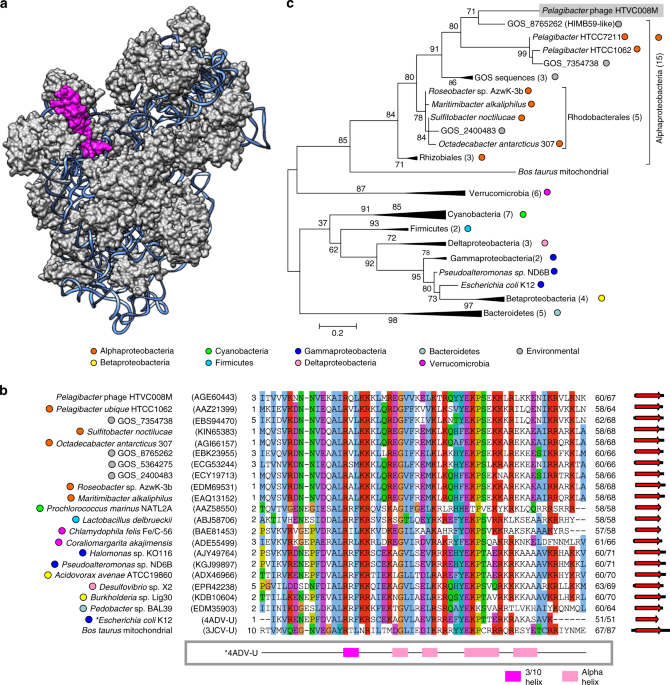
Numerous cultivated and uncultivated viruses encode ribosomal proteins

41467_2019_8672_Fig1_HTML.png


from A via a.sfakia on Inoreader https://go.nature.com/2GqFSov

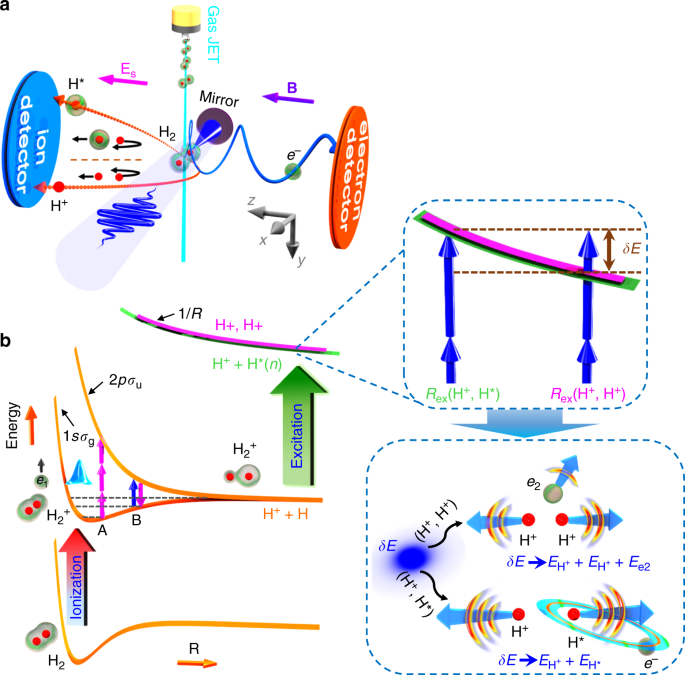
Electron-nuclear correlated multiphoton-route to Rydberg fragments of molecules

41467_2019_8700_Fig1_HTML.png


from A via a.sfakia on Inoreader https://go.nature.com/2IaUuKs

Enhanced photoelectrical response of thermodynamically epitaxial organic crystals at the two-dimensional limit

41467_2019_8573_Fig1_HTML.png


from A via a.sfakia on Inoreader https://go.nature.com/2Grsdxs

Dyke intrusion between neighbouring arc volcanoes responsible for 2017 pre-eruptive seismic swarm at Agung


from A via a.sfakia on Inoreader https://go.nature.com/2Ida5ZZ

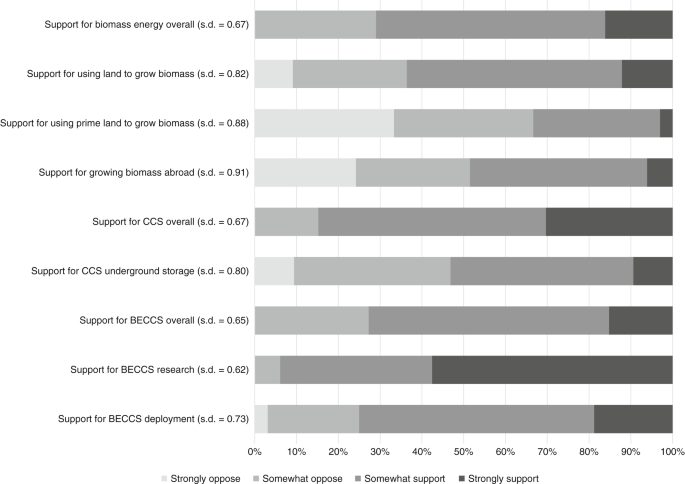
Perceptions of bioenergy with carbon capture and storage in different policy scenarios

41467_2019_8592_Fig1_HTML.png


from A via a.sfakia on Inoreader https://go.nature.com/2GqFKW3

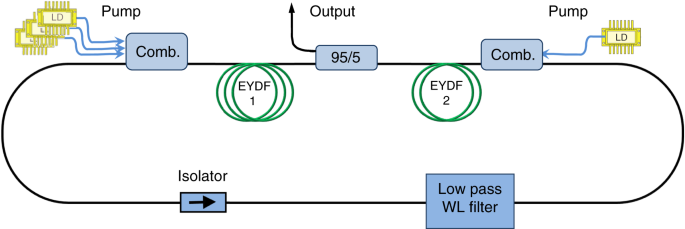
Bose–Einstein condensation of photons in an erbium–ytterbium co-doped fiber cavity

41467_2019_8527_Fig1_HTML.png


from A via a.sfakia on Inoreader https://go.nature.com/2IbDJ1F

The adsorption behavior of multiple contaminants like heavy metal ions and p-nitrophenol on organic-modified montmorillonite

Abstract

Stearyl trimethyl ammonium chloride (STAC) and ethylenediamine (En) were successfully implanted into montmorillonite (MMt) interlayer to fabricate the novel adsorbent STAC-En-MMt for the simultaneous adsorption of Cu2+, Zn2+, and p-nitrophenol (PNP). X-ray diffraction, Fourier transform infrared spectroscopy, scanning electron microscopy, elemental analyzer, zeta potential analyzer, inductively coupled plasma mass spectrometry, and UV–visible spectrophotometer were used to investigate the microstructure characteristics of STAC-En-MMt and their adsorption capacity of target contaminants. Four factors such as pH, the molar ratio between En and STAC (REn/STAC), the adsorption time (ATime), and the adsorption temperature (ATemp) were selected to investigate the adsorption capacities of Cu2+, Zn2+, and PNP onto STAC-En-MMt in ternary solution. The results indicated that the total simultaneous adsorption of Cu2+, Zn2+, and PNP onto STAC-En-MMt adsorbent with REn/STAC = 0.75 reached up to 260.27 mmol·kg−1 under the condition of pH = 6, ATemp = 40 °C, and ATime = 60 min. After three regenerations, there was still a good performance in the adsorption of STAC-En-MMt. The Langmuir adsorption isotherm indicated that the adsorption of heavy metals and PNP onto adsorbents were single-layer surface adsorption. Nonlinear adsorption kinetics simulation indicated that chemical adsorption occupied a predominant position in Cu2+ and Zn2+ adsorption, while PNP adsorption depended on physical adsorption. Compared with Zn2+, Cu2+ had higher affinity for the adsorption sites on STAC-En-MMt. However, the pore blocking caused by the Cu2+ and Zn2+ adsorption had a remarkably adverse effect on PNP adsorption.


from Energy Ecology Environment Ambio via Terpsi Hori on Inoreader http://bit.ly/2tlW0yQ

Novel Hybrid Dextran-Gadolinium Nanoparticles as High-relaxivity T1 Magnetic Resonance Imaging Contrast Agent for Mapping the Sentinel Lymph Node

Objectives To assess the applicability of a novel hybrid dextran-gadolinium nanoparticles (NPs) as high-relaxivity T1 magnetic resonance imaging (MRI) contrast agent for mapping the sentinel lymph node (SLN). Methods Dextran-bis-acrylamide-polyacrylic acid (Dex-MBA-PAA) NPs were synthesized through a self-assembly assisted approach and complexed with multiple chelated gadolinium (Gd) (III) ions. After their characterization was validated, they were used to mapping SLNs by MRI in Wistar rats, and their biosafety was evaluated. Results Dextran-MBA-polyacrylic acid-Gd NPs have suitable particle size and much higher longitudinal relaxivity (r1) than that of commonly used clinical MRI contrast agents (eg, gadopentetic acid dimeglumine salt injection). The in vivo T1-weighted MRI results revealed their effectiveness at mapping SLNs. And their biological safety was also verified. Conclusions Dextran-MBA-polyacrylic acid-Gd NPs were synthesized and validated by in vitro and in vivo experiments for their ability to visualize SLNs by MRI with accurate positioning and excellent biosafety, and they have great potential for clinical SLN mapping. Received for publication September 2, 2018; accepted December 10, 2018. Correspondence to: Shengli Li, MD, PhD and Tingting Dai, MD, PhD, Department of Plastic and Reconstructive Surgery, Shanghai Ninth People's Hospital, Shanghai Jiao Tong University School of Medicine, 639 Zhi Zao Ju Road, Shanghai 200011, People's Republic of China (e-mail: drshenglili@163.com and dtt237000@163.com); Hongjing Dou, PhD, The State Key Laboratory of Metal Matrix Composites, School of Materials Science and Engineering, Shanghai Jiao Tong University, 800 Dong Chuan Road, Shanghai 200240, China (e-mail: hjdou@sjtu.edu.cn). This work was supported by the National Natural Science Foundation of China (81371700,81501571). The authors declare no conflict of interest. B.L., H.W., and Q.L. contributed equally to this work. Copyright © 2019 Wolters Kluwer Health, Inc. All rights reserved.

from A via a.sfakia on Inoreader http://bit.ly/2N5OyBb

Volume Computed Tomography Perfusion Imaging: Evaluation of the Significance in Oncologic Follow-up of Metastasizing Renal Cell Carcinoma in the Early Period of Targeted Therapy — Preliminary Results

Introduction The aim of this study was to assess the significance of volume computed tomography perfusion imaging of metastasizing renal cell carcinoma (mRCC) in the early period after the initiation of targeted therapy. Methods Blood flow (BF), blood volume, and clearance (CL) were calculated in 10 patients with histologically verified mRCC before and 1 month after initiation of targeted therapy using compartmental analysis algorithms. In addition, the longest diameter of tumor was measured for both time points and compared. Correlation test was performed between perfusion parameters and size changes with time to progression (TTP). Results Blood flow and CL were significantly lower after therapy initiation, whereas blood volume and the long diameter remained unchanged. Median values before and after 4 weeks of therapy were 144.2 versus 99.4 mL/min/100 mL for BF (P = 0.009) and 115.5 versus 46.8 mL/min/100 mL for CL (P = 0.007). Changes in BF and CL showed very strong negative correlation with TTP (r = −0.838, P = 0.009 and r = −0.826, P = 0.011, respectively). Conclusions Our preliminary study results indicate that volume computed tomography perfusion may assess targeted therapy response of mRCC earlier than the currently used Response Evaluation Criteria in Solid Tumors. In addition, changes in BF and CL may be a promising parameter for prediction of TTP. Received for publication June 29, 2018; accepted December 19, 2018. Correspondence to: Helmut Schoellnast, MD, Division of General Radiological Diagnostics, Department of Radiology, Medical University of Graz, Auenbruggerplatz 9, Graz A-8036, Austria (e-mail: helmut.schoellnast@medunigraz.at); or Marija Balic, MD, Division of Oncology, Department of Medicine, Medical University of Graz, Auenbruggerplatz 15, A-8036 Graz, Austria (e-mail: marija.balic@medunigraz.at). Author Contributions: Conception and design: All authors. Acquisition of data: HS. Analysis and interpretation of data: AV, HS. Drafting the manuscript: AV. Revising the manuscript critically for important intellectual content: HD, MB, HS. The authors declare no conflict of interest. The study has been approved by the ethic committee of the Medical University of Graz. Patients' informed consent was obtained. The data sets used and/or analyzed during the current study are available from the corresponding author on reasonable request. All authors gave final approval of the version to be published. Copyright © 2019 Wolters Kluwer Health, Inc. All rights reserved.

from A via a.sfakia on Inoreader http://bit.ly/2SPiA1i

Evaluation of Adaptive Statistical Iterative Reconstruction-V Reconstruction Algorithm vs Filtered Back Projection in the Detection of Hypodense Liver Lesions: Reader Performance and Preferences

Objective The aim of the study was to evaluate diagnostic accuracy and readers' experience in the detection of focal liver lesions on computed tomography with Adaptive Statistical Iterative Reconstruction-V (ASIR-V) reconstruction compared with filtered back projection (FBP) scans. Methods Fifty-five patients with liver lesions had FBP and ASIR-V scans. Two radiologists independently reviewed both sets of computed tomography scans, identifying and characterizing liver lesions. Results Adaptive Statistical Iterative Reconstruction-V scans had a reduction in dose length product (P

from A via a.sfakia on Inoreader http://bit.ly/2N5NVYl

Spectral Computed Tomography Imaging in the Differential Diagnosis of Lung Cancer and Inflammatory Myofibroblastic Tumor

Objective The aim of this study was to explore the value of spectral computed tomography (CT) imaging in differentiating lung cancer from inflammatory myofibroblastic tumor (IMT). Methods One hundred twelve patients with 96 lung cancers and 16 IMTs underwent spectral CT during arterial phase (AP) and venous phase (VP). The normalized iodine concentration in AP (NICAP) and VP (NICVP), slope of spectral Hounsfield unit curve in AP (λAP) and VP (λVP), and normalized iodine concentration difference between AP and VP (ICD) were calculated. The 2-sample t test compared quantitative parameters. Two readers qualitatively assessed lesion types according to imaging features. Receiver operating characteristic curves were generated to calculate sensitivity and specificity. Sensitivity and specificity of the qualitative and quantitative studies were compared. Results The patients with IMT had significantly higher NICAP, NICVP, λAP, λVP, and ICD than did the patients with lung cancer (P

from A via a.sfakia on Inoreader http://bit.ly/2S2es9L

Does the Tube Voltage Affect the Characterization of Coronary Plaques on 100- and 120-kVp Computed Tomography Scans

Objective The aim of this study was to compare the diagnostic performance of 100- and 120-kVp coronary computed tomography (CT) angiography (CCTA) scans for the identification of coronary plaque components. Methods We included 116 patients with coronary plaques who underwent CCTA and integrated backscatter intravascular ultrasound studies. On 100-kVp scans, we observed 24 fibrous and 24 fatty/fibrofatty plaques; on 120-kVp scans, we noted 27 fibrous and 41 fatty/fibrofatty plaques. We compared the fibrous and the fatty/fibrofatty plaques, the CT number of the coronary lumen, and the radiation dose on scans obtained at 100 and 120 kVp. We also compared the area under the receiver operating characteristic (ROC) curve of the coronary plaques on 100- and 120-kVp scans with their ROC curves on integrated backscatter intravascular ultrasound images. Results The mean CT numbers of fatty and fatty/fibrofatty plaques were 5.71 ± 36.5 and 76.6 ± 33.7 Hounsfield units (HU), respectively, on 100-kVp scans; on 120-kVp scans, they were 13.9 ± 29.4 and 54.5 ± 22.3 HU, respectively. The CT number of the coronary lumen was 323.1 ± 81.2 HU, and the radiation dose was 563.7 ± 81.2 mGy-cm on 100-kVp scans; these values were 279.3 ± 61.8 HU and 819.1 ± 115.1 mGy-cm on 120-kVp scans. The results of ROC curve analysis identified 30.5 HU as the optimal diagnostic cutoff value for 100-kVp scans (area under the curve = 0.93, 95% confidence interval = 0.87–0.99, sensitivity = 95.8%, specificity = 78.9%); for 120-kVp plaque images, the optimal cutoff was 37.4 HU (area under the curve = 0.87, 95% confidence interval = 0.79–0.96, sensitivity = 82.1%, specificity = 85.7%). Conclusions For the discrimination of coronary plaque components, the diagnostic performance of 100- and 120-kVp CCTA scans is comparable. Received for publication November 2, 2018; accepted December 15, 2018. Correspondence to: Takanori Masuda, PhD, Department of Radiological Technology, Tsuchiya General Hospital, Nakajima-cho 3-30, Naka-ku, Hiroshima 730-8655, Japan (e-mail: takanorimasuda@yahoo.co.jp). The authors declare no conflict of interest. Copyright © 2019 Wolters Kluwer Health, Inc. All rights reserved.

from A via a.sfakia on Inoreader http://bit.ly/2SVGnMW

Apparent Diffusion Coefficient of the Placenta and Fetal Organs in Intrauterine Growth Restriction

Purpose This study aimed to assess apparent diffusion coefficient (ADC) of the placenta and fetal organs in intrauterine growth restriction (IUGR). Materials and methods A prospective study of 30 consecutive pregnant women (aged 21–38 years with mean age of 31.5 years and a mean gestational week of 35 ± 2.3) with IUGR and 15 age-matched pregnant women was conducted. All patients and controls underwent diffusion-weighted magnetic resonance imaging. The ADCs of the placenta and fetal brain, kidney, and lung were calculated and correlated with neonates needing intensive care unit (ICU) admission. Results There was a significant difference in ADC of the placenta and fetal brain, lung, and kidney (P = 0.001, 0.001, 0.04, and 0.04, respectively) between the patients and the controls. The cutoff ADCs of the placenta and fetal brain, lung, and kidney used to detect IUGR were 1.45, 1.15, 1.80, and 1.40 × 10⁻³ mm2/s, respectively, with areas under the curve (AUCs) of 0.865, 0.858, 0.812, and 0.650, respectively, and accuracy values of 75%, 72.5%, 72.5%, and 70%, respectively. Combined ADC of the placenta and fetal organs used to detect IUGR revealed an AUC of 1.00 and an accuracy of 100%. There was a significant difference in ADC of the placenta and fetal brain, lung, and kidney between neonates needing admission and those not needing ICU admission (P = 0.001, 0.001, 0.002, and 0.002, respectively). The cutoff ADCs of the placenta and fetal brain, lung, and kidney used to define neonates needing ICU were 1.35, 1.25, 1.95, and 1.15 × 10⁻³ mm2/s with AUCs of 0.955, 0.880, 0.884, and 0.793, respectively, and accuracy values of 86.7%, 46.7%, 76.7%, and 70%, respectively. Combined placental and fetal brain ADC used to define neonates needing ICU revealed an AUC of 0.968 and an accuracy of 93.3%. Conclusion Combined ADC of the placenta and fetal organs can detect IUGR, and combined ADC of the placenta and fetal brain can define fetuses needing ICU. Received for publication October 3, 2018; accepted December 14, 2018. Correspondence to: Ahmed Abdel Khalek Abdel Razek, MD, Department of Diagnostic Radiology, Mansoura Faculty of Medicine, Mansoura 13551, Egypt (e-mail: arazek@mans.edu.eg). The authors declare no conflict of interest. Copyright © 2019 Wolters Kluwer Health, Inc. All rights reserved.

from A via a.sfakia on Inoreader http://bit.ly/2N5NNrP

Lesser Known Facts of Small Cell Lung Cancer

Until recently, the treatment of small cell lung cancer (SCLC), a malignancy classically described as having a robust response to first-line therapy with near-universal recurrence, has remained relatively unchanged. Advancements in the management of SCLC have lagged behind those seen for non–small cell lung cancers. As the era of precision medicine and targeted immunotherapy evolves, radiologists must be familiar with the modern treatment paradigms of SCLC and associated imaging patterns, including classic and nonclassic appearances of treatment complications. Received for publication December 16, 2018; accepted December 17, 2018. Correspondence to: Daniel Arnold Smith, MD, University Hospitals–Cleveland Medical Center, 11100 Euclid Ave, Cleveland, OH 44106 (e-mail: Daniel.Smith3@UHhospitals.org). The authors declare no conflict of interest. Copyright © 2019 Wolters Kluwer Health, Inc. All rights reserved.

from A via a.sfakia on Inoreader http://bit.ly/2SOi17X

Comparison of Cone-Beam Computed Tomography and Multislice Computed Tomography in the Assessment of Extremity Fractures

Objectives The aims of this study were to evaluate the agreement between cone-beam computed tomography (CBCT) and multislice computed tomography for the characterization of extremity fractures and to compare image quality, radiation dose, and patient tolerance. Methods Thirty-six patients with suspected fracture affecting distal extremities or who required preoperative fracture assessment were enrolled prospectively. Each patient underwent CBCT and multislice computed tomography the same day. Both examinations were evaluated independently twice by 2 trained radiologists using the Müller AO classification for fracture characterization. Results Cohen κ coefficient for agreement between the imaging techniques was almost perfect for fracture characterization, κ = 0.94 [95% confidence interval, 0.91–0.98]. There was substantial to almost perfect agreement for secondary findings. Cone-beam computed tomography was well tolerated and significantly less irradiant and had better subjective image. Conclusions An excellent agreement between both imaging techniques was found. This confirms the ability of CBCT to assess fractures and its potential in the management of patients with distal limb trauma. Received for publication September 24, 2018; accepted November 27, 2018. Correspondence to: Jean-Baptiste Pialat, MD, PhD, Service de Radiologie, Centre Hospitalier Lyon-Sud, 165 Chemin du Grand Revoyet, 69310 Pierre-Bénite, France (e-mail: Jean-baptiste.pialat@chu-lyon.fr). Research collaborative agreement was made between Hospices Civils de Lyon and SiTech Company for the provision of the Newtom5G CBCT scanner during the time of this study. The authors declare no conflict of interest. Copyright © 2019 Wolters Kluwer Health, Inc. All rights reserved.

from A via a.sfakia on Inoreader http://bit.ly/2N4xfjJ

Kinematic Analysis of the Distal Radioulnar Joint in Asymptomatic Wrists Using 4-Dimensional Computed Tomography–Motion Pattern and Interreader Reliability

Purpose The aim of this study was to determine the normal measurement values and interobserver performance of the distal radioulnar joint during wrist pronation-supination using 4-dimensional computed tomography (CT). Methods Four-dimensional CT examinations were performed on the asymptomatic contralateral wrists of 10 patients with unilateral chronic wrist pain. Measurements were conducted using the modified radioulnar (mRU) line and epicenter (Epi) methods. Volar subluxation of the ulnar head was demonstrated with negative values. Wilcoxon rank sum test was used to determine the measurement changes. Interobserver agreements were assessed using interclass correlation coefficients. Results In pronation, mRU line measurements (median, 0.09; interquartile range, 0–0.15) were significantly larger than in supination (median, −0.1; interquartile range, −0.18 to 0; P = 0.008).The Epi measurements were not significantly different in pronation (median, 0.03; interquartile range, 0.01–0.07) and supination (median, 0.06; interquartile range, 0.01–0.1; P = 0.799). There was an excellent inter-observer agreement between the two readers using mRU and Epi methods in pronation (0.982, 0.898), midpoint (0.994, 0.827) and supination (0.989, 0.972) positions, respectively. Conclusions Using 4-dimensional CT examination, distal radioulnar joint kinematics in asymptomatic wrists demonstrate excellent interobserver agreements with increased volar ulnar subluxation with supination as detected using mRU, but not the Epi method. Received for publication May 8, 2018; accepted October 12, 2018. Correspondence to: Shadpour Demehri, MD, Russell H. Morgan Department of Radiology and Radiological Sciences, Johns Hopkins University, 601 N Caroline St, JHOC 4240, Baltimore, MD 21287 (e-mail: demehri2001@yahoo.com). The authors declare no conflict of interest. Copyright © 2019 Wolters Kluwer Health, Inc. All rights reserved.

from A via a.sfakia on Inoreader http://bit.ly/2SOP63x

Is Chest Computed Tomography Always Necessary Following Nephrectomy for Renal Cell Carcinoma? A Pilot Study in Single Tertiary Institution

Purpose We evaluated patterns of thoracic recurrence from renal cell carcinoma (RCC) following nephrectomy as a pilot study. Methods Data of consecutive 39 patients who had recurrent RCC in the abdomen or thorax following curative nephrectomy were evaluated. Recurrence sites were analyzed with abdomen and chest computed tomography (CT), or positron emission tomography/CT. All patients had no metastasis before initial nephrectomy. Recurrence was classified into 3 types according to the site of initially detected recurrence: (a) abdomen-only type, (b) abdomen and thorax type, and (c) thorax-only type. Vertebral level of recurrence site in the thorax-only level was investigated. University of California Los Angeles–Integrated Staging System was utilized for risk stratification (eg, low, intermediate, and high-risk). Results Rate of intermediate or high risk was 89.7% (37/39). Rate of thoracic recurrence, regardless of concurrent abdominal recurrence, was 71.8% (28/39). Rate of thorax-only type was 53.8% (21/39). In thorax-only type, median vertebral level of recurrence site was T10 (range, T3–T12), and no patient with low risk had metastasis above the T10 level alone. In intermediate or high risk, 89.2% (33/37) had at least a recurrent lesion at the level of T7 or lower. Conclusions In low-risk patients, upper thoracic recurrence alone may be very rare after curative surgery. In majority of intermediate- or high-risk patients, initial recurrence may occur in the abdomen or lower thorax, which indicates abdomen CT covering T7 level may be an effective tool for postoperative follow-up in RCC. Received for publication September 18, 2018; accepted December 10, 2018. Correspondence to: Sung Yoon Park, MD, Department of Radiology, Yonsei University College of Medicine, 50 Yonsei-ro, Seodaemun-gu, Seoul 120-752, Republic of Korea (e-mail: sungyoon.park@samsung.com; yoonio78@naver.com). The authors declare no conflict of interest. Copyright © 2019 Wolters Kluwer Health, Inc. All rights reserved.

from A via a.sfakia on Inoreader http://bit.ly/2X4o4V5

Tree-ring isotopes capture interannual vegetation productivity dynamics at the biome scale


from A via a.sfakia on Inoreader https://go.nature.com/2BAeU9L

Retrospective model-based inference guides model-free credit assignment

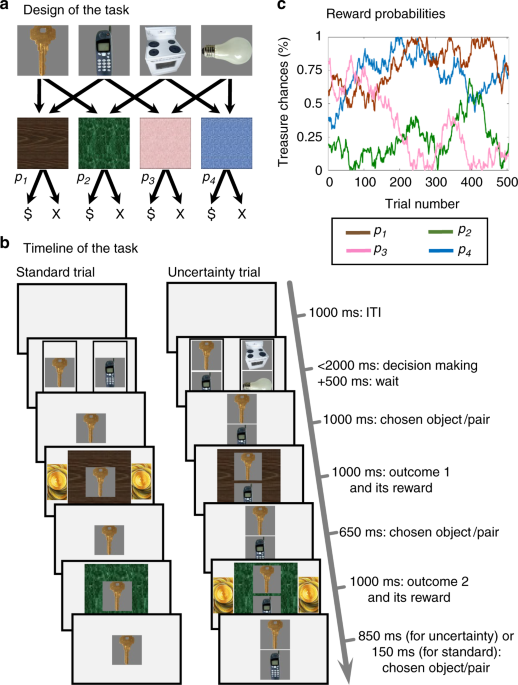
41467_2019_8662_Fig1_HTML.png


from A via a.sfakia on Inoreader https://go.nature.com/2TL6F1z

Author Correction: Precise control of SCRaMbLE in synthetic haploid and diploid yeast


from A via a.sfakia on Inoreader https://go.nature.com/2TPDoTt

On‐surface synthesis of ethynylene bridged anthracene polymers

Engineering low band gap π‐conjugated polymers is a burgeoning area in basic and applied research. The main synthetic challenge lies in the solubility of the materials during the chemical synthesis which precludes the advance of the field. Here, we report an unprecedented on‐surface synthesis protocol to overcome such difficulties, being able to design poly(p‐anthracene ethynylene) molecular wires on an Au(111) surface. To this aim, a quinoid anthracene precursor endowed with =CBr2 moieties is deposited and annealed to 400 K resulting in anthracene‐based polymers, with a measured electronic bandgap of 1.5 eV. High‐resolution non‐contact atomic force microscopy with a CO functionalized tip unambiguously corroborates the nature of the ethynylene bridge bond between anthracene moieties. Complementary theoretical simulations of the reaction pathways illustrate the mechanism of the chemical reaction, highlighting three major steps: dehalogenation, diffusion of surface‐stabilized carbenes, and homocoupling enabling the formation of an ethynylene bridge. Our results introduce a ground‐breaking chemical protocol to design π‐conjugated polymers based on oligoacene precursors and pave new avenues for advancing the emerging field of on‐surface synthesis.


from A via a.sfakia on Inoreader http://bit.ly/2tihJrE

Structure of an archaeal B‐family DNA polymerase in complex with a chemically modified nucleotide

Archaeal B‐family DNA polymerases (DNA pols) are the driving force of cutting edge biotechnological applications like next‐generation sequencing. The acceptance of chemically modified nucleotides by the DNA pols is key to these technologies. By now, no structural data are available for these DNA pols in complex with modified substrates which could build the basis for understanding interactions between the enzyme and the chemical modification and for further development of next generation nucleotides. For the first time we crystallized an exonuclease deficient variant of B‐family KOD DNA pol wild‐type with a modified nucleotide in a closed, ternary complex. We also crystalized the A‐family DNA pol KlenTaq with the same nucleotide. The reported structural data elucidates how the protein and the DNA modulate two distinct conformations of the modification in the A‐ and B‐family DNA pols and how these influence the processing of the modified nucleotide. Overall, this study provides first insights on how B‐family DNA pols interplay with relevant modified substrates.


from A via a.sfakia on Inoreader http://bit.ly/2GJHAR5

C3 segmental vertebral artery diagnosed by computed tomography angiography

Abstract

Extremely rarely, the vertebral artery (VA) enters the subarachnoid space via the intervertebral space of the C2–3 vertebrae. We have identified three cases with this anomalous VA in the literature. We report here another case involving aberrant VA penetration of the dura at the C2–3 vertebral level diagnosed by computed tomography (CT) angiography. A 71-year-old-woman with memory disturbance underwent brain CT and CT angiography. The right VA was aberrant and penetrated the dura at the C1–2 vertebral level. On the left side, the VA penetrated the dura at the C2–3 vertebral level. To our knowledge, this anomalous VA is the first case of C3 segmental VA diagnosed by CT angiography. To prevent VA injury, it is important to identify this variation before performing a posterior fusion of the cervical vertebrae.


from A via a.sfakia on Inoreader http://bit.ly/2tloyZm

Principal investigators are people, too


from A via a.sfakia on Inoreader https://go.nature.com/2SPCn0p

One couple, two cities: How to handle an international career move


from A via a.sfakia on Inoreader https://go.nature.com/2N6czbf

Superselective renal artery embolization for bleeding complications after percutaneous renal biopsy: a single-center experience

Journal of International Medical Research, Ahead of Print.


from A via a.sfakia on Inoreader http://bit.ly/2SICDyz

The stromal cell-derived factor-1 α (SDF-1α)/cysteine-X-cysteine chemokine receptor 4 (CXCR4) axis: a possible prognostic indicator of acute ischemic stroke

Journal of International Medical Research, Ahead of Print.


from A via a.sfakia on Inoreader http://bit.ly/2N2OfqP

Auditory Evoked Responses in Older Adults With Normal Hearing, Untreated, and Treated Age-Related Hearing Loss

Objectives: The goal of this study was to identify the effects of auditory deprivation (age-related hearing loss) and auditory stimulation (history of hearing aid use) on the neural registration of sound across two stimulus presentation conditions: (1) equal sound pressure level and (2) equal sensation level. Design: We used a between-groups design, involving three groups of 14 older adults (n = 42; 62 to 84 years): (1) clinically defined normal hearing (≤25 dB from 250 to 8000 Hz, bilaterally), (2) bilateral mild–moderate/moderately severe sensorineural hearing loss who have never used hearing aids, and (3) bilateral mild–moderate/moderately severe sensorineural hearing loss who have worn bilateral hearing aids for at least the past 2 years. Results: There were significant delays in the auditory P1-N1-P2 complex in older adults with hearing loss compared with their normal hearing peers when using equal sound pressure levels for all participants. However, when the degree and configuration of hearing loss were accounted for through the presentation of equal sensation level stimuli, no latency delays were observed. These results suggest that stimulus audibility modulates P1-N1-P2 morphology and should be controlled for when defining deprivation and stimulus-related neuroplasticity in people with hearing loss. Moreover, a history of auditory stimulation, in the form of hearing aid use, does not appreciably alter the neural registration of unaided auditory evoked brain activity when quantified by the P1-N1-P2. Conclusions: When comparing auditory cortical responses in older adults with and without hearing loss, stimulus audibility, and not hearing loss–related neurophysiological changes, results in delayed response latency for those with age-related hearing loss. Future studies should carefully consider stimulus presentation levels when drawing conclusions about deprivation- and stimulation-related neuroplasticity. Additionally, auditory stimulation, in the form of a history of hearing aid use, does not significantly affect the neural registration of sound when quantified using the P1-N1-P2–evoked response. Supplemental digital content is available for this article. Direct URL citations appear in the printed text and are provided in the HTML and text of this article on the journal's Web site (www.ear-hearing.com). ACKNOWLEDGMENTS: The authors thank Dr. Christopher Bishop for his technical advice and support; Drs. Michael Lee and Ashley Moore and Brain and Behavior Lab members Drs. Cornetta Mosley, Janice Vong, and Lauren Langley for assistance with participant recruitment and data collection. K.S.M designed and performed experiments, analyzed data, and wrote the article; K.C.B performed experiments, analyzed data, and wrote the article; K.L.T assisted in the design of the experiments and wrote the article. This work was supported by grants T32-DC005361 (to K.S.M. and K.C.B) and F30-DC10297 (to K.S.M.) from NIH and grant from American Academy of Audiology Student Investigator Research Grant (to K.S.M.). Kelly L. Tremblay is on the board of trustrees for the Hearing Loss Association of America and is the founder of Lend an Ear. The other authors have no conflicts of interest to disclose. Portions of this article were presented at the 7th International and Interdisciplinary Research Conference on Aging and Speech Communication, November 6, 2017, Tampa, FL, and the 41st Annual MidWinter Meeting of the Association for Research in Otolaryngology, February 12, 2018. Received January 15, 2018; accepted December 7, 2018. Address for correspondence: Katrina (Kate) S. McClannahan, Department of Psychological and Brain Sciences, Washington University in St. Louis, 1 Brookings Dr, Campus Box 1125, St. Louis, MO 63130, USA. E-mail: k.mcclannahan@wustl.edu Copyright © 2019 Wolters Kluwer Health, Inc. All rights reserved.

from A via a.sfakia on Inoreader http://bit.ly/2Gor61B

Neurophysiological Differences in Emotional Processing by Cochlear Implant Users, Extending Beyond the Realm of Speech

Objective: Cochlear implants (CIs) restore a sense of hearing in deaf individuals. However, they do not transmit the acoustic signal with sufficient fidelity, leading to difficulties in recognizing emotions in voice and in music. The study aimed to explore the neurophysiological bases of these limitations. Design: Twenty-two adults (18 to 70 years old) with CIs and 22 age-matched controls with normal hearing participated. Event-related potentials (ERPs) were recorded in response to emotional bursts (happy, sad, or neutral) produced in each modality (voice or music) that were for the most part correctly identified behaviorally. Results: Compared to controls, the N1 and P2 components were attenuated and prolonged in CI users. To a smaller degree, N1 and P2 were also attenuated and prolonged in music compared to voice, in both populations. The N1–P2 complex was emotion-dependent (e.g., reduced and prolonged response to sadness), but this was also true in both populations. In contrast, the later portion of the response, between 600 and 850 ms, differentiated happy and sad from neutral stimuli in normal hearing but not in CI listeners. Conclusions: The early portion of the ERP waveform reflected primarily the general reduction in sensory encoding by CI users (largely due to CI processing itself), whereas altered emotional processing (by CI users) could be found in the later portion of the ERP and extended beyond the realm of speech. ACKNOWLEDGMENTS: We thank Duha Ahmed, Frederik Desaulniers, Simon Rigoulot, and Isabelle Peretz for their help. M.D. designed the experiments, collected the data, analyzed the data, and wrote up the article. M.F. helped with EEG recording. S.P. helped develop the rationale and with the selection of the MAV and MEB stimuli. A.Z. worked on the conceptualization of the research program. A.L. developed the rationale, worked with MD on experimental design, and contributed to article writing. This study was supported by a grant from the Grammy Foundation (to A.L.). The funders had no role in study design, data collection and analysis, decision to publish, or preparation of the article. We are grateful to all the participants for their time and effort, as well as the Institut Raymond-Dewar and the MAB-Mackay center for their help in recruiting CI users. The authors have no conflicts of interest to disclose. Received August 9, 2018; accepted December 12, 2018. Address for correspondence: Mickael L. D. Deroche, Department of Otolaryngology–Head and Neck Surgery, McGill University, 1001 Decarie Blvd, Montreal, H3G 2A8, Canada. E-mail: mickael.deroche@mcgill.ca Copyright © 2019 Wolters Kluwer Health, Inc. All rights reserved.

from A via a.sfakia on Inoreader http://bit.ly/2IbW5zn

Field-aged biochar reduces the greenhouse gas balance in a degraded vegetable field treated by reductive soil disinfestation

Abstract

Reductive soil disinfestation (RSD) is proposed as a pre-plant, non-chemical soil disinfestation technique to control several soilborne phytosanitary issues. However, limited information is available on the evaluation of greenhouse gas (GHG) balance and soil quality during the soil remediation process as affected by RSD method. A 44-day field experiment including four different treatments was conducted to investigate the effects of conventional RSD and field-aged biochar-amended RSD on GHG balance and soil quality in a degraded vegetable field. Results showed that the conventional RSD application can significantly decrease the soil nitrate (NO3) concentrations and electrical conductivity (EC) and oxidation-reduction potential (Eh) by 51.4–67.3%, 5.3–23.6%, and 10.9–15.1%, respectively, while significantly increase soil pH and cation exchange capacity (CEC) by 0.37–0.42 units and 7.8–32.2%, respectively, in relation to the control (CK). Compared with the conventional RSD treatment, aged biochar-amended RSD significantly reduced soil NO3 concentrations, EC and Eh. No significant differences on CH4 emissions were observed among all the treatments during the experimental period. However, the conventional RSD application significantly increased the cumulative nitrous oxide (N2O) and carbon dioxide (CO2) emissions by 66.2–124.7% and 64.3–130.0%, respectively, and thus resulted in a significant GHG balance of 64.1–130.1% in relation to the CK. On the contrary, although resulted in more N2O emissions compared with the conventional RSD treatment, aged biochar-amended RSD significantly reduced the cumulative CO2 emissions and thus had an overall decrease in GHG balance by 20.7–28.7%. Therefore, aged biochar-amended RSD can simultaneously achieve lower GHG balance and better improvement of soil quality in degraded vegetable field, and thus can be utilized as an effective technology for soil remediation in intensive vegetable production.


from Energy Ecology Environment Ambio via Terpsi Hori on Inoreader http://bit.ly/2Gv8DR5

Ability to control directional lip‐closing force during voluntary lip pursing in healthy young adults

Abstract

Background

It is considered important to evaluate the ability to control lip‐closing force (LCF).

Objective

This study aimed to investigate the ability to control directional LCF.

Methods

The experimental system included an apparatus developed to measure LCF during lip pursing in eight directions (upper, lower, right, left and the four directions in between) and a display showing the exerted LCF and a target value in each direction in real time. Twenty subjects (10 males and 10 females) were instructed to maintain the LCF at a specific target value using visual feedback. Based on our preliminary experiments, the target value was set as 50% of the maximum LCF, and the range was set at the target value ± 8%. The accuracy rate was defined as the ratio of the matched time, in which the subject was able to keep the LCF in the target range, to the total 3 seconds.

Results

The accuracy rate of males was higher than in females in the lower, lower left, and lower right directions. The accuracy rate of the directional LCF differed significantly depending on the direction. In assessing the accuracy rate for each directional LCF, the rates of upper and lower directional LCF were significantly higher than that of oblique directional LCF. No significant relationship was observed between the accuracy rate and the maximum LCF except for one direction in male subjects.

Conclusions

Our findings suggest that the ability to control directional LCF is affected by sex and the force direction.

This article is protected by copyright. All rights reserved.


from A via a.sfakia on Inoreader http://bit.ly/2V09vAi

Selenium enhances Conyza canadensis phytoremediation of polycyclic aromatic hydrocarbons in soil

Abstract

Purpose

To determine whether supplemental selenium (Se) enhances the tolerance of Conyza canadensis (C. canadensis) to polycyclic aromatic hydrocarbons (PAHs) and thereby accelerates PAH dissipation in soils.

Materials and methods

We examined the dissipation of different concentrations of two PAHs, phenanthrene (PHE) and pyrene (PYR), from contaminated soils after 60 days of growth of C. canadensis supplemented with or without a low level of Se (0.5 mg kg−1) in a pot culture experiment. PAH concentrations were 0, 50, 200, and 800 mg kg−1. Response variables included plant biomass, PAH accumulation in plants, soil microbial biomass carbon (MBC), root morphogenesis, antioxidant enzyme activity, and PHE/PYR dissipation.

Results and discussion

Plant biomass and root morphogenesis decreased with increasing PAH concentration, whereas malondialdehyde concentration, an indicator of oxidative stress, increased. Catalase activity, total superoxide dismutase activity, MBC, and the PAH dissipation ratio all increased with increasing PAH concentration until 800 mg kg−1. Se supplementation of soil increased the tolerance of C. canadensis to PAHs and significantly increased PAH phytoremediation after 60 days of plant growth. The PHE dissipation ratios with and without Se supplementation were 57 ± 3% and 28 ± 8%, respectively, and PYR dissipation ratios were 30 ± 7% and 24 ± 8%. The increase in the PAH dissipation ratio with Se supplementation was largest in PHE-contaminated soils at 800 mg kg−1.

Conclusions

A low concentration of supplemental Se in soil enhances the dissipation of PHE and PYR by C. canadensis. This enhancement is due to an increased plant tolerance toward PAHs, which results in increased C. canadensis biomass, soil MBC, and decreased plant uptake of PAHs. This study suggests that Se supplementation can contribute to ongoing efforts to develop effective phytoremediation systems for soils contaminated with PAHs.


from Energy Ecology Environment Ambio via Terpsi Hori on Inoreader http://bit.ly/2S48iG0

Τετάρτη 13 Φεβρουαρίου 2019

Pachymeningitis Demonstrated on Gallium SPECT/CT Scan

A 34-year-old woman presented with a 3-month history of right-sided headaches associated with photophobia and pulsatile tinnitus. Investigations including lumbar puncture revealed elevated opening CSF pressure, increased protein, and presence of monocytosis consistent with an inflammatory/infective process. Brain MRI showed an area of thickened enhancing dura around the venous sinus posteriorly. 67Ga scintigraphy demonstrated focal intracranial uptake in the posterior occipital region, and biopsy confirmed a chronic inflammatory infiltrate with no granulomas. Received for publication September 27, 2018; revision accepted December 24, 2018. Conflicts of interest and sources of funding: none declared. Correspondence to: Robert Mansberg, MBBS, FRACP, FAANMS, Department of Nuclear Medicine, Concord Hospital, Concord, 2139 New South Wales, Australia. E-mail: mansberg@usyd.edu.au. Copyright © 2019 Wolters Kluwer Health, Inc. All rights reserved.

from A via a.sfakia on Inoreader http://bit.ly/2S1Ye0i

A Case of Radioactive Iodine Uptake Found in Artificial Eye

Radioactive iodine (RAI) therapy is widely used as an adjunctive treatment in patients with differentiated thyroid cancer. Although 131I has high avidity in the functioning thyroid, and in differentiated thyroid cancer lesions, physiological and nonspecific uptake of 131I in healthy or benign tissue may contribute to false-positive findings on an 131I scan. Here, we present an interesting image of RAI uptake in the eye region post-RAI treatment, which has been identified as tear contamination in the artificial eye. Received for publication October 24, 2018; revision accepted December 25, 2018. Conflicts of interest and sources of funding: none declared. Correspondence to: Young-Sil An, MD, PhD, Department of Nuclear Medicine and Molecular Imaging, School of Medicine, Ajou University, 206, World Cup-ro, Yeongtong-gu, Suwon-si, Gyeonggi-do, Suwon 16499, South Korea. E-mail: aysays77@naver.com. Copyright © 2019 Wolters Kluwer Health, Inc. All rights reserved.

from A via a.sfakia on Inoreader http://bit.ly/2X4SUwK

Multifocal Small Bowel Carcinoid: Evaluation by 68Ga-DOTATATE PET

Carcinoid is a subtype of neuroendocrine tumor, a rare group of tumors that are known to express somatostatin receptor 2. 68Ga-DOTATATE is a somatostatin analog that is specific for somatostatin receptor 2 and therefore allows visualization of neuroendocrine tumors. We present 2 cases of primary multifocal small bowel carcinoid evaluated using 68Ga-DOTATATE PET/CT, along with contrast-enhanced CT corollary findings. Given the increased sensitivity of 68Ga-DOTATATE PET/CT compared with CT and 111In-octreotide scintigraphy, we expect multifocal carcinoid to become increasingly recognized. Received for publication November 21, 2018; revision accepted December 26, 2018. Conflicts of interest and sources of funding: none declared. Correspondence to: Stephen Broski, MD, Department of Radiology, Division of Nuclear Medicine, Mayo Clinic, 200 First Street SW, Rochester, MN 55905. E-mail: Broski.Stephen@mayo.edu. Copyright © 2019 Wolters Kluwer Health, Inc. All rights reserved.

from A via a.sfakia on Inoreader http://bit.ly/2S1gMOb

A Case of Intramuscular Cryptococcosis Mimicking a Malignant Tumor on FDG PET/CT

Intramuscular cryptococcosis is extremely rare. In this case, a 76-year-old man with history of acute myeloid leukemia presented a painful mass in the right upper arm. FDG PET/CT demonstrated a low-density irregular-shaped mass in the triceps muscle of the right upper arm with adjacent bone erosion. The lesion presented with significantly increased activity with an SUVmax of 23.4, which could be misdiagnosed as a malignant tumor. The lesion was confirmed as cryptococcosis by periodic acid–Schiff stain and culture of biopsied specimen. Because cryptococcal infection is treatable, it is important to increase awareness of this hypermetabolic benign lesion in the unusual location. Received for publication November 26, 2018; revision accepted December 20, 2018. Conflicts of interest and sources of funding: none declared. Correspondence to: Kun Tang, MD, The First Affiliated Hospital of Wenzhou Medical University, Xuefu North Road, Wenzhou, Zhejiang, 325000, People's Republic of China. E-mail: kuntang007@163.com. Copyright © 2019 Wolters Kluwer Health, Inc. All rights reserved.

from A via a.sfakia on Inoreader http://bit.ly/2DFdUBt

Meningeal Metastasis Relapse With Focal Involvement of Cranial Bone Flap: A Case Resolved by 18F-DOPA PET/MRI

A 63-year-old woman was referred to our PET/MRI platform to evaluate the possible relapse of a meningeal metastasis, complicating an invasive ductal carcinoma of the left breast. This metastasis was diagnosed on a left hemiparesis and treated by surgery and radiation therapy. One year later, the same symptoms led to another brain MRI examination that found a contrast-enhanced lesion in the operating site. We decided to perform a 18F-DOPA PET/MRI to document this lesion, which confirmed the diagnosis of a probable relapse and revealed a focal uptake on the bone flap. Received for publication December 3, 2018; revision accepted December 18, 2018. Conflicts of interest and sources of funding: none declared. Correspondence to: Nicolas Louarn, MD, SyMPTOm PET/MRI Platform, Nuclear Medicine Department, Henri Mondor University Hospital, AP-HP, 51 Ave, du Maréchal de Lattre de Tassigny, 94000 Créteil, France. E-mail: n.louarn@gmail.com. Copyright © 2019 Wolters Kluwer Health, Inc. All rights reserved.

from A via a.sfakia on Inoreader http://bit.ly/2SwWOQx

Concurrent Pancreatic Metastasis From Lung Adenocarcinoma and Primary Cholangiocarcinoma on FDG PET/CT Imaging

A 67-year-old man with a history of left upper lobe resection of poorly differentiated adenocarcinoma 1 year ago underwent FDG PET/CT for restaging. The images demonstrated a round cystic lesion with peripheral FDG uptake and centrally photopenic region. Additional focus of increased activity was detected in the left lobe of the liver. The patient underwent the Whipple and partial hepatectomy. The surgical pathology demonstrated concurrently the metastasis to the pancreas from the lung adenocarcinoma and a primary moderately differentiated cholangiocarcinoma. Received for publication December 19, 2018; revision accepted December 31, 2018. Conflicts of interest and sources of funding: Jigang Yang was supported by National Natural Science Foundation of China (no. 81771860) and National Key Research and Development Plan (no. 2017YFC0114003). None declared to all other authors. Correspondence to: Jigang Yang, MD, PhD, Department of Nuclear Medicine, Beijing Friendship Hospital of Capital Medical University, 95 Yong An Rd, Xi Cheng District, Beijing 100050, China. E-mail: 13681221974@163.com. Copyright © 2019 Wolters Kluwer Health, Inc. All rights reserved.

from A via a.sfakia on Inoreader http://bit.ly/2DFdStl

Novel Functional Renal PET Imaging With 18F-FDS in Human Subjects

The novel PET probe 2-deoxy-2-18F-fluoro-D-sorbitol (18F-FDS) has demonstrated favorable renal kinetics in animals. We aimed to elucidate its imaging properties in 2 human volunteers. 18F-FDS was produced by a simple 1-step reduction from 18F-FDG. On dynamic renal PET, the cortex was delineated and activity gradually transited in the parenchyma, followed by radiotracer excretion. No adverse effects were reported. Given the higher spatiotemporal resolution of PET relative to conventional scintigraphy, 18F-FDS PET offers a more thorough evaluation of human renal kinetics. Due to its simple production from 18F-FDG, 18F-FDS is virtually available at any PET facility with radiochemistry infrastructure. This is an open access article distributed under the Creative Commons Attribution License 4.0 (CCBY), which permits unrestricted use, distribution, and reproduction in any medium, provided the original work is properly cited. Received for publication November 27, 2018; revision accepted December 31, 2018. Conflicts of interest and sources of funding: This work was supported by the Competence Network of Heart Failure funded by the Integrated Research and Treatment Center of the Federal Ministry of Education and Research, NIH R01-HL131829, and German Research Council (DFG grant HI 1789/3-3). This project has received funding from the European Union's Horizon 2020 research and innovation programme under the Marie Sklodowska-Curie grant agreement no. 701983. None declared to all authors. Correspondence to: Takahiro Higuchi, MD, PhD, Department of Nuclear Medicine, University Hospital Würzburg, Oberdürrbacherstr. 6, 97080 Würzburg, Germany. E-mail: thiguchi@me.com. Copyright © 2019 Wolters Kluwer Health, Inc. All rights reserved.

from A via a.sfakia on Inoreader http://bit.ly/2S1tJYf

99mTc-LLEC Renal Dynamic Scan in a Patient With Pelvic Neuroblastoma

A 5-month-old boy with ultrasonography showing bilateral hydronephrosis, referred for renal scan. On 99mTc-L,L,ethylenedicysteine (99mTc-LLEC) renal scan, tracer blush in flow images in the region of urinary bladder was seen and tumor mass was suspected. Contrast-enhanced CT showed a soft tissue mass in sacrococcygeal region. Histopathological examination of biopsy tissue revealed malignant round cell tumor and immunohistochemistry consistent with neuroblastoma. 131I-MIBG scan revealed uptake in the pelvic mass with no distant metastasis. Received for publication November 11, 2018; revision accepted December 30, 2018. Conflicts of interest and sources of funding: none declared. Correspondence to: Konudula Sreenivasa Reddy, MD, Department of Nuclear Medicine, AIIMS, Room 902, Hostel 18, Masjid Moth Campus, New Delhi, India. E-mail: drksrjipmer@gmail.com. Copyright © 2019 Wolters Kluwer Health, Inc. All rights reserved.

from A via a.sfakia on Inoreader http://bit.ly/2X2kcEb

Inflammatory Activity of Tumoral Calcinosis in a Patient With Fever of Unknown Origin

Unexpected inflammatory activity of tumoral calcinosis periarticular to the shoulders and hips in a man with recurrent fever of unknown origin and dialysis-dependent kidney insufficiency was revealed by FDG PET/CT. In absence of other pathologies, the calcinosis was deemed to be the cause of the fever. An infectious or malignant disease could be ruled out, so further therapeutic steps were enabled. Received for publication August 9, 2018; revision accepted January 2, 2019. Conflicts of interest and sources of funding: none declared. Correspondence to: Martin Freesmeyer, MD, Clinic of Nuclear Medicine, Jena University Hospital, Am Klinikum 1, 07747 Jena, Germany. E-mail: martin.freesmeyer@med.uni-jena.de. Copyright © 2019 Wolters Kluwer Health, Inc. All rights reserved.

from A via a.sfakia on Inoreader http://bit.ly/2S1gBlZ

18F-Choline PET/CT Imaging for Intracranial Hemangiopericytoma Recurrence

We report the case of a 50-year-old man, with previous history of grade 3 intracranial hemangiopericytoma with initial complete surgical resection, addressed for local recurrence. Surgical revision performed 18 months after initial surgery allowed only partial resection, leaving residual disease along the optic nerve. Complementary radiotherapy with proton was decided. 18F-FDG PET/CT and 18F-choline PET/CT were both performed for treatment planning. 18F-FDG PET showed no uptake of the residual tumor, whereas 18F-choline depicted highly metabolic residual disease uptake with excellent delineation of local recurrence. 18F-choline PET/CT appears as a useful PET tracer for hemagiopericytoma imaging. Received for publication October 24, 2018; revision accepted January 2, 2019. Conflicts of interest and sources of funding: none declared. Correspondence to: Nina Jehanno, MD, Institut Curie, 26 Rue d'Ulm, 75005 Paris, France. E-mail: nina.jehanno@curie.fr. Copyright © 2019 Wolters Kluwer Health, Inc. All rights reserved.

from A via a.sfakia on Inoreader http://bit.ly/2X4cadN

An Isolated Osseous Rosai-Dorfman Disease Shown on FDG PET/CT

Rosai-Dorfman disease is typically presented as lymphadenopathy, especially in the neck. Extranodal diseases also frequently occur but are generally concurrent with nodal disease. We report FDG PET/CT findings of solitary femoral Rosai-Dorfman disease without any lymphadenopathy in a pediatric patient. Received for publication January 3, 2019; revision accepted January 7, 2019. Conflicts of interest and sources of funding: none declared. Correspondence to: Hongming Zhuang, MD, PhD, FACNM, Department of Radiology, Children's Hospital of Philadelphia, 34th & Civic Ctr Blvd, Philadelphia, PA 19104. E-mail: zhuang@email.chop.edu. Copyright © 2019 Wolters Kluwer Health, Inc. All rights reserved.

from A via a.sfakia on Inoreader http://bit.ly/2S3Y88k

Hyperfunctioning Papillary Microcarcinoma Diagnosed by 124I PET/Ultrasound Fusion Imaging

A 49-year-old woman presented with a multinodular goiter, causing local symptoms and hyperthyroisdism. Besides a hypofunctioning benign nodule (TIRADS 3, benign in FNAC), the conventional diagnostic revealed another small hyperfunctioning nodule with suspicious ultrasound features (TIRADS 4C). To rule out a trapping-only nodule and topographical misalignments, a 124I PET/ultrasound fusion was performed and confirmed elevated iodine uptake within the suspicious nodule. Further disseminated autonomous areas are suspected to be additionally responsible for the low TSH-level. Because of the local cervical symptoms and the hyperthyroidism, the patient underwent surgery. The small hyperfunctioning nodule turned out to be a classic papillary microcarcinoma. Received for publication October 18, 2018; revision accepted January 10, 2019. Conflicts of interest and sources of funding: none declared. Correspondence to: Martin Freesmeyer, MD, Clinic of Nuclear Medicine, Jena University Hospital, Am Klinikum 1, 07747 Jena, Germany. E-mail: martin.freesmeyer@med.uni-jena.de. Copyright © 2019 Wolters Kluwer Health, Inc. All rights reserved.

from A via a.sfakia on Inoreader http://bit.ly/2X2k3AD

Αναζήτηση αυτού του ιστολογίου

! # Ola via Alexandros G.Sfakianakis on Inoreader