Αρχειοθήκη ιστολογίου

Τετάρτη 6 Φεβρουαρίου 2019

Impact of Aspirin and Other NSAID Use on Volumetric and Linear Growth in Vestibular Schwannoma.

Related Articles

Impact of Aspirin and Other NSAID Use on Volumetric and Linear Growth in Vestibular Schwannoma.

Otolaryngol Head Neck Surg. 2019 Feb 05;:194599819827812

Authors: Marinelli JP, Lees KA, Tombers NM, Lohse CM, Carlson ML

Abstract
OBJECTIVES: Conflicting research exists surrounding the utility of aspirin to prevent tumor growth in the medical management of vestibular schwannoma (VS). Recent studies demonstrated no association between aspirin and VS growth using linear tumor measurements. Given the heightened sensitivity of volumetric analyses to monitor tumor growth, the current study was conceived with the chief objective of assessing the association between aspirin or other nonsteroidal anti-inflammatory drug (NSAID) use and VS growth using volumetric analyses.
STUDY DESIGN: Retrospective review.
SETTING: Tertiary referral center.
SUBJECTS AND METHODS: A total of 361 patients totaling 1601 volumetrically analyzed magnetic resonance imaging studies who underwent initial observation since January 1, 2003.
RESULTS: In total, 123 (35%) patients took 81 mg aspirin daily, 23 (7%) took 325 mg aspirin daily, and 41 (11%) reported other NSAID use. Among those taking aspirin, 112 (72%) exhibited volumetric tumor growth during observation compared to 33 (80%) among other NSAID users and 137 (67%) among nonaspirin users. Patients taking aspirin or other NSAIDs were significantly older at time of diagnosis (median, 66 vs 56 years; P < .001). Neither aspirin use (hazard ratio [HR], 0.96; P = .73) nor other NSAID use (HR, 1.39; P = .081) was significantly associated with a reduced risk of volumetric tumor growth. These results were similar following age adjustment ( P = .81 and .087, respectively). When separating aspirin users by 81-mg or 325-mg dosing, neither group exhibited a reduced risk of growth ( P = .95 and .73, respectively).
CONCLUSION: Despite promising initial results, the preponderance of existing literature suggests that aspirin and other NSAID use does not prevent tumor growth in VS.

PMID: 30717626 [PubMed - as supplied by publisher]


from A via a.sfakia on Inoreader http://bit.ly/2WHycTE

Evaluating Perineural Spread to the Intratemporal Facial Nerve on Magnetic Resonance Imaging.

Related Articles

Evaluating Perineural Spread to the Intratemporal Facial Nerve on Magnetic Resonance Imaging.

Otolaryngol Head Neck Surg. 2019 Feb 05;:194599819827848

Authors: Nader ME, Ginsberg LE, Bell D, Roberts DB, Gidley PW

Abstract
OBJECTIVES: To determine the sensitivity and specificity of magnetic resonance imaging (MRI) for the detection of perineural spread (PNS) along the intratemporal facial nerve (ITFN) in patients with head and neck cancers.
STUDY DESIGN: Case series with chart review.
SETTING: Tertiary care center.
SUBJECTS AND METHODS: We included 58 patients with head and neck malignancies who underwent sacrifice of the ITFN between August 1, 2002, and November 30, 2015. Demographics, preoperative facial nerve function, prior oncologic treatment, and timing between MRI and surgery were recorded. Histopathology slides and preoperative MRI were reviewed retrospectively by a neuropathologist and a neuroradiologist, respectively, both blinded to clinical data. The mastoid segment of the facial nerve (referred to as the descending facial nerve [DFN]) and stylomastoid foramen (SMF) were evaluated separately. A grading system was devised when radiographically assessing PNS along the DFN.
RESULTS: Histopathologic evidence of PNS was found in 21 patients (36.2%). The sensitivity and specificity of MRI in detecting PNS to the DFN were 72.7% and 87.8%, respectively. MRI showed higher sensitivity but slightly lower specificity when evaluating the SMF (80% and 82.8%, respectively). Prior oncologic treatment did not affect the false-positive rate ( P = .7084). Sensitivity was 100% when MRI was performed within 2 weeks of surgery and was 62.5% to 73.3% when the interval was greater than 2 weeks. This finding was not statistically significant (SMF, P = .7076; DFN, P = .4143).
CONCLUSION: MRI shows fair to good sensitivity and good specificity when evaluating PNS to the ITFN.

PMID: 30717625 [PubMed - as supplied by publisher]


from A via a.sfakia on Inoreader http://bit.ly/2RHFl2L

Artificial Intelligence for the Otolaryngologist: A State of the Art Review.

Related Articles

Artificial Intelligence for the Otolaryngologist: A State of the Art Review.

Otolaryngol Head Neck Surg. 2019 Feb 05;:194599819827507

Authors: Bur AM, Shew M, New J

Abstract
OBJECTIVE: To provide a state of the art review of artificial intelligence (AI), including its subfields of machine learning and natural language processing, as it applies to otolaryngology and to discuss current applications, future impact, and limitations of these technologies.
DATA SOURCES: PubMed and Medline search engines.
REVIEW METHODS: A structured search of the current literature was performed (up to and including September 2018). Search terms related to topics of AI in otolaryngology were identified and queried to identify relevant articles.
CONCLUSIONS: AI is at the forefront of conversation in academic research and popular culture. In recent years, it has been touted for its potential to revolutionize health care delivery. Yet, to date, it has made few contributions to actual medical practice or patient care. Future adoption of AI technologies in otolaryngology practice may be hindered by misconceptions of what AI is and a fear that machine errors may compromise patient care. However, with potential clinical and economic benefits, it is vital for otolaryngologists to understand the principles and scope of AI.
IMPLICATIONS FOR PRACTICE: In the coming years, AI is likely to have a major impact on biomedical research and the practice of medicine. Otolaryngologists are key stakeholders in the development and clinical integration of meaningful AI technologies that will improve patient care. High-quality data collection is essential for the development of AI technologies, and otolaryngologists should seek opportunities to collaborate with data scientists to guide them toward the most impactful clinical questions.

PMID: 30717624 [PubMed - as supplied by publisher]


from A via a.sfakia on Inoreader http://bit.ly/2ta1FrI

Harris Peyton Mosher, MD: The Educator, Artist, and Pioneer behind the Mosher Award.

Related Articles

Harris Peyton Mosher, MD: The Educator, Artist, and Pioneer behind the Mosher Award.

Otolaryngol Head Neck Surg. 2019 Feb 05;:194599818823734

Authors: Casale J

Abstract
Harris P. Mosher, MD, was a pioneer in the development of modern-day otolaryngology. The prestigious Mosher Award was named after him and is awarded annually for recognition of excellence in otolaryngology clinical research. Dr Mosher's contributions to the field include innovative research, technique and instrument development, and advancement of all national otolaryngology societies that function to this day. He was regarded as an expert and forerunner in sinus anatomy and started the first sinus anatomy course in the United States. He was also the recipient of many prestigious awards, including the Royal Society of Medicine of London's Semon Medal as well as the American Laryngological Association Gold Medal. The yearly administration of the Mosher award highlights the legacy and passion of Dr Mosher for the advancement of the field of otolaryngology.

PMID: 30717623 [PubMed - as supplied by publisher]


from A via a.sfakia on Inoreader http://bit.ly/2WKO1ZW

Laryngotracheal Reconstruction in Adults Aged 60 Years and Older.

Related Articles

Laryngotracheal Reconstruction in Adults Aged 60 Years and Older.

Otolaryngol Head Neck Surg. 2019 Feb 05;:194599818825471

Authors: Rehman SC, Xie DX, Bekeny JR, Gelbard A, Wootten CT

Abstract
OBJECTIVE: The primary aim of this study is to evaluate the safety, efficacy, and execution of major open laryngotracheal operations for patients in the advanced decades.
STUDY DESIGN: Case series with chart review.
SETTING: Multidisciplinary clinic at a tertiary care academic hospital.
SUBJECTS AND METHODS: Patient characteristics, operative course, and postoperative outcomes were retrospectively recorded for all airway reconstruction operations performed between 1999 and 2016 on patients aged ≥60 years Long-term success was defined as prosthesis-free survival at last follow-up. Descriptive statistics were performed.
RESULTS: Twenty-nine patients met inclusion criteria, and the median age was 71 years (interquartile range, 63-74). Tracheal resection was the most common procedure (13 patients), followed by laryngotracheal reconstruction (7 patients). Fifteen patients began their operation with a tracheostomy, 6 of whom underwent decannulation prior to leaving the operating room. Three additional patients underwent decannulation at follow-up appointments and were prosthesis-free at most recent follow-up. The mean time to decannulation among these patients was 3 months. Of the 14 patients beginning their procedure without a tracheostomy, only 2 required permanent airway prosthesis. The overall long-term rate of prosthesis-free survival was 72.4% (21 of 29 patients). Factors suggestive of long-term success include lower McCaffrey grade and lack of pulmonary disease, hypertension, or diabetes, as well as decreased red blood cell distribution width on preoperative complete blood count.
CONCLUSION: Through careful patient selection, preoperative workup, and meticulous postoperative care, airway reconstruction procedures in patients aged ≥60 years are reasonably successful. Of 29 patients, 21 (72.4%) were successfully breathing long-term without airway prosthesis.

PMID: 30717620 [PubMed - as supplied by publisher]


from A via a.sfakia on Inoreader http://bit.ly/2RIRJzh

Postoperative Tachycardia in Head and Neck Microvascular Free Flap Patients.

Related Articles

Postoperative Tachycardia in Head and Neck Microvascular Free Flap Patients.

Otolaryngol Head Neck Surg. 2019 Feb 05;:194599819827816

Authors: Ziegler A, Schneider A, Pittman A, Thorpe E

Abstract
OBJECTIVE: The goal of this study was to determine the incidence of postoperative tachycardia and its predictive value of complications in patients following microvascular free flap surgery in the head and neck.
STUDY DESIGN: Retrospective chart review.
SETTING: Single tertiary care academic medical center.
SUBJECTS AND METHODS: All patients who underwent a microvascular free flap of the head and neck by surgeons in the department of otolaryngology from 2013 to 2017 were included in this study.
RESULTS: Of the 344 who patients met inclusion criteria, 40.4% had a maximum heart rate (HR) of the hospitalization over 110 beats per minute (bpm). Patients with a maximum HR greater than 110 bpm were 19 times more likely to experience a composite vascular complication (myocardial infarction, myocardial necrosis, or pulmonary embolism) than patients with a maximum HR <110 bpm ( P = .0063). Patients with a history of chronic kidney disease were also noted to have an increased risk of experiencing a postoperative composite vascular event.
CONCLUSION: Postoperative tachycardia is significantly associated with adverse outcomes and should not be dismissed as a normal variant. Identifying patients at an increased risk of having an underlying complication can help guide interpretation, workup, and management of postoperative patients in the head and neck population.

PMID: 30717618 [PubMed - as supplied by publisher]


from A via a.sfakia on Inoreader http://bit.ly/2WHxXIe

Dehydrocostus lactone (DHC) Suppresses Estrogen Deficiency-Induced Osteoporosis.

Dehydrocostus lactone (DHC) Suppresses Estrogen Deficiency-Induced Osteoporosis.

Biochem Pharmacol. 2019 Feb 02;:

Authors: Li Z, Yuan G, Lin X, Liu Q, Xu J, Lian Z, Song F, Zheng J, Xie D, Chen L, Wang X, Feng H, Zhou M, Yao G

Abstract
Osteoporosis is a chronic bone lytic disease, because of inadequate bone ossification and/or excessive bone resorption. Even though drugs are currently available for the treatment of osteoporosis, there remains an unmet need for the development of more specific novel agents with less adverse effects. Dehydrocostus lactone (DHC), a natural sesquiterpene lactone, was previously found to affect the differentiation of inflammatory cells by the inhibiting NF-κB pathways, and garnered much interest for its anti-cancer properties via SOCS-mediated cell cycle arrest and apoptosis. As NF-κB pathway plays an essential role in osteoclast differentiation, we sought to discover the biological effects of DHC on osteoclast differentiation and resorptive activity, as well as the underlying mechanisms on these effects. Our research found that DHC inhibited RANKL-induced osteoclast differentiation, bone resorption and osteoclast specific genes expression via suppression of NF-κB and NFAT signaling pathways in vitro. We further demonstrated that DHC protected against ovariectomy (OVX)-induced osteoprosis in the mouse model and the protective effects may be mediated through the attenuation of NF-κB signaling pathway. Thus, this study provides insight that DHC might be used as a potential pharmacological treatment for osteoporosis.

PMID: 30721671 [PubMed - as supplied by publisher]


from A via a.sfakia on Inoreader http://bit.ly/2RIyiXm

Targeting cyclin-dependent kinases in gastrointestinal cancer therapy.

Targeting cyclin-dependent kinases in gastrointestinal cancer therapy.

Discov Med. 2019 Jan;27(146):27-36

Authors: Zhang J, Su G, Lin Y, Meng W, Lai JKL, Qiao L, Li X, Xie X

Abstract
Cyclin-dependent kinases (CDKs) play an important role in cell-cycle progression. CDKs are positively modulated by regulatory mitotic cyclins and negatively controlled by endogenous CDK inhibitors (CDKIs) cyclically as cells progress through different cell cycles of transitions. When activated by cyclins, cyclin-CDK complexes were able to facilitate the transition of cell cycle from one phase to the next, e.g., from G1 to S or from G2 to M. DNA damages may cause inhibition of CDKs leading to cell-cycle arrest, while unrepairable DNA damage causes cells to undergo apoptosis. Disruption of cell cycle progression is an important cancer hallmark to mediate uncontrolled cell proliferation, tumorigenesis, and metastasis. Aberrantly expressed CDKs are causally linked to the development of gastrointestinal cancers, and as such, CDKs may not only form a class of potential biomarkers for the diagnosis and therapy of gastrointestinal cancers. In this review article, we summarized the data from translational studies using CDKs as a target for gastrointestinal cancer treatment.

PMID: 30721649 [PubMed - in process]


from A via a.sfakia on Inoreader http://bit.ly/2WHxR3k

Phillygenin exhibits anti-inflammatory activity through modulating multiple cellular behaviors of mouse lymphocytes.

Phillygenin exhibits anti-inflammatory activity through modulating multiple cellular behaviors of mouse lymphocytes.

Immunopharmacol Immunotoxicol. 2019 Feb 05;:1-10

Authors: Du B, Zhang L, Sun Y, Zhang G, Yao J, Jiang M, Pan L, Sun C

Abstract
CONTEXT: Phillygenin (PHI) is an intestinal metabolite of phillyrin from the genus Forsythia. Although the regulatory activity of Forsythia on immune system has been investigated, the effect of PHI on activated lymphocytes is poorly understood.
OBJECTIVE: This study was aimed to discuss the possible anti-inflammation potential of PHI on mitogen-activated stimulated lymphocytes in vitro.
METHODS: Mice spleen lymphocytes were incubated with PHI for 4 h, and then stimulated with concanavalin A (Con A) or phorbol 12-myristate 13-acetate/ionomycin (PMA + Ion). Cell viability was assayed by cell counting kit-8 (CCK-8). The expression of CD69 and CD25, proliferation, cell cycle, intracellular Ca2+ concentration, apoptosis, mitochondrial inner membrane potential (ΔΨm), mitochondrial permeability transition (MPT), interleukin-2 (IL-2), interferon-γ (IFN-γ), and tumor necrosis factor-α (TNF-α) were analyzed by flow cytometry. The expression of cyclin B1, cyclin D1, Cyclin E, and the phosphorylation of c-jun N-terminal kinase (JNK), extracellular signal-regulated kinase 1/2 (Erk1/2) and p38 were assayed by western blotting.
RESULTS: The results showed that PHI inhibited the proliferation of Con A-activated lymphocytes and induced a G0/G1 phase arrest by suppressing cyclin D1 and cyclin E. Meanwhile, PHI antagonized Con A-induced T cells activation through blocking intracellular Ca2+ overload and suppressing the phosphorylation of JNK and Erk1/2. Both Con A and PMA + Ion-induced secretion of IL-2, IFN-γ, and TNF-α were attenuated by PHI. PHI enhanced Con A-induced lymphocytes apoptosis through decreasing ΔΨm and increasing MPT.
CONCLUSION: These results suggest that PHI exhibits its anti-inflammatory activity through modulating multiple cellular behaviors, leading to the suppression of the adaptive immune response.

PMID: 30721636 [PubMed - as supplied by publisher]


from A via a.sfakia on Inoreader http://bit.ly/2RGlUY4

RABL6A inhibits tumor-suppressive PP2A/AKT signaling to drive pancreatic neuroendocrine tumor growth.

RABL6A inhibits tumor-suppressive PP2A/AKT signaling to drive pancreatic neuroendocrine tumor growth.

J Clin Invest. 2019 Feb 05;:

Authors: Umesalma S, Kaemmer CA, Kohlmeyer JL, Letney BL, Schab AM, Reilly JA, Sheehy RM, Hagen J, Tiwari N, Zhan F, Leidinger MR, O'Dorisio TM, Dillon JS, Merrill RA, Meyerholz DK, Perl AL, Brown BJ, Braun TA, Scott AT, Ginader T, Taghiyev AF, Zamba GK, Howe JR, Strack S, Bellizzi AM, Narla G, Darbro BW, Quelle FW, Quelle DE

Abstract
Hyperactivated AKT/mTOR signaling is a hallmark of pancreatic neuroendocrine tumors (PNETs). Drugs targeting this pathway are used clinically but tumor resistance invariably develops. A better understanding of factors regulating AKT/mTOR signaling and PNET pathogenesis is needed to improve current therapies. We discovered that RABL6A, a new oncogenic driver of PNET proliferation, is required for AKT activity. Silencing RABL6A caused PNET cell cycle arrest that coincided with selective loss of AKT-S473 (not T308) phosphorylation and AKT/mTOR inactivation. Restoration of AKT phosphorylation rescued the G1 phase block triggered by RABL6A silencing. Mechanistically, loss of AKT-S473 phosphorylation in RABL6A depleted cells resulted from increased protein phosphatase 2A (PP2A) activity. Inhibition of PP2A restored phosphorylation of AKT-S473 in RABL6A depleted cells whereas PP2A reactivation using a specific small molecule activator of PP2A (SMAP) abolished that phosphorylation. Moreover, SMAP treatment effectively killed PNET cells in a RABL6A-dependent manner and suppressed PNET growth in vivo. This work identifies RABL6A as a new inhibitor of the PP2A tumor suppressor and essential activator of AKT in PNET cells. Our findings offer what we believe is a novel strategy of PP2A reactivation for treatment of PNETs as well as other human cancers driven by RABL6A overexpression and PP2A inactivation.

PMID: 30721156 [PubMed - as supplied by publisher]


from A via a.sfakia on Inoreader http://bit.ly/2WHxJ3Q

3,17β-Bis-sulfamoyloxy-2-methoxyestra-1,3,5(10)-triene (STX140) and Non-Steroidal Sulfamate Derivatives Inhibit Carbonic Anhydrase IX: Structure-Activity Optimization for Isoform Selectivity.

3,17β-Bis-sulfamoyloxy-2-methoxyestra-1,3,5(10)-triene (STX140) and Non-Steroidal Sulfamate Derivatives Inhibit Carbonic Anhydrase IX: Structure-Activity Optimization for Isoform Selectivity.

J Med Chem. 2019 Feb 05;:

Authors: Andring J, Dohle W, Tu C, Potter BVL, McKenna R

Abstract
STX140, a bis-sulfamate derivative of the endogenous steroid 2-methoxyestradiol, has shown promising anti-cancer potency both in vitro and in vivo, with excellent bioavailability. Its activity against taxane-resistant xenografts make it a potential drug candidate against triple negative breast cancer (TNBC). These properties are linked to the ability of STX140 to act in a multi-targeting fashion in vivo as a microtubule disruptor, leading to cell cycle arrest and with both pro-apoptotic and anti-angiogenic activities. Carbonic Anhydrase IX (CA IX) is a well-established biomarker for aggressive cancers, including TNBC. This study reports, for the first-time, the inhibitory activities of a series of steroidal and non-steroidal sulfamate derivatives against CA IX in comparison to the ubiquitous CA II, with some compounds demonstrating 100-200 fold selectivity for CA IX over CA II. X-ray crystallographic studies of four of the most promising compounds reveal isoform specific residue interactions responsible for the high specificity.

PMID: 30721041 [PubMed - as supplied by publisher]


from A via a.sfakia on Inoreader http://bit.ly/2RImt3v

Diabetes Impairs Angiogenesis and Induces Endothelial Cell Senescence by Up-Regulating Thrombospondin-CD47-Dependent Signaling.

Diabetes Impairs Angiogenesis and Induces Endothelial Cell Senescence by Up-Regulating Thrombospondin-CD47-Dependent Signaling.

Int J Mol Sci. 2019 Feb 04;20(3):

Authors: Bitar MS

Abstract
Endothelial dysfunction, impaired angiogenesis and cellular senescence in type 2 diabetes constitute dominant risk factors for chronic non-healing wounds and other cardiovascular disorders. Studying these phenomena in the context of diabetes and the TSP1-CD-47 signaling dictated the use of the in vitro wound endothelial cultured system and an in vivo PVA sponge model of angiogenesis. Herein we report that diabetes impaired the in vivo sponge angiogenic capacity by decreasing cell proliferation, fibrovascular invasion and capillary density. In contrast, a heightened state of oxidative stress and elevated expression of TSP1 and CD47 both at the mRNA and protein levels were evident in this diabetic sponge model of wound healing. An in vitro culturing system involving wound endothelial cells confirmed the increase in ROS generation and the up-regulation of TSP1-CD47 signaling as a function of diabetes. We also provided evidence that diabetic wound endothelial cells (W-ECs) exhibited a characteristic feature that is consistent with cellular senescence. Indeed, enhanced SA-β-gal activity, cell cycle arrest, increased cell cycle inhibitors (CKIs) p53, p21 and p16 and decreased cell cycle promoters including Cyclin D1 and CDK4/6 were all demonstrated in these cells. The functional consequence of this cascade of events was illustrated by a marked reduction in diabetic endothelial cell proliferation, migration and tube formation. A genetic-based strategy in diabetic W-ECs using CD47 siRNA significantly ameliorated in these cells the excessiveness in oxidative stress, attenuation in angiogenic potential and more importantly the inhibition in cell cycle progression and its companion cellular senescence. To this end, the current data provide evidence linking the overexpression of TSP1-CD47 signaling in diabetes to a number of parameters associated with endothelial dysfunction including impaired angiogenesis, cellular senescence and a heightened state of oxidative stress. Moreover, it may also point to TSP1-CD47 as a potential therapeutic target in the treatment of the aforementioned pathologies.

PMID: 30720765 [PubMed - in process]


from A via a.sfakia on Inoreader http://bit.ly/2GtIG3h

Potential of Schisandra chinensis (Turcz.) Baill. in Human Health and Nutrition: A Review of Current Knowledge and Therapeutic Perspectives.

Potential of Schisandra chinensis (Turcz.) Baill. in Human Health and Nutrition: A Review of Current Knowledge and Therapeutic Perspectives.

Nutrients. 2019 Feb 04;11(2):

Authors: Nowak A, Zakłos-Szyda M, Błasiak J, Nowak A, Zhang Z, Zhang B

Abstract
Schisandra chinensis (Turcz.) Baill. (SCE) is a plant with high potential for beneficial health effects, confirmed by molecular studies. Its constituents exert anti-cancer effects through the induction of cell cycle arrest and apoptosis, as well as inhibition of invasion and metastasis in cancer cell lines and experimental animals. SCE displays antimicrobial effects against several pathogenic strains. It has anti-diabetic potential, supported by hypoglycemic activity. A diet rich in SCE improves pancreatic functions, stimulates insulin secretion, and reduces complications in diabetic animals. SCE prevents lipid accumulation and differentiation of preadipocytes, indicating its anti-obesity potential. SCE exerts a protective effect against skin photoaging, osteoarthritis, sarcopenia, senescence, and mitochondrial dysfunction, and improves physical endurance and cognitive/behavioural functions, which can be linked with its general anti-aging potency. In food technology, SCE is applied as a preservative, and as an additive to increase the flavour, taste, and nutritional value of food. In summary, SCE displays a variety of beneficial health effects, with no side effects. Further research is needed to determine the molecular mechanisms of SCE action. First, the constituents responsible for its beneficial effects should be isolated and identified, and recommended as preventative nutritional additives, or considered as therapeutics.

PMID: 30720717 [PubMed - in process]


from A via a.sfakia on Inoreader http://bit.ly/2ta1IDU

Natural language processing to identify ureteric stones in radiology reports

Abstract

Introduction

Natural language processing (NLP) is an emerging tool which has the ability to automate data extraction from large volumes of unstructured text. One of the main described uses of NLP in radiology is cohort building for epidemiological studies. This study aims to assess the accuracy of NLP in identifying a group of patients positive for ureteric stones on Computed Tomography – Kidneys, Ureter, Bladder (CT KUB) reports.

Methods

Retrospective review of all CT KUB reports in a single calendar year. A locally available NLP tool was used to automatically classify the reports based on positivity for ureteric stones. This was validated by manual review and refined to maximize the accuracy of stone detection.

Results

A total of 1874 CT KUB reports were identified. Manual classification of ureteric stone positivity was 36% compared with 27% using NLP. The accuracy of NLP was 85% with a sensitivity of 66% and specificity of 95%. Incorrect classification was due to misspellings, variable syntax, terminology, pluralization and the inability to exclude clinical request details from the search algorithm.

Conclusions

Our NLP tool demonstrated high specificity but low sensitivity at identifying CT KUB reports that are positive for ureteric stones. This was attributable to the lack of feature extraction tools tailored for analysing radiology text, incompleteness of the medical lexicon database and heterogeneity of unstructured reports. Improvements in these areas will help improve data extraction accuracy.


from A via a.sfakia on Inoreader http://bit.ly/2HUl7CZ

Tainted water: the scientists tracing thousands of fluorinated chemicals in our environment


from A via a.sfakia on Inoreader https://go.nature.com/2t74idN

Intrahepatic Cerebrospinal Fluid Pseudocyst: A Case Report and Systematic Review.

Intrahepatic Cerebrospinal Fluid Pseudocyst: A Case Report and Systematic Review.

World Neurosurg. 2019 Feb 02;:

Authors: Arsanious D, Sribnick E

PMID: 30721775 [PubMed - as supplied by publisher]


from A via a.sfakia on Inoreader http://bit.ly/2DUnFNp

A Quality Analysis of Disc Herniation Videos on YouTube.

A Quality Analysis of Disc Herniation Videos on YouTube.

World Neurosurg. 2019 Feb 02;:

Authors: Gokcen HB, Gumussuyu G

Abstract
BACKGROUND: An increasing number of patients are investigating health information by using the Internet due to its exponential growth. Therefore, it is important to test the accuracy of the information presented to determine that which information should not be shared. This study investigated the information available on YouTube with regard to disc herniation.
METHODS: The first 50 videos found after using the keyword "disc hernia" in the YouTube search engine were included in the study. Video popularity was evaluated with an index called the video power index (VPI). The quality and accuracy of the information were evaluated by two independent spinal surgeons using the Journal of American Medical Association (JAMA) score and the DISCERN scoring system. Inter-observer agreement and individual correlations of the data of each video were statistically analyzed.
RESULTS: Of the 50 videos evaluated, 16 (32%) contained animation and 34 (64%) contained real images. The mean duration was 6.587 minutes and mean view was 423.472. The mean DISCERN score was 30.7 (+10.3), and the mean JAMA score was 1.8 (+0.5). There was good agreement between the two researchers in terms of DISCERN and JAMA scores. No statistically significant correlation was found between the JAMA and DISCERN scores of both researchers and VPI values, video lengths, animation, or real images.
CONCLUSIONS: The quality of the disc herniation information offered on YouTube are low. The evaluation of medical information obtained from the Internet by health professionals is an important step in guiding the correct flow of medical information to patients.

PMID: 30721774 [PubMed - as supplied by publisher]


from A via a.sfakia on Inoreader http://bit.ly/2MPXlXT

Improving Survival with Tranexamic Acid in Cerebral Contusions or Traumatic Subarachnoid Hemorrhage: Univariate and Multivariate Analysis on Independent Factors associated with Lower Mortality.

Improving Survival with Tranexamic Acid in Cerebral Contusions or Traumatic Subarachnoid Hemorrhage: Univariate and Multivariate Analysis on Independent Factors associated with Lower Mortality.

World Neurosurg. 2019 Feb 02;:

Authors: Chan DYC, Tsang ACO, Li LF, Cheng KKF, Tsang FCP, Taw BBT, Pu JKS, Ho WWS, Lui WM, Leung GKK

Abstract
BACKGROUND: Fall with head injury is an epidemic challenge especially with the aging population. Contributing factors for mortality included the development of cerebral contusions and delayed traumatic intracerebral hematoma. Currently, there is no established treatment for these conditions.
OBJECT: This study aimed to investigate the impact of independent factors on the mortality rate of traumatic brain injury with contusions or traumatic subarachnoid hemorrhage.
METHODS: Data were collected from consecutive patients admitted for cerebral contusions or traumatic subarachnoid hemorrhage at an academic trauma center from 2010-2016. The primary outcome was 30-day mortality rate. Independent factors for analysis included patients' factors and treatment modalities. Univariate and multivariate analysis were conducted to identify independent factors related to mortality. Secondary outcomes including thrombo-embolic complication rates associated with the use of tranexamic acid.
RESULTS: In total 651 consecutive patients were identified. For the patients' factors, low Glasgow Coma Scale on admission, history of renal impairment and use of warfarin were identified as independent factors associated with higher mortality from univariate and multivariate analysis. For the treatment modalities, univariate analysis identified tranexamic acid as an independent factor associated with lower mortality (p=0.021). Thromboembolic events were comparable in patients with or without tranexamic acid.
CONCLUSION: Tranexamic acid was identified as an independent factor associated with lower mortality from univariate analysis in cerebral contusions or traumatic subarachnoid hemorrhage. Further prospective studies are needed to validate this finding.

PMID: 30721773 [PubMed - as supplied by publisher]


from A via a.sfakia on Inoreader http://bit.ly/2DVGX5f

Tracheomalacia as a Complication of Stenting for Esophageal Injury after a Transsternal Approach to High Thoracic Vertebral Metastasis.

Tracheomalacia as a Complication of Stenting for Esophageal Injury after a Transsternal Approach to High Thoracic Vertebral Metastasis.

World Neurosurg. 2019 Feb 02;:

Authors: Chung KC, Lin CH, Tsai CL, Li YH, Liao CH

Abstract
BACKGROUND: and Importance: Esophageal injury is a severe surgical complication of a transsternal approach to the high thoracic vertebral metastasis, which can result in mediastinitis and life-threatening consequences. A covered stent can be placed in the esophagus to prevent mediastinal leakage. However, tracheomalacia is a very rare complication following esophageal stenting.
CLINICAL PRESENTATION: A 56-year-old man had a pathologic fracture of the T3 vertebral body with spinal cord compression, myelopathy, and neurogenic bladder. An esophageal injury was noticed during the transsternal approach. Immediate suture repair, drainage tube placement, and subsequent esophageal stenting were carried out. One month after discharge, the endoscopic examination revealed non-healing of the esophagus, and a new covered stent was replaced. Episodes of severe stridor and dyspnea made him sent to the emergent department. CT scan of the chest revealed a focal collapse of the trachea at the thoracic inlet, and tracheomalacia was suspected. The covered stent was removed, despite non-healing of the esophagus. His stridor, dyspnea, and constant coughing subsided afterwards. The endoscopic examination at three-months after stent removal showed complete healing of the esophagus.
CONCLUSION: Esophageal stenting can be used to prevent mediastinal leakage due to esophageal injury in the transsternal approach for high thoracic vertebral metastasis, but the stent might be a cause of tracheomalacia. Stent removal should be considered if upper airway obstruction occurs. Awareness of the radial force of the stent, esophageal composition (e.g. status post suture repair), and esophageal diameter must be considered for optimal stent tolerance to avoid complications.

PMID: 30721772 [PubMed - as supplied by publisher]


from A via a.sfakia on Inoreader http://bit.ly/2MSUkG7

Subarachnoid hemorrhage due to flow-related dissection of the posterior inferior cerebellar artery associated with a distal arteriovenous malformation.

Subarachnoid hemorrhage due to flow-related dissection of the posterior inferior cerebellar artery associated with a distal arteriovenous malformation.

World Neurosurg. 2019 Feb 02;:

Authors: Akeret K, Germans M, Sun W, Kulcsar Z, Regli L

Abstract
BACKGROUND: and Importance: Cerebral arteriovenous malformations (CAVM) are characterized by altered hemodynamics and associated with angioanatomical changes, such as aneuryms. We encountered a patient with a CAVM-associated dissection of the medial trunk of the posterior inferior cerebellar artery (PICA) instead of an aneurysm.
CLINICAL PRESENTATION: We report the case of a 56-year old male patient with spontaneous subarachnoid hemorrhage within the cisterna magna and fourth ventricle. Digital subtraction angiography (DSA) revealed a cerebellar AVM located within the inferior semilunar lobule, however anatomically not matching the bleeding pattern. The left PICA, serving as primary feeding artery, showed a dissection of the proximal portion of the medial trunk with precise anatomical association to the blood in the telovelotonsillar space. CAVM induced hyperdynamic flow through the feeding vessel is the most plausible pathophysiological explanation for the dissection. Complete microsurgical resection of the CAVM was performed and three months follow-up DSA showed complete regression of the dissection, disappearance of the irregularities and significant caliber reductions of the medial PICA trunk.
CONCLUSION: This is the first report of a hyperdynamic flow-related dissection of a CAVM-associated feeding vessel. Microsurgical resection of the CAVM allowed for spontaneous resolution of the dissected area by restoration of normal rheodynamics.

PMID: 30721771 [PubMed - as supplied by publisher]


from A via a.sfakia on Inoreader http://bit.ly/2MVTdWk

Hate: A Worldwide Conundrum.

Related Articles

Hate: A Worldwide Conundrum.

World Neurosurg. 2019 Feb;122:xxxiii

Authors: Benzel E

PMID: 30716880 [PubMed - in process]


from A via a.sfakia on Inoreader http://bit.ly/2DUn5PJ

Surgery for Intractable Seizures After Successful Radiosurgery of Cerebral Arteriovenous Malformation.

Related Articles

Surgery for Intractable Seizures After Successful Radiosurgery of Cerebral Arteriovenous Malformation.

World Neurosurg. 2019 Feb;122:724

Authors: Izawa M, Hayashi M, Chernov M

PMID: 30716879 [PubMed - in process]


from A via a.sfakia on Inoreader http://bit.ly/2MPXdrn

In Reply to the Letter to the Editor Regarding "Adjunctive Gamma Knife Surgery or Wait and Scan Policy After Optimal Resection of Large Vestibular Schwannomas: Clinical and Radiologic Outcomes".

Related Articles

In Reply to the Letter to the Editor Regarding "Adjunctive Gamma Knife Surgery or Wait and Scan Policy After Optimal Resection of Large Vestibular Schwannomas: Clinical and Radiologic Outcomes".

World Neurosurg. 2019 Feb;122:722-723

Authors: Troude L, Boucekine M, Montava M, Lavieille JP, Régis JM, Roche PH

PMID: 30716878 [PubMed - in process]


from A via a.sfakia on Inoreader http://bit.ly/2DUn2Dx

Letter to the Editor Regarding "Adjunctive Gamma Knife Surgery or Wait and Scan Policy After Optimal Resection of Large Vestibular Schwannomas: Clinical and Radiologic Outcomes".

Related Articles

Letter to the Editor Regarding "Adjunctive Gamma Knife Surgery or Wait and Scan Policy After Optimal Resection of Large Vestibular Schwannomas: Clinical and Radiologic Outcomes".

World Neurosurg. 2019 Feb;122:719-721

Authors: Tuleasca C, Daniel RT, Starnoni D, George M, Maire R, Levivier M

PMID: 30716877 [PubMed - in process]


from A via a.sfakia on Inoreader http://bit.ly/2MPX8E5

In Reply to the Letter to the Editor Regarding "Percutaneous Endoscopic Lumbar Diskectomy versus Posterior Open Lumbar Microdiskectomy for Treatment of Symptomatic Lumbar Disk Herniation: Systemic Review and Meta-analysis".

Related Articles

In Reply to the Letter to the Editor Regarding "Percutaneous Endoscopic Lumbar Diskectomy versus Posterior Open Lumbar Microdiskectomy for Treatment of Symptomatic Lumbar Disk Herniation: Systemic Review and Meta-analysis".

World Neurosurg. 2019 Feb;122:718

Authors: Qin R, Zhou P, Hao J, Zhang F, Chen X

PMID: 30716876 [PubMed - in process]


from A via a.sfakia on Inoreader http://bit.ly/2DUnlyb

Letter to the Editor Regarding "Percutaneous Endoscopic Lumbar Discectomy Versus Posterior Open Lumbar Microdiscectomy for the Treatment of Symptomatic Lumbar Disc Herniation: A Systemic Review and Meta-Analysis": A Critical Appraisal.

Related Articles

Letter to the Editor Regarding "Percutaneous Endoscopic Lumbar Discectomy Versus Posterior Open Lumbar Microdiscectomy for the Treatment of Symptomatic Lumbar Disc Herniation: A Systemic Review and Meta-Analysis": A Critical Appraisal.

World Neurosurg. 2019 Feb;122:715-717

Authors: Gadjradj PS, van Tulder MW, Vleggeert-Lankamp CLAM, van Susante JL, Rubinstein SM, Peul WC, Harhangi BS

PMID: 30716875 [PubMed - in process]


from A via a.sfakia on Inoreader http://bit.ly/2MRzeYJ

In Reply to the Letter to the Editor "Craniopharyngioma: 10 Selected Works Which Provide Comprehensive and Valuable Insight into These Complex Tumors".

Related Articles

In Reply to the Letter to the Editor "Craniopharyngioma: 10 Selected Works Which Provide Comprehensive and Valuable Insight into These Complex Tumors".

World Neurosurg. 2019 Feb;122:713-714

Authors: Jusue-Torres I, Hulbert A, Germanwala AA, Patel CR, Germanwala AV

PMID: 30716874 [PubMed - in process]


from A via a.sfakia on Inoreader http://bit.ly/2DUndPd

Craniopharyngioma: 10 Selected Works That Provide Comprehensive and Valuable Insight into These Complex Tumors.

Related Articles

Craniopharyngioma: 10 Selected Works That Provide Comprehensive and Valuable Insight into These Complex Tumors.

World Neurosurg. 2019 Feb;122:710-712

Authors: Pascual JM, Prieto R, Carrasco R

PMID: 30716873 [PubMed - in process]


from A via a.sfakia on Inoreader http://bit.ly/2MQiZej

Vascular Decompression Technique for Vertebrobasilar Dolichoectatic Pathology: Reposition or Interposition?

Related Articles

Vascular Decompression Technique for Vertebrobasilar Dolichoectatic Pathology: Reposition or Interposition?

World Neurosurg. 2019 Feb;122:709

Authors: Wang L, Qian H, Shi X

PMID: 30716872 [PubMed - in process]


from A via a.sfakia on Inoreader http://bit.ly/2DUUWIm

Letter to the Editor Regarding "The Efficacy of Tranexamic Acid on Blood Loss of Lumbar Spinal Fusion Surgery: A Meta-Analysis of Randomized Controlled Trials".

Related Articles

Letter to the Editor Regarding "The Efficacy of Tranexamic Acid on Blood Loss of Lumbar Spinal Fusion Surgery: A Meta-Analysis of Randomized Controlled Trials".

World Neurosurg. 2019 Feb;122:708

Authors: Sun H, Deng J, Ning X, Wu F, Shang X, Yang H

PMID: 30716871 [PubMed - in process]


from A via a.sfakia on Inoreader http://bit.ly/2MPWOFn

Letter to the Editor Regarding "Combined Minimally Invasive Supraciliary and Transfacial Approach for Large Tumors with Skull Base and Sinonasal Involvement".

Related Articles

Letter to the Editor Regarding "Combined Minimally Invasive Supraciliary and Transfacial Approach for Large Tumors with Skull Base and Sinonasal Involvement".

World Neurosurg. 2019 Feb;122:707

Authors: Mittal P, Thakar A

PMID: 30716870 [PubMed - in process]


from A via a.sfakia on Inoreader http://bit.ly/2DVHMe6

Letter to the Editor Regarding "Bone Flap Conservation in the Scalp After Decompressive Craniectomy".

Related Articles

Letter to the Editor Regarding "Bone Flap Conservation in the Scalp After Decompressive Craniectomy".

World Neurosurg. 2019 Feb;122:704

Authors: Goel A

PMID: 30716869 [PubMed - in process]


from A via a.sfakia on Inoreader http://bit.ly/2MPWIO1

Unsatisfactory response to sirolimus in Maffucci syndrome‐associated spindle cell hemangiomas


from A via a.sfakia on Inoreader http://bit.ly/2UK00VE

Improving Polymethyl Methacrylate Resin Using a Novel Titanium Dioxide Coating “Submitted in part as a master's thesis to UIC College of Dentistry by Dr. Ghaith Darwish”

Abstract

Purpose

The objective of this study was to improve the surface characteristics of poly (methyl methacrylate) (PMMA) by developing a novel, thin film coating process and to characterize the resulting coated surface.

Materials and Methods

An atomic layer deposition (ALD) technique was developed to deposit a titanium dioxide (TiO2) nano‐thin film on PMMA. The surface wettability for both coated and uncoated PMMA was determined by measuring water contact angle. Wear resistance was assessed using a mechanical tooth‐brushing device with a 50 g load for 6000 strokes after 5 months of water storage. A denture cleanser challenge test was performed by using sonication in 3.8% sodium perborate for 1 hour with aged specimens. X‐ray photoelectron spectroscopy (XPS) was used before and after the brushing test and challenge test to analyze the PMMA surface chemical composition. The mechanical strength of coated and uncoated PMMA was measured using a three‐point bending test. Surface microbial interactions were also evaluated by assessing Candida albicans biofilm attachment.

Results

Nano‐TiO2 coating (30 nm thick) was successfully deposited on PMMA at 65°C. After coating, water contact angle decreased from 70° to less than 5°. After brushing test, the coating remained intact. XPS analysis revealed no loss of TiO2 from coated specimens following brushing and denture cleanser sonication for 1 hour. There was no statistically significant difference in mechanical strength (MPa) (mean ± SD) between PMMA (139.4 ± 11.3) and TiO2‐PMMA (160.7 ± 37.1) (P = 0.0995). C. albicans attachment decreased by 63 to 77% on the coated PMMA surface.

Conclusions

ALD is a promising technique to modify surface properties of PMMA and resulted in a stable adherent thin film. By depositing a TiO2 coating, PMMA surface properties may lead to significantly reduced microorganism adhesion and easier pathogen removal from PMMA. For patients who wear dentures, reducing the oral microbial biofilm burden using a TiO2‐coated PMMA surface could positively impact their oral and systemic health.

This article is protected by copyright. All rights reserved


from A via a.sfakia on Inoreader http://bit.ly/2Svxyct

Selective hematopoietic stem cell ablation using CD117-antibody-drug-conjugates enables safe and effective transplantation with immunity preservation


from A via a.sfakia on Inoreader https://go.nature.com/2SbdSeX

Significant contribution of subseafloor microparticles to the global manganese budget


from A via a.sfakia on Inoreader https://go.nature.com/2ULpq55

Combining lifestyle risks to disentangle brain structure and functional connectivity differences in older adults


from A via a.sfakia on Inoreader https://go.nature.com/2UEpHaa

Author Correction: Layer-dependent quantum cooperation of electron and hole states in the anomalous semimetal WTe2


from A via a.sfakia on Inoreader https://go.nature.com/2SbdexU

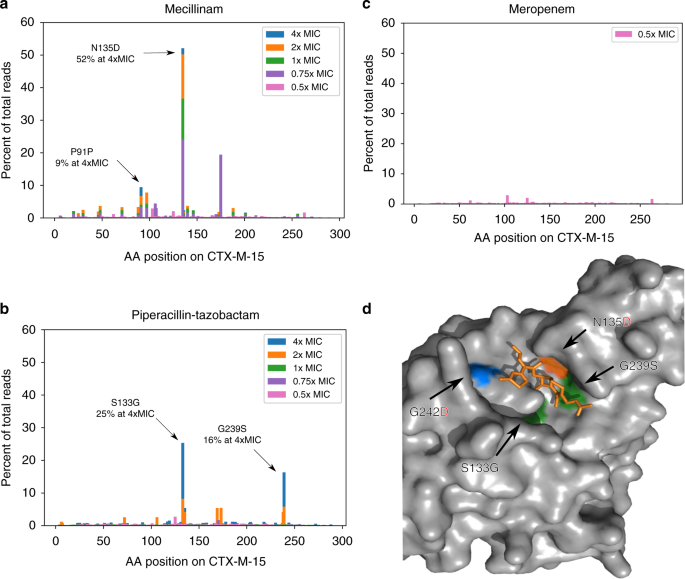
Collateral sensitivity constrains resistance evolution of the CTX-M-15 β-lactamase

41467_2019_8529_Fig1_HTML.png


from A via a.sfakia on Inoreader https://go.nature.com/2UEpBPQ

Hematopoietic chimerism and donor-specific skin allograft tolerance after non-genotoxic CD117 antibody-drug-conjugate conditioning in MHC-mismatched allotransplantation


from A via a.sfakia on Inoreader https://go.nature.com/2Sh9hYJ

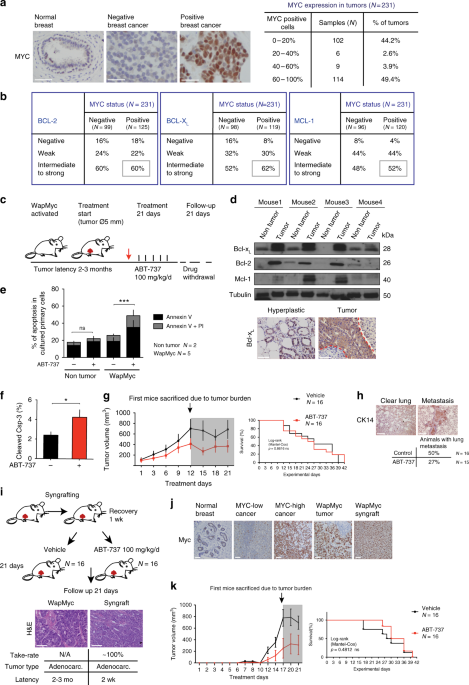
Pharmacological reactivation of MYC-dependent apoptosis induces susceptibility to anti-PD-1 immunotherapy

41467_2019_8541_Fig1_HTML.png


from A via a.sfakia on Inoreader https://go.nature.com/2UIeqFR

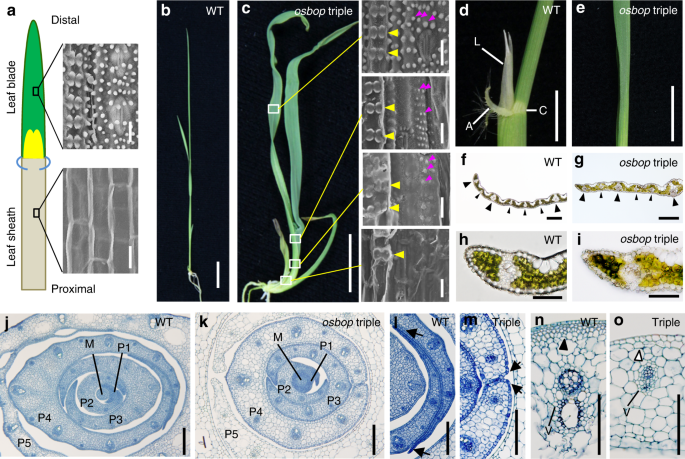
BLADE-ON-PETIOLE genes temporally and developmentally regulate the sheath to blade ratio of rice leaves

41467_2019_8479_Fig1_HTML.png


from A via a.sfakia on Inoreader https://go.nature.com/2ScMD3t

We need to talk about systematic fraud


from A via a.sfakia on Inoreader https://go.nature.com/2SxkZxo

Nucleophilic Approach to Fully Substituted Cyclic Nitrones from N‐Hydroxylactam Derivatives: Development and Application to the Total Synthesis of Cylindricine C

A nucleophilic approach to cyclic nitrones from N‐hydroxylactam derivatives is documented. The nucleophilic addition of an organolithium reagent to an N‐OSEM lactam forms a five‐membered chelated intermediate, which undergoes both elimination and deprotection to give a fully substituted nitrone in a one‐pot process. When combined with the N‐oxidation of easily available chiral lactams, this method becomes especially useful for the quick synthesis of chiral nitrones in enantio pure form, enabling the concise total synthesis of cylindricine C.


from A via a.sfakia on Inoreader http://bit.ly/2HW6P50

A Tetrasilicon Analogue of Bicyclo[1.1.0]but‐1(3)‐ene Containing a Si=Si Double Bond with an Inverted Geometry

Bicyclo[1.1.0]tetrasil‐1(3)‐ene 1, a tetrasilicon analogue of bicyclo[1.1.0]but‐1(3)‐ene, which contains a formal double bond between bridgehead silicon atoms in an inverted three‐coordinate geometry, was synthesized and isolated in the form of thermally stable orange crystals. The distance between the bridgehead Si atoms in 1 is much longer than those in typical Si=Si bonds, but still shorter than that of a previously reported pentasila[1.1.1]propellane. DFT calculations suggest that the bridgehead bond in 1 comprises a σ‐bond with an inverted geometry and a π‐bond. This notion is supported by the UV‐vis spectrum of 1, which exhibits several absorption bands in the UV‐vis region. While 1 is stable toward typical trapping agents for Si=Si double bonds, 1 reacts with carbon tetrachloride to furnish a hexachlorotetrasilane.


from A via a.sfakia on Inoreader http://bit.ly/2t55wX6

Metabolic‐active fully hydrolysable polymersomes

The synthesis and aqueous self‐assembly of a new class of amphiphilic aliphatic polyesters are presented. These AB block polyesters comprise polycaprolactone (hydrophobe) and an alternating polyester from succinic acid and an ether substituted epoxide (hydrophile). They self‐assemble into biodegradable polymersomes capable of entering cells. Their degradation products are bioactive giving rise to differentiated cellular responses inducing stromal cell proliferation and macrophage apoptosis. Both effects emerge only when the copolymers enter cells as polymersomes and their magnitudes are size dependent.


from A via a.sfakia on Inoreader http://bit.ly/2HW6KhI

Fcc vs Non‐fcc Structural Isomerism of Gold Nanoparticles with Kernel Atom Packing‐Dependent Photoluminescence

Structural isomerism provides an excellent opportunity for the correlation between structure and property. Unfortunately, the structural isomers of metal nanoparticles are rarely reported in liquid/solid phase and genuine structural isomerism with distinctly different kernel atom packing (e.g., face‐centered cubic (fcc) vs non‐fcc) has not been reported until now, to the best of our knowledge. Herein we introduce a novel ion induction method to synthesize a unique gold nanocluster with an interesting twist mirror symmetry structure, which was precisely characterized by mass spectrometry, X‐ray crystallography, etc. The as‐synthesized novel gold nanocluster has the same composition but different kernel atom packing with an existing gold nanocluster Au42(TBBT)26 (TBBT = 4‐tert‐butylbenzenethiolate). The two Au42 nanoclusters represent the first pair of structural isomers with distinctly different kernel atom packing. Fcc‐structured Au42(TBBT)26 nanoclusters exhibit more enhanced photoluminescence than that of non‐fcc‐structured Au42(TBBT)26 nanoclusters, indicating that the fcc‐structure might be more beneficial for emission than the non‐fcc structure. This conceit was further supported by comparison of the emission intensity between another three pairs of gold nanoclusters with similar compositions and sizes but with different kernel atom packings (fcc vs non‐fcc).


from A via a.sfakia on Inoreader http://bit.ly/2tgzwzz

The history of distant worlds, a clear eye on renewables and environmental lessons from a tiger’s tale: Books in brief


from A via a.sfakia on Inoreader https://go.nature.com/2Gdwowv

A Case of Bilateral Spontaneous Chylothorax with Respiratory Syncytial Virus Bronchiolitis

A case of bilateral spontaneous chylothorax with respiratory syncytial virus (RSV) bronchiolitis has never been reported. We report the case of a 7-month-old boy born at 33 weeks gestation with a history of Down syndrome, atrial septal defect, pulmonary hypertension, and chronic lung disease, hospitalized due to RSV bronchiolitis who developed bilateral spontaneous chylothorax with exacerbation of pulmonary hypertension (PH). The patient died after 9 weeks of mechanical ventilation and treatment for PH. The autopsy showed acute infectious signs, a chronic interstitial lung disease with pulmonary hypertensive changes and subpleural cysts with no evidence of congenital lymphangiectasia. The cause of chylothorax in this child could be multifactorial. However, worsening pulmonary hypertension with RSV infection might have partially contributed to the development of chylothorax through elevated superior venous cava pressure. Thoracentesis should be considered for patients with Down syndrome and PH associated with congenital heart disease who develop persistent pleural effusion during RSV bronchiolitis to rule out chylothorax.

from A via a.sfakia on Inoreader http://bit.ly/2GcOXRA

Relationship between the muscle relaxation effect and body muscle mass measured using bioelectrical impedance analysis: A nonrandomized controlled trial

Journal of International Medical Research, Ahead of Print.


from A via a.sfakia on Inoreader http://bit.ly/2DWisoq

LMO2 Negative Expression Predicts the Presence of MYC Translocations in Aggressive B-Cell Lymphomas: Erratum

No abstract available

from A via a.sfakia on Inoreader http://bit.ly/2WKyIjG

Unusual duplication and vulnerable intrapancreatic course of the left gastroepiploic artery: a rare anatomical variation

Abstract

The left gastroepiploic artery (LGEA) is the least described artery in the medical literature. Unusual variations of this artery might lead to vascular injuries, causing intraoperative bleeding after surgery. We observed rare vascular variations in an adult male cadaver. The left gastroepiploic artery after its origin from splenic artery pierced the pancreatic parenchyma at its posterior surface. After a short intrapancreatic course, the LGEA emerged out from the superior border of the body of the pancreas. LGEA then trifurcated into an omental branch, duplicated LGEA and another branch that continued as the main trunk of LGEA. Main LGEA and duplicated LGEA coursed towards the greater curvature of the stomach. The main LGEA ended by anastomosing with the right gastroepiploic artery, while the duplicated LGEA ended at the greater curvature of the stomach by ramifying into minute branches on the walls of the stomach and gave few gastric branches to supply the stomach and also supplied the greater omentum. This variation was associated with the presence of an accessory splenic artery. Anatomists, surgeons, and radiologists should be aware of such anomalous vascular variations as it could help to minimize complications related to pancreatectomy, omentoplasty, and resection of pancreatic tumors.


from A via a.sfakia on Inoreader http://bit.ly/2TEwvoh

Τρίτη 5 Φεβρουαρίου 2019

Effects of cerium oxide nanoparticles on bacterial growth and behaviors: induction of biofilm formation and stress response

Abstract

In this paper, the effects of cerium oxide nanoparticles (CeO2 NPs) on the group bacterial behaviors were elaborated. After 36-h cultivation, the biofilm biomass was enhanced by the sub-lethal concentrations of 0.5 and 2 mg/L CeO2 NP exposure. Meanwhile, the promoted production of total amino acids in microbes further resulted in the increased surface hydrophobicity and percentage aggregation. To resist the CeO2 NPs stress, the biofilm exhibited a double-layer microstructure, with the protein (PRO) and living cells occupying the bottom, the polysaccharide (PS), and dead cells dominating the top. The bacterial diversity was highly suppressed and Citrobacter and Pseudomonas from the phylum of γ-Proteobacteria strongly dominated the biofilm, indicating the selective and enriched effects of CeO2 NPs on resistant bacteria. The stimulated inherent resistance of biofilm was reflected by the reduced adenosine triphosphate (ATP) content after 4 h exposure. The increased levels of reactive oxygen species (ROS) in the treatments of 8 h CeO2 NP exposure led to the upregulated quorum sensing signals of acylated homoserine lactone (AHL) and autoinducer 2 (AI-2), beneficial to mitigating the environmental disturbance of CeO2 NPs. These results provide evidences for the accelerating effects of CeO2 NPs on biofilm formation through oxidative stress, which expand the understanding of the ecological effects of CeO2 NPs.


from Energy Ecology Environment Ambio via Terpsi Hori on Inoreader http://bit.ly/2HThqNS

A Fully Three-Dimensional Printed Inchworm-Inspired Soft Robot with Magnetic Actuation

Soft Robotics, Ahead of Print.


from A via a.sfakia on Inoreader http://bit.ly/2WGB1V0

To assess the prevalence of dental caries and to evaluate oral health-related quality of life in cleft lip and palate patient

Amit Manohar Reche, Shrutika Dhanrajji Chordiya, Sakshi Pradeep Joshi, Nikita Suresh Bhumbre, Shivani Kishore Jadhav, Nikita Pramod Dhange

Journal of Cleft Lip Palate and Craniofacial Anomalies 2019 6(1):38-42

Aim: The aim of this study was to assess the prevalence of dental caries and evaluate oral health-related quality of life (QoL) in patients with cleft lip and palate (CLP) in Vidarbha region. Settings and Design: A cross-sectional questionnaire study was conducted in the Department of Public Health Dentistry of our institute. The sample was divided into three groups. Subjects and Methods: Group A (110) patients with unilateral CLP (UCLP), Group B (110) patients with bilateral CLP (BCLP), and Group C (150) control group. From self-administered questionnaire, the patients were asked 10 questions based on eating, speaking, toothbrushing, sleeping, smiling, emotional status, carrying out work, and social contact and rated as 0, 1, 2, and 3 (no problem, mild, moderate, and severe). Statistical Analysis Used: ANOVA and Pearson's correlation tests were performed. Results: According to the results, there is no statistical difference for decayed, missing, and filled teeth score seen between UCLP and BCLP patients; however, there is significant difference (<0.001) seen between the cleft patients and control group. According to questionnaire result, the patients with bilateral cleft experienced more difficulty while eating, speaking, smiling, and maintaining social contact as compared to the control group. Conclusion: Patients suffering from CLP showed higher caries prevalence compared to the control group; on the other hand, negative impact has been seen on the QoL of CLP patients.

from A via a.sfakia on Inoreader http://bit.ly/2WKCxWj

Beard hemangioma associated with cleft lip and palate: An unusual case and literature review

Nicolás E Solano, Ejusmar K Rivera, Salomon Ramos, Maholy Sánchez

Journal of Cleft Lip Palate and Craniofacial Anomalies 2019 6(1):59-61

Infantile hemangiomas (IHs) are the most common benign vascular tumor of infancy. Sixty percent of lesions affect the head and neck. There are special considerations in IHs, like beard-distribution hemangiomas, in which preauricular areas, chin, anterior neck, and lower lip are involved and they have been associated with the presence of airway hemangiomas. In contrast, labial and palatal clefts are the most common congenital malformations of the craniofacial region. The etiology is multifactorial and includes both genetic and environmental factors. It is associated with more than 500 syndromes with varying levels of penetrance and expressiveness. IHs and cleft lip and palate (CLP) are relatively common conditions found in newborns. Even though they are common enough, there is no evidence reporting a patient with both entities simultaneously. The purpose of this study is to present an unusual case of beard hemangioma in a 3-month-old female baby associated with CLP.

from A via a.sfakia on Inoreader http://bit.ly/2RGBpiL

Reoperation of bilateral cleft lip deformity after primary Manchester or Veau III repair

Maurice Y Mommaerts, Ana Tache, Natalie A. J. Loomans

Journal of Cleft Lip Palate and Craniofacial Anomalies 2019 6(1):3-10

Residual bilateral cleft lip deformities are commonly attributed to neglect of oral sphincter reconstruction during primary repair. This report describes a straightforward technique for reoperation that is applicable for most patients. It also describes the results of a retrospective observational cohort study of 21 patients that underwent reoperation performed by the senior author (MYM) from 1991 to 2018. The patients had undergone primary lip repair at other institutions. Their mean age at reoperation was 17 years. Pre- and post-operative photographs (at 3.5 years' postoperation) were assessed for 15 parameters. Overall configuration, scar appearance, philtrum anatomy, Cupid's bow shape, and esthetic aspects of lip dynamics improved considerably. This procedure is the same as that used by the authors in 4-month-old children who have undergone a nasolabial adhesion procedure at 4 weeks of age. We discuss the rationale of using this procedure for primary lip repair, thus eliminating the need for reoperation.

from A via a.sfakia on Inoreader http://bit.ly/2WG93ZH

Risk indicators for syndromic and nonsyndromic orofacial clefts in Southern Province of Saudi Arabia

Bandar Alyami, Mutaz Ali-Hassan, Manasaour Al-Mahri, Fahad Alyami, Saeed Alharieth

Journal of Cleft Lip Palate and Craniofacial Anomalies 2019 6(1):51-55

Objective: This study was designed to find out risk indicators for the development of orofacial clefts (OFCs) in the Southern Province of Saudi Arabia. Materials and Methods: This was a retrospective study carried out in a maternity hospital from January 2013 to December 2016. Data including child sex, type and site of cleft, birth weight and birth month (season), parents' age at the time of their child's birth, paternal and maternal habits, parental consanguinity, and family history of OFCs were obtained. The data were processed and analyzed using SPSS software, Version 20. Results: Overall prevalence of OFCs in the study population was 0.65/1000 live births. There were 10 males, 5 females, and 1 ambiguous sexual orientation. Of the 16 OFC patients, 9 (56.25%) were classified as having syndromic OFCs (SOFCs) and 7 (43.75%) as having non-SOFCs (NSOFCs). Cleft lip and cleft lip/palate both had strong family history of OFCs. Similarly, the phenotype of OFCs and the presence of syndromic or NSOFCs did not show a relationship with paternal smoking habits during pregnancy. No relationship was reported between parental consanguinity with the presence of these factors. However, results showed that 13 (81.3%) out of 16 identified cases of OFC had background consanguinity. Conclusion: Prevalence of OFC in the current study was within reported range, consanguinity was observed in 81.3% of identified cases. Further research is paramount in the role of consanguinity in OFC in Arabian population.

from A via a.sfakia on Inoreader http://bit.ly/2REDGux

Correlating causative factors in cleft lip and palate patients: An epidemiological study

Bhagyashree B Desai, Dolly P Patel, Surina V Sinha, Mahesh Jain, Roopal N Patel, Sheron T Bhanat

Journal of Cleft Lip Palate and Craniofacial Anomalies 2019 6(1):11-16

Aims: The primary aim of this study was to correlate the incidence of cleft lip and palate (CLP) with possible etiological factors such as consanguinity, history of abortions or miscarriages, type of delivery, oral destructive habits, and family history. Materials and Methods: This retrospective study was completed using a standardized questionnaire which was prepared to investigate the information of 166 patients referred to/undergoing orthodontic rehabilitation treatment of CLP at the hospital. The variables assessed were consanguinity, affected members in family and relatives, gestational history, past abortions and/or miscarriages, medications taken by mother during pregnancy, and parental habits of tobacco chewing and/or smoking. Statistical Analysis Used: Correlation of the above-mentioned variables as well as any mutual effects of gender and cleft type was assessed statistically by Pearson's Chi-square test and Fisher's exact test. Results: The results of the present study provide demographic details of cleft patients in Gujarat, which show that cleft deformity is seen more in male patients (n = 98; 59%). Unilateral CL and palate of left side (CL + PUL) occurs most frequently (n = 62; 37.3%) both in male (n = 40; 40.8%) and female (n = 22; 32.4%) patients. Occurrence of CL + PUL is followed by bilateral CL and palate (CL + PB) (n = 45; 27.1%) and unilateral CL and palate of right side (n = 27; 16.3%). The oral destructive habits of parents (n = 82; 49.4%), past abortions and miscarriage (n = 47; 28.3%), family history (n = 26; 15.7%), and consanguinity (n = 24; 14.5%) could be correlated with the occurrence of CLP. Conclusion: This can serve as a guide for future reference to health workers so that they can take measures to create awareness among the people to avoid consanguineous marriages, use of tobacco, abortions, and create awareness about a family history. The outcome could also help government/public health sector workers to develop strategies for awareness, identification, and treatment of cleft deformities.

from A via a.sfakia on Inoreader http://bit.ly/2WLZEzQ

Evolution of cleft orthodontics in India

Ashok Utreja

Journal of Cleft Lip Palate and Craniofacial Anomalies 2019 6(1):1-2


from A via a.sfakia on Inoreader http://bit.ly/2RHtCkq

Use of hyrax distractor in maxillary hypoplasia associated with cleft lip and palate patients

Neeraj Upadhyay, Arun Kumar Singh, Veerendra Prashad, Divya Narayan Upadhyaya

Journal of Cleft Lip Palate and Craniofacial Anomalies 2019 6(1):17-22

Context: Use of hyrax expander for palatal arch lengthening (anteroposterior) is not new, but large series with long-term follow-up is lacking. Aims: The aim of this study was to evaluate surgically assisted rapid maxillary expansion for hypoplastic maxilla, its efficacy, patient's satisfaction, and relapse rates. Settings and Design: A prospective study was done in PGD of Plastic Surgery, KGMU, Lucknow, between October 2014 and December 2015. Subjects and Methods: Fifteen patients with maxillary hypoplasia associated with cleft lip and palate underwent anterior segmental maxillary osteotomy. Distraction of anterior segment was done with a tooth-anchored hyrax expansion screw oriented in anteroposterior direction. Distraction was started on the 7th day. After desired advancement, the device was left intact for a consolidation period of 3 months and follow-up for any complication was done at the end of 6 months. Statistical Analysis Used: IBM SPSS version 20 software was used. Data expressed as number (percentage) and mean ± standard deviation, Student's t-test and ANOVA were used to compare mean between groups. Results: Bony landmarks sella–nasion–A point angle, maxillary length (ANS-PNS), mean space created on one side (mesial border of first molar to distal border of first premolar), and point A-N perpendicular improved significantly (P < 0.001). There was no significant change in vertical height of maxilla. Soft-tissue profile of patient (Sn–G perpendicular) also improved significantly (P < 0.001). No relapse was observed in patient during the 6 months of follow-up. Conclusion: Results of hyrax distractor in maxillary hypoplasia associated with cleft lip and palate patients were highly promising in patients with occlusal discrepancy <8 mm.

from A via a.sfakia on Inoreader http://bit.ly/2WKr2Oz

Orofacial cleft patient referral to a university orthodontic clinic over a 20-year period in Ghana

Merley Afua Newman-Nartey, Gwendolyn N Amarquaye, Kwabena Gyaami Amoah, Alexander Oti Acheampong, Nii Otu Nartey

Journal of Cleft Lip Palate and Craniofacial Anomalies 2019 6(1):43-50

Context: After the first orofacial cleft (OFC) patient was referred to the orthodontic clinic of the University of Ghana School of Medicine and dentistry in 1998, a multidisciplinary clinic at the Korle-Bu teaching hospital (KBTH) was inaugurated and partnered by non-governmental organization, Transforming Faces from 2003 to 2014 and Smile Train from 2014 to date. Aims: The aim of this study was to review and document presentations, management, and associated care influences of OFC patients referred for orthodontic care to influence quality improvement policy. Settings: This study was conducted at the Orthodontic Clinic of the University of Ghana School of Medicine and Dentistry. Design: This was a retrospective design, in which data from patient records were obtained and analyzed. Subjects and Methods: Review of records of all OFC patients who assessed the orthodontic clinic from 1998 to 2018. Statistical Analysis Used: The statistical analysis was done using Microsoft Excel. Results: Thirty-four patients were referred to the orthodontic clinic from 1998 to 2018. The majority (67.65%) was referred from the KBTH multidisciplinary clinic and smaller number (32.35%) from other hospitals and clinics. Their ages ranged from 2 weeks old to 20 years old. The majority of the referred patients were in the 5–9-year-old age group (35.29%). Of the 26 patients who underwent treatment, the majority 38.46% were treated using the less expensive fixed upper-only appliance option and obturators were not routinely used (15.38%). The majority of patients were self-funded (47.8%) and (34.8%) were pro bono cases of which over 50% of discontinued treatment. Conclusions: The multidisciplinary OFC clinic was beneficial as the major source of orthodontic referrals. More stringent criteria for the selection of pro bono cases could decrease loss from care and inclusion of complete OFC care in the National Health Insurance Scheme may remove financial barriers.

from A via a.sfakia on Inoreader http://bit.ly/2RCTTk5

Endoscopic-assisted craniosynostosis surgery: First case series in India

Derick A Mendonca, Venkat Ramamurthy, Swaroop Gopal, Rajendra S Gujjalanavar

Journal of Cleft Lip Palate and Craniofacial Anomalies 2019 6(1):23-32

Introduction: Craniosynostosis is a congenital pathological condition resulting from premature fusion of sutures of the cranial vault and leads to an abnormal head shape with a significant risk of raised intracranial pressure. Surgical correction techniques have seen a constant evolution from an extensive open procedure to the relatively new minimally invasive craniosynostosis technique. The current center introduced this new procedure in India since 2015. Aims and Objectives: This article documents our experience as the first team in the country to correct craniosynostosis endoscopically with emphasis on planning, surgical techniques, and helmet therapy to achieve the optimum result. Materials and Methods: This is a prospective case series of six patients with anterior craniosynostosis corrected endoscopically and followed up with postoperative custom-made cranial helmet. All patients were nonsyndromic with no associated anomalies. The mean age of surgical intervention was 92.6 days (84–100 days), mean duration of surgery was 61.7 min (54–74 min), mean blood loss was 55 ml (50 ml–60 ml), and mean duration of hospital stay was 2 days (2–3 days). No complications and mortality were reported. Conclusion: This case series has demonstrated that endoscopically assisted craniosynostosis correction is a safe, effective, and reliable technique in the armamentarium of a craniofacial surgeon. The minimally invasive nature allows early intervention in children. Parental compliance is important in helmet therapy which forms an integral part of this surgery for correction of the abnormal head shape. We believe that every patient with nonsyndromic single-suture craniosynostosis should be offered endoscopic correction before the age of 6 months.

from A via a.sfakia on Inoreader http://bit.ly/2WJUzYD

Median cleft lip – A case report of rare congenital anomaly

Abhay N Datarkar, Jagadish U Patil

Journal of Cleft Lip Palate and Craniofacial Anomalies 2019 6(1):56-58

Median cleft lip is a midline vertical cleft through the upper lip in the absence of a prolabial remnant. This is a rare anomaly with very few cases described in the literature. This may occur as a sporadic event or as a part of an inherited sequence of anomalies. It arises embryologically from incomplete fusion of the medial nasal prominences. The author presents a rare case of median cleft lip, broad nose, and wide ala with hypertelorism. The embryology, presentation, and surgical technique for treating these cases are discussed.

from A via a.sfakia on Inoreader http://bit.ly/2REGRm4

Association of cleft lip and/or palate in people born to consanguineous parents: A 13-year retrospective study from a very high-volume cleft center

Praveen Kumar Neela, Srinivas Gosla Reddy, Akhter Husain, Vasavi Mohan

Journal of Cleft Lip Palate and Craniofacial Anomalies 2019 6(1):33-37

Objective: The objective of this study was to investigate the association of cleft lip (CL) and/or cleft palate (CP) in people born to consanguineous parents. Methodology: This retrospective study was conducted at GSR Institute of Craniofacial Surgery, Hyderabad, a very high-volume cleft center. Medical records of 18,242 cleft patients who came for treatment in the past 13 years were physically searched for the presence of consanguinity of their parents. About 3653 patients' case records were identified. Then, the data related to gender, type of cleft, degree of consanguinity, presence of positive family history were collected from these 3653 patients' records and entered in Microsoft Excel which was later sent for statistical analysis. Results: Distribution of study participants according to various study variables such as gender, type of cleft, and degree of consanguinity showed interesting findings. Almost 20.02% of the total 18,242 cleft patients' records showed consanguinity of their parents. Nearly 96.7% of patients had CL. CP was seen in 73.7% of patients. About 57.8% of parents had the first degree of consanguinity. Only 3.5% had a positive family history. Chi-square test showed that there was a significant difference in the distribution of patients according to degree of consanguinity and CL, variations in CL and gender, cleft alveolus and gender, degree of consanguinity and CL. Conclusion: Consanguinity is a major etiological factor in CL and/or CP.

from A via a.sfakia on Inoreader http://bit.ly/2WG9xyZ

Putty-based surgical site protection during intraoral trimming of the hyrax distractor tooth borne appliance

Tulika Tripathi, Navneet Singh, Priyank Rai, Prateek Gupta

Journal of Cleft Lip Palate and Craniofacial Anomalies 2019 6(1):62-64

Background: HYDIS-TB is a contemporary distraction appliance used in large alveolar cleft defects. This appliance requires intraoral trimming at the docking site during approximation of the segments which cause entrapment of acrylic particles at the surgical site thereby hampering normal healing process. Solution: We employed commonly available putty material at distraction site in a cleft patient during intraoral acrylic trimming of the appliance. This shielded the surgical site from exogenous material, which facilitated proper healing.

from A via a.sfakia on Inoreader http://bit.ly/2RH7yXl

Pilot Comparison of Adjustment Protocols of Personal Sound Amplification Products

Semin Hear 2019; 40: 026-036
DOI: 10.1055/s-0038-1676781

The Over-the-Counter Hearing Aid Act of 2017 was signed into law in August 2017 and facilitates the introduction of direct-to-consumer sales of hearing aids for adults with mild-to-moderate hearing loss. Among many questions surrounding over-the-counter sales is the ability of users to self-fit amplification. Many studies have conducted self-fitting procedures using guidance materials provided by audiologists. In this pilot, we explore the ability of users to self-adjust personal sound amplification devices using only materials provided by the manufacturer and contrast this with models that involve a hearing professional. Outcomes to assess adjustments included clinic-based speech-in-noise measures and ability to approximate NAL-NL2 prescriptive targets. We found that an audiologist-driven model provided the best outcomes. However, it is unknown if the difference is clinically meaningful.
[...]

Thieme Medical Publishers 333 Seventh Avenue, New York, NY 10001, USA.

Article in Thieme eJournals:
Table of contents  |  Abstract  |  Full text


from A via a.sfakia on Inoreader http://bit.ly/2GcEmpR

Novel Approaches to Fostering Hearing Loss Self-Management in Adults

10-1055-s-0038-1677049_00783preface-1.jp

Semin Hear 2019; 40: 003-006
DOI: 10.1055/s-0038-1677049


Thieme Medical Publishers 333 Seventh Avenue, New York, NY 10001, USA.

Article in Thieme eJournals:
Table of contents  |  Full text


from A via a.sfakia on Inoreader http://bit.ly/2Da62Yy

Development and Formative Assessment of the Hearing Loss Toolkit for Self-Management

Semin Hear 2019; 40: 049-067
DOI: 10.1055/s-0038-1676783

Hearing aids are a demonstrated efficacious intervention for age-related hearing loss, and research suggests that good hearing loss self-management skills improve amplification satisfaction and outcomes. One way to foster self-management skills is through the provision of patient education materials. However, many of the available resources related to the management of hearing loss do not account for health literacy and are not suitable for use with adults from varying health literacy backgrounds. To address this issue, we developed the Hearing Loss Toolkit for Self-Management as part of a manualized, best practices hearing intervention used in large clinical trial. We incorporated health literacy recommendations from the U.S. Department of Health and Human Services, the Centers for Disease Control and Prevention, and the Agency for Healthcare Research and Quality in a series of modules that address a variety of common problem areas reported by adults with hearing loss. A formative assessment consisting of feedback questionnaires, semistructured interviews, and a focus group session with representatives from the target audience was conducted. Findings from the development assessment process demonstrate that the Hearing Loss Toolkit for Self-Management is suitable for use with adults with age-related hearing loss who have varying health literacy backgrounds and abilities.
[...]

Thieme Medical Publishers 333 Seventh Avenue, New York, NY 10001, USA.

Article in Thieme eJournals:
Table of contents  |  Abstract  |  Full text


from A via a.sfakia on Inoreader http://bit.ly/2Gd8T6L

The Chronic Care Model and Chronic Condition Self-Management: An Introduction for Audiologists

Semin Hear 2019; 40: 007-025
DOI: 10.1055/s-0038-1676780

Hearing health care is biomedically focused, device-centered, and clinician-led. There is emerging evidence that these characteristics—all of which are hallmarks of a health care system designed to address acute, rather than chronic, conditions—may contribute to low rates of help-seeking and hearing rehabilitation uptake among adults with hearing loss. In this review, we introduce audiologists to the Chronic Care Model, an organizational framework that describes best-practice clinical care for chronic conditions, and suggest that it may be a viable model for hearing health care to adopt. We further introduce the concept of chronic condition self-management, a key component of chronic care that refers to the knowledge and skills patients use to manage the effects of a chronic condition on all aspects of daily life. Drawing on the chronic condition evidence base, we demonstrate a link between the provision of effective self-management support and improved clinical outcomes and discuss validated methods with which clinicians can support the acquisition and application of self-management skills in their patients. We examine the extent to which elements of chronic condition self-management have been integrated into clinical practice in audiology and suggest directions for further research in this area.
[...]

Thieme Medical Publishers 333 Seventh Avenue, New York, NY 10001, USA.

Article in Thieme eJournals:
Table of contents  |  Abstract  |  Full text


from A via a.sfakia on Inoreader http://bit.ly/2DeQZgl

Translating Public Health Practices: Community-Based Approaches for Addressing Hearing Health Care Disparities

Semin Hear 2019; 40: 037-048
DOI: 10.1055/s-0038-1676782

Epidemiologic studies reveal disparities in hearing health care with lower prevalence of hearing aid use among older adults from racial/ethnic minority groups and lower socioeconomic positions. Recent national reports recommend exploring innovative delivery models to increase the accessibility and affordability of hearing health care, particularly for underserved and vulnerable populations. With an expected rise in the prevalence of age-related hearing loss over the next four decades due to a rapidly aging population, the condition is a growing public health imperative. This review describes key public health practices for developing and delivering community-based care that characterizes an emerging area of research in novel approaches of hearing loss management programs to reach underserved populations. With evolving technologies that enable care to extend beyond the clinic, adapting a long-utilized community health worker approach presents a strategy for the field of hearing health care to be actively involved in designing and leading initiatives for achieving hearing health equity. Principles from community-based participatory research offer a paradigm for the field to integrate into its research endeavors for addressing disparities. An interdisciplinary approach for engaging these challenges offers hearing health care researchers and providers an opportunity to advance the field and delivery of care.
[...]

Thieme Medical Publishers 333 Seventh Avenue, New York, NY 10001, USA.

Article in Thieme eJournals:
Table of contents  |  Abstract  |  Full text


from A via a.sfakia on Inoreader http://bit.ly/2GewqUU

Evidence-Based Interventions for Adult Aural Rehabilitation: That Was Then, This Is Now

Semin Hear 2019; 40: 068-084
DOI: 10.1055/s-0038-1676784

More than a decade after Arthur Boothroyd published "Adult Aural Rehabilitation: What Is It and Does It Work?," the four cornerstones of adult aural rehabilitation are re-examined in terms of research that we and others in the field have undertaken. The focus is on novel advances in high-quality research relating to interventions to support self-management for hearing aids and other listening devices (sensory management), knowledge and skill (instruction), auditory and cognitive training (perceptual training), and motivational engagement (counseling). Much of this new research has a theoretical underpinning (e.g., behavior change theory) to better guide the development and evaluation of interventions, with a focus on self-management and patient-centered approaches. New and emerging technologies that support e- and m-health delivery of interventions provide greater personalization and interactivity to promote self-management of hearing loss. Looking to the future, there remains a requirement for a set of relevant and appropriate outcome measures to evaluate the effectiveness of interventions trialed in clinical studies. There is a continuing need for high-quality evidence, underpinned by contemporary theory, to increase the likelihood that translational adult aural rehabilitation research that aims to benefit patients will be applied in future clinical practice.
[...]

Thieme Medical Publishers 333 Seventh Avenue, New York, NY 10001, USA.

Article in Thieme eJournals:
Table of contents  |  Abstract  |  Full text


from A via a.sfakia on Inoreader http://bit.ly/2DdxwMY

Important Information Regarding Continuing Education Units for Seminars in Hearing through AAA and ASHA

10-1055-s-0038-1679869_00774-1.jpg

Semin Hear 2019; 40: 001-002
DOI: 10.1055/s-0038-1679869


Thieme Medical Publishers 333 Seventh Avenue, New York, NY 10001, USA.

Article in Thieme eJournals:
Table of contents  |  Full text


from A via a.sfakia on Inoreader http://bit.ly/2GaNB9X

[ASAP] Hollow Multi-Shelled Structures of Co3O4 Dodecahedron with Unique Crystal Orientation for Enhanced Photocatalytic CO2 Reduction

TOC Graphic

Journal of the American Chemical Society
DOI: 10.1021/jacs.8b13528
jacsat?d=yIl2AUoC8zA


from A via a.sfakia on Inoreader http://bit.ly/2DcyXv7

Pre-diagnostic blood immune markers, incidence and progression of B-cell lymphoma and multiple myeloma: Univariate and functionally informed multivariate analyses.

Icon for Wiley Icon for PubMed Central Related Articles

Pre-diagnostic blood immune markers, incidence and progression of B-cell lymphoma and multiple myeloma: Univariate and functionally informed multivariate analyses.

Int J Cancer. 2018 09 15;143(6):1335-1347

Authors: Vermeulen R, Saberi Hosnijeh F, Bodinier B, Portengen L, Liquet B, Garrido-Manriquez J, Lokhorst H, Bergdahl IA, Kyrtopoulos SA, Johansson AS, Georgiadis P, Melin B, Palli D, Krogh V, Panico S, Sacerdote C, Tumino R, Vineis P, Castagné R, Chadeau-Hyam M, EnviroGenoMarkers Consortium Consortium members, Botsivali M, Chatziioannou A, Valavanis I, Kleinjans JCS, de Kok TMCM, Keun HC, Athersuch TJ, Kelly R, Lenner P, Hallmans G, Stephanou EG, Myridakis A, Kogevinas M, Fazzo L, De Santis M, Comba P, Bendinelli B, Kiviranta H, Rantakokko P, Airaksinen R, Ruokojarvi P, Gilthorpe M, Fleming S, Fleming T, Tu YK, Lundh T, Chien KL, Chen WJ, Lee WC, Kate Hsiao C, Kuo PH, Hung H, Liao SF

Abstract
Recent prospective studies have shown that dysregulation of the immune system may precede the development of B-cell lymphomas (BCL) in immunocompetent individuals. However, to date, the studies were restricted to a few immune markers, which were considered separately. Using a nested case-control study within two European prospective cohorts, we measured plasma levels of 28 immune markers in samples collected a median of 6 years before diagnosis (range 2.01-15.97) in 268 incident cases of BCL (including multiple myeloma [MM]) and matched controls. Linear mixed models and partial least square analyses were used to analyze the association between levels of immune marker and the incidence of BCL and its main histological subtypes and to investigate potential biomarkers predictive of the time to diagnosis. Linear mixed model analyses identified associations linking lower levels of fibroblast growth factor-2 (FGF-2 p = 7.2 × 10-4 ) and transforming growth factor alpha (TGF-α, p = 6.5 × 10-5 ) and BCL incidence. Analyses stratified by histological subtypes identified inverse associations for MM subtype including FGF-2 (p = 7.8 × 10-7 ), TGF-α (p = 4.08 × 10-5 ), fractalkine (p = 1.12 × 10-3 ), monocyte chemotactic protein-3 (p = 1.36 × 10-4 ), macrophage inflammatory protein 1-alpha (p = 4.6 × 10-4 ) and vascular endothelial growth factor (p = 4.23 × 10-5 ). Our results also provided marginal support for already reported associations between chemokines and diffuse large BCL (DLBCL) and cytokines and chronic lymphocytic leukemia (CLL). Case-only analyses showed that Granulocyte-macrophage colony stimulating factor levels were consistently higher closer to diagnosis, which provides further evidence of its role in tumor progression. In conclusion, our study suggests a role of growth-factors in the incidence of MM and of chemokine and cytokine regulation in DLBCL and CLL.

PMID: 29667176 [PubMed - indexed for MEDLINE]


from A via a.sfakia on Inoreader http://bit.ly/2GqREOL

Daily briefing: Gut bacteria linked to depression

Daily briefing: Gut bacteria linked to depression

Daily briefing: Gut bacteria linked to depression, Published online: 05 February 2019; doi:10.1038/d41586-019-00494-2

Mounting evidence of a 'gut–brain axis', new satellite divides polar scientists, and biology on the blockchain.

from A via a.sfakia on Inoreader https://go.nature.com/2UBzwFI

Publisher Correction: Dynamics of oligodendrocyte generation in multiple sclerosis

Publisher Correction: Dynamics of oligodendrocyte generation in multiple sclerosis

Publisher Correction: Dynamics of oligodendrocyte generation in multiple sclerosis, Published online: 05 February 2019; doi:10.1038/s41586-019-0935-7

Publisher Correction: Dynamics of oligodendrocyte generation in multiple sclerosis

from A via a.sfakia on Inoreader https://go.nature.com/2UHV1Vg

Aviation pioneers missed out on publicity

Aviation pioneers missed out on publicity

Aviation pioneers missed out on publicity, Published online: 05 February 2019; doi:10.1038/d41586-019-00491-5

Aviation pioneers missed out on publicity

from A via a.sfakia on Inoreader https://go.nature.com/2GlK48a

Medicinal signalling cells: they work, so use them

Medicinal signalling cells: they work, so use them

Medicinal signalling cells: they work, so use them, Published online: 05 February 2019; doi:10.1038/d41586-019-00490-6

Medicinal signalling cells: they work, so use them

from A via a.sfakia on Inoreader https://go.nature.com/2SqPLYV

Farmers could teach scientists a trick or two for lobbying

Farmers could teach scientists a trick or two for lobbying

Farmers could teach scientists a trick or two for lobbying, Published online: 05 February 2019; doi:10.1038/d41586-019-00487-1

Farmers could teach scientists a trick or two for lobbying

from A via a.sfakia on Inoreader https://go.nature.com/2SqJ0pY

Save Javan rhinos that survived eruption

Save Javan rhinos that survived eruption

Save Javan rhinos that survived eruption, Published online: 05 February 2019; doi:10.1038/d41586-019-00488-0

Save Javan rhinos that survived eruption

from A via a.sfakia on Inoreader https://go.nature.com/2GmGgn6

Death, statistics and a disaster zone: the struggle to count the dead after Hurricane Maria

Death, statistics and a disaster zone: the struggle to count the dead after Hurricane Maria

Death, statistics and a disaster zone: the struggle to count the dead after Hurricane Maria, Published online: 05 February 2019; doi:10.1038/d41586-019-00442-0

Intense controversies surround studies of how many people perish in conflicts and disasters, but researchers are developing new ways to measure mortality rates.

from A via a.sfakia on Inoreader https://go.nature.com/2Dft7Jc

Thousands of scientists run up against Elsevier’s paywall

Thousands of scientists run up against Elsevier's paywall

Thousands of scientists run up against Elsevier's paywall, Published online: 05 February 2019; doi:10.1038/d41586-019-00492-4

Researchers have been left without access to new papers as libraries and the major publisher fail to agree on subscription deals.

from A via a.sfakia on Inoreader https://go.nature.com/2t6CkPq

Cheap fix saves thousands of seabirds a year

Cheap fix saves thousands of seabirds a year

Cheap fix saves thousands of seabirds a year, Published online: 05 February 2019; doi:10.1038/d41586-019-00469-3

Streamers on Alaska's fishing fleet prove a boon to rare albatross and other bird species.

from A via a.sfakia on Inoreader https://go.nature.com/2t8OF5E

Gut hormone adds to obesity surgery’s benefits

Gut hormone adds to obesity surgery's benefits

Gut hormone adds to obesity surgery's benefits, Published online: 05 February 2019; doi:10.1038/d41586-019-00466-6

Weight-loss operation raises levels of a hormone involved in appetite and insulin release.

from A via a.sfakia on Inoreader https://go.nature.com/2HOyFQu

Author Correction: c-MAF-dependent regulatory T cells mediate immunological tolerance to a gut pathobiont

Author Correction: c-MAF-dependent regulatory T cells mediate immunological tolerance to a gut pathobiont

Author Correction: c-MAF-dependent regulatory T cells mediate immunological tolerance to a gut pathobiont, Published online: 05 February 2019; doi:10.1038/s41586-019-0922-z

Author Correction: c-MAF-dependent regulatory T cells mediate immunological tolerance to a gut pathobiont

from A via a.sfakia on Inoreader https://go.nature.com/2DdkYoV

Rags, riches and Royal Society rebellion

Rags, riches and Royal Society rebellion

Rags, riches and Royal Society rebellion, Published online: 05 February 2019; doi:10.1038/d41586-019-00443-z

Rebekah Higgitt relishes a biography of Charles Hutton, the mathematician who calculated Earth's density and called for scientific reform.

from A via a.sfakia on Inoreader https://go.nature.com/2Sc9Brl

Responding to the call of home

Responding to the call of home

Responding to the call of home, Published online: 05 February 2019; doi:10.1038/d41586-019-00448-8

Why some scientists choose to forgo promising careers abroad to return to their countries of birth.

from A via a.sfakia on Inoreader https://go.nature.com/2GovSLG

From the archive

From the archive

From the archive, Published online: 05 February 2019; doi:10.1038/d41586-019-00446-w

How Nature reported a strange natural phenomenon in 1969, and an anti-louse campaign in 1919.

from A via a.sfakia on Inoreader https://go.nature.com/2UBWa0O

Network to help inexperienced scientists

Network to help inexperienced scientists

Network to help inexperienced scientists, Published online: 05 February 2019; doi:10.1038/d41586-019-00489-z

Network to help inexperienced scientists

from A via a.sfakia on Inoreader https://go.nature.com/2SuhkjU

[ASAP] Metal–Ligand Cooperative C–H Bond Formation by Cyclopentadienone Platinum Complexes

TOC Graphic

Journal of the American Chemical Society
DOI: 10.1021/jacs.8b13829
jacsat?d=yIl2AUoC8zA


from A via a.sfakia on Inoreader http://bit.ly/2WJU9RW

[ASAP] DNA-Inspired Strand-Exchange for Switchable PMMA-Based Supramolecular Morphologies

TOC Graphic

Journal of the American Chemical Society
DOI: 10.1021/jacs.8b12964
jacsat?d=yIl2AUoC8zA


from A via a.sfakia on Inoreader http://bit.ly/2WH3fio

[ASAP] Activity-Enhanced Self-Assembly of a Colloidal Kagome Lattice

TOC Graphic

Journal of the American Chemical Society
DOI: 10.1021/jacs.8b12165
jacsat?d=yIl2AUoC8zA


from A via a.sfakia on Inoreader http://bit.ly/2RGXY6I

Αναζήτηση αυτού του ιστολογίου

! # Ola via Alexandros G.Sfakianakis on Inoreader