Αρχειοθήκη ιστολογίου

Τρίτη 5 Φεβρουαρίου 2019

Responding to the call of home

Responding to the call of home

Responding to the call of home, Published online: 05 February 2019; doi:10.1038/d41586-019-00448-8

Why some scientists choose to forgo promising careers abroad to return to their countries of birth.

from A via a.sfakia on Inoreader https://go.nature.com/2GovSLG

From the archive

From the archive

From the archive, Published online: 05 February 2019; doi:10.1038/d41586-019-00446-w

How Nature reported a strange natural phenomenon in 1969, and an anti-louse campaign in 1919.

from A via a.sfakia on Inoreader https://go.nature.com/2UBWa0O

Network to help inexperienced scientists

Network to help inexperienced scientists

Network to help inexperienced scientists, Published online: 05 February 2019; doi:10.1038/d41586-019-00489-z

Network to help inexperienced scientists

from A via a.sfakia on Inoreader https://go.nature.com/2SuhkjU

[ASAP] Metal–Ligand Cooperative C–H Bond Formation by Cyclopentadienone Platinum Complexes

TOC Graphic

Journal of the American Chemical Society
DOI: 10.1021/jacs.8b13829
jacsat?d=yIl2AUoC8zA


from A via a.sfakia on Inoreader http://bit.ly/2WJU9RW

[ASAP] DNA-Inspired Strand-Exchange for Switchable PMMA-Based Supramolecular Morphologies

TOC Graphic

Journal of the American Chemical Society
DOI: 10.1021/jacs.8b12964
jacsat?d=yIl2AUoC8zA


from A via a.sfakia on Inoreader http://bit.ly/2WH3fio

[ASAP] Activity-Enhanced Self-Assembly of a Colloidal Kagome Lattice

TOC Graphic

Journal of the American Chemical Society
DOI: 10.1021/jacs.8b12165
jacsat?d=yIl2AUoC8zA


from A via a.sfakia on Inoreader http://bit.ly/2RGXY6I

[ASAP] Cytosolic Delivery of Proteins Using Amphiphilic Polymers with 2-Pyridinecarboxaldehyde Groups for Site-Selective Attachment

TOC Graphic

Journal of the American Chemical Society
DOI: 10.1021/jacs.8b10947
jacsat?d=yIl2AUoC8zA


from A via a.sfakia on Inoreader http://bit.ly/2WKOOtz

[ASAP] Cu(I)-Catalyzed 6- Cyclization of Terminal Alkynes, 2-Bromoaryl Ketones, and Amides toward 1-Naphthylamines: Applications and Photophysical Properties

TOC Graphic

Journal of the American Chemical Society
DOI: 10.1021/jacs.8b12495
jacsat?d=yIl2AUoC8zA


from A via a.sfakia on Inoreader http://bit.ly/2WJAjq3

[ASAP] Experimental and Computational Studies of Dinitrogen Activation and Hydrogenation at a Tetranuclear Titanium Imide/Hydride Framework

TOC Graphic

Journal of the American Chemical Society
DOI: 10.1021/jacs.8b13341
jacsat?d=yIl2AUoC8zA


from A via a.sfakia on Inoreader http://bit.ly/2RJlvE0

[ASAP] Multivalent Recognition at Fluid Surfaces: The Interplay of Receptor Clustering and Superselectivity

TOC Graphic

Journal of the American Chemical Society
DOI: 10.1021/jacs.8b12553
jacsat?d=yIl2AUoC8zA


from A via a.sfakia on Inoreader http://bit.ly/2RGgdcH

[ASAP] Correction to “Application of the N-Halogeno-N-sodiobenzenesulfonamide Reagents to the Selective Detection of 5-Methylcytosine in DNA Sequences”

Journal of the American Chemical Society
DOI: 10.1021/jacs.9b00850
jacsat?d=yIl2AUoC8zA


from A via a.sfakia on Inoreader http://bit.ly/2RHgrjr

Future Oncology; +31 new citations

31 new pubmed citations were retrieved for your search. Click on the search hyperlink below to display the complete search results:

Future Oncology

These pubmed results were generated on 2019/02/05

PubMed comprises more than millions of citations for biomedical literature from MEDLINE, life science journals, and online books. Citations may include links to full-text content from PubMed Central and publisher web sites.


from A via a.sfakia on Inoreader http://bit.ly/2Gq9ktL

Correction: LGR5 regulates gastric adenocarcinoma cell proliferation and invasion via activating Wnt signaling pathway

Correction: LGR5 regulates gastric adenocarcinoma cell proliferation and invasion via activating Wnt signaling pathway

Correction: LGR5 regulates gastric adenocarcinoma cell proliferation and invasion via activating Wnt signaling pathway, Published online: 02 February 2019; doi:10.1038/s41389-019-0118-2

Correction: LGR5 regulates gastric adenocarcinoma cell proliferation and invasion via activating Wnt signaling pathway

from A via a.sfakia on Inoreader https://go.nature.com/2DgD2hE

Cheap fix saves thousands of seabirds a year


from A via a.sfakia on Inoreader https://go.nature.com/2Gajr6J

High-Protein Diet Ameliorates Arsenic-Induced Oxidative Stress and Antagonizes Uterine Apoptosis in Rats

Abstract

Arsenic toxicity purportedly threats a broad spectrum of female reproductive functions. We investigated the remedial role of a casein- and pea protein-enriched high-protein diet (HPD) in combating the arsenic insult. Cyclic female rats maintained on standard diet (n = 6) or an isocaloric HPD (n = 6) were gavaged with As2O3 at 3 mg/kg BW/rat/day (n = 12) for 28 days. Vehicle-fed rats (n = 6) maintained on the standard diet served as the control. We monitored the estrus cycles and performed the histomorphometric analyses of the uterus and ovary. Uterine luminal epithelial (ULE) ultrastructure was appraised by scanning electron microscopy. Uterine oxidative stress was evaluated in the forms of ROS generation and activities of the ROS scavengers. The uterine apoptotic manifestation was blueprinted by Western blot analysis of caspase-3 and Bax expression. Arsenic treatment arrested the follicular maturation and disrupted the estrus cycles with a typical increase in the diestrus index. Shrunken endometrial glands and thinned microvilli density of the ULE reflected loss of cell polarity and mislaid uterine homeostasis. Increased ROS generation and attenuated activities of the ROS scavengers marked a state of uterine oxidative imbalance and loss of redox regulation. Superfluous expression of procaspase-3, cleaved caspase-3, and Bax mirrored an inflated state of uterine apoptosis. HPD supplementation, by and large, counteracted these arsenic impacts and maintained the frameworks close to the control levels. In conclusion, arsenic mediates its reproductive toxicity, at least in part, by upsetting the uterine ROS homeostasis and redox regulation. Pea proteins and casein-supplemented HPD can counteract the arsenic effects and maintain the reproductive functions.


from A via a.sfakia on Inoreader http://bit.ly/2D9RFDF

Is the Cooking Salt Safe in China? Assessment of Chemical Contaminants in Cooking Salt

Abstract

Global environmental pollution is becoming more serious, and most dietary salts come from nature. We postulated that chemical pollutants could affect the quality of salt. Forty-five different types of salt were collected from supermarkets, convenience stores, and online retailers in Shanghai, 2015. These comprised more than 90% of all cooking salts consumed in Shanghai, China. We measured and analyzed heavy metal elements, fluoride, potassium ferrocyanide, and 16 phthalate plasticizers. Lead was detected in only two types of salt at concentrations recorded of 0.047 mg/kg and 0.077 mg/kg. The concentrations of total arsenic, total mercury, cadmium, and barium were under limit of detection (LOD) in all samples. The maximum fluoride concentration of salts was 2.50 mg/kg. The median fluoride concentration of domestic salts was significantly lower than foreign-produced salts, and it was significantly higher in sea salt than in other types of salt (P < 0.05). The maximum potassium ferrocyanide concentration in 12 types of salts was 9.20 mg/kg, which was under the Chinese national standard. Just three salt types had low levels of diethylhexyl phthalate concentrations that were above the LOD, at 0.208 mg/kg, 0.375 mg/kg, and 0.380 mg/kg, respectively. All other phthalate indicators were below the LOD in all samples. The level of chemical pollutants in salt is either very low or under LOD. We believe that dietary salt products are safe at retail, and the long-term dietary exposure of cooking salts will not pose any significant health risk.


from A via a.sfakia on Inoreader http://bit.ly/2REATli

Parenteral Zinc Supplementation Increases Pregnancy Rates in Beef Cows

Abstract

Zinc (Zn) is required for normal reproductive performance in cattle. The aim of this study was to evaluate the effect of subcutaneous injection of 400 mg Zn at the beginning of fixed-time artificial insemination (FTAI) on preovulatory follicle and corpus luteum (CL) size, plasma estradiol (E2) and progesterone (P4) concentrations, and pregnancy rates in beef cows. Copper (Cu) concentration and alkaline phosphatase (ALP) activity in plasma were also evaluated. Zinc supplementation at the beginning of the FTAI protocol (day 0) increased the area of preovulatory follicle (APF, day 9; P = 0.042) and plasma P4 concentration (day 16; P = 0.01), whereas plasma E2 concentration (day 9) and area of CL (ACL; day 16) were not modified by Zn supplementation in cows with adequate plasma Zn concentration. Zinc supplementation in Zn-deficient cows increased ACL with respect to controls (P = 0.048) but did not modify plasma E2 concentration. Pregnancy rate on day 41 after FTAI was higher in cows supplemented with Zn compared with controls (80.95% and 51.61%, respectively; P = 0.042). Plasma Zn and Cu concentrations on days 7, 9, and 16 were not affected by Zn supplementation. In conclusion, the results obtained in the present study determined that parenteral Zn supplementation at the beginning of the FTAI protocol increased preovulatory follicle size, plasma P4 concentration, and pregnancy rates in beef cows.


from A via a.sfakia on Inoreader http://bit.ly/2G91ohv

Generation of pluripotent stem cell-derived mouse kidneys in Sall1-targeted anephric rats

Generation of pluripotent stem cell-derived mouse kidneys in Sall1-targeted anephric rats

Generation of pluripotent stem cell-derived mouse kidneys in <i>Sall1</i>-targeted anephric rats, Published online: 05 February 2019; doi:10.1038/s41467-019-08394-9

The use of pluripotent-stem cell derived organs for transplantation would be promising, if organs can be grown in a suitable host. Here, the authors use interspecific blastocyst complementation to generate a mouse pluripotent stem cell-derived kidney in anephric Sall1 mutant rats.

from A via a.sfakia on Inoreader https://go.nature.com/2UGaMfC

Thousands of scientists run up against Elsevier’s paywall


from A via a.sfakia on Inoreader https://go.nature.com/2TDziOx

Evaluating the Predicted Impact of Changes to the AJCC/TMN Staging System for Differentiated Thyroid Cancer (DTC): A prospective observational study of patients in South East Scotland

Abstract

Objectives To assess the impact of the eighth edition AJCC/TMN staging system on patients with new diagnoses of differentiated thyroid cancers presenting to our regional multi‐disciplinary team meetings. Design We analysed Endocrine Cancer MDT meeting records from 2009‐2015 to identify all patients in the region presenting with a new diagnosis of differentiated thyroid cancer. We re‐staged patients according to the eighth edition AJCC/TNM staging classification and analysed the survival outcomes of patients in each stage under the seventh and eighth systems. Setting Tertiary referral centre in South East Scotland (NHS Lothian). Participants Three hundred and sixty one patients were newly diagnosed with DTC within South East Scotland during the study period and met our inclusion criteria. Main outcome measures Mortality at any time during follow‐up Results In total 119/361 (33%) patients were re‐staged when the eighth edition AJCC/TMN system was applied. The number of patients classified as having advanced stage (III/IV) disease fell from 76 (21%) to 8 (2%). The most common reason for down‐staging was re‐classification of tumour size, a factor in 96 (80.7%) down‐staged patients. The five‐year disease specific survival of the cohort overall was 98%. Overall 7 (1.9%) thyroid cancer –related deaths occurred during follow‐up, three of whom were down‐staged. Conclusions On implementation of the eighth edition of the AJCC/TMN staging system, we expect many patients who would previously have been considered to have advanced thyroid cancer will now be classified as early stage. This will accurately reflect their excellent survival outcomes.

This article is protected by copyright. All rights reserved.


from A via a.sfakia on Inoreader http://bit.ly/2MPiW2w

Cost‐effectiveness of trans‐nasal endoscopic sphenopalatine artery ligation vs. arterial embolisation for intractable epistaxis: long‐term analyses

Summary

Objectives

Trans‐nasal endoscopic sphenopalatine artery ligation (TESPAL) and endovascular arterial embolisation both provide excellent success rates for intractable epistaxis. Recent economic models suggest that TESPAL could be a cost‐saving strategy. Our main aim was to perform cost‐effectiveness analyses on TESPAL compared to embolisation to treat patients with epistaxis.

Design

We performed a retrospective, monocentric, comparative analyses on patients referred to our center and treated with embolisation or TESPAL.

Setting

This economic evaluation was carried out from a payer's perspective (i.e., French National Health Insurance) within a time horizon of 12 months.

Participants

Thirty‐seven TESPAL procedures and thirty‐nine embolisation procedures to treat intractable epistaxis were used in the analyses.

Main outcome measures

The primary outcome is presented as the cost per 1% of non‐recurrence. Effectiveness was defined as avoiding recurrence of epistaxis during the 1‐year follow‐up. Cost estimates were performed from the payer's perspective.

Results

Hospitalisation costs were higher for embolisation compared to TESPAL (5,972 vs. 3,769 euros). On average, hospitalization costs decreased by 41% when a patient was treated by TESPAL compared to an embolisation strategy (p= 0.06). The presence of comorbidities increased hospitalization costs by 79% (p=0.04). TESPAL enabled 1,867€ to be gained in intractable epistaxis.

Conclusions

The outcomes from our decision model confirm that TESPAL is more cost‐effective for patients with intractable epistaxis.

This article is protected by copyright. All rights reserved.


from A via a.sfakia on Inoreader http://bit.ly/2DUWLFu

[ASAP] Base-Promoted, Remote C–H Activation at a Cationic (?5-C5Me5)Ir(III) Center Involving Reversible C–C Bond Formation of Bound C5Me5

TOC Graphic

Journal of the American Chemical Society
DOI: 10.1021/jacs.8b11752
jacsat?d=yIl2AUoC8zA


from A via a.sfakia on Inoreader http://bit.ly/2BlR0P4

[ASAP] Spotlights on Recent Publications

TOC Graphic

Journal of the American Chemical Society
DOI: 10.1021/jacs.9b01300
jacsat?d=yIl2AUoC8zA


from A via a.sfakia on Inoreader http://bit.ly/2Txyx9D

The Effect of an Expiratory Resistance Mask with Dead Space on Sleep, Acute Mountain Sickness, Cognition, and Ventilatory Acclimatization in Normobaric Hypoxia

High Altitude Medicine &Biology, Ahead of Print.


from A via a.sfakia on Inoreader http://bit.ly/2UCIJxq

Gut hormone adds to obesity surgery’s benefits


from A via a.sfakia on Inoreader https://go.nature.com/2HTGsg0

Generation of pluripotent stem cell-derived mouse kidneys in Sall1-targeted anephric rats


from A via a.sfakia on Inoreader https://go.nature.com/2GqfSZm

Daily briefing: Gut bacteria linked to depression


from A via a.sfakia on Inoreader https://go.nature.com/2Svsy7M

Publisher Correction: Dynamics of oligodendrocyte generation in multiple sclerosis


from A via a.sfakia on Inoreader https://go.nature.com/2Gq4vRa

Author Correction: c-MAF-dependent regulatory T cells mediate immunological tolerance to a gut pathobiont


from A via a.sfakia on Inoreader https://go.nature.com/2SxBEAQ

From the archive


from A via a.sfakia on Inoreader https://go.nature.com/2BiIvo8

Three-rooted maxillary first premolars incidentally detected on cone beam CT: an in vivo study

Abstract

Purpose

To explore the incidence and analyze the morphology of three-rooted maxillary first premolars (MFPs) incidentally detected on cone beam computed tomography (CBCT) scans.

Methods

Of 1328 patients who underwent CBCT scans of the maxilla, only patients with three-rooted MFPs were selected. Morphological features, including the lengths and diameters of palatal, mesiobuccal (MB) and distobuccal (DB) roots, the positions of bucco-palatal (B-P) bifurcations, the distances between root canal bifurcations and cementoenamel junctions (CEJs) and the distances between the apical thirds of the roots, were measured. The canal configuration and the visibility of root canals were also evaluated.

Results

A total of 16/1328 (1.2%) patients had one or two three-rooted MFPs, and a total of 22/2656 (0.8%) three-rooted MFPs were enrolled. The lengths and diameters of palatal roots were significantly greater than those of other roots. The positions of B-P bifurcations were located mainly at the middle third of the root. The median distances between root canal bifurcations and CEJs were 3 mm for B-P bifurcations and 5.2 mm for MB–DB bifurcations. The distance between MB and DB roots was significantly shorter than the distances between other root pairs. All teeth had a type VIII canal configuration. Palatal roots exhibited the best visibility of root canals, whereas the worst visibility was observed within DB roots. A gender-related relationship was observed only for the lengths of the roots.

Conclusions

The occurrence of three-rooted MFPs is not unusual; therefore, preoperative CBCT evaluation could be suggested whenever endodontic procedures are planned on an MFP.


from A via a.sfakia on Inoreader http://bit.ly/2GppKCF

Antiresorptive Agent-Related Osteonecrosis of the Jaw (ARONJ): A Twist of Fate in the Bone.

Related Articles

Antiresorptive Agent-Related Osteonecrosis of the Jaw (ARONJ): A Twist of Fate in the Bone.

Tohoku J Exp Med. 2019;247(2):75-86

Authors: Shibahara T

Abstract
Bisphosphonates (BPs) have been used as antiresorptive agents to treat patients with osteoporosis or metastatic bone cancer, each of which is characterized by bone loss due to the increased bone resorption. However, BPs could cause osteonecrosis of the jaw (ONJ), known as bisphosphonate-related osteonecrosis of the jaw (BRONJ). ONJ is associated with severe pain and deteriorated quality of life. ONJ is also caused by administration of denosumab, a monoclonal antibody against receptor activator of NFκB ligand (RANKL), that functions as a powerful antiresorptive agent. Accordingly, antiresorptive agent-related ONJ (ARONJ) has been advocated, the incidence of which is continuing to increase in Japan as a super-aging society. Importantly, the jawbone is more susceptible to infection compared with bones in other parts of the body, due to the unique anatomical and physiological characteristics; for example, the jawbone with a high remodeling rate is stimulated by teeth during mastication. The risk factors of ARONJ include dental infection, poor occlusal or oral hygiene status, and bone-invasive dental treatment, such as tooth extraction, dental implants, and dentures. Proper collaboration between doctors and dentists is of utmost importance to understand the current status of ARONJ and prevent developing ARONJ. It is also important to ensure that the patients treated with BPs or denosumab can receive appropriate dental treatment. More recently, angiogenesis inhibitors were reported to cause ONJ; thus, medication-related ONJ (MRONJ) has been advocated. This article overviews the concept of MRONJ by focusing on antiresorptive agents and the status of BRONJ in Japan.

PMID: 30713280 [PubMed - in process]


from A via a.sfakia on Inoreader http://bit.ly/2t6ZPIg

Prolonged versus brief balloon inflation during arterial angioplasty for de novo atherosclerotic disease: protocol for a systematic review

Angioplasty is a fundamental treatment for atherosclerotic disease in the cardiac, cerebrovascular, and peripheral vascular beds. However, the optimal duration of balloon inflation has not been identified. Our...

from A via a.sfakia on Inoreader http://bit.ly/2MPV0vX

Comparison of transcatheter aortic valve implantation with other approaches to treat aortic valve stenosis: a systematic review and meta-analysis

Transcatheter aortic valve replacement (TAVI) is an alternative treatment for patients with symptomatic severe aortic stenosis ineligible for surgical aortic valve replacement (SAVR) or at increased perioperat...

from A via a.sfakia on Inoreader http://bit.ly/2DSGGQj

Evidence of past dental visits and incidence of head and neck cancers: a systematic review and meta-analysis

Regular/frequent dental visits, at least annually, can aid in reducing the public health burden of head and neck cancers (HNCs) by facilitating earlier detection of the disease. The aim of this study was to co...

from A via a.sfakia on Inoreader http://bit.ly/2MO9NqV

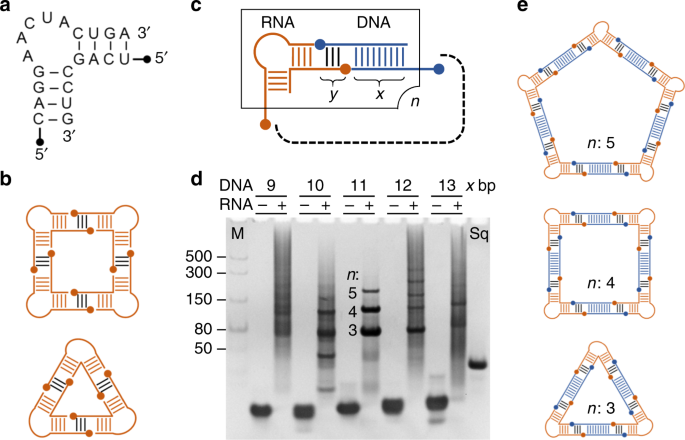
Versatile kit of robust nanoshapes self-assembling from RNA and DNA modules

41467_2019_8521_Fig1_HTML.png

Versatile kit of robust nanoshapes self-assembling from RNA and DNA modules

Versatile kit of robust nanoshapes self-assembling from RNA and DNA modules, Published online: 05 February 2019; doi:10.1038/s41467-019-08521-6

DNA and RNA have been used for nanotechnology applications, though rarely in combination. Here the authors report the use of RNA motifs as structural joints with DNA building blocks for enhanced construction of small multi-component nanoshapes.

from A via a.sfakia on Inoreader https://go.nature.com/2SrJQ5F

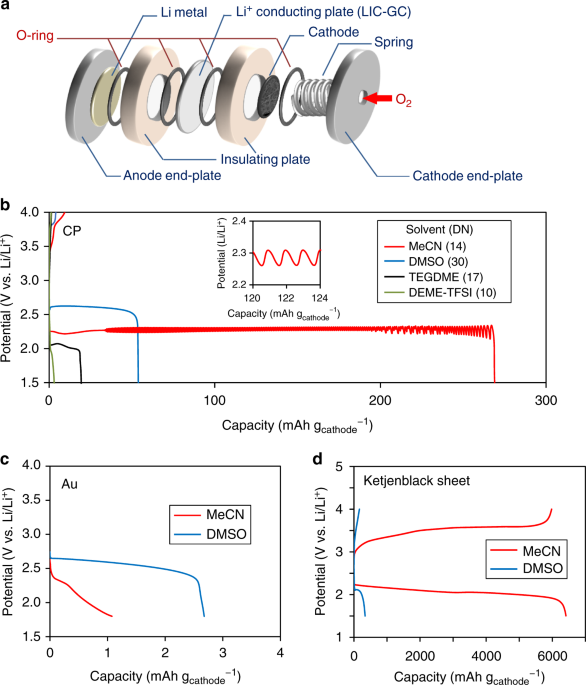
Negative differential resistance as a critical indicator for the discharge capacity of lithium-oxygene batteries

41467_2019_8536_Fig1_HTML.png

Negative differential resistance as a critical indicator for the discharge capacity of lithium-oxygene batteries

Negative differential resistance as a critical indicator for the discharge capacity of lithium-oxygene batteries, Published online: 05 February 2019; doi:10.1038/s41467-019-08536-z

Understanding the fundamental chemistry in Li-O2 battery holds importance to the development of superior energy devices. Here the authors report that the oxygen reduction reaction in Li-O2 battery exhibits negative differential resistance, which can work as an indicator to the reaction pathway.

from A via a.sfakia on Inoreader https://go.nature.com/2Gp7dGK

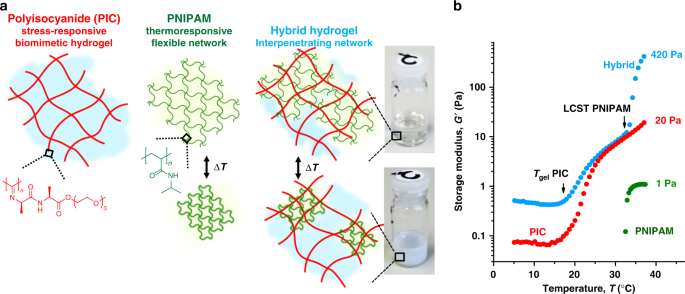
Cytoskeletal stiffening in synthetic hydrogels

41467_2019_8569_Fig1_HTML.png

Cytoskeletal stiffening in synthetic hydrogels

Cytoskeletal stiffening in synthetic hydrogels, Published online: 05 February 2019; doi:10.1038/s41467-019-08569-4

Although common in biology, controlled stiffening of hydrogels in vitro is difficult to achieve. Here the authors show how a biomimetic hybrid hydrogel can be stiffened instantaneously and reversibly up to 50 times.

from A via a.sfakia on Inoreader https://go.nature.com/2GlKR98

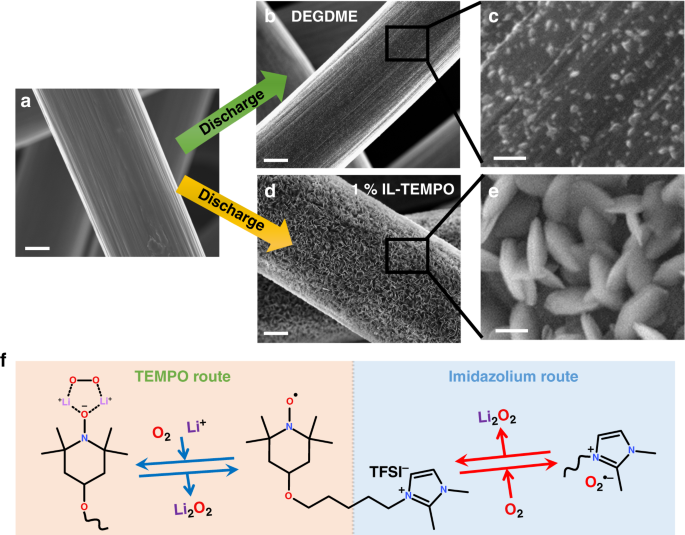
A versatile functionalized ionic liquid to boost the solution-mediated performances of lithium-oxygen batteries

41467_2019_8422_Fig2_HTML.png

A versatile functionalized ionic liquid to boost the solution-mediated performances of lithium-oxygen batteries

A versatile functionalized ionic liquid to boost the solution-mediated performances of lithium-oxygen batteries, Published online: 05 February 2019; doi:10.1038/s41467-019-08422-8

Li-O2 batteries are promising candidates for the next generation of rechargeable batteries, but the side reactions and poor cycling stability limit their applications. Here, the authors show a versatile ionic liquid with functional groups that can address both issues for cells operated in oxygen and air.

from A via a.sfakia on Inoreader https://go.nature.com/2GoYtQN

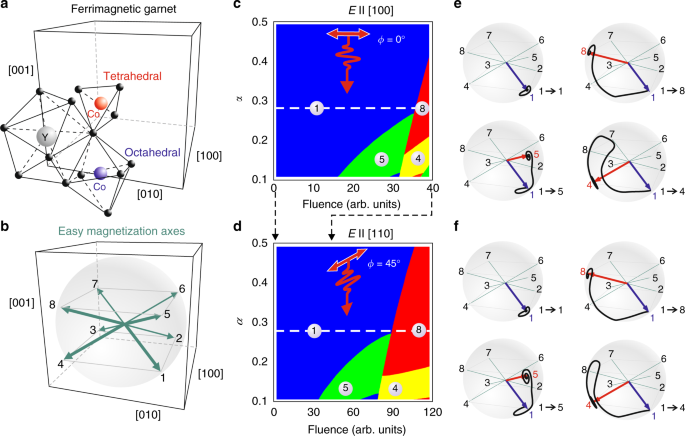
Selection rules for all-optical magnetic recording in iron garnet

41467_2019_8458_Fig1_HTML.png

Selection rules for all-optical magnetic recording in iron garnet

Selection rules for all-optical magnetic recording in iron garnet, Published online: 05 February 2019; doi:10.1038/s41467-019-08458-w

The authors computationally and experimentally derive the selection rules on polarization, wavelengths, and magnetic damping for non-dissipative аll-optical magnetic recording with femtosecond laser pulses in Co-doped garnet film. The suggested approach is based on a multiple resonant pumping of localized d-electron transitions.

from A via a.sfakia on Inoreader https://go.nature.com/2SwEO7W

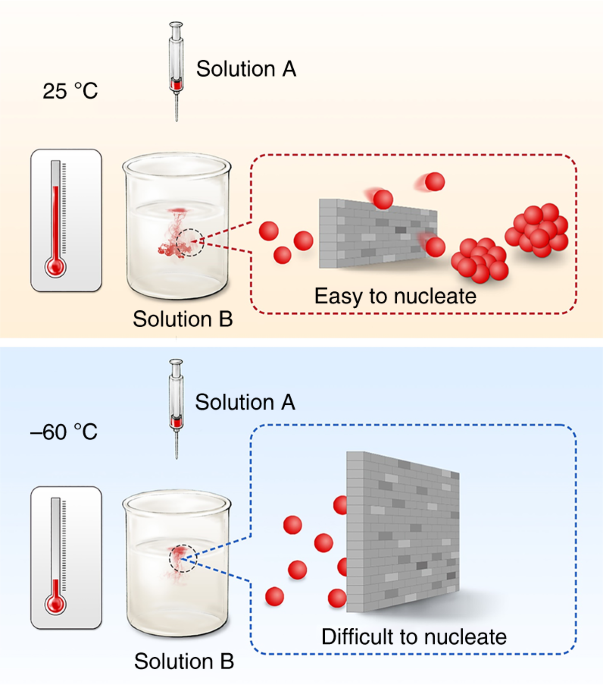
−60 °C solution synthesis of atomically dispersed cobalt electrocatalyst with superior performance

41467_2019_8484_Fig1_HTML.png

−60 °C solution synthesis of atomically dispersed cobalt electrocatalyst with superior performance

−60 °C solution synthesis of atomically dispersed cobalt electrocatalyst with superior performance, Published online: 05 February 2019; doi:10.1038/s41467-019-08484-8

Rapid nucleation and growth hinder the formation of atomically dispersed metals on solid supports in solution. Here the authors report a low-temperature solution-phase synthesis for isolated cobalt atoms on nitrogen-doped carbon, with electrocatalytic activity for oxygen reduction in a microbial fuel cell.

from A via a.sfakia on Inoreader https://go.nature.com/2SwEN3S

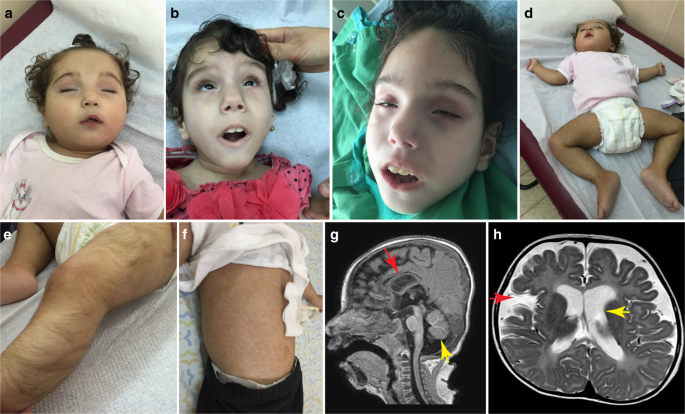
Combined loss of LAP1B and LAP1C results in an early onset multisystemic nuclear envelopathy

41467_2019_8493_Fig1_HTML.png

Combined loss of LAP1B and LAP1C results in an early onset multisystemic nuclear envelopathy

Combined loss of LAP1B and LAP1C results in an early onset multisystemic nuclear envelopathy, Published online: 05 February 2019; doi:10.1038/s41467-019-08493-7

Nuclear envelopathies are a group of diseases caused by genetic mutations in essential nuclear envelope genes. Here, the authors report a nuclear envelopathy with a homozygous nonsense variant in TOR1AIP1 which leads to changes in the nuclear morphology including large nuclear-spanning channels in patients' fibroblasts.

from A via a.sfakia on Inoreader https://go.nature.com/2Gbhvee

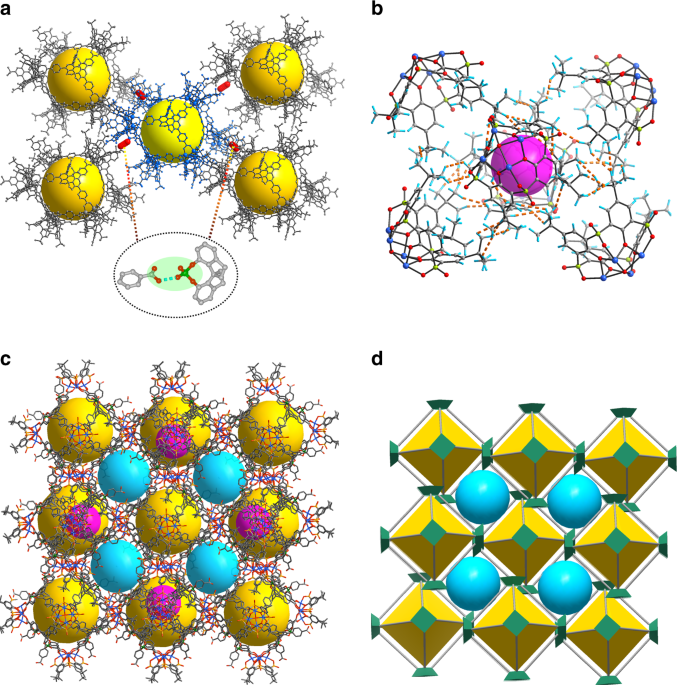
Permanent porous hydrogen-bonded frameworks with two types of Brønsted acid sites for heterogeneous asymmetric catalysis

41467_2019_8416_Fig2_HTML.png

Permanent porous hydrogen-bonded frameworks with two types of Brønsted acid sites for heterogeneous asymmetric catalysis

Permanent porous hydrogen-bonded frameworks with two types of Brønsted acid sites for heterogeneous asymmetric catalysis, Published online: 05 February 2019; doi:10.1038/s41467-019-08416-6

The search for porous materials with strong Brønsted acid sites for challenging chemical reactions has been of significant interest, but remains challenging. Here the authors report a cage extension strategy to construct chiral permanent porous hydrogen-bonded frameworks with strong Brønsted acid groups for heterogeneous asymmetric catalysis.

from A via a.sfakia on Inoreader https://go.nature.com/2SolJFa

Case Report: Clinical Outcome and Image Response of Two Patients With Secondary High-Grade Glioma Treated With Chemoradiation, PCV, and Cannabidiol.

Related Articles

Case Report: Clinical Outcome and Image Response of Two Patients With Secondary High-Grade Glioma Treated With Chemoradiation, PCV, and Cannabidiol.

Front Oncol. 2018;8:643

Authors: Dall'Stella PB, Docema MFL, Maldaun MVC, Feher O, Lancellotti CLP

Abstract
We describe two patients with a confirmed diagnosis of high-grade gliomas (grades III/IV), both presenting with O6-methylguanine-DNA methyltransferase (MGMT) methylated and isocitrate dehydrogenase (IDH-1) mutated who, after subtotal resection, were submitted to chemoradiation and followed by PCV, a multiple drug regimen (procarbazine, lomustine, and vincristine) associated with cannabidiol (CBD). Both patients presented with satisfactory clinical and imaging responses at periodic evaluations. Immediately after chemoradiation therapy, one of the patients presented with an exacerbated and precocious pseudoprogression (PSD) assessed by magnetic resonance imaging (MRI), which was resolved in a short period. The other patient presented with a marked remission of altered areas compared with the post-operative scans as assessed by MRI. Such aspects are not commonly observed in patients only treated with conventional modalities. This observation might highlight the potential effect of CBD to increase PSD or improve chemoradiation responses that impact survival. Further investigation with more patients and critical molecular analyses should be performed.

PMID: 30713832 [PubMed]


from A via a.sfakia on Inoreader http://bit.ly/2UFEZvl

Economic benefits of subcutaneous trastuzumab administration: A single institutional study from Karolinska University Hospital in Sweden.

Economic benefits of subcutaneous trastuzumab administration: A single institutional study from Karolinska University Hospital in Sweden.

PLoS One. 2019;14(2):e0211783

Authors: Hedayati E, Fracheboud L, Srikant V, Greber D, Wallberg S, Linder Stragliotto C

Abstract
INTRODUCTION: Adjuvant trastuzumab is a standard of care in the treatment of Human Epidermal growth factor Receptor 2 (HER2) positive early breast cancer (eBC). Initially trastuzumab could only be administered intravenously (IV), however since 2013, a subcutaneous (SC) formulation with comparable efficacy and safety profile is available and preferred by patients. Trastuzumab SC does not require pharmacy preparation and has shorter administration time. The objective of this study was to estimate the economic efficiency of the SC formulation of trastuzumab by assessing the economic benefits of actual SC-driven process changes at one single Swedish healthcare institution.
METHODS: This study analyzes changes in trastuzumab administration practice after the SC formulation was introduced at the Karolinska University Hospital. Process changes were identified and introduced in order to capitalize on the inherent work efficiency benefits of the SC formulation. Actual hospital data for 2015 were used to quantitatively estimate the annual economic impact of the changes. It encompassed administrative (i.e. non-medical) data of 178 newly diagnosed HER2-positive eBC patients and a total of 2,769 SC administrations. Realized economic benefits were expressed in hours saved by nurses, direct monetary cost savings and potential infusion fee revenue that could be earned through infrastructural revenue gains.
RESULTS: In 2015, the replacement of IV infusion to SC administration generated total time savings of more than 1,100 hours, and led to direct monetary cost savings of 603,000 EUR. It unlocked a capacity gain of 1-2 additional administrations daily within the existing facility infrastructure. Given the current remuneration structure per administration, this revenue gain translated into an incremental revenue potential of up to 3 million EUR.
CONCLUSION: Data from this study showed that the shift from trastuzumab IV to SC formulation resulted in significant economic effects in terms of departmental resources related to time, direct monetary cost savings, and infrastructural revenue gains.

PMID: 30716137 [PubMed - in process]


from A via a.sfakia on Inoreader http://bit.ly/2RGjVTB

Correction to: Treatment of stage II medication-related osteonecrosis of the jaw with necrosectomy and autologous bone marrow mesenchymal stem cells

In the Original publication of the article, the co-author has been misspelled as Fabian Duttenhöfer in the article "Treatment of stage II medication-related osteonecrosis of the jaw with necrosectomy and autologous bone marrow mesenchymal stem cells" published in October 2017, Volume 105, Issue 4 of Odontology. The correct name is "Fabian Duttenhoefer".


from A via a.sfakia on Inoreader http://bit.ly/2TxQBjE

Response to: Comment on “Systematic Review and Meta-Analysis of Diagnostic Accuracy of miRNAs in Patients with Pancreatic Cancer”


from A via a.sfakia on Inoreader http://bit.ly/2Gl76Mt

Response to: Comment on “Pretreatment Hepatitis C Virus NS5A/NS5B Resistance-Associated Substitutions in Genotype 1 Uruguayan Infected Patients”


from A via a.sfakia on Inoreader http://bit.ly/2SsvvWF

Genome-Wide Plasma Cell-Free DNA Methylation Profiling Identifies Potential Biomarkers for Lung Cancer

As a noninvasive blood testing, the detection of cell-free DNA (cfDNA) methylation in plasma has raised an increasing interest due to diagnostic applications. Although extensively used in cfDNA methylation analysis, bisulfite sequencing is less cost-effective. In this study, we investigated the cfDNA methylation patterns in lung cancer patients by MeDIP-seq. Compared with the healthy individuals, 330 differentially methylated regions (DMRs) at gene promoters were identified in lung cancer patients with 33 hypermethylated and 297 hypomethylated regions, respectively. Moreover, these hypermethylated genes were validated with the publicly available DNA methylation data, yielding a set of ten significant differentially methylated genes in lung cancer, including B3GAT2, BCAR1, HLF, HOPX, HOXD11, MIR1203, MYL9, SLC9A3R2, SYT5, and VTRNA1-3. Our study demonstrated MeDIP-seq could be effectively used for cfDNA methylation profiling and identified a set of potential biomarker genes with clinical application for lung cancer.

from A via a.sfakia on Inoreader http://bit.ly/2Gl71Zb

Crocin as a novel therapeutic agent against colitis.

Related Articles

Crocin as a novel therapeutic agent against colitis.

Drug Chem Toxicol. 2019 Feb 03;:1-8

Authors: Rezaei N, Avan A, Pashirzad M, Rahmani F, Moradi Marjaneh R, Behnam-Rassouli R, Shafiee M, Ryzhikov M, Hashemzehi M, Ariakia F, Bahreyni A, Hassanian SM, Khazaei M

Abstract
Ulcerative colitis is a chronic inflammatory bowel disease with high incidence and prevalence worldwide. To investigate the therapeutic potency of crocin, as a pharmacologically active component of saffron, in dextran sodium sulfate (DSS)-induced colitis mice model. Experimental colitis was induced by 7-day administration of DSS dissolved in water at a concentration of 1.5% (w/v). The animals were randomly divided into four groups (n¼6 for each group). (1) Control group received regular drinking water for four weeks, (2) the second group of mice received regular drinking water for three weeks and then received DSS for one week, (3) and (4) the other two groups received 50-ppm or 200-ppm crocin for three weeks, respectively, and then treated with DSS for one week. Our results showed that Crocin attenuates colitis disease activity index including body weight loss, diarrhea, rectal bleeding, and colon shortening in crocin pre-tread mice. Comparison of histology of colon tissues between groups showed that crocin significantly decreases colon histopathological score, at least partially, by eliciting anti-inflammatory responses in DSS-induced colitis mice. These results clearly showed that crocin is a novel therapeutic agent with low toxicity as well as great clinical significance in treatment of colitis.

PMID: 30714419 [PubMed - as supplied by publisher]


from A via a.sfakia on Inoreader http://bit.ly/2GoQSlt

Future Oncology; +31 new citations

31 new pubmed citations were retrieved for your search. Click on the search hyperlink below to display the complete search results:

Future Oncology

These pubmed results were generated on 2019/02/05

PubMed comprises more than millions of citations for biomedical literature from MEDLINE, life science journals, and online books. Citations may include links to full-text content from PubMed Central and publisher web sites.


from A via a.sfakia on Inoreader http://bit.ly/2SstXMs

Controlled comparative clinical trial of hearing benefit outcomes for users of the Cochlear™ Nucleus® 7 Sound Processor with mobile connectivity.

Related Articles

Controlled comparative clinical trial of hearing benefit outcomes for users of the Cochlear™ Nucleus® 7 Sound Processor with mobile connectivity.

Cochlear Implants Int. 2019 Feb 02;:1-11

Authors: Warren CD, Nel E, Boyd PJ

Abstract
OBJECTIVES: To assess subjective benefits and objective speech recognition performance following a take-home trial with the new Cochlear™ Nucleus® 7 Sound Processor (SP), in experienced users of compatible cochlear implants from Cochlear Limited.
METHODS: A total of 37 adult participants were fitted with the Nucleus 7 SP and used the device for up to one year. Baseline speech recognition was assessed at the initial fitting session, using each participant's own SP, and Client Oriented Scale of Improvement (COSI) goals were identified. Speech recognition was measured after 3 months of device use and outcomes of the COSI and a non-validated Processor Comparison Questionnaire (PCQ) were collected. After 11 months, a subset of subjects were tested on speech recognition delivered via direct wireless streaming from an Apple® smartphone to the SP and compatible hearing aid on the opposite side (if worn).
RESULTS: The COSI and PCQ instruments both indicated significant improvement in perceived subjective benefits in comparison to the participants' previous SPs. Direct streaming via an Apple mobile phone showed improvements when compared with the acoustic alone condition. Standard speech recognition in quiet and noise was equivalent to that obtained using a previous generation SP which uses the same basic processing as the Nucleus 7 Sound Processor.
CONCLUSIONS: The incremental refinements provided by the Nucleus 7 Sound Processor provide real-world benefits in key areas such as upgraded wireless connectivity. The COSI proved to be an effective tool for individualized assessment of specific benefits that may not be addressed by more standardized instruments.

PMID: 30714500 [PubMed - as supplied by publisher]


from A via a.sfakia on Inoreader http://bit.ly/2DUAwiI

Contouring experiences amongst Australian, New Zealand and Singaporean radiation oncology trainees. Is it enough? What next?

Abstract

Introduction

This paper reports the key findings of the first survey of Australian, New Zealand (ANZ) and Singaporean radiation oncology trainees on contouring and planning.

Methods

The survey was conducted from May to July 2018 using a 35‐question instrument. It was emailed to all ANZ and Singaporean trainees on the Royal Australian and New Zealand College of Radiologists (RANZCR) database with at least 6 months experience. The questions related to demographics, time spent on contouring, most difficult sites to contour, most useful atlas, feedback on contouring, interaction with radiation therapists, plan reviews, stereotactic radiation therapy (SBRT), brachytherapy and suggested areas of improvement. Respondents were assured that their responses were anonymous.

Results

The response rate was 50% (54/108). Most respondents were from New South Wales (31%) with nearly all working full time (96%) and a large majority in public practice (89%). All respondents had at least one other accredited trainee at their site. The large majority (75%) spent at least two hours per week contouring, but nearly 80% had to spend some time out of hours contouring with 10% performing all their contouring out of hours. Two‐thirds of respondents indicated there was insufficient time for contouring with over half having no allocated time for this activity. All respondents were allowed to independently contour by their consultants and were allowed to do radical and palliative cases. The most difficult cases to contour were head and neck and the upper gastrointestinal sites with the RTOG atlas the most useful guide. All trainee respondents received feedback on their contouring which was most often face to face. Interaction with radiation therapists was valuable and more interaction was desired. Two‐thirds (67%) of respondents had the opportunity to review treatment plans with consultants with one to two cases per week being the most common numbers reviewed, but this was usually not done (87%) on an allocated time in the roster. The large majority (90%) had the opportunity to be involved in brachytherapy, but this dropped to 60% for SBRT.

Three quarters (73%) of respondents felt that there was not enough time spent on contouring, planning and evaluation of plans.

Conclusions

This initial detailed survey of ANZ and Singaporean trainees on contouring and planning indicates that dedicated protected time without interruption is required for this integral activity with current hours spent on this activity inadequate. Optimisation and improvement in a number of areas is required. Feedback from this study should be adopted by sites and networks. Feedback could also be considered as the Faculty of Radiation Oncology transitions into programmatic assessment.


from A via a.sfakia on Inoreader http://bit.ly/2GmS8Wc

Endophyte-mediated synthesis of silver nanoparticles and their biological applications

Abstract

Biosynthesis has emerged as a frontier technology for fabrication of functionally diverse nanoparticles that possess tremendous therapeutic implications. Various biological resources have already demonstrated their potential to produce nanoparticles with interesting features. Endophytic microbes live in a symbiotic relationship with plants possessing a unique and versatile reservoir of potentially therapeutic secondary metabolites having the tendency to reduce metallic ions into nanoparticles. Successful biosynthesis of AgNPs using endophytic organisms has already been reported; however, the overall picture about its synthesis and applications is still not clear. In the current article, a comprehensive review of literature was performed for comparing different physical and biological properties of endophytic microbe-derived AgNPs. In addition, the present paper mechanistically explains the synthesis of AgNPs and their diverse pharmacognostic properties. Further studies are encouraged to understand the mechanism of biopharmaceutical effects of these endophyte-mediated NPs.


from A via a.sfakia on Inoreader http://bit.ly/2GsVeIp

Recurrent metastatic occult melanoma - Long-term remission after detection of the primary tumor by FDG-PET/CT.

Recurrent metastatic occult melanoma - Long-term remission after detection of the primary tumor by FDG-PET/CT.

Jpn J Clin Oncol. 2019 Jan 31;:

Authors: Freesmeyer M, Goetze S, Elsner P, Gühne F

PMID: 30715443 [PubMed - as supplied by publisher]


from A via a.sfakia on Inoreader http://bit.ly/2MNkAll

Testis cancer incidence rates in the world from the Cancer Incidence in Five Continents XI.

Testis cancer incidence rates in the world from the Cancer Incidence in Five Continents XI.

Jpn J Clin Oncol. 2019 Jan 31;:

Authors: Niino M, Matsuda T

PMID: 30715427 [PubMed - as supplied by publisher]


from A via a.sfakia on Inoreader http://bit.ly/2Smtyv9

Problems, goals and solutions reported by cancer patients participating in group problem-solving therapy.

Problems, goals and solutions reported by cancer patients participating in group problem-solving therapy.

Jpn J Clin Oncol. 2019 Jan 31;:

Authors: Matsui T, Hirai K, Shokoji M, Kanai N, Yoshizaki A, Wada N, Ito N, Tokuyama M

Abstract
Background: The purpose of the present study was to categorize and develop lists of contents of problems, goals, solution plans generated through the brainstorming work in therapy, and selected solutions for execution, that treated in problem-solving therapy (PST) for cancer patients in clinical settings, and to describe their characteristics. Additionally, examining the associations of problem domains with characteristics of participants, was also aimed.
Methods: We conducted content analysis using records of thirty-one cancer patients (M = 62.6 years old; SD = 10.5) who participated in PST program.
Results: Problems were categorized into four domains (e.g. psychological and existential problems; physical problems; social relations; social living environment). Participants under treatment at baseline reported psychological and existential problems most often (P < 0.05). Goals were categorized into four domains (e.g. improving mental health; improving physical functions; improving social relations and improving one's social living environment). Solution plans generated through the brainstorming work in therapy were categorized into four domains (e.g. emotion regulation/cognitive adjustment; health behaviors; adjustment of social relationships and adjusting one's social living environment). Selected solutions for execution were categorized into four domains (e.g. emotion regulation/cognitive adjustment; health behaviors; adjustment of social relationships and adjusting one's social living environment).
Conclusions: We found that various problems, goals and solutions were treated in PST of realistic clinical setting. Creating lists based on our study and making use of it for the materials as aids while implementing the PST or being shared with patients and medical staff would be expected.

PMID: 30715425 [PubMed - as supplied by publisher]


from A via a.sfakia on Inoreader http://bit.ly/2GsV7MZ

Current approaches and future perspectives for advanced-stage follicular lymphoma with a low tumor burden.

Current approaches and future perspectives for advanced-stage follicular lymphoma with a low tumor burden.

Jpn J Clin Oncol. 2019 Jan 31;:

Authors: Fukuhara N, Ishizawa K

Abstract
The introduction of a chimeric anti-CD20 monoclonal antibody, rituximab, for the treatment of follicular lymphoma (FL) has dramatically improved the prognosis of this disease. Despite advances in therapy, the disease remains incurable with current standard therapeutic strategies. For advanced-stage and high-tumor-burden FL patients, a combination of rituximab with chemotherapy has improved the overall survival rates, and subsequent rituximab maintenance following successful rituximab-based chemotherapy induction also prolongs progression-free survival. Conversely, for advanced-stage low-tumor-burden FL patients, watchful waiting remains the appropriate approach, whereas rituximab monotherapy has also been suggested as a good alternative. However, the optimal timing of rituximab monotherapy in low-tumor-burden FL patients has not been clarified. It is important to address this issue for chemo-free treatment strategies. Furthermore, a predictive model for advanced low-tumor-burden patients is required to appropriately identify those patients who may benefit from immediate treatment. In this review, we address the current treatment approaches and present potential future management strategies for advanced-stage, low-tumor-burden patients.

PMID: 30715424 [PubMed - as supplied by publisher]


from A via a.sfakia on Inoreader http://bit.ly/2TvWk9J

Prognostic index score predicts outcome of patients with Stage I non-small cell lung cancer after stereotactic body radiation therapy.

Prognostic index score predicts outcome of patients with Stage I non-small cell lung cancer after stereotactic body radiation therapy.

Jpn J Clin Oncol. 2019 Jan 31;:

Authors: Shi S, Ye L, Zhao Q, Hu Y, Huang Y, Chen G, Zeng Z, He J

Abstract
Objective: Lung cancer is the most common causes of cancer death worldwide and patients with non-small-cell lung cancer (NSCLC) have various prognosis. We conducted this study to identify the prognostic predictors and establish a prognostic index score (PIS) for patients with Stage I NSCLC after stereotactic body radiation therapy (SBRT).
Methods: A total of 131 consecutive patients with Stage I NSCLC who underwent SBRT in our institute were analyzed retrospectively. The Cox proportional hazards regression model was applied to identify the prognostic predictors. Time-dependent receiver operating characteristic analysis was performed to examine cutoff values for survival. The Kaplan-Meier method with log-rank test was used to compare survival curves.
Results: Univariate analysis indicated that tumor location, maximum standardized uptake value (SUVmax), monocyte counts and platelet-to-lymphocyte ratio (PLR) were prognostic factors of overall survival (OS). SUVmax and PLR remained significant in multivariate analysis. Survival analysis indicated both high-SUVmax and PLR correlated with inferior OS and PFS. A PIS was constructed based on pretreatment SUVmax and PLR and a high PIS was also significantly associated with poor outcome.
Conclusion: The pretreatment SUVmax and PLR were independent prognostic factors of OS in patients with Stage I NSCLC after SBRT. PIS provides a convenient and accurate tool for predicting outcome of patients after SBRT.

PMID: 30715411 [PubMed - as supplied by publisher]


from A via a.sfakia on Inoreader http://bit.ly/2Smtlbl

Death, statistics and a disaster zone: the struggle to count the dead after Hurricane Maria


from A via a.sfakia on Inoreader https://go.nature.com/2GsV041

Αναζήτηση αυτού του ιστολογίου

! # Ola via Alexandros G.Sfakianakis on Inoreader