Αρχειοθήκη ιστολογίου

Τρίτη 1 Ιανουαρίου 2019

Prescription Contraceptive Sales Following the Affordable Care Act

Abstract

Objectives We examine trends in prescription contraceptive sales following the Affordable Care Act's (ACA) zero-copayment contraceptive coverage mandate in areas more likely to be affected by the provision relative to areas less likely to be affected. Methods Before the ACA, several states had their own contraceptive insurance coverage mandates. Using a national prescription claims database combined with wholesaler institutional sales activity from January 2008 through June 2014, we compare sales of the intrauterine device (IUD), implant, injectable, pill, ring, and patch in states that had a state-level insurance coverage mandate before the ACA to states that did not. Results Overall, our results imply the ACA increased sales of prescription contraceptives, with stronger effects for some methods than others. Specifically, we find the ACA increased sales of injectable contraceptives, but had no significant impact on sales of the IUD, implant, pill, or patch in states without a state-level mandate before the ACA relative to states that had a state-level mandate. We also find suggestive evidence of a reduction in sales of the ring. Conclusions for Practice Demand responses to changes in out-of-pocket expenses for contraception vary across methods. Eliminating copays could promote the use of contraceptives, but is not the only approach to increasing contraceptive utilization.


from A via a.sfakia on Inoreader http://bit.ly/2At7m8f

Intimate Partner Violence Screening in the Prenatal Period: Variation by State, Insurance, and Patient Characteristics

Abstract

Objective To measure the proportion of women screened for IPV during prenatal care; to assess the predictors of prenatal IPV screening. Methods We use the CDC's 2012 Pregnancy Risk Assessment Monitoring System, representative of births in 24 states and New York City (N = 28,581). We calculated descriptive and logistic regressions, weighted to deal with state-clustered observations. Results 49.2% of women in our sample reported being screened for IPV while pregnant. There were higher screening rates among women of color, and those who had not completed high school, never been married, received WIC benefits, initiated prenatal care in the first trimester, and were publicly insured. State screening rates varied (29.9–62.9%). Among states, mandated perinatal depression screening or training was positively associated with IPV screening. 3.6% of women in our sample reported prenatal IPV but were not screened during pregnancy. Conclusions for Practice Current efforts have not led to universal screening. We need to better understand when and why providers do not screen pregnant patients for IPV.


from A via a.sfakia on Inoreader http://bit.ly/2SCmszz

Screening for Pregnancy Status in a Population-Based Sample: Characteristics Associated with Item Nonresponse

Abstract

Objectives

Population-based recruitment of a cohort of women who are currently pregnant or who may become pregnant in a given timeframe presents challenges unique to identifying pregnancy status or the likelihood of future pregnancy. Little is known about the performance of individual eligibility items on pregnancy screeners although they are critical to participant recruitment. This paper examined the patterns and respondent characteristics of key pregnancy screener items used in a large national study.

Methods

Cross-sectional analyses were conducted. Descriptive statistics and multivariable logistic regression models were used to examine nonresponse patterns to three questions (currently pregnant, trying to get pregnant and able to get pregnant). The questions were asked of 50,529 women in 17 locations across the US, as part of eligibility screening for the National Children's Study Vanguard Study household-based recruitment.

Results

Most respondents were willing to provide information about current pregnancy, trying, and able to get pregnant: 99.3% of respondents answered all three questions and 97.4% provided meaningful answers. Nonresponse ranged from 0.3 to 2.5% for individual items. Multivariable logistic regression results identified small but statistically significant differences in nonresponse by respondent age, marital status, race/ethnicity-language, and household-based recruitment group.

Conclusions for Practice

The high levels of response to pregnancy-related items are impressive considering that the eligibility questions were fairly sensitive, were administered at households, and were not part of a respondent-initiated encounter.


from A via a.sfakia on Inoreader http://bit.ly/2VnqRIj

Associations of Socio-demographic, Family, and Neighborhood Factors with Physical Activity-Related Parenting Practices Among Hong Kong Preschoolers’ Parents

Abstract

Objectives Regular engagement in physical activity (PA) has numerous health benefits in young children. Young children's parents can influence their children's PA behavior through different PA-related parenting practices. This cross-sectional study examined the independent contributions of socio-demographic, family/home and parent-perceived neighborhood environmental characteristics explaining PA-related parenting practices encouraging or discouraging PA among Hong Kong preschool-aged children (3–5 years-old). Methods Hong Kong Chinese preschoolers' parents were recruited from pre-selected kindergartens and Maternal and Child Health Centers located in areas stratified by residential density and socio-economic status. They self-completed socio-demographic, family/home and perceived neighborhood characteristics and PA-related parenting practices questionnaires. Generalized linear models were used to examine associations of socio-demographic, family/home and neighborhood variables with PA-related parenting practices. Results Socio-demographic and family/home characteristics were significantly correlated with parenting practices encouraging and discouraging PA. Parent-perceived neighborhood characteristics were significantly correlated with parenting practices discouraging PA only. Conclusions for Practice This study identified correlates of PA-related parenting practices among parents of Hong Kong Chinese preschoolers. The findings suggest future PA-promoting interventions among Chinese preschoolers via the promotion of parenting practices encouraging children's PA should consider multiple factors, including family relationships and childcare sharing, promotion of PA and its benefits among parents, and neighborhood social cohesion, traffic safety and safety from crime.


from A via a.sfakia on Inoreader http://bit.ly/2Qhn5w6

Maternal Metabolic Complications in Pregnancy and Offspring Behavior Problems at 2 Years of Age

Abstract

Objectives Prenatal maternal metabolic problems such as pre-pregnancy adiposity, excess gestational weight gain, and gestational diabetes mellitus (GDM) are associated with an increased risk of psychopathology in offspring. We examined whether these exposures were linked to symptoms of emotional and behavioral problems in offspring at 2 years of age, or if associations were due to confounding variables. Methods Data from 815 mother–child pairs enrolled at the Edmonton site of the Canadian Healthy Infant Longitudinal Development cohort were used to examine associations between gestational metabolic complications and scores on the externalizing and internalizing scales of the Child Behavior Checklist (CBCL-1½ to 5) at age two. Associations between maternal metabolic complications and offspring psychopathology were assessed before and after adjustment for gestational diet, socioeconomic status (SES), postpartum depression (PPD), prenatal smoking and breastfeeding. Results Pre-pregnancy body mass index and GDM, but not gestational weight gain, predicted more offspring externalizing and internalizing problems. However, after adjustment for confounding variables, these associations were no longer statistically significant. Post-hoc analyses revealed that gestational diet accounted for unique variance in both externalizing (semi-partial rdiet = − 0.20, p < 0.001) and internalizing (semi-partial rdiet = − 0.16, p = 0.01) problems. PPD and SES also accounted for a similar amount of variance for both externalizing (semi-partial rPPD = 0.17, p < 0.001; rses = − 0.11, p = 0.03) and internalizing problems (semi-partial rPPD = 0.21, p < 0.001; rses = − 0.14, p = 0.004). Conclusions for Practice Since the confounding effect of gestational diet persisted after adjustment for, and was similar in magnitude to, SES and PPD, future research should consider the impact of unhealthy prenatal diets on offspring neurodevelopment.


from A via a.sfakia on Inoreader http://bit.ly/2ArEuNT

Dual Versus Single Parental Households and Differences in Maternal Mental Health and Child’s Overweight/Obesity

Abstract

Objectives Mothers report higher levels of psychological stress than fathers. s. Psychological stress is posited to influence parenting practices that could increase children's obesity risk. However, previous studies have not investigated several aspects of maternal mental health and the moderating role of household structure on children's obesity risk. The objective was to investigate associations of maternal mental health with child obesity risk, and whether these associations differed by household structure (single-parent vs. dual parent/multigenerational). Methods Mothers and their 8–12 year old children (N = 175 dyads) completed baseline questionnaires on mothers' mental health and child anthropometrics. Separate logistic regressions assessed associations of standardized maternal mental health indicators with the odds of child overweight/obesity, controlling for child age, and women's BMI, age, education, employment status, and annual income. Household structure was investigated as a moderator of these relationships.Results There were no statistically significant relationships between maternal mental health characteristics and odds of child overweight/obesity. Among single mothers only, greater anxiety was associated with higher risk of child overweight/obesity [OR (95% CI) = 3.67 (1.27–10.62); p = 0.0163]; and greater life satisfaction was marginally associated with lower risk of child overweight/obesity [OR (95% CI) = 0.44 (0.19–1.01); p = 0.0522]. Mothers' life satisfaction may lower risk for their children's overweight/obesity, whereas higher anxiety may increase this risk, particularly among children living in single-mother households. Conclusions for Practice Future interventions could increase resources for single mothers to buffer the effects of stress and lower pediatric obesity risk.


from A via a.sfakia on Inoreader http://bit.ly/2Sx2ohN

Socio-Structural Factors Influencing the Prevention of Mother-to-Child Transmission of HIV in the Democratic Republic of the Congo: A Systematic Review

Abstract

Introduction The Democratic Republic of the Congo (DRC) had the second-highest mother-to-child HIV transmission rate in Sub-Saharan Africa at 29% in 2013, however the uptake of preventive services for mother-to-child transmission of HIV (PMTCT) remains suboptimal. This systematic review explores socio-cultural and structural factors influencing PMTCT service uptake in the DRC. Methods We conducted a search of electronic databases. The PEN-3 model was used as a framework to synthesize factors influencing PMTCT service uptake into perceptions, enablers, and nurturers. Results Sixteen studies, 14 quantitative and two qualitative, were retained. Maternal, socio-economic, structural, and cultural factors were found to influence PMTCT service uptake in the DRC. Cost, accessibility, and quality of PMTCT services were key barriers to service uptake. Integration, male partner involvement, and evolving PMTCT policies improved PMTCT service delivery and uptake. This review also revealed several socio-cultural challenges in involving male partners in PMTCT programs. Discussion Findings highlight the need to address barriers and reinforce enablers of PMTCT uptake. Creating culturally appropriate, male-friendly, and family-oriented PMTCT programs will improve service uptake in the DRC.


from A via a.sfakia on Inoreader http://bit.ly/2Vp4pOL

Patterns of Health Insurance Discontinuity and Children’s Access to Health Care

Abstract

Objectives This study classified patterns of discontinuous health insurance coverage, including change in coverage type and gaps in coverage, and described their associations with children's access to health care. Methods Using the 2011–2013 National Health Interview Survey data, we determined children's insurance coverage over the past year, and whether children had a usual source of care, had to delay getting care, or had unmet health care needs. Using multivariable logistic regression, we compared measures of access to care across insurance coverage patterns, classified as continuous private coverage; continuous public coverage; continuous lack of coverage; change in coverage type (public versus private) without gaps in coverage; and any gap in coverage. A subgroup analysis repeated this comparison for children with a caregiver-reported chronic physical illness. Results The analysis included 34,105 children, of whom 7% had a gap in coverage and 1% had a change in coverage type. On multivariable analysis, gaps in coverage were associated with increased likelihood of unmet health care needs, compared to continuous private (OR 6.9; 95% CI 5.9, 8.0) or continuous public coverage (OR 5.1; 95% CI 4.4, 6.0). Seamless changes in coverage were also associated with greater likelihood of unmet health care needs [OR vs. private: 3.8 (95% CI 2.3, 6.1); OR vs. public: 2.8 (95% CI 1.8, 4.6); all p < 0.001]. Results were similar for other study outcomes, and among children with chronic physical illness. Conclusions for Practice Both gaps in coverage and seamless changes between coverage types were associated with limited health care access for children.


from A via a.sfakia on Inoreader http://bit.ly/2AqhMp3

US State-Level Infertility Insurance Mandates and Health Plan Expenditures on Infertility Treatments

Abstract

Objectives We aimed to examine the extent to which health plan expenditures for infertility services differed by whether women resided in states with mandates requiring coverage of such services and by whether coverage was provided through a self-insured plan subject to state mandates versus fully-insured health plans subject only to federal regulation. Methods This retrospective cohort study used individual-level, de-identified health insurance claims data. We included women 19–45 years of age who were continuously enrolled during 2011 and classified them into three mutually exclusive groups based on highest treatment intensity: in vitro fertilization (IVF), intrauterine insemination (IUI), or ovulation-inducing (OI) medications. Using generalized linear models, we estimated adjusted annual mean, aggregate, and per member per month (PMPM) expenditures among women in states with an infertility insurance mandate and those in states without a mandate, stratified by enrollment in a fully-insured or self-insured health plan. Results Of the 6,006,017 women continuously enrolled during 2011, 9199 (0.15%) had claims for IVF, 10,112 (0.17%) had claims for IUI, and 23,739 (0.40%) had claims for OI medications. Among women enrolled in fully insured plans, PMPM expenditures for infertility treatment were 3.1 times higher for those living in states with a mandate compared with states without a mandate. Among women enrolled in self-insured plans, PMPM infertility treatment expenditures were 1.2 times higher for mandate versus non-mandate states. Conclusions for Practice Recorded infertility treatment expenditures were higher in states with insurance reimbursement mandates versus those without mandates, with most of the difference in expenditures incurred by fully-insured plans.


from A via a.sfakia on Inoreader http://bit.ly/2SuTD7P

Health Facility Cost of Cesarean Delivery at a Rural District Hospital in Rwanda Using Time-Driven Activity-Based Costing

Abstract

Objective To determine the health facility cost of cesarean section at a rural district hospital in Rwanda. Methods Using time-driven activity-based costing, this study calculated capacity cost rates (cost per minute) for personnel, infrastructure and hospital indirect costs, and estimated the costs of medical consumables and medicines based on purchase prices, all for the pre-, intra- and post-operative periods. We estimated copay (10% of total cost) for women with community-based health insurance and conducted sensitivity analysis to estimate total cost range. Results The total cost of a cesarean delivery was US$339 including US$118 (35%) for intra-operative costs and US$221 (65%) for pre- and post-operative costs. Costs per category included US$46 (14%) for personnel, US$37 (11%) for infrastructure, US$109 (32%) for medicines, US$122 (36%) for medical consumables, and US$25 (7%) for hospital indirect costs. The estimated copay for women with community-based health insurance was US$34 and the total cost ranged from US$320 to US$380. Duration of hospital stay was the main marginal cost variable increasing overall cost by US$27 (8%). Conclusions for Practice The cost of cesarean delivery and the cost drivers (medicines and medical consumables) in our setting were similar to previous estimates in sub-Saharan Africa but higher than earlier average estimate in Rwanda. The estimated copay is potentially catastrophic for poor rural women. Investigation on the impact of true out of pocket costs on women's health outcomes, and strategies for reducing duration of hospital stay while maintaining high quality care are recommended.


from A via a.sfakia on Inoreader http://bit.ly/2At73dB

Highly adsorptive chitosan/saponin-bentonite composite film for removal of methyl orange and Cr(VI)

Abstract

Robust and simple composite films for the removal of methyl orange (MO) and Cr(VI) have been prepared by combining chitosan, saponin, and bentonite at a specific ratio. There are several composite films (chitosan-saponin-bentonite (CSB)) prepared; among them, the composite films CSB2:3 and CSB1:1 have the highest removal efficiency toward MO and Cr(VI) where the maximum removal is 70.4% (pH 4.80) and 92.3% (pH 5.30), respectively. It was found that different types of adsorbate have different thermodynamic properties of the adsorption process; the adsorption of MO onto CSB2:3, chitosan, and acid-activated bentonite (AAB) proceeded endothermically, while the adsorption of Cr(VI) onto CSB1:1, chitosan, and AAB proceeded exothermically. The parameters of the adsorption were modeled by using isotherm and kinetic equations. The models of Langmuir, Freundlich, Redlich-Peterson, Sips, and Toth were used for fitting the adsorption isotherm data at a temperature of 30, 45, and 60 °C; all of the isotherm models could represent the data well. The result indicates that CSB2:3 has the highest adsorption capacity toward MO with qm of 360.90 mg g−1 at 60 °C; meanwhile, CSB1:1 has the highest adsorption capacity toward Cr(VI) with qm 641.99 mg g−1 at 30 °C. The pseudo-second-order model could represent the adsorption kinetics data better than the pseudo-first-order equation. The adsorption mechanism was proposed, and the thermodynamic properties of the adsorption were also studied.


from Energy Ecology Environment Ambio via Terpsi Hori on Inoreader http://bit.ly/2Vh8WCW

Trace Elements Associated with Systemic Lupus Erythematosus and Insulin Resistance

Abstract

Systemic lupus erythematosus (SLE) is a chronic inflammatory autoimmune disease of multifactorial origin. Studies have shown that trace elements such as zinc and copper may help maintain optimum function of the immune system and metabolism, while toxic metals such as lead may increase systemic autoimmunity. The current study aimed to assess the relationship between serum concentration of lithium (Li), vanadium (V), copper (Cu), zinc (Zn), molybdenum (Mo), cadmium (Cd), and lead (Pb) and SLE diagnosis, disease activity measured by SLE disease activity index (SLEDAI) and insulin resistance (IR). This case-control, cross-sectional study included 225 patients, 120 healthy controls, and 105 SLE patients. Serum concentration of Li, V, Cu, Zn, Mo, Cd, and Pb was measured. Serum concentrations of V (p < 0.001), Zn (p < 0.001), and Pb (p < 0.001) were lower and Mo (p < 0.001) and Li (p < 0.001) were higher in patients with SLE compared to healthy controls. SLE diagnosis was associated with higher serum Li (p < 0.001) concentration and lower V (p < 0.001), Zn (p = 0.003), and Pb (p = 0.020). Toxic metals and trace elements were not associated with disease activity. Levels of Cd were higher in patients with IR (p = 0.042). There was no significant association between IR and the other metals. The results indicate that SLE patients have different profiles of trace elements and toxic metals compared to healthy controls. While some toxic metals and trace elements were found to be associated with SLE diagnosis, they had no effect on disease activity and IR.


from A via a.sfakia on Inoreader http://bit.ly/2Qddd6R

Nutritional Effects of Zinc on Metabolic Syndrome and Type 2 Diabetes: Mechanisms and Main Findings in Human Studies

Abstract

Zinc (Zn) plays crucial roles in mammalian metabolism. There is increasing interest about the potential beneficial effects of Zn on the prevention or treatment of non-communicable diseases. This review critically analyzes the information related to the role of Zn on the metabolic syndrome (MetS) as well as type 2 diabetes (T2D), and summarizes the biological basis of these potential effects of Zn. There are several mechanisms by which Zn may help to prevent the development or progression of MetS and T2D, respectively. Zn is involved in both insulin secretion and action in peripheral tissues. Specifically, Zn has insulin-mimetic properties that increase the activity of the insulin signaling pathway. Zn modulates long-chain polyunsaturated fatty acids levels through its action on the absorption of essential fatty acids in the intestine and its subsequent desaturation. Zn is also involved in both the assembly of chylomicrons and lipoproteins as well as their clearance, and thus, plays a role in lipolysis regulation. Finally, Zn has been found to play a role in redox metabolism, and in turn, on blood pressure. The evidence related to the association between Zn status and occurrence of MetS is inconsistent. Although there are several studies reporting an inverse relationship between Zn status or dietary Zn intake and MetS prevalence, others found a direct relationship between Zn status and MetS prevalence. Intervention studies also provide confusing information about this issue, making it hard to reach firm conclusions. Zn as part of the treatment for patients with T2D has been shown to have positive responses in terms of glucose control outcomes, but only among those with Zn deficiency.


from A via a.sfakia on Inoreader http://bit.ly/2VolA3a

The Inverted U-Curve Association of Fluoride and Osteoclast Formation in Mice

Abstract

The effect of fluoride on osteoclasts is still controversial. In the past, researchers thought that the effects of fluoride on osteoclast and osteoblast formation occurred in a dose-dependent pattern. However, our previous in vitro study showed fluoride elicited a notably different effect on osteoclast formation. To further verify the relationship between fluoride and osteoclast formation in vivo, 60 male C57BL/6 mice were randomly divided into three groups: two treatment groups consuming water supplemented with 50 and 100 mg/L of fluoride, and a third control group with nonsupplemented water. Ion selective electrode method analysis was used to detect bone fluoride content, and the effects of fluoride on bone tissue were assessed with hematoxylin and eosin (HE) staining. Additionally, the expression of BGP and ALP were examined by Western blot analysis, and tartrate-resistant acid phosphatase (TRAP) was assessed with immunohistochemistry. Osteoclasts in bone tissue were identified with a combination method of TRAP staining and cell morphology assessment. Results showed increasing expression of BGP among treatment groups as fluoride exposure increased, and ALP expression in the 100 mg/L treatment group was significantly higher than that for both the 50 mg/L treatment and control groups. The number of osteoclasts in the 50 mg/L group was highest amongst the three groups, followed by the 100 mg/L treatment and then by the control group, with the latter showing significantly fewer osteoclasts than in either treatment group. These results suggest that fluoride enhances bone formation at increasing levels of fluoride exposure. However, the inverted U-curve association was found between fluoride exposure and osteoclast formation, with the higher dose of fluoride having slightly reduced osteoclast formation. The results from this study may provide key insights towards understanding the role of osteoclasts in the progression of skeletal fluorosis.


from A via a.sfakia on Inoreader http://bit.ly/2QgTByw

Concentrations of Thirteen Trace Metals in Scales of Three Nototheniid Fishes from Antarctica (James Ross Island, Antarctic Peninsula)

Abstract

In this study, we assessed concentrations of 13 trace metals in the scales of Notothenia coriiceps, Trematomus bernacchii and Gobionotothen gibberifrons caught off the coast of James Ross Island (Antarctic Peninsula). Overall, our results for scales broadly match those of previous studies using different fish and different organs, with most metals found at trace levels and manganese, aluminium, iron and zinc occurring at high levels in all species. This suggests that scales can serve as a useful, non-invasive bioindicator of long-term contamination in Antarctic fishes. High accumulation of manganese, aluminium, iron and zinc is largely due to high levels in sediments associated with nearby active volcanic sites. Manganese, vanadium and aluminium showed significant positive bioaccumulation in T. bernacchii (along with non-significant positive accumulation of iron, zinc, cobalt and chromium), most likely due to greater dietary specialisation on sediment feeding benthic prey and higher trophic species. Levels of significance in bioaccumulation regressions were strongly affected by large-scale variation in the data, driven largely by individual differences in diet and/or changes in habitat use and sex differences associated with life stage and reproductive status. Increased levels of both airborne deposition and precipitation and meltwater runoff associated with climate change may be further adding to the already high levels of manganese, aluminium, iron and zinc in Antarctic Peninsula sediments. Further long-term studies are encouraged to elucidate mechanisms of uptake (especially for aluminium and iron) and possible intra- and interspecific impacts of climate change on the delicate Antarctic food web.


from A via a.sfakia on Inoreader http://bit.ly/2Vk7pfs

High Concentration of Sodium Metasilicate Impairs Autophagic Flux and Induces Apoptosis in Human Umbilical Vein Endothelial Cells

Abstract

Silicon-doped materials have been widely used in bone regeneration research; however, a consensus on the safety range of silicon ions has not been reached and its toxicity mechanism remains to be further elucidated. This study aims to explore whether high level of sodium metasilicate can induce toxicity effect in human umbilical vein endothelial cells (HUVEC) and the role of autophagy and apoptosis in its toxic mechanism. HUVEC was treated with different level of high silicon and then investigated with respect to morphologic change, cell viability, immunofluorescence, the level of autophagy, and apoptosis-related protein. Moreover, bafilomycin A1 (Baf A1) was applied to detect whether autophagic flux is disrupted, and 3-methyladenine (3-MA, an autophagy inhibitor) was used to determine the relationship between autophagy and apoptosis. Results demonstrated that high-level silicon induced cell viability to decrease; LC3-II, p62, and apoptosis-related proteins were up-regulated after exposure to high-dose silicon (sodium metasilicate concentration more than 1 mM). There is no significant difference in LC3-II and p62 between Baf A1 and sodium metasilicate-exposed group. Besides, 3-MA further increased the apoptotic rate by inhibiting autophagy after high silicon exposure. Collectively, high concentration of silicon can impair autophagy and induce apoptosis in human umbilical vein endothelial cells, and autophagy may play a protective role in HUVEC apoptosis. Furthermore, silicon concentration used in HUVEC should not be more than 1 mM.


from A via a.sfakia on Inoreader http://bit.ly/2QdRxY8

Relationship Between Dietary Intake and Urinary Excretion of Silicon in Free-Living Korean Adult Men and Women

Abstract

Previous studies have reported that silicon (Si) has a positive effect on bone health, immune response, and cognitive health. However, basic and important studies on evaluating dietary intake and urinary excretion of Si are limited. The aim of this study was to evaluate dietary Si intake and urinary excretion according to gender and age in healthy and free-living Korean adults and to investigate the relationship between them with gender. In this cross-sectional study, anthropometric measurements, dietary assessment using a food record, and a 24-h urine collection were conducted in 80 healthy Korean adults (40 males and 40 females; groups of 8 subjects representing each decade of life [20s to 60s]) with self-selected diet. The dietary assessment and 24-h urine collection were performed twice at intervals of 3 days. Daily intake of Si was estimated using a Si database of food composition. Urinary excretion of Si was analyzed using ICP-OES. The mean dietary Si intake was 22.8 mg/day for men and 19.3 mg/day for women without significant difference according to their gender and age. Si intake was the highest from vegetables both in men and women, followed by grains, beverages, and fruits in men and by grains, fruits, and milks in women. Urinary Si excretion was significantly higher in men (9.8 mg/day) than women (9.3 mg/day), and significantly increased with age only in women. Regarding the relationship between dietary Si intake and urinary Si excretion, a significantly positive correlation was found in men, but not in women. Longitudinal and balance studies to elucidate gender differences in Si nutrition are needed.


from A via a.sfakia on Inoreader http://bit.ly/2Vk7kIG

Evaluation of Whole Blood Trace Element Levels in Chinese Children with Autism Spectrum Disorder

Abstract

Autism spectrum disorder (ASD) is a neurodevelopmental disorder, which has increased markedly during the last decades. Essential trace elements play an important role in neurological function and their imbalances are common in children with ASD. The objective of the present study was to investigate whole blood levels of trace elements including zinc (Zn), copper (Cu), iron (Fe), and magnesium (Mg) in Chinese children with ASD. In total, 113 children diagnosed with ASD and 141 age-matched and gender-matched neurotypical children, divided into two gender and age groups of preschool age (2–5 years old) and school (6–10 years old) age, were examined. The quantitative analyses of whole blood trace element contents were performed by using flame atomic absorption spectroscopy. In the present study, the children with ASD generally had lower whole blood levels of Zn than the neurotypical controls. No significant differences in the whole blood Cu, Zn/Cu ratio, Fe, or Mg was detected between the ASD group and the control group. It is notable that whole blood Fe level in boys with ASD was significantly higher than in girls with ASD, and was nearly significant when compared with the control level of boys. After stratification for age, a significant 6% decrease in whole blood Zn levels was detected in preschool-aged children with ASD as compared to the control values. However, this significant ASD-related change was not detected in school-aged children. The whole blood Zn level and Zn/Cu ratio were significantly increased in school-aged children than in preschool-aged children in both ASD and control group. In addition, school-aged children with ASD had a significantly higher level of whole blood Fe than preschool-aged children with ASD. The results of the present study suggest an association between whole blood levels of Zn in Chinese children with ASD.


from A via a.sfakia on Inoreader http://bit.ly/2Qjw00p

Nutraceutical Effect of Trace Elements as Additional Injectable Doses to Modulate Oxidant and Antioxidant Status, and Improves the Quality of Lamb Meat

Abstract

Our study aimed to evaluate whether zinc, copper, selenium, and manganese subcutaneous mineral application (trace elements) reduced mortality, improved performance, and modulated oxidant and antioxidant balance in lamb meat, thereby improving its quality. We divided the 110 newborn Lacaune lambs into two groups: non-treated (control), and treated (application of minerals) with three doses of 0.33 mL/kg of body weight mineral complex on days of life 1, 30, and 60. All animals were weighed on day of life 1, 30, 60, 90, and 150. At the end of the experiment, 12 animals were slaughtered for physical and chemical analysis of meat, oxidant, and antioxidant status, and for allometric analysis. Mineral-application animals had greater live-weight (P < 0.05) on days of life 60 and 90. There was an increase in fat thickness (P = 0.004); pH levels (P = 0.002) were lower in mineral-application animal meat than in that of the control group. Meat was paler (according to lightness (L color)) in the control group (P = 0.04). Weight loss from cooking was greater in control animals (P = 0.004). Shear strength values were lower in the meat of treated lambs (P = 0.008) suggesting that mineral application was associated with increased meat tenderness. In addition, catalase and superoxide dismutase activities were higher (P = 0.01) in mineral-treated animals, associated with a reduction in reactive oxygen species levels (P < 0.01), and lipid peroxidation products (P = 0.02). These data suggest that mineral application modulated oxidant and antioxidant status, reflecting better meat quality.


from A via a.sfakia on Inoreader http://bit.ly/2VocS52

Is the Concentration of Cadmium, Lead, Mercury, and Selenium Related to Preterm Birth?

Abstract

Environmental pollution and exposure of people to heavy metals cause many bad obstetric outcomes. Our aim is to demonstrate the role of cadmium (Cd), lead (Pb), mercury (Hg), and selenium (Se) in preterm labor etiology with a case-control study. In this study, between November 2017 and April 2018, preterm delivery mothers and term delivery mothers were compared in Çorum, Turkey. All deliveries were performed with cesarean sections and there were 30 mothers in the control group and 20 in the study group. The maternal blood, maternal urine, umbilical cord blood, and heavy metal levels in the amnion fluid in both groups were studied. Graphite furnace atomic absorption spectrometry was used to determine the blood concentration of Cd, Pb, Hg, and Se. We found lower levels of selenium in blood and urine of preterm delivery mothers and umbilical cord and amnion fluids of preterm infants (p < 0.01). We found a statistically significant positive correlation at selenium levels between mother's blood and umbilical cord blood (r (50) = 0.896, p < 0.001) and between maternal urine and amniotic fluid (r (50) = 0.841, p < 0.001). We have not found a similar correlation between mother and fetus of other metals (p > 0.05). We found that selenium levels were lower in mothers who were preterm birth in the light of the data in our study. We could not determine the positive or negative correlation of Cd, Pb, and Hg levels in blood, urine, and amniotic fluid samples with preterm birth.


from A via a.sfakia on Inoreader http://bit.ly/2QjvXSh

Role of Oxidative Stress in Lithium-Induced Nephropathy

Abstract

Long-term lithium treatment was associated with chronic kidney disease and renal failure although the underlying pathogenic mechanisms are not certainty known. The aim of this study was to evaluate changes in oxidative stress measures as well as renal functional and structural alterations associated with chronic use of lithium in rats. Forty Wistar male rats were randomized into four groups: control groups fed ad libitum powered standard diet for 1 and 3 months and experimental groups fed ad libitum the same diet supplemented with 60 mmol/kg diet for 1 and 3 months. Histopathological changes, laboratory parameters, and oxidative stress measurements were assessed at months 1 and 3. The experimental animals showed alteration of the cortical tubules from the first month of lithium-treatment and a decrease in the glomerular filtration rate and in the glomerular area at the third month. There was an increase in thiobarbituric acid reactive substances and carbonyls, as well as an increase in reduced glutathione, in the kidney of rats exposed to lithium. These changes were evident from the first month of treatment and remained throughout the experiment. Our results suggest that, oxidative stress could be one of the pathogenic mechanisms involved in the structural and functional alterations of the kidney associated with prolonged use of lithium. The study of the pathogenic mechanisms involved in lithium-induced nephropathy is a critical issue for the development of new strategies for prevention and/or early detection.


from A via a.sfakia on Inoreader http://bit.ly/2Vk7dNg

Effects of Sodium Selenite, L-Selenomethionine, and Selenium Nanoparticles During Late Pregnancy on Selenium, Zinc, Copper, and Iron Concentrations in Khalkhali Goats and Their Kids

Abstract

The objective of this study was to evaluate the effect of organic, inorganic, and selenium nanoparticle supplements at the final stage of pregnancy on selenium, zinc, copper, and iron concentrations of goats and placental, colostrum, and milk transfer of these trace minerals from goats to their kids. Forty pregnant Khalkhali goats (30 ± 5 kg) were randomly allocated to four treatments including (1) no supplement (control), 0.6 mg Se head−1 day−1 of selenomethionine (SM), 0.6 mg Se head−1 day−1 of selenium nanoparticles (SN), and 0.6 mg Se head−1 day−1 of sodium selenite (SS), from 4 weeks before the expected day of delivery to delivery day. Blood samples were taken from the goats 4 weeks before the expected day of delivery and on the kidding day. Colostrum samples were collected from the goats immediately after kidding. Instantly after delivery, newborn kids were taken apart from their dams and their blood samples were collected from the jugular vein, before they drank their first colostrums and at 7, 14, 21, and 28 after birthday. The results demonstrated that the whole blood and serum Se concentration was greater in Se-supplemented goats compared with the control (P < 0.05). The total Se content of the whole blood and serum was higher in SN than in SM (P < 0.05) and SS goats (P < 0.05). At birth, the whole blood and serum concentration of Se was decreased (P < 0.05) in kids of SN-treated goats contrasted with the control ones (P < 0.05). The copper content of goats and their kids in treated goats was greater compared with control goats except for SN treated, which was decreased (P < 0.05). It was totally vice versa with Zn content trend in the whole blood, serum, and colostrum (P < 0.05), which was also concomitant with an increase in Fe content of kids of supplemented goats at birth and first week of life (P < 0.05). These results seem to indicate a higher efficacy of placental and colostral transfer of Se into kids of SM-treated goats when contrasted with either receiving comparable doses of SN or SS. It could be concluded that Se supplementation can affect and correlate with Cu, Zn, and Fe levels, and this effect depends a lot on the chemical or physical variety of Se supplementation.


from A via a.sfakia on Inoreader http://bit.ly/2QjvTSx

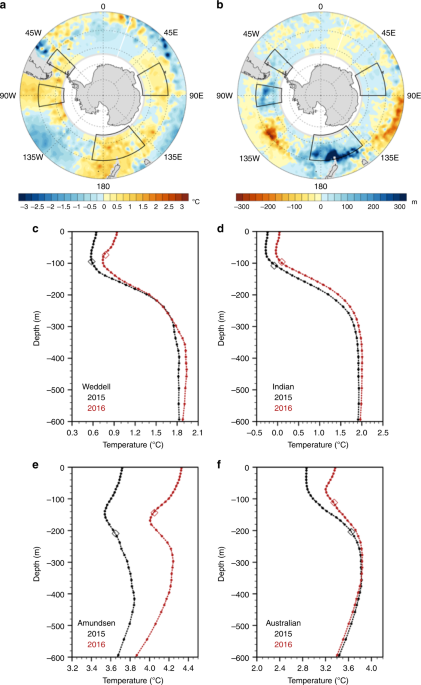
Compounding tropical and stratospheric forcing of the record low Antarctic sea-ice in 2016

Compounding tropical and stratospheric forcing of the record low Antarctic sea-ice in 2016

Compounding tropical and stratospheric forcing of the record low Antarctic sea-ice in 2016, Published online: 02 January 2019; doi:10.1038/s41467-018-07689-7

Antarctic sea ice extent declined dramatically in austral spring 2016. This study shows the decline was initially driven by tropical convection resulting in a wave-3 circulation pattern, followed by weakened circumpolar surface westerlies initialised in the polar stratospheric vortex.

from A via a.sfakia on Inoreader https://go.nature.com/2ApnhVh

Sustained ocean changes contributed to sudden Antarctic sea ice retreat in late 2016

41467_2018_7865_Fig3_HTML.png

Sustained ocean changes contributed to sudden Antarctic sea ice retreat in late 2016

Sustained ocean changes contributed to sudden Antarctic sea ice retreat in late 2016, Published online: 02 January 2019; doi:10.1038/s41467-018-07865-9

In late 2016, there was a sudden and subsequently sustained decrease of Antarctic sea ice extent. Analyses of observations and a model simulation trace the causes to teleconnections from the tropics on the interannual timescale combined with decadal-timescale warming in the upper Southern Ocean.

from A via a.sfakia on Inoreader https://go.nature.com/2SyHcbe

Sustained ocean changes contributed to sudden Antarctic sea ice retreat in late 2016

41467_2018_7865_Fig3_HTML.png


from A via a.sfakia on Inoreader https://go.nature.com/2QdxsB7

Compounding tropical and stratospheric forcing of the record low Antarctic sea-ice in 2016


from A via a.sfakia on Inoreader https://go.nature.com/2VoPt39

Most distant world ever visited is shaped like a peanut

Most distant world ever visited is shaped like a peanut

Most distant world ever visited is shaped like a peanut, Published online: 01 January 2019; doi:10.1038/d41586-018-07909-6

Latest images snapped by NASA's New Horizons spacecraft reveal the contours of 'Ultima Thule' — the space rock 2014 MU69.

from A via a.sfakia on Inoreader https://go.nature.com/2CIG4wh

Magnetic resonance elastography SE-EPI vs GRE sequences at 3T in a pediatric population with liver disease

Abstract

Purpose

The goal of our study is to compare hepatic stiffness measures using gradient-recalled echo (GRE) versus spin-echo echo planar imaging (SE-EPI)-based MR Elastography (MRE) at 3T used to measure hepatic stiffness in a patients with suspected liver diseases.

Materials and methods

This retrospective study included 52 patients with liver disease who underwent a 3T MRE exam including both an investigational SE-EPI-based technique and a product GRE-based technique. Regions of interest (ROI) were placed on the elastograms to measure elastography-derived liver stiffness as well as the area included within the ROIs. The mean liver stiffness values and area of ROIs were compared.

Results

The mean liver stiffness was 3.72 kilopascal (kPa) ± 1.29 using GRE MRE and 3.78 kPa ± 1.13 using SE-EPI MRE. Measurement of liver stiffness showed excellent agreement between the two pulse sequences with a mean bias of − 0.1 kPa (range − 1.8 to 1.7 kPa) between sequences. The mean measurable ROI area was higher with SE-EPI (313.8 cm2 ± 213.8) than with the GRE technique (208.6 cm2 ± 114.8), and the difference was statistically significant (P < 0.05).

Conclusions

Our data shows excellent agreement of measured liver stiffness between GRE and SE-EPI-based sequences at 3T. Our results show the advantage of a SE-EPI MRE sequence in terms of image quality, ROI size and acquisition time with equivalent liver stiffness measurements as compared to GRE-MRE sequence.


from A via a.sfakia on Inoreader http://bit.ly/2TnUHL4

Playboy bunny sign


from A via a.sfakia on Inoreader http://bit.ly/2CKpKv7

Sarcopenia predicts 90-day mortality in elderly patients undergoing emergency abdominal surgery

Abstract

Purpose

Image-based measurement of sarcopenia is an established predictor of a decreased outcome for a large variety of surgical procedures. Sarcopenia in elderly patients undergoing emergency abdominal surgery has not been well studied. This study aims to investigate the association between the total psoas area (TPA) and postoperative mortality after 90 days in a group of elderly emergency laparotomy patients.

Methods

We retrospectively reviewed the emergency CT-scans of 150 elderly patients from a consecutive cohort undergoing emergency abdominal surgery at our surgical center. TPA was measured manually at the level of L3 and indexed to patient height. Sarcopenia was defined as having a TPA index below the first quartile for gender in the cohort. Other collected variables were age, vital status/date of death, ASA-score, surgical procedure, and WHO performance score.

Results

Overall 90-day mortality was 42.7%. Sarcopenic patients had a higher 90-day mortality (60.5%) than non-sarcopenic patients (36.6%), corresponding to an odds ratio of 2.66 (95% confidence interval 1.2–5.7, p = 0.01). Sarcopenic patients had an increased mortality compared with non-sarcopenic patients (p = 0.0009, Log-rank test), with a clear separation of the two groups within 30 days postoperatively. In a multivariate logistic regression model, with age, ASA-score, and WHO performance score as covariates, sarcopenia was independently associated with 90-day mortality.

Conclusion

Manual measurement of TPA on an abdominal CT-scan is a relevant risk factor for postoperative mortality in elderly patients undergoing high-risk emergency abdominal surgery. Incorporation of sarcopenia in postoperative risk-prediction models in emergency abdominal surgery should be considered.


from A via a.sfakia on Inoreader http://bit.ly/2Tk2Yzp

Most distant world ever visited is shaped like a peanut


from A via a.sfakia on Inoreader https://go.nature.com/2ArqT9g

From the archive

From the archive

From the archive, Published online: 01 January 2019; doi:10.1038/d41586-018-07852-6

How Nature reported the flu epidemic in 1919 and a threat to science funding in 1969.

from A via a.sfakia on Inoreader https://go.nature.com/2TkaDh5

Genetic Diversity and Phylogenetic Analysis of Citrus tristeza virus Isolates from Turkey

The presence of Citrus tristeza virus (CTV) in Turkey has been known since the 1960s and the virus was detected in all citrus growing regions of the country. Even though serological and biological characteristics of CTV have been studied since the 1980s, molecular characteristics of CTV isolates have not been studied to date in Turkey. In this study, molecular characteristics of 15 CTV isolates collected from different citrus growing regions of Turkey were determined by amplification, cloning, and sequencing of their major coat protein (CP) genes. The sequence analysis showed that the CP genes were highly conserved among Turkish isolates. However, isolates from different regions showed more genetic variation than isolates from the same region. Turkish isolates were clustered into three phylogenetic groups showing no association with geographical origins, host, or symptoms induced in indicator plants. Phylogenetic analysis of Turkish isolates with isolates from different citrus growing regions of the world including well-characterized type isolates of previously established strain specific groups revealed that some Turkish isolates were closely related to severe quick decline or stem pitting isolates. The results demonstrated that although CTV isolates from Turkey are considered biologically mild, majority of them contain severe components potentially causing quick decline or stem pitting.

from A via a.sfakia on Inoreader http://bit.ly/2EZxFqA

Double-barrel shotgun sign


from A via a.sfakia on Inoreader http://bit.ly/2QfQfvI

Duodenal obstruction induced by retroperitoneal progression of bladder cancer: a report of two cases

Abstract

Bladder cancer usually forms a papillary structure. Progression along the cavity or membranous structures surrounding the bladder, rectum, or retroperitoneum without formation of a discrete mass is rare. We here present two patients with duodenal obstruction caused by retroperitoneal progression of bladder cancer, in both of whom computed tomography revealed bladder and rectal wall thickening with a malignant target sign, thickened mesorectal fascia with abnormal tissue stranding, and increased perirectal fat density. Both cancers progressed despite treatment, as indicated by faint abnormal tissue stranding and increased retroperitoneal fat density along the retromesenteric plane from the pelvis to the duodenum. Subsequently, both patients developed obstruction in the horizontal portion of the duodenum, still without formation of a mass lesion. These two patients highlight the challenges associated with retroperitoneal invasion by bladder cancer in the absence of a mass lesion and underscore the importance of considering cancer progression in patients with bowel obstruction, even when there is no obvious mass lesion and/or only minor retroperitoneal findings. Progression along the retromesenteric plane may be the key pathway via which progressive bladder cancer results in duodenal obstruction without or with a minor mass lesion.


from A via a.sfakia on Inoreader http://bit.ly/2LIMCh9

From the archive


from A via a.sfakia on Inoreader https://go.nature.com/2Arah19

Clinical and Genetic Characteristics in Patients With Gitelman Syndrome.

Related Articles

Clinical and Genetic Characteristics in Patients With Gitelman Syndrome.

Kidney Int Rep. 2019 Jan;4(1):119-125

Authors: Fujimura J, Nozu K, Yamamura T, Minamikawa S, Nakanishi K, Horinouchi T, Nagano C, Sakakibara N, Nakanishi K, Shima Y, Miyako K, Nozu Y, Morisada N, Nagase H, Ninchoji T, Kaito H, Iijima K

Abstract
Introduction: Gitelman syndrome (GS) is a tubulopathy exhibited by salt loss. GS cases are most often diagnosed by chance blood test. Aside from that, some cases are also diagnosed from tetanic symptoms associated with hypokalemia and/or hypomagnesemia or short stature. As for complications, thyroid dysfunction and short stature are known, but the incidence rates for these complications have not yet been elucidated. In addition, no genotype-phenotype correlation has been identified in GS.
Methods: We examined the clinical characteristics and genotype-phenotype correlation in genetically proven GS cases with homozygous or compound heterozygous variants in SLC12A3 (n = 185).
Results: In our cohort, diagnostic opportunities were by chance blood tests (54.7%), tetany (32.6%), or short stature (7.2%). Regarding complications, 16.3% had short stature, 13.7% had experienced febrile convulsion, 4.3% had thyroid dysfunction, and 2.5% were diagnosed with epilepsy. In one case, QT prolongation was detected. Among 29 cases with short stature, 10 were diagnosed with growth hormone (GH) deficiency and GH replacement therapy started. Interestingly, there was a strong correlation in serum magnesium levels between cases with p.Arg642Cys and/or p.Leu858His and cases without these variants, which are mutational hotspots in the Japanese population (1.76 mg/dl vs. 1.43 mg/dl, P < 0.001).
Conclusion: This study has revealed, for the first time, clinical characteristics in genetically proven GS cases in the Japanese population, including prevalence of complications. Patients with hypokalemia detected by chance blood test should have gene tests performed. Patients with GS need attention for developing extrarenal complications, such as short stature, febrile convulsion, thyroid dysfunction, epilepsy, or QT prolongation. It was also revealed for the first time that hypomagnesemia was not severe in some variants in SLC12A3.

PMID: 30596175 [PubMed]


from A via a.sfakia on Inoreader http://bit.ly/2VpfaAH

Spontaneous epileptiform activity in a rat model of bilateral subcortical band heterotopia.

Spontaneous epileptiform activity in a rat model of bilateral subcortical band heterotopia.

Epilepsia. 2018 Dec 30;:

Authors: Sahu S, Buhler E, Vermoyal JC, Watrin F, Represa A, Manent JB

Abstract
OBJECTIVE: Malformations of cortical development are common causes of intellectual disability and epilepsy, yet there is a crucial lack of relevant preclinical models associating seizures and cortical malformations. Here, we describe a novel rat model with bilateral subcortical band heterotopia (SBH) and examine whether this model develops spontaneous epileptic seizures.
METHODS: To generate bilateral SBH in rats, we combined RNAi-mediated knockdown of Dcx and in utero electroporation with a tripolar electrode configuration enabling simultaneous transfection of the two brain hemispheres. To determine whether bilateral SBH leads to epileptiform activity, rats of various ages were implanted for telemetric electrocorticographic recordings and histopathological examination was carried out at the end of the recording sessions.
RESULTS: By 2 months, rats with bilateral SBH showed nonconvulsive spontaneous seizures consisting of spike-and-wave discharges (SWDs) with dominant frequencies in the alpha and theta bands and secondarily in higher-frequency bands. SWDs occurred during both the dark and the light period, but were more frequent during quiet awake state than during sleep. Also, SWDs were more frequent and lasted longer at older ages. No sex differences were found. Although frequencies and durations of SWDs were found to be uncorrelated with the size of SBH, SWDs were initiated in some occasions from brain hemispheres comprising a larger SBH. Lastly, SWDs exhibited absence-like pharmacological properties, being temporarily alleviated by ethosuximide administration.
SIGNIFICANCE: This novel model of bilateral SBH with spontaneous epilepsy may potentially provide valuable new insights into causality between cortical malformations and seizures, and help translational research aiming at designing novel treatment strategies for epilepsy.

PMID: 30597542 [PubMed - as supplied by publisher]


from A via a.sfakia on Inoreader http://bit.ly/2ArYsb5

EEG findings in NMDA encephalitis - A systematic review.

EEG findings in NMDA encephalitis - A systematic review.

Seizure. 2018 Dec 19;65:20-24

Authors: Gillinder L, Warren N, Hartel G, Dionisio S, O'Gorman C

Abstract
PURPOSE: The clinical utility of EEG in cases of NMDA encephalitis is broad with many findings indicating not just epileptiform activity but also encephalopathy and potentially providing insights into pathophysiologic mechanisms of disease. We aimed to determine the frequency of different abnormalities described on EEG and their association with outcome in patients affected by NMDARE through a systematic review of all cases published.
METHOD: A systematic literature review of PubMed and Embase of all published cases of anti-NMDA receptor encephalitis with EEG results, was performed from inception to January 2018.
RESULTS: A total of 446 cases of anti-NMDA receptor encephalitis with reported EEG findings were identified. 373 EEGs were abnormal, and this strongly correlated with ICU admission and time to recovery (p = 0.014 and 0.04 respectively). ICU admission and recovery were also correlated with delta range abnormalities including extreme delta brush (p = 0.007 and 0.03). Electrographic seizures correlated strongly with clinical seizures (p < 0.0001), however only 39 cases had EEG seizures captured, while there were 294 cases with clinical seizures.
CONCLUSIONS: EEG is useful in the clinical management and prognostication of cases on NMDA encephalitis. This is particularly true of certain findings which portend a higher likelihood of ICU admission or poorer outcome and this may assist in the decision to pursue more aggressive treatment options.

PMID: 30597400 [PubMed - as supplied by publisher]


from A via a.sfakia on Inoreader http://bit.ly/2VlBFGN

Successful use of pure cannabidiol for the treatment of super-refractory status epilepticus.

Related Articles

Successful use of pure cannabidiol for the treatment of super-refractory status epilepticus.

Epilepsy Behav Case Rep. 2018;10:141-144

Authors: Rajaraman RR, Sankar R, Hussain SA

Abstract
We present the case of a child with long-standing, super-refractory status epilepticus (SRSE) who manifested prompt and complete resolution of SRSE upon exposure to pure cannabidiol. SRSE emerged in the context of remote suspected encephalitis with previously well-controlled epilepsy. We discuss the extent to which response may be specifically attributed to cannabidiol, with consideration and discussion of multiple potential drug-drug interactions. Based on this case, we propose that adjunctive cannabidiol be considered in the treatment of SRSE.

PMID: 30596011 [PubMed]


from A via a.sfakia on Inoreader http://bit.ly/2BS0MrO

The Impact of Antiepileptic Drugs on Vitamin Levels in Epileptic Patients.

Icon for Bentham Science Publishers Ltd. Icon for Bentham Science Publishers Ltd. Related Articles

The Impact of Antiepileptic Drugs on Vitamin Levels in Epileptic Patients.

Curr Pharm Biotechnol. 2018;19(8):674-681

Authors: Shaikh AS, Guo X, Li Y, Cao L, Liu X, Li P, Zhang R, Guo R

Abstract
BACKGROUND: The impact of antiepileptics on serum vitamin levels is controversial and uncertain. With no clear conclusions on the impact of antiepileptics on serum levels of vitamins, there is a need for further clinical studies in order to ascertain the impact of old and newer antiepileptic drugs on serum levels of vitamins in epileptic patients, thus accomplishing a suitable usage of vitamins supplementation.
OBJECTIVE: The intention of the present research is to confirm the hypothesis of whether or not vitamin levels are altered with antiepileptic drugs. The study also aims to reveal which vitamin levels are particularly more altered, are vitamin levels affected by gender and the type and number of antiepileptics used.
METHODS: The present research was piloted in collaboration with the Department of Neurology in Qilu Hospital of Shandong University. A total of 63 serum samples of epileptic patients receiving antiepileptics as monotherapy or polytherapy were requested for analysis of nine vitamin serum levels. Total nine vitamins (B1, B2, B6, B9, B12, A, C, D and E) in epileptic patients receiving antiepileptic drugs were analyzed. The serum results of all vitamins were compiled and evaluated with SPSS.
RESULTS: It was alarmingly found that serum levels of vitamin D were particularly very low in almost all (90%) epileptic patients in this study. Notably, serum levels of vitamin C and vitamin B1 were also below reference range in 72% and 46% epileptic patients, respectively. The remaining vitamins were almost in reference range for most of the patients. In our study, mean and frequency of vitamin D, C and B1 levels do not vary too much among different gender groups. The patients receiving newer antiepileptic drugs displayed a slightly increased serum vitamin D levels in comparison to the patients receiving older antiepileptic drugs. We found low vitamin D, C and B1 serum levels in patients who were on monotherapy as in comparison with patients on polytherapy.
CONCLUSION: The most significant and surprising finding of this study revealed that serum vitamin D levels in particular were very low in almost all patients and in some patients' vitamin B1 serum levels were also below the reference range. More importantly, it is first time reported here that vitamin C serum levels were also below reference range in the majority of these Chinese epileptic patients. It is recommended that all these vitamins should be regularly monitored in addition to therapeutic drug monitoring of antiepileptic drugs. Additional clinical trials are required for further evaluation. It is also recommended that epileptic patients with low serum levels of these vitamins may be prescribed vitamins supplementations with antiepileptic drugs in order to control their seizures more effectively and efficiently.

PMID: 30112988 [PubMed - indexed for MEDLINE]


from A via a.sfakia on Inoreader http://bit.ly/2Qdm34l

Predicting postoperative language outcome using presurgical fMRI, MEG, TMS, and high gamma ECoG.

Icon for Elsevier Science Related Articles

Predicting postoperative language outcome using presurgical fMRI, MEG, TMS, and high gamma ECoG.

Clin Neurophysiol. 2018 03;129(3):560-571

Authors: Babajani-Feremi A, Holder CM, Narayana S, Fulton SP, Choudhri AF, Boop FA, Wheless JW

Abstract
OBJECTIVE: To predict the postoperative language outcome using the support vector regression (SVR) and results of multimodal presurgical language mapping.
METHODS: Eleven patients with epilepsy received presurgical language mapping using functional MRI (fMRI), magnetoencephalography (MEG), transcranial magnetic stimulation (TMS), and high-gamma electrocorticography (hgECoG), as well as pre- and postoperative neuropsychological evaluation of language. We constructed 15 (24-1) SVR models by considering the extent of resected language areas identified by all subsets of four modalities as input feature vector and the postoperative language outcome as output. We trained and cross-validated SVR models, and compared the cross-validation (CV) errors of all models for prediction of language outcome.
RESULTS: Seven patients had some level of postoperative language decline and two of them had significant postoperative decline in naming. Some parts of language areas identified by four modalities were resected in these patients. We found that an SVR model consisting of fMRI, MEG, and hgECoG provided minimum CV error, although an SVR model consisting of fMRI and MEG was the optimal model that facilitated the best trade-off between model complexity and prediction accuracy.
CONCLUSIONS: A multimodal SVR can be used to predict the language outcome.
SIGNIFICANCE: The developed multimodal SVR models in this study can be utilized to calculate the language outcomes of different resection plans prior to surgery and select the optimal surgical plan.

PMID: 29414401 [PubMed - indexed for MEDLINE]


from A via a.sfakia on Inoreader http://bit.ly/2Vmtmur

Changes in the electrocorticogram after implantation of intracranial electrodes in humans: The implant effect.

Icon for Elsevier Science Icon for Elsevier Science Related Articles

Changes in the electrocorticogram after implantation of intracranial electrodes in humans: The implant effect.

Clin Neurophysiol. 2018 03;129(3):676-686

Authors: Sun FT, Arcot Desai S, Tcheng TK, Morrell MJ

Abstract
OBJECTIVE: Subacute and long-term electrocorticographic (ECoG) changes in ambulatory patients with depth and cortical strip electrodes were evaluated in order to determine the length of the implant effect.
METHODS: ECoG records were assessed in patients with medically intractable epilepsy who had depth and/or strip leads implanted in order to be treated with brain-responsive stimulation. Changes in total spectral power, band-limited spectral power, and spike rate were assessed.
RESULTS: 121 patients participating in trials of the RNS® System had a total of 93994 ECoG records analyzed. Significant changes in total spectral power occurred from the first to second months after implantation, involving 55% of all ECoG channels (68% of strip and 47% of depth lead channels). Significant, but less pronounced, changes continued over the 2nd to 5th post-implant months, after which total power became more stable. Similar patterns of changes were observed within frequency bands and spike rate.
CONCLUSIONS: ECoG spectral power and spike rates are not stable in the first 5 months after implantation, presumably due to neurophysiological and electrode-tissue interface changes.
SIGNIFICANCE: ECoG data collected in the first 5 months after implantation of intracranial electrodes may not be fully representative of chronic cortical electrophysiology.

PMID: 29233473 [PubMed - indexed for MEDLINE]


from A via a.sfakia on Inoreader http://bit.ly/2QfQW8l

Circulating vitamin D concentrations and risk of breast and prostate cancer: a Mendelian randomization study.

Circulating vitamin D concentrations and risk of breast and prostate cancer: a Mendelian randomization study.

Int J Epidemiol. 2018 Dec 28;:

Authors: Jiang X, Dimou NL, Al-Dabhani K, Lewis SJ, Martin RM, Haycock PC, Gunter MJ, Key TJ, Eeles RA, Muir K, Neal D, Giles GG, Giovannucci EL, Stampfer M, Pierce BL, Schildkraut JM, Warren Andersen S, Thompson D, Zheng W, Kraft P, Tsilidis KK

Abstract
Background: Observational studies have suggested an association between circulating vitamin D concentrations [25(OH)D] and risk of breast and prostate cancer, which was not supported by a recent Mendelian randomization (MR) analysis comprising 15 748 breast and 22 898 prostate-cancer cases. Demonstrating causality has proven challenging and one common limitation of MR studies is insufficient power.
Methods: We aimed to determine whether circulating concentrations of vitamin D are causally associated with the risk of breast and prostate cancer, by using summary-level data from the largest ever genome-wide association studies conducted on vitamin D (N = 73 699), breast cancer (Ncase = 122 977) and prostate cancer (Ncase = 79 148). We constructed a stronger instrument using six common genetic variants (compared with the previous four variants) and applied several two-sample MR methods.
Results: We found no evidence to support a causal association between 25(OH)D and risk of breast cancer [OR per 25 nmol/L increase, 1.02 (95% confidence interval: 0.97-1.08), P = 0.47], oestrogen receptor (ER)+ [1.00 (0.94-1.07), P = 0.99] or ER- [1.02 (0.90-1.16), P = 0.75] subsets, prostate cancer [1.00 (0.93-1.07), P = 0.99] or the advanced subtype [1.02 (0.90-1.16), P = 0.72] using the inverse-variance-weighted method. Sensitivity analyses did not reveal any sign of directional pleiotropy.
Conclusions: Despite its almost five-fold augmented sample size and substantially improved statistical power, our MR analysis does not support a causal effect of circulating 25(OH)D concentrations on breast- or prostate-cancer risk. However, we can still not exclude a modest or non-linear effect of vitamin D. Future studies may be designed to understand the effect of vitamin D in subpopulations with a profound deficiency.

PMID: 30597039 [PubMed - as supplied by publisher]


from A via a.sfakia on Inoreader http://bit.ly/2AnW2KI

Anti-carbamylated protein antibodies and skin involvement in patients with systemic sclerosis: An intriguing association.

Anti-carbamylated protein antibodies and skin involvement in patients with systemic sclerosis: An intriguing association.

PLoS One. 2018;13(12):e0210023

Authors: Favoino E, Prete M, Vettori S, Corrado A, Cantatore FP, Valentini G, Perosa F

Abstract
Carbamylation is a post-translational modification that mostly affects proteins with low turnover, such as dermal proteins. Carbamylated proteins accumulate in skin in an age-dependent manner, contributing to tissue alterations. As dermis is affected by systemic sclerosis (SSc) and anti-carbamylated protein antibodies (anti-CarP Ab) are found in SSc patients, we sought to evaluate the specificity of anti-CarP Ab and their relationship with clinical parameters reflecting skin involvement in SSc. This study investigated serum samples and clinical data from 124 patients with SSc. Anti-CarP Ab were affinity purified from pooled SSc sera, and their specificity was assessed by western blotting and ELISA with carbamylated proteins from two species (human and bovine albumin; human fibrinogen). Anti-CarP Ab were measured in SSc serum samples and in 41 healthy aged-matched individuals. Affinity-purified anti-CarP Ab recognized carbamylated epitopes irrespective of the protein type or species origin. Anti-CarP Ab levels inversely correlated with the modified Rodnan skin score (mRss) (Spearman's R = -0.32, p<0.001), independently of patients' age. Receiver operating characteristics (ROC) analysis identified anti-CarP Ab cut-offs that best discriminated dichotomized clinical variables related to skin involvement: the only clinical variables that were significantly different between groups were mRss (p = 0.001) and scleredema (p<0.001). Low anti-CarP Ab levels were associated with worse skin involvement. Future prospective studies are needed to assess their usefulness in the clinical setting.

PMID: 30596753 [PubMed - in process]


from A via a.sfakia on Inoreader http://bit.ly/2SqKH3f

Learning from data to predict future symptoms of oncology patients.

Learning from data to predict future symptoms of oncology patients.

PLoS One. 2018;13(12):e0208808

Authors: Papachristou N, Puschmann D, Barnaghi P, Cooper B, Hu X, Maguire R, Apostolidis K, P Conley Y, Hammer M, Katsaragakis S, M Kober K, D Levine J, McCann L, Patiraki E, P Furlong E, A Fox P, M Paul S, Ream E, Wright F, Miaskowski C

Abstract
Effective symptom management is a critical component of cancer treatment. Computational tools that predict the course and severity of these symptoms have the potential to assist oncology clinicians to personalize the patient's treatment regimen more efficiently and provide more aggressive and timely interventions. Three common and inter-related symptoms in cancer patients are depression, anxiety, and sleep disturbance. In this paper, we elaborate on the efficiency of Support Vector Regression (SVR) and Non-linear Canonical Correlation Analysis by Neural Networks (n-CCA) to predict the severity of the aforementioned symptoms between two different time points during a cycle of chemotherapy (CTX). Our results demonstrate that these two methods produced equivalent results for all three symptoms. These types of predictive models can be used to identify high risk patients, educate patients about their symptom experience, and improve the timing of pre-emptive and personalized symptom management interventions.

PMID: 30596658 [PubMed - in process]


from A via a.sfakia on Inoreader http://bit.ly/2Ar2gJB

Laparoscopic Partial ALPPS: Much Better Than ALPPS!

Laparoscopic Partial ALPPS: Much Better Than ALPPS!

Ann Hepatol. 2018 Dec 13;18(1):269-273

Authors: Truant S, El Amrani M, Baillet C, Ploquin A, Lecolle K, Ernst O, Hebbar M, Huglo D, Pruvot FR

Abstract
Associating Liver Partition and Portal Vein Ligation for Staged Hepatectomy (ALPPS) has emerged as an alternative for patients with bilobar colorectal liver metastasis deemed unresectable due to inadequate future remnant liver (FRL). Nevertheless, high morbidity and mortality rates have been reported. In this setting, including hepatobiliary scintigraphy in the clinical and surgical management of patients offered ALPPS has been advocated to both assess eligibility for ALPPS stage1 and suitable time for ALPPS stage2. Recently, it was stated that partial ALPPS with a liver split restricted to 50% of the transection line (or up to the middle hepatic vein in case of right extended hepatectomy) and a shortened stage1 allows improving the postoperative course without precluding the inter-stages FRL hypertrophy. We describe a case series of p-ALPPS with stage1 performed laparoscopically, including sequential assessments of the FRL volumes and functions via pre-stage1 and pre-stage2 computed tomography volumetry and HIDA SPECT-scintigraphy. In five patients, laparoscopic p-ALPPS was associated with rapid and significant gain of remnant functional volume - much better than previously observed for ALPPS - facilitating early stage2 without inflammatory adherences. In conclusion, laparoscopic p-ALPPS is feasible and seems less aggressive than the original ALPPS technique with total transection. It may be an interesting alternative to the classical portal vein embolization (PVE) and two-stage hepatectomy strategy.

PMID: 30596614 [PubMed - in process]


from A via a.sfakia on Inoreader http://bit.ly/2SqKzRj

ASCO 2018 NSCLC highlights-combination therapy is key.

Related Articles

ASCO 2018 NSCLC highlights-combination therapy is key.

Memo. 2018;11(4):266-271

Authors: Gamerith G, Kocher F, Rudzki J, Pircher A

Abstract
Non-small cell lung cancer (NSCLC) treatment was booming at this year's ASCO 2018 meeting as several well-performed phase III trials with practice-changing potential were presented. Thereby immune checkpoint blockade (ICB) consolidated its major role in the treatment of NSCLC patients without genetic alterations and extended its use by showing impressive data on ICB combination therapies (mainly combined with chemotherapy). Furthermore the role of predictive biomarkers for ICB therapy (Programmed death-ligand 1 [PD-L1] expression, tumor mutational burden [TMB] testing and others) have been further developed and blood-based tests were presented with promising data revealing the potential of this minimally invasive method for treatment monitoring and guidance in the future. Nevertheless the best biomarker is still elusive and future research is ongoing and might be a multimodal approach combining different modalities. No major studies concerning new genetic alterations or innovative targets were presented and the focus in genetic driven NSCLC was the evaluation of combinational approaches (e.g. in epidermal growth factor receptor [EGFR] mutation positve patients, EGFR tyrosine kinase inhibitor [TKI] plus anti-angiogenic agent or chemotherapy backbone). The presented results showed some benefit for the combinational approach; however toxicity might be an issue and further validation is necessary. Summarizing, ASCO 2018 showed that combinational approaches will be the future standard treatment in NSCLC and that biomarker identification is more heterogeneous and complex than anticipated, but presented next generation techniques may pave the way to a more personalized cancer therapy.

PMID: 30595752 [PubMed]


from A via a.sfakia on Inoreader http://bit.ly/2AqAfCd

Milestones in stereotactic radiosurgery for the central nervous system.

Related Articles

Milestones in stereotactic radiosurgery for the central nervous system.

J Clin Neurosci. 2019 Jan;59:12-19

Authors: Mitrasinovic S, Zhang M, Appelboom G, Sussman E, Moore JM, Hancock SL, Adler JR, Kondziolka D, Steinberg GK, Chang SD

Abstract
INTRODUCTION: Since Lars Leksell developed the first stereotactic radiosurgery (SRS) device in 1951, there has been growth in the technologies available and clinical indications for SRS. This expansion has been reflected in the medical literature, which is built upon key articles and institutions that have significantly impacted SRS applications. Our aim was to identify these prominent works and provide an educational tool for training and further inquiry.
METHOD: A list of search phrases relating to central nervous system applications of stereotactic radiosurgery was compiled. A topic search was performed using PubMed and Scopus databases. The journal, year of publication, authors, treatment technology, clinical subject, study design and level of evidence for each article were documented. Influence was proposed by citation count and rate.
RESULTS: Our search identified a total of 10,211 articles with the top 10 publications overall on the study of SRS spanning 443-1313 total citations. Four articles reported on randomized controlled trials, all of which evaluated intracranial metastases. The most prominent subtopics included SRS for arteriovenous malformation, glioblastoma, and acoustic neuroma. Greatest representation by treatment modality included Gamma Knife, LINAC, and TomoTherapy.
CONCLUSIONS: This systematic reporting of the influential literature on SRS for intracranial and spinal pathologies underscores the technology's rapid and wide reaching clinical applications. Moreover the findings provide an academic guide to future health practitioners and engineers in their study of SRS for neurosurgery.

PMID: 30595165 [PubMed - in process]


from A via a.sfakia on Inoreader http://bit.ly/2SuaoA3

Comparison of anchor screw fixation versus mini-plate fixation in unilateral expansive open-door laminoplasty for the treatment of multi-level cervical spondylotic myelopathy.

Icon for Wolters Kluwer Related Articles

Comparison of anchor screw fixation versus mini-plate fixation in unilateral expansive open-door laminoplasty for the treatment of multi-level cervical spondylotic myelopathy.

Medicine (Baltimore). 2018 Dec;97(49):e13534

Authors: Lin X, Chen K, Tang H, Huang X, Wei C, Xiao Z

Abstract
STUDY DESIGN: Systematic review and meta-analysis.
BACKGROUND: Anchor screw fixation and mini-plate fixation are widely used in unilateral open-door laminoplasty. There is a great controversy over the preferred fixation method. The purpose of this study is to evaluate the clinical outcomes between anchor screw fixation and mini-plate fixation for the treatment of multilevel cervical spondylotic myelopathy (MCSM).
METHODS: Related studies that compared the clinical effectiveness of anchor screw fixation and mini-plate fixation in cervical laminoplasty for the treatment of MCSM were acquired by a comprehensive search in PubMed, Embase, the Cochrane library, CNKI, VIP, and WANFANG up to March, 2018. Included studies were evaluated according to eligibility criteria. The main end points included: preoperative Japanese Orthopedic Association (JOA) scores, postoperative JOA scores, JOA scores improvement rate, preoperative and postoperative cervical range of motion (ROM), preoperative and postoperative cervical curvature index (CCI), lamina open angle, operation time, blood loss, C5 nerve palsy rate and axial symptoms rate.
RESULTS: Papers in English and Chinese were searched for the initial review, but only 12 articles in Chinese were included in this meta-analysis. All of the selected studies were of high quality as indicated by the Newcastle-Ottawa scale (NOS). Among 809 patients, 372 underwent anchor screw fixation and 437 underwent mini-plate fixation. The results of this meta-analysis indicated that no significant difference was found in preoperative JOA score, JOA scores improvement rate, preoperative CCI, preoperative ROM, C5 palsy rate and blood loss. However, compared with mini-plate fixation, anchor screw fixation patients showed higher axial symptoms rate [RR = 1.75, 95% CI (1.31, 2.35), P <.05], lower postoperative JOA scores [SMD = -0.38, 95% CI (-0.62, -0.15), P <.05], lower postoperative CCI [SMD = -0.64, 95% CI (-0.94, -0.33), P <.05], lower postoperative ROM [SMD = -1.11, 95% CI (-2.18, -0.04), P <.05], smaller lamina open angle [SMD = -1.98, 95% CI (-3.71, -0.24), P <.05], shorter operation time [SMD = -0.33, 95% CI (-0.59, -0.07), P <.05].
CONCLUSIONS: Compared with anchor screw fixation, mini-plate fixation in cervical laminoplasty appears to achieve better clinical and radiographic outcomes with fewer surgical complications. However, future well-designed, randomized controlled trials are still needed to further confirm our results.

PMID: 30544458 [PubMed - indexed for MEDLINE]


from A via a.sfakia on Inoreader http://bit.ly/2AlYeSH

Hypoxia imaging with [18F]HX4 PET in squamous cell head and neck cancers: a pilot study for integration into treatment planning.

Icon for Wolters Kluwer Related Articles

Hypoxia imaging with [18F]HX4 PET in squamous cell head and neck cancers: a pilot study for integration into treatment planning.

Nucl Med Commun. 2019 Jan;40(1):73-78

Authors: Betts HM, O'Connor RA, Christian JA, Vinayakamoorthy V, Foweraker K, Pascoe AC, Perkins AC

Abstract
BACKGROUND: Radical chemoradiotherapy is the primary treatment for head and neck cancers in many hospitals. Tumour hypoxia causes radiotherapy resistance and is an indicator of poor prognosis for patients. Identifying hypoxia to select patients for intensified or hypoxia-modified treatment regimens is therefore of high clinical importance.
PATIENTS AND METHODS: We evaluated hypoxia in a group of patients with newly diagnosed squamous cell head and neck cancer using the hypoxia-selective radiotracer [F]HX4. Patients underwent a single [F]HX4 PET/computed tomography scan prior to beginning chemoradiotherapy.
RESULTS: Three out of eight patients recruited were scanned with [F]HX4. Two out of three had pretreatment [F]FDG PET/computed tomography scans available for review. [F]HX4 tumour uptake varied between patients, with tumour to mediastinal ratios ranging from 1 to 3.5.
CONCLUSION: The spectrum of [F]HX4 uptake in this small series of patients exemplifies the difference in oxygenation profiles between histologically similar tumours. Performing an additional PET scan with [F]HX4 prior to chemoradiotherapy treatment was logistically challenging in a routine setting, and therefore validation of its clinical impact should be the focus of future studies [EudraCT number 2013-003563-58].

PMID: 30371605 [PubMed - indexed for MEDLINE]


from A via a.sfakia on Inoreader http://bit.ly/2QYR01o

Challenges in ALK inhibition of ALK-positive non-small-cell lung cancer: from ALK positivity detection to treatment strategies after relapse.

Related Articles

Challenges in ALK inhibition of ALK-positive non-small-cell lung cancer: from ALK positivity detection to treatment strategies after relapse.

Future Oncol. 2018 Sep;14(22):2303-2317

Authors: Cortinovis D, Canova S, Abbate MI, Colonese F, Cogliati V, Bidoli P

Abstract
ALK positivity, despite representing only in a small proportion of patients with non-small-cell lung cancer, is worth researching at diagnosis given the possibility to treat these patients with some targeted ALK inhibitors, which are more potent than chemotherapy. Thanks to understanding the resistance mechanisms, newer and more selective inhibitors are now available in clinical practice. Hence, this disease represents, after EGFR inhibition, a largely effective precision medicine approach. However, there are still some clinical situations in which the targeted drug seems to be ineffective. This review discusses some uncertainty about such a 'precision medicine application', focusing on some weaknesses and giving perspectives and suggestions to improve the management of this specific population.

PMID: 30088419 [PubMed - indexed for MEDLINE]


from A via a.sfakia on Inoreader http://bit.ly/2SqKrkN

Immune checkpoint blockade in advanced hepatocellular carcinoma: an update and critical review of ongoing clinical trials.

Related Articles

Immune checkpoint blockade in advanced hepatocellular carcinoma: an update and critical review of ongoing clinical trials.

Future Oncol. 2018 Sep;14(22):2293-2302

Authors: Harding JJ

Abstract
Systemic treatments for advanced hepatocellular carcinoma (HCC) are evolving rapidly and several multi-targeted tyrosine kinase inhibitors have demonstrated a survival advantage over best supportive care. Despite these treatment advances, the majority of HCC patients will progress on tyrosine kinase inhibitor therapy. Preclinical data indicate that interference with immune checkpoint molecules results in HCC growth suppression. Several clinical trials applying monoclonal antibodies to immune checkpoint molecules have demonstrated durable antitumor activity in advanced HCC patients. As such, pivotal clinical trials are now in progress to assess if these agents will alter the natural history of the disease and further extend the overall survival of advanced HCC patients. This manuscript will review the current status of immune checkpoint blockade in patients with advanced HCC.

PMID: 29663837 [PubMed - indexed for MEDLINE]


from A via a.sfakia on Inoreader http://bit.ly/2AqwlJs

Use of augmented fluoroscopic imaging during diagnostic bronchoscopy.

Related Articles

Use of augmented fluoroscopic imaging during diagnostic bronchoscopy.

Future Oncol. 2018 Sep;14(22):2247-2252

Authors: Hogarth DK

Abstract
The single pulmonary nodule evaluation is a complex problem. In particular, attempts to biopsy peripheral nodules with bronchoscopy have been hampered by difficulty navigating to the correct airway and then confirming the instruments' proximity to the nodule. Virtual systems in use do not provide real-time feedback of a live image of the nodule in question. Fluoroscopy has traditionally offered limited assistance as often the nodule is not visible and provides no information on airways/pathways to the nodule. We describe the use of LungVision augmented fluoroscopy to aid in real-time navigation assistance to peripheral lung nodules.

PMID: 29661040 [PubMed - indexed for MEDLINE]


from A via a.sfakia on Inoreader http://bit.ly/2SqKptb

High Oct4 predicted worse prognosis of right-sided colon cancer patients.

Related Articles

High Oct4 predicted worse prognosis of right-sided colon cancer patients.

Future Oncol. 2018 Sep;14(22):2279-2291

Authors: Wang QH, Zhang M, Shi CT, Xie JJ, Chen F, Shi QF, Cheng J, Wang HN

Abstract
AIM: This present study was aimed to compare the role of Oct4 in left-sided colon cancer (LCC) with right-sided colon cancer (RCC).
PATIENTS & METHODS: One hundred and fifty one pathology specimens, 68 frozen-thawed tumors and cell lines were used to evaluate the role of Oct4 in LCC and RCC through immunohistochemistry, western blot and real-time quantitative PCR.
RESULTS: In LCC, positive expression of Oct4 was positively related to differentiation and Dukes stage (p < 0.01). Only in RCC, Oct4 expression was also positively related to lymphatic invasion and survival rates of 'negative group' were significantly higher.
CONCLUSION: In summary, Oct4 was related to tumor differentiation and later Dukes stage in colon cancer, and was correlated with invasion of lymphatic only in RCC. In addition, Oct4 was a potential prognostic indicator in RCC.

PMID: 29656661 [PubMed - indexed for MEDLINE]


from A via a.sfakia on Inoreader http://bit.ly/2AqAdKB

STK24 expression is modulated by DNA copy number/methylation in lung adenocarcinoma and predicts poor survival.

Related Articles

STK24 expression is modulated by DNA copy number/methylation in lung adenocarcinoma and predicts poor survival.

Future Oncol. 2018 Sep;14(22):2253-2263

Authors: Huang N, Lin W, Shi X, Tao T

Abstract
AIM: To explore the independent prognostic value of STK24 expression in terms of overall survival and recurrence-free survival and the potential mechanisms of its dysregulation in non-small-cell lung adenocarcinoma.
PATIENTS & METHODS: Data were from the Cancer Genome Atlas-lung adenocarcinoma.
RESULTS: Increased STK24 expression was an independent prognostic indicator of unfavorable overall survival (Hazard ratio: 1.478; 95% CI: 1.149-1.901; p < 0.002) and recurrence-free survival (Hazard ratio: 1.855; 95% CI: 1.399-2.458; p < 0.001). DNA amplification was associated with significantly upregulated STK24 expression. There was a weak negative correlation between STK24 expression and its DNA methylation (Pearson's r = -0.32).
CONCLUSION: Aberrant STK24 expression was an independent prognostic indicator in lung adenocarcinoma patients. Its dysregulation was associated with its DNA copy number alteration and methylation.

PMID: 29557182 [PubMed - indexed for MEDLINE]


from A via a.sfakia on Inoreader http://bit.ly/2StEV11

The “expanded gallbladder fossa sign” in liver cirrhosis


from A via a.sfakia on Inoreader http://bit.ly/2AoOFTc

Comparison of characteristic computed tomographic findings of gastrointestinal and non-gastrointestinal stromal tumors in the small intestine

Abstract

Purpose

We aimed to reveal specific findings of gastrointestinal stromal tumors (GISTs) in the small intestine on contrast-enhanced computed tomography (CT) by comparing GISTs with non-GISTs.

Methods

We enrolled 28 patients with 39 GISTs and 20 patients with 22 non-GISTs who underwent enterectomy with a preoperative diagnosis of small intestinal tumor. All lesions were diagnosed by histopathological examination. Two radiologists independently evaluated internal homogeneity, growth pattern, calcification, intratumoral hemorrhage, degeneration, ulceration, and lymphadenopathy and measured the maximum diameter of the tumor and contrast-enhanced CT (CECT) value of the solid portion as well as the diameter and CT value of the feeding artery and drainage vein on CECT in the arterial and venous phases.

Results

Intratumoral hemorrhage was seen in 15.4% and 25.6% of GISTs and in 0% and 0% of non-GISTs (p = 0.079 and 0.010), with good interobserver agreement (κ = 0.715). The drainage vein diameter correlated well with the maximum diameter of the tumor (r = 0.744, p < 0.001). The CT value of the solid tumor part in the arterial and venous phases (p < 0.01) and the CT value of the drainage vein in the arterial phase (p < 0.05) were higher for GISTs than for non-GISTs (p < 0.01).

Conclusions

Strong parenchymal enhancement with the peak in the arterial phase and the CT value of the drainage vein in the arterial phase was characteristics findings of GIST compared with non-GISTs. The diameter of the drainage vein was proportional to the maximum diameter of GISTs.


from A via a.sfakia on Inoreader http://bit.ly/2SAtPre

Beaded bile ducts in primary sclerosing cholangitis


from A via a.sfakia on Inoreader http://bit.ly/2AqwlsW

Evaluation of diagnostic accuracy: multidetector CT image noise correction improves specificity of a Gaussian model-based algorithm used for characterization of incidental adrenal nodules

Abstract

Objectives

To investigate whether the histogram analysis method of characterizing adrenal nodules as adenomas is affected by increased noise with modern CT technique, and if an extension that allows for noise correction will improve diagnostic performance.

Materials and methods

This is a HIPAA-compliant, IRB-approved retrospective study performed on 58 total patients. The first group of 29 patients had 33 adrenal lesions that were pathology-proven non-adenomas. The second group had 29 patients with 33 pathology-proven or presumed adenomas based on established imaging criteria. The nodules were evaluated using the histogram method, mean attenuation method, and a Gaussian model-based algorithm without (uncorrected Gaussian algorithm) and with correction (corrected Gaussian algorithm) for image noise. Sensitivity, specificity, and accuracy for identifying adenoma were derived.

Results

There were no significant differences in identifying adenoma from non-adenoma when using the histogram analysis method and the uncorrected Gaussian algorithm, both of which had low specificities of 42.4% and 47.0%, respectively (p = 0.30). Adding noise correction to the Gaussian algorithm resulted in a statistically significant increase in specificity relative to the histogram method (86.4% vs. 42.4%, p < 0.001). The corrected Gaussian algorithm improved sensitivity compared to the mean attenuation method (71.2% vs. 54.5%, p < 0.001), but had lower specificity (86.4% vs. 100%, p < 0.001), and similar overall accuracy (78.8% vs. 77.3%, p = 0.74).

Conclusion

With modern low-dose CT technique, the specificity scores of the histogram method for discrimination of adrenal adenomas and non-adenomas are lower than with previous higher dose scans. The specificity and accuracy of a histogram-equivalent method can be increased mathematically through image noise correction, and the corrected Gaussian algorithm has improved sensitivity to the mean attenuation with similar accuracy albeit with lower specificity. Although this suggests limited utility for histogram analysis in adrenal nodule characterization, our study demonstrates the potential mathematical application for other noise-dependent CT characterization methods.


from A via a.sfakia on Inoreader http://bit.ly/2SuH6Bv

Letter to the Editor regarding the journal article published in Abdominal Radiology “Reuse and reduce: abdominal CT, lumbar spine MRI, and a potential 1.2 to 3.4 billion dollars in cost savings”


from A via a.sfakia on Inoreader http://bit.ly/2AqZBQm

Transmission of the malaria parasite requires ferlin for gamete egress from the red blood cell.

Transmission of the malaria parasite requires ferlin for gamete egress from the red blood cell.

Cell Microbiol. 2018 Dec 29;:e12999

Authors: Obrova K, Cyrklaff M, Frank R, Mair GR, Mueller AK

Abstract
Ferlins mediate calcium-dependent vesicular fusion. Although conserved throughout eukaryotic evolution, their function in unicellular organisms including apicomplexan parasites is largely unknown. Here, we define a crucial role for a ferlin-like protein (FLP) in host-to-vector transmission of the rodent malaria parasite Plasmodium berghei. Infection of the mosquito vectors requires the formation of free gametes and their fertilization in the mosquito midgut. Mature gametes will only emerge upon secretion of factors that stimulate the disruption of the red blood cell membrane and the parasitophorous vacuole membrane. Genetic depletion of FLP in sexual stages leads to a complete life cycle arrest in the mosquito. Although mature gametes form normally, mutants lacking FLP remain trapped in the red blood cell. The egress defect is rescued by detergent-mediated membrane lysis. In agreement with ferlin vesicular localization, HA-tagged FLP labels intracellular speckles, which relocalize to the cell periphery during gamete maturation. Our data define FLP as a novel critical factor for Plasmodium fertilization and transmission and suggest an evolutionarily conserved example of ferlin-mediated exocytosis.

PMID: 30597708 [PubMed - as supplied by publisher]


from A via a.sfakia on Inoreader http://bit.ly/2EYJs7G

Analysis of survival outcomes based on molecular subtypes in breast cancer brain metastases: A single institutional cohort.

Analysis of survival outcomes based on molecular subtypes in breast cancer brain metastases: A single institutional cohort.

Breast J. 2018 Nov;24(6):920-926

Authors: Jeon W, Jang BS, Jeon SH, Kim JH, Kim YJ, Kim SH, Kim CY, Han JH, Kim IA

Abstract
PURPOSE: To evaluate the survival outcomes based on molecular subtypes of breast cancer in patients with brain metastasis.
MATERIALS AND METHODS: We retrospectively reviewed 106 breast cancer patients treated for brain metastases, from January 2005 to May 2016. Patients were divided into four groups based on the tumor molecular subtype: luminal A (Estrogen Receptor [ER]/Progesterone Receptor [PR] positive, human epithelial growth factor receptor-2 [HER2] negative), luminal B (ER/PR positive, HER2 Positive), HER2 (HER2 positive and ER/PR negative), and Triple negative (TNBC).
RESULTS: The median follow-up time for surviving patients was 22 months (range: 11.2-51.1 months). The median survival of all patients was 14 months, with a 1-year overall survival (OS) rate of 57.5% and a 2-year OS rate of 32.1%. Thirty patients (28.3%) had a solitary brain metastasis while 62 (58.5%) patients had multiple metastases. A significant difference was observed in the survival rates of the two groups. Based on the Karnofsky performance score, the performance status of the patients at the time of brain metastasis was also found to affect survival. Patients with different molecular subtypes had different survival rates; the luminal A group showed the highest median survival (luminal A: 23.1, luminal B: 15.0, HER2: 12.5 and TNBC: 6.4 months, respectively), which was statistically significant.
CONCLUSION: In breast cancer patients with brain metastasis, survival rates were different based on the molecular subtype of the tumor, despite various local and systemic treatments. Appropriate and tailored treatment approaches should, therefore, be considered for the different molecular subtypes.

PMID: 30596408 [PubMed - in process]


from A via a.sfakia on Inoreader http://bit.ly/2F0Wu5x

Αναζήτηση αυτού του ιστολογίου

! # Ola via Alexandros G.Sfakianakis on Inoreader