Αρχειοθήκη ιστολογίου

Δευτέρα 17 Δεκεμβρίου 2018

The role of neurosurgery in the treatment of intracranial tumor-like inflammatory lesions.

The role of neurosurgery in the treatment of intracranial tumor-like inflammatory lesions.

World Neurosurg. 2018 Dec 13;:

Authors: Al-Afif S, Majernik GH, Al Krinawe Y, Esmaeilzadeh M, Hartmann C, Krauss JK

Abstract
BACKGROUND: Different inflammatory diseases can manifest as intracranial lesions. They may be indistinguishable from intracranial neoplasms in the clinical setting, imaging studies or laboratory studies. The value of surgery in the diagnosis and the treatment of such lesions is still unclear.
MATERIALS AND METHODS: 3066 reports of histopathological examinations over a 10-year period were reviewed. Forty patients with an inflammatory intracranial lesion were identified. Clinical, radiological and follow-up data were analyzed and the diagnostic and therapeutic value of surgery was assessed.
RESULTS: We identified 24 women and 16 men (mean age 47). The diameter of the lesion varied between 1 and 5.5 cm (mean 2.6 cm). The location of the inflammatory lesion was intracerebral supratentorial (n=18, 45%), intra-/suprasellar (n=5, 12.5%), cerebellar (n=5, 12.5%), in the brainstem (n=4, 10%), in the cerebellopontine angle (n=3, 7.5%), meningeal (n=3, 7.5%), and at other locations (n=6, 15%). Seventeen patients underwent surgical removal of the mass lesion, while in 23 patients a biopsy was taken. The lesions were classified into 7 groups: specific (infectious) granuloma (n=10, 25%), unspecific granuloma (n=7, 17.5%), idiopathic inflammatory pseudotumor (n=5, 12.5%), demyelinating lesions (n=5, 12.5%) encapsulated hematoma (n=4, 10%), organized cerebral infarction (n=3, 7.5%), and vasculitis (n=4, 10%). Surgery was judged as valuable in 35 patients (87.5%).
CONCLUSIONS: The differential diagnosis of intracranial inflammatory lesions involves a wide spectrum. Surgery has a diagnostic and/or therapeutic value in most entities and clinical circumstances. However, attention must be taken to avoid surgery without a therapeutic or diagnostic value for the patient.

PMID: 30554001 [PubMed - as supplied by publisher]


from A via a.sfakia on Inoreader https://ift.tt/2Bqvfgn

Pathological laughter as an early and unusual presenting symptom of petroclival meningioma: A case report and review of literature.

Pathological laughter as an early and unusual presenting symptom of petroclival meningioma: A case report and review of literature.

World Neurosurg. 2018 Dec 13;:

Authors: Gosal JS, Pandey S, Das KK, Khatri D, Rangari K, Jaiswal AK, Behari S

Abstract
BACKGROUND: Pathological laughter is inappropriate, involuntary and unmotivated laughter episodes which may or may not be associated with mirth or amusement. Though associated with many diffuse brain pathologies, its association with intracranial focal mass lesions causing ventrolateral brainstem compression like petroclival meningioma is very rare. The exact pathophysiology of this interesting and unusual clinical symptom is unknown but probably involves disinhibition and release of the so-called coordination center located in the upper brainstem due to compression by the tumor.
CASE DESCRIPTION: A 26-year-old lady presented with recurrent episodes of inappropriate and involuntary laughter which significantly affected her quality of life for two years. These episodes did not resolve, and a magnetic resonance imaging (MRI) of the brain showed a giant petroclival meningioma causing upper brainstem compression. Near total excision of the tumor was done using an extended middle fossa approach. To our surprise, the pathological laughter subsided immediately after surgery.
CONCLUSION: Pathological laughter may be the only symptom of a focal mass lesion causing ventrolateral upper brainstem compression like petroclival meningioma well before other neurological sign/symptoms appear. Tumors causing ventral brainstem compression must be ruled out before the patient is sent for a psychiatric evaluation.

PMID: 30554003 [PubMed - as supplied by publisher]


from A via a.sfakia on Inoreader https://ift.tt/2QBifPD

Predictive validity of hypodensities on non-contrast computed tomography for hematoma growth in intracerebral hemorrhage: a meta-analysis.

Predictive validity of hypodensities on non-contrast computed tomography for hematoma growth in intracerebral hemorrhage: a meta-analysis.

World Neurosurg. 2018 Dec 13;:

Authors: Yu Z, Zheng J, Ma L, Guo R, You C, Li H

Abstract
OBJECTIVE: Intracerebral hemorrhage (ICH) is a kind of stroke which leads to high mortality. Hematoma growth (HG) happens in about one third of all ICH patients and independently related to poor outcome. Previous studies have shown that an indicator on non-contrast computed tomography (NCCT), called hypodensities, can predict HG in ICH patients. Thus, this study was done to assess that predictive validity of this marker for HG prediction.
METHODS: Bibliographic databases were searched without language restriction for original investigation on hypodensities an HG in ICH. Data were extracted, and study quality was assessed by two reviewers independently. Pooled sensitivity, specificity, positive likelihood ratio (LR), negative LR, diagnostic odds ratio, and their 95% confidence intervals (CIs) were obtained. A summary receiver operating characteristic (SROC) curve were depicted.
RESULTS: Five cohorts with 2157 patients in four studies were included in this meta-analysis. The pooled sensitivity was 0.58 (95%CI 0.46-0.68) and the pooled specificity was 0.71 (95%CI 0.62-0.79). In addition, the pooled positive LR was 2.0 (95%CI 1.6-2.5) and the pooled negative LR was 0.60(95%CI 0.49-0.73). The pooled diagnostic odds ratio was 3 (95%CI 2-5) and the area under SROC curve was 0.69 (95%CI 0.65-0.73).
CONCLUSIONS: This study suggests that hypodensities on NCCT can be helpful in HG prediction, although its pooled predictive values are not very satisfying in the current study. The role of hypodensities in predicting HG should be confirmed by further studies.

PMID: 30554002 [PubMed - as supplied by publisher]


from A via a.sfakia on Inoreader https://ift.tt/2SS4jNH

Solitary fibrous tumor/hemangiopericytoma of spinal cord: a retrospective single-center study of 16 cases.

Solitary fibrous tumor/hemangiopericytoma of spinal cord: a retrospective single-center study of 16 cases.

World Neurosurg. 2018 Dec 13;:

Authors: Wang J, Zhao K, Han L, Jiao L, Liu W, Xu Y, Niu H, Ke C, Shu K, Lei T

Abstract
OBJECTIVE: In this study, we retrospectively reviewed our experience in the surgical management of solitary fibrous tumor/hemangiopericytomas (SFT/HPCs) of the spinal cord.
METHODS: 16 cases with SFT/HPCs of the spinal cord were enrolled in this study. Data on clinical presentation, radiological findings, histopathological features, surgical treatment, adjuvant therapy, and prognosis were retrospectively reviewed. Kaplan-Meier curves and log-rank tests were employed to identify the prognostic factors for recurrence and overall survival (OS).
RESULTS: Our series included 6 men and 10 women with a male/female ratio of 1:1.7. Magnetic resonance imaging (MRI) revealed slightly hyperintense lesions on T2-weighted images for all 16 patients. All tumors showed positive immunohistochemical staining for STAT6. Statistical analysis of clinical data demonstrated that age, gender, tumor location, tumor size, medullary compartment location and KI-67 index were not associated with recurrence and overall survival (OS) (p>0.05). However, WHO III grade was significantly associated with recurrence (p<0.01). Gross total resection (GTR) and postoperative radiotherapy significantly reduced recurrence (p<0.01 and p<0.05), but only GTR showed remarkable benefits to improve OS (p<0.05).
CONCLUSIONS: SFT/HPCs of spinal cord are extremely rare neoplasms with a propensity to recur. Hyperintensity on T2-weighted MRI imaging combined with positive immunohistochemical staining for STAT6 are important clues for classification and differentiation of these tumors. The extent of resection, WHO grade and postoperative radiotherapy might be predictive factors for recurrence. Complete tumor resection should be strived whenever possible, and adjuvant radiotherapy is recommended after surgical resection. Moreover, a regular and long-term follow up is mandatory to monitor recurrence.

PMID: 30554000 [PubMed - as supplied by publisher]


from A via a.sfakia on Inoreader https://ift.tt/2CiDf4K

How I stave off despair as a climate scientist


from A via a.sfakia on Inoreader https://ift.tt/2BmRgwv

Breast cancer survivors' perspectives on a home-based physical activity intervention utilizing wearable technology.

Breast cancer survivors' perspectives on a home-based physical activity intervention utilizing wearable technology.

Support Care Cancer. 2018 Dec 15;:

Authors: Kokts-Porietis RL, Stone CR, Friedenreich CM, Froese A, McDonough M, McNeil J

Abstract
PURPOSE: To gain breast cancer survivors' perspectives on participation in a home-based physical activity intervention and the factors that contributed to their acceptance and adherence to physical activity.
METHODS: Semi-structured interviews were conducted with six women who had participated in a 12-week, home-based physical activity intervention using Polar A360® activity trackers. Additionally, 22 participants from the physical activity interventions provided scaled responses to barriers of physical activity on weeks 3, 6, 9, and 12. Interviews were transcribed verbatim. Thematic analysis was used for qualitative data.
RESULTS: Perceptions (n = 6) were categorized into three main themes including (i) Study Environment which consisted of three subthemes acrch versus fear of failure, power of results, and reminders of cancer and moving beyond. (ii) Influence of People encompassed two subthemes, i.e., personal relationships and self as a source of motivation; and (iii) Wearable Technology which was divided into two subthemes, i.e., objective insights into health and disconnect of person and technology. From the scaled responses, the most impactful barriers for participants within the intervention groups (n = 22) were "feeling busy," "lack of motivation," and "weather."
CONCLUSION: Wearable technology was perceived largely as a facilitator to physical activity in the current study, but technologic difficulties created a barrier to physical activity adherence. Additionally, participants' perceptions of study design elements and social support influenced their acceptance and adherence to the home-based physical activity interventions and should be considered to inform the design and implementation of future studies.

PMID: 30554276 [PubMed - as supplied by publisher]


from A via a.sfakia on Inoreader https://ift.tt/2PKoNWK

Official controls regarding artisanal ice cream shops: public health policies and consumer protection in the Italian and European legislative frameworks.

Official controls regarding artisanal ice cream shops: public health policies and consumer protection in the Italian and European legislative frameworks.

Ann Ig. 2019 Jan-Feb;31(1):76-85

Authors: Marcotrigiano V, Magarelli P, Sorrenti GT, Bertamino E, Di Ninno F, De Giglio O, Caggiano G, Montagna MT, Orsi GB, Napoli C

Abstract
Ice cream is a widely enjoyed food that is especially popular during summer. To ensure it is safe and ready-to-eat for consumers, legislation imposes a series of obligations for food business operators, and for competent authorities that have to carry out official controls, including official sampling. This article reviews the general and specific requirements applicable to the premises where ice cream is produced, concerning aspects related to health notification obligations and to implementing and maintaining procedures based on the principles of the Hazard Analysis and Critical Control Point system. The review extends to results stemming from the most recent official control activities conducted in Italy, and to future perspectives on control methods that will have to be compliant with the provisions of the new EU Regulation 625/2017 applicable from 2019.

PMID: 30554242 [PubMed - in process]


from A via a.sfakia on Inoreader https://ift.tt/2S5GbY1

Making the Best of Available Options for Optimal Sarcoma Treatment.

Making the Best of Available Options for Optimal Sarcoma Treatment.

Oncology. 2018;95 Suppl 1:11-20

Authors: Le Cesne A

Abstract
For 35 years options for treating advanced soft tissue sarcoma (STS) were limited to doxorubicin, dacarbazine and ifosfamide. In 2007, trabectedin was approved. Since then, several other agents have become available and many more are in development, ushering in a new era in disease management. Considerable scope exists for improving outcomes of advanced STS through better trial design and improved patient care in everyday practice. After anthracycline failure, there are a range of treatment options and, increasingly, the choice of therapy is histology driven. Introduction of newer agents and optimising use of established agents such as trabectedin has led to an increase in overall survival of advanced STS patients. Optimising treatment with trabectedin is being achieved through more extensive experience in drug management, mainly associated with use in earlier lines and uninterrupted use until disease progression. Identification by next-generation sequencing of a significant proportion of cases of actionable mutations among patients with advanced STS suggests a move towards matched therapy in future. As the armamentarium of active agents in advanced sarcoma increases, so too will the challenge of selecting the right drug for the right patient at the right time, in accordance with the patient's lifestyle and wishes.

PMID: 30554197 [PubMed - in process]


from A via a.sfakia on Inoreader https://ift.tt/2zWxvMz

Prospective clinical validation of a meningioma consistency grading scheme: association with surgical outcomes and extent of tumor resection.

Prospective clinical validation of a meningioma consistency grading scheme: association with surgical outcomes and extent of tumor resection.

J Neurosurg. 2018 Dec 14;:1-5

Authors:

Abstract
OBJECTIVEThe present study aims to assess the clinical utility of a previously validated intraoperative meningioma consistency grading scale and its association with extent of resection (EOR) and various surgical outcomes.METHODSThe previously validated grading system was prospectively assessed in 127 consecutive patients undergoing open craniotomy for meningioma by multiple neurosurgeons at two high-volume academic hospitals from 2013 to 2016. Consistency grading scores ranging from 1 (soft) to 5 (firm/calcified) were retrospectively analyzed to test for association with surgical outcomes and EOR, categorized as gross-total resection (GTR) or subtotal resection, defined by postoperative MRI.RESULTSOne hundred twenty-seven patients were included in the analysis with a tumor consistency distribution as follows: grade 1, 3.1%; grade 2, 14.2%; grade 3, 44.1%; grade 4, 32.3%; and grade 5, 6.3%. The mean tumor diameter was 3.6 ± 1.7 cm. Tumor consistency grades were grouped into soft (grades 1 and 2), average (grade 3), and firm (grades 4 and 5) groups for statistical analysis with distributions of 17.3%, 44.1%, and 38.6%, respectively. There was no association between meningioma consistency and maximal tumor diameter, or location. Mean duration of surgery was longer for tumors with higher consistency: grades 1 and 2, 186 minutes; grade 3, 219 minutes; and grades 4 and 5, 299 minutes (p = 0.000028). There was a trend toward higher perioperative complication rates for tumors of increased consistency: grades 1 and 2, 4.5%; grade 3, 7.0%; and grades 4 and 5, 20.8% (p = 0.047). The proportion of GTR for each consistency group was as follows: grades 1 and 2, 77%; grade 3, 68%; and grades 4 and 5, 43% (p = 0.0062).CONCLUSIONSIn addition to other important meningioma characteristics such as invasiveness, tumor consistency is a key determinant of surgical outcomes, including operative duration and EOR. Future studies predicting tumor consistency based on preoperative neuroimaging will help considerably with preoperative planning for meningiomas.

PMID: 30554187 [PubMed - as supplied by publisher]


from A via a.sfakia on Inoreader https://ift.tt/2S5ywJj

Long noncoding RNA CRNDE promotes non-small cell lung cancer progression via sponging microRNA-338-3p.

Long noncoding RNA CRNDE promotes non-small cell lung cancer progression via sponging microRNA-338-3p.

Biomed Pharmacother. 2018 Dec 13;110:825-833

Authors: Jing H, Xia H, Qian M, Lv X

Abstract
BACKGROUND: The long noncoding RNA colorectal neoplasia differentially expressed (CRNDE) was reported to be involved in the initiation and development of multiple cancers. However, the detailed biological role of CRNDE in non-small cell lung cancer (NSCLC) remains largely unclear. Herein, we aimed to explore the biological function and underlying molecular mechanism of CRNDE in NSCLC.
MATERIALS AND METHODS: Quantitative real-time polymerase chain reaction (qRT-PCR) was employed to detect the expression of CRNDE in NSCLC tissues and cell lines. Cell counting kit-8 (CCK-8), colony formation, flow cytometry, wound-healing, and transwell invasion assays were applied to detect cell proliferation, colony formation, cycle arrest progression, migration and invasion, respectively. Novel targets of CRNDE were selected with bioinformatics software and were confirmed using luciferase reporter and RNA immunoprecipitation assays. To detect the role of CRNDE in vivo tumorigenesis, tumor xenografts were created.
RESULTS: CRNDE expression is remarkably upregulated in NSCLC tissues and cell lines. Upregulated CRNDE expression was positively associated with advanced tumor-node-metastasis (TNM) stage, lymph node metastasis and poor overall survival of patients with NSCLC. Function assays demonstrated that knockdown of CRNDE significantly inhibited NSCLC cell proliferation, colony formation, migration and invasionin vitro, and decreased the xenograft tumor volume and weight in vitro. We uncovered that miR-338-3p is a downstream target of CRNDE and that miR-338-3p inhibition partially reversed the CRNDE depletion-mediated inhibitory effect on cell proliferation, colony formation, migration and invasion in NSCLC cells.
CONCLUSION: These findings indicated that CRNDE functions as an oncogene that exerts important regulatory roles in NSCLC progression via sponging miR-338-3p.

PMID: 30554121 [PubMed - as supplied by publisher]


from A via a.sfakia on Inoreader https://ift.tt/2LsDbm9

Influence of glucose transporter 1 activity inhibition on neuroblastoma in vitro.

Influence of glucose transporter 1 activity inhibition on neuroblastoma in vitro.

Gene. 2018 Dec 13;:

Authors: Peng Y, Xing SN, Tang HY, Wang CD, Yi FP, Liu GL, Wu XM

Abstract
Most cancer cells predominantly produce their energy through a high rate of glycolysis in the presence of abundant oxygen. Glycolysis has become a target of anticancer strategies. Previous researches showed that glucose transporter 1 (GLUT1) inhibitor is effective as anticancer agents. This study assessed the effects of the selective GLUT1 inhibitor WZB117 on regulation of neuroblastoma (NB) cell line SH-SY5Y viability, cell cycle and glycolysis in vitro. SH-SY5Y cells were grown and treated with WZB117 for up to 72 h and then subjected to cell viability, qRT-PCR, Western blot and flow cytometry analysis. Level of ATP and LDH was also analyzed. The result showed that WZB117 treatment reduced tumor cells viability, downregulated level of GLUT1 protein. Moreover, WZB117 treatment arrested tumor cells at the G0-G1 phase of the cell cycle, induced tumor cells to undergo necrosis instead of apoptosis. In addition, WZB117 treatment downregulated the levels of intracellular ATP, LDH and glycolytic enzymes. Thus, WZB117-induced GLUT1 inhibition suppressed tumor cell growth, induced cell cycle arrest and reduced glycolysis metabolites in NB cells in vitro. This study suggested that GLUT1 can be used as a potential therapeutic target for NB.

PMID: 30553996 [PubMed - as supplied by publisher]


from A via a.sfakia on Inoreader https://ift.tt/2A3Y5U9

The key role of UVA-light induced oxidative stress in human Xeroderma Pigmentosum Variant cells.

The key role of UVA-light induced oxidative stress in human Xeroderma Pigmentosum Variant cells.

Free Radic Biol Med. 2018 Dec 13;:

Authors: Moreno NC, Garcia CCM, Munford V, Rocha CRR, Pelegrini AL, Corradi C, Sarasin A, Menck CFM

Abstract
The UVA component of sunlight induces DNA damage, which are basically responsible for skin cancer formation. Xeroderma Pigmentosum Variant (XP-V) patients are defective in the DNA polymerase pol eta that promotes translesion synthesis after sunlight-induced DNA damage, implying in a clinical phenotype of increased frequency of skin cancer. However, the role of UVA-light in the carcinogenesis of these patients is not completely understood. The goal of this work was to characterize UVA-induced DNA damage and the consequences to XP-V cells, compared to complemented cells. DNA damage were induced in both cells by UVA, but lesion removal was particularly affected in XP-V cells, possibly due to the oxidation of DNA repair proteins, as indicated by the increase of carbonylated proteins. Moreover, UVA irradiation promoted replication fork stalling and cell cycle arrest in the S-phase for XP-V cells. Interestingly, when cells were treated with the antioxidant N-acetylcysteine, all these deleterious effects were consistently reverted, revealing the role of oxidative stress in these processes. Together, these results strongly indicate the crucial role of oxidative stress in UVA-induced cytotoxicity and are of interest for the protection of XP-V patients.

PMID: 30553972 [PubMed - as supplied by publisher]


from A via a.sfakia on Inoreader https://ift.tt/2BpDjhz

Suppressive effects of iron chelation in clear cell renal cell carcinoma and their dependency on VHL inactivation.

Suppressive effects of iron chelation in clear cell renal cell carcinoma and their dependency on VHL inactivation.

Free Radic Biol Med. 2018 Dec 13;:

Authors: Greene CJ, Sharma NJ, Fiorica PN, Forrester E, Smith GJ, Gross KW, Kauffman EC

Abstract
BACKGROUND AND OBJECTIVES: Accumulating data implicate iron accumulation in tumorigenesis of the kidney, particularly the clear cell renal cell carcinoma (ccRCC) subtype. The von Hippel Lindau (VHL)/hypoxia inducible factor-α (HIF-α) axis is uniquely dysregulated in ccRCC and is a major regulator and regulatory target of iron metabolism, yet the role of iron in ccRCC tumorigenesis and its potential interplay with VHL inactivation remains unclear. We investigated whether ccRCC iron accumulation occurs due to increased cell dependency on iron for growth and survival as a result of VHL inactivation.
MATERIALS AND METHODS: Free iron levels were compared between four VHL-mutant ccRCC cell lines (786-0, A704, 769-P, RCC4) and two benign renal tubule epithelial cell lines (RPTEC, HRCEp) using the Phen Green SK fluorescent iron stain. Intracellular iron deprivation was achieved using two clinical iron chelator drugs, deferasirox (DFX) and deferoxamine (DFO), and chelator effects were measured on cell line growth, cell cycle phase, apoptosis, HIF-1α and HIF-2α protein levels and HIF-α transcriptional activity based on expression of target genes CA9, OCT4/POU5F1 and PDGFβ/PDGFB. Similar assays were performed in VHL-mutant ccRCC cells with and without ectopic wild-type VHL expression.
RESULTS: Free iron levels were significantly higher in ccRCC cell lines than benign renal cell lines. DFX depleted cellular free iron more rapidly than DFO and led to greater growth suppression of ccRCC cell lines (>90% at ~30-150µM) than benign renal cell lines (~10-50% at up to 250µM). Similar growth responses were observed using DFO, with the exception that a prolonged treatment duration was necessary to deplete cellular iron adequately for differential growth suppression of the less susceptible A704 ccRCC cell line relative to benign renal cell lines. Apoptosis and G1-phase cell cycle arrest were identified as potential mechanisms of chelator growth suppression based on their induction in ccRCC cell lines but not benign renal cell lines. Iron chelation in ccRCC cells but not benign renal cells suppressed HIF-1α and HIF-2α protein levels and transcriptional activity, and the degree and timing of HIF-2α suppression correlated with the onset of apoptosis and differential growth suppression. Restoration of wild-type VHL function in ccRCC cells was sufficient to prevent chelator-induced apoptosis and G1 cell cycle arrest, indicating that ccRCC susceptibility to iron deprivation is VHL inactivation-dependent.
CONCLUSION: ccRCC cells are characterized by high free iron levels and a cancer-specific dependency on iron for HIF-α overexpression, cell cycle progression and apoptotic escape. This iron dependency is introduced by VHL inactivation, revealing a novel interplay between VHL/HIF-α dysregulation and ccRCC iron metabolism. Future study is warranted to determine if iron deprivation using chelator drugs provides an effective therapeutic strategy for targeting HIF-2α and suppressing tumor progression in ccRCC patients.

PMID: 30553971 [PubMed - as supplied by publisher]


from A via a.sfakia on Inoreader https://ift.tt/2S1btit

Mediatory role of BLT2 in the proliferation of KRAS mutant colorectal cancer cells.

Mediatory role of BLT2 in the proliferation of KRAS mutant colorectal cancer cells.

Biochim Biophys Acta Mol Cell Res. 2018 Dec 13;:

Authors: Park J, Jang JH, Kim JH

Abstract
Inflammatory lipid mediators play various roles in colorectal cancer progression through complex pathways. However, the mechanism by which lipoxygenase-derived inflammatory lipid mediators contribute to colorectal cancer progression remains elusive. In this study, we found that BLT2, a cell surface GPCR for leukotriene B4 and 12‑hydroxyeicosatetraenoic acid, is highly upregulated in KRAS mutant LOVO and SW480 colorectal cancer cells and plays critical roles in mediating proliferation through activation of phosphatidylinositol 3‑kinase (PI3K)/protein kinase B (Akt) and subsequent upregulation of cyclin D1. Exposure to BLT2 siRNA or LY255283, a specific BLT2 inhibitor, clearly suppressed the proliferation of KRAS mutant colorectal cancer cells and markedly increased cell cycle arrest by downregulating the PI3K/Akt-cyclin D1 cascade. Xenograft tumor formation by LOVO and SW480 cells in athymic mice was also substantially reduced by treatment with the BLT2 inhibitor in vivo. Together, our study demonstrates that BLT2 is necessary for the proliferation of LOVO and SW480 cells and thus may be a potential therapeutic target for the treatment of KRAS mutant colorectal cancer.

PMID: 30553812 [PubMed - as supplied by publisher]


from A via a.sfakia on Inoreader https://ift.tt/2A3Y16R

C-Src confers resistance to mitotic stress through inhibition DMAP1/Bub3 complex formation in pancreatic cancer.

C-Src confers resistance to mitotic stress through inhibition DMAP1/Bub3 complex formation in pancreatic cancer.

Mol Cancer. 2018 Dec 15;17(1):174

Authors: Li J, Hu B, Wang T, Huang W, Ma C, Zhao Q, Zhuo L, Zhang T, Jiang Y

Abstract
BACKGROUND: Chromatin modification at mitosis is closely related to transcriptional reactivation in the subsequent cell cycle. We reasoned this process is deregulated by oncogenic signals, which would contribute to mitotic stress resistance in pancreatic cancer. Here, we show DMAP1/Bub3 complex mediates mitotic stress-induced cellular apoptosis, while this effect is counteracted by c-Src in pancreatic cancer cells. Our study aims to uncover an unidentified mechanism underlying the distinct response to mitotic stress between normal cells and pancreatic cancer cells.
METHODS: The interaction between Bub3 and DMAP1 upon mitotic stress signaling was determined through molecular and cell biological methods. The inhibitory effect of c-Src on DMAP1/Bub3-mediated DNA methylation and gene transcription profile was investigated. The association between c-Src-mediated DMAP1 phosphorylation and paclitaxel activity in vivo and clinicopathologic characteristics were analyzed.
RESULTS: Mitotic arrest induced p38-dependent phosphorylation of Bub3 at Ser211, which promotes DMAP1/Bub3 interaction. DMAP1/Bub3 complex is recruited by TAp73 to the promoter of anti-apoptotic gene BCL2L1, thus mediates the DNA methylation and represses gene transcription linked to cell apoptosis. Meanwhile, DMAP1 was highly phosphorylated at Tyr 246 by c-Src in pancreatic cancer cells, which impedes DMAP1/Bub3 interaction and the relevant cellular activites. Blocking DMAP1 pTyr-246 potentiates paclitaxel-inhibited tumor growth. Clinically, DMAP1 Tyr 246 phosphorylation correlates with c-Src activity in human pancreatic cancer specimens and poor prognosis in pancreatic cancer patients.
CONCLUSIONS: Our findings reveal a regulatory role of Bub3 in DMAP1-mediated DNA methylation upon mitotic stress and provide the relevance of DMAP1 pTyr-246 to mitotic stress resistance during pancreatic cancer treatment.

PMID: 30553276 [PubMed - in process]


from A via a.sfakia on Inoreader https://ift.tt/2S7AloP

Thoracic cage volume and dimension assessment by optoelectronic molding in normal children and adolescents during growth

Abstract

Purpose

The thoracic spine, the chondral and osseous ribs, and the sternum together make up the thoracic cage. These elements are strictly correlated, although their growth is not synchronous. The purpose of this study is to provide a comprehensive data set of thoracic dimensions and non-invasive volumetric assessment in a large cohort of males and females from early childhood to young adult age.

Methods

In all, 622 healthy individuals (406 girls, 216 boys) aged 6–18 years were consecutively enrolled between 2006 and 2016. All had to be healthy with no history of spinal deformity, or any lung, cardiovascular, systemic or neuromuscular disease. The optical ORTEN system for trunk surface data acquisition was used to calculate thoracic cage volume (V) and perimeter (Pe), anterior–posterior depth (AP) and transverse diameter (TD), AP/TD ratio, sternal length (St), and T1–T12 distance (Tle) in all patients.

Results

The overall average age was 11.1 ± 2.5 years (4–18) for girls and 11.0 ± 3.1 years (4–18) for boys. Average growth parameters were: standing height 146.2 ± 14.6 cm (103–172) for girls and 146.4 ± 20.0 cm (94–192) for boys, sitting height 75.4 ± 8.6 cm (61–91) for girls and 75.5 ± 10.3 cm (60–99) for boys, weight 37.6 ± 10.4 kg (16–65) for girls and 38.3 ± 14.3 kg (13.7–104) for boys, BMI 16.7 ± 3.7 (18.5–26) for girls and 17.0 ± 3.3 (18.7–34.3) for boys. At age 6–8 years: V was 52.5% of its final size in girls and 44.9% in boys; Pe was 80.2% its final length in girls and 76.8% in boys; St reached 68% of its final size in girls and 66.9% in boys; Tle reached 73.3% of its final length in girls and 71.2% in boys. At skeletal maturity, thoracic cage volume in boys was 19.4% greater than in girls (p < 0.05). AP/TD ratio remained < 1 in all age groups and did not differ between genders (p > 0.05).

Conclusion

Growth of the thoracic cage is shown to be a gradual process that is more linear than previously reported. Only small increases in annual growth rates were observed during the pubertal growth spurt. The most important events characterizing thoracic cage development occurred during the first few years of postnatal growth. The circular cross-section of the very young child's thorax reached adult-like proportions together with its ovoid shape before age 6 years.


from A via a.sfakia on Inoreader https://ift.tt/2SUlE8N

Printed Backdrops

THE PROBLEM Medical environments such as hospitals and care homes can be stressful and disorientating for patients with Dementia. Not just because they are unfamiliar, but because often, everything looks the same. THE SOLUTION KwickScreens have printable areas of 3m x 1.5m, so we are able to create life-size high fidelity prints to recreate environments that patients are familiar with, helping to recall and evoke memories. The metal body can be painted in any colour to help with associ...

from A via a.sfakia on Inoreader https://ift.tt/2SQnbg7

Power in new dimensions

More and more applications in the areas of robotics, prosthetics, laboratory automation, medical device technology, pumps, and aircraft cabin equipment require high torque in a very short length. FAULHABER has raised the bar in the area of high performance, external rotor, slotted drives with the introduction of the FAULHABER BXT family of flat brushless DC motors. Thanks to innovative winding technology and an optimised design, the motors are just 14, 16 and 21 mm in length but deliver tor...

from A via a.sfakia on Inoreader https://ift.tt/2CgsMqy

H TYPE CERTIFICATION

Starting from January 2019, ERIO will introduce a new range of filters.This will be a big step ahead in the field of dental laboratory filtration equipments. These filters, marked CE, comply the grade H of filtration under the UNI-EN 60335-2-69 standard.Just to give an idea the grade H have 10 time more efficiency compare to a grade M filter. Dust category: L >99% Hazardous dust with TLV >1 mg/m³ and NON hazardous dust Dust category: M >99.9% Hazardous dust with TLV >0,1 mg/m³ and NON w...

from A via a.sfakia on Inoreader https://ift.tt/2SNkvjc

Are you really know your face?

In generally, the face skin is divided into five kinds, neutral skin, dry skin, oily skin, mixed skin and sensitive skin. Do you know which one is belong to you? The performance characteristic of neutral skin is water and oil keep in balance, skin pH is moderate and the skin is smooth and tender. not too dry or too oily which is the most ideal and beautiful skin. Most of the neutral skin appears in children, usually more than 10 years old before the development of girls. Younger ...

from A via a.sfakia on Inoreader https://ift.tt/2ChjKtx

Multimedia: a Key Role in the Rehabilitation of Disabled Patients

In Belgium, University Hospital of Liège has introduced patient terminals in the rooms of its rehabilitation department, to help patients accept their loss of mobility, and to regain morale. Ingenious and personalized robotic systems have been set up to offer them a new autonomy. (please watch online video) The infotainment terminal against patient isolation Outside of visits, the patient is, most of the time, alone and immobilized. Located near their bed, the patient health terminal is...

from A via a.sfakia on Inoreader https://ift.tt/2SR8DN5

Treatment table gymna.PRO

Gymna.PRO combines Gymna's years of experience developing treatment tables with the experience of professional daily users. These professional physical therapists need a series of functionalities to apply adequate therapy. Gymna has gone further to improve these functionalities to a next level. This has resulted in a series of PREMIUM ESSENTIALS. With PREMIUM ESSENTIALS, Gymna takes professionalism to a whole new level.

from A via a.sfakia on Inoreader https://ift.tt/2CigqOH

Clinnova

To celebrate 10 Years of SEERS, we will be launching a market-leading range of examination couches & treatment tables. These products are under development and will be released throughout 2019. CLINNOVA® Couches will eventually supersede the current Medicare & Therapy Ranges. One of the most significant benefits of CLINNOVA® is the new Easy Clean Upholstery. This intelligent system means that all sections are finished with a durable, recycled ABS backing. This system removes all visible...

from A via a.sfakia on Inoreader https://ift.tt/2SR8wB9

What is electrophoresis?

It is most often used in life sciences to separate protein molecules or DNA and can be achieved through several different procedures depending on the type and size of the molecules. The procedures differ in some ways but all need a source for the electrical charge, a support medium and a buffer solution. Electrophoresis is used in laboratories for the separation of molecules based on size, density and purity. How does it work? An electric field is applied to molecules and as they are ...

from A via a.sfakia on Inoreader https://ift.tt/2CiqsPY

Demo at your desk: Spray Analyser

In this demonstration, the Spraytec laser diffraction system will be used to measure a continuous (eg nebulizer) and a pulsed (eg inhaler) spray. You will see the measurement process from beginning to end, including the software operation • Who should attend? Scientists who work with spray applications and have an interest in droplet size. • What will you learn? How laser diffraction can be applied to a spray to characterize the droplet size distribution and the particle size history....

from A via a.sfakia on Inoreader https://ift.tt/2SV0LdG

Olsen receives in SP the 'Leaders of Health - 2018' award

Olsen received the award as a highlight in its segment for the fifth time. Grupo Mídia (SP) promoted in São Paulo (05.12) the ceremony of the "Leaders of Health - 2018" award. The event takes place since 2013 and aims to honor companies, industries, operators, health institutions, among other players that have stood out in the industry. The executive of Olsen's São Paulo branch, Lais Maciel, represented the company at this event, held at Rebouças Event Center, São Paulo, Capital. The choic...

from A via a.sfakia on Inoreader https://ift.tt/2CgEcKO

FORMULATIONS IN PUE C32 AND PUE HX5.EX INDICATORS

The software of PUE C32 and PUE HX5.EX indicators now features 'Formulations' function. It enables carrying out manual weighing of ingredients in order to obtain a mixture of products of required percentage composition. FORMULATIONS working mode will be appreciated by manufacturers in pharmaceutical, chemical, food and other industries where formulations control is required. An invaluable asset of the system is the simplicity. User-friendly interface and uncomplicated customization ensu...

from A via a.sfakia on Inoreader https://ift.tt/2SNlKz0

How to keep health in winter?

I believe that many women are afraid of winter because of the speciality of women's body is relatively more sensitive to cold. So how do the women spend the winter? Here are some ways to help you. 1. Soak your feet with hot water before going to bed. Soaking feet is one of the foot treatments of traditional Chinese medicine. Soaking feet with hot water can improve local blood circulation, drive out cold, promote metabolism, and finally achieve the purpose of health care....

from A via a.sfakia on Inoreader https://ift.tt/2ChpfIB

Nathan Oliver, Immersive Medical Training

I was only eleven when I decided that a career in healthcare was for me. I really wanted to be part of the team that exists primarily to help people feel better, live better, and—where possible—to get better as well. Today, as a nurse, an educator, and a manager within the Medical Education Directorate at NHS Lothian, I can honestly say that I work in a team that exists primarily for that purpose. What I couldn't have conceived of at 11, however, is how complex, busy, and demanding the hea...

from A via a.sfakia on Inoreader https://ift.tt/2SV0KGE

WORLD SALES MEETING 2018

Gorgy Timing's main distributors from all over the world accepted the invitation and participated to this year's edition of World Sales Meeting. The annual seminar provided an opportunity to review our company's development strategy and our product roadmap. The busy schedule of two days was filled with effective meetings and constructive exchanges that open great business prospects for 2019 and for next years. During the 2018 seminar, GORGY TIMING awarded the prize of the Best Distribut...

from A via a.sfakia on Inoreader https://ift.tt/2CjfF7Z

Exoskeletons: Walking the Walk

Today they are increasingly impacting people's lives by helping the disabled and infirm get around safely and independently. The value of the global market will reach over US $570 million by 2023, up from US $117 million in 2018. Driven by advancing technology, the growing number of people with physical disabilities and increasing insurance coverage in many first world countries, today the medical exoskeleton industry is developing rapidly. According to a report published by research fi...

from A via a.sfakia on Inoreader https://ift.tt/2SUbgh5

Free Workshop: Bioimpedentiometry and Mybodytest methodology

Mybodytest-Training Published by Sara Bochicchio · November 26th at 10:24 a.m. · One of the phrases that we hear more often from our customers, professionals in the fields of nutrition, sport and wellbeing, is: "Bioimpedance has opened a new world to me! " Come and discover this new world too by taking part in one of Our free workshops. The next workshop will take place on December 16, at Hotel dei Principati, via Salvador Allende, 88, Baronissi (SALERNO) from 9 a.m. Program: 09:00 R...

from A via a.sfakia on Inoreader https://ift.tt/2CgsKyW

510k premarket notification for non-contact forehead thermoemter

Good news, we finally got 510k premarket notification from FDA(Food and Drug Administration)for our product:non-contact Forehead Thermometer,. Model: HW-2/HW-2S/HW-3/HW-4 /HW-4S/HW-302/HW-303. which is a big step for us as a manufacturer of medical device. We will continue to strive to provide the good quality products and services for you and you loved one.

from A via a.sfakia on Inoreader https://ift.tt/2SUbdBV

No compromises on quality

As many clinicians weigh up the merits and limitations of both titanium and zirconia implants, how do you decide which system is the best solution for patients? With TBR's Z1 implant, the choice is simple. Backed by 15 years of innovative research, the Z1 implant system remains the world's only tissue level implant that combines titanium and zirconia in one seamless component. With an average success rate of 98.6%, the Z1 implant features a robust and highly biocompatible titanium body,...

from A via a.sfakia on Inoreader https://ift.tt/2Cigiib

Patient experience of a regional hyperthermia session

If your doctor has recommended the use of regional hyperthermia, the treatment will be used as a complementary measure in the scope of the therapy combinations you are receiving. Hyperthermia can enhance the effect of radiation therapy and can help to improve the tolerability and efficacy of many chemotherapies. Moreover, it is a very interesting option when it comes to boosting your own immune system. There is good reason for a natural mechanism that increases our body temperature – fever....

from A via a.sfakia on Inoreader https://ift.tt/2SWpi25

Sliding Tray Handle KS “Clean Line”

Material and surface: Polyamide PA 6, glass ball reinforced, fine structure in visible surfaces, colour shade similar to RAL 9002 grey white. Stress resistance: min. 500 N.

from A via a.sfakia on Inoreader https://ift.tt/2Ciqp6K

Combination of Proteasome and Histone Deacetylase Inhibitors Overcomes the Impact of Gain-of-Function p53 Mutations

Mutations in the "guardian of the genome" TP53 predominate in solid tumors. In addition to loss of tumor suppressor activity, a specific subset of missense mutations confers additional oncogenic properties. These "gain-of-function" (GOF) mutations portend poor prognosis across cancer types regardless of treatment. Our objective in this study was to identify novel therapeutic opportunities to overcome the deleterious effects of GOF TP53 mutants. Using gynecologic cancer cell lines with known TP53 mutational status, we established that treatment with a proteasome inhibitor induced cell death in cells with two recurrent GOF TP53 mutations (R175H and R248Q), and addition of a histone deacetylase inhibitor (HDACi) enhanced this effect. By contrast, p53-null cancer cells were relatively resistant to the combination. Proteasome inhibition promoted apoptosis of cells with TP53 GOF mutations, potentially through induction of the unfolded protein response. In line with the reported hyperstabilization of GOF p53 protein, cells treated with HDACi exhibited reduced levels of p53 protein. Together, these data form the basis for future clinical studies examining therapeutic efficacy in a preselected patient population with GOF TP53 mutations.

from A via a.sfakia on Inoreader https://ift.tt/2QUzb2V

Publisher Correction: Probing molecule-like isolated octahedra via phase stabilization of zero-dimensional cesium lead halide nanocrystals


from A via a.sfakia on Inoreader https://ift.tt/2zWstzF

Publisher Correction: Disease-relevant transcriptional signatures identified in individual smooth muscle cells from healthy mouse vessels


from A via a.sfakia on Inoreader https://ift.tt/2S6VPCg

Enhanced astrocyte responses are driven by a genetic risk allele associated with multiple sclerosis


from A via a.sfakia on Inoreader https://ift.tt/2zZr5Mr

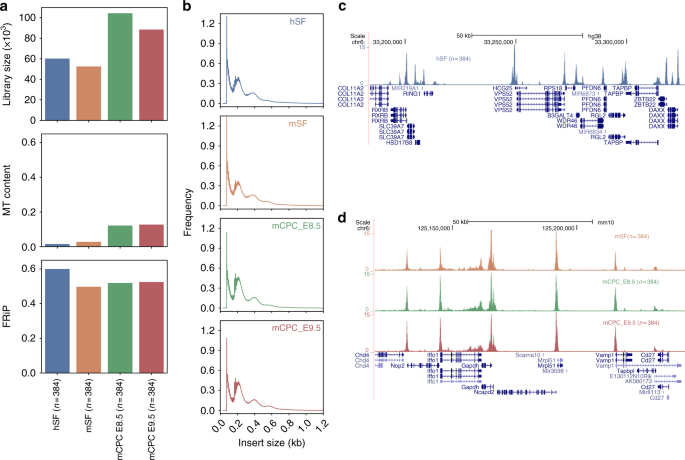
A rapid and robust method for single cell chromatin accessibility profiling

41467_2018_7771_Fig2_HTML.png


from A via a.sfakia on Inoreader https://ift.tt/2S6bzpd

Differentiation of primate primordial germ cell-like cells following transplantation into the adult gonadal niche


from A via a.sfakia on Inoreader https://ift.tt/2A32FBP

Author Correction: Pan-cancer analysis of homozygous deletions in primary tumours uncovers rare tumour suppressors


from A via a.sfakia on Inoreader https://ift.tt/2S6VJdS

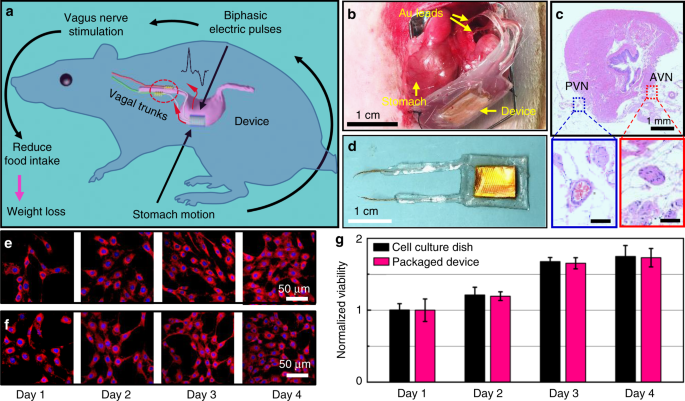
Effective weight control via an implanted self-powered vagus nerve stimulation device

41467_2018_7764_Fig1_HTML.png


from A via a.sfakia on Inoreader https://ift.tt/2zYvQWI

aPKC controls endothelial growth by modulating c-Myc via FoxO1 DNA-binding ability


from A via a.sfakia on Inoreader https://ift.tt/2S6sN5M

Effects of the co-disposal of lignite fly ash and coal mine waste rocks on AMD and leachate quality

Abstract

Lignite fly ash (FA) and waste rocks (WRs) were mixed in three different ratios (1:1, 1:3 and 1:5) and studied to compare the effects of adding FA on acid mine drainage generation from coal mining WRs, leachability of elements and the potential occurrence of the secondary minerals. FA mixed with WRs showed significant differences in pH levels compared to previous research. The 1:1 mixture performed best of all the three mixtures in terms of pH and leachability of elements, mainly due to the higher proportion of FA in the mixture. The pH in the 1:1 mixtures varied between 3.3 and 5.1 compared to other mixtures (2.3–3.5). Iron and SO42− leached considerably less from the 1:1 mixture compared to the others, indicating that the oxidation of sulphides was weaker in this mixture. Aluminium leached to a high degree from all mixtures, with concentrations varying from mg L−1 to g L−1. The reason behind this increase is probably the addition of FA which, due to acidic conditions and the composition of the FA, increases the availability of Al. For the same reason, high concentrations of Mn and Zn were also measured. Geochemical modelling indicates that the 1:1 mixture performs better in terms of precipitation of Al3+ minerals, whereas Fe3+ minerals precipitated more in mixtures containing less FA. These results suggest that, with time, the pores could possibly be filled with these secondary minerals and sulphate salts (followed by a decrease in sulphide oxidation), improving the pore water pH and decreasing the leachability of elements. Since grain size plays a crucial role in the reactivity of sulphides, there is a risk that the results from the leaching tests may have been influenced by crushing and milling of the WR samples.


from Energy Ecology Environment Ambio via Terpsi Hori on Inoreader https://ift.tt/2GhqWJY

Calcium ion incorporated hydrous iron(III) oxide: synthesis, characterization, and property exploitation towards water remediation from arsenite and fluoride

Abstract

Calcium ion-incorporated hydrous iron(III) oxide (CIHIO) samples have been prepared aiming investigation of efficiency enhancement on arsenic and fluoride adsorption of hydrous iron(III) oxide (HIO). Characterization of the optimized product with various analytical tools confirms that CIHIO is microcrystalline and mesoporous (pore width, 26.97 Å; pore diameter, 27.742 Å with pore volume 0.18 cm3 g−1) material. Increase of the BET surface area (> 60%) of CIHIO (269.61 m2 g−1) relative to HIO (165.6 m2 g−1) is noticeable. CIHIO particles are estimated to be ~ 50 nm from AFM and TEM analyses. Although the pH optimized for arsenite and fluoride adsorptions are different, the efficiencies of CIHIO towards their adsorption are very good at pH 6.5 (pHzpc). The adsorption kinetics and equilibrium data of either tested species agree well, respectively, with pseudo-second order model and Langmuir monolayer adsorption phenomenon. Langmuir capacities (mg g−1at 303 K) estimated are 29.07 and 25.57, respectively, for arsenite and fluoride. The spontaneity of adsorption reactions (ΔG0 = − 18.02 to − 20.12 kJ mol−1 for arsenite; − 0.2523 to − 3.352 kJ mol−1 for fluoride) are the consequence of entropy parameter. The phosphate ion (1 mM) compared to others influenced adversely the arsenite and/or fluoride adsorption reactions. CIHIO (2.0 g L−1) is capable to abstract arsenite or fluoride above 90% from their solution (0 to 5.0 mg L−1). Mechanism assessment revealed that the adsorption of arsenite occurs via chelation, while of fluoride occurs with ion-exchange.


from Energy Ecology Environment Ambio via Terpsi Hori on Inoreader https://ift.tt/2QXMCyN

Effect of the adsorption pH and temperature on the parameters of the Brouers–Sotolongo models

Abstract

The goal of the present paper was to elucidate if—and how—the parameters of the Brouers–Sotolongo fractal (BSf) (n,α) kinetic model (α and τC) on the one hand, and of the generalised Brouers–Sotolongo (GBS) isotherm model (a and b) on the other hand, are correlated with adsorption pH and temperature. For that purpose, adsorption of aqueous solutions of two common dyes, methylene blue (MB) and methyl orange (MO) was carried out on four activated carbons (ACs) at three temperatures (25, 35 and 50 °C) and three pH (2.5, 5 and 8). Adsorption kinetics and isotherms were measured, and the corresponding curves were best fitted with specific forms of the aforementioned models, and corresponding to equations known as BSf (1,α) kinetic and Brouers–Gaspard isotherm models. Correlations between all model parameters and adsorption conditions were found, bringing some information about the adsorbate–adsorbent interaction.


from Energy Ecology Environment Ambio via Terpsi Hori on Inoreader https://ift.tt/2QXx8uV

A Laboratory Evaluation of Contextual Factors Affecting Ratings of Speech in Noise: Implications for Ecological Momentary Assessment

Objectives: As hearing aid outcome measures move from retrospective to momentary assessments, it is important to understand how contextual factors influence subjective ratings. Under laboratory-controlled conditions, we examined whether subjective ratings changed as a function of acoustics, response timing, and task variables. Design: Eighteen adults (age 21 to 85 years; M = 51.4) with sensorineural hearing loss were fitted with hearing aids. Sentences in noise were presented at 3 overall levels (50, 65, and 80 dB SPL) and 3 signal to noise ratios (0, +5, and +10 dB signal to noise ratio [SNR]). Listeners rated three sound quality dimensions (intelligibility, noisiness, and loudness) under four experimental conditions that manipulated timing and task focus. Results: The quality ratings changed as the acoustics changed: intelligibility ratings increased with input level (p 0.1). Conclusions: The findings of this laboratory study provide evidence to support the conclusion that group-mean listener ratings of loudness, noisiness, and intelligibility change in predictable ways as level and SNR of the speech in noise stimulus are altered. They also provide weak evidence to support the conclusion that timing of the ratings (during or immediately after sound exposure) can affect noisiness ratings under certain conditions, but no evidence to support the conclusion that timing affects other quality ratings. There is also no evidence to support the conclusion that quality ratings are influenced by the presence of, or focus on, a secondary nonauditory task of the type used here. Supplemental digital content is available for this article. Direct URL citations appear in the printed text and are provided in the HTML and text of this article on the journal's Web site (www.ear-hearing.com). ACKNOWLEDGMENTS: Funding was received by a grant from Mitacs Inc. (to L.M.J. and A.D.) with Unitron Hearing Ltd. L.G. and F.P. received honoraria from the grant. The authors retained full editorial control of the data. Portions of this article were presented at the International Hearing Aid Research Conference (IHCON), Lake Tahoe, California, August 2016. G.S. is an employee of Sonova, the company that developed the mobile phone app being tested. All authors contributed to the design of the experiment, participated in the discussion of the results, and commented on the manuscript. L.M.J. analyzed the data and wrote the article; L.G. created the data collection program, performed the experiment, and wrote some sections of the article; G.S. provided critical feedback throughout data collection, analysis, and write-up; A.D. provided feedback at key stages throughout the process; F.P. contributed to the literature review. Address for correspondence: Lorienne M. Jenstad, Faculty of Medicine, School of Audiology & Speech Sciences, University of British Columbia, 2177 Wesbrook Mall, Vancouver, V6T 1Z3 BC, Canada. E-mail: ljenstad@audiospeech.ubc.ca Received September 5, 2017; accepted October 17, 2018. Copyright © 2018 Wolters Kluwer Health, Inc. All rights reserved.

from A via a.sfakia on Inoreader https://ift.tt/2ST5j42

Masking Release for Speech in Modulated Maskers: Electrophysiological and Behavioral Measures

Objectives: The purpose of this study was to obtain an electrophysiological analog of masking release using speech-evoked cortical potentials in steady and modulated maskers and to relate this masking release to behavioral measures for the same stimuli. The hypothesis was that the evoked potentials can be tracked to a lower stimulus level in a modulated masker than in a steady masker and that the magnitude of this electrophysiological masking release is of the same order as that of the behavioral masking release for the same stimuli. Design: Cortical potentials evoked by an 80-ms /ba/ stimulus were measured in two steady maskers (30 and 65 dB SPL), and in a masker that modulated between these two levels at a rate of 25 Hz. In each masker, a level series was undertaken to determine electrophysiological threshold. Behavioral detection thresholds were determined in the same maskers using an adaptive tracking procedure. Masking release was defined as the difference between signal thresholds measured in the steady 65-dB SPL masker and the modulated masker. A total of 23 normal-hearing adults participated. Results: Electrophysiological thresholds were uniformly elevated relative to behavioral thresholds by about 6.5 dB. However, the magnitude of masking release was about 13.5 dB for both measurement domains. Conclusions: Electrophysiological measures of masking release using speech-evoked cortical auditory evoked potentials correspond closely to behavioral estimates for the same stimuli. This suggests that objective measures based on electrophysiological techniques can be used to reliably gauge aspects of temporal processing ability. ACKNOWLEDGMENTS: All authors contributed to multiple aspects of the study. Broadly, E.R.S. and J.H.G. designed and implemented the experiments, while A.M.T. and J.P.H. performed the experiments and contributed to data analysis. All authors assisted in manuscript preparation. This research was funded by the National Institute on Deafness and other Communication Disorders (NIDCD) 5-R01-DC001507 (J.H.G.). The authors have no conflicts of interest to disclose. Address for correspondence: John H. Grose, Department OHNS, University of North Carolina at Chapel Hill, CB No. 7070, 170 Manning Drive, Chapel Hill, NC 27599. E-mail: john_grose@med.unc.edu Copyright © 2018 Wolters Kluwer Health, Inc. All rights reserved.

from A via a.sfakia on Inoreader https://ift.tt/2CgMBOy

WHO World Hearing Forum: Guest Editorial: Ear and Hearing Care: A Global Public Health Priority

No abstract available

from A via a.sfakia on Inoreader https://ift.tt/2SRPn25

Catalytic Biomimetic Asymmetric Reduction of Alkenes and Imines Enabled by Chiral and Regenerable NAD(P)H Models

The development of biomimetic chemistry based on the NAD(P)H with hydrogen gas as terminal reductant is a long‐standing challenge. Through rational design of the chiral and regenerable NAD(P)H models based on planar chiral ferrocene skeleton, a biomimetic asymmetric reduction has been realized using bench‐stable Lewis acids as transfer catalysts, a broad set of alkenes and imines could be reduced with up to 98% yield and 98% ee, likely enabled by enzyme‐like cooperative bifunctional activation. This represents the first general biomimetic asymmetric reduction (BMAR) process enabled by chiral and regenerable NAD(P)H models. This concept demonstrates catalytic utility of chiral coenzyme NAD(P)H in asymmetric catalysis.


from A via a.sfakia on Inoreader https://ift.tt/2LjXlhS

Enabling PIEZOpotential in PIEZOelectric Semiconductors for Enhanced Catalytic Activities

The past several decades have witnessed significant advances in synthesis and applications of PIEZOelectric semiconductors. They represent an important class of materials, including piezoelectric, pyroelectric and ferroelectric semiconductors. Notably, an intriguing combination of physical and chemical phenomena in PIEZOelectric semiconductors has triggered much interest in PIEZOcatalysis. Regardless of a short period of time for the development of PIEZOcatalysis, remarkable progress has been made in this field. Herein, this review summarizes recent development in PIEZOcatalysis enabled by PIEZOelectric semiconductors due to PIEZOpotential (i.e., piezopotential, pyropotential, and ferropotential)‐induced built‐in electric field. First, the PIEZOelectrics (i.e., piezoelectrics, pyroelectrics and ferroelectrics) are briefly introduced. Second, recent developments pertaining to PIEZOpotential‐mediated catalysis are highlighted, including the introduction of representative PIEZOelectric semiconductors, their possible catalytic mechanisms, novel techniques to produce their PIEZOelectric effects during catalytic process, and several appealing examples about PIEZOcatalysis. Finally, the challenges in the field and exciting opportunities to further improve the PIEZOcatalytic efficiency are discussed.


from A via a.sfakia on Inoreader https://ift.tt/2rHCzj7

Molecular Design of β‐Sheet Peptide for Multi‐Modal Analysis of Disease

Intermolecular forces fundamentally constrain peptide conformation. However, the exact role of each intermolecular force in constraining peptide conformation remains poorly understood. In this work, we uncover that aromatic‐aromatic interactions predominantly drive peptides into β‐sheets, and hydrophobic effect fundamentally determines the assembly speed of peptides. By using intermolecular forces to artificially control the rapid assembly of β‐sheets, we develop a multi‐modal analytical system which allows five readouts and dual qualitative‐quantitative analysis, and satisfies both point‐of‐care testing (POCT) and laboratory‐based testing. For Mycoplasma Pneumoniae diagnosis, in comparison to conventional methods, this multi‐modal analytical system completely eradicates misdiagnosis (from 30% to 0%) and broadens linear range by three fold, both of which are critical for guiding therapy. This work not only illustrates exact roles of intermolecular forces in driving the formation of β‐sheets, but also provides a guideline to construct a multi‐modal analytical system for disease diagnosis that no other approaches have been able to achieve so far.


from A via a.sfakia on Inoreader https://ift.tt/2LpLwac

Broadband Cr3+, Sn4+‐doped Oxide Nanophosphors for Infrared Mini Light‐Emitting Diodes

Light‐emitting diode breaks barriers of size and performance for display. With the device getting smaller, the materials need to get smaller. However, Chromium(III)‐doped oxide phosphors, which emit near‐infrared (NIR) light, have recently been used in small electronic devices. In this work, we used mesoporous silica nanoparticles as nanocarriers. The nanophosphor ZnGa2O4:Cr3+,Sn4+ formed in the mesopore after sintering. Good dispersity and morphology were performed with average diameters of 71 ± 7 nm. It emitted light at 600–850 nm which intensity was optimized by tuning the doping ratio of Cr3+ and Sn4+. Meanwhile, the light conversion efficiency increased from 7.8% to 37% with molar concentration increased from 0.125 M to 0.5 M. The higher radiant flux of 3.3 mW was obtained by operating an input current of 45 mA. However, the NIR nanophosphor showed good performance on mini‐light emitting diode chips.


from A via a.sfakia on Inoreader https://ift.tt/2rCuFHW

Facile Conversion of syn‐[FeIV(O)(TMC)]2+ to its anti Isomer via Meunier’s Oxo‐Hydroxo Tautomerism Mechanism

The syn and anti isomers of [FeIV(O)(TMC)]2+ (TMC = tetramethylcyclam) represent the first isolated pair of synthetic non‐heme oxoiron(IV) complexes with the identical ligand topology and differing only in the position of the oxo unit bound to the iron center. Both isomers have previously been characterized by X‐ray crystallography and various spectroscopic techniques. Herein we report that the syn isomer [FeIV(Osyn)(TMC)(NCMe)]2+ (2) converts to its anti form [FeIV(Oanti)(TMC)(NCMe)]2+ (1) in MeCN solution, an isomerization facilitated by water and monitored most readily by 1H‐NMR and Raman spectroscopy. Indeed, when H218O is introduced to 2, the nascent 1 becomes 18O‐labeled. These results provide compelling evidence for a mechanism involving direct binding of a water molecule trans to the oxo atom in 2, which then undergoes oxo‐hydroxo tautomerism to become incorporated as the oxo atom of 1. The nonplanar nature of the TMC supporting ligand makes this isomerization an irreversible transformation, unlike for their planar heme counterparts.


from A via a.sfakia on Inoreader https://ift.tt/2LohSBO

Regulation of Protein Activity and Cellular Functions Mediated by Molecularly Evolved Nucleic Acids

Regulation of protein activity is essential for revealing the molecular mechanisms of biological processes. DNA and RNA achieve many uniquely efficient functions, such as genetic expression and regulation. The chemical capability to synthesize artificial nucleotides can expand the chemical space of nucleic acid libraries and further increase the functional diversity of nucleic acids. Herein, a versatile method has been developed for modular expansion of the chemical space of nucleic acid libraries, thus enabling the generation of aptamers able to regulate protein activity. Specifically, we identify the aptamer targeting integrin alpha3 and show that it can inhibit cell adhesion and migration. Overall, this chemical design‐assisted in vitro selection approach enables the generation of functional nucleic acids for elucidating the molecular basis of biological activities and uncovering a novel basis for the rational design of new protein‐inhibitor pharmaceuticals.


from A via a.sfakia on Inoreader https://ift.tt/2rCuFaU

Impact of radiotherapy on cardiovascular health of women with breast cancer

Abstract

Introduction

This study aims to examine the impact of radiotherapy on the cardiovascular health of women diagnosed with breast cancer in the Waikato region in New Zealand.

Methods

Women diagnosed with stage 0–III breast cancer and recorded in the Waikato Breast Cancer Registry were divided into two groups: a radiotherapy group and a no‐radiotherapy group. Baseline characteristics and treatments were compared in the two groups. Kaplan–Meier survival analysis was performed to compare cardiovascular morbidity and mortality. Cox Proportional Hazard regression analysis was used to estimate the hazard ratio of radiotherapy on the risk of cardiovascular morbidity and mortality while adjusting for other factors.

Results

A total of 3528 women were included in this study, with 2303 in the radiotherapy group and 1225 in the no‐radiotherapy group. At 10‐year follow‐up, 11.7% of women in the radiotherapy group and 19.4% in the no‐radiotherapy group experienced cardiovascular events. Only 2.3% of patients who received radiotherapy died of cardiovascular disease by 10 years compared to 7.0% in the no‐radiotherapy group. After adjusting for clinically significant factors, there was unexplained reduced risk of developing cardiovascular disease in the radiotherapy group compared to the no‐radiotherapy group (HR 0.73, 95% CI: 0.59–0.92). No significant difference was found in cardiovascular mortality between the two groups.

Conclusions

Radiotherapy appears less likely to be offered to patients at higher risk of cardiovascular disease. No evidence of increased risk of a cardiovascular event was found in the group of women with breast cancer treated with radiotherapy and current regimens appear safe. Traditional cardiovascular risk factors remain the main culprits in this setting. Clinicians should work with patients in managing these risk factors for optimal results.


from A via a.sfakia on Inoreader https://ift.tt/2SSOSER

Life-cycle assessment (LCA) aspects and strength characteristics of self-compacting mortars (SCMs) incorporating fly ash and waste glass PET

Abstract

Purpose

In this study, fresh, mechanical, microstructural, and thermal properties as well as environmental impact of self-compacting mortars (SCMs) were determined by using glassPET (GP) and fly ash (FA). For this work, firstly, control mixture in which 80% of Portland cement (PC) and 20% of FA was designed. Then, GP was used in the ratios of 3%, 6%, and 9% instead of FA.

Methods

During production, the mini-slump flow diameter and the mini-v funnel flow times of the SCMs were measured. After that, the mechanical properties of these mixes were determined via the compressive, flexural, and ultrasonic pulse velocity (UPV) tests at 28 and 90 days. In addition, microstructural and thermal properties of SCMs incorporating GP in the ratios of 0% and 9% instead of FA were determined by using SEM/EDX and TGA/DTA analyzes. Moreover, the comparative life-cycle assessment (LCA) has been conducted using LCA software SimaPro® with ReCiPe database. One kg/m3 of mortar was selected as functional unit and a cradle to gate approach was followed for the LCA including material extraction, transport and production, and system boundaries used.

Results and discussion

Results were given from the software underline the estimated environmental performance of mortar production with providing single scores coming from three gauges including Human Health, Ecosystems, and Resources as well as the strength characterctics of SCMs.

Conclusions

The test results indicated that GP and FA used instead of PC improves the environmental performance of SCMs while adversely affecting the fresh, mechanical, and microstructural properties.


from Energy Ecology Environment Ambio via Terpsi Hori on Inoreader https://ift.tt/2R0CLIO

57PThe efficacy and safety of rechallenge with an alternative immune checkpoint inhibitor in metastatic malignant melanoma

Background: Immune checkpoint inhibitors (ICIs) have become standard of care in the management of advanced melanoma. While some evidence suggests that rechallenge in the setting of toxicity with prior ICIs is safe, there is rather limited evidence on the efficacy and safety of rechallenge with alternative ICI in the context of disease progression on initial ICI.

from A via a.sfakia on Inoreader https://ift.tt/2QXbFC7

86PCabozantinib in combination with anti-PD1 immune checkpoint inhibitor in syngeneic tumor mouse models

Background: Cabozantinib (C) is a tyrosine kinase inhibitor against VEGFR2, RET, MET and AXL that has demonstrated clinical activity in RCC and 2L HCC and has been shown to promote an immune-permissive environment. C is undergoing clinical trials in combination with immune checkpoint inhibitors (ICI). The objectives of this preclinical study were to determine systemic cytokine profile changes induced by the combination with αPD1 and to assess cooperativity in anti-tumoral effects.

from A via a.sfakia on Inoreader https://ift.tt/2Gj7LiP

101PFirst evidence of antitumor activity of ITPP, a novel hypoxia-modifier: Results of a phase Ib trial

Background: Tumor hypoxia promotes the Warburg effect, decreases anti-tumor immune responses and increases malignant behavior, thereby fostering disease progression. The novel anti-hypoxic molecule myo-inositoltrispyrophosphate (ITPP) acts as an allosteric effector of hemoglobin and efficiently counteracts hypoxia. In preclinical models, ITPP normalized tumor-associated vasculature, enhanced chemotherapy efficacy, decreased tumor burden and increased survival.

from A via a.sfakia on Inoreader https://ift.tt/2QWTfS3

71PPhase I study of cemiplimab, a human monoclonal anti-PD-1, in patients with unresectable locally advanced or metastatic cutaneous squamous cell carcinoma (CSCC): Longer follow-up efficacy and safety data

Background: Cemiplimab (REGN2810) demonstrated a positive risk/benefit profile and produced antitumour activity in patients (pts) with advanced CSCC in the primary analysis, by independent central review, of a phase 1 CSCC expansion cohorts (ECs). We now report longer follow-up data from the CSCC ECs of the phase 1 study (NCT02383212).

from A via a.sfakia on Inoreader https://ift.tt/2GmhPYH

102PTargeting human CD141+ DC using CLEC9A antibodies for cancer immunotherapy

Background: Dendritic cells (DC) are a heterogeneous cell population, with specialist subtypes driving specific immune responses. In mice, the cDC1 subset (also referred to as Batf3-dependent DC, XCR1+ DC, CD8+ DC in lymphoid tissues and CD103+ DC in peripheral tissues) is essential for the induction of tumour immune responses and for the efficacy of checkpoint inhibitor blockade and adoptive T cell immunotherapies. Vaccines that can deliver antigens (Ag) directly to DCs in vivo are more effective than cell-based therapies in mouse models and are promising approaches to translate to humans. CD141+ DC are the human cDC1 equivalent and specifically express the C-type lectin-like receptor CLEC9A, that facilitates cross-presentation of dead cell Ag. Targeting tumour-associated Ag (TAA) to human CD141+ DC using CLEC9A antibody (Ab) is therefore an attractive strategy to induce or boost tumour immune responses.

from A via a.sfakia on Inoreader https://ift.tt/2R3rhEw

LBA1Fast progression in patients treated with a checkpoint inhibitor (cpi) vs chemotherapy in OAK, a phase III trial of atezolizumab (atezo) vs docetaxel (doc) in 2L+ NSCLC

Background: Hyperprogressive disease (HPD), characterised by a rapid increase in tumour growth rate, has been recently reported in patients (pts) treated (tx) with CPI monotherapy and requires evaluation of pre-tx tumour growth rates. HPD is rare and has been associated with older age (>65 y; Champiat, CCR 2017), EGFR mutation (Kurzrock, Kato 2018) and poor OS. In the Phase III OAK study in 2L/3L NSCLC (n = 850), ITT OS was superior for atezo vs doc (mOS, 13.8 vs 9.6 mo; HR, 0.73). Here we examine fast progression (FP) as a surrogate for HPD, its relation to CPI vs chemo and association with efficacy according to pre-tx factors expected to be prognostic for FP, including early failure of the preceding tx.

from A via a.sfakia on Inoreader https://ift.tt/2GoqppI

103PEnhancing NY-ESO-1 antigen expression in lung cancer cells through gene hypomethylation using 5-Aza-2′-deoxycytidine

Background: NY-ESO-1 is a highly immunogenic cancer-testis antigens and it is a potential candidate for immunotherapy. Cellular expression of NY-ESO-1 gene is heterogeneous depending on the demethylation status of its promoter. Exposure to 5-aza-2'-deoxycytidine (5-aza-CdR) has been reported to enhance NY-ESO-1 protein expression. Our aim is to study the effect of 5-aza-CdR on NY-ESO-1 expression in lung cancer cell lines.

from A via a.sfakia on Inoreader https://ift.tt/2R3BHUi

64PPost-progression evaluation of patients treated with nivolumab for advanced non-small cell lung cancer: A prospective cohort analysis

Background: The aim of the present study is to investigate the efficacy of first treatment received after nivolumab in a cohort of patients affected by advanced non-small cell lung cancer (NSCLC).

from A via a.sfakia on Inoreader https://ift.tt/2GmhIfJ

104PPIG-C and SOCS3: Potential immunotargets regulated by non-coding RNAs in TNBC

Background: Among the crucial proteins having dual role in cancer and immunity is suppressor of cytokine-signaling3 (SOCS3) protein regulating JAK/STAT and IL 6/STAT3/NF-κB pathways, respectively. Another pivotal membrane anchoring protein; PIG-C, that anchors several proteins involved in carcinogenesis. Previous studies proved that miR-34a regulates PDL1. Also, our previous work proved that lncRNAs XIST and TSIX were able to manipulate PDL1 expression in triple negative breast cancer (TNBC). Therefore, this study aims at studying the impact of miR-34a, XIST/TSIX on SOCS3 and PIGC as novel targets to be added to the picture of molecular targeted immunotherapy.

from A via a.sfakia on Inoreader https://ift.tt/2QXbEOz

79PAvelumab in European patients (pts) with metastatic Merkel cell carcinoma (mMCC): Experience from an ad hoc expanded access program (EAP)

Background: Avelumab—a human anti–PD-L1 IgG1 monoclonal antibody—showed favorable efficacy and safety in pts with mMCC in the phase 2 JAVELIN Merkel 200 trial (NCT02155647), leading to its approval in multiple countries. Here, we describe real-world experience with avelumab in European pts with mMCC.

from A via a.sfakia on Inoreader https://ift.tt/2Gjze44

105PThe impact of HIPEC on the anticancer immune response

Background: The outcome of peritoneal carcinomatosis, often occurring due to appendix or colorectal cancer, has dramatically improved with the combination of cytoreductive surgery (CRS) and hyperthermic (43 °C) intraperitoneal chemotherapy (HIPEC). Nevertheless, recurrence of the disease presumably due to remnant cancer cells limits survival of the patients suggesting further optimization in HIPEC treatment. Therefore, it is important to understand mechanisms operating behind HIPEC treatment. Since chemotherapy may induce immunogenic changes, we analyzed effects of MitomycinC/Doxorubicin (M/D), widely used chemotherapeutics in HIPEC settings, on the immunogenicity of colorectal cancer cells in-vitro.

from A via a.sfakia on Inoreader https://ift.tt/2R0yPaT

93PAnti-tumor effects of a small molecule C-C chemokine receptor 4 inhibitor in mouse tumor models

Background: Chemokines and their receptors influence many hallmark processes in cancer. C-C Chemokine receptor 4 (CCR4) and its ligands are highly expressed in many types of human tumors, and are often associated with poor prognosis. CCR4 antagonism has been demonstrated to reduce tumor growth in various mouse tumor models. Here we have assessed a small molecule inhibitior of CCR4 as a therapeutic agent to potentiate the effects of anti-CTLA-4 in the CT26 and KCM tumor models.

from A via a.sfakia on Inoreader https://ift.tt/2Glr8b3

106POncolysis dominated therapeutic effect of LCMV-GP – pseudotyped vesicular stomatitis virus in a syngeneic lung cancer model

Background: The therapeutic effect of oncolytic virotherapy is mediated largely by two mechanisms; direct oncolysis due to tumor-selective viral replication and the simultaneous activation of innate and adaptive immune responses with the potential of long-lasting tumor remissions. The chimeric vesicular stomatitis virus pseudotyped with LCMV glycoprotein (VSV-GP) has been previously reported to have both a rapid lytic cycle and a broad tumor tropism. In this study, we demonstrate its therapeutic potential in the syngeneic lung cancer model LLC1.

from A via a.sfakia on Inoreader https://ift.tt/2QXs3ml

100PBalancing the efficacy and toxicity of anti-CD47 antibodies by direct screening in humanized mouse models

Background: CD47 is a transmembrane protein found on the surface of many cells in the body. Its expression is often up-regulated in many cancer cells. The receptor of CD47 was identified as SIRPa, which is expressed on phagocytic cells. Engagement of SIRPa by CD47 serves as "do not eat me" signal, thus inhibiting the phagocytic activity of macrophages. Cancer cells often hijack this pathway by boosting CD47 expression on their surface, in order to prevent innate cell-mediated phagocytosis. Molecules blocking the CD47-SIRPa interaction will unleash such inhibition and promote tumor destruction. Accordingly, anti-CD47 antibodies offer new hope to successful cancer treatment. Despite people are enthusiastic about CD47 as a potential target, the side effects associated with CD47 blockade have emerged as a major concern. For example, treatment with anti-CD47 antibody greatly reduced the number of circulating red blood cells and platelets that also express CD47. Thus, the class of CD47 antibodies that stimulate tumor cell killing while sparing normal cells in vivo is desirable for the cancer patients.

from A via a.sfakia on Inoreader https://ift.tt/2GohqoF

107TiPPhase I safety and pharmacokinetics of ADU-1604, an anti-CTLA-4 antibody, in adults with metastatic melanoma

Background: ADU-1604 is a humanized IgG1 monoclonal antibody in development for use as monotherapy or in combination with other anti-cancer therapies. It targets a novel epitope on the validated inhibitory receptor, CTLA-4. ADU-1604 was characterized in vitro and shown to bind to human CTLA-4, block binding of CD80 and CD86 to CTLA-4, and stimulate IL-2 production by activated lymphocytes. ADU-1604 enhanced T cell dependent hepatitis B surface antigen vaccine-induced antibody responses in cynomolgus monkeys and demonstrated anti-tumor activity in a non-small cell lung cancer patient-derived xenograft humanized mouse model. The primary objective of the first-in-human study is to determine the recommended phase 2 dose (RP2D) by evaluating the safety, pharmacokinetics (PK), and pharmacodynamics (PD) of ADU-1604 administered as an intravenous (IV) infusion.

from A via a.sfakia on Inoreader https://ift.tt/2R0BtgW

60PResponse rates with talimogene laherparepvec (T-VEC) monotherapy in patients (pts) with stage IIIB–IVM1c melanoma previously treated with checkpoint inhibitor (CPI) therapy: Retrospective analysis of two clinical trials

Background: In the phase 3 OPTiM trial, intratumoral T-VEC (an oncolytic immunotherapy) significantly improved the overall response rate (ORR) vs GM-CSF in pts with unresectable Stage IIIB–IVM1c melanoma (26% vs 6%; p < 0.001). Treatment options for pts with unresectable or metastatic melanoma who have previously received CPI therapy are limited. This retrospective analysis evaluated response to T-VEC in pts who had received prior CPI therapy.

from A via a.sfakia on Inoreader https://ift.tt/2GlroqH

108TiPEMPOWER-lung 1: A randomized, open-label, multi-national, phase III trial of cemiplimab, a human PD-1 monoclonal antibody, versus chemotherapy in first-line treatment of advanced non-small cell lung cancer (NSCLC) with PD-L1 ≥50%

Background: Most patients (pts) with NSCLC present with advanced disease at diagnosis. Systemic therapy with platinum-based doublet chemotherapy regimens has been the standard first-line treatment for pts with advanced NSCLC whose tumours do not have EGFR, ALK, or ROS 1 mutations, but there is a need for effective treatments to improve long-term survival. With the recognition that NSCLC tumours express PD-L1, checkpoint inhibitors are being investigated in several clinical trials. There is currently only one PD-1 inhibitor approved as monotherapy in first-line treatment of NSCLC with PD-L1 expression ≥50%. In a phase 1 dose escalation and NSCLC expansion cohort, cemiplimab (REGN2810), a human monoclonal anti-PD-1, has demonstrated antitumour activity with an acceptable safety profile in anti-PD-1 naïve, pre-treated pts with NSCLC.

from A via a.sfakia on Inoreader https://ift.tt/2QWTeNZ

68OLigand-inducible, prostate stem cell antigen (PSCA)-directed GoCAR-T™ cells in advanced solid tumors: Preliminary results from a dose escalation study

Background: PSCA, a cell surface protein, is upregulated in many solid tumors & correlates with disease stage. BPX601 is an autologous, T-cell product engineered to contain a PSCA-CD3ξ CAR plus the small molecule rimiducid (Rim)-inducible MyD88/CD40 costimulatory domain. BPX601 is optimized for antigen-directed & independent T cell activation, proliferation & persistence, potentially enhancing efficacy in solid tumors versus traditional CARs. This first-in-human study assesses the safety, biological & clinical activity of BPX601 plus Rim in select PSCA-positive cancers.

from A via a.sfakia on Inoreader https://ift.tt/2Gohq89

109TiPAcSé immunotherapy trials: Anti-PD-1 therapy for adult patients with selected rare cancer types

Background: Immune checkpoint blockade represents a major breakthrough in cancer therapy with recent approvals of PD-1 or PD-L1 antagonist therapy in France for a range of cancer indications. To generate high evidenced-based knowledge and to prevent off-label use, the French National Cancer Institute (INCa) launched the AcSé Immuno-therapy Program: two exploratory phase II trials, to allow for a nationwide safe and controlled access to nivolumab or pembrolizumab outside of their current marketing approvals for selected rare cancer indications where the literature suggests a potential benefit for patients, but where the difficulties of development render individual experimental studies unattractive to the pharmaceutical industry.

from A via a.sfakia on Inoreader https://ift.tt/2QU5q2b

75PCemiplimab, a human PD-1 monoclonal antibody, in patients (pts) with recurrent or metastatic cervical cancer: Interim data from phase I cohorts

Background: For pts who progress after first-line platinum based therapy for recurrent/metastatic cervical cancer, there are no therapies available that have been demonstrated to improve survival or quality of life. Cemiplimab (REGN2810), a human monoclonal antibody to PD-1, exhibited encouraging efficacy and acceptable tolerability in a phase 1 dose escalation study. The present report focuses on interim data from the phase 1 cervical cancer expansion cohorts (ECs) of cemiplimab as a monotherapy (EC 23) or in combination with hypofractionated radiotherapy (hfRT) (EC 24) (NCT02383212).

from A via a.sfakia on Inoreader https://ift.tt/2GvoG26

Catabolic changes of rat temporomandibular joint discs induced by unilateral anterior crossbite

Abstract

Background

The temporomandibular joint (TMJ) disc plays a role in joint movement and in load absorbance and distribution. An experimental unilateral anterior crossbite (UAC) prosthesis induces mandibular condylar cartilage degeneration in rats. However, the changes in the articular disc are still unknown.

Objective

To describe changes in the TMJ discs of UAC rats.

Methods

The discs of fifty‐four Sprague–Dawley rats, equally distributed into a UAC group and an age‐matched sham‐operated control group at 4‐, 12‐, and 20‐wks (n = 9), were evaluated by gross and histomorphological observation and by detection at the mRNA or protein expression levels of the markers related to the matrix elements.

Results

No macro‐ or micro‐morphological differences were observed between groups. However, there were catabolic degradative changes at the molecular level in the UAC group, showing a significant reduction in the mRNA and/or protein expression levels of many molecules. The reduction became worse with time (P < 0.05). The reduced molecules included: (i) those related to the extracellular‐matrix, such as Type‐I collagen, decorin and fibromodulin; (ii) those related to chondrogenesis, such as Type‐II collagen and aggrecan; and (iii) those related to osteogenesis, such as alkaline phosphatase and runt related transcription factor 2. The mRNA expression of vascular endothelial growth factor did not change. In contrast, fibronectin, which can promote wound healing, and its N‐terminal fragment, which can induce cartilage degradation, were accumulated (P < 0.05).

Conclusion

TMJ discs were stimulated to catabolic changes by the aberrant dental occlusion and seemed go to inanimate with time.

This article is protected by copyright. All rights reserved.


from A via a.sfakia on Inoreader https://ift.tt/2rHKHAs

Patient‐reported effect of oral rehabilitation

Abstract

Objectives

To quantify the patient‐reported effect of oral rehabilitation and investigate aspects associated with this.

Methods

The patient‐reported effect in participants treated with FDP (n=72) or RDP (n=58) was measured using the Oral Health Impact Profile 14 (OHIP‐14) and global oral ratings (GOR) of esthetics, chewing and comfort before and after treatment and global transition judgments (GTJ) of esthetics, chewing and comfort after treatment. Explanatory variables included gender, age, if a prosthetic replacement was present before treatment, type of prosthetic treatment performed, number of teeth replaced, and zone of the teeth replaced.

Results

The RDP and FDP treatments both significantly improved the OHIP‐14 score with a moderate to large effect and most participants had good patient‐reported effect. The effect varied depending on the method used. In the bivariate analyses the number of participants with good effect was higher in the RDP group than the FDP group when using the OHIP‐14 and GOR whereas the effect was higher in the FDP group when using the GTJ. Multiple regression analyses showed that poor chewing ability before treatment was associated with good effect measured by the OHIP‐14 and GOR and that poor effect in chewing ability and RDP treatment was associated with poor effect in comfort measured by GTJ. Functional problems after treatment were associated with no/poor effect.

Conclusions

Oral rehabilitation with fixed or removable prostheses in general yields good patient‐reported effect. Masticatory aspects highly influence the patient‐reported effect and treatment with RDP is associated with poor effect in oral comfort.

This article is protected by copyright. All rights reserved.


from A via a.sfakia on Inoreader https://ift.tt/2LknKMA

Inter-day test–retest reliability and feasibility of isokinetic, isometric, and isotonic measurements to assess quadriceps endurance in people with chronic obstructive pulmonary disease: A multicenter study

Chronic Respiratory Disease, Volume 16, Issue , January-December 2019.


from A via a.sfakia on Inoreader https://ift.tt/2SUcXvg

Why do people with chronic obstructive pulmonary disease repeat pulmonary rehabilitation? Perspectives of patients and health professionals

Chronic Respiratory Disease, Volume 16, Issue , January-December 2019.


from A via a.sfakia on Inoreader https://ift.tt/2ChNmHa

Clinicopathologic and Molecular Features of Metastatic Follicular Thyroid Carcinoma in Patients Presenting With a Thyroid Nodule Versus a Distant Metastasis

Metastatic follicular thyroid carcinoma (FTC) is rare. The aim of this study was to determine the clinical, histologic, and molecular differences between patients with metastatic FTC who present with distant metastatic (DM) disease versus those who present with a primary thyroid nodule (PT). Clinical and pathologic information was extracted from the medical record and surgical pathology report. When available, slides were reviewed. Molecular testing was performed on available primary and/or metastatic lesions. Thirty-six patients with metastatic FTC were identified: 15 DM and 21 PT. DM patients were significantly older than those with PT (P=0.0001). In DM patients, bone was the most common site of initial metastasis (P=0.03), compared with lung in PT patients (P=0.03). Unique to primary carcinomas in DM patients was extensive intratumoral fibrosis (50%), occasionally reaching such a degree as to obscure histologic features of malignancy (2 cases). Oncocytic features were more common in those who presented with PT (P=0.03). Pathogenic mutations were identified in 85% of cases, most commonly in RAS (55%) and TERT promoter (45%); of these, combined RAS and TERT was present in 30%. Pathogenic PTEN, NF1, RET, and BRCA2 mutations were also identified. The prevalence and type of pathogenic mutations did not differ between DM and PT patients. The acquisition of a pathogenic mutation in the metastatic focus that was not present in the primary carcinoma was rare (1 case). In summary, FTC presenting with DM compared with PT was more likely to be present in an older age group, to metastasize to bone, and to demonstrate extensive fibrosis possibly representing histologic regression. Conflicts of Interest and Source of Funding: The authors have disclosed that they have no significant relationships with, or financial interest in, any commercial companies pertaining to this article. Correspondence: Vincent Cracolici, MD, Department of Pathology, University of Chicago Medical Center, 5841 South Maryland Avenue, Chicago, IL 60637 (e-mail: vincent.cracolici@uchospitals.edu). Copyright © 2018 Wolters Kluwer Health, Inc. All rights reserved.

from A via a.sfakia on Inoreader https://ift.tt/2UM3UON

A Comprehensive Analysis of the Association Between Gleason Score at a Positive Surgical Margin and the Risk of Biochemical Recurrence After Radical Prostatectomy

Our objective was to identify the best of the existing definitions of Gleason score (GS) at a positive surgical margin (PSM) by validating them in our radical prostatectomy cohort. We analyzed 251 patients who had mixed (3+4, 3+5, 4+3 or 5+3) pathologic GS and PSM. We used 5 definitions to record GS at a PSM. Univariate and multivariate analyses were used to study the association between each definition and the risk of biochemical recurrence (BCR). We also tested the prognostic value of multivariate models including established predictors and each of the studied definitions of GS at a PSM. GS 3+3 was seen at a PSM in 57.4% of the cases and was more common in patients with lower overall GS. Over a median follow-up of 4.0 years 89 patients (35.5%) developed BCR. All of the definitions of GS at a PSM were independent predictors of the BCR-free survival. Most of them also improved the prognostic value of the multivariate models when added to the established parameters. The degree of improvement was similar for the most complex definition (full GS at a PSM) and the easiest to record binary definition (presence of Gleason 4/5 pattern at a PSM). We conclude that compared with the other possible options of reporting GS at a PSM, the presence of Gleason 4/5 pattern may be the most practical definition. It is at least as predictive as other definitions, may be the easiest to record and is the best studied of the existing alternatives. Conflicts of Interest and Source of Funding: The authors have disclosed that they have no significant relationships with, or financial interest in, any commercial companies pertaining to this article. Correspondence: Viacheslav Iremashvili, MD, PhD, Department of Urology, University of Miami Miller School of Medicine, 1120 NW 14th St., 15th Floor, Miami, FL 33136 (e-mail: iremashvili@hotmail.com). Copyright © 2018 Wolters Kluwer Health, Inc. All rights reserved.

from A via a.sfakia on Inoreader https://ift.tt/2PIiaEc

Neuroglial Differentiation and Neoplasms in Testicular Germ Cell Tumors Lack Immunohistochemical Evidence of Alterations Characteristic of Their CNS Counterparts: A Study of 13 Cases

Overgrowth of neuroglial tissue is rare in testicular germ cell tumors and mostly reported as isolated cases. We retrospectively reviewed 13 cases of testicular germ cell tumors from 2 institutions from 1995 to 2018. Hematoxylin and eosin slides were collected and reviewed. Immunohistochemistry was performed in all cases with available material. The series included 4 primary tumors and 9 metastases, including 8 retroperitoneal and 1 axillary lymph node (LN). The average age was 34 (range: 19 to 54). Five of the LN dissections were postchemotherapy, with one a recurrence 5 years after the initial diagnosis. The average tumor size for primary tumors was 5.15 cm (range: 1.7 to 7.3) and for metastases was 6.4 cm (range: 0.6 to 15). The largest size of the neuroglial component was 4.5 cm in the primary tumors and 7.5 cm in metastatic sites. The neuroglial component in the primary site was associated with pure teratoma (n=2) and with a mixed germ cell tumor (teratoma, seminoma, and embryonal carcinoma) (n=2). Cases involving LNs were associated with teratoma (n=4), seminoma (n=2), rhabdomyosarcoma (n=2), primitive neuroectodermal tumors (n=1), and high-grade sarcoma (n=1) (some with >1 other component). Two cases were pure glial tumor. Histologically, the neuroglial components included low-grade astrocytoma (n=3) (both with microcysts formation and pilocytic features), gemistocytic astrocytomas (n=3), anaplastic astrocytoma (n=2), ganglioglioma (n=1), glioblastoma (n=2), gliosarcoma (n=1), and developing central nervous system (CNS) (n=2). By immunohistochemistry, 13/13 (100%) cases were GFAP(+), 10/10 (100%) cases showed retained ATRX, 10/10 were IDH1 pR132H (−), 5/10 (50%) were p53 (+). A single case 1/10 (10%) was BRAF p.V600E (+), but a mutation was not identified by polymerase chain reaction. Follow-up was available in 6 patients; 4 were confirmed to have received chemotherapy with BEP; 1 had a local recurrence and the patient with gliosarcoma developed a lung metastasis morphologically similar to the gliosarcoma of the retroperitoneum. In conclusion, neuroglial differentiation and neoplasms are rare in testicular germ cell tumors and are most commonly associated with teratomas; they can be seen in primary and metastatic sites. They exhibit the full range of neuroglial differentiation including developing CNS to gliomas/glioneuronal tumors WHO grades I-IV. None of the cases showed results consistent with ATRX, IDH or BRAF alterations, suggesting they have different oncogenic mechanisms than their CNS counterparts. Conflicts of Interest and Source of Funding: The authors have disclosed that they have no significant relationships with, or financial interest in, any commercial companies pertaining to this article. Correspondence: Andres Matoso, MD, Department of Pathology, The Johns Hopkins Medical Institutions, Weinberg 2242, 401 N. Broadway, Baltimore, MD 21231-2410 (e-mail: amatoso1@jhmi.edu). Copyright © 2018 Wolters Kluwer Health, Inc. All rights reserved.

from A via a.sfakia on Inoreader https://ift.tt/2UKc6Pv

Κυριακή 16 Δεκεμβρίου 2018

Semisynthesis and antibacterial activities of nidulin derivatives

Semisynthesis and antibacterial activities of nidulin derivatives

Semisynthesis and antibacterial activities of nidulin derivatives, Published online: 17 December 2018; doi:10.1038/s41429-018-0133-0

Semisynthesis and antibacterial activities of nidulin derivatives

from A via a.sfakia on Inoreader https://ift.tt/2S69yt4

Cyclodextrin polymers decorated with RGD peptide as delivery systems for targeted anti-cancer chemotherapy

Summary

Polymeric cyclodextrin–based nanoparticles are currently undergoing clinical trials as nanotherapeutics. Using a non-covalent approach, we decorated two cross-linked cyclodextrin polymers of different molecular weights with an RGD peptide derivative to construct a novel carrier for the targeted delivery of doxorubicin. RGD is the binding sequence for the integrin receptor family that is highly expressed in tumour tissues. The assembled host–guest systems were investigated using NMR and DLS techniques. We found that, in comparison with free doxorubicin or the binary complex doxorubicin/cyclodextrin polymer, the RGD units decorating the cyclodextrin-based nanosystems improved the selectivity and cytotoxicity of the complexed doxorubicin towards cultured human tumour cell lines. Our results suggest that the nanocarriers under study may contribute to the development of new platforms for cancer therapy.


from A via a.sfakia on Inoreader https://ift.tt/2LjEwvp

Legacies of afforestation on soil nematode community composition, structure, and diversity in a northern Canadian prairie

Abstract

Aims

We examined how legacies of afforestation affect soil food webs using the composition, structure, and diversity of soil nematode communities along a prairie restoration chronosequence.

Methods

Vegetation and soil nematode surveys were conducted across a restoration chronosequence of tree removal (2, 5, and 20 years) in a former plantation in Riding Mountain National Park, Canada, established on a Great Plains rough fescue prairie. Nematodes were extracted using sugar-gradient centrifugation, counted and assigned to feeding groups.

Results

Remaining plantation and recently restored prairies were characterized by bacterial feeding nematodes whereas the oldest restored prairie and control prairie were dominated by plant-root feeders. Nematode diversity did not reach the level observed in the prairie even 20 years following the removal of trees. Nematode community diversity and structure was strongly correlated with the composition of restored plant communities. Invasion of restored prairies by exotic grasses corresponded with a strong decline in the diversity of plant-root feeders.

Conclusions

Legacies of afforestation can impact prairie soils years after trees have been removed and can lead to shifts in feeding structure and a loss of diversity in the soil food web. As grasslands continue to decline globally, considering soil faunal communities may help evaluate the outcomes of ecosystem restoration and maintain their key functions.


from Energy Ecology Environment Ambio via Terpsi Hori on Inoreader https://ift.tt/2BtJmS2

Explaining trajectories of chemical changes during decomposition of tropical litter by 13 C-CPMAS NMR, proximate and nutrients analysis

Abstract

Background and aim

Litter decomposition is of great concern as it plays a key role in regulating global carbon cycle and nutrient budgets, especially in tropical forests where it is very fast. Therefore, we studied the decomposition and subsequent changes in element concentrations and amounts of 11 tropical leaf litter.

Methods

Fresh litters were characterized in terms of elemental, proximate features, as well as organic carbon compositions by 13C-NMR spectroscopy. Controlled litterbag decomposition was carried out for 180 days in the laboratory, bags were retrieved at three dates and analyzed for mass loss and concentration of nitrogen (N), potassium (K), sodium (Na), carbon (C), magnesium (Mg), manganese (Mn), iron (Fe), phosphorus (P), zinc (Zn), and percentage of ash, extractives, cellulose and lignin.

Results

Terminalia arjuna showed highest mass loss, while the lowest was observed in Shorea robusta showing significant positive correlation with litter initial K, Mg, Fe and di-O-alkyl C, O-alkyl C, while significant negative correlation with Mn, lignin and Methoxyl C, Alkyl C. Trajectories shows that Fe, Mg, K, Mn, Zn and Na concentrations increased in most of the litter types, except Terminalia arjuna and Toona ciliata, where Fe, Mg, K concentrations decreased during decomposition. Surprisingly, in most of the species with the exception of Terminalia arjuna, N concentrations decreased at a faster rate than C concentrations, resulting in an increase in C/N ratios. Expectedly, lignin progressively increased, while cellulose decreased.

Conclusions

Observed differences in decomposition rate and dynamics of chemical changes among litters were strongly affected by the litter type, decomposition time and their interactions.


from Energy Ecology Environment Ambio via Terpsi Hori on Inoreader https://ift.tt/2QA9tkU

Changes in soil microbial biomass C, ATP and microbial ATP concentrations due to increasing soil Cd levels in Chinese paddy soils growing rice ( Oryza sativa )

Abstract

Aims

The mean biomass ATP concentration in aerobic soils is around 10–11 μmol ATP g−1 biomass C, within a fairly narrow range. It is much lower in short-term incubated laboratory waterlogged soils. However, the biomass ATP concentration in waterlogged paddy soils under field conditions remains unknown. This is investigated.

Methods

Soil microbial biomass C (biomass C), ATP, biomass ATP and heavy metal (Cd, Zn, and Cu) concentrations in soil and rice were measured in a Chinese paddy soil growing rice. Soils and plants were analyzed at day 0, 30, 75 and 90, over the 90 day growing period with inputs of inorganic fertilizer, or biochar and manure singly or in combination.

Results

Both biomass C and ATP concentrations increased, range from 14.9–30.5% for microbial biomass C and 115.8–160.1% for ATP, from initial values until the end of the experiment following manure or biochar addition. An important result was that the biomass ATP concentration increased throughout the growth period. There were also significant negative correlations (p < 0.05) between total and available Cd and these three microbial parameters, despite the low levels of Cd. Over the same period, total plant Cd concentrations increased, and soil Cd decreased. This suggests that the rice acted as a bioaccumulator. The microbial biomass was then in a continually decreasingly toxic environment and responded rapidly by increasing its size.

Conclusions

These results demonstrate clear differences in microbial energy dynamics between aerobic and anaerobic microbial populations. Both ATP and biomass C are useful bioindicators of the effects of cadmium contamination on microbial processes in waterlogged soil.


from Energy Ecology Environment Ambio via Terpsi Hori on Inoreader https://ift.tt/2BntCjE

Αναζήτηση αυτού του ιστολογίου

! # Ola via Alexandros G.Sfakianakis on Inoreader