Αρχειοθήκη ιστολογίου

Τρίτη 3 Ιανουαρίου 2023

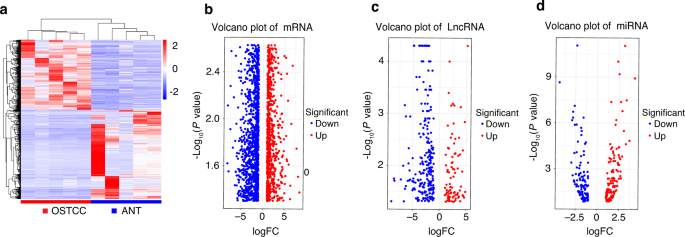
Mutation-associated transcripts reconstruct the prognostic features of oral tongue squamous cell carcinoma

alexandrossfakianakis shared this article with you from Inoreader

41368_2022_210_Fig1_HTML.png

International Journal of Oral Science, Published online: 03 January 2023; doi:10.1038/s41368-022-00210-3

Mutation-associated transcripts reconstruct the prognostic features of oral tongue squamous cell carcinoma
View on Web

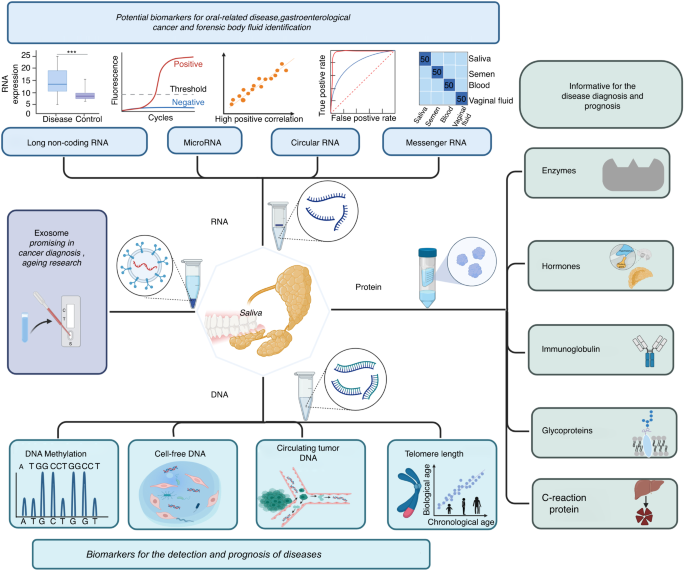
Promising applications of human-derived saliva biomarker testing in clinical diagnostics

alexandrossfakianakis shared this article with you from Inoreader

41368_2022_209_Fig1_HTML.png

International Journal of Oral Science, Published online: 04 January 2023; doi:10.1038/s41368-022-00209-w

Promising applications of human-derived saliva biomarker testing in clinical diagnostics
View on Web

Temporal Trends in Variability of Respirable Dust and Respirable Quartz Concentrations in the European Industrial Minerals Sector

alexandrossfakianakis shared this article with you from Inoreader
Abstract
While between- and within-worker variability have been studied quite extensively, hardly any research is available that examines long-term trends in the variability of occupational exposure. In this first study on trends in occupational exposure variability temporal changes in the variability of respirable dust and respirable quartz concentrations within the European industrial minerals sector were demonstrated. Since 2000 the European Industrial Minerals Association's Dust Monitoring Program (IMA-DMP) has systematically collected respirable dust and respirable quartz measurements. The resulting IMA-DMP occupational exposure database contains at present approximately 40 000 personal full-shift measurements, collected at 177 sites owned by 39 companies, located in 23 European countries. Repeated measurements of workers performing their duties within a specific site-job-campaign combination allowed estimation of within- and between-worker variabi lity in exposure concentrations. Overall day-to-day variability predominated the between-worker variability for both respirable dust concentrations and quartz concentrations. The within-worker variability in concentrations by job was two to three times higher for respirable quartz than for respirable dust. The median between-worker variability in respirable dust concentrations was low and further reduced over time. For quartz concentrations the same phenomenon albeit somewhat less strong was observed. In contrast, for the within-worker variability in concentrations downward and upward temporal trends were apparent for both respirable dust and respirable quartz. The study shows that the (relative) size of temporal variability is large and unpredictable and therefore regular measurement campaigns are needed to ascertain compliance to occupational exposure limit values.
View on Web

Δευτέρα 2 Ιανουαρίου 2023

Deferoxamine mesylate enhances mandibular advancement‐induced condylar osteogenesis by promoting H‐type angiogenesis

alexandrossfakianakis shared this article with you from Inoreader

Abstract

Background

The effect of functional orthopedic treatment for mandibular deficiency relies on mandibular advancement (MA)-induced condylar new bone formation. However, this is not easy to achieve, especially in non-growing patients. Therefore, how to obtain reliable MA-induced condylar osteogenesis is much worthy of studying.

Objective

To investigate whether deferoxamine mesylate (DFM) enhances MA-induced condylar osteogenesis in middle-aged mice.

Methods

Forty 30-week-old male C57BL/6J mice were randomly divided into 4 groups: the control (Ctrl), DFM, MA+Ctrl, and MA+DFM groups. After a 4-week experimental period, femurs, tibias, and condyles were collected for morphological, micro-computed tomography, and histological evaluation.

Results

For long bones, DFM reversed osteoporosis in middle-aged mice by promoting H-type angiogenesis. For mandibular condyles, MA promoted condylar osteogenesis in middle-aged mice, thereby allowing the mandible to achieve a stable protruding position. In addition, DFM enhanced the volume and quality of MA-induced condylar new bone formation. Furthermore, histological analysis revealed that DFM enhanced MA-induced condylar subchondral ossification. Mechanistically, it was confirmed that DFM increased the number of H-type vessels and their coupled Osterix+ osteoprogenitors by up-regulating the hypoxia-inducible factor (HIF)-1α signaling pathway, thereby enhancing MA-induced condylar osteogenesis.

Conclusion

Applying DFM to enhance MA-induced condylar osteogenesis through H-type angiogenesis is expected to be an effective strategy to achieve favorable functional orthopedic treatment effectiveness in non-growing patients.

View on Web

Small Molecule-mediated Disruption of Ribosome Biogenesis Synergizes With FGFR Inhibitors to Suppress Glioma Cell Growth

alexandrossfakianakis shared this article with you from Inoreader
Abstract
Background
High-grade gliomas are malignant brain tumors characterized by aggressiveness and resistance to chemotherapy. Prognosis remains dismal, highlighting the need to identify novel molecular dependencies and targets. Ribosome biogenesis (RiBi), taking place in the nucleolus, represents a promising target as several cancer types rely on high RiBi rates to sustain proliferation. Publicly available transcriptomics data of glioma patients revealed a positive correlation between RiBi rates and histological grades. We, therefore, hypothesized that glioma cells could be susceptible to RiBi inhibition.
Methods
Transcriptomics data from glioma patients were analyzed for RiBi-related processes. BMH-21, a small molecule inhibitor of RNA polI transcription, was tested in adult and pediatric high-grade glioma cell lines and a zebrafish transplant model. Cellular phenotypes were evaluated by transcriptomics, cell cycle analysis, and vi ability assays. A chemical synergy screen was performed to identify drugs potentiating BMH-21-mediated effects.
Results
BMH-21 reduced glioma cell viability, induced apoptosis, and impaired the growth of transplanted glioma cells in zebrafish. Combining BMH-21 with TMZ potentiated cytotoxic effects. Moreover, BMH-21 synergized with FGFR inhibitor Erdafitinib, a top hit in the chemical synergy screen. RiBi inhibition using BMH-21, POLR1A siRNA, or Actinomycin D revealed engagement of the FGFR-FGF2 pathway. BMH-21 downregulated FGFR1 and SOX2 levels, whereas FGF2 was induced and released from the nucleolus.
Conclusions
This study conceptualizes the implementation of RiBi inhibition as a viable future therapeutic strategy for glioma and reveals an FGFR connection to the cellular response upon RiBi inhibition with potential translational value.
View on Web

Wnt Signaling Regulates MFSD2A-dependent Drug Delivery through Endothelial Transcytosis in Glioma

alexandrossfakianakis shared this article with you from Inoreader
Abstract
Background
Systemic delivery of anti-tumor therapeutic agents to brain tumors is thwarted by the blood-brain barrier (BBB), an organotypic specialization of brain endothelial cells (ECs). A failure of pharmacological compounds to cross BBB is one culprit for the dismal prognosis of glioblastoma (GBM) patients. Identification of novel vascular targets to overcome the challenges posed by the BBB in tumors for GBM treatment is urgently needed.
Methods
Temozolomide (TMZ) delivery was investigated in CT2A and PDGFB-driven RCAS/tv-a orthotopic glioma models. Transcriptome analysis was performed on ECs from murine gliomas. Mfsd2a deficient, Cav1 deficient and Mfsd2a EC specific inducible mice were developed to study the underlying molecular mechanisms.
Results
We demonstrated that inhibiting Wnt signaling by LGK974 could increase TMZ delivery and sensitize glioma to chemotherapy in both murine glioma models. Transcriptome analysis of ECs from murine gliomas revealed that Wnt signaling inhibition enhanced vascular transcytosis as indicated by the upregulation of PLVAP and downregulation of MSFD2A. Mfsd2a deficiency in mice enhances TMZ delivery in tumors, whereas constitutive expression of Mfsd2a in ECs suppresses the enhanced TMZ delivery induced by Wnt pathway inhibition in murine glioma. In addition, Wnt signaling inhibition enhanced caveolin-1 (Cav1)-positive caveolae-mediated transcytosis in tumor ECs. Moreover, Wnt signaling inhibitor or Mfsd2a deficiency fails to enhance TMZ penetration in tumors from Cav1-deficient mice.
Conclusions
These results demonstrated that Wnt signaling regulates MFSD2A-dependent TMZ deli very through a caveolae-mediated EC transcytosis pathway. Our findings identify Wnt signaling as a promising therapeutic target to improve drug delivery for GBM treatment.
View on Web

Κυριακή 1 Ιανουαρίου 2023

Disparities in Survival Outcomes Among Black Patients with HPV‐Associated Oropharyngeal Cancer

alexandrossfakianakis shared this article with you from Inoreader

Abstract

Purpose/Objective

Patients with Human papillomavirus-associated oropharyngeal squamous cell carcinoma (HPV-OPSCC) have been shown to have a favorable prognosis and excellent overall survival, and studies have demonstrated these findings in predominantly White cohorts. Racial/ethnic (R/E) minorities, particularly Black patients, with head and neck squamous cell carcinoma (HNSCC) have worse survival outcomes compared to White patients. In this study, we aimed to determine if Black patients with HPV-OPSCC have a similar favorable prognosis to the White population.

Methods

his was a population based retrospective cohort study that analyzed HNSCC patients using the National Cancer Database from 2010-2016. We identified patients with Stage I-IV HPV-associated OPSCC who were treated with radiation, surgery, chemotherapy, or a combination of modalities. Patient outcomes were stratified by R/E groups including White Versus Black patients. The main outcome in this study was overall survival (OS). Analyses for proportions of categorical variables were performed using a Chi-Square or Fisher's Exact test. Univariate and multivariate time-to-event survival analyses were performed using Kaplan Meier product limit estimates and log-rank test to test the differences between strata. A Cox proportional hazards regression model was used to assess the association between covariates and risk of death (OS).

Results

We identified 9,256 OPSCC patients who met inclusion criteria and were treated between 2010-2016, of which 7,912 were white (85.5%) and 1,344 were Black (14.5%). 1,727 were HPV-OPSCC, of which 1598 were White (92.5%) and 129 (7.5%) were Black. By race, the 5-year OS for White Vs Black OPSCC patients was 42% versus 23%, respectively (log-rank, p<0.0001). Among HPV-Positive OPSCC patients, the 5-year OS for White vs Black patients was 65% versus 39% (log-rank, p<0.0001). Among HPV negative patients the 5-year OS for White vs Black patients was 36% versus 13% (log-rank, p<0.0001). On multivariate analysis, after accounting for age, sex, insurance status, income, Charlson-Deyo score, receipt of surgery, distance from facility, and total treatment time, Black race trended towards, but was not associated with worse survival. (HR:1.24, 95% CI 0.85-1.81, p=0.255)

Conclusions

This national cohort study of OPSCC patients demonstrates that Black patients with HPV-OPSCC have a poor prognosis and overall survival similar to HPV-negative White patients. This may be partly due to socioeconomic barriers such as insurance and income. Further work is needed to better understand the specific drivers of inferior survival outcomes in this specific patient population.

This article is protected by copyright. All rights reserved.

View on Web

H‐Type Tracheoesophageal Fistula Cannulation for Rapid Intraoperative Localization

alexandrossfakianakis shared this article with you from Inoreader
H-Type Tracheoesophageal Fistula Cannulation for Rapid Intraoperative Localization

Various techniques for tracheoesophageal fistula cannulation have been reported. In this case, we created a loop using a plastic catheter. The loop allowed us to create traction for rapid intraoperative localization and to pull a difficult-to-reach fistula, superiorly into the neck, to be reached through a cervical approach. Laryngoscope, 2022


View on Web

Clinical evaluation and patient related outcomes of one‐ and two‐piece zirconia implants at five years of loading: A case series study

alexandrossfakianakis shared this article with you from Inoreader

Abstract

Objective

The objective of this study was to investigate the survival and biological and mechanical complications of one-piece and two-piece zirconia implants at five years of loading.

Materials and Methods

Consecutive patients receiving zirconia implants were studied, collecting data at five years of loading on their clinical history, peri-implant health status, mechanical complications, esthetic results, and patient related outcomes.

Results

The study included 18 patients with 29 implants. The survival rate was 86% in implant-based analysis and 78% in patient-based analysis. There were no cases of peri-implantitis, but mucositis was present in 53% of implants. A mean of 4.1 ± 0.81 mm was obtained for probing depth and 1.6 ± 0.9 mm for crestal bone loss (radiographic assessment). There were no implant fractures. Major (10%) and minor (10%) prosthesis complications were observed. The esthetic outcome was moderate to almost perfect, with a high level of patient satisfaction. No significant association was found between survival rate and the presence of mucositis around one- or two-piece implants or any other study variable.

Conclusions

The survival rate is low for one- and two-piece zirconia implants. Both types of implants demonstrated a low mechanical complication rate. The incidence of periimplantitis is low but mucositis is present in 50%. Patient satisfaction related to esthetics and function is moderate to high. They represent a good option for patients requiring an alternative to titanium implants.

Clinical Relevance

Zirconia implants appear to be an alternative to the titanium option and may be indicated for patients requiring "metal-free" restorations.

View on Web

DSCS, a New Cell Line Developed in vitro From Human Stem Cells of the Apical Papilla

alexandrossfakianakis shared this article with you from Inoreader

Abstract

Aim

To establish and fully characterize a new cell line from human stem cells of the apical papilla (SCAPs) through immortalization with an SV40 large T antigen.

Methodology

Human SCAPs were isolated and transfected with an SV40 large T antigen and treated with puromycin to select the infected population. Expression of human mesenchymal surface markers CD73, CD90 and CD105 was assessed in the new cell line named Dental Stem Cells SV40 (DSCS) by flow cytometry at early and late passages. Cell and proliferation were also analysed. To evaluate trilineage differentiation; quantitative polymerase chain reaction and histological staining were performed.

Results

DSCS cell flow cytometry confirmed expression of mesenchymal surface markers even in late passages (100% positive for CD73 and CD90 and 98.9% for CD105 at passage (P) 25). Fewer than 0.5% were positive for haematopoietic cell markers (CD45 and CD34). DSCS cells also showed increased proliferation when compared with the primary culture after 48 h, with a doubling time of 23.46 h for DSCS cells and 40.31 h for SCAPs, and retained the capacity to grow for >45 passages (150 population doubling) and their spindle shape morphology. Trilineage differentiation potential was confirmed through histochemical staining and gene expression of the chondrogenic markers SOX9 and COL2A1, adipogenic markers CEBPA and LPL, and osteogenic markers COL1A1 and ALPL.

Conclusions

The new cell line derived from human SCAPs has multipotency, retains its morphology and expression of mesenchymal surface markers, and shows higher proliferative capacity even at late passages (P45). DSCS cells can be used for in vitro study of root development and to achieve better understanding of the regenerative mechanisms.

View on Web

Αναζήτηση αυτού του ιστολογίου

! # Ola via Alexandros G.Sfakianakis on Inoreader