Αρχειοθήκη ιστολογίου

Δευτέρα 14 Νοεμβρίου 2022

CTIM-32. FIRST-IN-CHILDREN PHASE 1 TRIAL OF INDOXIMOD-BASED CHEMO-IMMUNOTHERAPY FOR PATIENTS WITH PEDIATRIC BRAIN TUMORS: ANALYSIS OF SAFETY, TOLERABILITY, AND 5-YEAR OUTCOME

alexandrossfakianakis shared this article with you from Inoreader
Abstract
BACKGROUND
Recurrent brain tumors are the leading cause of cancer death in children. We conducted a first-in-children, two-institution, Phase 1 open-label dose-confirmation study using a 3 + 3 design, with expansion cohorts, to determine the recommended pediatric dose of the IDO pathway-inhibitor indoximod (NCT02502708). DESIGN/
METHODS
Eligible patients were 3-22 years old with either recurrent malignant brain tumor or newly-diagnosed diffuse intrinsic pontine glioma (DIPG). Palliative radiation, surgery or dexamethasone were allowed as needed for patient management. Separate dose-finding arms were performed for indoximod plus temozolomide (200 mg/m2/day orally for 5 days of each 28-day cycle) and for indoximod plus conformal radiation (in patients for whom re-irradiation was planned as standard-of-care). At progression, patients who were otherwise clinically stable were offered crossover to indoximod plus a second-line chemot herapy regimen (cyclophosphamide 2.5 mg/kg/day orally and etoposide 50 mg/m2/day orally for 21 days of each 28-day cycle).
RESULTS
Between December 2015 and January 2019, the study enrolled 81 brain tumor patients, including newly-diagnosed DIPG (n = 13) or recurrent ependymoma (n = 27), glioblastoma/high-grade glioma (n = 19), medulloblastoma (n = 13), or other CNS tumors ( n= 9). Median follow-up was 52 months (range 39-77 months). No dose-limiting toxicities were observed, and the pediatric indoximod dose was determined (19.2 mg/kg/dose, given twice daily). Indoximod was well tolerated and did not affect the ability to deliver chemotherapy or radiation as planned. Median overall survival was 13.6 months (n = 81). Median overall survival was 34.7 months for the subset of patients who continued indoximod with second-line chemotherapy after progression on indoximod plus temozolomide (n = 18).
CONCLUSIONS
Indoximod was well tolerated and could be combined with a var iety of standard treatments for pediatric brain tumors. Preliminary anti-tumor activity and overall survival suggest that indoximod with standard therapy should be further evaluated in pediatric brain tumors, and potentially other pediatric solid tumors.
View on Web

NCMP-10. NEURO-OPHTHALMOLOGICAL FINDINGS IN CHILDREN AND ADOLESCENTS WITH MEDULLOBLASTOMA - A RETROSPECTIVE ANALYSIS

alexandrossfakianakis shared this article with you from Inoreader
Abstract
BACKGROUND
Medulloblastoma represents the most common malignant pediatric brain tumor. Ophthalmic complications are possible sequelae.
METHODS
Pediatric medulloblastoma (MB) patients treated at the Medical University of Vienna from January 2012 to August 2021 were analyzed and their last ophthalmic assessment was reviewed.
RESULTS
Fifty-six MB patients could be included (71.4% non-WNT/non-SHH, 16.1% SHH-activated, 8.9% WNT-activated, 3.6% non-specified). Mean age at diagnosis was 7.2 years (range 0-19). Median follow-up to last ophthalmological assessment was 19.7 months (range 0.1-93.2). Thirty-four children underwent tumor resection at our hospital, their tumor localizations were: vermis (55.9%), floor of the 4th ventricle (26.5%), cerebellar hemispheres (11.8%), lateral recess (5.9%). Symptoms at presentation were evaluable for 51 children: 92.2% had symptoms of elevated intracranial pressure, 76.5% ataxi a and 21.6% visual disturbances. Postoperative posterior fossa syndrome was observed in 11.1% of 54 children. 98.2% had chemotherapy as part of their initial treatment and all children older than four years (85.7%) received postoperative irradiation of the posterior fossa. In 13 (23.2%) intraventricular chemotherapy was applied. At the last follow-up 21 patients experienced relapse after primary treatment. At the final assessment, frequent neuro-ophthalmological abnormalities included: oculomotor disturbance (75%), esotropia (35.7%) including abducens palsy (12.5%), other cranial nerve palsies (21.4%), horizontal gaze-evoked nystagmus (51.8%), spontaneous nystagmus (16.1%), ocular tilt reaction (21.4%), and optic disc abnormalities (14.3%). Good visual acuity (≥20/25) was maintained in 62.5% patients. Visual field and optical coherence tomography was successfully performed in 75% and 66.1% of patients, respectively. Optic pathway lesions were detected in 4 patients (7.1%), includi ng two cases with occipital metastases, one with optic nerve metastasis and one with leptomeningeal carcinomatosis. Orthoptic treatment with prisms and strabismus surgery was required in 14.3% and 7.7% of children, respectively.
CONCLUSION
Children with MB frequently suffer from neuro-ophthalmological late-effects. Regular monitoring is warranted to initiate appropriate management.
View on Web

CTIM-13. LOCAL ADOPTIVE CELLULAR IMMUNOTHERAPY WITH CYTOKINE-INDUCED KILLER (CIK) CELLS FOR HIGH GRADE GLIOMAS: A PILOT STUDY WITH LONG-TERM FOLLOW-UP AND POTENTIAL FACTORS FOR SURVIVAL BENEFITS

alexandrossfakianakis shared this article with you from Inoreader
Abstract
BACKGROUND
Immunotherapy is emerging as a promising approach for the treatment of high grade gliomas (HGGs). We reported the long-term follow-up of 6 HGG patients treated by local administration of autologous cytokine-induced killer (CIK) cells through Ommaya reservoirs implanted into the tumor cavity following operation. Meanwhile, Gene expression profiles and immune microenvironments of tumors were further compared between the long-term and short -term survivors.
METHODS
Clinicopathological characteristics and outcomes of patients were reviewed and updated. Gene expression profiles, expressions of cytokines and infiltrations of immune cells in tumors were investigated by RNA sequencing, an electrochemiluminescence assay and immunohistochemistry staining, respectively
RESULTS
Fever and symptoms of encephaledema occurred in 5 patients after local administration of CIK cells, and could be efficiently relieved by mannito l and dexamethasone. Four patients died from progressive disease during follow-up, and their overall survival ranged from 6 to 26 months. Remarkably, 2 patients have survived more than 200 months without evidence of recurrence. Comparing with the tumors of the short-term survivors, 353 genes which were highly associated with tumor microenvironment immune were differentially expressed (false discovery rate (FDR) < 0.05 and log2 fold change (FC) ≥ 1) in the tumor of the long-term survivor. Higher expressions of cytokines, especially IL-8 and IL-10, were observed in the tumor of the long-term survivor, while the infiltrations of M2 polarized macrophages were significantly higher in the tumors of short-term survivors.
CONCLUSION
Long-term survival of HGG patients could achieve after local administration of CIK cells into tumor cavity postoperatively. High expressions of cytokines and low infiltrations of M2 polarized macrophages in the tumors potentially benefited the CIK cell therapy.
View on Web

BIOM-34. MULTIPLEX PHENOTYPING OF EXTRACELLULAR VESICLES FOR ANALYSIS OF POTENTIAL BIOMARKERS IN GLIOBLASTOMA PATIENTS

alexandrossfakianakis shared this article with you from Inoreader
Abstract
INTRODUCTION
Extracellular vesicles (EVs) carry biological information from their cell of origin that is useful for non-invasive detection of tumor biomarkers and disease monitoring. In glioblastoma (GBM), blood circulating EVs are elevated and carry GBM-associated proteins. However, it is still challenging to analyze tumor derived EVs for translational purposes. Here, we used imaging flow cytometry (IFCM) as a robust strategy to perform phenotyping of EVs with GBM related surface markers in human plasma.
METHODS
EVs were isolated via differential ultracentrifugation from plasma of (a) 40 GBM patients, pre- and post-surgery, (b) 11matched GBM relapses and (c) 12 healthy donors (HD). EV sizes and concentrations were evaluated by NTA. EV markers (CD9,CD63 and CD81) together with glioma-related markers (integrin beta-1 [ITGB1], tenascin C [TNC], Profilin-1 [PFN1], CD44,GPNMB, SPARC, HLA-II or CD133) were analyzed by IFCM. EV perce ntages and objects/mL plasma were compared among the groups and correlated with clinical parameters.
RESULTS
CD9 was the predominant tetraspanin in all groups (15-96%), while CD63 had the lowest levels (0-33%) and the strongestdecrease in GBM patients after surgery (fold change [FC]=-5.4, p<0.01). Among the glioma-related markers, ITGB1 and TNC displayed the most significant differences between the analyzed groups, especially the double positives ITGB1+/CD63+and TNC+/CD63+, which decreased in patients after tumor removal (FC=-3.5 and -12, respectively; p<0.001). Meanwhile,ITGB1+/CD9+and TNC+/CD9+EVs exhibited the highest levels in GBM when compared to HD subjects (FC=8.6 and 17.4;p<0.001) and upon tumor recurrence (FC=3.7 and 10.9, respectively; p<0.01).
SUMMARY/CONCLUSION
We identified EV surface antigens with potential clinical utility as GBM biomarkers. Among them, we highlight ITGB1 and TNC as the most promising markers.

View on Web

TMIC-78. CIRCADIAN REGULATOR CLOCK DRIVES IMMUNOSUPPRESSION IN GLIOBLASTOMA

alexandrossfakianakis shared this article with you from Inoreader
Abstract
The symbiotic interactions between cancer stem cells and the tumor microenvironment (TME) are critical for tumor progression. However, the molecular mechanism underlying this symbiosis in glioblastoma (GBM) remains enigmatic. Here, we show that circadian locomotor output cycles kaput (CLOCK) and its heterodimeric partner brain and muscle ARNT-like 1 (BMAL1) in glioma stem cells (GSCs) drive immunosuppression in GBM. Integrated analyses of the data from transcriptome profiling, single-cell RNA sequencing, and TCGA datasets, coupled with functional studies, identified legumain (LGMN) as a direct transcriptional target of the CLOCK–BMAL1 complex in GSCs. Moreover, CLOCK-directed olfactomedin-like 3 (OLFML3) upregulates LGMN in GSCs via the hypoxia-inducible factor 1-alpha (HIF1A) signaling. Consequently, LGMN promotes microglial infiltration into the GBM TME via upregulating CD162, and polarizes infiltrating microglia towards an immune-suppressive phenotype. In GBM mouse models, inhibition of the CLOCK–OLFML3–HIF1A–LGMN–CD162 axis reduces intratumoral immune-suppressive microglia, increases CD8+ T cell infiltration, activation and cytotoxicity, and synergizes with anti-PD1 therapy. In human GBM, the CLOCK-regulated LGMN signaling correlates positively with microglial level and poor prognosis. Together, these findings uncover the CLOCK–OLFML3–HIF1A–LGMN axis as a molecular switch that controls microglial biology and immunosuppression, thus revealing potential new therapeutic targets for GBM patients.
View on Web

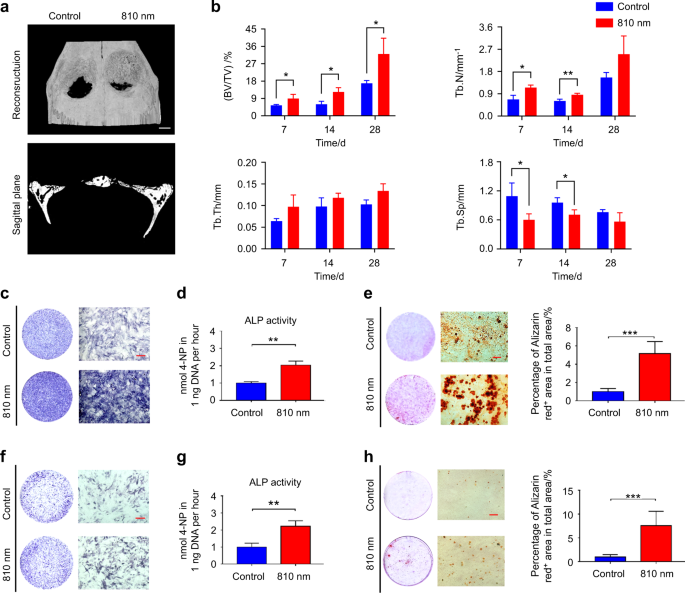
Low intensity near-infrared light promotes bone regeneration via circadian clock protein cryptochrome 1

alexandrossfakianakis shared this article with you from Inoreader

41368_2022_207_Fig1_HTML.png

International Journal of Oral Science, Published online: 14 November 2022; doi:10.1038/s41368-022-00207-y

Low intensity near-infrared light promotes bone regeneration via circadian clock protein cryptochrome 1
View on Web

Κυριακή 13 Νοεμβρίου 2022

Comparison of passive versus active transcutaneous bone anchored hearing devices in the pediatric population

alexandrossfakianakis shared this article with you from Inoreader
Transcutaneous bone anchored hearing devices (BAHDs) were introduced in an effort to avoid potential complications associated with the abutment of percutaneous BAHDs. Transcutaneous BAHDs can be active or pass...
View on Web

Exhaled Mycobacterium tuberculosis Predicts Incident Infection in Household Contacts

alexandrossfakianakis shared this article with you from Inoreader

m_ciac455f1.jpeg?Expires=1731185268&Sign

Abstract
BackgroundHalting transmission of Mycobacterium tuberculosis (Mtb) by identifying infectious individuals early is key to eradicating tuberculosis (TB). Here we evaluate face mask sampling as a tool for stratifying the infection risk of individuals with pulmonary TB (PTB) to their household contacts.
Methods
Forty-six sputum-positive PTB patients in The Gambia (August 2016–November 2017) consented to mask sampling prior to commencing treatment. Incident Mtb infection was defined in 181 of their 217 household contacts as QuantiFERON conversion or an increase in interferon-γ of ≥1 IU/mL, 6 months after index diagnosis. Multilevel mixed-effects logistical regression analysis with cluster adjustment by household was used to identify predictors of incident infection.
Results
Mtb was detected in 91% of PTB mask samp les with high variation in IS6110 copies (5.3 × 10² to 1.2 × 10⁷). A high mask Mtb level (≥20 000 IS6110 copies) was observed in 45% of cases and was independently associated with increased likelihood of incident Mtb infection in contacts (adjusted odds ratio, 3.20 [95% confidence interval, 1.26–8.12]; P = .01), compared with cases having low-positive/negative mask Mtb levels. Mask Mtb level was a better predictor of incident Mtb infection than sputum bacillary load, chest radiographic characteristics, or sleeping proximity.
Conclusions
Mask sampling offers a sensitive and noninvasive tool to support the stratification of individuals who are most infectious in high-TB-burden settings. Our approach can provide b etter insight into community transmission in complex environments.
View on Web

Posisep Versus PureRegen Gel for Post ESS Nasal Packing – A Randomized Blinded Prospective Study

alexandrossfakianakis shared this article with you from Inoreader

Objective

Endoscopic sinus surgery (ESS) is the procedure of choice for chronic rhinosinusitis (CRS). Adhesions are the most common postoperative complications, causing recurrent disease and revision surgery. Postoperative care is thus essential for the healing of the operated cavity. A wide variety of packing materials are used to prevent bleeding and adhesions postoperatively. Two main absorbable packing materials are used: Foam-based packs (e.g., Posisep and Nasopore) and gel-based packs (PureRegen Gel – PRG). The current study is a randomized, blinded, prospective analysis of cavity healing using Posisep and PRG in ESS, aiming to compare the pros and cons of the two.

Methods

Patients with bilateral symmetric CRS were recruited for the study. At the end of surgery, one side was randomly packed with Posisep, whereas the other was packed with PRG. The postoperative cavity cleaning was video recorded and a blinded physician evaluated the mucosal healing.

Results

The side packed with Posisep had significantly less middle turbinate (MT) lateralization and adhesions yet dissolved significantly slower than the PRG, causing more mucosal edema. Severe MT scarring requiring recurrent medialization and adhesiolysis was exclusively observed in the PRG group. All differences were observed in the early postoperative period (up to 12 weeks after surgery). By that time, only the MT position was significantly different between groups, despite recurrent adhesiolysis and medialization.

Conclusion

The authors recommend using Posisep for MT support only when it is unstable or lateralized. Packing the surgical cavity in other cases with PRG is more beneficial.

Level of Evidence

2 Laryngoscope, 2022

View on Web

Transplacental transmission of SARS‐CoV‐2 immunoglobulin G antibody to infants from maternal COVID‐19 vaccine immunization before pregnancy

alexandrossfakianakis shared this article with you from Inoreader

Abstract

Background & aim

Coronavirus disease 2019 (COVID-19) vaccine generates functional antibodies in maternal circulation that are detectable in infants, while the information is restricted to the usage of COVID-19 vaccine during pregnancy. In this study, we aimed to evaluate the effect of maternal COVID-19 vaccines before pregnancy.

Method

Infants were included from mothers with no inactivated COVID-19 vaccine, 1-dose, 2-dose and 3-dose before pregnancy, and SARS-CoV-2 IgG antibodies were tested. Comparative analysis was done between the groups.

Results

A total of 130 infants were enrolled in the study. Significantly higher levels of SARS-CoV-2 IgG antibodies in infants born to mothers with 3-dose COVID-19 vaccine before pregnancy compared with 1-dose and 2-dose groups (p<0.0001). The levels of antibodies decreased significantly with age in infants born to mothers with the 3-dose COVID-19 vaccine before pregnancy (r=-0.338, p=0.035), and it w as still higher than that 2-dose COVID-19 vaccine group.

Conclusion

The maternal SARS-CoV-2 antibodies produced from the inactivated COVID-19 vaccine before pregnancy can be transferred to newborns via the placenta. Maternal immunization with 3-dose of the COVID-19 vaccine before pregnancy could be more beneficial for both mothers and infants.

This article is protected by copyright. All rights reserved.

View on Web

Αναζήτηση αυτού του ιστολογίου

! # Ola via Alexandros G.Sfakianakis on Inoreader