Αρχειοθήκη ιστολογίου

Τετάρτη 20 Ιουλίου 2022

Safety and efficacy of molnupiravir in SARS‐CoV‐2 infected patients: a real‐life experience

alexandrossfakianakis shared this article with you from Inoreader

Abstract

Introduction

Since the start of the SARS-CoV-2 pandemic, several treatments have been proposed to cure Coronavirus Disease 2019 (COVID-19) and prevent it. Molnupiravir is a ribonucleoside prodrug of N-hydroxycytidine with an in vitro e in vivo activity against SARS-CoV-2.

Methods

We conducted a retrospective cohort study including all people treated with Molnupiravir between the 10th of January and the 31th of March 2022 at the University Hospital of Sassari. Molnupiravir was prescribed, according to the Italian Agency of Drug indications, in patients with recent symptoms onset (≤5five days), no need of oxygen supplementation, and with a high risk of disease progression for the presence chronic diseases.

Results

We included 192 people with a mean age of 70.4±15.4 years; 144 (75%) patients were over 60 years. During the follow-up, 20 (10.4%) patients showed a disease progression. At the multivariate analysis, older age, having neurological dis ease, and having dyspnea at the onset of the symptoms, and acquiring SARS-CoV-2 infeciton during an hospital admission were associated with an increased risk of progression. On the contrary, early start of treatment was associated with a reduced risk of disease progression. Molnupiravir was also extremely safe since 13 (6.8%) adverse events were reported, with only one interruption.

Conclusion

Our study shows that Monlupiravir confirmed its efficacy and safety in a real-life cohort that included a high percentage of elderly people with a high comorbidity burden.

This article is protected by copyright. All rights reserved.

View on Web

Understanding spatio-temporal human mobility patterns for malaria control using a multi-agent mobility simulation model

alexandrossfakianakis shared this article with you from Inoreader

cid_ogimage.png

ABSTRACT
Background
More details about human movement patterns are needed to evaluate relationships between daily travel and malaria risk at finer scales. A multi-agent mobility simulation model was built to simulate the movements of villagers between home and their workplaces in two townships in Myanmar.
Methods
An agent-based model (ABM) was built to simulate daily travel to and from work based on responses to a travel survey. Key elements for the ABM were lan dcover, travel time, travel mode, occupation, malaria prevalence, and a detailed road network. Most visited network segments (MVS) for different occupations and for malaria-positive cases were extracted and compared. Data from a separate survey was used to validate the simulation.
Results
Mobility characteristics for different occupation groups showed that while certain patterns were shared among some groups, there were also patterns that were unique to an occupation group. Forest workers were estimated to be the most mobile occupation group, and also had the highest potential malaria exposure associated with their daily travel in Ann Township. In Singu Township, forest workers were not the most mobile group; however, they were estimated to visit regions that had higher prevalence of malaria infection over other occupation groups.
Conclusions
Using an ABM to simulate daily travel generated mobility patterns for different occupation groups. These spatial patterns va ried by occupation. Our simulation identified occupations at a higher risk of being exposed to malaria and where these exposures were more likely to occur.
View on Web

Pediatric hematology providers’ contraceptive practices for female adolescents and young adults with sickle cell disease: A national survey

alexandrossfakianakis shared this article with you from Inoreader

Abstract

Background

Adolescent and young adult (AYA) women with sickle cell disease (SCD) have increased pregnancy-related health risks and are prescribed potentially teratogenic medications, yet limited data are available regarding pediatric SCD provider contraceptive practices. We aimed to assess pediatric hematology providers' beliefs, practices, motivators, and barriers for providing contraceptive care to female AYAs with SCD.

Methods

Guided by the Health Belief Model (HBM), we developed a 25-question, web-based survey to assess practices. Survey links were distributed nationwide to pediatric SCD and/or general hematology providers through their publicly available emails and by request to directors of U.S.-accredited Pediatric Hematology-Oncology fellowship programs for distribution to their SCD providers. Data analysis included descriptive statistics, chi-square analysis, and logistic regression.

Results

Of 177 respondents, 160 surveys meeting inclusion criteria were analyzed. Most providers reported counseling (77.5%) and referring female AYA patients for contraception (90.8%), but fewer reported prescribing contraception (41.8%). Proportionally fewer trainees provided counseling compared with established providers (54% vs. 85%, p < .001), with a similar trend for prescribing (p = .05). Prescription practices did not differ significantly by provider beliefs regarding potential teratogenicity of hydroxyurea. Key motivators included patient request and disclosure of sexual activity. Key barriers included inadequate provider training, limited visit time, and perceived patient/parent interest.

Conclusion

Provider contraceptive practices for female AYAs with SCD varied, especially by provider status. Health beliefs regarding teratogenic potential of hydroxyurea did not correlate with contraceptive practices. Clinical guidelines, provider training, and patient/parent decision-making tools may be tested to assess whether provider contraceptive practices could be improved.

View on Web

Τρίτη 19 Ιουλίου 2022

Differential avidity determination of IgG directed towards the receptor‐binding domain (RBD) of SARS‐CoV‐2 wildtype and its variants in one assay: Rational tool for the assessment of protective immunity.

alexandrossfakianakis shared this article with you from Inoreader

Abstract

The avidity (binding strength) of IgG directed towards the receptor-binding domain (RBD) of spike protein has been recognized as a central marker in SARS-CoV-2 serology. It seems to be linked to increased infection-neutralization potential and therefore might indicate protective immunity. Using a prototype line assay based on the established recomLine SARS-CoV-2 assay, supplemented with RBD of the delta and the omicron variant, differential avidity determination of IgG directed towards RBD of wild-type (WT) SARS-CoV-2 and distinct variants was possible within one assay. Our data confirm that natural SARS-CoV-2 infection or one vaccination step lead to low avidity IgG, whereas further vaccination steps gradually increase avidity to high values. High avidity is not reached by infection alone. After infection with WT SARS-CoV-2 or vaccination based on mRNA WT, the avidity of cross-reacting IgG directed towards RBD of the delta variant only showed marginal diffe rences compared to IgG directed towards RBD WT. In contrast, the avidity of IgG cross-reacting with RBD of the omicron variant was always much lower than for IgG RBD WT, except after the third vaccination step. Therefore, parallel avidity testing of RBD WT and omicron seems to be mandatory for a significant assessment of protective immunity towards SARS-CoV-2.

This article is protected by copyright. All rights reserved.

View on Web

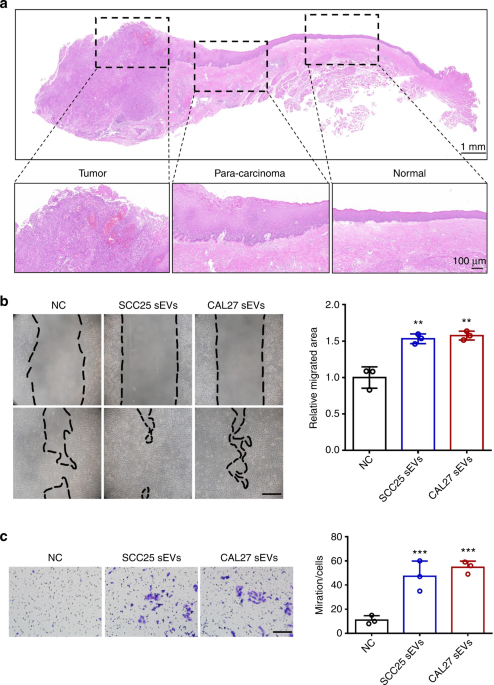
Cancer cells corrupt normal epithelial cells through miR-let-7c-rich small extracellular vesicle-mediated downregulation of p53/PTEN

alexandrossfakianakis shared this article with you from Inoreader

41368_2022_192_Fig1_HTML.png

International Journal of Oral Science, Published online: 19 July 2022; doi:10.1038/s41368-022-00192-2

Cancer cells corrupt normal epithelial cells through miR-let-7c-rich small extracellular vesicle-mediated downregulation of p53/PTEN
View on Web

New insight on the role of Helicobacter pylori cagA in the expression of cell surface antigens with important biological functions in gastric carcinogenesis

alexandrossfakianakis shared this article with you from Inoreader

Abstract

Background

Expression of cluster of differentiation (CD) antigens changes according to disease status and inflammation. Profiles of CD antigens expression in gastric cancer patients are different based on the status of H. pylori infection.

Aims

We conducted this study to profile CD antigen markers in gastric adenocarcinoma cells (AGS cell line) infected with distinct cytotoxin-associated gene A (cagA) genotypes of H. pylori clinical isolates.

Methods

The AGS cells were infected with H. pylori isolates with different cagA genotypes, and CD antigens expression was determined using DotScan™ antibody microarray. Formation of "hummingbird" phenotype was determined, and the percentage was calculated.

Results

H. pylori strains harboring cagA upregulated the expression of CD antigen involved in cancer stem cell formation (CD55), but downregulated CD antigens involved in immune regulation (CD40 and CD186) and cell adhesion (CD44). CD54 (neutrophil adhesion) and CD71 (iron transfer) were highly downregulated in the gastric cells infected with Western cagA isolates compared with East Asian isolates. CD antigen expression was different in the cells infected with H. pylori harboring different CagA EPIYA (Glu-Pro-Ile-Tyr-Ala) numbers, in which higher repression of CD54 and CD15 (Lewis x antigen) were observed in the isolate with the highest number of EPIYA motif. Furthermore, higher downregulation of CD15 was observed in the infected gastric cells with high percentage of "hummingbird" phenotype than that of low percentage of "hummingbird" phenotype.

Conclusion

Our study demonstrated the critical roles of CD antigens in the CagA pathogenesis and should be investigated further.

View on Web

Comparative study of DFAT cell and ADSC sheets for periodontal tissue regeneration:in vivo and in vitro evidence

alexandrossfakianakis shared this article with you from Inoreader

Abstract

Aim

To compare the efficacy of adipocyte-derived dedifferentiated fat (DFAT) cell and adipose-derived stromal cell (ADSC) sheets for regenerative treatment of intrabony periodontal defects.

Material and Methods

DFAT cells were obtained using the ceiling culture method and were compared with ADSCs using Cell Counting Kit-8 (CCK8), colony formation assay, surface antigen identification, and multilineage differentiation assays. DFAT and ADSC sheets were prepared in cell sheet culture medium. The biological characteristics of DFAT cell and ADSC sheets were compared using haematoxylin and eosin staining, quantitative reverse transcription PCR, and immunofluorescence staining. Micro-computed tomography and histological staining were used to compare the effects of the two cell sheets on the repair of periodontal intrabony defects in rats.

Results

DFAT cells and ADSCs demonstrated mesenchymal stem cell characteristics. Both cell type were CD29-, CD90-, and CD146-positive and CD31-, CD34-, and CD45-negative. DFAT cells and ADSCs exhibited similar osteogenic and adipogenic differentiation capabilities, and colony-formation ability. DFAT cells displayed stronger proliferation capabilities compared to ADSCs. Compared with the ADSC sheets, DFAT cell sheets exhibited a higher expression of periodontal-related genes and proteins and greater ability to regenerate periodontal tissue.

Conclusion

Our findings suggest that DFAT cell sheets are an ideal seed cell source and form of cell delivery for periodontal intrabony defects.

View on Web

The accuracies of three intraoral scanners with regards to shade determination: An in vitro study

alexandrossfakianakis shared this article with you from Inoreader

Abstract

Purpose

: To compare the accuracy of three intraoral scanners for shade determination function in vitro, and to preliminarily investigate the shade-matching characteristics of the three intraoral scanners.

Materials & Methods

The shade of the middle third region of each shade tab on the Vita Classical A1-D4 shade guide (VC) was measured by a spectrophotometer (Vita Easyshade V, VE) and three intraoral scanners, including CEREC Omnicam (OM), 3Shape TRIOS 3 (T3), and TRIOS 4 (T4). A conversion table between VC values and CIELAB values was established from the database of VE to analyze the trueness. The reproducibility of the instruments was then compared by repeating the measurements five times.

Results

: The mean color difference for each instrument was highest in the OM, followed by the T4, and lowest in the T3 and VE, repectively. The L* and a* value for OM, and the b* value for T4, were significantly different from those for VE (p <0.05). The reproducibility of the instrument was highest in the VE (Fleiss' kappa: 0.95), followed by the T3 (Fleiss' kappa: 0.89), T4 (Fleiss' kappa: 0.87), and OM (Fleiss' kappa: 0.78).

Conclusions

: Of the three intraoral scanners, the trueness was best on the T3. The reproducibility of all the instruments was excellent.

This article is protected by copyright. All rights reserved

View on Web

TREM2‐induced activation of microglia contributes to synaptic integrity in cognitively intact aged individuals with Alzheimer's neuropathology

alexandrossfakianakis shared this article with you from Inoreader
TREM2-induced activation of microglia contributes to synaptic integrity in cognitively intact aged individuals with Alzheimer's neuropathology

Efficient TREM2-phagocytic microglia underlie synaptic resilience in NDAN, removing damaged synpases, contributing to synaptic integrity and protecting from memory deficits.


Abstract

The existence of individuals who remain cognitively intact despite presenting histopathological signs of Alzheimer's disease (AD), here referred to as "Nondemented with AD neuropathology" (NDAN), suggests that some mechanisms are triggered to resist cognitive impairment. Exposed phosphatidylserine (ePS) represents a neuronal "eat-me" signal involved in microglial-mediated phagocytosis of damaged synapses. A possible mediator of this process is TREM2, a microglial surface receptor activated by ligands including PS. Based on TREM2 role in the scavenging function of microglia, we hypothesize that an efficient microglial phagocytosis of damaged synapses underlies synaptic resilience in NDAN, thus protecting from memory deficits. Using immunofluorescence microscopy, we performed a comparative study of human post-mortem frontal cortices of aged-matched, AD and NDAN individuals. We studied the distribution of activated microglia (IBA1, IBA1+/CD68+ cells) and phagocytic microglia-related proteins (TREM2, DAP12), demonstrating higher microglial activation and TREM2 expression in NDAN versus AD. A study of the preservation of synapses around plaques, assessed using MAP2 and βIII tubulin as dendritic and axonal markers, respectively, and PSD95 as a postsynaptic marker, revealed preserved axonal/dendritic structure around plaques in NDAN versus AD. Moreover, high levels of PSD95 around NDAN plaques and the colocalization of PSD95 with CD68 indicated a prompt removal of damaged synapses by phagocytic microglia. Furthermore, Annexin V assay on aged-matched, AD and NDAN individuals synaptosomes revealed increased levels of ePS in NDAN, confirming damaged synapses engulfment. Our results suggest a higher efficiency of TREM2-induced phagocytic microglia in removing damaged synapses, underlying synaptic resilience in NDAN individuals.

View on Web

Ridge augmentation using autologous concentrated growth factors enriched bone graft matrix versus guided bone regeneration using native collagen membrane in horizontally deficient maxilla: A randomized clinical trial

alexandrossfakianakis shared this article with you from Inoreader

Abstract

Background

Facial resorption of maxillary alveolar ridges is a challenging situation for implant rehabilitation, which mandates a preparatory surgery of bone augmentation. Guided bone regeneration using a 1:1 mixture of autogenous particulate and anorganic bovine bone mineral (ABBM) showed reliable outcomes in treating horizontally deficient ridges.

Methods

Twenty-eight patients were randomly assigned into two groups; in the control group, the 1:1 mixture of particulate autogenous bone and ABBM was covered with native collagen membrane, while in the study group, it was mixed with autologous fibrin glue (AFG) to make a sticky bone that was covered by concentrated growth factor (CGF) membrane. For each proposed implant site, the average bone width gain was calculated preoperatively, immediately after augmentation and after 6 months. Implants were placed after 6 months and the implant stability quotient (ISQ) was measured after insertion and after 6 more months.

Results

The graft consolidation period went uneventful in both groups; however, two cases in the sticky bone group showed total resorption of the graft upon re-entry. The mean horizontal bone width after 6 months was 9 mm ± 0.71 in the guided bone regeneration (GBR) group which was higher than 7.9 mm ± 0.92 for the sticky bone group. The mean primary stability was higher in the GBR group; 67.19 ± 2.23 compared to 66.7 ± 3.22 for the sticky bone group, while the mean secondary stability was higher in the sticky bone group; 72 ± 2.15 compared to 71.7 ± 2.27 for the GBR group. Results of Shapiro–Wilk's for bone width data and model residuals were both statistically not significant (p > 0.05).

Conclusion

Comparing CGF membrane versus native collagen membrane as barriers for GBR showed no statistically significant difference regarding bone gain. However, from a clinical point of view, CGF membrane is not a predictable barrier for guided bone regeneration.

View on Web

Αναζήτηση αυτού του ιστολογίου

! # Ola via Alexandros G.Sfakianakis on Inoreader