Αρχειοθήκη ιστολογίου

Πέμπτη 2 Ιουνίου 2022

Hippocampal avoidance prophylactic cranial irradiation (HA-PCI) for small cell lung cancer reduces hippocampal atrophy compared to conventional PCI

alexandrossfakianakis shared this article with you from Inoreader
Abstract
Background
Reducing radiation dose to the hippocampus with hippocampal avoidance prophylactic cranial irradiation (HA-PCI) is proposed to prevent cognitive decline. It has, however, not been investigated whether hippocampal atrophy is actually mitigated by this approach. Here, we determined whether HA-PCI reduces hippocampal atrophy. Additionally we evaluated neurotoxicity of (HA-)PCI to other brain regions. Finally, we evaluated associations of hippocampal atrophy and brain neurotoxicity with memory decline.
Methods
High quality research MRI scans were acquired in the multicenter, randomized phase 3 trial NCT01780675. Hippocampal atrophy was evaluated 4 months (57 HAPCI patients and 46 PCI patients) and 12 months (28 HAPCI patients and 27 PCI patients) after (HA-)PCI. We additionally studied multimodal indices of brain injury. Memory was assessed with the Hopkins Verbal Learning Test Revised (HVLT-R).
Results
HA-PCI r educed hippocampal atrophy at 4 months (1.8% for HA-PCI and 3.0% for PCI) and at 12 months (3.0% for HA-PCI and 5.8% for PCI). Both HA-PCI and PCI were associated with considerable reductions of gray matter and normal appearing white matter, increases of white matter hyperintensities and brain aging. There were no significant associations between hippocampal atrophy and memory.
Conclusions
HA-PCI reduces hippocampal atrophy at 4 and 12 months compared to regular PCI. Both types of radiotherapy are associated with considerable brain injury. We did not find evidence for excessive brain injury after HA-PCI relative to PCI. Hippocampal atrophy was not associated with memory decline in this population as measured with HVLT-R. The usefulness of HA-PCI is still subject to debate.
View on Web

Overexpression of TIGAR and HO-1 in peripheral blood mononuclear cells (PBMCs) of breast cancer patients treated with radiotherapy

alexandrossfakianakis shared this article with you from Inoreader
.
View on Web

Dedicated isotropic 3-D T1 SPACE sequence imaging for radiosurgery planning improves brain metastases detection and reduces the risk of intracranial relapse

alexandrossfakianakis shared this article with you from Inoreader

S01678140.gif

Publication date: Available online 2 June 2022

Source: Radiotherapy and Oncology

Author(s): Tugce Kutuk, Kevin J. Abrams, Martin C. Tom, Muni Rubens, Haley Appel, Charif Sidani, Matthew D. Hall, Ranjini Tolakanahalli, D. Jay J. Wieczorek, Alonso N. Gutierrez, Michael W. McDermott, Manmeet S. Ahluwalia, Minesh P. Mehta, Rupesh Kotecha

View on Web

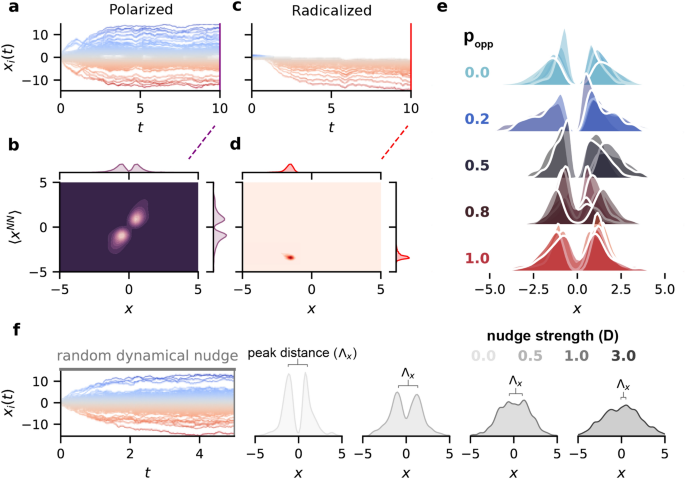
Depolarization of echo chambers by random dynamical nudge

alexandrossfakianakis shared this article with you from Inoreader

41598_2022_12494_Fig1_HTML.png

View on Web

First case of human Brucella canis infection in the Netherlands

alexandrossfakianakis shared this article with you from Inoreader
Abstract
A patient was diagnosed with B. canis following exposure to infected dogs in her breeding facility. Transboundary spread of B. canis trough (illegal) import of infected dogs to non-endemic countries in Europe suggest that B. canis infection should be considered in European patients with occupational exposure to dogs.
View on Web

Effectiveness of Paxlovid in Reducing Severe COVID-19 and Mortality in High Risk Patients

alexandrossfakianakis shared this article with you from Inoreader
Abstract
Background
Paxlovid was granted emergency use authorization for the treatment of mild to moderate COVID-19, based on the interim analysis of EPIC-HR trial. Paxlovid effectiveness needs to be assessed in a noncontrolled setting. In this study we used population-based real world data to evaluate the effectiveness of Paxlovid.
Methods
The database of the largest healthcare provider in Israel was used to identify all adults aged 18 years or older with first ever positive test for SARS-CoV-2 between January and February 2022, who were at high risk for severe COVID-19 and had no contraindications for Paxlovid use. Patients were included irrespective of their COVID-19 vaccination status. Cox hazard regression was used to estimate the 28 day HR for severe COVID-19 or mortality with Paxlovid examined as time-dependent variable.
Results
Overall, 180,351 eligible were included, of them only 4,737 (2.6%) were treated with Paxlovid , and 135,482 (75.1%) had adequate COVID-19 vaccination status. Both Paxlovid and adequate COVID-19 vaccination status were associated with significant decrease in the rate of severe COVID-19 or mortality with adjusted HR 0.54 (95% CI, 0.39-0.75) and 0.20 (95% CI, 0.17-0.22), respectively. Paxlovid appears to be more effective in older patients, immunosuppressed patients, and patients with underlying neurological or cardiovascular disease (interaction p-value <0.05 for all). No significant interaction was detected between Paxlovid treatment and COVID-19 vaccination status.
Conclusions
This study suggests that in the era of omicron and in real life setting Paxlovid is highly effective in reducing the risk of severe COVID-19 or mortality.
View on Web

Τετάρτη 1 Ιουνίου 2022

Prevention of Neisseria gonorrhoeae with meningococcal B vaccine: a matched cohort study in Southern California

alexandrossfakianakis shared this article with you from Inoreader

cid_ogimage.png

Abstract
Background
Neisseria gonorrhoeae is acquiring increasing resistance to available oral antibiotics, and current screening and treatment approaches have not decreased gonorrhea incidence. Although a gonorrhea-specific vaccine does not exist, N. gonorrhoeae shares much of its genome with Neisseria meningitidis, notably critical antigenic determina nts including outer membrane vesicles (OMV). Prior observational studies have suggested that OMV-based meningococcal serogroup B vaccines confer protection against gonorrhea.
Methods
We conducted a matched cohort study from 2016-2020 to examine the association of OMV-containing recombinant meningococcal serogroup B vaccine (4CMenB) with gonorrhea infection among teens and young adults at Kaiser Permanente Southern California. Recipients of 4CMenB were matched in a ratio of 1:4 to recipients of non-OMV-containing polysaccharide-conjugate vaccine targeting serotypes A, C, W, Y ("MenACWY") who had not received 4CMenB and were followed for incident gonorrhea. We used Cox proportional hazards regression to compare gonorrhea rates among recipients of 4CMenB vs MenACWY, adjusting for potential confounders. We conducted the same analysis with chlamydia as a negative control outcome.
Results
The study included 6,641 recipients of 4CMenB matched to 26,471 recipients of M enACWY. During follow-up, gonorrhea incidence rates per 1000 person-years (95% CI) were 2.0 (1.3-2.8) for recipients of 4CMenB and 5.2 (4.6-5.8) for recipients of MenACWY. In adjusted analyses, gonorrhea rates were 46% lower among recipients of 4CMenB vs MenACWY (HR [95% CI] 0.54 [0.34-0.86]), but chlamydia rates were similar between vaccine groups (HR [95% CI] 0.98 [0.82-1.17]).
Conclusions
These results suggest cross-protection of 4CMenB against gonorrhea, supporting the potential for vaccination strategies to prevent gonorrhea.
View on Web

Symptom‐based remote assessment in post treatment head and neck cancer surveillance: a prospective national study

alexandrossfakianakis shared this article with you from Inoreader

Abstract

Objectives

To report the incidence of locoregional recurrence in HNC patients under surveillance following treatment undergoing symptom-based remote assessment.

Design

A 16-week multicentre prospective cohort study.

Setting

UK ENT departments.

Participants

HNC patients under surveillance following treatment undergoing symptom-based telephone assessment.

Main outcome measures

Incidence of locoregional recurrent HNC after minimum 6-month follow-up.

Results

Data for 1,078 cases were submitted by 16 centres, with follow-up data completed in 98.9% (n=1,066).

Following telephone consultation, 83.7% of referrals had their face-to-face appointments deferred (n=897/1,072). New symptoms were reported by 11.6% (n=124/1072) at telephone assessment; 72.6% (n=90/124) of this group were called for urgent assessments, of whom 48.9% (n=44/90) came directly for imaging without preceding clinical review.

The sensitivity and specificity for new symptoms as an indicator of cancer recurrence were 35.3% and 89.4%, respectively, with a negative predictive value of 99.7% (p=0.002).

Locoregional cancer identification rates after a minimum of 6 months of further monitoring, when correlated with time since treatment, were: 6.0% (n=14/233) <1 year; 2.1% (n=16/747) between 1 and 5 years; and 4.3% (n=4/92) for those >5 years since treatment.

Conclusions

Telephone assessment, using patient-reported symptoms, to identify recurrent locoregional HNC was widely adopted during the initial peak of the COVID-19 pandemic in the UK. The majority of patients had no face-to-face reviews or investigations. New symptoms were significantly associated with the identification of locoregional recurrent cancers with a high specificity, but a low sensitivity may limit symptom assessment being used as the sole surveillance method.

View on Web

International variations in neuroblastoma incidence in children and adolescents

alexandrossfakianakis shared this article with you from Inoreader

m_hyac079f1.jpeg?Expires=1717150588&Sign

neuroblastomaincidencechildhood
View on Web

The metacognitive model of rumination and depression in postpartum women

alexandrossfakianakis shared this article with you from Inoreader

Abstract

Objectives

The metacognitive model of rumination and depression (Papageorgiou & Wells, 2003, Cognitive Therapy and Research, 27, 261) postulates that beliefs that perseverative negative thinking, i.e. rumination, will help solve problems contributing to rumination. However, this activates negative beliefs about the uncontrollability and social consequences of ruminations, which exacerbate depression. The metacognitive model has been well-supported but with some inconsistencies in specific pathways. It has also not yet been tested for postpartum depression (PPD). Therefore, this study aimed to examine the relations between the metacognitive model of rumination and depression when applied to PPD symptoms and to compare it with the cognitive model of depression.

Design

This is a cross-sectional study.

Method

Postpartum mothers (N = 603) participated in an online study in their first postpartum year. They completed the Edinburgh Postnatal Depression Scale (EPDS), Postnatal Negative Thoughts Questionnaire (PNTQ), Ruminative Responses Scale (RRS), Positive Beliefs about Rumination Scale (PBRS) and Negative Beliefs about Rumination Scale (NBRS).

Results

A path analysis revealed that the model had an excellent fit to the data. Specifically, positive beliefs about rumination predicted engagement in rumination that, in turn, predicted PPD, both directly and indirectly, through negative beliefs about uncontrollability and the social consequences of rumination. A cognitive model with ruminations as a partial mediator between negative postpartum thoughts and PPD symptoms also had a good fit.

Conclusion

The findings of this study contribute to the understanding of the cognitive and metacognitive mechanisms underlying postpartum depression, which might be similar to depression in general and have important implications for treatment strategies.

View on Web

Αναζήτηση αυτού του ιστολογίου

! # Ola via Alexandros G.Sfakianakis on Inoreader