Αρχειοθήκη ιστολογίου

Κυριακή 13 Δεκεμβρίου 2020

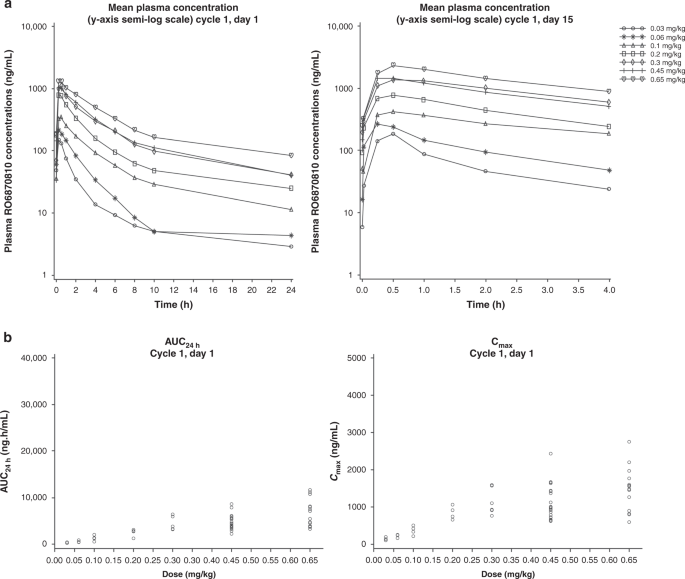
A Phase 1 study of RO6870810, a novel bromodomain and extra-terminal protein inhibitor, in patients with NUT carcinoma, other solid tumours, or diffuse large B-cell lymphoma

a.sfakia shared this article with you from Inoreader
Via Cancer

41416_2020_1180_Fig1_HTML.png

British Journal of Cancer, Published online: 14 December 2020; doi:10.1038/s41416-020-01180-1

A Phase 1 study of RO6870810, a novel bromodomain and extra-terminal protein inhibitor, in patients with NUT carcinoma, other solid tumours, or diffuse large B-cell lymphoma
View on the web

Pharmacological Prevention of Noise-induced Hearing Loss: A Systematic Review

a.lsfakia shared this article with you from Inoreader
imageObjective: This study aims to explore and determine the effectiveness of current pharmacologic agents for the prevention of noise-induced hearing loss (NIHL) via a systematic review. Databases Reviewed: The PubMed, Scopus, ClinicalTrials.gov, and Cochrane Library databases were searched from inception through February 6, 2020. Methods: Full-text, English-language articles detailing prospective randomized and nonrandomized clinical trials with pharmacological interventions administered to prevent NIHL were included in accordance with PRISMA guidelines. The detailed search terms are included in the Appendix, http://links.lww.com/MAO/B67. Results: Eleven articles were included in this review with 701 patients receiving a pharmacologic prevention for various noise exposures. Various regimens included administration of alpha-lipoic acid, ambient oxygen, beta-carotene, carbogen, ebselen, Mg-aspartate, N-acetylcysteine, and vitamins C, E, and B12. A number of studies demonstrated statistically significant amelioration of NIHL with pharmacologic intervention. Two studies demonstrated significantly better hearing outcomes for pharmacological prophylaxis with carbogen or ebselen as compared with placebo for the 4 kHz frequency, where the noise-notch is most likely to be encountered. Given the considerable heterogeneity in agents and methodologies, however, it was not possible to conduct a meta-analysis. Conclusions: While several heterogenous articles demonstrated promising results for Mg-aspartate, carbogen, vitamin B12, and alpha-lipoic acid, the clinical significance of these pharmaceuticals remains unclear. Initial data from this study alongside future clinical trials might potentially contribute to the generation of clinical practice guidelines to prevent NIHL. Level of Evidence: 2
View on the web

Fructan‐sensitive children with irritable bowel syndrome have distinct gut microbiome signatures

a.lsfakia shared this article with you from Inoreader

Summary

Background

Dietary fructans may worsen gastrointestinal symptoms in children with irritable bowel syndrome (IBS).

Aim

To determine whether gut microbiome composition and function are associated with childhood IBS fructan‐induced symptoms.

Methods

Faecal samples were collected from 38 children aged 7‐17 years with paediatric Rome III IBS, who previously completied a double‐blind, randomised, placebo‐controlled crossover (fructan vs maltodextrin) trial. Fructan sensitivity was defined as an increase of ≥30% in abdominal pain frequency during the fructan diet. Gut microbial composition was determined via 16Sv4 rDNA sequencing. LEfSe evaluated taxonomic composition differences. Tax4Fun2 predicted microbial fructan metabolic pathways.

Results

At baseline, 17 fructan‐sensitive (vs 21 fructan‐tolerant) subjects had lower alpha diversity (q < 0.05) and were enriched in the genus Holdermania. In contrast, fructan‐tolerant subjects were enriched in 14 genera from the class Clostridia. During the fructan diet, fructan‐sensitive (vs tolerant) subjects were enriched in both Agathobacter (P = 0.02) and Cyanobacteria (P = 0.0001). In contrast, fructan‐tolerant subjects were enriched in three genera from the Clostridia class. Comparing the fructan vs maltodextrin diet, fructan‐sensitive subjects had a significantly increased relative abundance of Bifidobacterium (P = 0.02) while fructan‐tolerant subjects had increased Anaerostipes (P = 0.03) during the fructan diet. Only fructan‐sensitive subjects had a trend towards increased predicted β‐fructofuranosidase during the fructan vs maltodextri n diet.

Conclusions

Fructan‐sensitive children with IBS have distinct gut microbiome signatures. These microbiome signatures differ both at baseline and in response to a fructan challenge.

View on the web

Lactating Women with Persistent Nipple and Breast Pain.

paythelady.61 shared this article with you from Inoreader
Related Articles

It's Not Yeast: Retrospective Cohort Study of Lactating Women with Persistent Nipple and Breast Pain.

Breastfeed Med. 2020 Dec 10;:

Authors: Betts RC, Johnson HM, Eglash A, Mitchell KB

Abstract
Introduction: Health care providers treating lactating women for nipple and breast pain often attribute symptoms to Candida albicans infection. However, multiple other conditions may present with pain, erythema, and pruritis. We explored the experience of a breastfeeding medicine practice that received referrals for patients failing antifungal therapy and who desired further evaluation for alternative diagnoses. Materials and Methods: We conducted a retrospective chart review of breastfeeding women referred for evaluation of "yeast" to a breast surgery/breastfeeding medicine practice from July 2016 to August 2019. Results: Twenty-five women met inclusion criteria. Median age was 33 (range 24-43) and median months postpartum was 4 (range 0.5-18). All 25 women reported minimal to no improvement on oral and/or topical antifungal therapy. In addition to history and examination, milk culture was obtained in four women, punch biopsy in one, and core needle biopsy in one. No woman w as confirmed to have a diagnosis of Candida. Diagnoses were changed to the following: subacute mastitis/mammary dysbiosis (n = 8), nipple bleb (n = 6), dermatitis (n = 6), vasospasm (n = 2), milk crust (n = 1), hyperlactation (n = 1), and postpartum depression (n = 1). Treatment included discontinuation of antifungal medication, as well as the following per individual diagnoses: antibiotics and probiotics; 0.1% triamcinolone cream; heat therapy; discontinuation of exclusive pumping; and antidepressant medication and counseling referral. All women experienced resolution of symptoms following revision of diagnosis and change in management (range 2-42 days). Conclusion: While persistent nipple and breast pain in breastfeeding is often attributed to Candida, this cohort demonstrates that providers should consider multiple other conditions in their differential diagnosis. Accurate, timely diagnosis is crucial, as pain is a risk factor for premature cessation o f breastfeeding. Symptomatic resolution occurs on appropriate therapy.

PMID: 33305975 [PubMed - as supplied by publisher]

View on the web

High repetitive arginine in the anterior of PCV3 capsid protein is a severe obstacle for its expression in E. coli

paythelady.61 shared this article with you from Inoreader

13568.jpg

Porcine circovirus type 3 (PCV3) is a novel circovirus identified in sows with PDNS-like clinical signs and reproductive failure. The capsid protein (CAP) of PCV3 is expected to be an effective vaccine candida...
View on the web

Third and fourth pharyngeal arch anomalies, − are they thymopharyngeal duct remnants?

paythelady.61 shared this article with you from Inoreader
Pharyngeal arch anomalies are the second most common form of head and neck congenital defect. The second arch anomalies are the most common, and compromise 95% of cases. Little is known about the 3rd and 4th a...
View on the web

Antidepressant‐like effect of low dose of scopolamine in the H/Rouen genetic mouse model of depression

paythelady.61 shared this article with you from Inoreader

ABSTRACT

Rodent models of depression are useful for the investigation of cellular and neuronal mechanisms of antidepressant drugs and for the discovery of potential new targets. In this study, we examined the antidepressant‐like effect of scopolamine, a non‐selective muscarinic antagonist, in a genetic mouse model of depression obtained through a selective breeding strategy and called H/Rouen. In this model, we observed that scopolamine was active both in males and females at a lower dose (0.03 mg/kg) in the tail suspension test, 30 min following its administration, than observed in CD‐1 mice. In addition, we showed this antidepressant‐like effect was partly inhibited by an injection of 10 mg/kg of the AMPA receptor antagonist NBQX in both males and females, suggesting the antidepressant‐like effect of scopolamine was mainly driven by AMPA receptors in the H/Rouen mouse line. Altogether, our results showed the high sensitivity of the H/Rouen mouse model of depression to study the antidepressant‐like effects of pharmacological compounds.

View on the web

Adherence to nutritional interventions in head and neck cancer patients: a systematic scoping review of the literature

paythelady.61 shared this article with you from Inoreader
Adherence to nutritional interventions in head and neck cancer patients: a systematic scoping review of the literature

The lack of attention on adherence to oral nutritional interventions in head and neck cancer patients limits our understanding of the extent of the research in this field. Thus, the present review aimed to systematically identify and map the research on adherence to oral nutritional interventions in head and neck cancer, as well as to identify existing gaps in knowledge. A scoping review methodology was employed. Despite identifying studies that have measured adherence to oral nutritional interventions, very few studies monitored its influence on clinical and nutritional outcomes in head and neck cancer patients or reported factors related to adherence.


Abstract

Background

Dietary counselling provided by a dietitian, with or without oral nutritional supplements, can impact on nutritional and clinical outcomes in head and neck cancer (HNC) patients undergoing radiotherapy. However, little is known about the role of adherence to oral nutritional interventions in this population. This review aimed to map the literature for evidence of adherence to oral nutritional interventions in HNC patients undergoing radiotherapy and to identify gaps in knowledge in this field.

Methods

A scoping review methodology was used to identify studies, extract data, and collate and summarise results. We searched Medline, Embase, Cochrane Central and CINAHL, from the earliest available time up to 8 January 2020.

Results

In total, 2315 unique articles were identified, 163 studies were assessed in full and niner were included in the scoping review. The use of different measures to assess adherence and variability in the timing of the assessments was noted across studies. Despite identifying studies that have measured adherence to oral nutritional interventions, very few studies monitored its influence on clinical and nutritional outcomes in HNC patients or reported factors related to adherence.

Conclusions

A robust evidence base is lacking for adherence to oral nutritional intervention in HNC patients. Overall, further studies evaluating the impact of oral nutritional interventions in HNC patients undergoing radiotherapy should measure adherence to the intervention. Early recognition of non‐adherence and the contributing factors could ensure intensification of nutritional support and better health outcomes.


View on the web

Comparing accuracy of lipoarabinomannan urine tests for diagnosis of pulmonary tuberculosis in children from four African countries: a cross-sectional study

paythelady.61 shared this article with you from Inoreader

1-s2.0-S1473309920X00120-cov150h.gif

Publication date: Available online 11 December 2020

Source: The Lancet Infectious Diseases

Author(s): Esin Nkereuwem, Toyin Togun, Marie P Gomez, Rita Székely, Aurélien Macé, Dawda Jobe, Samuel G Schumacher, Beate Kampmann, Claudia M Denkinger, Ishaya Ibrahim Abok, Joshua Tsoukan Angyu, Aziz Diakité, Bassirou Diarra, Augustine Odo Ebonyi, Uzochukwu Egere, Marie P. Gomez, Musa Jallow, Dawda Jobe, Beate Kampmann, Bakary Konate

View on the web

Air‐to‐Air Meeting Technique in Radiofrequency Thermocoagulation of Trigeminal Neuralgia: A Case Report

paythelady.61 shared this article with you from Inoreader

Abstract

Background

In a minority of cases with foramen ovales (FOs) are difficult to access due to single confounding anatomical variations. However, there is no method reported where the FO has been successfully targeted via single puncture in the presence of two or more anatomical variations.

Objectives

To observe the effect of a new stereotactic bidirectional approach guiding technique utilized in a patient who harbored a particularly difficult‐to‐access FO due to multiple anatomical variations.

Methods

During operation of a unique facial entry point's trigeminal neuralgia patient, make a stereotactic frame plane which identified by a three‐dimensional (3D) coordinates of the FO target and arc angle value, intersected with a ruler plane which determined through the 3D CT‐reconstruction's facial entry point data, to elucidate the appropriate trajectory. The authors coined the approach "Air‐to‐air meeting" method.

Results

We completed the RFT with a single puncture to successfully target the FO per the preoperative plan confirmed by C‐arm radiography. Postoperative pain scores using a visual analog scale decreased from 10 to 3 by the first day after the procedure. There were no permanent complications or morbidity from the surgery.

Conclusions

To the authors' knowledge, this is the first report describing a unique facial entry point determined by this technique for the treatment of a patient with trigeminal neuralgia.

View on the web

Subnasal Lip Lift and its Effect on Nasal Esthetics

paythelady.61 shared this article with you from Inoreader
The subnasal lip lift has emerged as a standard procedure for treatment of the elongated upper lip. Despite its popularity, limited literature has studied its effect on nasolabial esthetics. The purpose of this study is to describe the effect of the subnasal lip lift on nasal and labial esthetic parameters.
View on the web

Utility of Routine CT Angiogram Screening for Blunt Carotid Injury in Isolated Mandible Fractures

paythelady.61 shared this article with you from Inoreader
Determine the incidence of blunt carotid injury (BCAI) in the blunt trauma induced isolated mandible fracture population and determine the utility of CT angiography (CTA) screening for BCAI in this population.
View on the web

Αναζήτηση αυτού του ιστολογίου

! # Ola via Alexandros G.Sfakianakis on Inoreader