Αρχειοθήκη ιστολογίου

Τετάρτη 19 Οκτωβρίου 2022

Sequence Analysis of Epstein‐Barr virus RPMS1 Gene in malignant hematopathy

alexandrossfakianakis shared this article with you from Inoreader

Abstract

The RPMS1 gene is the only member of the BamHI-A rightward transcripts (BARTs) family for which a full-length cDNA has been identified, and RPMS1 transcript has been confirmed in many EBV-positive malignancies. However, the effects of sequence variations of RPMS1 in hematological malignancies and their biological significance are unclear. To explore the association between RPMS1 gene variations and hematological malignancy, the RPMS1 gene of 391 EBV-positive samples from patients with EBV-positive leukemia, myelodysplastic syndromes (MDS) and lymphoma in northern China were sequenced. On the basis of phylogenetic tree and mutation characteristics of RPMS1, all the sequences were divided into five major types: RPMS1-A, RPMS1-B, RPMS1-C, RPMS1-E, and RPMS1-F. RPMS1-A type, similar to the prototype B95-8, was identified in 71.87% (281/391) of samples and was the major typ e in all subpopulations. The frequency of RPMS1-F type was significantly higher in all malignant hematopathy groups than in healthy donors. The Hodgkin lymphoma (HL) group contained more RPMS1-F than other malignant hematopathy groups, and acute myeloid leukemia (AML) contained more RPMS1-C type than other malignant hematopathy groups. Therefore, RPMS1-A is the main type of RPMS1 gene in northern China, and RPMS1-F may be associated with hematologic malignancies.

This article is protected by copyright. All rights reserved.

View on Web

Cholesterol granuloma of the maxillary sinus in association with a dental implant—A case report

alexandrossfakianakis shared this article with you from Inoreader

Abstract

Background

Cholesterol granuloma is typically a benign granulomatous growth seen mostly in the mastoid process and the petrous temporal bone. Although cholesterol granuloma in maxillary sinus was first reported in the scientific literature in 1978, the occurrence is very rare and it is usually clinically and radiographically manifested ambiguously as maxillary sinusitis.

Purpose

The presence of cholesterol granuloma in the maxillary sinus in association with a dental pathology or prosthesis has been scarcely known. In this case report, we present a case of cholesterol granuloma in the maxillary sinus of a middle-aged male who had previously undergone dental implant placement in relation to that anatomical location.

Materials and Methods

A 64-year-old man reported to the Dental OP with a chief complaint of oral malodor, swelling, and tenderness over the right middle third of the face for the past 3 months. A cone beam computed tomography scan showed a well-defined radio-opaque lesion along with sclerosis and thinning of bone within the right maxillary antrum in relation to the dental implant placed in the 16 regions. The left maxillary sinus appeared normal. The Caldwell-Luc procedure was performed and a solitary soft lesion with yellowish-gray contents was evident within the right maxillary sinus. Histopathological examination revealed cholesterol clefts surrounded by foreign body giant cell reaction and granulation tissue formation, along with the presence of old and recent hemorrhage. A final diagnosis of cholesterol granuloma was made based on the histopathological examination report.

Conclusion

Based on the evidence available in the present case, we hypothesize that the localized trauma and hemorrhage initiated by implant placement in this particular anatomical location could have plausibly resulted in the occurrence of cholesterol granuloma in our patient.

View on Web

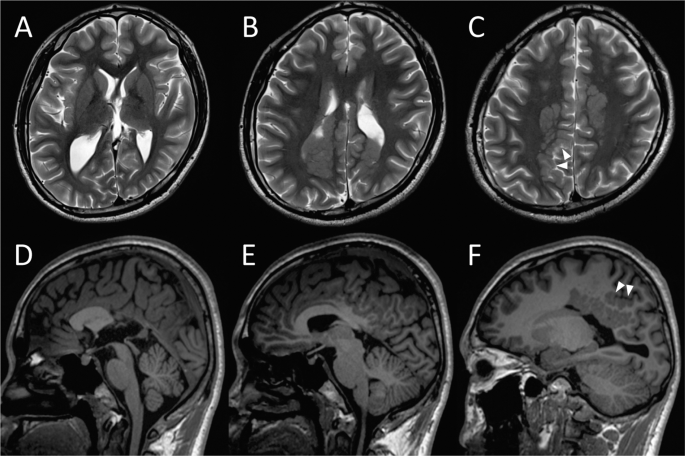
A novel de novo KCNB1 variant altering channel characteristics in a patient with periventricular heterotopia, abnormal corpus callosum, and mild seizure outcome

alexandrossfakianakis shared this article with you from Inoreader

10038_2022_1090_Fig1_HTML.png

View on Web

Associations of Prenatal First Trimester Essential and Nonessential Metal Mixtures with Body Size and Adiposity in Childhood.

alexandrossfakianakis shared this article with you from Inoreader

SocialThumb.00001648.DC.jpeg

Background: Prenatal nonessential metals may contribute to postnatal adiposity, while essential metals may have metabolic benefits. We evaluated joint and individual associations between prenatal metals and childhood adiposity. Methods: We measured concentrations of six nonessential (arsenic, barium, cadmium, cesium, lead, mercury) and four essential (magnesium, manganese, selenium, zinc) metals in first trimester maternal blood from a pre-birth cohort. We collected anthropometric measures in early childhood, mid-childhood, and early adolescence including subscapular+tricep skinfold thickness (mm) (N=715-859), waist circumference (cm) (N=717-882), and BMI (z-score) (N=716-875). We measured adiposity in mid-childhood and early adolescence using bone densitometry total- and trunk fat-mass index (kg/m2) (N=511-599). We estimated associations using adjusted quantile g-computation and linear regression. Results: The nonessential metal mixture was associated with higher total (β=0.07, 95% CI: 0.01, 0.12) and trunk fat-mass index (β=0.12, CI: 0.02, 0.22), waist circumference (β=0.01, CI: 0.00, 0.01), and BMI (β=0.24, CI: 0.07, 0.41) in mid-childhood, and total fat-mass index (β=0.07, CI: 0.01, 0.14) and BMI (β=0.19, CI: 0.02, 0.37) in early adolescence. The essential metal mixture was associated with lower early adolescence total (β= –0.11, CI: -0.17, -0.04) and trunk fat-mass index (β=-0.13, CI: -0.21, -0.05), subscapular+tricep skinfold thickness (β=-0.02, CI: -0.03, -0.00), waist circumference (β=-0.003, CI: -0.01, -0.00), and BMI (β=-0.16, CI: -0.28, -0.04). Cadmium and cesium were individually associated with childhood adiposity at different timepoints. Conclusions: Prenatal first trimester essential metals were associated with lower childhood adiposity, whereas nonessential metals were associated with higher adiposity into adolescence. Copyright © 2022 Wolters Kluwer Health, Inc. All rights reserved.

View on Web

Development and Validation of Algorithms to Estimate Live Birth Gestational Age in Medicaid Analytic eXtract Data

alexandrossfakianakis shared this article with you from Inoreader

SocialThumb.00001648.DC.jpeg

Background: While healthcare utilization data are useful for post-marketing surveillance of drug safety in pregnancy, the start of pregnancy and gestational age at birth are often incompletely recorded or missing. Our objective was to develop and validate a claims-based live birth gestational age algorithm. Methods: Using the Medicaid Analytic eXtract (MAX) linked to birth certificates in three states, we developed four candidate algorithms based on: preterm codes; preterm or post-term codes; timing of prenatal care; and prediction models - using conventional regression and machine-learning approaches with a broad range of pre-specified and empirically selected predictors. We assessed algorithm performance based on mean squared error (MSE) and proportion of pregnancies with estimated gestational age within 1 and 2 weeks of the gold standard, defined as the clinical or obstetric estimate of gestation on the birth certificate. We validated the best performing algorithms against medical records in a nationwide sample. We quantified misclassification of select drug exposure scenarios due to estimated gestational age as positive predictive value (PPV), sensitivity, and specificity. Results: Among 114,117 eligible pregnancies, the random forest model with all predictors emerged as the best performing algorithm: MSE 1.5; 84.8% within 1 week and 96.3% within 2 weeks, with similar performance in the nationwide validation cohort. For all exposure scenarios, PPVs were >93.8%, sensitivities >94.3%, and specificities >99.4%. Conclusions: We developed a highly accurate algorithm for estimating gestational age among live births in the nationwide MAX data, further supporting the value of these data for drug safety surveillance in pregnancy. Copyright © 2022 Wolters Kluwer Health, Inc. All rights reserved.
View on Web

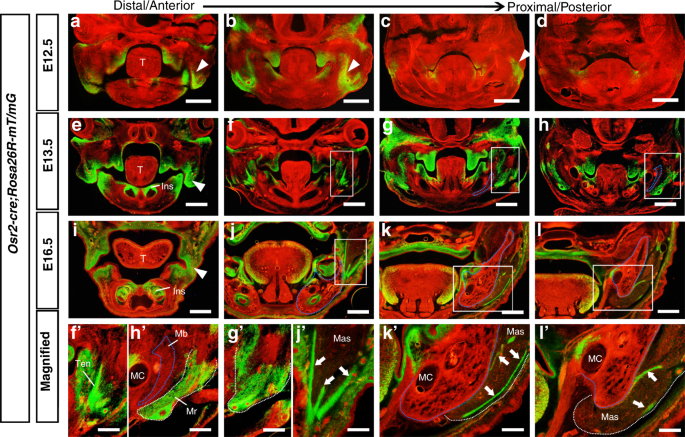
Disrupted tenogenesis in masseter as a potential cause of micrognathia

alexandrossfakianakis shared this article with you from Inoreader

41368_2022_196_Fig1_HTML.png

International Journal of Oral Science, Published online: 18 October 2022; doi:10.1038/s41368-022-00196-y

Disrupted tenogenesis in masseter as a potential cause of micrognathia
View on Web

Τρίτη 18 Οκτωβρίου 2022

Adoption of adjuvant chemotherapy in high‐risk salivary gland malignancies

alexandrossfakianakis shared this article with you from Inoreader

Abstract

Background

The present study characterizes national trends in the utilization of adjuvant chemotherapy to treat salivary gland malignancies.

Methods

The National Cancer Database was queried for salivary gland malignancies treated by surgery with radiation in 2004–2019. Proportions of patients receiving adjuvant chemotherapy over the study period were analyzed by linear regression. The impact of chemotherapy on overall survival was assessed using Kaplan–Meier and Cox proportional hazards analyses.

Results

Among 15 965 patients meeting inclusion criteria, 2355 (14.8%) received adjuvant chemotherapy. Chemotherapy utilization significantly increased from 4.9% to 16.5% over the study period (p < 0.001). No survival benefit was observed with adjuvant chemotherapy on propensity score-matched Kaplan–Meier analysis (HR: 0.98; 95% CI: 0.86–1.11; p = 0.72) or multivariable Cox regression (HR: 0.92; 95% CI: 0.78–1.09; p = 0.34).

Conclusions

Adjuvant chemotherapy has been increasingly utilized to treat salivary gland malignancies in recent years. Our findings highlight the importance of obtaining high-quality prospective data regarding the benefit of chemotherapy.

View on Web

Tamoxifen Alters TGF‐β1/Smad Signaling in Vocal Fold Injury

alexandrossfakianakis shared this article with you from Inoreader
Tamoxifen Alters TGF-β1/Smad Signaling in Vocal Fold Injury

This study investigated the effects of tamoxifen on acute vocal fold injury in a preclinical model. The antifibrotic actions of tamoxifen appear to be mediated by transforming growth factor beta 1/Smad signaling providing a novel target for intervention.


Objectives

Effective treatments for vocal fold fibrosis remain elusive. Tamoxifen (TAM) is a selective estrogen receptor modulator and was recently reported to have antifibrotic actions. We hypothesized that TAM inhibits vocal fold fibrosis via altered transforming growth factor beta 1 (TGF-β1) signaling. Both in vitro and in vivo approaches were employed to address this hypothesis.

Methods

In vitro, vocal fold fibroblasts were treated with TAM (10−8 or 10−9 M) ± TGF-β1 (10 ng/ml) to quantify cell proliferation. The effects of TAM on genes related to fibrosis were quantified via quantitative real-time polymerase chain reaction. In vivo, rat vocal folds were unilaterally injured, and TAM was administered by oral gavage from pre-injury day 5 to post-injury day 7. The rats were randomized into two groups: 0 mg/kg/day (sham) and 50 mg/kg/day (TAM). Histological changes were examined on day 56 to assess tissue architecture.

Results

TAM (10−8 M) did not affect Smad3, Smad7, Acta2, or genes related to extracellular matrix metabolism. TAM (10−8 or 10−9 M) + TGF-β1, however, significantly increased Smad7 and Has3 expression and decreased Col1a1 and Acta2 expression compared to TGF-β1 alone. In vivo, TAM significantly increased lamina propria area, hyaluronic acid concentration, and reduced collagen deposition compared to sham treatment.

Conclusions

TAM has antifibrotic potential via the regulation of TGF-β1/Smad signaling in vocal fold injury. These findings provide foundational data to develop innovative therapeutic options for vocal fold fibrosis.

Level of Evidence

NA Laryngoscope, 2022

View on Web

Hypermethylation of RASSF1A gene in pediatric rhabdoid tumor of the kidney and clear cell sarcoma of the kidney

alexandrossfakianakis shared this article with you from Inoreader

Abstract

Background

Among pediatric renal tumors, rhabdoid tumor of the kidney (RTK) and clear cell sarcoma of the kidney (CCSK) are rare and associated with an unfavorable prognosis, while congenital mesoblastic nephroma (CMN) is associated with a good prognosis. Methylation of the Ras association domain-containing protein 1 isoform A (RASSF1A) promoter has been reported to correlate with a poor prognosis in patients with Wilms tumors, while its methylation status is unclear in other types of pediatric renal tumors.

Method

DNA methylation of the RASSF1A promoter in several pediatric renal tumors was analyzed with pyrosequencing. In order to clarify the correlation between expression of RASSF1A and DNA methylation of its promoter, the RTK cell line was treated with 5-Aza-2′-deoxycytidine (5-Aza-dC). RASSF1A was overexpressed in the RTK cell line to evaluate its functional effects.

Results

Quantitative methylation analysis demonstrated hypermethylation in the RASSF1A promoter region in RTK and CCSK, but not CMN. The 5-Aza-dC treatment induced demethylation of the RASSF1A promoter as well as increased RASSF1A mRNA expression. The transduction of RASSF1A has an effect on the suppression of viability and proliferation of RTK cells.

Conclusion

DNA methylation-mediated deficiency of RASSF1A might be involved in the development and aggressiveness of some pediatric renal tumors and correlated with a poor prognosis.

View on Web

Posterior nasal neurectomy for intractable rhinitis: a systematic review of the literature

alexandrossfakianakis shared this article with you from Inoreader

Abstract

Background

Rhinitis affects up to 40% of the population worldwide and can significantly reduce quality of life. Some patients remain symptomatic despite maximal medical therapy. In refractory cases, posterior nasal neurectomy (PNN - the endoscopic division of the intranasal nerve branches containing postganglionic parasympathetic fibres) is postulated to reduce symptom burden.

Objectives of review

To establish whether PNN is effective and safe in the management of allergic and non-allergic rhinitis.

Type of review

Systematic review

Methods

A comprehensive literature search was undertaken using PubMed, EMBASE, MEDLINE, and Cochrane. The inclusion criteria were: studies published in English, studies where PNN was performed either with or without additional procedures, and where measures of objective/subjective outcomes and/or complications were reported. Extracted data included study type, sample size, surgical technique, study population characteristics, follow-up period, outcome measures, complications of surgery, and symptom outcomes.

Results

Twenty-three articles satisfied the inclusion criteria studying in total 2282 patients. Sample size ranged from 8-1056. There were three randomised controlled trials, three case control studies, and the remaining seventeen were case series using both objective and subjective outcome measures. All but one study found improved patient reported outcomes following PNN. Complications were reported in 14 studies - epistaxis was the most common complication and was observed in 30 patients (1.5% of subjects).

Conclusions

Posterior nasal neurectomy had a low rate of complications. Although most studies reported significant symptomatic improvement, their heterogeneity, level of evidence, study design, and/or quality was not sufficient to draw any firm conclusions on the effectiveness of the procedure. Larger, well designed studies are needed to clarify its role in the management of difficult-to-treat rhinitis.

This article is protected by copyright. All rights reserved.

View on Web

Αναζήτηση αυτού του ιστολογίου

! # Ola via Alexandros G.Sfakianakis on Inoreader