Αρχειοθήκη ιστολογίου

Τετάρτη 14 Σεπτεμβρίου 2022

Cricopharyngeus Muscle Dysfunction and Hypopharyngeal Diverticula (e.g., Zenker): A Multicenter Study

alexandrossfakianakis shared this article with you from Inoreader
Cricopharyngeus Muscle Dysfunction and Hypopharyngeal Diverticula (e.g., Zenker): A Multicenter Study

This serves as the seminal work from the prospective, multicenter cohort study of all individuals enrolled in the Prospective OUtcomes of Cricopharyngeal Hypertonicity Surgery (POUCHS) Collaborative. Of the 250 persons enrolled, 85% had a Zenker diverticula (ZD), 9% had evidence of cricopharyngeus muscle dysfunction (CPMD) without diverticula and 4% had a Killian Jamieson diverticula (KJD). Patients with isolated CPMD appear to be more symptomatic than persons with ZD or KJD.


Objective

To describe demographics and imaging and compare findings and symptoms at presentation in a large cohort of persons with cricopharyngeus muscle dysfunction (CPMD) with and without hypopharyngeal diverticula.

Methodology

Prospective, multicenter cohort study of all individuals enrolled in the Prospective OUtcomes of Cricopharyngeal Hypertonicity (POUCH) Collaborative. Patient survey, comorbidities, radiography, laryngoscopy findings, and patient-reported outcome measures (e.g., Eating Assessment Tool [EAT-10]) data were abstracted from a REDCap database and summarized using means, medians, percentages, and frequencies. Diagnostic categories were compared using analysis of variance.

Results

A total of 250 persons were included. The mean age (standard deviation [SD]) of the cohort was 69.0 (11.2). Forty-two percent identified as female. Zenker diverticula (ZD) was diagnosed in 85.2%, 9.2% with CPMD without diverticula, 4.4% with a Killian Jamieson diverticula (KJD), and 1.2% traction-type diverticula. There were no differences between diagnostic categories in regard to age, gender, and duration of symptoms (p = 0.25, 0.19, 0.45). The mean (SD) EAT-10 score for each group was 17.1 (10.1) for ZD, 20.2 (9.3) for CPMD, and 10.3 (9.4) for KJD. Patients with isolated CPMD had significantly greater EAT-10 scores compared to the other diagnostic groups (p = 0.03).

Conclusion

ZD is the most common, followed by CPMD without diverticula, KJD, and traction-type. Patients with isolated obstructing CPMD may be more symptomatic than persons with ZD or KJD.

Level of Evidence

Level 4 Laryngoscope, 2022

View on Web

Τρίτη 13 Σεπτεμβρίου 2022

RECENT HYBRID PLASMA BETTER NEUTRALIZES OMICRON SUBLINEAGES THAN OLD HYPERIMMUNE SERUM

alexandrossfakianakis shared this article with you from Inoreader

cid_ogimage.png

View on Web

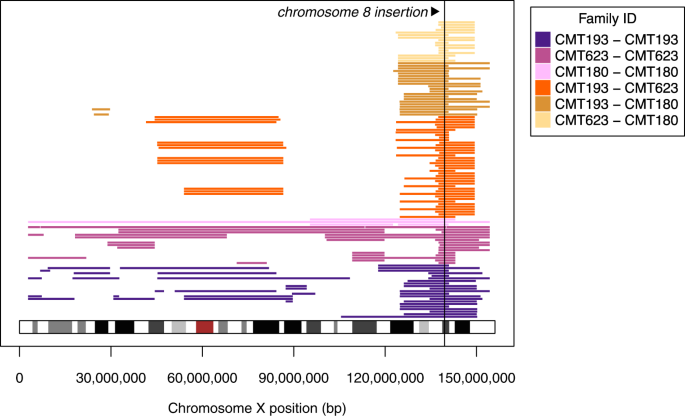
Identity-by-descent analysis of CMTX3 links three families through a common founder

alexandrossfakianakis shared this article with you from Inoreader

10038_2022_1078_Fig1_HTML.png

View on Web

Contrast Media Reduction in Computed Tomography With Deep Learning Using a Generative Adversarial Network in an Experimental Animal Study

alexandrossfakianakis shared this article with you from Inoreader
imageObjective This feasibility study aimed to use optimized virtual contrast enhancement through generative adversarial networks (GAN) to reduce the dose of iodine-based contrast medium (CM) during abdominal computed tomography (CT) in a large animal model. Methods Multiphasic abdominal low-kilovolt CTs (90 kV) with low (low CM, 105 mgl/kg) and normal contrast media doses (normal CM, 350 mgl/kg) were performed with 20 healthy Göttingen minipigs on 3 separate occasions for a total of 120 examinations. These included an early arterial, late arterial, portal venous, and venous contrast phase. One animal had to be excluded because of incomplete examinations. Three of the 19 animals were randomly selected and withheld for validation (18 studies). Subsequently, the GAN was trained for image-to-image conversion from low CM to normal CM (virtual CM) with the remaining 16 animals (96 examinations). For validation, region of interest measurements were performed in the abdominal aorta, inferior vena cava, portal vein, liver parenchyma, and autochthonous back muscles, and the contrast-to-noise ratio (CNR) was calculated. In addition, the normal CM and virtual CM data were presented in a visual Turing test to 3 radiology consultants. On the one hand, they had to decide which images were derived from the normal CM examination. On the other hand, they had to evaluate whether both images are pathological consistent. Results Average vascular CNR (low CM 6.9 ± 7.0 vs virtual CM 28.7 ± 23.8, P
View on Web

Voriconazole‐induced severe skin allergy and neurological adverse event in a liver failure patient: A case report

alexandrossfakianakis shared this article with you from Inoreader
Voriconazole-induced severe skin allergy and neurological adverse event in a liver failure patient: A case report

Severe allergy and neurological adverse events were appeared on the 19th day, which was the next day after voriconazole injection. The adverse events were alleviated after voriconazole withdraw for 1 week. VCZ: voriconazole, 0.4 g on the 18th day, followed by 0.2 g once daily, ALP: alprazolam, 0.2 g, per night, PT: piperacillin-tazobactam, 2.5 g every 12 h, IC: Imipenem cilastatin, 0.5 g every 8 hours, ENT: entecavir, 0.5 mg once daily, ADE: ademetionine, 0.25 g once daily, VAN: Vancomycin, 1 g every 12 h.


Abstract

What Is Known and Objective

Triazole antifungal-associated severe skin allergy has received little attention. Here we report a case of an acute-on-chronic liver failure (ACLF) patient with diffused skin allergy pervading from the chest, abdomen, back, knees to perineum, with red colour and partially desquamation as well as a neurological adverse (insomnia) event after voriconazole treatment.

Case Summary

A 40-year-old man with liver failure in our hospital had received voriconazole for invasive fungal infection therapy, and while waiting for liver transplantation exhibited a severe diffuse rash and a neurological adverse event.

What Is New and Conclusion

To the best of our knowledge, this is the first report of a liver failure patient who suffered a severe allergy accompanied with a neurological adverse event after voriconazole administration.

View on Web

Impact of Ischemia Duration on Lower Limb Salvage in Combat Casualties

alexandrossfakianakis shared this article with you from Inoreader
imageIntroduction: The 6-hour threshold to revascularization of an ischemic limb is ubiquitous in the trauma literature, however, contemporary evidence suggests that this threshold should be less. This study aims to characterize the relationship between the duration of limb ischemia and successful limb salvage following lower extremity arterial trauma. Methods: This is a cohort study of the United States and UK military service members injured while serving in Iraq or Afghanistan between 2003 and 2013. Consecutive patients who sustained iliac, femoral, or popliteal artery injuries, and underwent surgery to attempt revascularization, were included. The association between limb outcome and the duration of limb ischemia was assessed using the Kaplan-Meier method. Results: One hundred twenty-two patients (129 limbs) who sustained iliac (2.3%), femoral (56.6%), and popliteal (41.1%) arterial injuries were included. Overall, 87 limbs (67.4%) were successfully salvaged. The probability of limb salvage was 86.0% when ischemia was ≤1 hour; 68.3% when between 1 and 3 hours; 56.3% when between 3 and 6 hours; and 6.7% when >6 hours (P
View on Web

A Novel Nonantibiotic Gut-directed Strategy to Prevent Surgical Site Infections

alexandrossfakianakis shared this article with you from Inoreader
imageObjective: To determine the efficacy of an orally delivered phosphate-rich polymer, Pi-PEG, to prevent surgical site infection (SSI) in a mouse model of spontaneous wound infection involving gut-derived pathogens. Background: Evidence suggests that pathogens originating from the gut microbiota can cause postoperative infection via a process by which they silently travel inside an immune cell and contaminate a remote operative site (Trojan Horse Hypothesis). Here, we hypothesize that Pi-PEG can prevent SSIs in a novel model of postoperative SSIs in mice. Methods: Mice were fed either a standard chow diet (high fiber/low fat, SD) or a western-type diet (low fiber/high fat, WD), and exposed to antibiotics (oral clindamycin/intraperitoneal cefoxitin). Groups of mice had Pi-PEG added to their drinking water and SSI incidence was determined. Gross clinical infections wound cultures and amplicon sequence variant analysis of the intestinal contents and wound were assessed to determine the incidence and source of the developing SSI. Results: In this model, consumption of a WD and exposure to antibiotics promoted the growth of SSI pathogens in the gut and their subsequent presence in the wound. Mice subjected to this model drinking water spiked with Pi-PEG were protected against SSIs via mechanisms involving modulation of the gut-wound microbiome. Conclusions: A nonantibiotic phosphate-rich polymer, Pi-PEG, added to the drinking water of mice prevents SSIs and may represent a more sustainable approach in lieu of the current trend of greater sterility and the use of more powerful and broader antibiotic coverage.
View on Web

Rapid Additive Manufacturing of a Superlight Obturator for Large Oronasal Fistula in Pediatric Patient

alexandrossfakianakis shared this article with you from Inoreader
Rapid Additive Manufacturing of a Superlight Obturator for Large Oronasal Fistula in Pediatric Patient

This study developed a novel digital workflow to fabricate a 3D printed hollow obturator for the prosthetic reconstruction of palatal fistula. It will provide cleft surgeons and therapists a choice for treating children with large palatal fistula before the appropriate age for surgical reconstruction. Laryngoscope, 2022


View on Web

Development and Implementation of the Cochlear Implant Quality of Life (CIQOL) Functional Staging System

alexandrossfakianakis shared this article with you from Inoreader
Development and Implementation of the Cochlear Implant Quality of Life (CIQOL) Functional Staging System

The purpose of this study was to develop and implement a functional staging system using the Cochlear Implant Quality of Life (CIQOL) framework to improve the interpretation of real-world outcomes for adult cochlear implant users. Using a mixed-methods approach that engaged primary stakeholders (CI users) and clinicians, the CIQOL functional staging system was created and used to monitor improvement from pre-CI to 6-months post-CI activation. Results from this study can be used during discussions of expectation with potential CI users to provide enhanced insight regarding realistic outcomes and the anticipated timing for improvements.


Objectives

The purpose of this study is to develop and implement a functional staging system using the Cochlear Implant Quality of Life (CIQOL) framework. The CIQOL-35 Profile was developed and validated following a rigorous research design and found to be more comprehensive and psychometrically sound than previous patient-reported outcome measures (PROMs) applied to adult CI users. However, interpreting the CIQOL-35 Profile (and all PROMs) relative to real-world functioning remains difficult for patients and clinicians, which limits the capacity of PROMs to direct clinical care. To address this limitation, a functional staging system based on PROM scores was developed to provide detailed descriptions of patients' self-reported abilities (clinical vignettes) without sacrificing the inherent value of the psychometrically derived scores. The current study (1) creates an evidence-based CIQOL functional staging system using advanced psychometric techniques, (2) confirms the clarity and meaningfu lness of the staging system with patients, and (3) implements the staging system to measure CIQOL stage progression using data from a longitudinal study design.

Methods

Item response theory (IRT) analyses of CIQOL-35 Profile data from 705 experienced adult CI users and expert opinion were used to determine the cut-scores that separated adjacent stages for the six CIQOL-35 domains (communication, emotional, entertainment, environment, listening effort, and social). The research team then created clinical vignettes based on item response patterns for each stage. Semi-structured key informant interviews were conducted with 10 adult CI users to determine the clarity and meaningfulness of the CIQOL stages and associated clinical vignettes. Finally, we prospectively collected CIQOL-35 Profile scores from 42 CI users prior to cochlear implantation and then at 3- and 6-months post-CI activation to measure CIQOL stage progression.

Results

Psychometric analyses identified five statistically distinct stages for the communication domain and three stages for all other domains. Using IRT analysis results for guidance, research team members independently identified the cut-scores that represented transitions between the functional stages for each domain with excellent agreement (κ = 0.98 [95% confidence interval 0.96–0.99]). Next, the key informant interviews revealed that CI users found the clinical vignettes to be clear and only minor changes were required. Participants also agreed that stage progression represented meaningful improvements in functional abilities. Finally, 88.1% of 42 patients in the prospective cohort (n = 37) improved from pre-CI functional stage by at least one functional stage in one or more domains. The communication domain had the greatest number of patients improve by one or more stages (59.5%) and the social domain the fewest (25.6%). There was also a trend for les s improvement at 3- and 6-months post-CI activation for patients at higher pre-CI functional stages, even though higher stages were achievable.

Conclusion

The new CIQOL functional staging system provides an evidence-based understanding of the real-world functional abilities of adult CI users from pre-CI to 3- to 6-months post-CI activation across multiple domains. In addition, study results provide the proportion of CI users in each stage at each timepoint. Results can be used during discussions of expectations with potential CI users to provide enhanced insight regarding realistic outcomes and the anticipated timing for improvements. The use of the CIQOL functional staging system also presents an opportunity to develop individualized goal-based rehabilitation strategies that target barriers to stage advancement faced by CI users.

Level of Evidence

2 Laryngoscope, 2022

View on Web

Δευτέρα 12 Σεπτεμβρίου 2022

Assessing transmission risks and control strategy for monkeypox as an emerging zoonosis in a metropolitan area

alexandrossfakianakis shared this article with you from Inoreader

Abstract

Objective

To model the spread of Monkeypox (MPX) in a metropolitan area for assessing the risk of possible outbreaks, and identifying essential public health measures to contain the virus spread.

Methods

The animal reservoir is the key element in the modelling of a zoonotic disease. Using a One Health approach, we model the spread of the MPX virus in humans considering potential animal hosts such as rodents (e.g., rats, mice, squirrels, chipmunks, etc.) and emphasize their role and transmission of the virus in a high-risk group, including gay and bisexual men-who-have-sex-with-men (gbMSM). From model and sensitivity analysis, we identify key public health factors and present scenarios under different transmission assumptions.

Findings

We find that the MPX virus may spill over from gbMSM high-risk groups to broader populations if efficiency of transmission increases in the higher-risk group. However, the risk of outbreak can be greatly reduced if at least 65% of symptomatic cases can be isolated and their contacts traced and quarantined. In addition, infections in an animal reservoir will exacerbate MPX transmission risk in the human population.

Conclusion

Regions or communities with a higher proportion of gbMSM individuals need greater public health attention. Tracing and quarantine (or "effective quarantine" by post-exposure vaccination) of contacts with MPX cases in high-risk groups would have a significant effect on controlling the spreading. Also, monitoring for animal infections would be prudent.

This article is protected by copyright. All rights reserved.

View on Web

Αναζήτηση αυτού του ιστολογίου

! # Ola via Alexandros G.Sfakianakis on Inoreader