Αρχειοθήκη ιστολογίου

Πέμπτη 14 Ιουλίου 2022

Concomitant and Exceedingly Rare Causes of Oropharyngeal Dysphagia

alexandrossfakianakis shared this article with you from Inoreader

jamanetwork.com

This case report describes a man in his 40s who presented with a 5-month history of worsening dysphonia and dysphagia and was subsequently diagnosed with extranodal natural killer/T-cell lymphoma.
View on Web

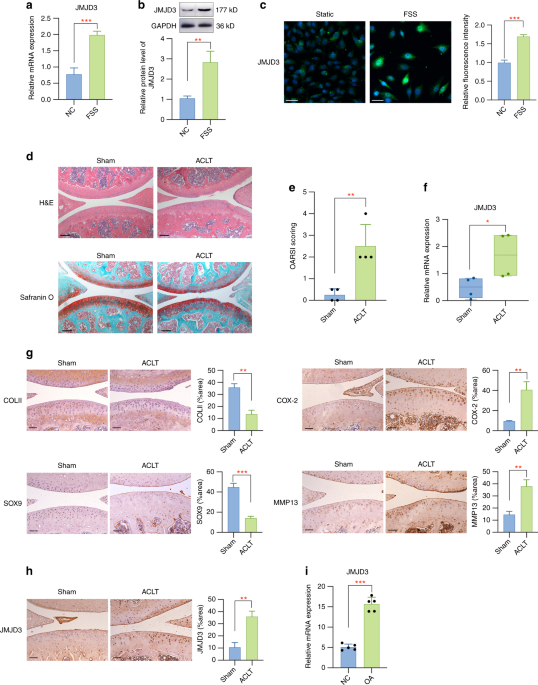
Histone demethylase JMJD3 downregulation protects against aberrant force-induced osteoarthritis through epigenetic control of NR4A1

alexandrossfakianakis shared this article with you from Inoreader

41368_2022_190_Fig1_HTML.png

International Journal of Oral Science, Published online: 14 July 2022; doi:10.1038/s41368-022-00190-4

Histone demethylase JMJD3 downregulation protects against aberrant force-induced osteoarthritis through epigenetic control of NR4A1
View on Web

Image‐Guided Surgical Device Failures in Functional Endoscopic Sinus Surgery: A MAUDE Analysis

alexandrossfakianakis shared this article with you from Inoreader
Image-Guided Surgical Device Failures in Functional Endoscopic Sinus Surgery: A MAUDE Analysis

Image-guided surgery (IGS) devices have become widely used for anatomic localization during functional endoscopic sinus surgery (FESS). However, there are no studies that analyze the post-market complications associated with IGS device use during FESS. This study queried the US Food and Drug Administration's Manufacturer and User Facility Device Experience database for event reports associated with neurological stereotaxic devices utilized in IGS between the dates of January 1, 2016 and December 31, 2020. Of the medical device reports between 2016 and 2020, less than 3% resulted in adverse events.


Objective

Image-guided surgery (IGS) devices have become widely used for anatomic localization during functional endoscopic sinus surgery (FESS). However, there are no studies that analyze the post-market complications associated with IGS device use during FESS. The objective of this study was to better characterize post-market complications associated with the use of IGS devices during sinus surgery.

Methods

The US Food and Drug Administration's Manufacturer and User Facility Device Experience database was queried for event reports associated with neurological stereotaxic devices utilized in IGS between the dates of January 1, 2016 and December 31, 2020. Medical device reports that were analyzed for this study pertained strictly to FESS.

Results

There were 1873 reports involving IGS devices for FESS included in this study. Fifty-five reports involved adverse events to patients (2.9%) and 1818 (97.1%) involved device malfunctions. Of the adverse events to patients, the most common included cerebrospinal fluid leakage (45.6%), tissue damage (12.7%), and nervous system injury (3.6%). The most commonly reported device malfunction was imprecision (21.1%).

Conclusion

IGS devices are widely utilized in FESS. Of the medical device reports between 2016 and 2020, less than 3% resulted in adverse events. Further studies of the infrequent post-market complications of IGS devices used in FESS can help guide surgeons on the risks of their clinical use.

Level of Evidence

4—Retrospective database survey without controls Laryngoscope, 2022

View on Web

Systematic review of head and neck lymphedema assessment

alexandrossfakianakis shared this article with you from Inoreader

Abstract

Head and neck lymphedema (HNL) is an increasingly recognized complication of head and neck cancer and its treatment. However, no consensus exists on the "gold-standard" assessment tool for the purposes of diagnosis, classification, or monitoring of HNL. We conducted a systematic review of the literature regarding HNL assessment to determine the optimal method/s of assessment for patients with HNL. A review of publications between January 2000 and September 2021 was undertaken on four electronic databases. Studies were excluded if no clear assessment method of HNL was documented. Sixty-seven articles were included in the study. A wide range of assessment methods for HNL have been reported in the literature. For the purposes of diagnosis and classification of physical findings, computed tomography (CT) appears the most promising tool available for both external and internal HNL. In terms of monitoring, ultrasound appears optimal for external HNL, while a clinician-reported ratin g scale on laryngoscopy is the gold standard for internal HNL. Patient-reported assessment must be considered alongside objective methods to classify symptom burden and monitor improvement with treatment.

View on Web

Rhinovirus persistence during the COVID‐19 pandemic – impact on paediatric acute wheezing admissions

alexandrossfakianakis shared this article with you from Inoreader

Abstract

Rhinoviruses have persisted throughout the COVID-19 pandemic, despite other seasonal respiratory viruses (influenza, parainfluenza, respiratory syncytial virus, adenoviruses, human metapneumovirus) being mostly suppressed by pandemic restrictions, such as masking and other forms social distancing, especially during the national lockdown periods. Rhinoviruses, as non-enveloped viruses, are known to transmit effectively via the airborne and fomite route, which has allowed infection amongst children and adults to continue despite pandemic restrictions. Rhinoviruses are also known to cause and exacerbate acute wheezing episodes in children predisposed to this condition. Non-infectious causes such as air pollutants (PM2.5, PM10) can also play a role. In this retrospective ecological study, we demonstrate the correlation between UK national sentinel rhinovirus surveillance, the level of airborne particulates and the changing patterns of paedi atric emergency department presentations for acute wheezing, before and during the COVID-19 pandemic (2018-2021) in a large UK teaching hospital.

This article is protected by copyright. All rights reserved.

View on Web

Acute toxicity in patients treated with concurrent chemoradiotherapy with proton versus intensity‐modulated radiation therapy for nonmetastatic head and neck cancers

alexandrossfakianakis shared this article with you from Inoreader

Abstract

Background

We evaluated if proton therapy is associated with decreased acute toxicities compared to intensity-modulated radiation therapy (IMRT) in patients receiving concurrent chemoradiotherapy for head and neck cancers.

Methods

We analyzed 580 patients with nonmetastatic head and neck cancers. Primary endpoint was any 90-day grade ≥3 toxicity, prospectively collected and graded per CTCAEv4. Modified Poisson regression models were used.

Results

Ninety-five patients received proton and 485 IMRT. The proton group had more HPV-positive tumors (65.6 vs. 58.0%, p = 0.049), postoperative treatment (76.8 vs. 62.1%, p = 0.008), unilateral neck treatment (18.9 vs. 6.6%, p < 0.001) and significantly lower doses to organs-at-risk compared to IMRT group. Adjusted for patient and treatment characteristics, the proton group had decreased grade 2 dysgeusia (RR0.67, 95%CI 0.53–0.84, p = 0.004) and a trend toward lower grade ≥3 toxicities (RR0.60, 95%CI 0.41–0.88, p = 0.06).

Conclusions

Proton therapy was associated with significantly reduced grade 2 dysgeusia and nonstatistically significant decrease in acute grade ≥3 toxicities compared to IMRT.

View on Web

Outcomes of curative treatment for head and neck squamous cell carcinoma in very elderly adults ≥80 years old

alexandrossfakianakis shared this article with you from Inoreader

Abstract

Background

Head and neck cancer treatment can be difficult and advancing age is associated with greater frailty. It is unclear if curative treatment for very elderly patients is beneficial. This study compared outcomes to curative treatment in patients ≥80 aged with HNSCC to patients aged 70–79.

Methods

Retrospective study of 114 patients diagnosed with HNSCC. Overall survival (OS), Disease-Free Survival (DFS), and local-regional control (LRC) were compared and adjusted for confounders.

Results

Patients aged 70–79 had a higher median OS (35 months [95% CI, 19.58–50.42]) compared with patients aged ≥80 (19 months [11.72–26.28]; p = 0.008) but similar DFS and LRC. KPS < 90 was the stand-alone independent prognostic factor for OS (HR = 2.14 [1.05–4.38]).

Conclusion

Very elderly HNSCC patients (aged ≥80) can have favorable outcomes with curative therapy and advanced chronological age alone should not prohibit patients from receiving treatment. Performance status may be a greater predictor of survival outcome than age alone.

Level of Evidence

Level III.

View on Web

Relationship of Herpesvirus (HSV1, EBV, CMV, HHV6) Seropositivity with Depressive Disorder and its Clinical Aspects: The First Study in Children

alexandrossfakianakis shared this article with you from Inoreader

Abstract

Infections can lead to the onset of mood disorders in adults, partly through inflammatory mechanisms. However pediatric data are lacking. The aim of this study is to evaluate the relationship between depressive disorder and seropositivity of Herpes virus infections in children.

The sample group consisted of patients diagnosed with depressive disorder according to DSM-5 diagnostic criteria and healthy volunteers, being between 11-18 years with clinically normal mental capacity. All children completed DSM-5-level-2 depression scale, DSM-5-level-2 irritability scale, DSM-5-level-2 sleep scale, DSM-5-level-2 somatic symptoms scale.

The levels of anti-HSV1-IgG, anti-CMV-IgG, anti-EBNA, and anti-HHV6-IgG were examined in all participants. Patients with an antibody value above the cut-off values specified in the test kits were evaluated as seropositive.

The mean age was 15.54±1.57 years in the depression group(DG), 14.87±1.76 years in the health y control group(CG). There were 4 boys(11.2%), 32 girls(88.8%) in the DG, 9 boys (21.9%) and 32 girls(78.04%) in the CG. There was no statistically significant difference between the groups in terms of the presence of seropositivity of HSV1, CMV, EBV and HHV6. HHV6 antibody levels were significantly higher in the DG(p=0.000). A significant positive correlation was found between HHV6 antibodies and DSM-5 level-2 somatic symptoms scale score. HHV6 antibody levels were found to be significantly higher in patients with existing suicidal ideation in the DG(n=13) compared to those without existing suicidal ideation in the DG(p=0.043).

HHV6 persistent infections may be responsible for somatic symptoms and etiology of suicidal ideation in childhood depressive disorder.

This article is protected by copyright. All rights reserved.

View on Web

Development and Characterization of an Inducible Assay System to Measure Zika Virus Capsid Interaction

alexandrossfakianakis shared this article with you from Inoreader

Abstract

The global spread of the mosquito-borne Zika virus (ZIKV) infection and its complications including Guillain-Barré syndrome and fetus microcephaly in 2015 have made ZIKV as a significant public health threat. The capsid protein plays crucial roles in ZIKV replication and thus represents an attractive therapeutic target. However, inhibitors of ZIKV capsid assembly have not been rigorously identified due to the lack of a target-based screening system. In this study, we developed a novel ZIKV capsid interaction method based on a split-luciferase complementation assay (SLCA), which can be used to measure and quantify ZIKV capsid-capsid interaction by the restored luciferase signal when capsid proteins interact with each other. Furthermore, a Tet-on inducible stable cell line was generated to screen inhibitors of capsid dimerization. By using of this system, peptides (Pep.15-24 in the N-terminal region of ZIKV capsid protein and Pep.44-58 in the α2 helix of ZIK V capsid protein) were identified to inhibit ZIKV capsid-capsid interaction. Overall, this study developed a novel inducible assay system to measure ZIKV capsid interaction and identify ZIKV capsid multimerization inhibitors, which will be applied for future discovery of ZIKV assembly inhibitors.

This article is protected by copyright. All rights reserved.

View on Web

Dynamics of nasopharyngeal tract phageome and association with disease severity and age of patients during three waves of COVID‐19

alexandrossfakianakis shared this article with you from Inoreader

Abstract

In December 2019, several patients were hospitalized and diagnosed with severe acute respiratory syndrome coronavirus 2 (SARS-CoV-2) infection, which subsequently led to a global pandemic. To date, there are no studies evaluating the relationship between the respiratory phageome and the SARS-CoV-2 infection. The current study investigated the phageome profiles in the nasopharyngeal swabs collected from 55 patients during the three different waves of COVID-19 in the Campania Region (Southern Italy). Data obtained from the taxonomic profiling show that phage families belonging to the order Caudovirales have a high abundance in the patient samples. Moreover, the severity of the COVID-19 infection seems to be correlated with the phage abundance.

This article is protected by copyright. All rights reserved.

View on Web

Αναζήτηση αυτού του ιστολογίου

! # Ola via Alexandros G.Sfakianakis on Inoreader