Αρχειοθήκη ιστολογίου

Κυριακή 19 Ιουνίου 2022

Vaccine effectiveness of CanSino (Adv5-nCoV) COVID-19 vaccine among childcare workers – Mexico, March–December 2021

alexandrossfakianakis shared this article with you from Inoreader
Abstract
Background
Beginning in March 2021, Mexico vaccinated childcare workers with a single-dose CanSino Biologics (Adv5-nCoV) COVID-19 vaccine. Although CanSino is currently approved for use in 10 Latin American, Asian, and European countries, little information is available about its vaccine effectiveness (VE).
Methods
We evaluated CanSino VE within a childcare worker cohort that included 1,408 childcare facilities. Participants were followed during March–December 2021 and tested through SARS-CoV-2 RT-PCR or rapid antigen test if they developed any symptom compatible with COVID-19. Vaccination status was obtained through worker registries. VE was calculated as 100% × (1−hazard ratio for SARS-CoV-2 infection in fully vaccinated vs. unvaccinated participants), using an Andersen-Gill model adjusted for age, sex, state, and local viral circulation.
Results
The cohort included 43,925 persons who were mostly (96%) femal e with a median age of 32 years; 37,646 (86%) were vaccinated with CanSino. During March–December 2021, 2,250 (5%) participants had laboratory-confirmed COVID-19, of whom 25 were hospitalized and 6 died. Adjusted VE was 20% (95% CI = 10–29%) against illness, 76% (42–90%) against hospitalization, and 94% (66–99%) against death. VE against illness declined from 48% (95% CI = 33–61) after 14–60 days following full vaccination to 20% (95% CI = 9–31) after 61–120 days.
Conclusions
CanSino vaccine was effective at preventing COVID-19 illness and highly effective at preventing hospitalization and death. It will be useful to further evaluate duration of protection and assess the value of booster doses to prevent COVID-19 and severe outcomes.
View on Web

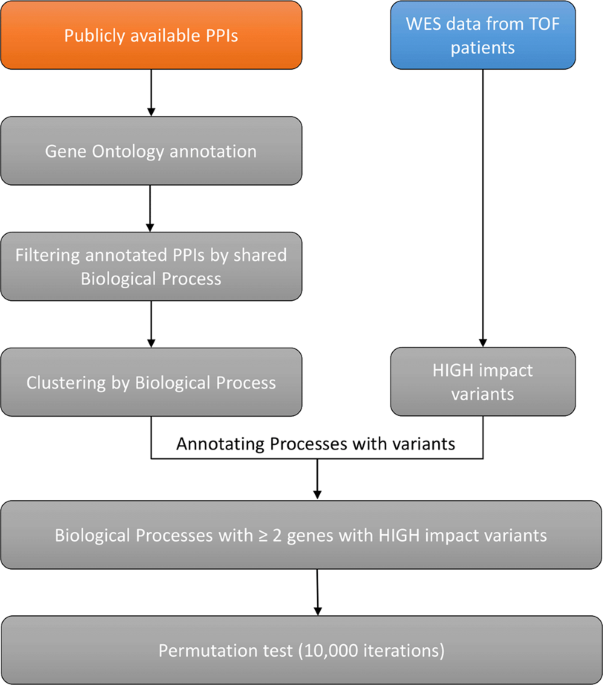
Joint analysis of functionally related genes yields further candidates associated with Tetralogy of Fallot

alexandrossfakianakis shared this article with you from Inoreader

10038_2022_1051_Fig1_HTML.png

View on Web

Population immunity to pre-Omicron and Omicron SARS-CoV-2 variants in US states and counties through December 1, 2021

alexandrossfakianakis shared this article with you from Inoreader
Abstract
Background
Both SARS-CoV-2 infection and COVID-19 vaccination contribute to population-level immunity against SARS-CoV-2. This study estimates the immunological exposure and effective protection against future SARS-CoV-2 infection in each US state and county over 2020-2021, and how this changed with the introduction of the Omicron variant.
Methods
We used a Bayesian model to synthesize estimates of daily SARS-CoV-2 infections, vaccination data and estimates of the relative rates of vaccination conditional on infection status to estimate the fraction of the population with (i) immunological exposure to SARS-CoV-2 (ever infected with SARS-CoV-2 and/or received one or more doses of a COVID-19 vaccine), (ii) effective protection against infection, and (iii) effective protection against severe disease, for each US state and county from January 1, 2020, to December 1, 2021.
Results
The estimated percentage of the US populati on with a history of SARS-CoV-2 infection or vaccination as of December 1, 2021, was 88.2% (95% Credible Interval (CrI): 83.6%-93.5%). Accounting for waning and immune escape, effective protection against the Omicron variant on December 1, 2021, was 21.8% (95%CrI: 20.7%-23.4%) nationally and ranged between 14.4% (95%CrI: 13.2%-15.8%, West Virginia) to 26.4% (95%CrI: 25.3%-27.8%, Colorado). Effective protection against severe disease from Omicron was 61.2% (95%CrI: 59.1%-64.0%) nationally and ranged between 53.0% (95%CrI: 47.3%-60.0%, Vermont) and 65.8% (95%CrI: 64.9%-66.7%, Colorado).
Conclusions
While over four-fifths of the US population had prior immunological exposure to SARS-CoV-2 via vaccination or infection on December 1, 2021, only a fifth of the population was estimated to have effective protection against infection with the immune-evading Omicron variant.

View on Web

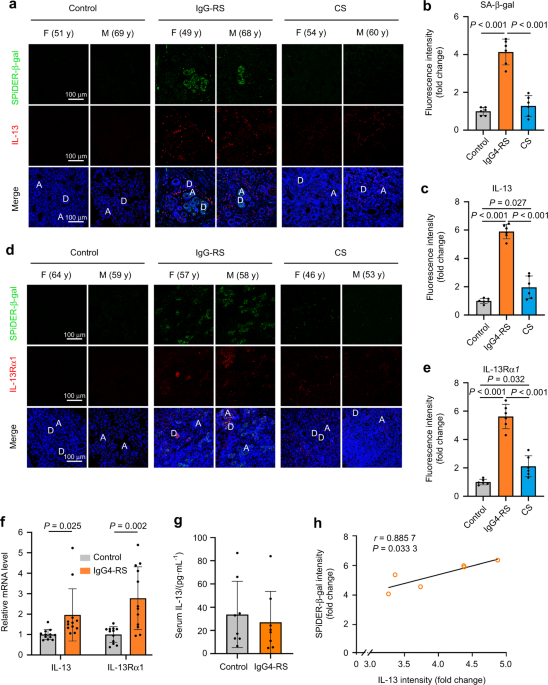
Interleukin-13 promotes cellular senescence through inducing mitochondrial dysfunction in IgG4-related sialadenitis

alexandrossfakianakis shared this article with you from Inoreader

41368_2022_180_Fig1_HTML.png

View on Web

Πέμπτη 16 Ιουνίου 2022

MOLECULAR ASPECTS OF OMICRON, VACCINE DEVELOPMENT AND RECOMBINANT STRAIN XE: A REVIEW

alexandrossfakianakis shared this article with you from Inoreader

ABSTRACT

The global pandemic of COVID-19 began in December 2019 and is still continuing. The past 2 years have seen the emergence of several variants that were more vicious than each other. The emergence of Omicron (B.1.1.529) proved to be a huge epidemiological concern as the rate of infection of this particular strain was enormous. The strain was identified in South Africa on November 24, 2021 and was classified as a 'Variant of Concern' on November 26, 2021. The Omicron variant possessed mutations in the key RBD region, the S region, thereby increasing the affinity of ACE2 for better transmission of the virus. Antibody resistance was found in this variant and it was able to reduce vaccine efficiency of vaccines. The need for a booster vaccine was brought forth due to the prevalence of the Omicron variant and, subsequently, this led to targeted research and development of variant-specific vaccines and booster dosage. This review discusses broadly the genomic ch aracters and features of Omicron along with its specific mutations, evolution, antibody resistance, and evasion, utilization of CRISPR-Cas12a assay for Omicron detection, T-cell immunity elicited by vaccines against Omicron, and strategies to decrease Omicron infection along with COVID-19 and it also discusses on XE recombinant variant and on infectivity of BA.2 subvariant of Omicron.

This article is protected by copyright. All rights reserved.

View on Web

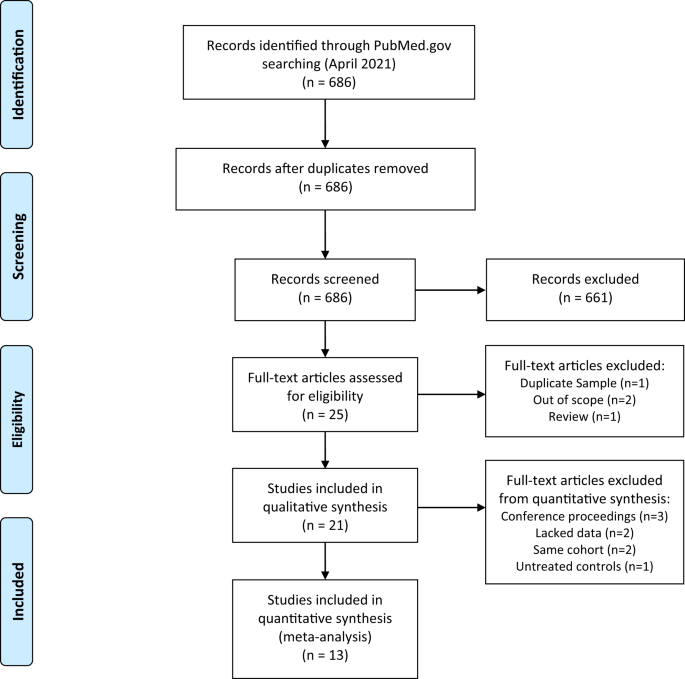
Pharmacogenomics of Clozapine-induced agranulocytosis: a systematic review and meta-analysis

alexandrossfakianakis shared this article with you from Inoreader

41397_2022_281_Fig1_HTML.png

View on Web

One‐stage versus two‐stage technique using two splinted extra‐short implants: A multicentric split‐mouth study with a one‐year follow‐up

alexandrossfakianakis shared this article with you from Inoreader

Abstract

Objective

To compare the clinical outcomes of extra-short implants (≤6.5 mm) inserted with one-stage versus two-stage technique in adjacent sites of the upper or lower jaw.

Materials and Methods

In this split-mouth multicenter study, implants were randomly divided into two groups according to the healing phase: two-stage and one-stage technique. Primary outcome measures were implant survival, implant success, and prosthodontic complications. Secondary outcome measurements were: implant stability quotient (ISQ) collected at surgery time (T0), and after 3 (T3) and 12 (T12) months, marginal bone level (MBL) evaluated at T0, T3, T6, and T12, marginal bone loss evaluated at T6 and T12, plaque index (PI), probing depth (PD), bleeding on probing (BoP) evaluated at T3, T6, and T12. Significances of differences between groups were tested by linear mixed model with random intercept.

Results

Nineteen patients (8 males and 11 females) were included. A total of 38 implants were inserted. At T12 implant cumulative survival and implant success rate were 100% in both groups. No statistically significant differences were recorded for any of the analyzed parameters between the two groups at any time point. ISQ values were similar at T0 (two-stage: mean 67.53 ± SD 19.47; one-stage: mean 66.53 ± 19.07 p = 0.8738) and increased in both groups at the 12-month follow-up appointment (two-stage: 81.1 ± 7.04; one-stage: 81.39 ± 0.9266). MBL values were similar in the two groups at any time point. At T12 marginal bone loss was 0.46 ± 0.41 (two-stage) and 0.45 ± 0.38 (one-stage) mm (p = 0.9417), while mean PD was 2.7 ± 0.85 (two-stage) and 2.69 ± 0.89 (one-stage) mm.

Conclusions

Within the limits of the present short-term report, extra-short implants demonstrated optimal clinical outcomes using the one-stage technique, without statistically significant differences compared with the traditional two-stage approach.

View on Web

The role of bacterial corrosion on recolonization of titanium implant surfaces: An in vitro study

alexandrossfakianakis shared this article with you from Inoreader

Abstract

Background

Inflammation triggered by bacterial biofilms in the surrounding tissue is a major etiological factor for peri-implantitis and subsequent implant failure. However, little is known about the direct effects of bacterial corrosion and recolonization on implant failure

Purpose

To investigate the influence of oral commensals on bacterial corrosion and recolonization of titanium surfaces.

Materials and Methods

Streptococcus sanguinis (S. sanguinis) and Porphyromonas gingivalis (P. gingivalis), which are key bacteria in oral biofilm formation, were cultured on commercially pure titanium and titanium-aluminum-vanadium (Ti6Al4V) plates in artificial saliva/brain heart infusion medium under aerobic or anaerobic conditions. Biofilm formation was examined after 7 and 21 days by crystal violet and live/dead staining. Titanium ions released into culture supernatants were analyzed over a period of 21 days by atomic absorption spectrometry. Visual changes in surface morphology were investigated using scanning electron microscopy. Biofilm formation on sterilized, biocorroded, and recolonized implant surfaces was determined by crystal violet staining.

Results

S. sanguinis and P. gingivalis formed stable biofilms on the titanium samples. Bacterial corrosion led to a significant increase in titanium ion release from these titanium plates (p < 0.01), which was significantly higher under aerobic conditions on pure titanium (p ≤ 0.001). No obvious morphological surface changes, such as pitting and discoloration, were detected in the titanium samples. During early biofilm formation, the addition of titanium ions significantly decreased the number of live cells. In contrast, a significant effect on biofilm mass was only detected with P. gingivalis. Bacterial corrosion had no influence on bacterial recolonization following sterilization of titanium and Ti6Al4V surfaces.

Conclusion

Bacterial corrosion differs between oral commensal bacteria and leads to increased titanium ion release from titanium plates. The titanium ion release did not influence biofilm formation or bacterial recolonization under in vitro conditions

View on Web

Internet-based vestibular rehabilitation versus standard care after acute onset vertigo: a study protocol for a randomized controlled trial

alexandrossfakianakis shared this article with you from Inoreader

13063.jpg

Dizziness and vertigo affect around 15% of adults annually and represent common reasons for contacting health services, accounting for around 3% of all emergency department visits worldwide. Vertigo is also as...
View on Web

Τετάρτη 15 Ιουνίου 2022

Influence of the Residual Ridge Widths and Implant Thread Designs on Implant Positioning Using Static Implant Guided Surgery

alexandrossfakianakis shared this article with you from Inoreader

Abstract

Purpose

Aggressive implant macro thread designs have been widely used. However, the effects of the aggressive thread design on the accuracy of static guided surgery, especially in a case of narrow residual ridge, have not been well-studied. The aim of this study was to evaluate the effects of two different implant macro thread designs and the residual ridge widths on the accuracy of tooth-supported static guided implant surgery.

Materials and Methods

Forty implant fixtures with two different macro-designs: a conventional thread design bone level tapered (BLT), and an aggressive thread design bone level tapered (BLX) were placed in 40 simulated polyurethane models with narrow and wide residual ridges. The placed implant positions were compared with the planned implant position and angulational deviation, as well as three-dimensional deviations at the entry and apex of the implant were measured. One-way ANOVA with Tukey's multiple comparisons (ɑ = 0.05) were used to determine level of significance between the mean and variance deviation values. 95% confidence intervals and box plots were used to demonstrate the means and ranges of precision.

Results

In terms of angulational deviation, there was no statistically significant difference in the mean deviations for both types of implants, P = 1.55 and P = 0.84 for wide and narrow ridge groups, respectively. However, the range of deviation was much larger in the narrow ridge of the BLX group compared to the BLT group. In both narrow ridge and wide ridge, the BLX group had lower mean 3D deviation values at both the entry and the apex with statistically significant differences for both entry point of the wide ridge (P = 0.027) and narrow ridge (P = 0.022) as well as at the apex of the wide ridge (P = 0.006) but not the apex of the narrow ridge (P = 0.142)

Conclusion

The aggressive larger thread design of dental implants may influence the accuracy of implant placement more than the ridge dimension.

This article is protected by copyright. All rights reserved

View on Web

Αναζήτηση αυτού του ιστολογίου

! # Ola via Alexandros G.Sfakianakis on Inoreader