Αρχειοθήκη ιστολογίου

Κυριακή 10 Απριλίου 2022

The detrimental impact of temporomandibular disorders (mis)beliefs and possible strategies to overcome

alexandrossfakianakis shared this article with you from Inoreader

Summary

Aim

This topical review presents common patients' misbeliefs about temporomandibular disorders (TMD) and discusses their possible impact on the diagnosis, treatment and prognosis. We also discussed the possible influence of the beliefs and behaviors of health care providers on the beliefs of patients with TMD and present possible strategies to overcome the negative impacts of such misbeliefs.

Methods

This topical review was based on a non-systematic search for studies about the beliefs of patients and professionals about TMD in PubMed and Embase.

Results

Patients' beliefs can negatively impact the diagnosis, treatment, and prognosis of TMD. These beliefs can be modulated by several factors such as culture, psychosocial aspects, gender, level of knowledge, and previous experiences. Moreover, primary health care professionals, including dentists, may lack sufficient experience and skills regarding TMD diagnosis and treatment. Misbeliefs of the health care professionals can be based on outdated evidence that is not supported by rigorous methodological investigations. Education and dissemination of knowledge to patients and the general population are effective for prevention, promotion of health and disruption of the cycle of misinformation and dissemination of misbeliefs.

Conclusion

The lack of basic information about TMD and the dissemination of mistaken and outdated concepts may delay the diagnosis, hinder the treatment, and consequently increase the risk of worsening the condition. Education is key to overcome TMD misbeliefs.

View on the web

Spirulina supplementation prevents exercise‐induced lipid peroxidation, inflammation and skeletal muscle damage in elite rugby players

alexandrossfakianakis shared this article with you from Inoreader

Abstract

Objective

This study aimed to examine the effects of spirulina supplementation on pro/antioxidant status, inflammation, and skeletal muscle damage markers immediately and 24h after exhaustive exercise in elite rugby players.

Methods

Seventeen elite male Rugby Union players were randomly assigned to a Spirulina (SPI: n=9), or a placebo group (PLA: n=8) in a double-blind design. Subjects were supplemented with Spirulina platensis (5.7 g/d) or placebo (isoproteic and caloric) for 7 weeks. At baseline (W0) and after seven weeks of supplementation (W7), blood samples were obtained before (T0), immediately after (T1), and 24h after (T2) exhaustive exercise. The Yoyo Intermittent Recovery Test Level 2 was used as an exhaustive exercise to induce oxidative stress (OS), inflammation, and skeletal muscle damage. The studied parameters included Pro/antioxidant status markers (SOD, GPX, GSH/GSSG ratio, ox-LDL, and F2-Isop), inflammation markers (MPO and CRP), and skeletal muscle damage markers (LDH and CK).

Results

Our results showed that F2-Isop, CRP, and CK levels significantly increased at T1 only in PLA group (p<0.05, p<0.05, and p<0.001 respectively) with no change in SPI group which reflects the effect of spirulina to prevent lipid peroxidation, inflammation, and skeletal muscle damage induced by exhaustive exercise. Moreover, spirulina supplementation accelerated the return to baseline values given that F2-Isop, CRP, and CK levels at T2 were significantly lower than at T0 in SPI group (p<0.05, p<0.01, and p<0.001 respectively).

Conclusion

Based on the markers used in this study, our results report that spirulina supplementation potentially prevents exercise-induced lipid peroxidation, inflammation, skeletal muscle damage and may accelerate the recovery of some of these markers. Based on our findings, we recommend spirulina supplementation especially for athletes who do not achieve the recommended antioxidant dietary intake and who perform a high training load in order to reduce the magnitude of OS, inflammation, and skeletal muscle damage which could help to reduce performance losses and accelerate recovery after training/competitions throughout the season.

This article is protected by copyright. All rights reserved.

View on the web

Syphilisinfektion im HNO-Bereich

alexandrossfakianakis shared this article with you from Inoreader

lro-1026_10-1055-a-1808-7321-1.jpg

Laryngorhinootologie
DOI: 10.1055/a-1808-7321

Die Anzahl der gemeldeten Syphilis-Fälle steigt seit Jahren an. Die sexuell übertragbare Erkrankung wird durch die Spirochäte Treponema pallidum Subspezies pallidum verursacht und verläuft hierbei in verschiedenen Stadien. In allen Stadien können hierbei Symptome im HNO-Bereich auftreten. Hierdurch ist bei passenden Symptomen eine Syphilis-Infektion als Differenzialdiagnose vom HNO-Arzt stets zu bedenken. So ist bei zunehmendem oralem Geschlechtsverkehr der Primäraffekt/harter Schanker zunehmend häufig im Mundraum zu beobachten. Zudem können Symptome nicht nur im Mundraum, sondern auch im Bereich des Ohrs, der Nase, des Larynx sowie auch zervikal und fazial auftreten. Die Diag nose wird hierbei über den direkten Erregernachweis oder über einen serologischen Nachweis gesichert. Die Spirochäte ist nicht kultivierbar. Der therapeutische Goldstandard ist die Gabe von Benzathin-Penicillin G oder Procain-Penicillin G. Als Alternative stehen Doxycyclin, Makrolide oder Ceftriaxon zur Verfügung. Bei einer Innenohr- oder Hirnnervenbeteiligung ist die zusätzliche Gabe eines Glukokortikoids zu empfehlen. Vor Durchführung der antibiotischen Therapie ist der Patient über die Möglichkeit einer Jarisch-Herxheimer-Reaktion aufzuklären. Bei einer Syphilis-Infektion ist stets eine kollegiale Zusammenarbeit mit den Venerologen zu empfehlen, sodass eine effektive und umfassende Diagnostik und Therapie erfolgen kann.
[...]

Georg Thieme Verlag KG Rüdigerstraße 14, 70469 Stuttgart, Germany

Article in Thieme eJournal s:
Table of contents  |  Abstract  |  Full text

View on the web

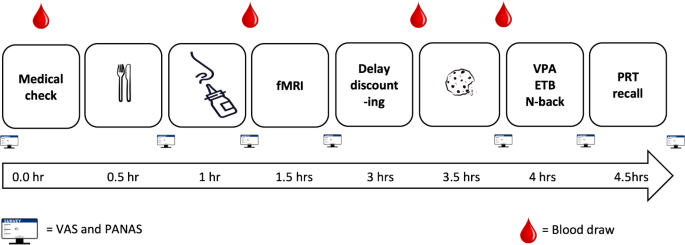
The effect of intranasal insulin on appetite and mood in women with and without obesity: an experimental medicine study

alexandrossfakianakis shared this article with you from Inoreader

41366_2022_1115_Fig1_HTML.png

International Journal of Obesity, Published online: 09 April 2022; doi:10.1038/s41366-022-01115-1

The effect of intranasal insulin on appetite and mood in women with and without obesity: an experimental medicine study
View on the web

Accurate fish-freshness prediction label based on red cabbage anthocyanins

alexandrossfakianakis shared this article with you from Inoreader

1-s2.0-S0956713522002110-ga1.jpg

Publication date: Available online 9 April 2022

Source: Food Control

Author(s): Shuliang Fang, Zhihao Guan, Cheng Su, Wenshuo Zhang, Jian Zhu, Yuewei Zheng, Houbin Li, Pingping Zhao, Xinghai Liu

View on the web

Laryngoscopic Findings of Age‐related Vocal Fold Atrophy are Reliable but not Specific

alexandrossfakianakis shared this article with you from Inoreader

Abstract

Objectives

We aimed to evaluate the reliability of laryngoscopic features of vocal fold atrophy as assessed by novice otolaryngology trainees and expert laryngologists.

Design

Two expert fellowship-trained laryngologists and three non-expert otolaryngology resident trainees were recruited to view 50 anonymized laryngo-stroboscopic examinations of patients presenting with dysphonia and non-voice, laryngeal complaints. Reviewers were asked to stratify the patient's age, provide an opinion about the presence of age-related vocal fold atrophy, and specify which laryngoscopy features were present to make the diagnosis.

Setting

Tertiary care laryngology practice.

Participants

Two fellowship-trained laryngologists and three trainee otolaryngologists.

Main outcome measures

Accuracy of age categorization was determined and Kappa analysis was performed to assess inter-rater agreement.

Results

The mean age of patients was 54.9 years old with near equal male to female distribution. The overall accuracy of age category determination by raters was only 30.8%. Kappa analysis demonstrated fair agreement regarding the presence of vocal fold atrophy in non-expert reviewers, and moderate agreement amongst expert reviewers. Features of glottic gap, muscular atrophy of vocal folds, and prominent vocal processes were all identified with high agreement (>80.0%).

Conclusion

Our study illustrates that while raters can agree on the presence of age-related vocal fold atrophy, the findings may be non-specific and do not necessarily correlate with age.

View on the web

Tooth‐cusp preservation with lithium disilicate onlay restorations: A fatigue resistance study

alexandrossfakianakis shared this article with you from Inoreader

Abstract

Objectives

This study examined the in vitro fatigue resistance of maxillary premolars with 2 mm or 3 mm preserved cusp thicknesses restored with lithium disilicate onlays.

Materials and Methods

Premolars(N = 48) were divided into six groups. Onlays for groups 1 to 4 preserved a 3 mm functional (G1), 2 mm functional (G2), 3 mm nonfunctional (G3), or 2 mm nonfunctional (G4) buccal-lingual cusp width. Onlays for group 5 (G5, control) replaced both cusps. Group 6 (G6) samples were identical to G1 with added retentive boxes. Lithium disilicate onlays were exposed to thermocycling (10 000 cycles, 5°C-55°C, 30s/cycle) and mechanical loading (1.2 million cycles at 1.4 Hz and 70 N). All samples were examined for onlay debonding or cusp or onlay fracture.

Results

Failure rates were 75%(G1), 0.0%(G2), 12.5%(G3), 0.0%(G4), 0.0%(G5), and 0.0%(G6). The difference in percent failure between the groups preserving the functional cusps (37.5%) and the groups preserving the nonfunctional cusps (6.3%) was statistically significant (P = .04; 95%CI:2.11-55.66). No cusp or restoration fractures were observed; all failures were due to debonding of the restoration.

Conclusion

Teeth with thin remaining cusps that were restored with bonded lithium disilicate onlay restorations were not prone to fracture. Retentive preparation features that physically eliminated lateral displacement prevented onlay debonding even though the ceramic-enamel margin was directly at the occlusal contact.

Clinical significance

The use of adhesively retained lithium disilicate ceramic onlays may be a viable alternative to full coverage restorations and may challenge traditionally accepted principals related to preparation resistance and retention form of ceramic partial coverage restorations.

View on the web

Status of IDH mutations in chondrosarcoma of the jaws

alexandrossfakianakis shared this article with you from Inoreader
The aim was to analyse the relationship between mutations of the isocitrate dehydrogenase gene (IDH) and clinical characteristics of chondrosarcoma of the jaw in order to provide new information on its molecular pathology. Tissue samples were collected from 25 patients diagnosed with chondrosarcoma of the jaw. IDH mutations were detected through polymerase chain reaction and direct sequencing. Clinicopathological data were analysed retrospectively. The study included 14 female and 11 male patients; the median patient age was 38 years. (Source: International Journal of Oral and Maxillofacial Surgery)
View on the web

High‐Dose Clopidogrel versus Ticagrelor in CYP2C19 intermediate or poor metabolizers after percutaneous coronary intervention: A Meta‐Analysis of Randomized Trials

alexandrossfakianakis shared this article with you from Inoreader
High-Dose Clopidogrel versus Ticagrelor in CYP2C19 intermediate or poor metabolizers after percutaneous coronary intervention: A Meta-Analysis of Randomized Trials

For patients after percutaneous coronary interventions (PCI), clopidogrel combined with aspirin is a conventional dual antiplatelet therapy (DAPT) method. However, clopidogrel resistance exists in some populations, especially in East Asian populations, due to the CYP2C19 gene polymorphism. The current guidelines are very clear on DAPT method for CYP2C19 genotype of ultrarapid metabolizers (UM), extended metabolizers (EM) and poor metabolizer (PM) after PCI, but how to intermediate metabolizers (IM) choose drugs was not clear. This is the first systematic review to preferentially recommend ticagrelor for antiplatelet therapy over high-dose clopidogrel for patients carrying CYP2C19 LOF alleles after PCI with follow-up time of more than 3 months.


Abstract

What is known and objective

For patients after percutaneous coronary interventions (PCI), clopidogrel combined with aspirin is a conventional dual antiplatelet therapy (DAPT) method. Because the genetic polymorphism of CYP2C19 gene leads to clopidogrel resistance, guidelines for antiplatelet recommendations in CYP2C19 of ultrarapid metabolizers (UM), extended metabolizers (EM) and poor metabolizers (PM) are clear. However, there is no clear recommendation as to whether ticagrelor or double dose clopidogrel is the best antiplatelet regimen for CYP2C19 of intermediate metabolizers (IM). To evaluate the efficacy and safety of ticagrelor (combined with aspirin) and high-dose clopidogrel (combined with aspirin) in patients after PCI with CYP2C19 loss-of-function (LOF) alleles.

Methods

We searched the following databases to select RCTs of comparing ticagrelor with high-dose clopidogrel in patients after PCI with CYP2C19 LOF alleles: CNKI, Wanfang Data, PubMed, Clinical trials, Cochrane, Web of Science and Embase. Major adverse cardiovascular events (MACEs), platelet function and TIMI bleeding event were defined as the outcomes. revman 5.3 software was used to perform meta-analysis.

Results and discussion

A total of 14 RCTs with 2351 patients were enrolled. Meta-analysis showed that compared with high-dose clopidogrel, ticagrelor had reduced incidence of MACEs (OR = 0.32, 95% Cl: 0.23–0.44, p < 0.00001), stent thrombosis (OR: 0.24, 95%CI: 0.13–0.44, p < 0.00001), myocardial infarction OR: 0.42, 95%CI: 0.22–0.80, p = 0.008), revascularization (OR: 0.29, 95%CI: 0.10–0.82, p = 0.02) and unstable angina (OR: 0.47, 95%CI: 0.29–0.77, p = 0.003) in patients after PCI with CYP2C19 LOF alleles. A subgroup analysis showed that ticagrelor reduced the risk of MACEs compared with high-dose clopidogrel regardless of the type of metabolizer. Compared with high-dose clopidogrel, ticagrelor significantly reduced the risk of MACE with longer follow-up period (more than 3 months) without increasing the risk of bleeding (OR: 0.89, 95%CI: 0.53–1.49, p = 0.30), while ele vated dyspnoea (OR: 5.62, 95%CI: 3.07–10.28, p < 0.00001).

What is new and conclusions

For patients carrying CYP2C19 LOF alleles after PCI, ticagrelor may be better than high-dose clopidogrel in reducing the risk of MACEs, while dyspnoea incidents should be alerted.


View on the web

Fluorescent Carbon Dot-Supported Imaging-Based Biomedicine: A Comprehensive Review

alkiviadis.1961 shared this article with you from Inoreader

bca.banner.jpg

Carbon dots (CDs) provide distinctive advantages of strong fluorescence, good photostability, high water solubility, and outstanding biocompatibility, and thus are widely exploited as potential imaging agents for in vitro and in vivo bioimaging. Imaging is absolutely necessary when discovering the structure and function of cells, detecting biomarkers in diagnosis, tracking the progress of ongoing disease, treating various tumors, and monitoring therapeutic efficacy, making it an important approach in modern biomedicine. Numerous investigations of CDs have been intensively studied for utilization in bioimaging-supported medical sciences. However, there is still no article highlighting the potential importance of CD-based bioimaging to support various biomedical applications. Herein, we summarize t he development of CDs as fluorescence (FL) nanoprobes with different FL colors for potential bioimaging-based applications in living cells, tissue, and organisms, including the bioimaging of various cell types and targets, bioimaging-supported sensing of metal ions and biomolecules, and FL imaging-guided tumor therapy. Current CD-based microscopic techniques and their advantages are also highlighted. This review discusses the significance of advanced CD-supported imaging-based in vitro and in vivo investigations, suggests the potential of CD-based imaging for biomedicine, and encourages the effective selection and development of superior probes and platforms for further biomedical applications.
View on the web

Mechanism of Jujube (Ziziphus jujuba Mill.) Fruit in the Appetite Regulation Based on Network Pharmacology and Molecular Docking Method

alkiviadis.1961 shared this article with you from Inoreader

cmmi.banner.jpg

Objective. To investigate the mechanism of jujube (Ziziphus jujuba Mill.) in appetite regulation based on network pharmacology. Methods. The active components and action targets of jujube were retrieved through the TCMSP and TCMID databases. GeneCards, DisGeNet, Therapeutic Target Database, and OMIM were used to screen the related targets for appetite, appetite suppression, and appetite regulation, and the intersection target of the two was selected. A protein-protein interaction (PPI) network was constructed. Important protein nodes and subnets were predicted based on the cytoHubba plug-in, and the hub gene was screened. Additionally, GO and KEGG pathway analyses were performed to obtain potential biological processes and signaling pathways of key targets. And the active ingredient-target-act ion pathway diagram was constructed. Results. A total of 16 active components were screened from jujube, including 131 action targets related to appetite and appetite regulation. Three key targets (MAOA, MMP2, and HSPB1) were screened out by MCODE analysis. KEGG enrichment analysis was mainly enriched in neuroactive ligand-receptor interaction, serotonin-containing synapse, gap junction, cAMP signaling pathway, and dopaminergic synapse. Molecular docking results showed that the components coclaurine, (−)-catenin, (+)-stepholidine, berberine, cianidanol, coclaurine, and moupinamide in jujube had strong binding activity to the main targets (ESR1, ADRA2C, and MMP2). Conclusion. Based on network pharmacology, the appetite modulating effects of jujube on multiple components, targets, and channels were explored, and the main active components of jujube were predicted to act on multiple signaling pathways to regulate appetite. The molecular docking results showed that the components in j ujube had strong binding activity to the main targets, which provided new ideas and methods to further investigate the mechanisms of appetite regulation by jujube.
View on the web

Αναζήτηση αυτού του ιστολογίου

! # Ola via Alexandros G.Sfakianakis on Inoreader