Αρχειοθήκη ιστολογίου

Τρίτη 20 Απριλίου 2021

Impact of Pre-Chemotherapy Education with Audio Visual Methods on the Self-Efficacy of Symptom Management in Patients with Cancer

xlomafota.13 shared this article with you from Inoreader

Abstract

This study aimed to identify the effects of pre-chemotherapy education with audio visual methods on the self-efficacy of symptom management in patients with cancer who received chemotherapy. The various side effects of chemotherapy could affect the self-efficacy of symptom management. Providing pre-chemotherapy education is important to improve the self-efficacy of symptom management. Nowadays, pre-chemotherapy education is only given by using print media, which can restrict transferring information to patients with cancer. This study was based on pre- and post-test, 2 group, quasi-experimental design. A total of 80 respondents were recruited with consecutive sampling between January and March 2019. Participants in the intervention group received video pre-chemotherapy education, while participants in the control group received education with a booklet (usual care). Patients completed self-efficacy symptom management questionnaires before and 1–2 weeks aft er chemotherapy. The analysis used the Wilcoxon and Mann-Whitney tests and by counting Cohen's d effect size. The mean scores of pre- and post-test self-efficacy of symptom management increased in the intervention group to 1.77 (p = 0.000) and in the control group to 0.64 (p = 0.001). The comparative test between the two groups showed p = 0.005 (p < 0.05) with an effect size of 0.4 (66%). This result indicates that pre-chemotherapy education had medium effect on the self-efficacy of symptom management. Pre-chemotherapy education with audio visual methods can increase the self-efficacy of symptom management in patients with cancer.

View on the web

Validation of the atherothrombotic risk score for secondary prevention in patients with acute myocardial infarction: the J-MINUET study

xlomafota.13 shared this article with you from Inoreader

Abstract

Thrombolysis in Myocardial Infarction Risk Score for Secondary Prevention (TRS2°P) is a contemporary risk scoring system for secondary prevention based on nine clinical factors. However, this scoring system has not been validated in other populations. The aim of this study was to validate the TRS2°P in patients with acute myocardial infarction (AMI) treated with primary percutaneous coronary intervention (PCI) in a nationwide registry cohort. Among 3283 consecutive patients with AMI enrolled in the Japanese registry of acute Myocardial INfarction diagnosed by Universal dEfiniTion (J-MINUET), a total of 2611 patients who underwent primary PCI were included in this study. The performance of the TRS2°P to predict major adverse cardiovascular events (MACE) composed of all-cause death, non-fatal MI, and non-fatal stroke up to 3 years in the present cohort was evaluated. The TRS2°P had modest discriminative performance in this J-MINUET cohort with a c-statisti c of 0.63, similar to that in the derived cohort (TRA2°P-TIMI50, c-statistic 0.67). A strong graded relationship between the TRS2°P and 3-year cardiovascular event rates was also observed in the J-MINUET cohort. Age ≥ 75 years, Killip ≥ 2, prior stroke, peripheral artery disease, anemia, and non-ST-elevation myocardial infarction were identified as independent factors for the incidence of MACE. The TRS2°P modestly predicted secondary cardiovascular events among patients with AMI treated by primary PCI in a nationwide cohort of Japan. Further studies are needed to develop a novel risk score better predicting secondary cardiovascular events.

View on the web

Small bowel T-cell lymphoma: a MEITL-ing diagnosis

xlomafota.13 shared this article with you from Inoreader

12328.jpg

Abstract

Monomorphic epitheliotropic intestinal T-cell lymphoma (MEITL), previously known as Type-II enteropathy-associated T-cell lymphoma (EATL), is a rare subset of relatively aggressive lymphoma with a poor prognosis. We present a case of a previously healthy 59-year-old male with a 2-week history of abdominal distention who was found to have a non-bleeding ulcerated segment in the proximal jejunum secondary to MEITL. This exceedingly rare type of lymphoma usually presents with non-specific symptoms and can be challenging to diagnose. Our case demonstrates the importance of understanding the endoscopic and histological findings to allow the prompt diagnosis and treatment of this aggressive disease.

View on the web

Determination of Significant Prognostic Factors for Maxillary Gingival Squamous Cell Carcinoma in 90 Cases

xlomafota13 shared this article with you from Inoreader

12070.jpg

Abstract

Maxillary gingival squamous cell carcinoma (MGSCC) occurs rather infrequently, compared to tongue and mandibular gingival carcinomas, among the cancers of the oral cavity. Therefore, significant numbers of MGSCC cases have not been statistically analysed. The aim of this study is to clarify the prognostic factors for MGSCC. We performed the statistical analysis of 90 MGSCC cases primarily treated in our department from 1999 to 2014. The patients (male: 36, female: 54) were aged between 38 and 93 years, and the mean age was 68.7 years. The number of patients in each tumour stage according to the TNM classification was as follows: T1: 15 cases, T2: 32 cases, T3: 13 cases, and T4: 30 cases. Forty-two patients were treated only by surgery, 5 only by radiotherapy, 3 by preoperative radiotherapy and surgery, and 40 patients were treated by combination therapy with preoperative chemoradiotherapy and surgery. Neck dissections were performed in 40 cases includin g 29 cases (11 primary and 18 secondary cases) of histopathologically diagnosed lymph node metastases. Extranodal extension was found in 74.3% cases with metastatic lymph nodes. The 5-year overall survival rate was 81.9%. In univariate analysis, the site of occurrence, stage of tumour, lymph node metastasis, and treatment contributed to the 5-year survival rate. Multivariate analysis demonstrated that the site of occurrence (posterior region) was an independent prognostic factor. Seventeen deaths occurred due to the primary disease, while three deaths were caused by other diseases. The posterior region cancers, according to the classification based on site of occurrence, were independent predictors of poor 5-year overall survival rate.

View on the web

Giant Osteoma of the Mandible: Report of a Rare Case with Review of Literature

xlomafota13 shared this article with you from Inoreader

12070.jpg

Abstract

Osteoma is a slow growing, asymptomatic, benign bony tumor composed of compact and cancellous bones. Central, peripheral, and extra skeletal osteomas are the three types based on the site of origin. They are mostly observed on routine radiographic screening, mostly in the paranasal sinuses. Gnathic involvement is an uncommon occurrence, and if present, mandibular involvement is more frequently seen. Mostly, osteomas are small asymptomatic lesions and very rarely they become symptomatic and acquire larger size. Multiple osteomas are a feature of Gardner's syndrome; however, solitary osteomas are non-syndromic. Oral health professional may be the first to diagnose Gardner's syndrome as the osteomas may be initial manifestation of the disorder. Treatment protocol of osteomas varies based on the associated signs and symptoms. Small, asymptomatic cases are treated conservatively by periodic clinical and radiographic evaluation. However, larger, symptomatic lesions require surgical intervention. Herby, reporting an unusual case of Giant peripheral osteoma of the mandible. Our case is unique in few aspects because of its unusually large size (5 × 4 cm) and involvement of lingual aspect of the mandible in the region of sublingual fossa, with compression of the floor of mouth.

View on the web

Unilateral versus bilateral nodal irradiation: Current evidence in the treatment of squamous cell carcinoma of the head and neck

xlomafota13 shared this article with you from Inoreader

Abstract

Cancers of the head and neck region often present with nodal involvement. There is a long‐standing convention within the community of head and neck radiation oncology to irradiate both sides of the neck electively in almost all cases to include both macroscopic and microscopic disease extension (so called elective nodal volume). International guidelines for the selection and delineation of the elective lymph nodes were published in the early 2000s and were updated recently. However, diagnostic imaging techniques have improved the accuracy and reliability of nodal staging and as a result, small metastases that used to remain undetected and were thus in the past included in the elective nodal volume, will now be included in high‐dose volumes. Furthermore, the elective nodal areas are situated close to the parotid glands, the submandibular glands and the swallowing muscles. Therefore, irradiation of a smaller, more selected volume of the elective nodes could reduce treatment‐re lated toxicity. Several researchers consider the current bilateral elective neck irradiation strategies an overtreatment and show growing interest in a unilateral nodal irradiation in selected patients. The aim of this article is to give an overview of the current evidence about the indications and benefits of unilateral nodal irradiation and the use of SPECT/CT‐guided nodal irradiation in squamous cell carcinomas of the head and neck.

View on the web

An Alternative Explanation for Difficulties with Speech in Background Talkers: Abnormal Fusion of Vowels Across Fundamental Frequency and Ears

xlomafota13 shared this article with you from Inoreader

10162.jpg

Abstract

Normal-hearing (NH) listeners use frequency cues, such as fundamental frequency (voice pitch), to segregate sounds into discrete auditory streams. However, many hearing-impaired (HI) individuals have abnormally broad binaural pitch fusion which leads to fusion and averaging of the original monaural pitches into the same stream instead of segregating the two streams (Oh and Reiss, 2017) and may similarly lead to fusion and averaging of speech streams across ears. In this study, using dichotic speech stimuli, we examined the relationship between speech fusion and vowel identification. Dichotic vowel perception was measured in NH and HI listeners, with across-ear fundamental frequency differences varied. Synthetic vowels /i/, /u/, /a/, and /ae/ were generated with three fundamental frequencies (F0) of 106.9, 151.2, and 201.8 Hz and presented dichotically through headphones. For HI listeners, stimuli were shaped according to NAL- NL2 prescriptive targets. Although the dichotic vowels presented were always different across ears, listeners were not informed that there were no single vowel trials and could identify one vowel or two different vowels on each trial. When there was no F0 difference between the ears, both NH and HI listeners were more likely to fuse the vowels and identify only one vowel. As ΔF0 increased, NH listeners increased the percentage of two-vowel responses, but HI listeners were more likely to continue to fuse vowels even with large ΔF0. Binaural tone fusion range was significantly correlated with vowel fusion rates in both NH and HI listeners. Confusion patterns with dichotic vowels differed from those seen with concurrent monaural vowels, suggesting different mechanisms behind the errors. Together, the findings suggest that broad fusion leads to spectral blending across ears, even for different ΔF0, and ma y hinder the stream segregation and understanding of speech in the presence of competing talkers.


View on the web

Early postoperative serum albumin levels as predictors of surgical outcomes in head and neck squamous cell carcinoma

xlomafota13 shared this article with you from Inoreader

Braz J Otorhinolaryngol. 2021 Apr 9:S1808-8694(21)00063-X. doi: 10.1016/j.bjorl.2021.03.004. Online ahead of print.

ABSTRACT

BACKGROUND: Malnutrition is a common issue in patients with head and neck squamous cell carcinoma and has a negative effect on surgical outcomes.

OBJECTIVE: We attempted to determine which malnutrition diagnostic variables can be used as predictors of postoperative complications in patients with head and neck squamous cell carcinoma.

METHODS: Forty-one patients undergoing surgery for head and neck squamous cell carcinoma were submitted to a prospective evaluation. Biochemical data, anthropometric measurements and evaluation of body composition were used in the nutritional analysis.

RESULTS: Twenty-two patients (53.6%) developed complications. Serum albumin measured on the first postoperative day was the only variable that significantly differed between groups. A cut-off value of 2.8 g/dL disting uished between patients with a complicated and uncomplicated postoperative course. Normalization of albumin levels occurred more frequently and more rapidly in the noncomplicated group.

CONCLUSION: Serum albumin measured on the first postoperative day was the only variable that was a predicter of postoperative complications after major head and neck squamous cell carcinoma surgery.

PMID:33875388 | DOI:10.1016/j.bjorl.2021.03.004

View on the web

Phosphorylation of MYL12 by Myosin Light Chain Kinase Regulates Cellular Shape Changes in Cochlear Hair Cells

xlomafota13 shared this article with you from Inoreader

10162.jpg

Abstract

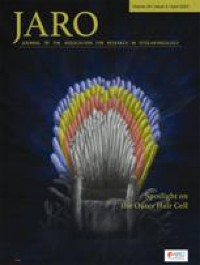
The organ of Corti is an auditory organ located in the cochlea, comprising hair cells (HCs) and other supporting cells. Cellular shape changes of HCs are important for the development of auditory epithelia and hearing function. It was previously observed that HCs and inner sulcus cells (ISCs) demonstrate cellular shape changes similar to the apical constriction of the neural epithelia. Apical constriction is induced via actomyosin cable contraction in the apical junctional complex and necessary for the physiological function of the epithelium. Actomyosin cable contraction is mainly regulated by myosin regulatory light chain (MRLC) phosphorylation by myosin light chain kinase (MLCK). However, MRLC and MLCK isoforms expressed in HCs and ISCs are unknown. Hence, we investigated the expression patterns and roles of MRLCs and MLCKs in HCs. Droplet digital PCR revealed that HCs expressed MYL12A/B and MYL9, which are non-muscle MRLC and smooth muscle MLCK (smMLCK), resp ectively. Immunofluorescence staining throughout the organ of Corti demonstrated that only MYL12 was expressed in the apical portion of HCs, whereas MYL12 and MYL9 were expressed on ISCs. In addition, purified MYL12B was phosphorylated by smMLCK in vitro, and the harvested HCs contained phosphorylated MYL12. Furthermore, accompanied by the expansion of the cell area of outer HCs, MYL12 phosphorylation was reduced by ML-7, which is an inhibitor of smMLCK. In conclusion, MYL12 phosphorylation by smMLCK contributed to the apical constriction-like cellular shape change of HCs possibly relating to the development of auditory epithelia and hearing function.

View on the web

Age and cancer treatment factors influence patient-reported outcomes following therapeutic mammoplasty and contralateral symmetrisation for the treatment of breast cancer

xlomafota13 shared this article with you from Inoreader

J Plast Reconstr Aesthet Surg. 2021 Mar 28:S1748-6815(21)00121-2. doi: 10.1016/j.bjps.2021.03.031. Online ahead of print.

ABSTRACT

BACKGROUND: Oncoplastic surgery for breast cancer has increased in popularity over the last few years, with oncological safety confirmed in several studies. There are, however, limited published data on patient-reported outcomes from this surgical approach. This study assessed patient-reported outcomes of satisfaction following therapeutic mammoplasty and contralateral symmetrisation (TMCS) as part of breast cancer treatment in relation to other patient and treatment factors.

METHODS: The validated BREAST-Q™ breast reduction module was sent to all surviving patients who had no documented cancer recurrence and had undergone TMCS in NHS Tayside between August 2013 and August 2017. The Q-score was used to analyse data and correlate with patient clinical information, surgical, pathology and treatment fa ctors. Ethical approval was granted by the University of Dundee ethics committee.

RESULTS: The patient response rate to the study was 64.5% (60 of 93 patients), with a mean age of 59 years (range 41-75 years). In all domains, patients reported high levels of satisfaction with outcomes. There were strong correlations between domains with the exception of physical symptoms. Younger patients reported poorer outcomes in domains that related to satisfaction with outcomes of surgery, psychosocial aspects, sexual function and physical symptoms. Treatment with chemotherapy and/or trastuzumab and lymph node positivity were associated with poorer outcomes in a number of domains.

CONCLUSIONS: Our results demonstrate that patients report high levels of satisfaction after TMCS, but this is influenced by age. Patient-reported outcomes that include physical and psychosocial appear to be more strongly influenced by medical treatments than surgery.

PMID:33875389 | DOI:10.1016/j.bjps.2021.03.031

View on the web

Intracranial arachnoid cysts and epilepsy in children: Should this be treated surgically? Our 29-year experience and review of the literature

xlomafota13 shared this article with you from Inoreader

Neurocirugia (Astur). 2021 Apr 16:S1130-1473(21)00033-6. doi: 10.1016/j.neucir.2021.03.003. Online ahead of print.

ABSTRACT

INTRODUCTION AND OBJECTIVE: Arachnoid cysts (ACs) are relatively frequent lesions related to different neurological symptoms, being mostly incidentally diagnosed. This study aims to clarify whether AC surgery in epileptic patients is useful in their treatment.

MATERIAL AND METHODS: The patients registered in the database of the Neuropediatrics Section from May 1990 to August 2019 are analyzed retrospectively. Patients in whom the diagnosis of ACs and epilepsy coincide are studied. The location, size and number of ACs, neurological development, age at diagnosis, follow-up time, the performance of surgery on the cyst, evolution, anatomical relationship between brain electrical activity and location of AC, and type of epilepsy are analyzed.

RESULTS: After analyzing the database, we found 1881 patients diagnosed with epilepsy, of which 25 had at least one intracranial AC. In 9 of the patients, cerebral or genetic pathologies were the cause of epilepsy. Of the other 16, only 2 patients showed that the type of epilepsy and the epileptogenic focus coincided with the location of the AC; one of them was surgically treated without success, and the other one remained asymptomatic without receiving medical or surgical treatment.

CONCLUSIONS: Although it is necessary to design a prospective study to establish causality, the results of our research and the available literature suggest that there is no causal relationship between the presence of ACs and epilepsy. The study and treatment of these patients should be carried out in a multidisciplinary epilepsy surgery unit, without initially assuming that the AC is the cause of epilepsy.

PMID:33875379 | DOI:10.1016/j.neucir.2021.03.003

View on the web

Αναζήτηση αυτού του ιστολογίου

! # Ola via Alexandros G.Sfakianakis on Inoreader