Αρχειοθήκη ιστολογίου

Τετάρτη 6 Φεβρουαρίου 2019

Selective hematopoietic stem cell ablation using CD117-antibody-drug-conjugates enables safe and effective transplantation with immunity preservation

Selective hematopoietic stem cell ablation using CD117-antibody-drug-conjugates enables safe and effective transplantation with immunity preservation

Selective hematopoietic stem cell ablation using CD117-antibody-drug-conjugates enables safe and effective transplantation with immunity preservation, Published online: 06 February 2019; doi:10.1038/s41467-018-08201-x

Hematopoietic stem cell (HSC) transplantation is a desirable treatment for many non-malignant and malignant diseases, but its use requires preconditioning of recipients with irradiation or chemotherapy that often induces high toxicity. Here the authors show that antibody-drug-conjugate to CD117, a HSC marker, allows specific and efficient preconditioning for HSC therapy.

from A via a.sfakia on Inoreader https://go.nature.com/2Srp8Df

Combining lifestyle risks to disentangle brain structure and functional connectivity differences in older adults

Combining lifestyle risks to disentangle brain structure and functional connectivity differences in older adults

Combining lifestyle risks to disentangle brain structure and functional connectivity differences in older adults, Published online: 06 February 2019; doi:10.1038/s41467-019-08500-x

Lifestyle factors such as smoking and exercise contribute to the health of the brain during aging, but previous studies have focused on the effects of single lifestyle variables. Here, the authors examine the combined and individual effects of four lifestyle variables on brain structure and function.

from A via a.sfakia on Inoreader https://go.nature.com/2GdEyoU

Author Correction: Layer-dependent quantum cooperation of electron and hole states in the anomalous semimetal WTe2

Author Correction: Layer-dependent quantum cooperation of electron and hole states in the anomalous semimetal WTe2

Author Correction: Layer-dependent quantum cooperation of electron and hole states in the anomalous semimetal WTe<sub>2</sub>, Published online: 06 February 2019; doi:10.1038/s41467-019-08649-5

Author Correction: Layer-dependent quantum cooperation of electron and hole states in the anomalous semimetal WTe2

from A via a.sfakia on Inoreader https://go.nature.com/2Srp9Hj

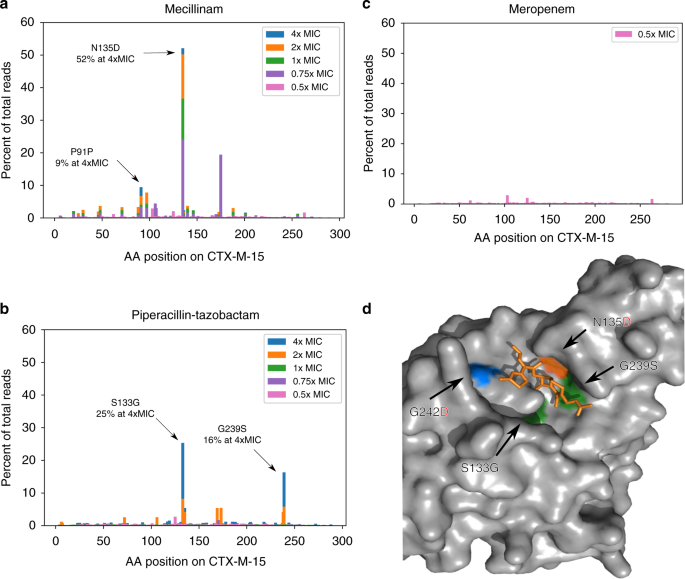
Collateral sensitivity constrains resistance evolution of the CTX-M-15 β-lactamase

41467_2019_8529_Fig1_HTML.png

Collateral sensitivity constrains resistance evolution of the CTX-M-15 β-lactamase

Collateral sensitivity constrains resistance evolution of the CTX-M-15 β-lactamase, Published online: 06 February 2019; doi:10.1038/s41467-019-08529-y

Development of bacterial resistance to an antibiotic can lead to collateral sensitivity to another drug. Here, the authors study collateral sensitivity conferred by mutations in the horizontally acquired β-lactamase CTX-M-15, and identify antibiotic combinations that constrain the evolution of resistance.

from A via a.sfakia on Inoreader https://go.nature.com/2BlaLGC

Hematopoietic chimerism and donor-specific skin allograft tolerance after non-genotoxic CD117 antibody-drug-conjugate conditioning in MHC-mismatched allotransplantation

Hematopoietic chimerism and donor-specific skin allograft tolerance after non-genotoxic CD117 antibody-drug-conjugate conditioning in MHC-mismatched allotransplantation

Hematopoietic chimerism and donor-specific skin allograft tolerance after non-genotoxic CD117 antibody-drug-conjugate conditioning in MHC-mismatched allotransplantation, Published online: 06 February 2019; doi:10.1038/s41467-018-08202-w

Transplantation of allogeneic bone marrow helps establish chimerism that may induce tolerance to tissue grafts. Here the authors show that a CD117-antibody-drug-conjugate helps precondition the recipients for inducing mixed chimerism and allo-tolerance without clear adverse effects or the need for chronic immune suppression.

from A via a.sfakia on Inoreader https://go.nature.com/2GpOuuF

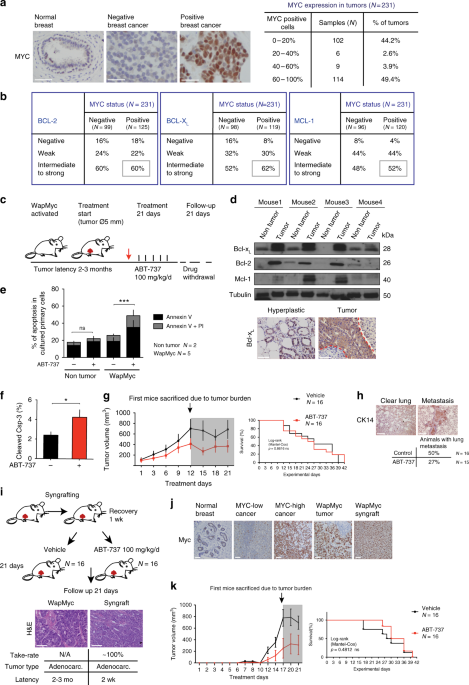
Pharmacological reactivation of MYC-dependent apoptosis induces susceptibility to anti-PD-1 immunotherapy

41467_2019_8541_Fig1_HTML.png

Pharmacological reactivation of MYC-dependent apoptosis induces susceptibility to anti-PD-1 immunotherapy

Pharmacological reactivation of MYC-dependent apoptosis induces susceptibility to anti-PD-1 immunotherapy, Published online: 06 February 2019; doi:10.1038/s41467-019-08541-2

Elevated MYC levels can sensitize tumor cells to apoptosis. In this study, the authors demonstrate that AMPK activation and BCL-2/BCL-XL inhibition have a synergistic effect on apoptosis, and that together with anti PD-1 therapy they can suppress Myc-driven mammary tumor growth.

from A via a.sfakia on Inoreader https://go.nature.com/2GpOF9j

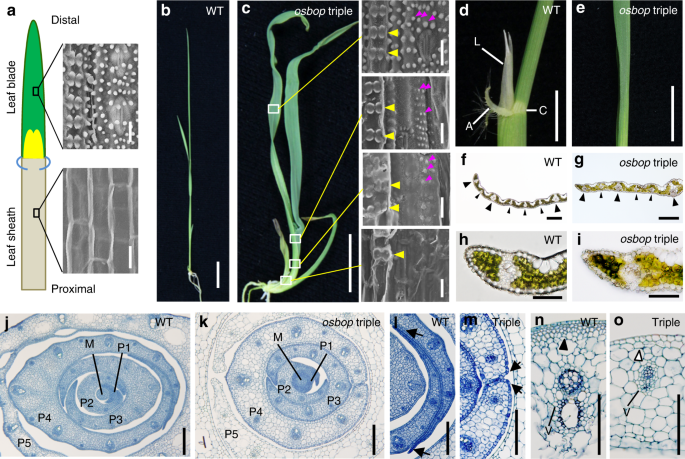
BLADE-ON-PETIOLE genes temporally and developmentally regulate the sheath to blade ratio of rice leaves

41467_2019_8479_Fig1_HTML.png

BLADE-ON-PETIOLE genes temporally and developmentally regulate the sheath to blade ratio of rice leaves

<i>BLADE-ON-PETIOLE</i> genes temporally and developmentally regulate the sheath to blade ratio of rice leaves, Published online: 06 February 2019; doi:10.1038/s41467-019-08479-5

Despite the importance of proximal-distal patterning of leaves in cereal productivity, the underlying molecular mechanisms are poorly understood. Here, the authors find that the ratio of sheath to blade in rice leaf shifts depends on the expression levels of BLADE-ON-PETIOLE genes.

from A via a.sfakia on Inoreader https://go.nature.com/2GrxlRg

Commentary on “Correction to: On the calculation of fuel savings through lightweight design in automotive life cycle assessments” by Koffler and Rohde-Brandeburger (2018)


from Energy Ecology Environment Ambio via Terpsi Hori on Inoreader http://bit.ly/2UMcUCG

Coping with the forced swim stressor: current state-of-the-art

Publication date: Available online 6 February 2019

Source: Behavioural Brain Research

Author(s): Marc L. Molendijk, E.Ronald de Kloet

Abstract

The forced swim test (FST) for rodents does not model despair or helplessness. It also is not a read-out for depression, anxiety, psychomotor retardation or autism, because these are anthropomorphic interpretations of the rodent's acquired immobility. Rather, the transition from swimming to immobility allows to examine the mechanistic underpinning of coping with inescapable stressors. However, in a recent detailed analysis of the FST application over the past 40 years, we noted a dramatic surge in the use of this test to phenotype animals as 'depressed'. As a follow up to that report, we now present an analysis of the use of the FST over the past three years. This literature analysis shows that the popularity of the FST is still increasing and that the majority of researchers qualifies the rodent's floating response as depressive-like behavior. However, over the past few years we also note a trend to interpret immobility rather as the expression of a coping strategy. In view of this result, we have sent a poll to the relevant authors to learn how consistent they are in naming FST behavior. Remarkably, we find a dramatic inverse correlation between their first qualification of acquired immobility as depressive-like behavior towards their current interpretation as coping strategy. In this contribution we have embedded our literature analysis and poll results in an update on the management of coping with inescapable stressors by processing in prefrontal cortical circuitry and glucocorticoid feedback.


from A via a.sfakia on Inoreader http://bit.ly/2tcaDVj

Serotonin type 6 receptor antagonist attenuates the impairment of long-term potentiation and memory induced by Abeta

Publication date: Available online 5 February 2019

Source: Behavioural Brain Research

Author(s): Siamak Shahidi, Nasrin Hashemi-Firouzi, Sara Soleimani Asl, Alireza Komaki

Abstract

Alzheimer's disease (AD) is the most common cause of dementia, characterized by memory impairment and synaptic loss. Long-term potentiation (LTP), a type of synaptic plasticity, is impaired during AD. Serotonin type 6 receptor (5-HT6R) inactivation is proposed as a therapeutic target for AD. This study examined the effects of chronic administration of the 5-HT6R antagonist, SB-258585, on cognitive, memory, and hippocampal plasticity in a rat model of AD.

Abeta neurotoxicity was induced in rats using Aβ (1.35 pmol intracerebroventricular [ICV] injection). The following groups were formed: control sustained surgery and saline-treated, Aβ+saline (1 μL ICV for 30 days), and Aβ+SB-258585 (0.024 mg/kg, ICV for 30 days). The learning and memory were tested using the novel object recognition and passive avoidance tests. Next, anesthetized rats were placed in a stereotaxic apparatus. The population spike (PS) amplitude and the slope of the excitatory postsynaptic potentials (fEPSPs) of the LTP were measured following high-frequency stimulation in the dentate gyrus.

The Aβ injection reduced step-through latency in the passive avoidance test and decreased the discrimination index in the novel object test. Aβ diminished both the amplitude of hippocampal neuron population spikes and the slope of excitatory postsynaptic potentials, compared to the control group. The administration of SB-258585 in rats receiving Aβ attenuated the Aβ-induced deficits in cognition, memory, and LTP in comparison with the Aβ group.

It can be concluded that chronic treatment with SB-258585 antagonist can prevent Aβ-related deficiencies in learning and memory performance by improving neuronal plasticity. SB-258585 can prevent the progression of AD.


from A via a.sfakia on Inoreader http://bit.ly/2HUJror

Impact of early exposure to a cafeteria diet on prefrontal cortex monoamines and novel object recognition in adolescent rats

Publication date: Available online 5 February 2019

Source: Behavioural Brain Research

Author(s): E. Moreton, P. Baron, S. Tiplady, S. McCall, B. Clifford, S.C. Langley-Evans, K.C.F. Fone, J.P. Voigt

Abstract

The prefrontal cortex (PFC) undergoes protracted postnatal development such that its structure and behavioural function may be profoundly altered by environmental factors. Here we investigate the effect of lactational dietary manipulations on novel object recognition (NOR) learning and PFC monoamine neurotransmitter metabolism in early adolescent rats. To this end, Wistar rat dams were fed a high caloric cafeteria diet (CD) during lactation and resultant 24-26 day old offspring exposed to NOR testing and simultaneous PFC dopamine and serotonin metabolism measurement. In the second NOR choice trial where one familiar and one novel object were presented controls explored the novel preferentially to the familiar object both after a 5 min (P < 0.001) or 30 min (P < 0.05) inter-trial intervals (ITI). By contrast, offspring from dams fed on lactational CD failed to show any significant preference for the novel object at either time point. Compared with chow fed controls, their average exploration ratio of the novel object was lower after the 5 min ITI (P < 0.05). Following a 60 minute ITI, neither CD nor control offspring showed a preference for the novel object. PFC dopamine metabolism was significantly reduced in the CD group (P < 0.001), whereas serotonin metabolism was increased (P < 0.001). These results suggest that an obesogenic lactational diet can have a detrimental impact on cognition in adolescent offspring associated with aberrant PFC serotonin and dopamine metabolism.


from A via a.sfakia on Inoreader http://bit.ly/2t84Z6E

Neurobehavioral effects of chronic low-dose risperidone administration in juvenile male rats

Publication date: Available online 5 February 2019

Source: Behavioural Brain Research

Author(s): Lindsey Boman, Maxine De Butte

Abstract

Despite substantial increases in the use of antipsychotics to treat various psychiatric conditions in children, there is a lack of literature regarding long-term effects of early treatment. Some studies have indicated that early administration results in differential alterations to neurotransmission systems, but few studies have investigated whether there are long-term behavioral modifications. Therefore, the aim of the current study was to investigate the neurobehavioral effects of low dose risperidone (a commonly prescribed antipsychotic) treatment using juvenile rats. Twenty-four male Sprague-Dawley rats were either subcutaneously implanted with a continuous release risperidone pellet (.04 mg/day) or a placebo pellet. To encompass the peri-adolescent to adolescent timeframe (postnatal day 40-70) thought to be important for brain development, male rats began risperidone treatment at post-natal day 35. Six weeks following commencement of risperidone treatment, all rats were tested on a battery of behavioral assessments including open field, object recognition, Morris Water Maze, and Y-Maze tasks. Risperidone treatment did not affect performance on the open field, object recognition, or Morris Water maze. A significant effect was found on the Y-maze. Although all rats exhibited normal spontaneous alternation, risperidone treated rats demonstrated significantly higher same arm returns, indicative of a working memory deficit. Continued research is needed to determine whether early exposure to risperidone may lead to differences in working memory at longer time-points. These results seem to indicate that early low dose risperidone treatment during the peri-adolescent and adolescent period does not severely impair behavior.


from A via a.sfakia on Inoreader http://bit.ly/2HWKdS1

PINK1 deficiency is associated with increased deficits of adult hippocampal neurogenesis and lowers the threshold for stress-induced depression in mice

Publication date: Available online 5 February 2019

Source: Behavioural Brain Research

Author(s): Sandeep K. Agnihotri, Liuke Sun, Benjamin K. Yee, Ruifang Shen, Ravi S. Akundi, Lianteng Zhi, Marilyn J. Duncan, Wayne A. Cass, Hansruedi Büeler

Abstract

Parkinson's disease (PD) is characterized by motor impairments and several non-motor features, including frequent depression and anxiety. Stress-induced deficits of adult hippocampal neurogenesis (AHN) have been linked with abnormal affective behavior in animals. It has been speculated that AHN defects may contribute to affective symptoms in PD, but this hypothesis remains insufficiently tested in animal models. Mice that lack the PD-linked kinase PINK1 show impaired differentiation of adult-born neurons in the hippocampus. Here, we examined the relationship between AHN deficits and affective behavior in PINK1-/- mice under basal (no stress) conditions and after exposure to chronic stress. PINK1 loss and corticosterone negatively and jointly affected AHN, leading to lower numbers of neural stem cells and newborn neurons in the dentate gyrus of corticosterone-treated PINK1-/- mice. Despite increased basal AHN deficits, PINK1-/- mice showed normal affective behavior. However, lack of PINK1 sensitized mice to corticosterone-induced behavioral despair in the tail suspension test at a dose where wildtype mice were unaffected. Moreover, after two weeks of chronic restraint stress male PINK1-/- mice displayed increased immobility in the forced swim test, and protein expression of the glucocorticoid receptor in the hippocampus was reduced. Thus, while impaired AHN as such is insufficient to cause affective dysfunction in this PD model, PINK1 deficiency may lower the threshold for chronic stress-induced depression in PD. Finally, PINK1-/- mice displayed reduced basal voluntary wheel running but normal rotarod performance, a finding whose mechanisms remain to be determined.


from A via a.sfakia on Inoreader http://bit.ly/2t84Ujm

Development of a spatial web tool to identify hotspots of environmental burdens in Wallonia (Belgium)

Abstract

In response to the Walloon Environment and Health Program, the Scientific Institute of Public Services (ISSeP) developed an integrated approach of environmental exposure assessment in the Walloon region, Belgium. The study presents an index-based approach to estimate the multiple environmental burdens at regional level and detailed local resolution. Indicators are based on environmental measurements of pollutants in ambient air and soil, and on stressors for citizens related to noise and radon. These indicators were mapped as proportions to obtain an accurate comparison between spatial units. In order to indicate the need for intervention, environmental indicators are calculated as the proportion of areas where the level of detrimental environmental factors exceeds threshold values from WHO guidelines and Walloon legal threshold values. In parallel, a spatial web tool based on GIS was developed to enable a flexible and weighted combination of the normalized indicators by computing the resulting composite index online. This interactive web tool designed for policy makers and experts eases the spatial analysis of results in order to identify geographic areas where hotspot exposures are a potential risk to human health. The next steps of this work aim to integrate more environmental indicators (stressors and benefits) and some sociodemographic and health indicators in order to detect vulnerable populations. A holistic assessment is essential to inform environmental justice debates and to ensure a health conducive equal environment. Finally, this environmental health tool will support decision makers focus resources and programs to improve the environmental health of Walloons living in areas disproportionately burdened by multiple sources of pollution.


from Energy Ecology Environment Ambio via Terpsi Hori on Inoreader http://bit.ly/2GdUGqr

The experiment


from A via a.sfakia on Inoreader https://go.nature.com/2TBctL2

Neutrino hunt resumes, ITER’s new confidence and Elsevier’s woes


from A via a.sfakia on Inoreader https://go.nature.com/2Bnezr3

Moxibustion Modulates Sympathoexcitatory Cardiovascular Reflex Responses Through Paraventricular Nucleus.

Related Articles

Moxibustion Modulates Sympathoexcitatory Cardiovascular Reflex Responses Through Paraventricular Nucleus.

Front Neurosci. 2018;12:1057

Authors: Cheng L, Li P, Patel Y, Gong Y, Guo ZL, Wu H, Malik S, Tjen-A-Looi SC

Abstract
Electroacupuncture (EA) point specific (ST36-37) stimulation decreases cardiovascular reflex responses through supraspinal regions such as the hypothalamic paraventricular nucleus (PVN) while mechanical stimulation of acupoints decreases pressor responses through peripheral thermal transient receptor potential vanilloid type-1 (TRPV1). Moxibustion generating heat applied at acupoint in combination with antihypertensive drugs decreases elevated blood pressure. We hypothesized that moxibustion modulates sympathoexcitatory cardiovascular responses through the hypothalamic PVN and peripheral heat sensitive TRPV1 in the absence of antihypertensive drugs. Rats were anesthetized, ventilated, and heart rate and mean blood pressure were monitored. Gastric distention induced consistent pressor reflex responses every 10-min. Thirty-minutes of bilateral moxibustion at the acupoint ST36, overlying the deep peroneal nerves, reduced the gastric distention evoked elevation in blood pressure. Blood pressure reflex responses were not reduced by both EA and moxibustion at G39. The moxibustion inhibition but not EA inhibition of the cardiovascular responses was reversed with blockade of local heat sensitive TRPV1 at ST36. Accordingly, activation of thermal TRPV1 by moxibustion at an average of 44.2°C in contrast to 40°C reduced the pressor responses. Naloxone, an opioid receptor antagonist, microinjected into PVN inhibited transiently the effect of moxibustion. Thus, activation of peripheral heat sensitive TRPV1 mediated the moxibustion-inhibition, but not EA-inhibition, of sympathoexcitatory cardiovascular reflex responses through hypothalamic PVN opioid system.

PMID: 30718997 [PubMed]


from A via a.sfakia on Inoreader http://bit.ly/2UIuPKr

Future Oncology; +29 new citations

29 new pubmed citations were retrieved for your search. Click on the search hyperlink below to display the complete search results:

Future Oncology

These pubmed results were generated on 2019/02/06

PubMed comprises more than millions of citations for biomedical literature from MEDLINE, life science journals, and online books. Citations may include links to full-text content from PubMed Central and publisher web sites.


from A via a.sfakia on Inoreader http://bit.ly/2RIYKA7

Correction to: A panorama of radial nerve pathologies- an imaging diagnosis: a step ahead

The original article [1] contained an omission in authorship detail; authors Aakanksha Agarwal and Abhishek Chandra are instead joint first authors.


from A via a.sfakia on Inoreader http://bit.ly/2StDenE

Cardiac outcomes of trastuzumab therapy in patients with HER2-positive breast cancer and reduced left ventricular ejection fraction.

Related Articles

Cardiac outcomes of trastuzumab therapy in patients with HER2-positive breast cancer and reduced left ventricular ejection fraction.

Breast Cancer Res Treat. 2019 Feb 05;:

Authors: Hussain Y, Drill E, Dang CT, Liu JE, Steingart RM, Yu AF

Abstract
PURPOSE: Asymptomatic decline in left ventricular ejection fraction (LVEF) or heart failure (HF) occurs in up to 25% of patients treated with trastuzumab and can result in incomplete breast cancer therapy. The cardiac safety of continuing trastuzumab in patients with asymptomatic LVEF decline is unknown. We report the cardiac outcomes of patients treated with trastuzumab after a significant asymptomatic LVEF decline.
METHODS: Patients with HER2-positive breast cancer and asymptomatic LVEF decline to < 50% during trastuzumab were identified from an institutional echocardiogram database. Patients who received trastuzumab with a LVEF < 50% were classified as the continued group, whereas patients who had trastuzumab held until LVEF improved to ≥ 50% or who had trastuzumab permanently discontinued were classified as the interrupted group. Cardiac events were defined as HF (New York Heart Association class III-IV) or cardiovascular death.
RESULTS: Sixty patients were included; the median age was 54 years. In 23 patients who continued trastuzumab, 14 (61%) tolerated trastuzumab without a cardiac event, 6 (26%) developed worsening LVEF (range 25-42%) leading to trastuzumab discontinuation, and three (13%) developed a cardiac event (1 HF, 2 possible/probable cardiovascular deaths). In 37 patients with interrupted trastuzumab, 15 (41%) were re-challenged with trastuzumab after LVEF improved to > 50%, 21 (57%) were not re-challenged, and one (3%) developed HF. More patients in the continued trastuzumab group had metastatic disease (39% vs. 5%, p = 0.002). The final LVEF after median follow-up of 633 days was similar between patients with trastuzumab continuation versus interruption (54% vs. 56%, p = 0.29).
CONCLUSION: Continuation of trastuzumab after an asymptomatic LVEF decline to < 50% in patients who are expected to benefit from additional anti-HER2 therapy is a promising approach that warrants further investigation.

PMID: 30721443 [PubMed - as supplied by publisher]


from A via a.sfakia on Inoreader http://bit.ly/2MQLLeW

TBCRC026: Phase II Trial Correlating Standardized Uptake Value With Pathologic Complete Response to Pertuzumab and Trastuzumab in Breast Cancer.

Related Articles

TBCRC026: Phase II Trial Correlating Standardized Uptake Value With Pathologic Complete Response to Pertuzumab and Trastuzumab in Breast Cancer.

J Clin Oncol. 2019 Feb 05;:JCO2018787986

Authors: Connolly RM, Leal JP, Solnes L, Huang CY, Carpenter A, Gaffney K, Abramson V, Carey LA, Liu MC, Rimawi M, Specht J, Storniolo AM, Valero V, Vaklavas C, Krop IE, Winer EP, Camp M, Miller RS, Wolff AC, Cimino-Mathews A, Park BH, Wahl RL, Stearns V

Abstract
PURPOSE: Predictive biomarkers to identify patients with human epidermal growth factor receptor 2 (HER2)-positive breast cancer who may benefit from targeted therapy alone are required. We hypothesized that early measurements of tumor maximum standardized uptake values corrected for lean body mass (SULmax) on [18F]fluorodeoxyglucose positron emission tomography/computed tomography would predict pathologic complete response (pCR) to neoadjuvant pertuzumab and trastuzumab (PT).
PATIENTS AND METHODS: Patients with stage II/III, estrogen receptor-negative, HER2-positive breast cancer received four cycles of neoadjuvant PT. [18F]Fluorodeoxyglucose positron emission tomography/computed tomography was performed at baseline and 15 days after PT initiation (C1D15). Eighty evaluable patients were required to test the null hypothesis that the area under the curve of percentage of change in SULmax by C1D15 predicting pCR is less than or equal to 0.65, with a one-sided type I error rate of 10%.
RESULTS: Eighty-eight women were enrolled (83 evaluable), and 85% (75 of 88) completed all four cycles of PT. pCR after PT alone was 34%. Receiver operating characteristic analysis yielded an area under the curve of 0.76 (90% CI, 0.67 to 0.85), which rejected the null hypothesis. Between patients who obtained pCR versus not, a significant difference in median percent reduction in SULmax by C1D15 was observed (63.8% v 33.5%; P < .001), an SULmax reduction greater than or equal to 40% was more prevalent (86% v 46%; P < .001; negative predictive value, 88%; positive predictive value, 49%), and a significant difference in median C1D15 SULmax (1.6 v 3.9; P < .001) and higher proportion of C1D15 SULmax less than or equal to 3 (93% v 38%; P < .001; negative predictive value, 94%; positive predictive value, 55%) were observed.
CONCLUSION: Early changes in SULmax predict response to four cycles of PT in estrogen receptor-negative, HER2-positive breast cancer. Once optimized, this quantitative imaging strategy may facilitate a more tailored approach to therapy in this setting.

PMID: 30721110 [PubMed - as supplied by publisher]


from A via a.sfakia on Inoreader http://bit.ly/2RIWlp8

Molecular Alterations and Poziotinib Efficacy, a pan-HER inhibitor, in Human Epidermal Growth Factor Receptor 2 (HER2)-positive breast cancers: Combined Exploratory Biomarker Analysis from a Phase II Clinical Trial of Poziotinib for Refractory HER2-positive Breast Cancer Patients.

Related Articles

Molecular Alterations and Poziotinib Efficacy, a pan-HER inhibitor, in Human Epidermal Growth Factor Receptor 2 (HER2)-positive breast cancers: Combined Exploratory Biomarker Analysis from a Phase II Clinical Trial of Poziotinib for Refractory HER2-positive Breast Cancer Patients.

Int J Cancer. 2019 Feb 05;:

Authors: Kim JY, Lee E, Park K, Jung HH, Park WY, Lee KH, Sohn J, Lee KS, Jung KH, Kim JH, Lee KH, Im SA, Park YH

Abstract
We aimed to investigate the impact of genetic alterations on the efficacy of poziotinib in a phase II clinical trial of patients with heavily treated HER2-positive metastatic breast cancer (BC). We performed targeted ultra-deep sequencing with a customized cancer gene panel and RNA expression assay using BC specimens. Of 106 patients, biomarker data were available for 85. Copy number (CN) amplifications of HER2 were observed in 72 patients (85%), and CN>8 in 50 (59%). Single nucleotide variants (SNVs) of HER2 were found in 16 patients (19%). Genetic alterations of PIK3CA pathway were found in 40 patients (47%). Median progression free survival (PFS) of the biomarker analysis group was 3.61 months. In terms of PFS, HER2 with CN>8 prolonged (hazard ratio (HR) 0.61, 95% CI: 0.38, 0.97, p=0.037) and alteration of PIK3CA pathway shortened the duration of survival (HR 2.25, 95% CI: 1.39, 3.63, p=0.001). SNVs of HER2 increased survival duration, but the effect was not significant (HR: 0.58, 95% CI: 0.31, 1.08, p=0.085). In addition, SNVs in the ERBB3 cytoplasmic domain decreased poziotinib response (HR: 4.58, 95% CI: 2.02, 10.37, p <0.001). In multigene analysis, BC with HER2 CN>8 and intact PIK3CA pathway had significantly longer PFS compared to others (HR: 0.37, 95% CI: 0.21, 0.66, p=0.001), while SNVs in the ERBB3 cytoplasmic domain predicted poor prognosis (HR: 4.28, 95% CI: 1.71, 10.71, p <0.001). In conclusion, HER2 CN amplification, PIK3CA pathway alteration, and ERBB3 cytoplasmic mutation showed predictive roles on clinical outcomes of HER2-positive MBC treated with poziotinib. This article is protected by copyright. All rights reserved.

PMID: 30720867 [PubMed - as supplied by publisher]


from A via a.sfakia on Inoreader http://bit.ly/2ULtFOh

Impact of clinical and pathological factors on local recurrence after breast-conserving treatment: CT-based localization for a tumor bed boost yielded better local control when compared with a surgical scar.

Related Articles

Impact of clinical and pathological factors on local recurrence after breast-conserving treatment: CT-based localization for a tumor bed boost yielded better local control when compared with a surgical scar.

J Cancer. 2019;10(3):708-715

Authors: Wang L, Li J, Wang T, Xie Y, Fan Z, He Y, Ouyang T

Abstract
Background: We investigated the effects of risk factors on the incidence of local recurrence (LR) in patients who underwent breast-conserving treatment (BCT) for primary breast cancer at a single institution in China from 1999 to 2011. Methods: Patient outcomes were compared with respect to LR, ipsilateral breast tumor recurrence (IBTR), distant disease-free survival (DDFS), and disease-free survival (DFS). Additionally, the risk factors for relapse after BCT were studied. Results: The 2028 patients with invasive breast cancer included in this study were followed for a median of 95 months, during which the 8-year LR, IBTR, DDFS, and DFS rates were 2.6%, 3.0%, 93.7%, and 91.3%, respectively. Lymph node involvement, the human epidermal growth factor receptor 2 (HER2) status, and the use of computed tomography (CT) information during boost field planning were identified as significant predictors of LR and IBTR. Notably, use of the surgical scar for tumor bed identification during boost field planning was associated with a higher adjusted risk of LR, compared with the use of CT. By contrast, the neoadjuvant chemotherapy (NAC) was not an independent predictor of LR (hazard ratio of no NAC vs. NAC, 0.63; 95% confidence interval, 0.33-1.19; P = 0.157). In a multivariate analysis, the age at diagnosis, tumor diameter, lymph node involvement, HER2-positive status, and use of CT information during boost field planning were identified as significant factors affecting DFS. Conclusions: The use of CT information during boost field planning could reduce the risk of LR among patients undergoing BCT. Neoadjuvant and adjuvant treatments for breast cancer did not show the significant difference in respect to the outcome of LR.

PMID: 30719169 [PubMed]


from A via a.sfakia on Inoreader http://bit.ly/2RIYst1

Is FDG maximum standardized uptake value of primary breast cancer a prognostic factor for locoregional axillary lymph node metastasis?

Related Articles

Is FDG maximum standardized uptake value of primary breast cancer a prognostic factor for locoregional axillary lymph node metastasis?

Acta Radiol. 2019 Feb 04;:284185118824770

Authors: Refaat R, Abd Alkhalik Basha M, Sobhi Hassan M, Hussein RS, Al-Molla RM, Awad NM, Elkholy E

Abstract
BACKGROUND: 18F-fluoro-2-deoxy-D-glucose (18F-FDG) positron emission tomography/computed tomography (PET/CT) has been widely used for diagnosis and staging of disease recurrence in breast cancer patients.
PURPOSE: To determine the validity of 18F-FDG PET/CT maximum standardized uptake value (SUVmax) of primary breast cancer (SUVmax-T) as a prognostic factor for locoregional axillary lymph node metastasis (ALNM).
MATERIAL AND METHODS: We prospectively studied 198 female patients with pathologically proven breast cancer. All patients were submitted to 18F-FDG PET/CT imaging for their initial tumor staging. The SUVmax-T on 18F-FDG PET/CT and ALNM were assessed. The patients were categorized into two groups; group A, with ALNM, and group B, without ALNM, according to the presence of locoregional ALNM on visual analysis of 18F-FDG PET/CT. The correlations and differences between two groups were statistically evaluated. The optimal cut-off value of SUVmax-T was determined.
RESULTS: The mean tumor size in group A was significantly greater than that in group B ( P = 0.0416). The mean SUVmax-T value in group A was significantly higher than that in group B ( P = 0.0037). Tumor stage in group A was higher than that in group B ( P = 0.0045). The correlation between tumor size and SUVmax-T value was statistically significant in group A (r = 0.6768, P = 0.0111) and in group B ( r = 0.7221, P = 0.0280). The optimal cut-off of SUVmax-T for detecting ALNM was >4.2. As regards molecular subtypes, the mean SUVmax-T values of HER2-positive and triple-negative subtypes in group A were significantly higher than that in group B ( P = 0.0012 and <0.001, respectively).
CONCLUSION: Breast cancer patients with higher primary tumor 18F-FDG uptake are at greater risk of concurrent ALNM.

PMID: 30717605 [PubMed - as supplied by publisher]


from A via a.sfakia on Inoreader http://bit.ly/2WIrEnK

Phase 1 Trial With the Cell-Based Immune Primer Ilixadencel, Alone, and Combined With Sorafenib, in Advanced Hepatocellular Carcinoma.

Related Articles

Phase 1 Trial With the Cell-Based Immune Primer Ilixadencel, Alone, and Combined With Sorafenib, in Advanced Hepatocellular Carcinoma.

Front Oncol. 2019;9:19

Authors: Rizell M, Sternby Eilard M, Andersson M, Andersson B, Karlsson-Parra A, Suenaert P

Abstract
Several lines of evidence support immunotherapy in hepatocellular carcinoma (HCC). We have shown that intratumoral injections of the immune primer ilixadencel (pro-inflammatory allogeneic dendritic cells) are safe in renal-cell carcinoma. Here, we assessed ilixadencel as a single agent and combined with sorafenib in advanced HCC. Of 17 HCC patients enrolled, 12 patients received ilixadencel at the dose of 10 × 106 cells (six as monotherapy and six in combination with sorafenib), and five received ilixadencel at the dose of 20 × 106 cells as monotherapy. The primary objective was to evaluate tolerability. All patients had at least one adverse event, with 30% of such events considered as treatment-related, with one single treatment-related grade three event. The most common toxicity was grade 1 and 2 fever and chills. Eleven of 15 evaluable patients (73%) showed increased frequency of tumor-specific CD8+ T cells in peripheral blood. Overall one patient had a partial response (with ilixadencel as monotherapy), and five had stable disease as overall best response per mRECIST. The median time to progression was 5.5 months, and overall survival ranged from 1.6 to 21.4 months. Our study confirms the safety of ilixadencel as single agent or in combination with sorafenib and indicates tumor-specific immunological responses in advanced HCC. Clinical Trial Registration: www.ClinicalTrials.gov, identifier: NCT01974661.

PMID: 30719425 [PubMed]


from A via a.sfakia on Inoreader http://bit.ly/2ScZqmv

Gene Expression and Methylation Analysis in Melanomas and Melanocytes From the Same Patient: Loss of NPM2 Expression Is a Potential Immunohistochemical Marker for Melanoma.

Related Articles

Gene Expression and Methylation Analysis in Melanomas and Melanocytes From the Same Patient: Loss of NPM2 Expression Is a Potential Immunohistochemical Marker for Melanoma.

Front Oncol. 2018;8:675

Authors: Fujiwara S, Nagai H, Jimbo H, Jimbo N, Tanaka T, Inoie M, Nishigori C

Abstract
DNA methylation is considered the primary epigenetic mechanism underlying the development of malignant melanoma. Since DNA methylation can be influenced by environmental factors, it is preferable to compare cancer and normal cells from the same patient. In order to compare the methylation status in melanoma tissues and melanocytes from the same individuals, we employed a novel epidermal sheet cultivation technique to isolate normal melanocytes from unaffected sites of melanoma patients. We also analyzed primary and metastatic melanoma samples, three commercially available melanocytes, and four melanoma cell lines. Cluster analysis of DNA methylation data classified freshly isolated melanomas and melanocytes into the same group, whereas the four melanoma cell lines were clustered together in a distant clade. Moreover, our analysis discovered methylation at several novel loci (KRTCAP3, AGAP2, ZNF490), in addition to those identified in previous studies (COL1A2, GPX3); however, the latter two were not observed in fresh melanoma samples. Subsequent studies revealed that NPM2 was hypermethylated and downregulated in melanomas, which was consistent with previous reports. In many normal melanocytes, NPM2 showed distinct immunohistochemical staining, while its expression was lost in malignant melanoma cells. In particular, intraepithelial lesions of malignant melanoma, an important challenge in clinical practice, could be distinguished from benign nevi. The present findings indicate the importance of using fresh melanoma samples, not melanoma cell lines and melanocytes in epigenetic studies. In addition, NPM2 immunoreactivity could be used to differentiate melanomas from normal melanocytes or benign disease.

PMID: 30719424 [PubMed]


from A via a.sfakia on Inoreader http://bit.ly/2GqaOUZ

Identification of Serum MicroRNAs as Novel Biomarkers in Esophageal Squamous Cell Carcinoma Using Feature Selection Algorithms.

Related Articles

Identification of Serum MicroRNAs as Novel Biomarkers in Esophageal Squamous Cell Carcinoma Using Feature Selection Algorithms.

Front Oncol. 2018;8:674

Authors: Zheng D, Ding Y, Ma Q, Zhao L, Guo X, Shen Y, He Y, Wei W, Liu F

Abstract
Introduction: Circulating microRNAs (miRNAs) are promising molecular biomarkers for the early detection of esophageal squamous cell carcinoma (ESCC). We investigated the serum miRNA expression profiles from microarray-based technologies and evaluated the diagnostic value of serum miRNAs as potential biomarkers for ESCC by using feature selection algorithms. Methods: Serum miRNA expression profiles were obtained from 52 ESCC patients and 52 age- and sex-matched controls via performing a high-throughput microarray assay. Five representative feature selection algorithms including the false discovery rate procedure, family-wise error rate procedure, Lasso logistic regression, hybrid huberized support vector machine (SVM), and SVM using the squared-error loss with the elastic-net penalty were jointly carried out to select the significantly differentially expressed miRNAs based on the miRNA profiles. Results: Three miRNAs including miR-16-5p, miR-451a, and miR-574-5p were identified as the powerful biomarkers for the diagnosis of ESCC. The diagnostic accuracy of the combination of these three miRNAs was evaluated by using logistic regression and the SVM. The averages of the area under the receiver operating curve and classification accuracies based on different classifiers were more than 0.80 and 0.79, respectively. The cross-validation results suggested that the three-miRNA-based classifiers could clearly distinguish ESCC patients from healthy controls. Moreover, the classifying performance of the miRNA panel persisted in discriminating the healthy group from patients with ESCC stage I-II (AUC > 0.76) and patients with ESCC stage III-IV (AUC > 0.80). Conclusions: These results in this study have moved forward the identification of novel biomarkers for the diagnosis of ESCC.

PMID: 30719423 [PubMed]


from A via a.sfakia on Inoreader http://bit.ly/2ScIQmM

Optimal Extent of Transhiatal Gastrectomy and Lymphadenectomy for the Stomach-Predominant Adenocarcinoma of Esophagogastric Junction: Retrospective Single-Institution Study in China.

Related Articles

Optimal Extent of Transhiatal Gastrectomy and Lymphadenectomy for the Stomach-Predominant Adenocarcinoma of Esophagogastric Junction: Retrospective Single-Institution Study in China.

Front Oncol. 2018;8:639

Authors: Zhao B, Zhang Z, Mo D, Lu Y, Hu Y, Yu J, Liu H, Li G

Abstract
Background: The optimal extent of gastrectomy and lymphadenectomy for esophagogastric junction (EGJ) cancer is controversial. Our study aimed to compare the long-term survival of transhiatal proximal gastrectomy with extended periproximal lymphadenectomy (THPG with EPL) and transhiatal total gastrectomy with complete perigastric lymphadenectomy (THTG with CPL) for patients with the stomach-predominant EGJ cancer. Methods: Between January 2004, and August 2015, 306 patients with Siewert II tumors were divided into the THTG group (n = 148) and the THPG group (n = 158). Their long-term survival was compared according to Nishi's classification. The Kaplan-Meier method and Cox proportional hazards models were used for survival analysis. Results: There were no significant differences between the two groups in the distribution of age, gender, tumor size or Nishi's type (P > 0.05). However, a significant difference was observed in terms of pathological tumor stage (P < 0.05). The 5-year overall survival rates were 62.0% in the THPG group and 59.5% in the THTG group. The hazard ratio for death was 0.455 (95% CI, 0.337 to 0.613; log-rank P < 0.001). Type GE/E = G showed a worse prognosis compared with Type G (P < 0.05). Subgroup analysis stratified by Nishi's classification, Stage IA-IIB and IIIA, and tumor size ≤ 30 mm indicated significant survival advantages for the THPG group (P < 0.05). However, this analysis failed to show a survival benefit in Stage IIIB (P > 0.05). Conclusions: Nishi's classification is an effective method to clarify the subdivision of Siewert II tumors with a diameter ≤ 40 mm above or below the EGJ. THPG with EPL is an optimal procedure for the patients with the stomach-predominant EGJ tumors ≤30 mm in diameter and in Stage IA-IIIA. For more advanced and larger EGJ tumors, further studies are required to confirm the necessity of THTG with CPL.

PMID: 30719422 [PubMed]


from A via a.sfakia on Inoreader http://bit.ly/2UID09y

The “trumpeting elephant” sign


from A via a.sfakia on Inoreader http://bit.ly/2Bxr4Av

The “phantom” calyx


from A via a.sfakia on Inoreader http://bit.ly/2TAGQkO

Complication rates of percutaneous biliary drainage in the presence of ascites

Abstract

Background

Ascites is a relative contraindication to percutaneous biliary drainage (PBD), but patients with biliary obstruction presenting with ascites may still undergo PBD insertion. We hypothesized that ascites increases the major complication rate of PBD.

Materials

PBDs placed between January 2005 and August 2016 were identified (n = 491). Etiology and location of obstruction, the presence, and distribution of ascites based on abdominal imaging within 2 weeks of PBD, INR, WBCE, and peri-procedural complications were reviewed in the EMR.

Results

A total of 491 PBD were placed during the study period of which 26.2% had ascites (n = 129), and 73.7% did not have ascites (n = 362). Ascites was categorized as perihepatic in 41 patients (32%), diffuse in 82 patients (64%), and non-perihepatic in 6 patients (4%). Overall, a significantly higher rate of major complications occurred in patients with ascites (19%) compared to that in patients without ascites (7.7%, P = 0.0004). Diffuse ascites was associated with a significantly higher major complication rate (26%) when compared to perihepatic ascites (7.3%, P = 0.014). In ascites patients, no association between the etiology of biliary obstruction or laterality of the PBD and the rate of major complications was identified.

Conclusions

The major complication rate in patients with ascites not only exceeds SIR suggested threshold of 10% but is also significantly higher than that patients without ascites. The distribution of ascites had a significant effect on complication rate, with diffuse ascites being associated with increased major complication rates compared to those with perihepatic. These findings suggest careful consideration of patients for PBD with ascites, particularly diffuse ascites.


from A via a.sfakia on Inoreader http://bit.ly/2Blv1YA

Primary Squamous Cell Carcinoma in the Thyroid Gland: A Population-Based Analysis Using the SEER Database.

Related Articles

Primary Squamous Cell Carcinoma in the Thyroid Gland: A Population-Based Analysis Using the SEER Database.

World J Surg. 2019 Feb 04;:

Authors: Yang S, Li C, Shi X, Ma B, Xu W, Jiang H, Liu W, Ji Q, Wang Y

Abstract
OBJECTS: To evaluate prognostic factors and treatment outcomes of primary squamous cell carcinoma in thyroid (PSCCTh) over the past decades using a large national database.
METHODS: All patients diagnosed with PSCCTh between 1973 and 2015 were identified with the Surveillance, Epidemiology, and End Results Program (SEER) 18-registry database. Relevant clinical data were collected, and prognostic factors of overall survival (OS) and disease-specific survival (DSS) were analyzed.
RESULTS: This cohort study included 242 patients, accounting for 0.12% of all primary thyroid carcinomas from 1973 to 2015 nationwide. Of the patients with PSCCTh, 75% were older than 60 years at diagnosis. Patient age older than 60 years (HR 2.242, 95% CI 1.367-3.676, P = 0.001) and a tumor size larger than or equal to 50 mm (HR 1.479, 95% CI 1.011-2.165, P = 0.044) were independent negative prognostic factors. The univariate analysis suggested that the morphological subtype (OS, P = 0.033; DSS, P = 0.048), clinical treatment modality (OS, P < 0.0001; DSS, P < 0.0001), and T stage (OS, P = 0.004; DSS, P = 0.001) were important predictive factors for OS and DSS. In contrast, gender, race, year of diagnosis, geographic location, N stage, and M stage were not prognostic factors.
CONCLUSIONS: PSCCTh is a rare malignancy with an aggressive nature and poor prognosis. Survival is predicted by the treatment modality, patient age, T stage, tumor size, and morphological subtypes. This study showed that early diagnosis and complete surgical resection plus adjuvant radiation therapy were associated with a better outcome.

PMID: 30719559 [PubMed - as supplied by publisher]


from A via a.sfakia on Inoreader http://bit.ly/2DVL3dt

Emergency Abdominal Surgery Outcomes of Critically Ill Patients on Extracorporeal Membrane Oxygenation: A Case-Matched Study with a Propensity Score Analysis.

Related Articles

Emergency Abdominal Surgery Outcomes of Critically Ill Patients on Extracorporeal Membrane Oxygenation: A Case-Matched Study with a Propensity Score Analysis.

World J Surg. 2019 Feb 04;:

Authors: Taieb A, Jeune F, Lebbah S, Schmidt M, Deransy R, Vaillant JC, Luyt CE, Trésallet C, Combes A, Bréchot N

Abstract
BACKGROUND: Extracorporeal membrane oxygenation (ECMO) induces coagulation disorders increasing the risk of bleeding during invasive procedures. We aimed to describe the outcomes of critically ill ECMO patients undergoing emergency abdominal surgery compared to non-ECMO patients.
STUDY DESIGN: This is a retrospective case-matched single-center study with propensity score analysis in a tertiary ICU. All patients who underwent abdominal surgery were included.
RESULTS: From 2006 to 2014, 77 patients admitted in our ICU underwent emergency abdominal surgery, 35 were on ECMO. Surgery indications were comparable for ECMO and non-ECMO patients: mostly intestinal ischemia (42%) and cholecystectomy (25%). Postoperative bleeding was significantly more frequent in ECMO group versus non-ECMO: 77% versus 40% transfused, with medians of 13 (6-22) versus 3 (0-5) packed red blood cell; 9 (3-17) versus 0 (0-4) fresh frozen plasma and 12 (3-22) versus 0 (0-8) platelet units (p < 0.001 for all items). Reintervention for hemorrhage was required in 20% versus 2%, respectively, p = 0.02. At multivariable analysis, ECMO was strongly associated with bleeding (OR, 5.6 [95% CI, 2.0-15.4]; p = 0.001). ICU mortality was higher for ECMO-treated patients (69% vs. 33%; p = 0.003), but perioperative mortality remained comparable between groups (11% vs. 12%, NS). Propensity score-matched analysis confirmed more frequent and severe bleeding in ECMO patients.
CONCLUSIONS: Abdominal surgery procedures on ECMO-treated patients are associated with a higher risk of hemorrhage compared to non-ECMO ICU patients. Further studies are needed to optimize ECMO patient management during such interventions.

PMID: 30719558 [PubMed - as supplied by publisher]


from A via a.sfakia on Inoreader http://bit.ly/2BkpT7e

Health-Related Quality of Life Associated with Barrett's Esophagus and Cancer.

Related Articles

Health-Related Quality of Life Associated with Barrett's Esophagus and Cancer.

World J Surg. 2019 Feb 04;:

Authors: Bulamu NB, Chen G, Ratcliffe J, Schloite A, Bright T, Watson DI

Abstract
BACKGROUND: Research assessing health-related quality of life (HRQoL) which can be applied to economic evaluation in Barrett's esophagus (BE) and esophageal cancer is limited. This study derived health state utilities for various 'stages' of BE and Cancer.
METHODS: A cross-sectional survey was conducted, including patients with non-dysplastic BE, low-grade dysplasia, high-grade dysplasia, or esophageal adenocarcinoma. HRQoL was assessed using generic instruments-EQ-5D-5L and SF-36, and a cancer-specific instrument-EORTC QLQ-C30. Outcomes were compared for health states following different treatments. Correlations and agreements for the three instruments were investigated using Spearman's correlation coefficient (r) and intraclass correlation coefficient (ICC).
RESULTS: A total of 97 respondents (80% male, mean age 68 years) returned questionnaires. The mean (standard deviation) health state utilities for the total sample were 0.79 (0.24) for the EQ-5D-5L, 0.57 (0.29) for the SF-6D (derived from SF-36) and 0.73 (0.20) for the QLU-C10D (derived from EORTC QLQ-C30). There were strong correlations (r > 0.80) and absolute agreement (except EQ-5D-5L and SF-6D with an ICC of 0.69) among the three instruments. No significant differences were observed for different stages of BE or interventions. However, following surgery for cancer patients reported better psychological well-being than those under surveillance or following endoscopic treatments.
CONCLUSION: HRQoL for BE surveillance and following cancer treatment was similar. Esophagectomy was associated with better psychological functioning, and this might be attributed to a reduction in the perceived risk of cancer. The correlation between the EORTC QLU-C10D and the other health state utility instruments supports the validity of this new instrument.

PMID: 30719557 [PubMed - as supplied by publisher]


from A via a.sfakia on Inoreader http://bit.ly/2UH0qfn

Evidence-Based Management of Postoperative Pain in Adults Undergoing Laparoscopic Sleeve Gastrectomy.

Related Articles

Evidence-Based Management of Postoperative Pain in Adults Undergoing Laparoscopic Sleeve Gastrectomy.

World J Surg. 2019 Feb 04;:

Authors: Macfater H, Xia W, Srinivasa S, Hill AG, Van De Velde M, Joshi GP, PROSPECT collaborators

Abstract
BACKGROUND: Laparoscopic sleeve gastrectomy (LSG) is a common weight loss operation that is increasingly being managed on an outpatient or overnight stay basis. The aim of this systematic review was to evaluate the available literature and develop recommendations for optimal pain management after LSG.
METHODS: A systematic review utilizing preferred reporting items for systematic reviews and meta-analysis with PROcedure SPECific Postoperative Pain ManagemenT methodology was undertaken. Randomized controlled trials (RCTs) published in the English language from inception to September 2018 assessing postoperative pain using analgesic, anesthetic, and surgical interventions were identified from MEDLINE, EMBASE and Cochrane Databases.
RESULTS: Significant heterogeneity was identified in the 18 RCTs included in this systematic review. Gabapentinoids and transversus abdominis plane blocks reduced LSG postoperative pain. There was limited procedure-specific evidence of analgesic effects for acetaminophen, non-steroidal anti-inflammatory drugs, dexamethasone, magnesium, and tramadol in this setting. Inconsistent evidence was found in the studies investigating alpha-2-agonists. No evidence was found for intraperitoneal local anesthetic administration or single-port laparoscopy.
CONCLUSIONS: The literature to recommend an optimal analgesic regimen for LSG is limited. The pragmatic view supports acetaminophen and a non-steroidal anti-inflammatory drug, with opioids as rescue analgesics. Gabapentinoids should be used with caution, as they may amplify opioid-induced respiratory depression. Although transversus abdominis plane blocks reduced pain, port-site infiltration may be considered instead, as it is a simple and inexpensive approach that provides adequate somatic blockade. Further RCTs are required to confirm the influence of the recommended analgesic regimen on postoperative pain relief.

PMID: 30719556 [PubMed - as supplied by publisher]


from A via a.sfakia on Inoreader http://bit.ly/2Ty7JGb

Pathology Evaluation of Reduction Mammaplasty Specimens and Subsequent Diagnosis of Malignant Breast Disease: A Claims-Based Analysis.

Related Articles

Pathology Evaluation of Reduction Mammaplasty Specimens and Subsequent Diagnosis of Malignant Breast Disease: A Claims-Based Analysis.

World J Surg. 2019 Feb 04;:

Authors: Sears ED, Lu YT, Chung TT, Momoh AO, Chung KC

Abstract
BACKGROUND: This study aimed to measure the use of pathology evaluation of breast specimens among patients undergoing reduction mammaplasty and assess rates of new diagnoses of breast disease and associated cost.
METHODS: We analyzed the Truven MarketScan Databases from 2009 to 2015 to identify adult female patients undergoing reduction mammaplasty for macromastia. We recorded patient age, rates of obtaining pathology evaluation, new diagnoses of benign or malignant breast disease after pathology evaluation, and total cost for the surgery encounter.
RESULTS: Among 17,738 macromastia patients undergoing reduction mammaplasty, 91.3% (n = 16,193) received pathology evaluation. Pathology evaluation rates were clinically similar across age groups <70 years (90.8-92.1%) and slightly lower for patients ≥70 (85.0%). Among 6987 patients less than 40 years who received pathology evaluation, 0.06% (n = 4) were subsequently diagnosed with malignant breast disease within 3 months, compared to 0.23% in the entire cohort (n = 37/16,193). Pathology claims resulted in an added $307 (SD 251) on average for the breast reduction surgery encounters.
CONCLUSIONS: Breast tissue after reduction mammaplasty is routinely submitted for pathology evaluation, without consideration of age-based risk for breast cancer. Routine pathology evaluation of breast tissue in patients in lower risk age groups (less than 40 years) required an additional $536,000 on average to detect a single occult breast cancer compared to an added $85,600 to detect a new malignancy in patients 40 years and older. Clinicians and policy makers should consider whether routine pathology evaluation of breast tissue should be individualized based on risk factors for breast cancer.

PMID: 30719555 [PubMed - as supplied by publisher]


from A via a.sfakia on Inoreader http://bit.ly/2Tz61EB

Impact of Body Composition on Surgical Outcome in Rectal Cancer Patients, a Retrospective Cohort Study.

Related Articles

Impact of Body Composition on Surgical Outcome in Rectal Cancer Patients, a Retrospective Cohort Study.

World J Surg. 2019 Feb 04;:

Authors: Heus C, Bakker N, Verduin WM, Doodeman HJ, Houdijk APJ

Abstract
BACKGROUND: Obesity is becoming a bigger health problem every year. Current research shows that the obesity-related metabolic problems are strongly associated with visceral fat and not subcutaneous fat. Visceral obesity (VO) is associated with a worse postoperative outcome in multiple fields of abdominal surgery. On the other hand, muscle mass is related to better postoperative outcome. In rectal cancer patients, we studied the influence of visceral obesity and muscle mass on postoperative complications.
METHODS: The visceral fat area (VFA) and skeletal muscle area (SMA) were determined on preoperative CT scans in 406 patients. The preoperative comorbidity, per-operative outcome and postoperative complications were extracted retrospectively from the patient files. VO was defined as a VFA > 100 cm2. Correlations between body composition, postoperative complications and LOS were studied.
RESULTS: In our study, 67% of the patients were classified as visceral obese. Mean body mass index (BMI) was higher in the VO group (26.6 ± 3.5 vs 23.5 ± 2.8; p < 0.001). Visceral obese patients had a higher prevalence of cardiac comorbidity (29% vs 13% p = 0.001), hypertension (36% vs 20% p = 0.002) and diabetes mellitus (16% vs 5% p = 0.002). In addition, VO patients had more operative blood loss (431 vs 310 mL; p = 0.008), longer operating time (166 vs 149 min p = 0.003) and more wound infections (14% vs 8% p = 0.048). Visceral obesity was associated with more complications (OR: 1.63 p = 0.043) and longer LOS (risk estimate: 1.18 p = 0.009).
CONCLUSION: VO patients more often had a history of cardiac disease, hypertension and diabetes mellitus. Visceral obesity correlated with a worse outcome after surgery for rectal cancer.

PMID: 30719554 [PubMed - as supplied by publisher]


from A via a.sfakia on Inoreader http://bit.ly/2Bxr3MX

Clinical outcomes of advanced stage cancer patients treated with sequential immunotherapy in phase 1 clinical trials

Summary

Background Given the increasing number of available immunotherapeutic agents, more patients are presenting after failing immunotherapy in need of new treatment options. In this study, we investigated the clinical outcomes of patients treated with sequential immunotherapy. Methods We performed a retrospective review of 90 advanced stage cancer patients treated on immunotherapy-based phase 1 clinical trials at Winship Cancer Institute from 2009 to 2017. We included 49 patients with an immune checkpoint inhibitor (ICI)-indicated histology. Patients were analyzed based on whether they had received prior ICI. Clinical outcomes were overall survival (OS), progression-free survival (PFS), and clinical benefit (best response of complete response, partial response, or stable disease). Univariate analysis (UVA) and multivariate analysis (MVA) were performed using Cox proportional hazard or logistic regression model. Covariates included age, liver metastases, number of prior lines of therapy, histology, and Royal Marsden Hospital (RMH) risk group. Results The most common histologies were melanoma (61%) and lung/head and neck cancers (37%). More than half of patients (n = 27, 55%) received at least one ICI prior to trial enrollment: ten received anti-PD-1, two received anti-CTLA-4, five received anti-PD-1/CTLA-4 combination, and ten received multiple ICI. In MVA, ICI-naïve patients had significantly longer OS (HR: 0.22, CI: 0.07–0.70, p = 0.010) and trended towards higher chance of CB (HR: 2.52, CI: 0.49–12.97, p = 0.268). Patients who received prior ICI had substantially shorter median OS (10.9 vs 24.3 months, p = 0.046) and PFS (2.8 vs. 5.1 months, p = 0.380) than ICI-naïve patients per Kaplan-Meier estimation. Within the ICI-naïve group, 78% (7 of 9) of patients who received prior interleukin (IL-2) or interferon gamma (IFNγ) experienced disease control for at least 6 months, compared to a disease control rate of 15% (2 of 13) in patients who had received chemotherapy, targeted therapy, or no prior treatment. Conclusions ICI-naïve patients may experience improved clinical outcomes on immunotherapy-based phase 1 clinical trials than patients who have received prior ICI. This may be particularly true for patients who received prior IL-2 or IFNγ. Further development of immunotherapy combination therapies is needed to improve clinical outcomes of these patients. These results should be validated in a larger study.


from A via a.sfakia on Inoreader http://bit.ly/2WDSMEm

A phase I study of the antibody drug conjugate ASG-5ME, an SLC44A4-targeting antibody carrying auristatin E, in metastatic castration-resistant prostate cancer

Summary

Background Antibody drug conjugates (ADC) offer the potential of maximizing efficacy while minimizing systemic toxicity. ASG-5ME, an SLC44A4-targeting antibody carrying monomethyl auristatin E (MMAE), a microtubule-disrupting agent, was investigated in men with metastatic castration resistant prostate cancer. Methods The primary objective of this phase I study was to determine maximum tolerated dose (MTD) and recommended phase II dose. Secondary objectives were safety, antitumor activity, pharmacokinetic properties, immunogenicity, and the detection of SLC44A4 on circulating tumor cells. Patients (pts) were treated among 7 dose levels every 21 days. A dose expansion phase enrolled 20 additional pts. at the MTD. Results Twenty-six and 20 pts. were treated in dose escalation and dose expansion cohorts respectively. The MTD was 2.7 mg/kg. Dose-limiting toxicities occurred in 4 pts.: grade 3 fatigue (n = 1); grade 3 abdominal pain, diarrhea and fatigue (n = 1); grade 4 neutropenia and hyponatremia and grade 3 maculopapular rash, constipation and hypoxia (n = 1); grade 3 troponin elevation without cardiac sequelae (n = 1). Fatigue and diarrhea were the most prevalent adverse events (AEs) across all cycles. Two grade 5 AEs occurred in the dose expansion cohort, each after 1 dose: 1 pt. developed grade 3 hyperglycemia, renal insufficiency and leukopenia; 1 pt. developed grade 3 hyperglycemia complicated by bacteremia. Free MMAE levels did not accumulate with repeat dosing. Of evaluable pts., 52% had either stable disease or a partial response. Conclusions Further development of ASG-5ME is not being pursued due to its narrow therapeutic index. Some toxicities were potentially related to on-target effects on normal tissue expressing the SLC44A4 protein. However, other toxicities were consistent with studies of previous MMAE-containing ADCs. Unconjugated MMAE is a less likely etiology based on prior data.


from A via a.sfakia on Inoreader http://bit.ly/2RIQccK

Peripapillary Retinal Nerve Fiber Layer Thickness in Patients with Alzheimer's Disease: A Comparison of Eyes of Patients with Alzheimer's Disease, Primary Open-Angle Glaucoma, and Preperimetric Glaucoma and Healthy Controls.

Peripapillary Retinal Nerve Fiber Layer Thickness in Patients with Alzheimer's Disease: A Comparison of Eyes of Patients with Alzheimer's Disease, Primary Open-Angle Glaucoma, and Preperimetric Glaucoma and Healthy Controls.

Med Sci Monit. 2019 Feb 05;25:1001-1008

Authors: Zabel P, Kałużny JJ, Wiłkość-Dębczyńska M, Gębska-Tołoczko M, Suwała K, Kucharski R, Araszkiewicz A

Abstract
BACKGROUND The aim of this study was to assess and compare peripapillary retinal nerve fiber layer (RNFL) thickness in patients with Alzheimer's disease (AD), primary open-angle glaucoma (POAG), preperimetric glaucoma (PPG), and healthy controls with the use of Spectral Domain Optical Coherence Tomography (SD-OCT). MATERIAL AND METHODS Thirty patients with AD, 30 patients with POAG, 30 patients with PPG, and 30 healthy controls were enrolled in this cross-sectional study. Only 1 randomly selected eye of each patient was analyzed. Every subject underwent a thorough ophthalmological examination and OCT of the optic disc. The peripapillary RNFL thickness in each of the 6 sectors and globally was analyzed. RESULTS The RNFL was thinnest in patients with POAG. The mean RNFL thickness value was 60.97±12.97 µm and it was significantly lower than in healthy controls (106.30±8.95 µm), patients with PPG (93.20±12.04 µm), and AD patients (95.73±13.52 µm). Mean RNFL thickness in patients with AD was significantly lower when compared to healthy controls, and was higher compared to eyes with POAG, while there were no significant differences compared to patients with PPG. CONCLUSIONS Neuronal damage in the central nervous system (CNS) also affects to retinal axons. A major problem is to distinguish the cause for a moderate decrease in the RNFL thickness. This is particularly true for patients with glaucoma who have not been diagnosed with changes in the visual field. It is not possible to distinguish the cause of a mild decrease in the RNFL thickness based on the SD-OCT. This may result in misdiagnosis of glaucoma, unnecessary use of anti-glaucoma eye drops, and a delayed diagnosis of AD.

PMID: 30720005 [PubMed - in process]


from A via a.sfakia on Inoreader http://bit.ly/2Tveg4w

IMPACT World+: a globally regionalized life cycle impact assessment method

Abstract

Purpose

This paper addresses the need for a globally regionalized method for life cycle impact assessment (LCIA), integrating multiple state-of-the-art developments as well as damages on water and carbon areas of concern within a consistent LCIA framework. This method, named IMPACT World+, is the update of the IMPACT 2002+, LUCAS, and EDIP methods. This paper first presents the IMPACT World+ novelties and results and then analyzes the spatial variability for each regionalized impact category.

Methods

With IMPACT World+, we propose a midpoint-damage framework with four distinct complementary viewpoints to present an LCIA profile: (1) midpoint impacts, (2) damage impacts, (3) damages on human health, ecosystem quality, and resources & ecosystem service areas of protection, and (4) damages on water and carbon areas of concerns. Most of the regional impact categories have been spatially resolved and all the long-term impact categories have been subdivided between shorter-term damages (over the 100 years after the emission) and long-term damages. The IMPACT World+ method integrates developments in the following categories, all structured according to fate (or competition/scarcity), exposure, exposure response, and severity: (a) Complementary to the global warming potential (GWP100), the IPCC Global Temperature Potentials (GTP100) are used as a proxy for climate change long-term impacts at midpoint. At damage level, shorter-term damages (over the first 100 years after emission) are also differentiated from long-term damages. (b) Marine acidification impact is based on the same fate model as climate change, combined with the H+ concentration affecting 50% of the exposed species. (c) For mineral resources depletion impact, the material competition scarcity index is applied as a midpoint indicator. (d) Terrestrial and freshwater acidification impact assessment combines, at a resolution of 2° × 2.5° (latitude × longitude), global atmospheric source-deposition relationships with soil and water ecosystems' sensitivity. (e) Freshwater eutrophication impact is spatially assessed at a resolution grid of 0.5° × 0.5°, based on a global hydrological dataset. (f) Ecotoxicity and human toxicity impact are based on the parameterized version of USEtox for continents. We consider indoor emissions and differentiate the impacts of metals and persistent organic pollutants for the first 100 years from longer-term impacts. (g) Impacts on human health related to particulate matter formation are modeled using the USEtox regional archetypes to calculate intake fractions and epidemiologically derived exposure response factors. (h) Water consumption impacts are modeled using the consensus-based scarcity indicator AWARE as a proxy midpoint, whereas damages account for competition and adaptation capacity. (i) Impacts on ecosystem quality from land transformation and occupation are empirically characterized at the biome level.

Results and discussion

We analyze the magnitude of global potential damages for each impact indicator, based on an estimation of the total annual anthropogenic emissions and extractions at the global scale (i.e., "doing the LCA of the world"). Similarly with ReCiPe and IMPACT 2002+, IMPACT World+ finds that (a) climate change and impacts of particulate matter formation have a dominant contribution to global human health impacts whereas ionizing radiation, ozone layer depletion, and photochemical oxidant formation have a low contribution and (b) climate change and land use have a dominant contribution to global ecosystem quality impact. (c) New impact indicators introduced in IMPACT World+ and not considered in ReCiPe or IMPACT 2002+, in particular water consumption impacts on human health and the long-term impacts of marine acidification on ecosystem quality, are significant contributors to the overall global potential damage. According to the areas of concern version of IMPACT World+ applied to the total annual world emissions and extractions, damages on the water area of concern, carbon area of concern, and the remaining damages (not considered in those two areas of concern) are of the same order of magnitude, highlighting the need to consider all the impact categories. The spatial variability of human health impacts related to exposure to toxic substances and particulate matter is well reflected by using outdoor rural, outdoor urban, and indoor environment archetypes. For "human toxicity cancer" impact of substances emitted to continental air, the variability between continents is of two orders of magnitude, which is substantially lower than the 13 orders of magnitude total variability across substances. For impacts of water consumption on human health, the spatial variability across extraction locations is substantially higher than the variations between different water qualities. For regionalized impact categories affecting ecosystem quality (acidification, eutrophication, and land use), the characterization factors of half of the regions (25th to 75th percentiles) are within one to two orders of magnitude and the 95th percentile within three to four orders of magnitude, which is higher than the variability between substances, highlighting the relevance of regionalizing.

Conclusions

IMPACT World+ provides characterization factors within a consistent impact assessment framework for all regionalized impacts at four complementary resolutions: global default, continental, country, and native (i.e., original and non-aggregated) resolutions. IMPACT World+ enables the practitioner to parsimoniously account for spatial variability and to identify the elementary flows to be regionalized in priority to increase the discriminating power of LCA.


from Energy Ecology Environment Ambio via Terpsi Hori on Inoreader http://bit.ly/2MRqPV3

Diagnostic Work-Up of Pulmonary Hypertension - Think About Shunt Flow! A Case Report.

Related Articles

Diagnostic Work-Up of Pulmonary Hypertension - Think About Shunt Flow! A Case Report.

Am J Case Rep. 2019 Feb 05;20:154-158

Authors: Hinrichs L, Horacek M, Neudorf U, Schlosser T, Rassaf T, Totzeck M

Abstract
BACKGROUND The diagnostic work-up and treatment of pulmonary hypertension can be complex. Pulmonary arterial hypertension (PAH), pulmonary hypertension second to lung or heart diseases and thromboembolic pulmonary hypertension, and other rare causes of pulmonary hypertension such as congenital heart diseases must be considered in the differential diagnostic work-up. CASE REPORT We report on a patient who has been treated for PAH over many years. At the age of 65, progressive symptoms required a complete re-evaluation. Here, a complex shunt vitium with a partial anomalous pulmonary venous return (PAPVR) and a sinus venosus defect (SVD) was diagnosed. CONCLUSIONS PAPVR is a rare congenital heart disease that is often associated with an SVD. It is usually diagnosed during childhood but may also be detected in adult patients who develop pulmonary hypertension and dyspnea as primary symptoms. The initial predominant left-to-right shunting associated with this disease may be undetected for years, with a slow development of right heart failure with right heart volume overload and pulmonary hypertension. Early detection is important, with a subsequent surgical intervention.

PMID: 30718448 [PubMed - in process]


from A via a.sfakia on Inoreader http://bit.ly/2RIMwr6

Overview of current and future systemic therapy for metastatic renal cell carcinoma.

Overview of current and future systemic therapy for metastatic renal cell carcinoma.

Jpn J Clin Oncol. 2019 Feb 05;:

Authors: Osawa T, Takeuchi A, Kojima T, Shinohara N, Eto M, Nishiyama H

Abstract
Since the 2000s, there have been dramatic advances in the treatment of metastatic renal cell carcinoma (mRCC), including drugs targeting vascular endothelial growth factor (VEGF) and mammalian target of rapamycin (mTOR) pathways. The first VEGF inhibitors approved for mRCC were sorafenib and sunitinib. Subsequently, two mTOR inhibitors (everolimus and temsirolimus) and other VEGF inhibitors (pazopanib and axitinib) were approved. Overall survival (OS) of mRCC patients has significantly increased during this period.Two novel VEGF inhibitors have recently been approved overseas, including cabozantinib and lenvatinib. Additionally, the recent advent of immunotherapy with checkpoint inhibitors has led to significant changes in the treatment of mRCC. The PD-1 inhibitor nivolumab improved the OS rate of patients with mRCC following VEGF inhibitors. Moreover, the CheckMate 214 trial demonstrated the benefit of nivolumab plus ipilimumab combination therapy in OS and objective response rate in treatment-naive intermediate- and poor-risk mRCC. In this review, current evidence related to the clinical use of targeted therapies and checkpoint inhibitors for the treatment of patients with mRCC is discussed. In addition, we review ongoing trials investigating combinations of checkpoint inhibitors with targeted agents and the identification of biomarkers to guide patient selection and enable individualization of therapy.

PMID: 30722031 [PubMed - as supplied by publisher]


from A via a.sfakia on Inoreader http://bit.ly/2WJPbEW

Biomedical researchers from minority groups fail to land tenure-track positions


from A via a.sfakia on Inoreader https://go.nature.com/2DVyTkR

Health risk assessment of heavy metals in Cyprinus carpio (Cyprinidae) from the upper Mekong River

Abstract

The purposes of this research are to quantify the concentration of heavy metals (Zn, Cu, As, Pb, Cd, and Hg) in the water and fish tissues of common carp (Cyprinus carpio) in the upper Mekong River and to thereby elucidate the potential dietary health risks from fish consumption of local residents. Surface water and fish tissues (gill, muscle, liver, and intestine) from four representative sample areas (influence by a cascade of four dams) along the river were analyzed for heavy metal concentrations. Results revealed that the levels of heavy metals in fish were tissue-dependent. The highest Cu and As levels were found in the liver; the highest Zn and Pb levels occurred in the intestine, and the highest Hg level was found in the muscle. The total target hazard quotient (THQ) value for residents is > 1 for long-term fish consumption, and local residents are, therefore, exposed to a significant health risk. Results from the current study provide an overall understanding of the spatial and tissue distribution of heavy metals in water and fish body along the upper Mekong River under the influence of cascade dams and highlight the potential health risk of As for the local residents of long-term fish consumption.


from Energy Ecology Environment Ambio via Terpsi Hori on Inoreader http://bit.ly/2BoUhgL

An anatomical study of the right bronchial tree using multi-detector computed tomography

Abstract

Purpose

The aims were to study the pattern of right bronchial tree with multi-detector CT.

Methods

238 patients were enrolled. The three-dimensional bronchial tree images were acquired using the post-processing technique of CT.

Results

There were mainly four types for right superior lobe bronchial tree, i.e., (140/238, B1–B2–B3); (44/238, B1 + 2, B3); (28/238, B2, B3); (22/238, B1, B2 + 3). There were two types for right middle lobe bronchial tree, i.e. (229/238, B4, B5); trifurcation of right middle lobe bronchi (9/238). There were mainly four types for right inferior lobe bronchial tree, i.e., (135/238, B6, B7, B8, B9, B10); (42/238, B6, B7, B8, B10); (25/238, B6, B7, B8 + 9, B10); (21/238, B6, B7, B8-B9-B10).

Conclusions

The present study describes variations in the anatomy of the right bronchial tree, and reveals that there were mainly four types for right superior lobe bronchial tree, two types for right middle lobe bronchial tree, and four types for right inferior lobe bronchial tree.


from A via a.sfakia on Inoreader http://bit.ly/2StT8OK

Novel Quantitative Markers of Hematoma Expansion at Dual-Energy CT.

Novel Quantitative Markers of Hematoma Expansion at Dual-Energy CT.

Radiology. 2019 Feb 05;:182545

Authors: Yu Z, Zheng J, Li H

PMID: 30720405 [PubMed - as supplied by publisher]


from A via a.sfakia on Inoreader http://bit.ly/2GdMmac

Top Publications in Radiology, 2018.

Top Publications in Radiology, 2018.

Radiology. 2019 Feb 05;:194003

Authors: Bluemke DA

PMID: 30720408 [PubMed - as supplied by publisher]


from A via a.sfakia on Inoreader http://bit.ly/2DncXxN

Mycotic Intrasplenic Pseudoaneurysm:The "Yin-Yang" Sign.

Mycotic Intrasplenic Pseudoaneurysm:The "Yin-Yang" Sign.

Radiology. 2019 Feb 05;:182535

Authors: Chin LHQ, Lee VKH

PMID: 30720407 [PubMed - as supplied by publisher]


from A via a.sfakia on Inoreader http://bit.ly/2GeeycK

Are Radiopaque Beads a Real Advantage?

Are Radiopaque Beads a Real Advantage?

Radiology. 2019 Feb 05;:182655

Authors: Lucatelli P, De Rubeis G, Rocco B, Bezzi M

PMID: 30720406 [PubMed - as supplied by publisher]


from A via a.sfakia on Inoreader http://bit.ly/2DfbglJ

Radiation Dose for Pediatric CT: Comparison of Pediatric versus Adult Imaging Facilities.

Radiation Dose for Pediatric CT: Comparison of Pediatric versus Adult Imaging Facilities.

Radiology. 2019 Feb 05;:181753

Authors: Strauss KJ, Somasundaram E, Sengupta D, Marin JR, Brady SL

Abstract
Background The American College of Radiology Dose Index Registry for CT enables evaluation of radiation dose as a function of patient characteristics and examination type. The hypothesis of this study was that academic pediatric CT facilities have optimized CT protocols that may result in a lower and less variable radiation dose in children. Materials and Methods A retrospective study of doses (mean patient age, 12 years; age range, 0-21 years) was performed by using data from the National Radiology Data Registry (year range, 2016-2017) (n = 239 622). Three examination types were evaluated: brain without contrast enhancement, chest without contrast enhancement, and abdomen-pelvis with intravenous contrast enhancement. Three dose indexes-volume CT dose index (CTDIvol), size-specific dose estimate (SSDE), and dose-length product (DLP)-were analyzed by using six different size groups. The unequal variance t test and the F test were used to compare mean dose and variances, respectively, at academic pediatric facilities with those at other facility types for each size category. The Bonferroni-Holm correction factor was applied to account for the multiple comparisons. Results Pediatric radiation dose in academic pediatric facilities was significantly lower, with smaller variance for all brain, 42 of 54 (78%) chest, and 48 of 54 (89%) abdomen-pelvis examinations across all six size groups, three dose descriptors, and when compared with that at the other three facilities. For example, abdomen-pelvis SSDE for the 14.5-18-cm size group was 3.6, 5.4, 5.5, and 8.3 mGy, respectively, for academic pediatric, nonacademic pediatric, academic adult, and nonacademic adult facilities (SSDE mean and variance P < .001). Mean SSDE for the smallest patients in nonacademic adult facilities was 51% (6.1 vs 11.9 mGy) of the facility's adult dose. Conclusion Academic pediatric facilities use lower CT radiation dose with less variation than do nonacademic pediatric or adult facilities for all brain examinations and for the majority of chest and abdomen-pelvis examinations. © RSNA, 2019 See also the editorial by Strouse in this issue.

PMID: 30720404 [PubMed - as supplied by publisher]


from A via a.sfakia on Inoreader http://bit.ly/2Dbx7dT

Apparent Diffusion Coefficient as an Imaging Biomarker for Spinal Disease Activity in Axial Spondyloarthritis.

Apparent Diffusion Coefficient as an Imaging Biomarker for Spinal Disease Activity in Axial Spondyloarthritis.

Radiology. 2019 Feb 05;:180960

Authors: Lee KH, Chung HY, Xu X, Lau VWH, Lau CS

Abstract
Background A quantifiable imaging measure to gauge the intensity of individual inflammatory lesions in axial spondyloarthritis (SpA) has not been well established. Previous studies have shown that diffusion-weighted (DW) MRI reflects disease activity in axial SpA. Purpose To determine the association between apparent diffusion coefficient (ADC) at MRI of discovertebral lesions and disease activity in individuals with axial SpA. Materials and Methods In this prospective study, 243 study participants (mean age ± standard deviation, 43.2 years ± 13.5) with back pain who fulfilled the Assessment of SpondyloArthritis International Society criteria for SpA were recruited from four rheumatology centers between April 2014 and March 2018. There were 132 men (mean age, 41.4 years ± 13.3) and 111 women (mean age, 45.3 years ± 13.4). Clinical, biochemical, and radiologic parameters were collected. All participants underwent whole-spine MRI by using a short inversion time inversion-recovery sequence and DW imaging. Two independent readers identified the presence of discovertebral lesions. ADCs were measured and normalized with normal bone marrow. Regression analysis was performed to determine association between the mean, maximum, and normalized mean and maximum ADCs of the discovertebral lesions and disease activity and functional parameters (Bath Ankylosing Spondylitis Disease Activity Index [BASDAI], Bath Ankylosing Spondylitis Functional Index [BASFI], and Bath Ankylosing Spondylitis Global Index [BASGI]). Results Ninety-one discovertebral lesions (five cervical, 61 thoracic, 25 lumbar) were present in 55 of the 243 study participants (22.6%). After adjusting for confounding factors, increased maximum ADC was independently associated with increased BASFI (regression coefficient [β] = 1.94 [×10-3 mm2/sec], P = .04). Increased normalized maximum ADC was independently associated with BASDAI question 2 (ie, back pain score) (β = 0.45, P = .01), mean stiffness score (β = 0.41, P = .04), and BASGI (β = 0.43, P = .04). Increased normalized mean ADC was independently associated with BASDAI question 2 (β = 0.61, P = .04). Conclusion Apparent diffusion coefficients at MRI of discovertebral lesions were associated with disease activity, functional impairment, and patient global assessment in axial spondyloarthritis. © RSNA, 2019 Online supplemental material is available for this article. See also the editorial by Guermazi and Roemer in this issue.

PMID: 30720403 [PubMed - as supplied by publisher]


from A via a.sfakia on Inoreader http://bit.ly/2DUEw2B

An Update of Current Cannabis-Based Pharmaceuticals in Pain Medicine.

An Update of Current Cannabis-Based Pharmaceuticals in Pain Medicine.

Pain Ther. 2019 Feb 05;:

Authors: Urits I, Borchart M, Hasegawa M, Kochanski J, Orhurhu V, Viswanath O

Abstract
Cannabis users have long reported therapeutic properties of the plant for a variety of conditions, some of which include nausea, emesis, seizures, cancer, neurogenic diseases and pain control. Research has elucidated many cannabinoid pharmacodynamic and pharmacokinetic properties, expanding the potential use of cannabinoids as a medical therapy. Due to the inconsistent delivery and control of the active components involved with smoking, pharmaceutical companies are investigating and prioritizing routes other than smoke inhalation for therapeutic use of cannabinoids. In this relatively new field of pharmaceutical development, ongoing drug development promises great benefit from targeted endocannabinoid receptor agonism. Available in Canada and Europe, nabiximols, a specific extract from the Cannabis plant, has demonstrated great benefit in the treatment of pain related to spasticity in multiple sclerosis, cancer and otherwise chronic pain conditions. The cannabidiol oral solution Epidiolex®, which is available in the USA, is indicated for management of refractory epilepsy but may offer therapeutic relief to chronic pain conditions as well. Current investigative drugs, such as those developed by Cara Therapeutics and Zynerba Pharmaceuticals, are synthetic cannabinoids which show promise to specifically target neuropsychiatric conditions and chronic pain symptoms such as neuropathy and allodynia. The objective of this review is to provide clinicians with an update of currently available and promising developmental cannabis pharmaceutical derivatives which may stand to greatly benefit patients with otherwise difficult-to-treat chronic conditions.

PMID: 30721403 [PubMed - as supplied by publisher]


from A via a.sfakia on Inoreader http://bit.ly/2WKE3I0

CT-guided Microcoil Pulmonary Nodule Localization prior to Video-assisted Thoracoscopic Surgery: Diagnostic Utility and Recurrence-Free Survival.

CT-guided Microcoil Pulmonary Nodule Localization prior to Video-assisted Thoracoscopic Surgery: Diagnostic Utility and Recurrence-Free Survival.

Radiology. 2019 Feb 05;:181674

Authors: Rodrigues JCL, Pierre AF, Hanneman K, Cabanero M, Kavanagh J, Waddell TK, Chung TB, Pakkal M, Keshavjee S, Cypel M, Yasufuku K, Nguyen ET

Abstract
Background CT-guided microcoil localization has been shown to reduce the need for thoracotomy or video-assisted thoracoscopic surgery (VATS) anatomic resection. However, only short-term follow-up after CT-guided microcoil localization and lung resection has been previously reported. Purpose To assess the diagnostic utility and recurrence-free survival over a minimum of 2 years following CT-guided microcoil localization and VATS. Materials and Methods Among 1950 VATS procedures performed in a single tertiary institution from October 2008 through April 2016, 124 consecutive patients with CT-guided microcoil localization were retrospectively evaluated. Patient demographics, nodule characteristics, and histopathologic findings were recorded. The primary end point was recurrence-free survival after 2 or more years of CT surveillance. Statistical analysis included Kaplan-Meier survival curves and Cox regression. Results In 124 patients (men, 35%; mean age, 65 years ± 12) with a nodule found at CT, microcoil localization and VATS resection were performed for a total of 126 nodules (mean size, 13 mm ± 6; mean distance to pleura, 20 mm ± 9). On presurgical CT evaluation, 42% (53 of 126) of nodules were solid, 33% (41 of 126) were ground glass, and 24% (30 of 126) were subsolid. VATS excisional biopsy altered cytopathologic diagnosis in 21% (five of 24) of patients with prior diagnostic premicrocoil CT-guided biopsy. At histopathologic examination, 17% (21 of 126) of the nodules were adenocarcinoma in situ, 17% (22 of 126) were minimally invasive adenocarcinoma, 30% (38 of 126) were invasive lung primary tumors, and 22% (28 of 126) were metastases. Among the 72 patients with malignancy at histopathologic examination and at least 2 years of CT surveillance, local recurrence occurred in 7% (five of 72), intrathoracic recurrence in 22% (16 of 72), and extrathoracic recurrence in 18% (13 of 72) after 2 or more years of CT surveillance. There was no recurrence for adenocarcinoma in situ, minimally invasive adenocarcinoma, or invasive lung tumors measuring less than 1 cm. After multivariable adjustment, nodule location at a distance greater than 10 mm from the pleura was an independent predictor of time to recurrence (hazard ratio, 2.9 [95% confidence interval: 1.1, 7.4]; P = .03). Conclusion CT-guided microcoil localization and video-assisted thoracoscopic surgical resection alter clinical management and were associated with excellent recurrence-free survival for superficial premalignant, minimally invasive, and small invasive lung tumors. © RSNA, 2019 Online supplemental material is available for this article.

PMID: 30720402 [PubMed - as supplied by publisher]


from A via a.sfakia on Inoreader http://bit.ly/2GbJoTF

Radiologic Findings in Intimate Partner Violence.

Radiologic Findings in Intimate Partner Violence.

Radiology. 2019 Feb 05;:180801

Authors: George E, Phillips CH, Shah N, Lewis-O'Connor A, Rosner B, Stoklosa HM, Khurana B

Abstract
Purpose To assess the radiologic findings associated with intimate partner violence (IPV). Materials and Methods Electronic medical records of 185 patients referred to the IPV support program from the emergency department (ED) between January 2015 and October 2016 were retrospectively reviewed and compared with an age- and sex-matched control group of 555 subjects (1:3 ratio of IPV victims to control subjects) who presented to the ED. Reports of all imaging studies performed within 5 years prior to the index ED visit were reviewed. Results The majority of patients who experienced IPV (mean age, 34.2 years ± 12.2 [standard deviation]) were female (178 of 185 [96.2%]) and were largely African American (69 of 185 [37.3%]). Demographic and clinical variables independently associated with IPV were race (odds ratio [OR] range, 3.2-5.9; 95% confidence interval [CI]: 1.8, 12.7), psychiatric comorbidities (OR, 5.4; 95% CI: 3.4, 8.8), and homelessness (OR, 13.0; 95% CI: 5.4, 31.2). IPV victims underwent more imaging studies in the preceding 5 years (median, four studies) than did control subjects (median, one study). Obstetric-gynecologic findings (OR, 4.4; 95% CI: 2.1, 9.6) and acute fractures (OR, 2.4, 95% CI: 1.1, 5.3) seen on images were independently associated with IPV. The addition of imaging findings to demographic and clinical variables increased the area under the receiver operating characteristic curve (AUC) of the multivariate model to detect IPV (0.87 vs 0.86, P < .01), and the cross-validated multivariate model had an AUC of 0.85. Acute fractures involved the face or skull (range, P < .01 to P = .05), and chronic fractures affected the extremities and nasal bone (P < .01 and P = .05, respectively) more frequently in the IPV group than in the control group. Conclusion Intimate partner violence victims undergo more imaging studies and have a higher frequency of potential violence-related imaging findings when compared with age- and sex-matched control subjects. © RSNA, 2019 See also the editorial by Flores and Narayan in this issue.

PMID: 30720401 [PubMed - as supplied by publisher]


from A via a.sfakia on Inoreader http://bit.ly/2DncY4P

Automated Calculation of the Alberta Stroke Program Early CT Score: Feasibility and Reliability.

Automated Calculation of the Alberta Stroke Program Early CT Score: Feasibility and Reliability.

Radiology. 2019 Feb 05;:181228

Authors: Maegerlein C, Fischer J, Mönch S, Berndt M, Wunderlich S, Seifert CL, Lehm M, Boeckh-Behrens T, Zimmer C, Friedrich B

Abstract
Background The Alberta Stroke Program Early CT Score (ASPECTS) evaluation is a qualitative method to evaluate focal hypoattenuation at brain CT in early acute stroke. However, interobserver agreement is only moderate. Purpose To compare ASPECTS calculated by using an automatic software tool to neuroradiologist evaluation in the setting of acute stroke. Materials and Methods For this retrospective study, consensus ASPECTS were defined by two neuroradiologists based on baseline noncontrast CTs collected from January 2017 to December 2017 from patients with an occlusion in the middle cerebral artery and from an additional cohort of patients suspected of having stroke and no large vessel occlusion. Imaging data from both baseline and follow-up CT was evaluated for the consensus reading. After 6 weeks, the same two neuroradiologists again determined ASPECTS by using only the baseline CT. For comparison, ASPECTS was also calculated from baseline CT images by using a commercially available software (RAPID ASPECTS). Both methods were compared by using weighted κ statistics. Results CT scans from 100 patients with middle cerebral artery occlusion (44 women [mean age ± standard deviation, 75 years ± 14] and 56 men [mean age, 71 years ± 14]) and 52 patients suspected of having stroke and no large vessel occlusion (19 women [mean age, 69 years ± 18] and 33 men [68 years ± 15]) were evaluated. Neuroradiologists showed moderate agreement with the consensus score (κ = 0.57 and κ = 0.56). Software analysis showed substantial agreement (κ = 0.9) with the consensus score. Software analysis showed a substantial agreement (κ = 0.78) after greater than 1 hour between symptom onset and imaging, which increased to high agreement (κ = 0.92) in the time window greater than 4 hours. The neuroradiologist raters did not achieve comparable results to the software until the time interval of greater than 4 hours (κ = 0.83 and κ = 0.76). Conclusion In acute stroke of the middle cerebral artery, the Alberta Stroke Program Early CT score calculated with automated software had better agreement than that of human readers with a predefined consensus score. © RSNA, 2019 Online supplemental material is available for this article.

PMID: 30720400 [PubMed - as supplied by publisher]


from A via a.sfakia on Inoreader http://bit.ly/2GcwXqq

Imaging-guided Percutaneous Ablation: A Step Forward to Minimize the Invasiveness of Breast Cancer Treatment.

Imaging-guided Percutaneous Ablation: A Step Forward to Minimize the Invasiveness of Breast Cancer Treatment.

Radiology. 2019 Feb 05;:182448

Authors: Mauri G, Sconfienza LM, Sardanelli F

PMID: 30720399 [PubMed - as supplied by publisher]


from A via a.sfakia on Inoreader http://bit.ly/2DdilU1

Basal Forebrain Resting Functional Activity Associated with Brain Amyloid-β Burden in ε4 Carriers and Older Women: Possible Implications for Baseline Cognition and Response to Amyloid-β-based Preventive Trials.

Basal Forebrain Resting Functional Activity Associated with Brain Amyloid-β Burden in ε4 Carriers and Older Women: Possible Implications for Baseline Cognition and Response to Amyloid-β-based Preventive Trials.

Radiology. 2019 Feb 05;:182659

Authors: Pomara N, Bruno D

PMID: 30720398 [PubMed - as supplied by publisher]


from A via a.sfakia on Inoreader http://bit.ly/2Ge6VTX

Seizure outcome and epilepsy patterns in patients with cerebral palsy.

Seizure outcome and epilepsy patterns in patients with cerebral palsy.

Seizure. 2019 Jan 04;65:166-171

Authors: El Tantawi NT, Abd Elmegid DS, Atef E

Abstract
PURPOSE: The aim of the present study was to investigate epilepsy patterns and outcomes in patients with cerebral palsy (CP) and identify the variables that determine remission.
METHODS: This was a retrospective cohort study. We followed 107 CP patients aged 1-16 years with newly diagnosed epilepsy. The patients were categorized according to their remission outcome, uninterrupted freedom of seizure for 2 years or longer, and 4 epilepsy patterns: A) sustained freedom from seizures before 6 months of treatment; B) delayed but sustained seizure freedom; C) relapsing-remitting course; and D) seizure freedom never attained. The variables were analysed for their prognostic relevance to the outcomes RESULTS: A total of 107 patients were included; their mean age at epilepsy diagnosis was 4.2 years (SD 2.5). By the end of the 8-year follow up, 19.6% 26.1%, 31.7%, and 22.4% were in sustained remission, terminal remission, relapse, and no remission respectively. Pattern A was identified in 6.5% of the patients, pattern B in 27.1%, pattern C in 43.9%, and pattern Din 22.4%. Univariate analysis revealed that the type of CP, mobility, and number of seizure types, are among the other factors that significantly affected remission.
CONCLUSION: A total of 45% of patients with CP and epilepsy achieved remission (with and without antiepileptics) but after a relatively long treatment duration. Remission was affected by patient- and epilepsy-related factors. More studies are required to further evaluate these factors.

PMID: 30721873 [PubMed - as supplied by publisher]


from A via a.sfakia on Inoreader http://bit.ly/2DdoGP8

Αναζήτηση αυτού του ιστολογίου

! # Ola via Alexandros G.Sfakianakis on Inoreader