Αρχειοθήκη ιστολογίου

Τρίτη 5 Φεβρουαρίου 2019

Enhancement of the tail hydrophobic interactions within the carbonic anhydrase IX active site via structural extension: Design and synthesis of novel N-substituted isatins-SLC-0111 hybrids as carbonic anhydrase inhibitors and antitumor agents.

Icon for Elsevier Science Related Articles

Enhancement of the tail hydrophobic interactions within the carbonic anhydrase IX active site via structural extension: Design and synthesis of novel N-substituted isatins-SLC-0111 hybrids as carbonic anhydrase inhibitors and antitumor agents.

Eur J Med Chem. 2019 Jan 15;162:147-160

Authors: Eldehna WM, Abo-Ashour MF, Nocentini A, El-Haggar RS, Bua S, Bonardi A, Al-Rashood ST, Hassan GS, Gratteri P, Abdel-Aziz HA, Supuran CT

Abstract
Herein we report the design and synthesis of novel N-substituted isatins-SLC-0111 hybrids (6a-f and 9a-l). A structural extension approach was adopted via N-alkylation and N-benzylation of isatin moiety to enhance the tail hydrophobic interactions within the carbonic anhydrase (CA) IX active site. Thereafter, a hybrid pharmacophore approach was utilized via merging the pharmacophoric elements of isatin and SLC-0111 in a single chemical framework. As planned, a substantial improvement of inhibitory profile of the target hybrids (KIs: 4.7-86.1 nM) towards hCA IX in comparison to N-unsubstituted leads IVa-c (KIs: 192-239 nM), was achieved. Molecular docking of the designed hybrids in CA IX active site unveiled, as planned, the ability of N-alkylated and N-benzylated isatin moieties to accommodate in a wide hydrophobic pocket formed by T73, P75, P76, L91, L123 and A128, establishing strong van der Waals interactions. Hybrid 6c displayed good anti-proliferative activity under hypoxic conditions towards breast cancer MDA-MB-231 and MCF-7 cell lines (IC50 = 7.43 ± 0.28 and 12.90 ± 0.34 μM, respectively). Also, 6c disrupted the MDA-MB-231 cell cycle via alteration of the Sub-G1 phase and arrest of G2-M stage. Additionally, 6c displayed significant increase in the percent of annexinV-FITC positive apoptotic cells from 1.03 to 18.54%. Furthermore, 6c displayed potent VEGFR-2 inhibitory activity (IC50 = 260.64 nM). Collectively, these data suggest 6c as a promising lead molecule for the development of effective anticancer agents.

PMID: 30445264 [PubMed - indexed for MEDLINE]


from A via a.sfakia on Inoreader http://bit.ly/2Gblibs

Polyhydroxybutyrate-co-hydroxyvalerate copolymer modified graphite oxide based 3D scaffold for tissue engineering application.

Icon for Elsevier Science Related Articles

Polyhydroxybutyrate-co-hydroxyvalerate copolymer modified graphite oxide based 3D scaffold for tissue engineering application.

Mater Sci Eng C Mater Biol Appl. 2019 Jan 01;94:534-546

Authors: Pramanik N, Bhattacharya S, Rath T, De J, Adhikary A, Basu RK, Kundu PP

Abstract
In this study, we have fabricated the PHBV functionalized graphite oxide using freeze drying technique, followed by 'in situ' pay loading of Fe3O4 nanoparticles onto the hydrophobic plate of the composite basal plane; thereby, mechanically and thermally stable, bio-imaging Fe3O4/GO-g-PHBV composites have been developed. The synthesis of Fe3O4/GO-g-PHBV composite was confirmed by field emission SEM and TEM analyses, X-ray diffraction and Fourier transform infrared spectroscopy. The wrapping of PHBV copolymer into the graphene layers was investigated by atomic force microscopy and Raman spectral analyses which provided the shifting of the 2D band with low signal intensity in the range of 2600-3000 cm-1. The bactericidal activities of the Fe3O4/GO-g-PHBV composite films were found to exhibit more efficiency against Gram-negative bacteria strains compared to Gram-positive strains. In vibrating sample magnetometer (VSM) analysis, the zero value of coercivity revealed the super-paramagnetic nature of the Fe3O4/GO-g-PHBV composites. The Phantom agar magnetic resonance imaging analysis revealed the efficiency of Fe3O4 nanoparticles as a negative contrast (T2 contrast) along with higher relaxivity value. The significant fibroblast cell (NIH 3T3) adhesion and proliferation (85%) on the Fe3O4/GO-g-PHBV composite surface indicated the physiological and biocompatible stability of that composite along with the presence of large π conjugated aromatic domain.

PMID: 30423738 [PubMed - indexed for MEDLINE]


from A via a.sfakia on Inoreader http://bit.ly/2D8LrUt

Radical change of apoptotic strategy following irradiation during later period of embryogenesis in medaka (Oryzias latipes).

Icon for Public Library of Science Icon for PubMed Central Related Articles

Radical change of apoptotic strategy following irradiation during later period of embryogenesis in medaka (Oryzias latipes).

PLoS One. 2018;13(8):e0201790

Authors: Yasuda T, Ishikawa Y, Shioya N, Itoh K, Kamahori M, Nagata K, Takano Y, Mitani H, Oda S

Abstract
Induction of apoptosis in response to various genotoxic stresses could block transmission of teratogenic mutations to progeny cells. The severity of biological effects following irradiation depends on the stage at which embryos are irradiated during embryogenesis. We reported previously that irradiation of medaka embryos 3 days post fertilization (dpf) with 10 Gy of gamma rays induced high incidence of apoptotic cells in the mid-brain, however, the embryos hatched normally and developed without apparent malformations. To determine the severity of biological effects following irradiation during a later period of embryogenesis, embryos of various developmental stages were irradiated with 15 Gy of gamma rays and examined for apoptotic induction at 24 h after irradiation in the brain, eyes and pharyngeal epithelium tissues, which are actively proliferating and sensitive to irradiation. Embryos irradiated at 3 dpf exhibited many apoptotic cells in these tissues, and all of them died due to severe malformations. In contrast, embryos irradiated at 5 dpf showed no apoptotic cells and subsequently hatched without apparent malformations. Embryos irradiated at 4 dpf had relatively low numbers of apoptotic cells compared to those irradiated at 3 dpf, thereafter most of them died within 1 week of hatching. In adult medaka, apoptotic cells were not found in these tissues following irradiation, suggesting that apoptosis occurs during a restricted time period of medaka embryogenesis throughout the life. No apoptotic cells were found in irradiated intestinal tissue, which is known to be susceptible to radiation damage in mammals, whereas many apoptotic cells were found in proliferating spermatogonial cells in the mature testis following irradiation. Taken together, with the exception of testicular tissue, the results suggest a limited period during medaka embryogenesis in which irradiation-induced apoptosis can occur.

PMID: 30075024 [PubMed - indexed for MEDLINE]


from A via a.sfakia on Inoreader http://bit.ly/2DcyKIb

Design, synthesis and evaluation of novel sophoridinic imine derivatives containing conjugated planar structure as potent anticancer agents.

Icon for Elsevier Science Related Articles

Design, synthesis and evaluation of novel sophoridinic imine derivatives containing conjugated planar structure as potent anticancer agents.

Bioorg Med Chem. 2018 08 07;26(14):4136-4144

Authors: Xu Y, Jing D, Chen R, Rashid HU, Jiang J, Liu X, Wang L, Xie P

Abstract
Based on our previous study and the binding mode of camptothecin with Topo I, a series of novel sophoridine imine derivatives containing conjugated planar structure were designed, synthesized and tested for their in vitro anticancer activity. The results showed that most of the derivatives displayed potent activity. In particular, compounds 10b exhibited excellent anti-proliferative activities with IC50 5.7 µM and 8.5 µM against HepG-2 and HeLa cell lines, respectively. Molecular docking studies revealed that the introduction of conjugated planar structure could form π-π stacking interaction with DNA, leading to the improvement of biological activity. Its mode of action was to inhibit the activity of DNA Topo I, followed by the G0/G1 phase arrest. This work provides a theoretical basis for structural optimizations and exploring anticancer pathways of this kind of compound and 10b could emerge as promising lead compounds for the development of novel Topo I inhibitors.

PMID: 30007563 [PubMed - indexed for MEDLINE]


from A via a.sfakia on Inoreader http://bit.ly/2G9TWCL

Cell-Cycle Modulation of Transcription Termination Factor Sen1.

Icon for Elsevier Science Icon for Elsevier Science Icon for PubMed Central Related Articles

Cell-Cycle Modulation of Transcription Termination Factor Sen1.

Mol Cell. 2018 04 19;70(2):312-326.e7

Authors: Mischo HE, Chun Y, Harlen KM, Smalec BM, Dhir S, Churchman LS, Buratowski S

Abstract
Many non-coding transcripts (ncRNA) generated by RNA polymerase II in S. cerevisiae are terminated by the Nrd1-Nab3-Sen1 complex. However, Sen1 helicase levels are surprisingly low compared with Nrd1 and Nab3, raising questions regarding how ncRNA can be terminated in an efficient and timely manner. We show that Sen1 levels increase during the S and G2 phases of the cell cycle, leading to increased termination activity of NNS. Overexpression of Sen1 or failure to modulate its abundance by ubiquitin-proteasome-mediated degradation greatly decreases cell fitness. Sen1 toxicity is suppressed by mutations in other termination factors, and NET-seq analysis shows that its overexpression leads to a decrease in ncRNA production and altered mRNA termination. We conclude that Sen1 levels are carefully regulated to prevent aberrant termination. We suggest that ncRNA levels and coding gene transcription termination are modulated by Sen1 to fulfill critical cell cycle-specific functions.

PMID: 29656924 [PubMed - indexed for MEDLINE]


from A via a.sfakia on Inoreader http://bit.ly/2D5yR8g

Cadmium Exposure and Blood Telomere Length in Female University Students in Japan

Abstract

Cadmium is a toxic metal found ubiquitously throughout the world. Our study evaluated whether cadmium exposure was associated with telomere length in 73 female university students. Determination of telomere length was performed by quantitative polymerase chain reaction using DNA in blood. Urinary cadmium concentration was measured by inductively coupled plasma mass spectrometry. The students' physiological attributes and lifestyle were surveyed by means of a self-administered questionnaire. The geometric mean of urinary cadmium concentration was 0.312 μg/g creatinine, which was lower than the levels previously reported for Japan. Urinary cadmium concentration was not significantly associated with telomere length, though the exposure level of the present subjects was similar to that of previous study subjects which found significantly negative associations. It is possible that other factors affected telomere length in this study population.


from A via a.sfakia on Inoreader http://bit.ly/2SruQFa

Cannabidiol (Epidiolex) for epilepsy.

Icon for Medical Letter on Drugs and Therapeutics Related Articles

Cannabidiol (Epidiolex) for epilepsy.

Med Lett Drugs Ther. 2018 Nov 05;60(1559):182-184

Authors:

Abstract

PMID: 30681657 [PubMed - indexed for MEDLINE]


from A via a.sfakia on Inoreader http://bit.ly/2RQxoNr

Glial responses during epileptogenesis in Mus musculus point to potential therapeutic targets.

Icon for Public Library of Science Icon for PubMed Central Related Articles

Glial responses during epileptogenesis in Mus musculus point to potential therapeutic targets.

PLoS One. 2018;13(8):e0201742

Authors: Kalozoumi G, Kel-Margoulis O, Vafiadaki E, Greenberg D, Bernard H, Soreq H, Depaulis A, Sanoudou D

Abstract
The Mesio-Temporal Lobe Epilepsy syndrome is the most common form of intractable epilepsy. It is characterized by recurrence of focal seizures and is often associated with hippocampal sclerosis and drug resistance. We aimed to characterize the molecular changes occurring during the initial stages of epileptogenesis in search of new therapeutic targets for Mesio-Temporal Lobe Epilepsy. We used a mouse model obtained by intra-hippocampal microinjection of kainate and performed hippocampal whole genome expression analysis at 6h, 12h and 24h post-injection, followed by multilevel bioinformatics analysis. We report significant changes in immune and inflammatory responses, neuronal network reorganization processes and glial functions, predominantly initiated during status epilepticus at 12h and persistent after the end of status epilepticus at 24h post-kainate. Upstream regulator analysis highlighted Cyba, Cybb and Vim as central regulators of multiple overexpressed genes implicated in glial responses at 24h. In silico microRNA analysis indicated that miR-9, miR-19b, miR-129, and miR-223 may regulate the expression of glial-associated genes at 24h. Our data support the hypothesis that glial-mediated inflammatory response holds a key role during epileptogenesis, and that microglial cells may participate in the initial process of epileptogenesis through increased ROS production via the NOX complex.

PMID: 30114263 [PubMed - indexed for MEDLINE]


from A via a.sfakia on Inoreader http://bit.ly/2GfJNEH

Unilateral temporal interictal epileptiform discharges correctly predict the epileptogenic zone in lesional temporal lobe epilepsy.

Icon for Wiley Related Articles

Unilateral temporal interictal epileptiform discharges correctly predict the epileptogenic zone in lesional temporal lobe epilepsy.

Epilepsia. 2018 08;59(8):1577-1582

Authors: Vollmar C, Stredl I, Heinig M, Noachtar S, Rémi J

Abstract
OBJECTIVE: To evaluate the necessity of recording ictal electroencephalography (EEG) in patients with temporal lobe epilepsy (TLE) considered for resective surgery who have unilateral temporal interictal epileptiform discharges (IEDs) and concordant ipsitemporal magnetic resonance imaging (MRI) pathology. To calculate the necessary number of recorded EEG seizure patterns (ESPs) to achieve adequate lateralization probability.
METHODS: In a retrospective analysis, the localization and lateralization of interictal and ictal EEG of 304 patients with lesional TLE were analyzed. The probability of further contralateral ESPs was calculated based on a total of 1967 recorded ESPs, using Bayes' theorem.
RESULTS: Two hundred seventy-one patients had unilateral TLE, and in 98% of them (265 of 271), IEDs were recorded during video-EEG monitoring. Purely unilateral temporal IEDs were present in 61% (166 of 271 patients). Ipsilateral temporal MRI pathology was found in 83% (138 of 166). Ictal EEG was concordant with the clinical side of TLE in 99% (136 of 138) of these patients. Two patients had discordant ictal EEG with both ipsilateral and contralateral ESPs. Epilepsy surgery with resection in the lesioned temporal lobe was still performed, and both patients remain seizure-free. Probability calculations demonstrate that at least 6 recorded unilateral ESPs result in a >95% probability for a concordance of >0.9 of any further ESPs.
SIGNIFICANCE: The combination of purely unilateral temporal IED with ipsitemporal MRI pathology is sufficient to identify the epileptogenic zone, and the recording of ictal ESP did not add any surgically relevant information in these 138 patients. Rarely, discordant ESPs might be recorded, but the surgical outcome remains excellent after surgery on the lesioned side.

PMID: 30009572 [PubMed - indexed for MEDLINE]


from A via a.sfakia on Inoreader http://bit.ly/2D8WdtJ

Genome-wide association study: Exploring the genetic basis for responsiveness to ketogenic dietary therapies for drug-resistant epilepsy.

Icon for Wiley Icon for PubMed Central Related Articles

Genome-wide association study: Exploring the genetic basis for responsiveness to ketogenic dietary therapies for drug-resistant epilepsy.

Epilepsia. 2018 08;59(8):1557-1566

Authors: Schoeler NE, Leu C, Balestrini S, Mudge JM, Steward CA, Frankish A, Leung MA, Mackay M, Scheffer I, Williams R, Sander JW, Cross JH, Sisodiya SM

Abstract
OBJECTIVE: With the exception of specific metabolic disorders, predictors of response to ketogenic dietary therapies (KDTs) are unknown. We aimed to determine whether common variation across the genome influences the response to KDT for epilepsy.
METHODS: We genotyped individuals who were negative for glucose transporter type 1 deficiency syndrome or other metabolic disorders, who received KDT for epilepsy. Genotyping was performed with the Infinium HumanOmniExpressExome Beadchip. Hospital records were used to obtain demographic and clinical data. KDT response (≥50% seizure reduction) at 3-month follow-up was used to dissect out nonresponders and responders. We then performed a genome-wide association study (GWAS) in nonresponders vs responders, using a linear mixed model and correcting for population stratification. Variants with minor allele frequency <0.05 and those that did not pass quality control filtering were excluded.
RESULTS: After quality control filtering, the GWAS of 112 nonresponders vs 123 responders revealed an association locus at 6p25.1, 61 kb upstream of CDYL (rs12204701, P = 3.83 × 10⁻⁸ , odds ratio [A] = 13.5, 95% confidence interval [CI] 4.07-44.8). Although analysis of regional linkage disequilibrium around rs12204701 did not strengthen the likelihood of CDYL being the candidate gene, additional bioinformatic analyses suggest it is the most likely candidate.
SIGNIFICANCE: CDYL deficiency has been shown to disrupt neuronal migration and to influence susceptibility to epilepsy in mice. Further exploration with a larger replication cohort is warranted to clarify whether CDYL is the causal gene underlying the association signal.

PMID: 30009487 [PubMed - indexed for MEDLINE]


from A via a.sfakia on Inoreader http://bit.ly/2GejG0G

New onset epilepsy among patients with periodic discharges on continuous electroencephalographic monitoring.

Icon for Wiley Related Articles

New onset epilepsy among patients with periodic discharges on continuous electroencephalographic monitoring.

Epilepsia. 2018 08;59(8):1612-1620

Authors: Punia V, Bena J, Krishnan B, Newey C, Hantus S

Abstract
OBJECTIVE: To evaluate the incidence of new onset epilepsy and associated risk factors in patients with periodic patterns on continuous electroencephalography (cEEG) during critical illness.
METHODS: The local cEEG database and then medical records were reviewed from January 1, 2013 to June 30, 2013 to find adult patients with no history of epilepsy who had periodic discharges-either lateralized (LPDs) or generalized (GPDs)-or nonperiodic/nonepileptogenic (NP/NE) findings on cEEG and ≥3 months of clinical follow-up. Clinical seizure after discharge was the primary outcome. Chi-square test, Kruskal-Wallis test, and Cox proportional hazards models were used for statistical analysis.
RESULTS: A total of 195 patients (median age = 67.8 years) were included. There were 53 (27%), 73 (37%), and 69 (35%) patients with LPDs, GPDs, and NP/NE findings on cEEG, respectively. These three groups did not differ by demographic or clinical variables. A total of 29 (15%) patients (LPDs = 20 [38%], GPDs = 4 [6%], and NP/NE = 5 [7%]) developed epilepsy during a median follow-up of 32.1 (95% confidence interval [CI] = 13.2-42.8) months. The hazard ratio for epilepsy development among LPD patients was 7.7 (95% CI = 2.9-20.7) times compared to the NP/NE group, and the risk further increased to 11.4 (95% CI = 4-31.4) times if they also had electrographic seizures. This association remained significant despite adjusting for each covariate at a time.
SIGNIFICANCE: Patients with LPDs on cEEG during critical illness are at least seven times more likely to develop epilepsy compared to patients with NP/NE findings. This risk is further increased if patients with LPDs have electrographic seizures. In comparison, the presence of GPDs does not seem to impact the risk for developing epilepsy. cEEG findings at the time of acute insult have potential to serve as prognostic biomarkers for epilepsy development.

PMID: 29974460 [PubMed - indexed for MEDLINE]


from A via a.sfakia on Inoreader http://bit.ly/2D8WblB

Increased risk of hospital admission for ICD-9-CM psychotic episodes following admission for epilepsy.

Icon for Wiley Related Articles

Increased risk of hospital admission for ICD-9-CM psychotic episodes following admission for epilepsy.

Epilepsia. 2018 08;59(8):1603-1611

Authors: Rossi KC, Kim AM, Jetté N, Yoo JY, Hung K, Dhamoon MS

Abstract
OBJECTIVE: To determine whether epilepsy admissions are associated with a higher readmission risk for psychotic episodes compared to admissions for other medical causes.
METHODS: The Nationwide Readmissions Database is a nationally representative dataset from 2013. We used International Classification of Diseases, Ninth Revision, Clinical Modification (ICD-9-CM) codes to identify medical conditions. There were 58 278 index admissions for epilepsy, and this group was compared against admissions for stroke (n = 215 821) and common medical causes (pneumonia, urinary tract infection [UTI], congestive heart failure [CHF], and chronic obstructive pulmonary disease [COPD], n = 973 078). Readmission rates for psychotic episodes within 90 days from discharge for index hospitalizations were calculated. Cox regression was used to test for associations between admission type and readmission for psychotic episodes up to 1 year after index admission, in univariate models and adjusted for multiple medical, social, and psychiatric variables.
RESULTS: Up to 90 days from index admission, there were 683/100 000 readmissions for psychotic episodes in the epilepsy group, 92/100 000 in the stroke group, and 58-206/100 000 in the medical group. The relative rate of readmission in the epilepsy group was highest in the first 30 days following index admission (311/100 000). Unadjusted hazard ratio (HR) for readmission for psychotic episodes within 1 year in the epilepsy group compared to the stroke group was 6.58 (95% confidence interval [CI] 5.69-7.61, P < 2 × 10-16 ), and 4.41 compared to the medical group (95% CI 4.00-4.85, P < 2 × 10-16 ). The fully adjusted HR for readmission in the epilepsy group remained elevated at 3.63 compared to the stroke group (95% CI 3.08-4.28, P < 2 × 10-16 ), and 1.95 compared to the medical group (95% CI 1.76-2.15, P < 2 × 10-16 ). Confounding factors most strongly associated with psychosis readmission were documented psychosis history at the time of index admission, younger age, and lower income quartile.
SIGNIFICANCE: An epilepsy admission was independently associated with subsequent hospital readmission for psychotic episodes, even after adjustment for confounding variables.

PMID: 29974458 [PubMed - indexed for MEDLINE]


from A via a.sfakia on Inoreader http://bit.ly/2G9CJct

Evolution over time of SUDEP incidence: A nationwide population-based cohort study.

Icon for Wiley Related Articles

Evolution over time of SUDEP incidence: A nationwide population-based cohort study.

Epilepsia. 2018 08;59(8):e120-e124

Authors: Tomson T, Sveinsson O, Carlsson S, Andersson T

Abstract
Prompted by a recent report on declining incidence of sudden unexpected death in epilepsy (SUDEP) following implantation of a vagus nerve stimulator (VNS), we analyzed SUDEP risk over 6 years in a population-based cohort of 60 952 epilepsy patients in Sweden. All deaths from July 1, 2006 through December 31, 2011, were identified. Those with epilepsy mentioned on the death certificate were adjudicated for SUDEP using medical records and autopsy reports. In all, 292 SUDEP cases were identified. Comparing the first years (2006-2007) with the subsequent 4 years (2008-2011), the crude and standardized (to the US 2000 population) incidence of SUDEP (whether or not possible SUDEP was included) was significantly lower during the second time period; Incidence rate ratios based on standardized rates was estimated at 0.76 (95% confidence interval [CI] 0.60-0.97, P = .027) for SUDEP. The incidence of SUDEP decreased by 7% per year during the 6-year follow-up. Our data thus suggest that, for unknown reasons, incidence of SUDEP decreases with duration of follow-up. This has implications for patient counseling as well as for the design of studies attempting to assess the effectiveness of an intervention against SUDEP, which clearly needs to include a control group.

PMID: 29905938 [PubMed - indexed for MEDLINE]


from A via a.sfakia on Inoreader http://bit.ly/2D8J3x5

The impact of old versus new antiepileptic drugs on costs and patient reported outcomes among older adults.

Icon for Elsevier Science Related Articles

The impact of old versus new antiepileptic drugs on costs and patient reported outcomes among older adults.

Geriatr Nurs. 2018 11;39(6):669-675

Authors: Almalag HM, Alzahrani H, Al-Hussain F, Alsemari A, De Vol EB, Almarzouqi MR, AlRuthia YS

Abstract
The aim of this prospective questionnaire-based cross-sectional study was to examine whether the new generation of Antiepileptic drugs (AEDs) with higher acquisition cost generate lower adverse effects than the old AEDs among a sample of 102 Arabic-speaking older adults (60 years of age or older) with seizure disorders. The mean scores of the Arabic version of the Liverpool Adverse Events Profile (LAEP), which assessed the adverse effects of the AEDs, did not differ between patients taking the old and new generations of AEDs. Despite their 4-fold higher cost, the new generation of AEDs were not characterized by lower LAEP scores of adverse effects. However, higher LAEP scores were associated with better health literacy. In conclusion, the use of new AEDs was not associated with lower self-reported adverse effects scores among Arabic-speaking older adults with seizure disorders despite their higher acquisition costs.

PMID: 29859697 [PubMed - indexed for MEDLINE]


from A via a.sfakia on Inoreader http://bit.ly/2Gchl6u

Glutamate Excitotoxicity Linked to Spermine Oxidase Overexpression.

Icon for Springer Related Articles

Glutamate Excitotoxicity Linked to Spermine Oxidase Overexpression.

Mol Neurobiol. 2018 Sep;55(9):7259-7270

Authors: Pietropaoli S, Leonetti A, Cervetto C, Venturini A, Mastrantonio R, Baroli G, Persichini T, Colasanti M, Maura G, Marcoli M, Mariottini P, Cervelli M

Abstract
Excitotoxic stress has been associated with several different neurological disorders, and it is one of the main causes of neuronal degeneration and death. To identify new potential proteins that could represent key factors in excitotoxic stress and to study the relationship between polyamine catabolism and excitotoxic damage, a novel transgenic mouse line overexpressing spermine oxidase enzyme in the neocortex (Dach-SMOX) has been engineered. These transgenic mice are more susceptible to excitotoxic injury and display a higher oxidative stress, highlighted by 8-Oxo-2'-deoxyguanosine increase and activation of defense mechanisms, as demonstrated by the increase of nuclear factor erythroid 2-related factor 2 (Nrf-2) in the nucleus. In Dach-SMOX astrocytes and neurons, an alteration of the phosphorylated and non-phosphorylated subunits of glutamate receptors increases the kainic acid response in these mice. Moreover, a decrease in excitatory amino acid transporters and an increase in the system xc- transporter, a Nrf-2 target, was observed. Sulfasalazine, a system xc- transporter inhibitor, was shown to revert the increased susceptibility of Dach-SMOX mice treated with kainic acid. We demonstrated that astrocytes play a crucial role in this process: neuronal spermine oxidase overexpression resulted in an alteration of glutamate excitability, in glutamate uptake and efflux in astrocytes involved in the synapse. Considering the involvement of oxidative stress in many neurodegenerative diseases, Dach-SMOX transgenic mouse can be considered as a suitable in vivo genetic model to study the involvement of spermine oxidase in excitotoxicity, which can be considered as a possible therapeutic target.

PMID: 29397558 [PubMed - indexed for MEDLINE]


from A via a.sfakia on Inoreader http://bit.ly/2D8W1dZ

Brand-to-generic levetiracetam switching: a 4-year prospective observational real-life study.

Icon for Wiley Related Articles

Brand-to-generic levetiracetam switching: a 4-year prospective observational real-life study.

Eur J Neurol. 2018 04;25(4):666-671

Authors: Trimboli M, Russo E, Mumoli L, Tripepi G, Fortunato F, Mastroianni G, Abate F, De Sarro G, Gambardella A, Labate A

Abstract
BACKGROUND AND PURPOSE: The purpose of this study was to determine whether switching from branded levetiracetam (Keppra® ) to a levetiracetam generic equivalent product (Matever® ) in an epilepsy cohort could provide adequate results in terms of seizure control and tolerability.
METHODS: To be eligible for the study, patients had to have been taking Keppra® as monotherapy or polytherapy for at least 6 months. Between March 2013 and April 2017, patients were invited to switch to Matever® as part of their follow-up. We evaluated the number of seizures per month, drug-related adverse events and electroencephalography before the switch (T0, baseline) and 6 months after switching (T1). Furthermore, we reported the long-term follow-up of patients who continued to use Matever® after the end of the study, considering the most recent visit for each patient (T2).
RESULTS: A total of 55 patients refused the switch. Among the remaining 125 patients, 59 (47%) were treated using Keppra® as monotherapy and 66 (53%) were on Keppra® as polytherapy. All 125 patients were subjected to switching from Keppra® to Matever® . Comparing patients before (T0) and after (T1) switching, we found no statistically significant differences in terms of seizure frequency and occurrence of adverse effects. There were no significant differences (number of seizures/month and drug-related adverse events) between patients treated with Matever® as monotherapy and patients who refused the switch and continued to use Keppra® as monotherapy for a long-term follow-up of 48 months. Electroencephalography findings were also unchanged.
CONCLUSION: In our sample, brand-to-generic levetiracetam switching was effective and safe in both monotherapy and polytherapy regardless of the epilepsy syndrome.

PMID: 29322654 [PubMed - indexed for MEDLINE]


from A via a.sfakia on Inoreader http://bit.ly/2GbX2WQ

Seizure-susceptible brain regions in glioblastoma: identification of patients at risk.

Icon for Wiley Related Articles

Seizure-susceptible brain regions in glioblastoma: identification of patients at risk.

Eur J Neurol. 2018 02;25(2):387-394

Authors: Cayuela N, Simó M, Majós C, Rifà-Ros X, Gállego Pérez-Larraya J, Ripollés P, Vidal N, Miró J, Gil F, Gil-Gil M, Plans G, Graus F, Bruna J

Abstract
BACKGROUND AND PURPOSE: The main aim of this study was to identify which patients with glioblastoma multiforme (GBM) have a higher risk of presenting seizures during follow-up.
METHODS: Patients with newly diagnosed GBM were reviewed (n = 306) and classified as patients with (Group 1) and without (Group 2) seizures at onset. Group 2 was split into patients with seizures during follow-up (Group 2A) and patients who never had seizures (Group 2B). The anatomical location of GBM was identified and compared by voxel-based lesion symptom mapping (discovery set). Seizure-susceptible brain regions obtained were assessed visually and automatically in external GBM validation series (n = 85).
RESULTS: In patients with GBM who had no seizures at onset, an increased risk of presenting seizures during follow-up was identified in the superior frontal and inferior occipital lobe, as well as in inferoposterior regions of the temporal lobe. Conversely, those patients with GBM located in medial and inferoanterior temporal areas had a significantly lower risk of suffering from seizures during follow-up. Additionally, the seizure-susceptible brain region maps obtained classified patients in the validation set with high positive and negative predictive values.
CONCLUSIONS: Tumor location is a useful marker to identify patients with GBM who are at risk of suffering from seizures during follow-up. These results may help to support the use of antiepileptic prophylaxis in a selected GBM population and to improve stratification in antiepileptic clinical trials.

PMID: 29115706 [PubMed - indexed for MEDLINE]


from A via a.sfakia on Inoreader http://bit.ly/2D9TgsV

Adenosine A1 Receptors Play an Important Protective Role Against Cognitive Impairment and Long-Term Potentiation Inhibition in a Pentylenetetrazol Mouse Model of Epilepsy.

Icon for Springer Related Articles

Adenosine A1 Receptors Play an Important Protective Role Against Cognitive Impairment and Long-Term Potentiation Inhibition in a Pentylenetetrazol Mouse Model of Epilepsy.

Mol Neurobiol. 2018 Apr;55(4):3316-3327

Authors: Zhou Q, Zhu S, Guo Y, Lian L, Hu Q, Liu X, Xu F, Zhang N, Kang H

Abstract
Epilepsy is a complicated neurological disorder that occurs worldwide and features several kinds of comorbidities in addition to recurrent seizures. One of the most common comorbidities is cognitive impairment, which seriously affects patients' quality of life. Through activating pre- and postsynaptic adenosine A1 receptors (A1Rs), adenosine has demonstrated anticonvulsant and neuroprotective effects in many epileptic animal models. However, whether the neuroprotective effect of A1Rs will protect cognition during epileptogenesis remains unknown. Therefore, by using A1R knockout (KO) mice and establishing a pentylenetetrazole (PTZ)-kindled model of epilepsy, the present study investigated A1Rs' influences on memory and synaptic function. Morris water maze test results indicated that A1R knockout exacerbated the memory impairment induced by PTZ kindling compared with the wild-type group. To further study the synaptic function of epileptic A1Rs KO mice, we recorded long-term potentiation (LTP) in the hippocampal CA3-CA1 pathway, and LTP was highly inhibited in kindled A1R KO mice compared with kindled wild-type mice. To reveal the mechanisms underlying these effects, neuronal loss, cell apoptosis, and relevant synaptic protein levels in hippocampus were assessed. Epileptic A1R KO mice exhibited significant reductions in neuronal cell survival in the CA1 region and a marked increase in the activation of caspase-3 in the hippocampus compared with epileptic wild-type mice. In addition, an obvious decrease in the PSD95 and BDNF expression levels of epileptic A1R KO mice was observed 7 days after complete kindling. In conclusion, these findings indicated that A1Rs play an important protective role against cognitive impairment by reducing neuron loss and increasing BDNF and PSD95 levels. Activation of A1Rs during epileptogenesis might be beneficial to the preservation of epileptic individuals' cognitive functions.

PMID: 28492982 [PubMed - indexed for MEDLINE]


from A via a.sfakia on Inoreader http://bit.ly/2Gbkljo

Enhanced Epilepsy Surveillance and Awareness in the Age of Zika.

Icon for Silverchair Information Systems Related Articles

Enhanced Epilepsy Surveillance and Awareness in the Age of Zika.

JAMA Neurol. 2017 06 01;74(6):631-632

Authors: Pastula DM, Yeargin-Allsopp M, Kobau R

PMID: 28418503 [PubMed - indexed for MEDLINE]


from A via a.sfakia on Inoreader http://bit.ly/2pADWAI

Rags, riches and Royal Society rebellion


from A via a.sfakia on Inoreader https://go.nature.com/2GpPKOA

Radiologist’s views on anatomical knowledge amongst junior doctors and the teaching of anatomy in medical curricula

Publication date: Available online 4 February 2019

Source: Annals of Anatomy - Anatomischer Anzeiger

Author(s): Gerard W. O'Keeffe, Shane Davy, Denis S. Barry

Abstract

Reduced teaching resources, increasing student numbers and congested medical curricula have reportedly led to reports of inadequate anatomical knowledge among newly qualified doctors, placing scrutiny on pre-clinical education. We wished to gauge the opinions of practicing radiologists on undergraduate anatomy education. Members of the Irish Faculty of Radiologists were invited to complete a questionnaire based on undergraduate anatomical education. Out of 67 respondents, 69% were of senior grade, with the majority working in aspects of diagnostic radiology. Irrespective of year of graduation, respondents universally agreed that anatomy is central to the field; however, year of graduation significantly influenced radiologist's level of satisfaction with their anatomical knowledge at the start of their training. Fifty percent believed that the cadaver should remain the cornerstone of anatomy education. The vast majority of radiologists agreed that radiology and anatomy should be taught in tandem during pre-clinical training, to better preparing students for clinical practice. Practicing radiologists believed they were best positioned to deliver radiology-based anatomy teaching. CT and MRI respectively were proposed as the preferred imaging modalities for teaching anatomy, although free comments showed varied opinion on how radiology and cadaveric anatomy should be integrated. Radiologists were concerned with the anatomical knowledge of the junior doctor and provided insights into undergraduate radiology integration. This study may add to the debate concerning the vertical integration of medical education and may help inform the delivery of radiology in the anatomy curriculum.


from A via a.sfakia on Inoreader http://bit.ly/2Gc0ssD

The History of Anatomical Research of Lymphatics – from the Ancient Times to the End of the European Renaissance

Publication date: Available online 4 February 2019

Source: Annals of Anatomy - Anatomischer Anzeiger

Author(s): Regina Irschick, Claudia Siemon, Erich Brenner

Abstract

Very often, descriptions of the scientific discovery of the lymphatic system start with Gaspare Aselli, probably because of his so captivating account. Nevertheless, there was prior and even very old evidence of the lymphatic vessels, which was of course known to Aselli himself, as he cited most of these antique references.

In fact, the first insights were contributed by the Hippocratic School. The Alexandrian School added quite a lot but unfortunately most of that knowledge isn't extant and can only be appreciated by translations or citations by other authors such as Galen.

The 'dark' middle ages didn't add to the anatomical knowledge of the lymphatics, and only the rise of the Renaissance brought new insights. Even at that time, Aselli was not the first to identify at least some components of the lymphatic system, but he was actually the first to present a proper account in a book dedicated to the "lacteal veins". Afterwards the interest rose enormously and cumulated in one of the first priority – or plagiarism – disputes, the Rudbeck-Bartholin feud. Surprisingly, William Harvey, the discoverer of the systemic blood circulation, ignored, at least in part, the progress of the discoveries in lymphatic circulation.

This narrative review tries to summarize the major contributions to the anatomical knowledge of the lymphatic system from the ancient times up to the end of the European Renaissance.


from A via a.sfakia on Inoreader http://bit.ly/2DemKWv

Issue Information


from A via a.sfakia on Inoreader http://bit.ly/2GaGdLY

Is the long-term application of sewage sludge turning soil into a sink for organic pollutants?: evidence from field studies in the Czech Republic

Abstract

Purpose

Long-term microscale field experiments established at four sites in the Czech Republic (since 1996) were used for an assessment of the severity of the wide-scale contamination of treated soils by persistent organic pollutants (POPs) and pharmaceuticals and personal care products (PPCPs) as a result of the long-term regular pollutant load via sewage sludge and farmyard manure applications and for an estimation of the potential environmental risk caused by long-term pollutant inputs to agricultural soils.

Material and methods

The experimental plots were treated as follows: (i) NPK mineral fertilization (NPK); (ii) sewage sludge (SS1); (iii) sewage sludge applied at three times the rate compared to SS1 (SS2); (iv) farmyard manure (FYM); and (v) untreated control. Except for antibiotics, which showed results for all analyses below the detection limit, all groups of the analyzed compounds showed measurable contents in the treated soils.

Results and discussion

Among the POPs, the levels of organochlorine pesticides (OCPs) were detected at two locations at levels exceeding the Czech preventive values for their contents in agricultural soils (7.5 μg/kg for dichlorodiphenyl trichloroethane family, 20 μg/kg for hexachlorbenzene, and 10 μg/kg for α-hexachlorocyclohexane), regardless of the treatment. Similarly, elevated contents of polycyclic aromatic hydrocarbons (PAHs) were occasionally observed without any substantial relationship to the fertilizer application scenario. Thus, these contaminants are connected with atmospheric deposition in the given areas (PAHs) and their long-term stability (OCPs) even several decades after their ban; the role of the fertilizer composition was negligible.

Conclusions

The levels of per- and polyfluoroalkylated substances, brominated flame retardants, and synthetic musk compounds tended to increase in the sewage sludge–treated plots, indicating that sewage sludge can contribute to the abundance of these compounds in soil, although the contaminant levels determined do not represent a direct environmental risk. The levels of these contaminants in sewage sludge and sludge-treated soils should be regularly monitored in further research.


from Energy Ecology Environment Ambio via Terpsi Hori on Inoreader http://bit.ly/2SdvN4s

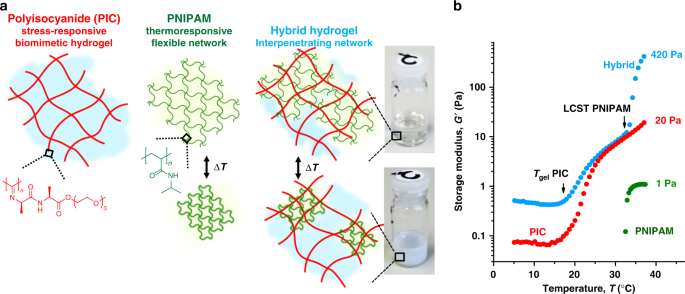
Cytoskeletal stiffening in synthetic hydrogels

41467_2019_8569_Fig1_HTML.png


from A via a.sfakia on Inoreader https://go.nature.com/2GmGJWo

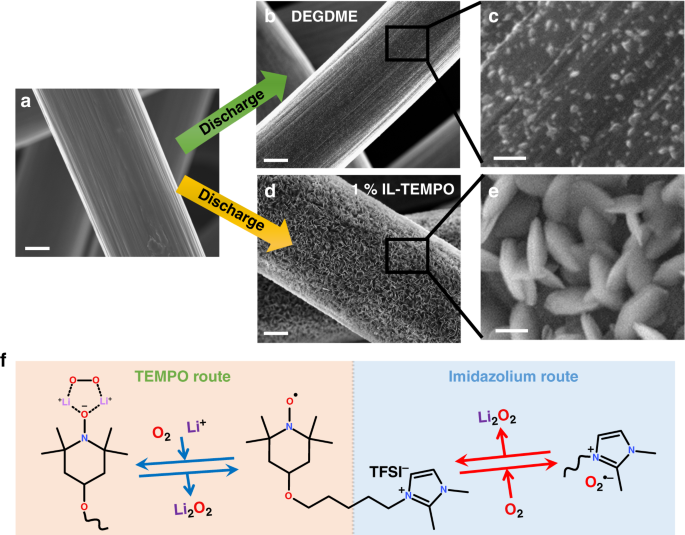
A versatile functionalized ionic liquid to boost the solution-mediated performances of lithium-oxygen batteries

41467_2019_8422_Fig2_HTML.png


from A via a.sfakia on Inoreader https://go.nature.com/2SrKhwR

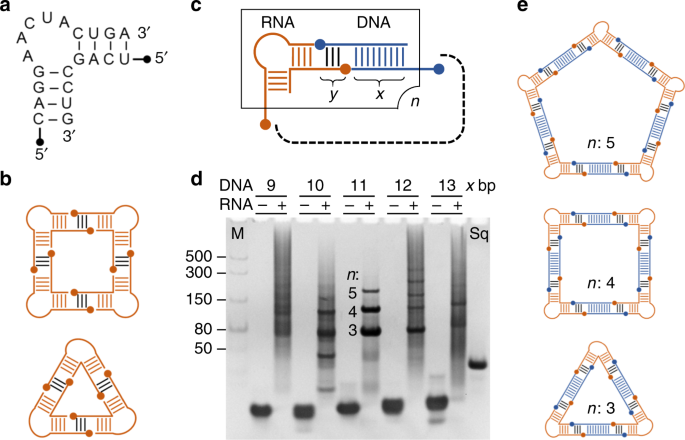
Versatile kit of robust nanoshapes self-assembling from RNA and DNA modules

41467_2019_8521_Fig1_HTML.png


from A via a.sfakia on Inoreader https://go.nature.com/2GoCCZV

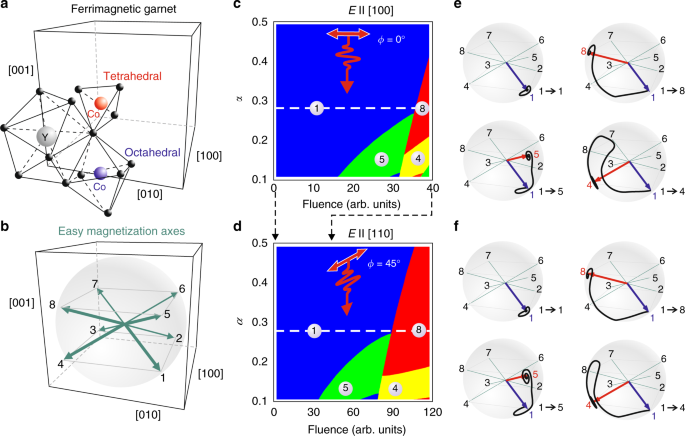
Selection rules for all-optical magnetic recording in iron garnet

41467_2019_8458_Fig1_HTML.png


from A via a.sfakia on Inoreader https://go.nature.com/2SuSkJw

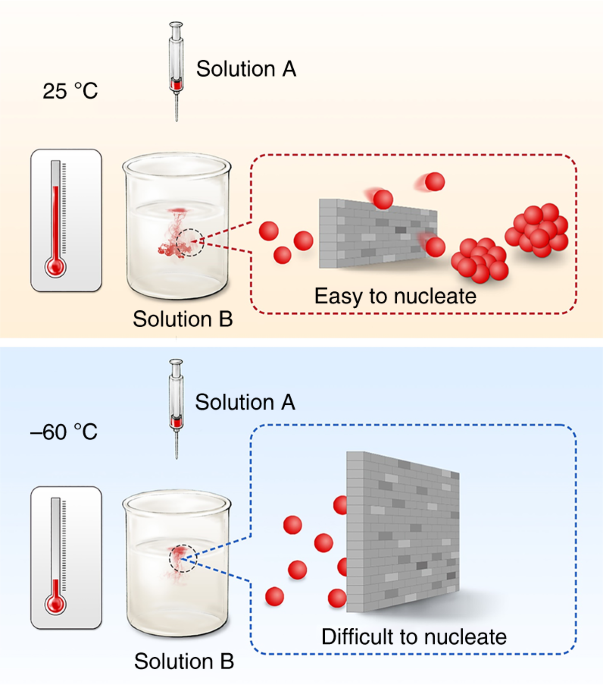
−60 °C solution synthesis of atomically dispersed cobalt electrocatalyst with superior performance

41467_2019_8484_Fig1_HTML.png


from A via a.sfakia on Inoreader https://go.nature.com/2Gn6cit

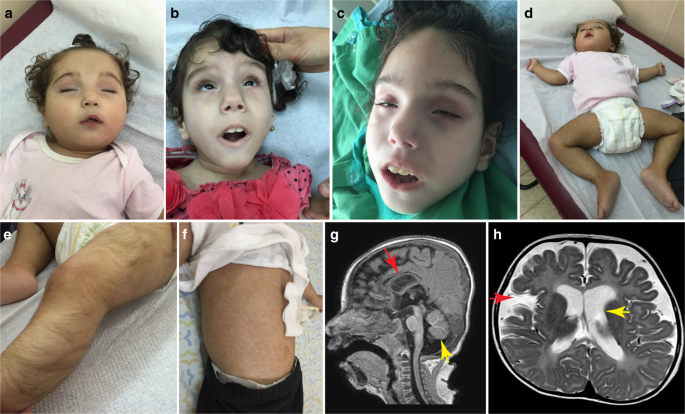
Combined loss of LAP1B and LAP1C results in an early onset multisystemic nuclear envelopathy

41467_2019_8493_Fig1_HTML.png


from A via a.sfakia on Inoreader https://go.nature.com/2SzdQNn

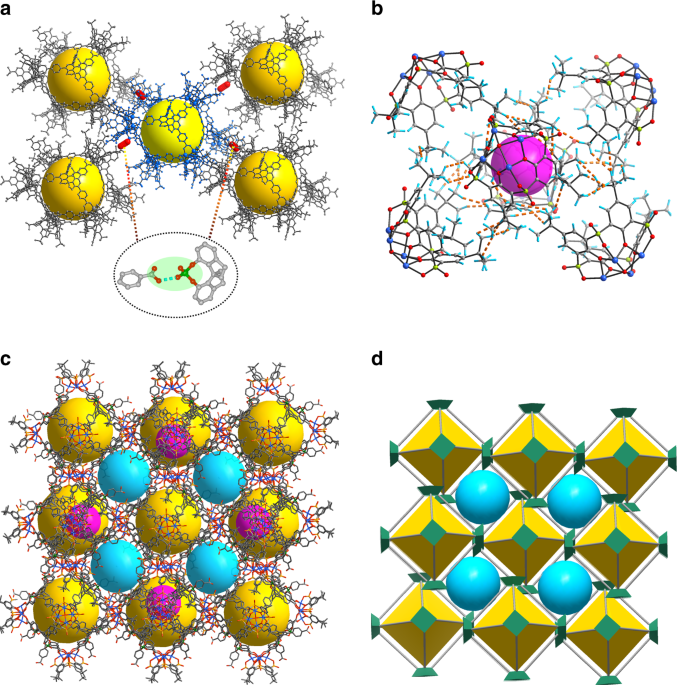
Permanent porous hydrogen-bonded frameworks with two types of Brønsted acid sites for heterogeneous asymmetric catalysis

41467_2019_8416_Fig2_HTML.png


from A via a.sfakia on Inoreader https://go.nature.com/2Gn5P7z

Editorial Board

Publication date: 19 April 2019

Source: Behavioural Brain Research, Volume 362

Author(s):


from A via a.sfakia on Inoreader http://bit.ly/2WFFeIt

Ruminal Microbial Populations and Fermentation Characteristics in Beef Cattle Grazing Tropical Forage in Dry Season and Supplemented with Different Protein Levels

Abstract

We tested the hypothesis that supplementation with protein improves fermentation parameters without damaging the rumen microbial populations of beef cattle grazing Urochloa brizantha cv. Marandu during the dry season. Four rumen-cannulated Nellore bulls (571 ± 31 kg of body weight) were used in a 4 × 4 Latin square design. The treatments were not supplemented with concentrate (only free-choice mineral salt ad libitum) and supplemented (supplements with low-LPSU, medium-MPS, and high protein supplement—HPS), supplying 155, 515, and 875 g/animal/day of crude protein (CP), respectively. The abundance of each target taxon was calculated as a fraction of the total 16S rRNA gene copies in the samples, using taxon-specific and domain bacteria primers. There was no difference (P > 0.05) across treatments for intakes of dry matter (DM), forage and neutral detergent fiber (NDF), digestibility of DM and NDF, and ruminal pH. Animals supplemented with concentrate had greater (P < 0.05) intakes and digestibility of CP, ether extract and non-fibrous carbohydrate contents of the substrates (EE + NFC), and ruminal ammonia nitrogen (RAN) compared to control. Bulls that received only mineral salt had lower proportions of Butyrivibrio fibrisolvens and had greater (P < 0.05) proportions of Fibrobacter succinogenes, Ruminococcus albus, Ruminococcus flavefaciens, Methanogen archaea than bulls supplemented with concentrate. The MPS animals had greater (P < 0.05) intake and digestibility of CP, RAN concentration, and had lower (P < 0.05) proportions of Fibrobacter succinogenes, Ruminococcus flavefaciens, and Selenomonas ruminantium than LPSU animals. The HPS provided higher (P < 0.05) intake of CP, RAN and proportion of Ruminococcus albus when compared with MPS. In conclusion, supply of 515 g/animal/day of protein via supplement provides better ruminal conditions for the growth of cellulolytic bacteria of bulls on pasture during dry season.


from A via a.sfakia on Inoreader http://bit.ly/2Sy5dlQ

A Technique to Simultaneously Fabricate Multiple Custom Impression Posts for Implant‐Supported Restorations in the Esthetic Zone

Abstract

Peri‐implant transmucosal tissue, an essential element of peri‐implant esthetics, is critical to the success of prostheses in the esthetic zone. The optimal transmucosal tissue profile can be transferred to the master cast with the aid of custom impression posts. In this clinical technique, the initial cast used to fabricate interim prostheses was conveniently used to aid in the time‐efficient fabrication of multiple custom impression posts simultaneously using self‐cured acrylic resin. This technique also applies to single restorations. In addition, the use of an initial cast as holder makes it easy to transfer custom impression posts to the mouth accurately and efficiently.

This article is protected by copyright. All rights reserved


from A via a.sfakia on Inoreader http://bit.ly/2RDB6VS

Comparison of the Accuracy of Fit of Metal, Zirconia, and Lithium Disilicate Crowns Made from Different Manufacturing Techniques

Abstract

Purpose

To evaluate the accuracy of fit of metal, lithium disilicate, and zirconia crowns, which were produced using different manufacturing techniques.

Materials and Methods

Ten patients in need of a molar crown were recruited. Eight crowns were fabricated for each patient: 2 zirconia, 3 lithium disilicate (e.max), and 3 metal‐ceramic crowns using conventional, conventional/digital, and digital techniques. Marginal, axial, and occlusal gaps were measured using a replica technique. Replicas were sectioned mesiodistally and buccolingually and were observed under a stereomicroscope. A total of 32 measurements for each crown replica at 3 different points (12 marginal, 12 axial, and 8 occlusal) were performed. Statistical analysis was performed using two‐way ANOVA and Tukey HSD tests.

Results

Marginal means ranged from 116.39 ± 32.76 μm for the conventional metal‐ceramic group to 147.56 ±31.56 μm for the digital e.max group. The smallest axial gap was recorded for the digital Zirconia group (76.19 ±23.94 μm), while the largest axial gap was recorded for the conventional e.max (101.80 ± 19.81 μm) and conventional/digital metal‐ceramic groups (101.80 ± 35.31 μm). The conventional e.max crowns had the smallest occlusal mean gap (185.59 ± 59.09 μm), while the digital e.max group had the largest occlusal mean gap (295.38 ± 67.80 μm). Type of crown had no significant effect on marginal (p = 0.07, f = 2.71), axial (p = 0.75, f = 0.29), or occlusal fit (p = 0.099, f = 2.4), while fabrication method had a significant effect on axial gap only (p = 0.169, f = 1.82, p = 0.003, f = 6.21, and p = 0.144, f = 2 for marginal, axial, and occlusal fit, respectively). Digital fabrication produced significantly smaller axial gaps than the conventional method (p = 0.02), and the conventional digital method (p = 0.005).

Conclusions

The type of crown and method of manufacturing had no effect on the marginal and occlusal gap of single posterior crown, while the method of manufacturing had a significant effect on the axial gap. The digital method produced the smallest axial fit in comparison with the other methods, while the type of crown had no effect on the axial gap.

This article is protected by copyright. All rights reserved


from A via a.sfakia on Inoreader http://bit.ly/2WFFbfL

Vertical Ridge Gain with Various Bone Augmentation Techniques: A Systematic Review and Meta‐Analysis

Abstract

Purpose

The aim of this systematic review was to determine the most effective alveolar augmentation technique for vertical bone gain.

Materials and Methods

A systematic search to select clinical trials and retrospective studies done on patients with reduced vertical bone height was conducted. The intervention of interest was autogenous block graft done compared to procedures such as DO, particulate grafting, block plus particulate grafting with titanium mesh, and tent pole technique in systematically healthy adult patients age 18 and older. The following electronic databases were explored: PubMed, CINAHL, and Dental and Oral Science. A supplementary manual search of published full‐text articles from January 2005 to December 2017 was done using Google Scholar. Grey literature was also sought using greylit.org. The review protocol was registered at the Prospero registry (CRD # 42017072432). The risk of bias of the included studies was assessed using EPOC criteria. Meta‐analysis was performed using Review Manager for studies with quantitative data on mean values of vertical bone gain and bone resorption achieved with various bone augmentation techniques. Random effect model was used. Heterogeneity among studies was evaluated using the I2 statistic.

Results

A total of 2322 articles were found. After excluding the irrelevant papers, only 8 papers were finally selected for the detailed evaluation. Of these 8, 5 were clinical trials, and 3 were retrospective studies. Four studies were on DO, 2 on particulate grafting, 1 on autogenous block grafting plus particulate grafting, and 1 on tent pole grafting. The control group in all studies were autogenous block graft. Meta‐analysis revealed no significant difference between DO and autogenous block grafting for vertical bone gain (mean difference 0.82 [‐1.28, 2.91]). Similarly, no significant difference was observed in the 2 techniques for bone resorption (mean difference 0.38 [‐0.23, 0.99]).

Conclusions

DO was not superior to autogenous block grafting for vertical bone augmentation. Both techniques were associated with a number of complications. There was no difference in the bone resorption observed in the 2 techniques. No conclusive results can be drawn on other techniques on account of limited data.

This article is protected by copyright. All rights reserved


from A via a.sfakia on Inoreader http://bit.ly/2RDAShu

Evaluation of confirmatory data following the Article 12 MRL review for spinosad

Abstract

The applicant Dow AgroSciences Ltd submitted a request to the competent national authority in the Netherlands to evaluate the confirmatory data that were identified for spinosad in the framework of the maximum residue level (MRL) review under Article 12 of Regulation (EC) No 396/2005 as not available. The data gaps related to residue trials on globe artichokes, flowering brassica and the nature of residues in processed commodities were satisfactorily addressed. A new feeding study on poultry has been submitted as requested, but the information is not sufficient to derive conversion factors (CF) for risk assessment for poultry liver and eggs to replace the tentative conversion factors obtained from the metabolism study. The new information provided justifies the lowering of the MRLs for flowering brassica and products of poultry origin. The consumer risk assessment performed for spinosad was updated taking into account the acute reference dose (ARfD) which was recently derived by EFSA. Since for spinach a potential consumer intake concern was identified, the lowering of the existing MRL is recommended. For the remaining commodities assessed under this application (globe artichokes, flowering brassica, products derived from poultry), a consumer intake concern was not identified. For a number of commodities for which MRLs have been established previously but which are not subject of the current assessment, EFSA recommends a review of the MRLs because of potential short‐term intake concerns.


from A via a.sfakia on Inoreader http://bit.ly/2SoiJZq

Aviation pioneers missed out on publicity


from A via a.sfakia on Inoreader https://go.nature.com/2G9246p

Save Javan rhinos that survived eruption


from A via a.sfakia on Inoreader https://go.nature.com/2D7paq4

Farmers could teach scientists a trick or two for lobbying


from A via a.sfakia on Inoreader https://go.nature.com/2G921HL

Responding to the call of home


from A via a.sfakia on Inoreader https://go.nature.com/2DaGydD

Activation of endoplasmic reticulum stress in rat brain following low-intensity microwave exposure

Abstract

The present study was designed to explore the effects of low-intensity microwave radiation on endoplasmic reticulum stress and unfolded protein response. Experiments were performed on male Wistar rats exposed to microwave radiation for 30 days at 900 MHz, 1800 MHz, and 2450 MHz frequencies on four groups of animal: sham-exposed group, 900 MHz exposed (SAR 5.84 × 10−4 W/kg), 1800 MHz exposed (SAR 5.94 × 10−4 W/kg), and 2450 MHz exposed (SAR 6.7 × 10−4 W/kg) groups. Expressions of mRNA were estimated at the end of exposure in rat brain by real-time quantitative PCR. Microwave exposure at 900, 1800, and 2450 MHz with respective SAR values as mentioned above significantly (< 0.05) altered mRNA expression of transcription factors ATF4, CHOP, and XBP1 in accordance with increasing microwave frequency. The result of the present study reveals that low-intensity microwave exposure at frequencies 900, 1800, and 2450 MHz induces endoplasmic reticulum stress and unfolded protein response.


from Energy Ecology Environment Ambio via Terpsi Hori on Inoreader http://bit.ly/2GozHAr

Drivers of carbon emissions in Turkey: considering asymmetric impacts

Abstract

This study investigates the impacts of income, (renewable and non-renewable) energy consumption, trade, and financial development on carbon dioxide emissions in Turkey for the 1965–2015 period by employing the non-linear autoregressive distributed lag method. Results show that non-renewable and renewable energy consumption, and trade openness have asymmetric impacts on pollution in long-run, while only renewable energy consumption has asymmetric impact on emissions in short-run. Results further reveal that the Environmental Kuznets Curve hypothesis is not valid in Turkey. Moreover, both financial development and trade positively affect emissions. Additionally, in long-run, positive shocks in renewable and non-renewable energy consumption increase emissions, but the impact of renewable energy consumption is infinitesimally small compared to the impact of non-renewable energy consumption. However, negative shocks in renewable energy consumption increase emissions, whereas negative developments in non-renewable energy consumption decrease emissions. Further, in short-run, positive developments in renewable energy consumption decrease emissions, and negative developments in non-renewable energy consumption have the same influence on emissions. In accordance with the findings, some policy suggestions are proposed.


from Energy Ecology Environment Ambio via Terpsi Hori on Inoreader http://bit.ly/2SwuFYU

Removal of phenanthrene and pyrene from contaminated sandy soil using hydrogen peroxide oxidation catalyzed by basic oxygen furnace slag

Abstract

Soil contamination with polycyclic aromatic hydrocarbons (PAHs) is a serious problem in Northeast China, especially in the steel industrial area. The objective of this study was to evaluate the feasibility of using basic oxygen furnace (BOF) slag to activate the Fenton-like remediation of PAH-contaminated soil to achieve the objectives of "waste control by waste" and "resource recycling" in Chinese steel industry. The effects of BOF slag dosages, H2O2 concentrations, and exothermicity-driven evaporation were evaluated with respect to the removal efficiencies of phenanthrene (Phe) and pyrene (Pyr). Results indicated that PAH oxidation was proportional to the BOF slag dosages and was increased exponentially with H2O2 concentrations. Evaporation due to increasing temperature caused by exothermic reaction played an important role in total soil PAH losses. The sequential Fenton-like oxidation with a 3-times application of 15% H2O2 and the same BOF slag repeatedly used were able to remove 65.87% of Phe and 58.33% of Pyr, respectively. Soluble iron oxides containing in BOF slag were reduced, while amorphous iron oxide concentration remained stable during the repeated Fenton-like process. Column study mimics real field applications showing high removal efficiencies of Phe (36.05–83.20%) and Pyr (21.79–68.06%) in 30-cm depth of soil profile. The tests on soluble heavy metal concentrations after the reactions with high slag dosage or high H2O2 concentration confirmed that BOF slag would not cause heavy metal contamination. Consequently, BOF slag may provide an efficient way for enhancing the Fenton-like based remediation of heavily PAH-polluted soil with little risk on collateral heavy metal contamination. However, an external gas collection and purification equipment would be essential to eliminate the evaporated PAHs.


from Energy Ecology Environment Ambio via Terpsi Hori on Inoreader http://bit.ly/2GncEG9

Seasonal variation in metal concentration in various tissues of the European chub ( Squalius cephalus L.)

Abstract

Due to the increasing industrialization, metals are discharged into all spheres of the environment, in particular, in river courses, which leads to the need for constant monitoring. Metals do not degrade into harmless end products; they are very persistent and have high potential for accumulation in biota. Metals in the fish body are accumulated in different amounts in the tissue specific matter. In relation to the biotic conditions and fish metabolism, the load of food, or the stage of the reproductive cycle, the seasonal variation of metal levels can be expected. Because of that, the objective of our present study was to analyze 15 metals and metalloids in liver, gills, muscle, and gonads of European chub (Squalius cephalus) throughout the 4 seasons, autumn, winter, spring, and summer. The specimens were collected from two rivers, Pestan and Beljanica at the Kolubara basin, and their concentrations were determined with inductively coupled plasma optical emission spectrometry (ICP-OES). Specimens from both rivers have shown similarities in metal accumulation like the highest accumulation of majority of elements in gills, lowest accumulation of majority of elements in muscle (except for Hg), and higher accumulation of some elements in summer (Cu, Fe, Zn). In addition, Cu and Fe showed affinity for liver, while Ba, Cr, Sr, and Zn were specific for gills. Also, Al, B, Fe, Ni, and Pb did not show significant differences in concentrations among different seasons in all investigated tissues.


from Energy Ecology Environment Ambio via Terpsi Hori on Inoreader http://bit.ly/2SsjujX

Farmers’ knowledge, attitudes, and perceptions of pesticide use in apple farms of northern Iran: impact on safety behavior

Abstract

Farmers' knowledge of pesticide use as well as their attitudes and perceptions concerning risks and safety play a crucial role in safe spraying operations in farms, but little is known for the inter-relationships among these variables and their impact on safety behavior. This study examined the levels of knowledge, attitudes, and perceptions of pesticide use among apple farmers (n = 200) of Meshkinshahr County, Iran. All farmers used fungicides in their farms. On a scale from 1 to 5, the mean scores of knowledge, attitudes, and perceptions were 3.66 ± 0.77, 3.36 ± 0.59, and 4.37 ± 0.42, respectively, implying a moderate level of knowledge of pesticide use and attitudes towards pesticides, but positive perceptions of pesticides among respondents. Contact with extension agents, education level, reading pesticide labels, and household literate members showed positive association (P < 0.01) with knowledge, attitudes, and perceptions of pesticide use, while contact with other farmers was negatively associated (P < 0.01) with these variables. Farming experience showed positive association (P < 0.01) with knowledge of pesticide use, while age showed negative association (P < 0.01) with attitudes towards pesticides. Poisoning experience was negatively associated with both attitudes and perceptions (P < 0.01), but not with knowledge. Farmers' knowledge of pesticide use (total effect 0.62) was the most important variable affecting pesticide use behavior of apple farmers followed by attitudes (total effect 0.50) and perceptions (total effect 0.42). Also, knowledge impacted attitudes towards pesticide use (accounting for 71% of the variability in farmers' attitudes), while attitudes in turn impacted perceptions (accounting for 69% of the variability in farmers' perceptions). Findings specify inter-relationships between farmers' knowledge, attitudes, and perceptions and the impact of those variables on safety behavior concerning pesticide use. Increasing farmers' knowledge of pesticide use and modifying attitudes and perceptions concerning pesticides are necessary for improving safety behavior of farmers in the use of pesticides.


from Energy Ecology Environment Ambio via Terpsi Hori on Inoreader http://bit.ly/2TynNYm

ESSIMAGE: a tool for the assessment of the agroecological performance of agricultural production systems

Abstract

Over the last few years, intensive agriculture has often been denounced as a source of negative effects, particularly at the environmental and health level (overexploitation of natural resources, degradation of their quality, appearance and development of several diseases, etc.). Reducing the excessive use of agricultural inputs for the protection of the environment and the preservation of human and animal health is a social requirement nowadays. Investing in more sustainable agricultural models which make it possible to reduce, or even eliminate the risks, has become urgent. A possible solution may be to resort to agroecological systems. In order to be sustainable, these new systems must be performant at the agronomic, economic, social, and environmental levels. There is a multitude of tools for assessing the sustainability of agricultural systems. These tools are inappropriate for organic and agroecological systems, and do not make it possible to measure the agroecological transition performance of farms (Trabelsi et al. Environ Sci Pollut Res 23:139–156, 2016; Trabelsi 2017). This research project aims to design a decision support tool in order to help farms throughout the agroecological transition process, to assess the performance of this transition, and to put forward improvement scenarios. Contrary to other assessment methods, ESSIMAGE (Evaluation and Simulation of Agroecological Systems) is based on both pressure and impact indicators, and takes the specificities of agricultural production systems into account. It is a dynamic tool which not only makes it possible to assess farm performance at the present moment but also to consider the future by putting forward possible alternative improvement scenarios and by simulating their consequences at a later stage. ESSIMAGE is based on the interaction of two elements: agro-environmental, social, and economic indicators, and the GIS (Geographic Information System) software. This tool has been tested as part of a CASDAR "Post-MAET Gimone" ( agriculture.gouv.fr/ministere/mobilisation-collective-pour-lagroecologie. ) project on the subject of "Collective mobilization for agroecology" by using farm data, most of the farms having been involved in an agro-environmental measure for the progressive reduction of phytosanitary treatments since 2008. It has made it possible to compare the agroecological performances of these farms with an optimal situation, as well as with each other. Considering the research objectives and the approaches discussed, this study is an original step in the development of agricultural management strategies in favor of agroecology.


from Energy Ecology Environment Ambio via Terpsi Hori on Inoreader http://bit.ly/2BilwJS

Effect of bifenthrin on oxidative stress parameters in the liver, kidneys, and lungs of rats

Abstract

Oxidative stress inducing potential of bifenthrin was evaluated in the liver, kidney, and lung of rats following its repeated oral administration for 20 and 30 days. Bifenthrin-treated rats showed a significant lipid peroxidation in all three tissues. By 20th day of treatment, there was a significant decrease in superoxide dismutase activity of the liver, catalase and glutathione peroxidase activity of the liver and lung, and glutathione S-transferase activity of the kidney and lung. By 30th day of exposure, the activities of these enzymes were significantly decreased in all three tissues. The highest oxidative stress, indicated by lipid peroxidation and alteration in antioxidant enzymes, is produced in the liver followed by the kidney and lung. In conclusion, bifenthrin has a potential to induce severe oxidative stress in the liver, kidney, and lung. The extent of oxidative stress is increased with the duration of exposure.


from Energy Ecology Environment Ambio via Terpsi Hori on Inoreader http://bit.ly/2TynD3c

Web-based Korean maximum residue limit evaluation tools: an applied example of maximum residue limit evaluation for trichlorfon in fishery products

Abstract

To ensure public safety against veterinary drug residues in food products from animal sources, maximum residue limits (MRLs) should be established by scientific evidence and a transparent estimation process. The Joint Food and Agriculture Organization (FAO)/World Health Organization (WHO) Expert Committee on Food Additives (JECFA) developed an Excel workbook-based tool for MRLs evaluation in 2003. In this study, we developed a web-based tool for MRL evaluation, called Korean MRL evaluation tools (KMET). While KMET used algorithms of JECFA workbook, it added some databases (e.g., Korean food consumption database) and provided additional functions (e.g., selection of target marker residue). Web-based KMET enabled regulatory policy makers to update the database. All input data and output results related to MRL evaluation based on residue depletion and food consumption datasets were archived and provided overall processes from the initial depletion data entry to MRL establishment with user-friendly interface. Our results demonstrated the stepwise processes whereby MRL for trichlorfon in the muscle of Paralichthys olivaceus was established with functional descriptions of KMET. MRL for trichlorfon derived from KMET was proposed and notified by the Ministry of Food and Drug Safety in 2018.


from Energy Ecology Environment Ambio via Terpsi Hori on Inoreader http://bit.ly/2Bmy4jw

Pyrolyzed municipal sewage sludge ensured safe grain production while reduced C emissions in a paddy soil under rice and wheat rotation

Abstract

Safe recycling of the growing amounts of municipal sewage sludge containing toxic metals had been critically challenged with the fast urbanization. In this study, we investigated soil amendment of municipal wastewater treatment (MSS) converted biochar for its recycling in agricultural soils. In a field experiment, unpyrolyzed (USS) and pyrolyzed municipal sewage sludge (PSS) was amended at 20 t ha−1 on dry base to a rice paddy before rice plantation, with a control without amendment. Grain yield and emission of non-CO2 potent greenhouse gases were examined as well as topsoil metal mobility and plant uptake determined throughout a rice-wheat rotation year. Compared to USS treatment, addition of PSS caused a significantly increased grain yield of rice by 35% but no change in grain yield of wheat following the rice season. No distinct difference was observed in grain concentration of major nutrients of N, P, and K between USS and PSS treatments. Compared to USS treatment, PSS treatment reduced CH4 emissions by 91.6% from soil and by 78.5% from ecosystem during rice-growing season. Whereas, PSS treatment led to a reduction of ecosystem N2O emissions by 70.8% relative to USS treatment during wheat-growing season. While both USS and PSS treatments slightly but insignificantly increased soil total content of heavy metals, PSS treatment reduced CaCl2-extractable Cd pool by 33~40% over USS treatment. Grain contents of Cd and Pb and Cd/Zn were markedly reduced under PSS over USS, without exceeding the Chinese state guideline limit. Carbon emission intensity was considerably (by over 20%) reduced for soil and ecosystem but unchanged for wheat soil, under PSS over USS. Thus, soil amendment of pyrolyzed sewage sludge could be a measure for climate smart soil and for safe grain production in rice agriculture. It deserves further study if repeated amendment could exert sustainable impacts on soil health and food security in the paddy.


from Energy Ecology Environment Ambio via Terpsi Hori on Inoreader http://bit.ly/2Tyns82

Photobiomodulation can alter mRNA levels cell death-related

Abstract

Photobiomodulation (PBM) by low-level laser has demonstrated excellent results for inflammatory treatments, promoting repair of injured tissues. Knowledge regarding the molecular mechanisms involved in this process has been increasing, but its effect on cell death/survival-related gene expression after laser irradiation with different doses is not well understood. So, it is important to know these effects in order to guarantee the safety of therapeutic protocols based on PBM. This study aimed to investigate the mRNA levels of genes related to proteins involved in cell death/survival pathways of healthy tissues from talocrural joint of mice after PBM. Mice were divided into three groups: control, PBM at 3 J cm−2, and PBM at 30 J cm−2. Laser irradiation was performed on talocrural joint during four consecutive days. Morphological analyses, immunocytochemistry, FasL, Fas, Bax, Apaf1, Caspase9, Caspase3, Caspase6, Bcl2 mRNA levels, and DNA fragmentation were performed to verify cell death induction after laser irradiation. PBM can increase mRNA levels of almost genes pro-apoptotic. On the other hand, mRNA level of anti-apoptotic protein Bcl-2 gene was not significantly altered. Bcl-2/Bax ratio (indicator of protective molecular response) was decreased after PBM at 30 J cm−2, trending to DNA fragmentation. Results obtained in this study indicate that PBM by low-level infrared laser alters mRNA relative levels of genes involved in cell death pathways. However, these molecular alterations were not able to cause DNA fragmentation in cells in talocrural joint tissues, indicating that infrared laser was not enough to cause cell death.


from A via a.sfakia on Inoreader http://bit.ly/2WGGJGu

The 2030 Agenda compared with six related international agreements: valuable resources for SDG implementation

Abstract

A recurrent problem in international organizations is the disappearance of institutional history and knowledge. The same can be said about international agreements unless the same key drafters/negotiators are involved in subsequent agreements which is rarely the case. This study provides an example how institutional memory embedded in international agreements can be preserved for the benefit of the next generation of policy negotiators. Hence, as a contribution to the broader reflection on how to align National Sustainable Development Plans with the implementation plan of 2030 Agenda, the purpose of the study is to present a comparative analysis of the 2030 Agenda with 6 outcome documents that were negotiated and agreed by the UN member countries in the domain of sustainability. This analysis aims to identify issues not covered or "unfinished business" in the 2030 Agenda and addressed in a more comprehensive manner or from different perspectives. The list of agreements and outcome documents included are Agenda 21, Programme for the Further Implementation of Agenda 21, Outcomes of the World Summit on Sustainable Development, the United Nations Conference on Sustainable Development, The Paris Agreement and the Addis Ababa Action Agenda on Financing for Development. Our findings show that these agreements tend to build on each other, not always in the most straightforward manner, but they constitute a complementary set of agreements documenting the existing knowledge and practices on sustainability development. For instance, the 2030 Agenda does not repeal Agenda 21 (1992) or any other of the six agreements analysed, which shows that these preceding international agreements are still relevant for domestication by the signatories. Rather, it is a summative document covering all three pillars of sustainable development (social, environmental and economic). Recommendations are made on what aspects of the previous agreements could be most relevant for the implementation of the 2030 Agenda. These points need to be part of the outreach in supporting countries for national implementation of the SDGs. Future research examining the interrelated aspects of international agreements could benefit from applying the same approach of comparative text analysis. This, in turn, will allow for the leveraging of prior consensus and knowledge and add deeper insights to meta-level governance toward a sustainable future. It could also be argued that once the SDGs/2030 Agenda needs to be revisited/revised and be replaced, the approach used for this comparative study could become the model to avoid reinventing the wheel and acknowledge that we are all standing on the shoulders of far-sighted public figures whose innovative thinking should be acknowledged rather than forgotten.


from Energy Ecology Environment Ambio via Terpsi Hori on Inoreader http://bit.ly/2DaE2UJ

CoP‐Doped MOF‐Based Electrocatalyst for pH‐Universal Hydrogen Evolution Reaction

Although electrocatalysts based on transition metal phosphides (TMPs) with cationic/anionic doping have been widely studied for hydrogen evolution reaction (HER), the origin of performance enhancement still remains elusive mainly due to the random dispersion of dopants. Herein, we report a controllable partial phosphorization strategy to generate CoP species within the Co‐based metal‐organic framework (Co‐MOF). Density functional theory calculations and experimental results reveal that the electron transfer from CoP to Co‐MOF through N‐P/N‐Co bonds could lead to the optimized adsorption energy of H2O (∆GH2O*) and hydrogen (∆GH*), which, together with the unique porous structure of Co‐MOF, contributes to the remarkable HER performance with an overpotential of 49 mV at a current density of 10 mA cm‐2 in 1 M phosphate buffer solution (PBS, pH = 7.0). The excellent catalytic performance exceeds almost all the documented TMP‐based and non‐noble‐metal‐based electrocatalysts. In addition, the CoP/Co‐MOF hybrid also displays Pt‐like performance in 0.5 M H2SO4 and 1 M KOH, with the overpotentials of 27 and 34 mV, respectively, at a current density of 10 mA cm‐2.


from A via a.sfakia on Inoreader http://bit.ly/2RGJRye

A Metal–Organic Supramolecular Box as a Universal Reservoir of UV, WL, and NIR Light for Long Persistent Luminescence

Angewandte Chemie International Edition A Metal–Organic Supramolecular Box as a Universal Reservoir of UV, WL, and NIR Light for Long Persistent Luminescence

All paths lead to Rome: By the careful design of a donor–π–acceptor ligand with both one‐ and two‐photon absorption attributes (OPA and TPA), LPL could be triggered in an assembled metal–organic supramolecular box through either OPA or TPA pathways by several wavebands of light: UV, white (WL), and NIR (see picture). Such systems have potential for a range of applications, including anti‐counterfeiting, camouflaging, decorating, and displays.


Abstract

Long persistent luminescence (LPL) materials have a unique photophysical mechanism to store light radiation energy for subsequent release. However, in comparison to the common UV source, white‐light (WL) and near‐infrared (NIR) excited LPL is scarce. Herein we report a metal–organic supramolecular box based on a D–π–A‐type ligand. Owing to the integrated one‐photon absorption (OPA) and two‐photon absorption (TPA) attributes of the ligand, the heavy‐atom effect of the metal center, as well as π‐stacking and J‐aggregation states in the supramolecular assembly, LPL can be triggered by all wavebands from the UV to the NIR region. This novel designed supramolecular kit to afford LPL by both OPA and TPA pathways provides potential applications in anti‐counterfeiting, camouflaging, decorating, and displaying, among others.


from A via a.sfakia on Inoreader http://bit.ly/2FgRn0e

Hydrophobic Metal Halide Perovskites for Visible‐Light Photoredox C−C Bond Cleavage and Dehydrogenation Catalysis

Angewandte Chemie International Edition Hydrophobic Metal Halide Perovskites for Visible‐Light Photoredox C−C Bond Cleavage and Dehydrogenation Catalysis

Water repellent and light: Hydrophobic 2D Pb and Sn halide perovskites were synthesized under ambient conditions by solution‐based methods and showed contact angles over 90° as well as dispersibility and photoluminescence in water, thus highlighting their hydrophobic behavior. The perovskites were also effective photocatalysts for visible‐light‐driven redox‐neutral decarboxylation and oxidative dehydrogenation reactions.


Abstract

Two‐dimensional lead and tin halide perovskites were prepared by intercalating the long alkyl group 1‐hexadecylammonium (HDA) between the inorganic layers. We observed visible‐light absorption, narrow‐band photoluminescence, and nanosecond photoexcited lifetimes in these perovskites. Owing to their hydrophobicity and stability even in humid air, we applied these perovskites in the decarboxylation and dehydrogenation of indoline‐2‐carboxylic acids. (HDA)2PbI4 or (HDA)2SnI4 were investigated as photoredox catalysts for these reactions, and quantitative conversion and high yields were observed with the former.


from A via a.sfakia on Inoreader http://bit.ly/2CehF03

Artificial K+ Channels Formed by Pillararene‐Cyclodextrin Hybrid Molecules: Tuning Cation Selectivity and Generating Membrane Potential

Angewandte Chemie International Edition Artificial K+ Channels Formed by Pillararene‐Cyclodextrin Hybrid Molecules: Tuning Cation Selectivity and Generating Membrane Potential

Old pals: A pillararene‐cyclodextrin hybrid molecule, with artificial K+ channel function, is presented. The cation transport selectivity of the artificial channel is tunable. The high selectivity of this artificial channel for K+ over Na+ ensures specific transmembrane translocation of K+, and generated a stable membrane potential across lipid bilayers.


Abstract

A class of artificial K+ channels formed by pillararene‐cyclodextrin hybrid molecules have been designed and synthesized. These channels efficiently inserted into lipid bilayers and displayed high selectivity for K+ over Na+ in fluorescence and electrophysiological experiments. The cation transport selectivity of the artificial channels is tunable by varying the length of the linkers between pillararene and cyclodexrin. The shortest channel showed specific transmembrane transport preference for K+ over all alkali metal ions (selective sequence: K+ > Cs+ > Rb+ > Na+ > Li+), and is rarely observed for artificial K+ channels. The high selectivity of this artificial channel for K+ over Na+ ensures specific transmembrane translocation of K+, and generated stable membrane potential across lipid bilayers.


from A via a.sfakia on Inoreader http://bit.ly/2RusW6U

Dennis G. Hall

Angewandte Chemie International Edition Dennis G. Hall

"My motto is the future is now. The biggest challenge facing scientists is to defend the value of fundamental science with the general public and politicians …" Find out more about Dennis Hall in his Author Profile.


from A via a.sfakia on Inoreader http://bit.ly/2WJJoir

Stereoselective Total Synthesis of Eburnane‐Type Alkaloids Enabled by Conformation‐Directed Cyclization and Rearrangement

Angewandte Chemie International Edition Stereoselective Total Synthesis of Eburnane‐Type Alkaloids Enabled by Conformation‐Directed Cyclization and Rearrangement

A round trip: α‐Iminol rearrangement, diastereoselective cyclization, and either aza‐pinacol or α‐aminoketone rearrangements are the key steps in a divergent and highly stereoselective synthesis of four members of the eburnane class of natural products (see Scheme).


Abstract

Controlling the cis C20/C21 relative stereochemistry remains an unsolved issue in the synthesis of eburnane‐type indole alkaloids. Provided herein is a simple solution to this problem by developing a unified and diastereoselective synthesis of four representative members of this class of natural products, namely, eburnamonine, larutensine, terengganensine B, and melokhanine E. The synthesis features the following key steps: a) an α‐iminol rearrangement transforming the 3‐hydroxyindolenine into spiroindolin‐3‐one, b) a highly diastereoselective conformation‐directed cyclization leading to the melokhanine skeleton with the desired C20/C21 cis stereochemistry, and c) either an aza‐pinacol or an unprecedented α‐aminoketone rearrangement converting spiroindolinone back into the indole skeleton.


from A via a.sfakia on Inoreader http://bit.ly/2s7byWD

Acetonitrile Activation: An Effective C2 Cyclization Unit

A novel acetonitrile activation for construction of cyclobutenones via [2+2] cyclization is developed. Acetonitrile is utilized for the first time as C2 cyclization building block. The present protocol successfully inhibits the competitive cycloaddition with the C≡N triple bond, but enables the in situ formation of unsaturated carbon‐carbon bond and the subsequent cycloaddition as a C2 unit. This chemistry features simple reaction conditions, high chemoselectivities, wide substrate scopes, and offers a new and practical approach to cyclobutenones and cyclobuteneimines.


from A via a.sfakia on Inoreader http://bit.ly/2RFajIC

Biomimetic Designed Stable Lithium Metal Anodes by Co‐depositing Li with 2D Materials Shuttle

Lithium metal batteries are promising candidates for next‐generation battery technology due to their high energy density. However, research progress in lithium metal batteries is severely hindered by the lithium dendrite growth. Lithium is soft with mechanical modulus as low as polymers. This inspires us to suppress lithium dendrites using nacre structure, which is soft‐hard organic‐inorganic lamella. Here, we view lithium as the soft organic segment and choose colloidal vermiculite sheets as the hard inorganic constituent, which theoretically have 30 times higher modulus. The vermiculite sheets have high negative charges. They can absorb plenty of Li+ in electrolytes and then be co‐deposited with lithium, flattening the lithium growth and forming a rock‐shaped structure which is dendrite‐free over hundreds of cycles. After surface absorbed Li+ were deposited, vermiculite sheets become negative charged again and leave the substrate along the electric field, further absorbing new Li+ for homogeneous deposition as a shuttle. Long term cycling of full cells using the nacre‐mimetic lithium metal anodes is also demonstrated. Furthermore, the bio‐inspired approach presented here is adaptable and can be extended to other metal‐based battery systems.


from A via a.sfakia on Inoreader http://bit.ly/2WGCydH

Fuel‐responsive allosteric DNA‐based aptamers for the transient release of ATP and cocaine

Allostery is generally considered as a thermodynamic equilibrium phenomenon. In contrast to this, we show here that this mechanism offers a key strategy to rationally design out‐of‐equilibrium synthetic devices. We demonstrate this by engineering allosteric DNA‐based nanodevices for the transient load and release of small organic molecules. To demonstrate the versatility and generality of our approach we have employed two model DNA‐based aptamers that bind ATP and cocaine through a target‐induced conformational change. We have rationally re‐engineered these aptamers so that their affinity towards their specific target is controlled by a DNA sequence acting as an allosteric inhibitor. The use of an enzyme that specifically cleaves the inhibitor only when it is bound to the aptamer generates a transient allosteric control that leads to the temporal release of ATP or cocaine from the aptamers. Our approach confirms how the programmability and predictability of nucleic acids make synthetic DNA/RNA the perfect candidate material to re‐engineer synthetic receptors that can undergo chemical fuel‐triggered release of different kinds of small molecule cargoes (ATP and cocaine) and to rationally design non‐equilibrium systems. Moreover, our study illustrates the potential of transient allosteric regulation as a tool to control the functions of synthetic dissipative devices.


from A via a.sfakia on Inoreader http://bit.ly/2RF6L96

Sustainable co‐synthesis of glycolic acid, formamides and formates from 1,3‐dihydroxyacetone by a Cu/Al2O3 catalyst with single active sites

Glycolic acid (GA) as important building block of biodegradable polymers has been synthesized for the first time in excellent yields at room temperature by selective oxidation of 1,3‐dihyroxyacetone (DHA) using a cheap supported Cu/Al2O3 catalyst with single active CuII species. By combining EPR spin‐trapping and operando ATR‐IR experiments, different mechanisms for the co‐synthesis of GA, formates and formamides have been derived, in which •OH radicals formed from H2O2 via a Fenton‐like reaction play a key role.


from A via a.sfakia on Inoreader http://bit.ly/2WIbpHe

Phosphine‐Stabilized Diiododiborenes: Isolable Diborenes with Six Labile Bonds

The lability of B=B, B‐P and B‐halide bonds is combined in the syntheses of the first diiododiborenes. In a series of reactivity tests, these diiododiborenes demonstrate cleavage of all six of their central bonds in different ways, leading to products of B=B hydrogenation and dihalogenation as well as halide exchange.


from A via a.sfakia on Inoreader http://bit.ly/2WIbmLy

Emerging Palladium and Nickel Catalysts for Copolymerization of Olefins with Polar Monomers

Transition‐metal catalyzed copolymerization of olefins with polar monomers represents a grand challenge due to the large variety of substrate‐induced side reactions. However, this also holds the potential for direct synthesis of polar functionalized polyolefins with unique properties. After decades of research, only a few catalyst systems have been found to be suitable for this reaction. Some major advances in catalyst development have been made in the past five years. This minireview will summarize some of the recent progress in the extensively studied Brookhart and Drent systems, as well as emerging alternative palladium and nickel catalysts.


from A via a.sfakia on Inoreader http://bit.ly/2REikOb

Stereocontrolled Synthesis of Chiral Heteroaromatic Propellers with Small Optical Bandgaps

Chiral heteroaromatic propellers based on radially π‐extended hexapyrrolohexaazacoronenes were obtained in a concise synthesis from suitably functionalized donor–acceptor monopyrroles. To overcome steric hindrance, a new cyclodehydrogenation method was developed, which uses bromine electrophiles as oxidative coupling agents, instead of the commonly employed high‐potential oxidants. The new reaction offers high yields of propeller targets even for electron‐deficient precursors, and shows electrophile‐dependent stereoselectivity, with N‐bromosuccinimide and dibromine yielding respectively D6‐ and C2‐symmetric products. The propeller azacoronenes are chiral and can be separated into configurationally stable enantiomers. In addition to providing steric bulk, peripheral functionalization considerably affects the electronic properties of the propellers, which exhibit reduced optical and electrochemical bandgaps, and a more clearly defined electroreduction behavior.


from A via a.sfakia on Inoreader http://bit.ly/2WE57sp

External Reversal of Chirality Transfer in Photoswitches

Angewandte Chemie International Edition External Reversal of Chirality Transfer in Photoswitches

Which way to go? The monoterpene l‐menthone was incorporated into the backbone of a photochromic diarylethene. Chirality transfer upon photocyclization leads to preferred formation of one major stereoisomer. Complete reversal of the diastereomeric outcome was achieved by altering either the chemical environment or the irradiation wavelength, resulting in selective formation of the minor isomer.


Abstract

The transfer of stereoinformation is at the heart of asymmetric reactions. By incorporating the natural monoterpene l‐menthone into the backbone of a diarylethene, we achieved efficient chirality transfer upon photocyclization, resulting in the preferred formation of one major closed isomer in a diastereomeric ratio (d.r.) of 85:15. More significantly, we were able to completely reverse the diastereomeric outcome of the ring closure simply by altering the chemical environment or the irradiation conditions. As a result, we could selectively accumulate the less favored minor closed isomer, with remarkable d.r. values of >99:1 and 74:26, respectively. Computations revealed that a stability inversion after photocyclization is the basis for the observed unprecedented control over diastereoselectivity.


from A via a.sfakia on Inoreader http://bit.ly/2HvUnJ9

Metal‐Organic Frameworks with Target‐Specific Active Sites Switched by Photoresponsive Motifs: Efficient Adsorbents for Tailorable CO2 Capture

Photoresponsive metal‐organic frameworks (PMOFs) are of great interest for tailorable CO2 adsorption. However, the modulation of CO2 adsorption on reported PMOFs is based on steric hindrance or structural change due to weak interactions between CO2 and active sites. Moreover, it is a pronounced challenge to fabricate PMOFs with strong but tailorable sites for CO2 adsorption. Here, we report for the first time the construction of PMOFs with target‐specific (strong) active sites by introducing tetraethylenepentamine (TEPA) into azobenzene‐functionalized MOFs for tailorable CO2 adsorption. Amines are specific active sites for CO2, contributing to capture CO2 selectively from mixtures. DFT calculations suggest that cis/trans isomerization of azobenzene motifs trigged by UV/Vis light irradiation adjusts the electrostatic potential of amines significantly; this leads to exposure/shelter of amines and successful modulation of CO2 adsorption on strong active sites. The present PMOFs with target‐specific active sites enables us to design energy‐efficient adsorption processes for selective CO2 capture from mixtures, which is impossible to realize by traditional PMOFs.


from A via a.sfakia on Inoreader http://bit.ly/2GoWgVx

Preoperative Volumetric Modulated Arc Therapy With Simultaneous Integrated Boost for Locally Advanced Distal Rectal Cancer

Technology in Cancer Research &Treatment, Volume 18, Issue , January 2019.


from A via a.sfakia on Inoreader http://bit.ly/2G85hDn

Αναζήτηση αυτού του ιστολογίου

! # Ola via Alexandros G.Sfakianakis on Inoreader